Addition Practice Worksheets for Ages 3-7 - Page 2
191 filtered results
-
From - To
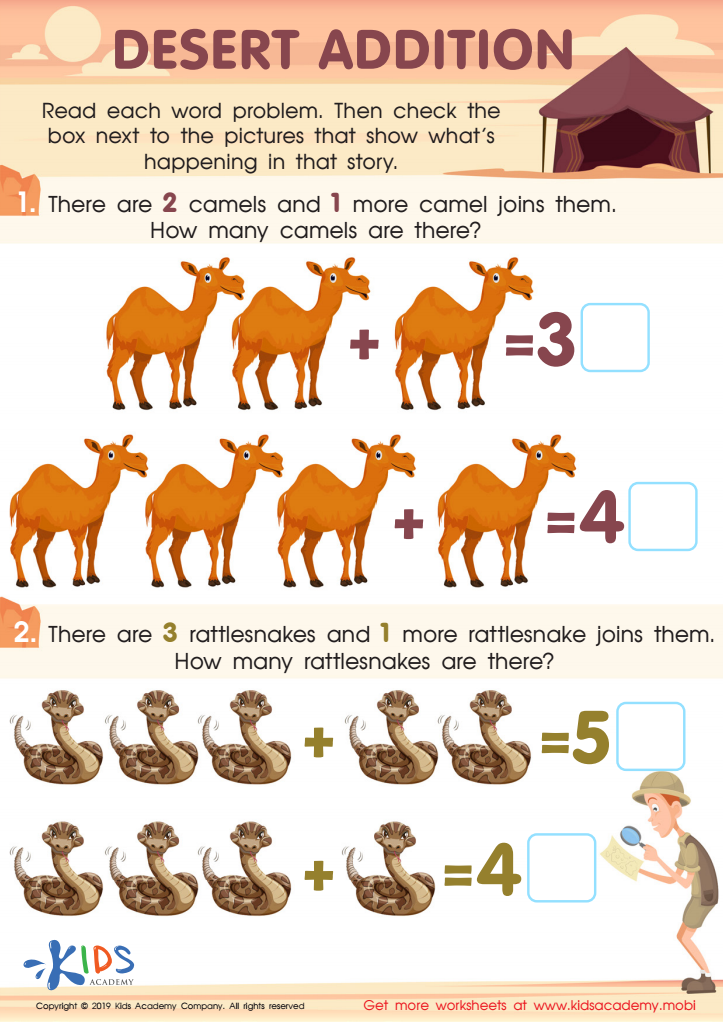
Desert Addition Worksheet
 Assign to My Students
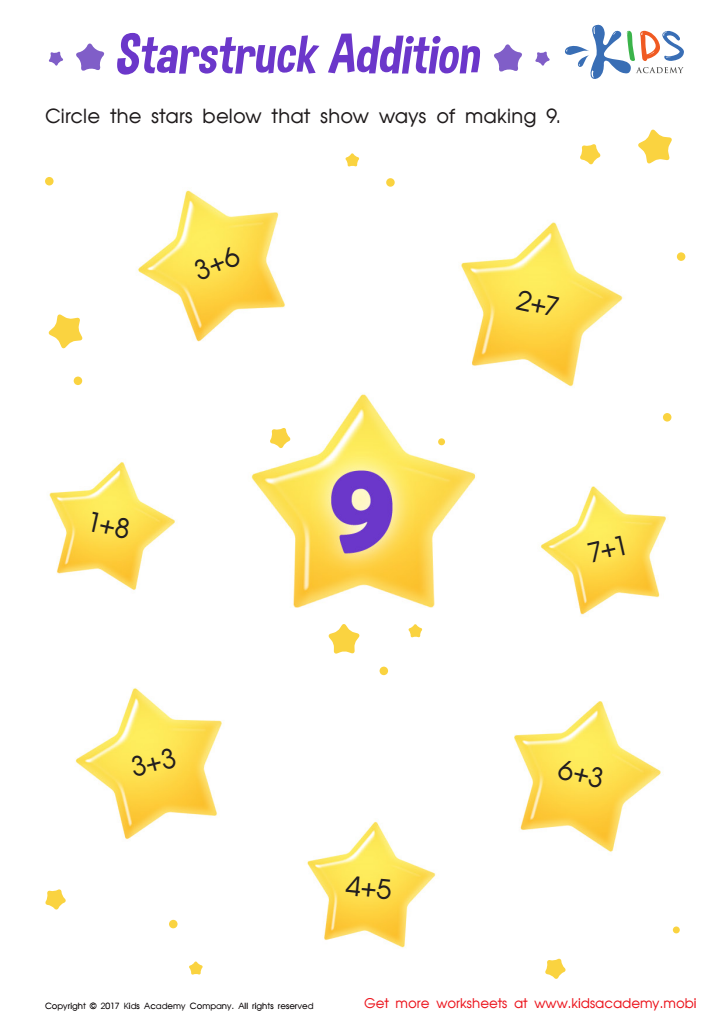
Starstruck Addition Printable
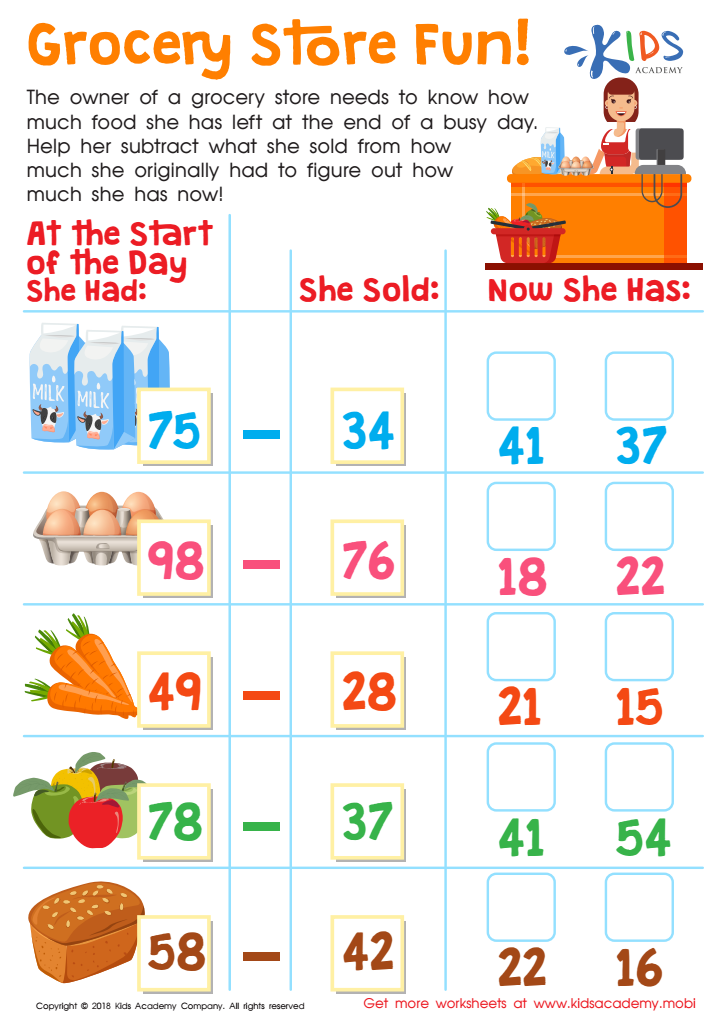
Grocery Store Fun! Worksheet
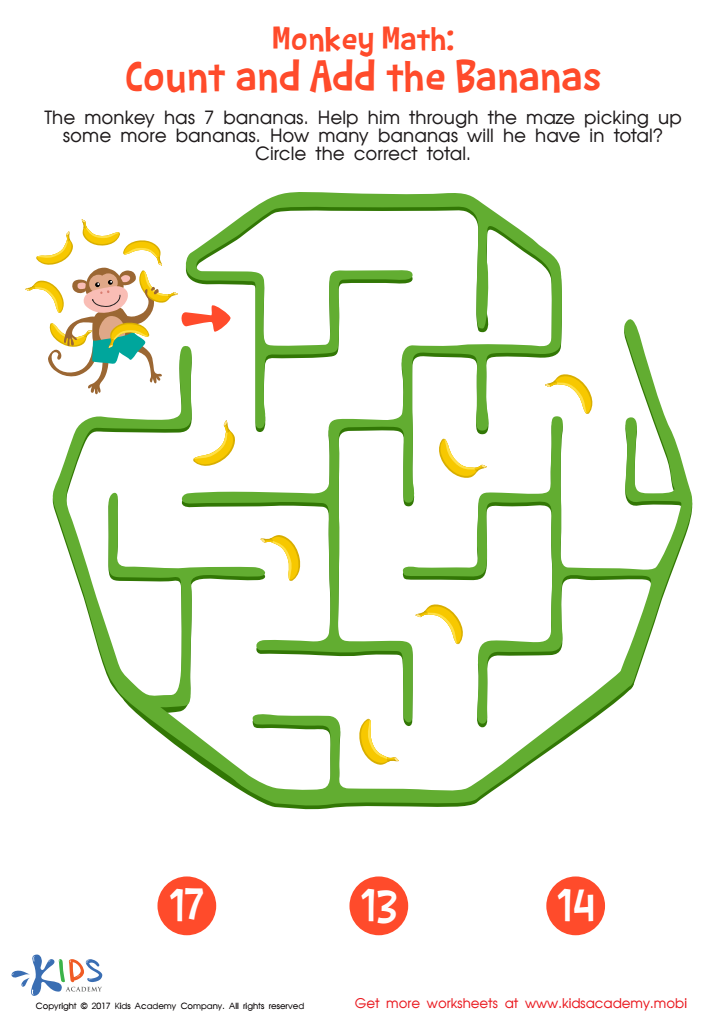
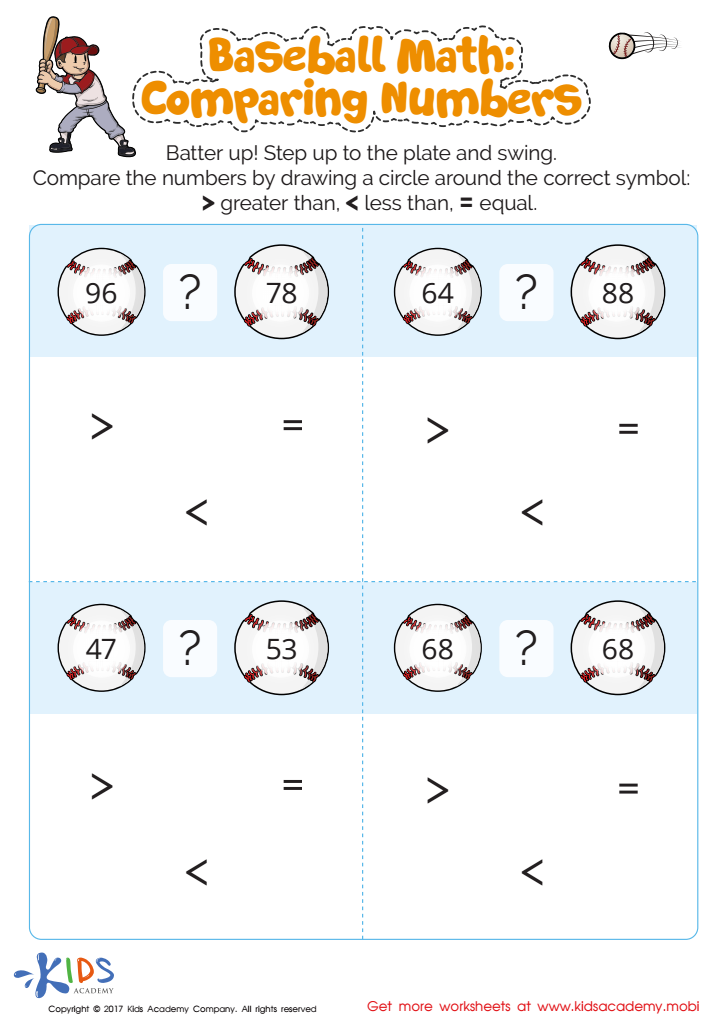
Compare Numbers Printable
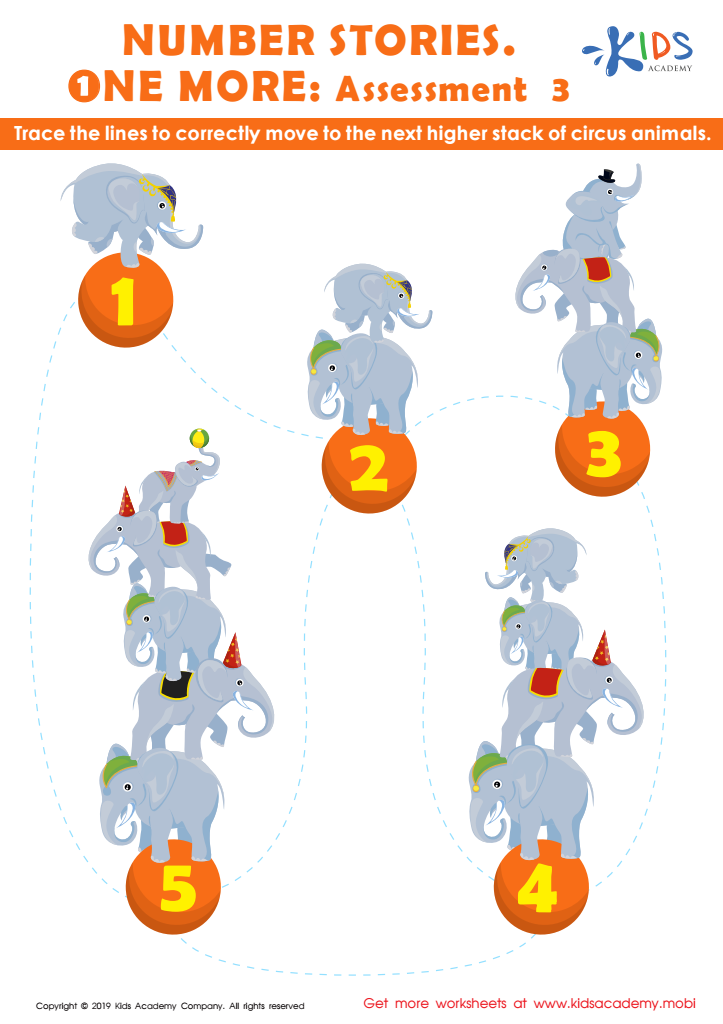
Number Stories One More: Assessment 3 Worksheet
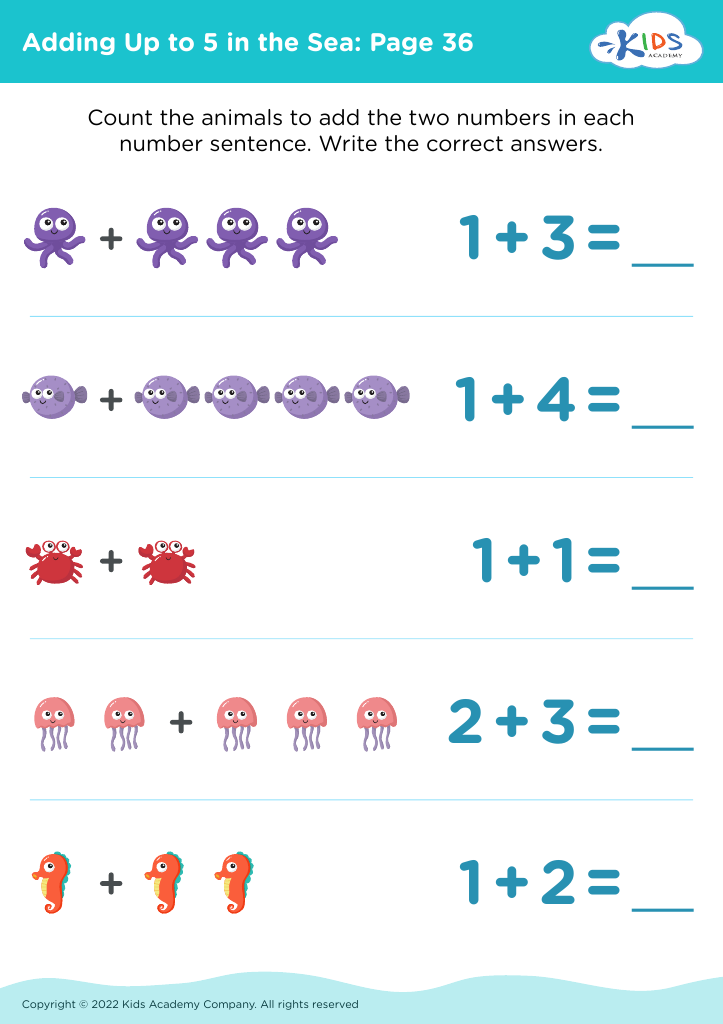
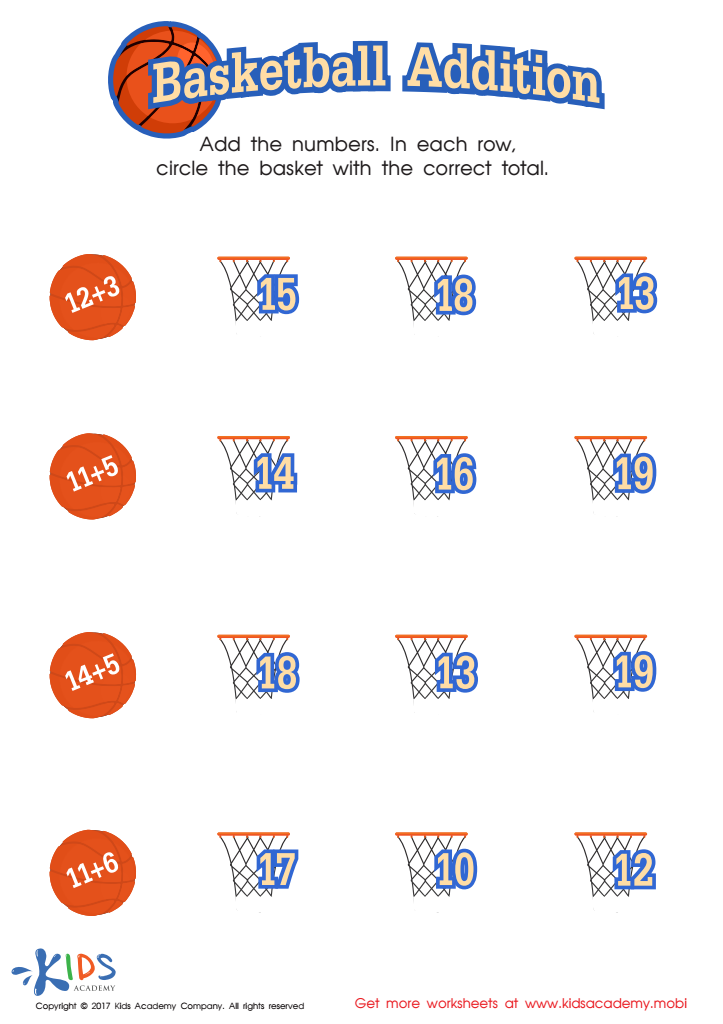
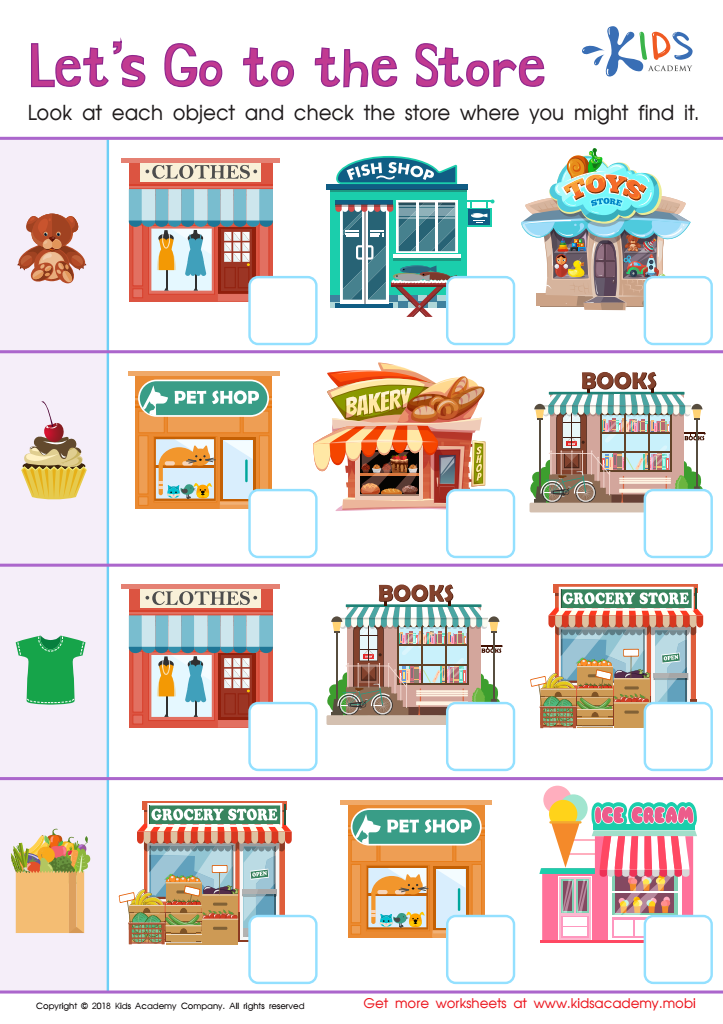
Let's Go to the Store! Worksheet
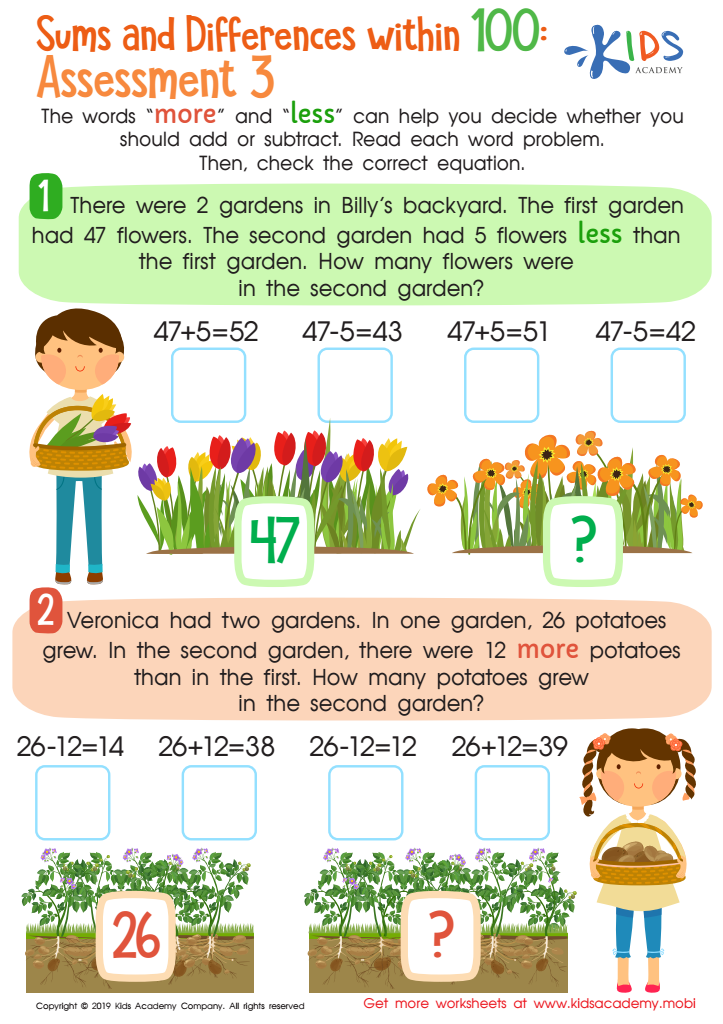
Sums and Differences Within 1 - Assessment 1 Worksheet
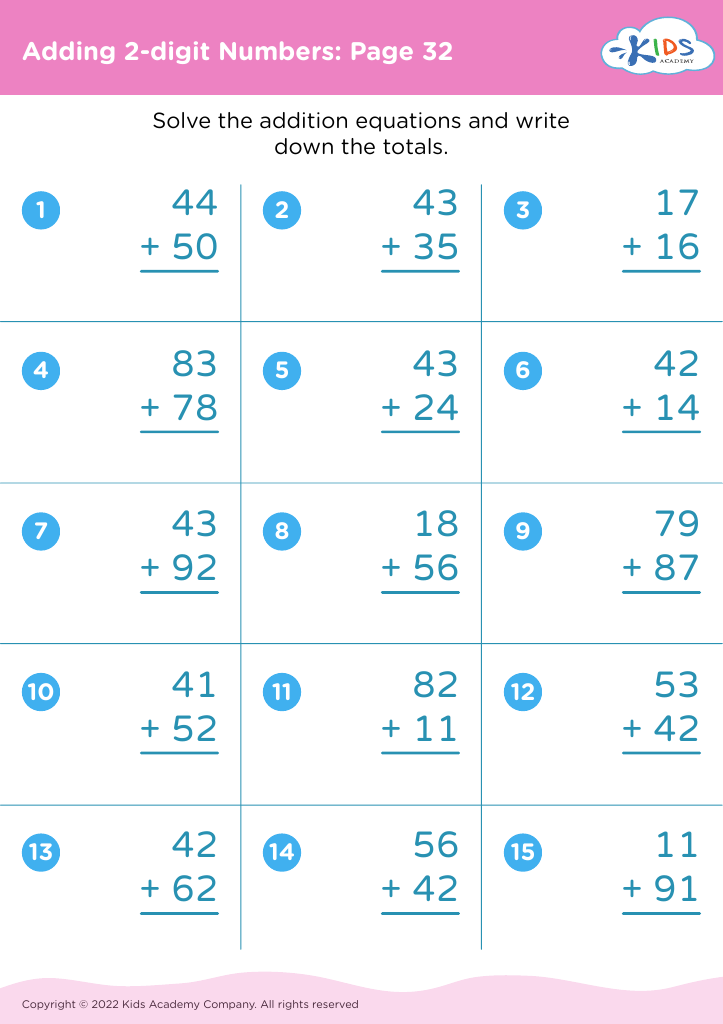
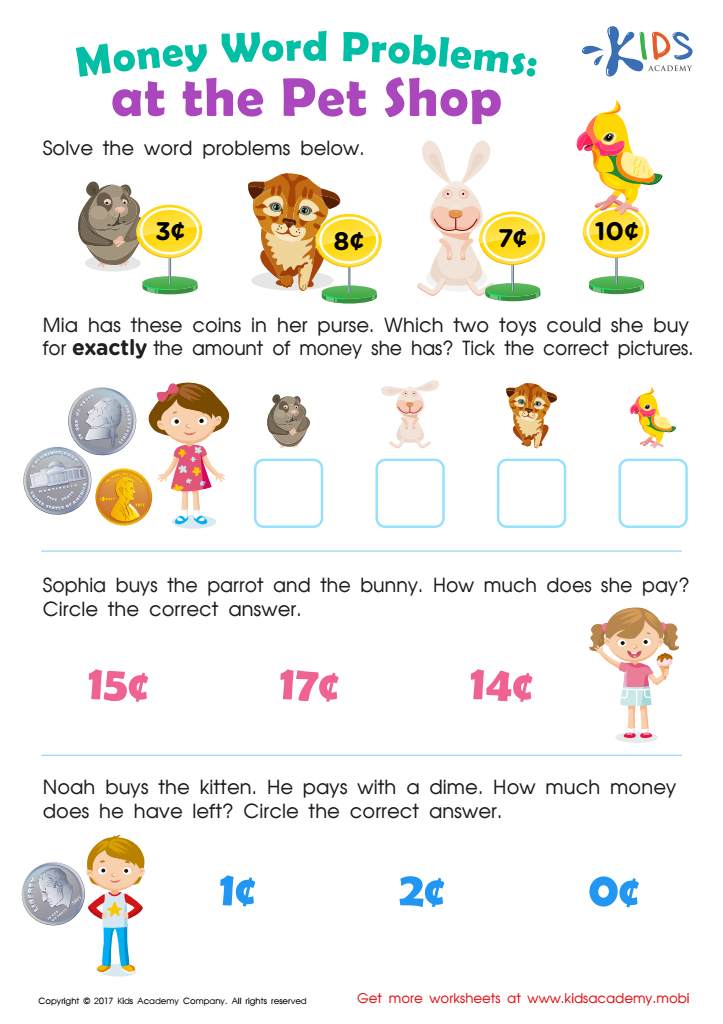
Pet Shop Worksheet
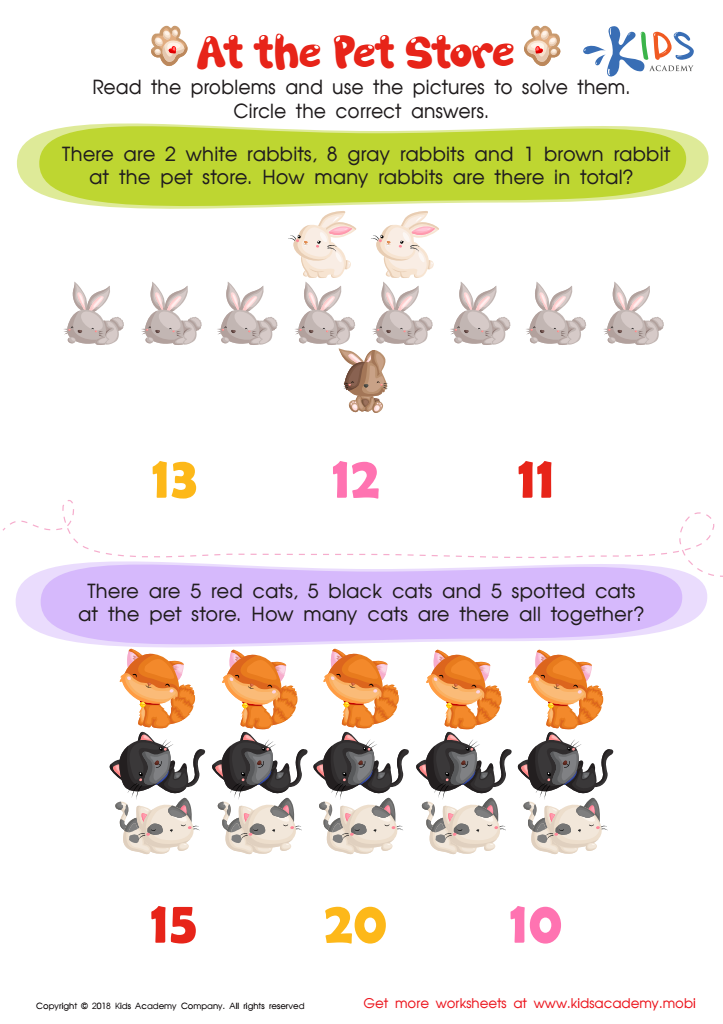
At the Pet Store Word Problems Worksheet
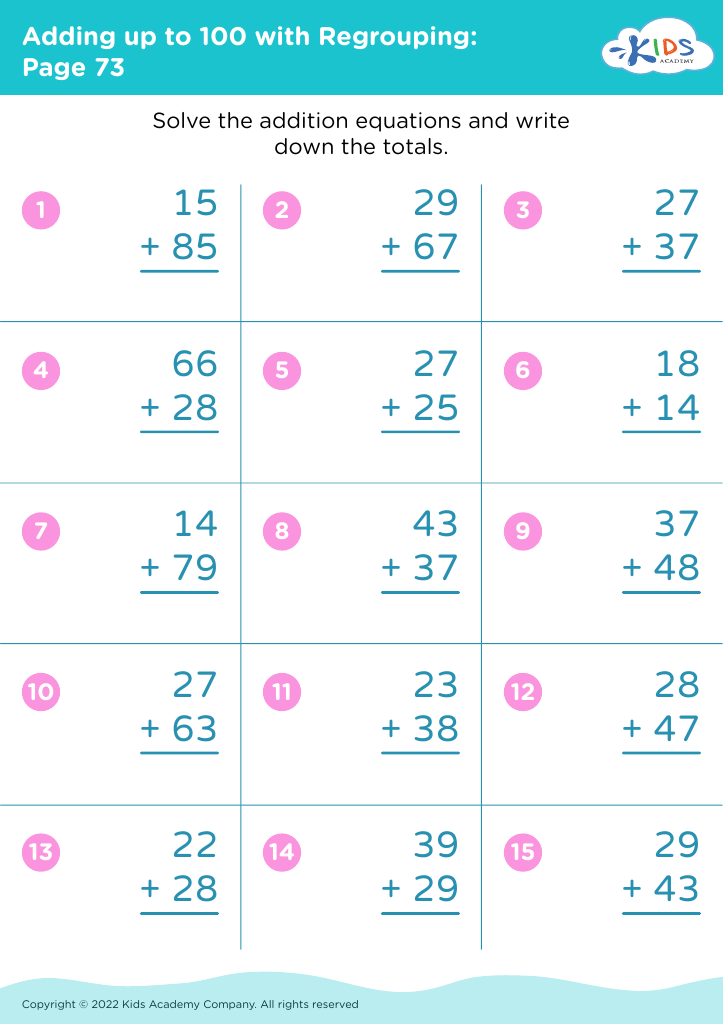
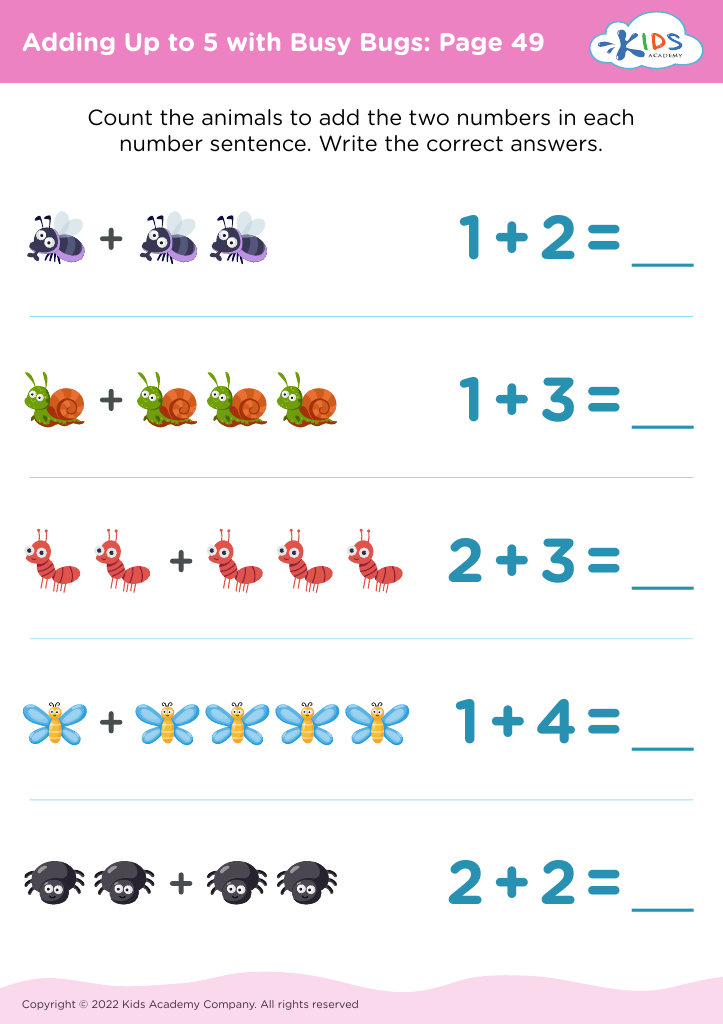
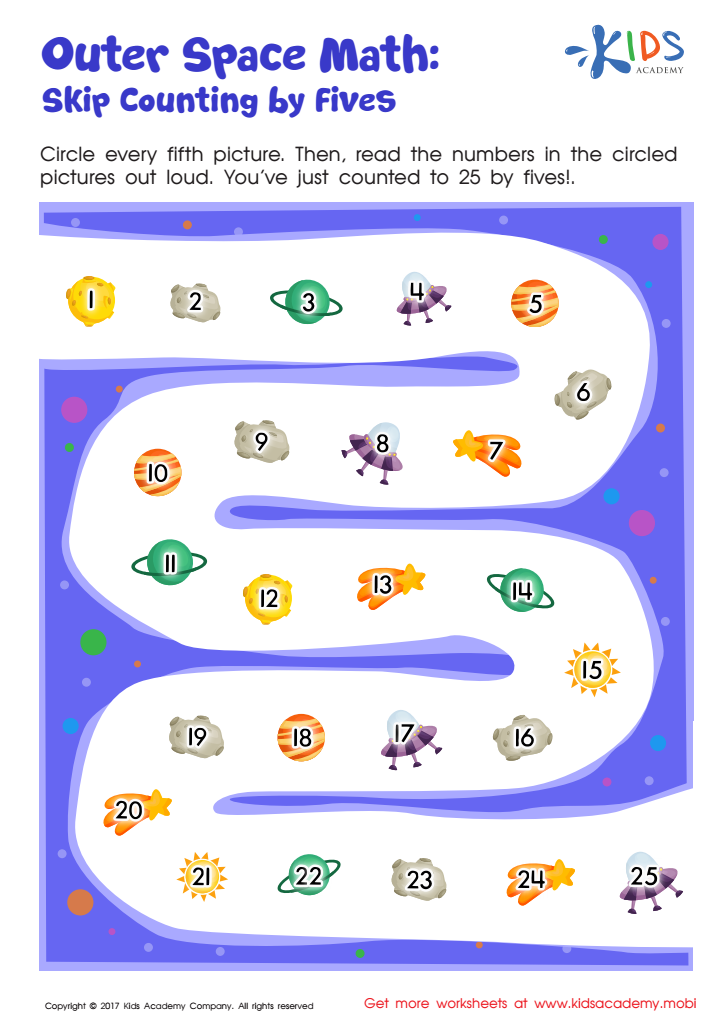
Skip Counting by 5s: Outer Space Math Printable
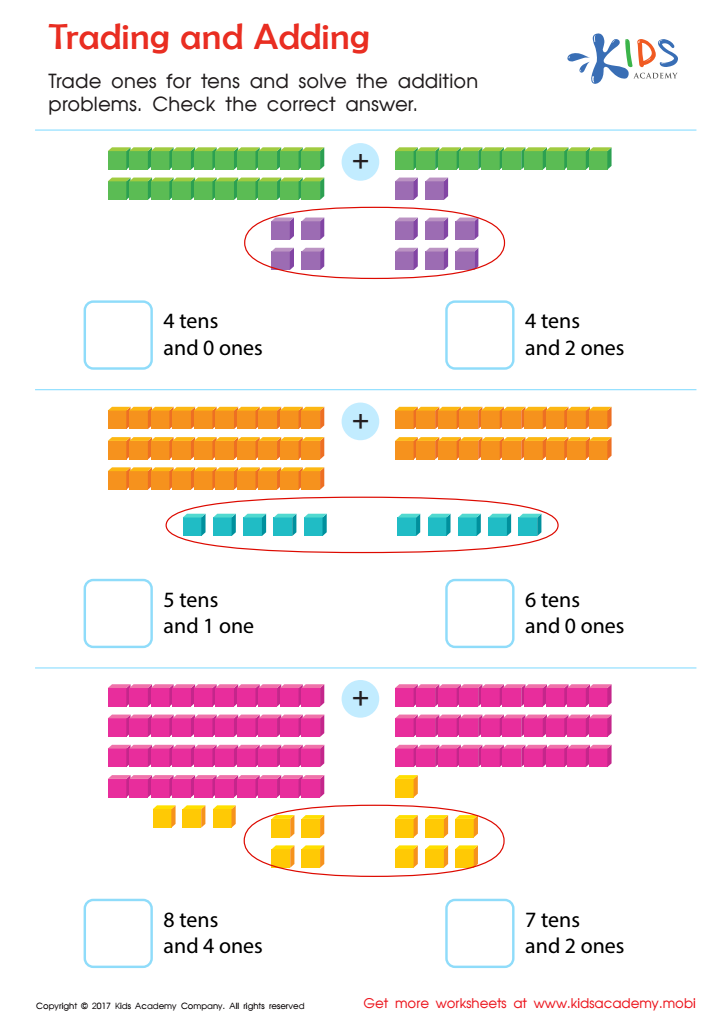
Trading and Adding Worksheet
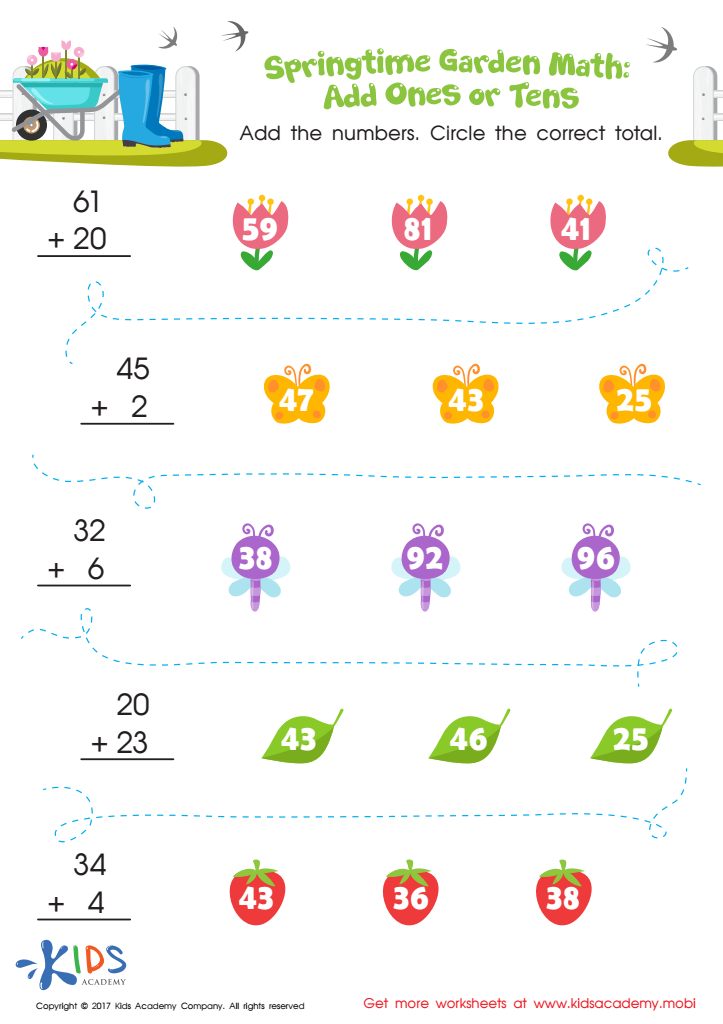
Springtime Garden Math Worksheet
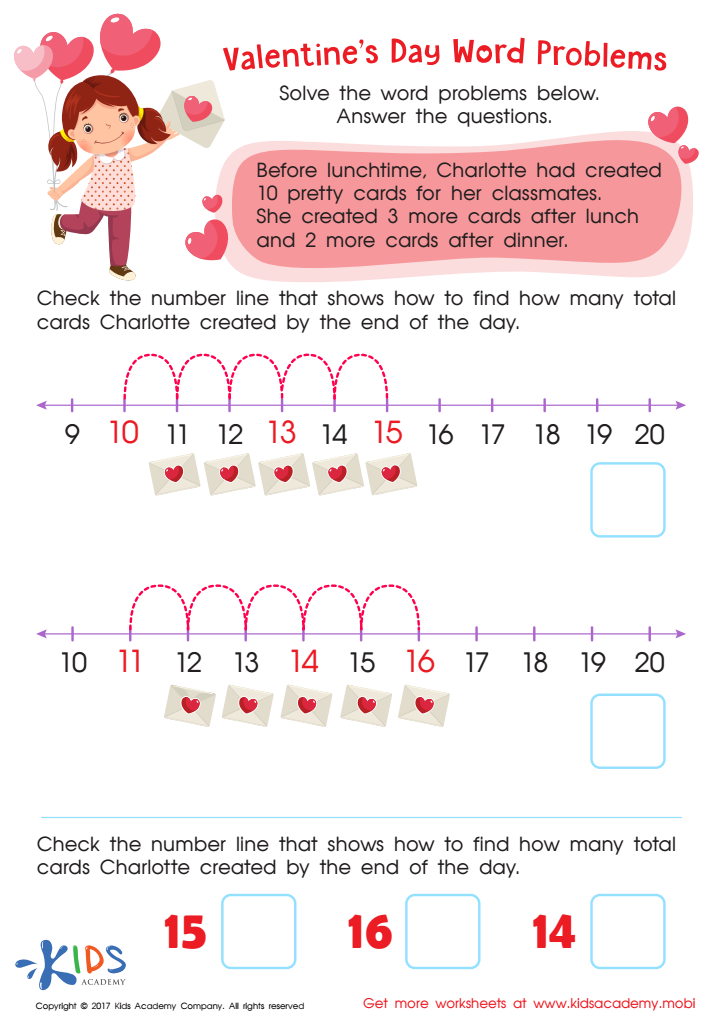
Valentines Day Word Problem Worksheet
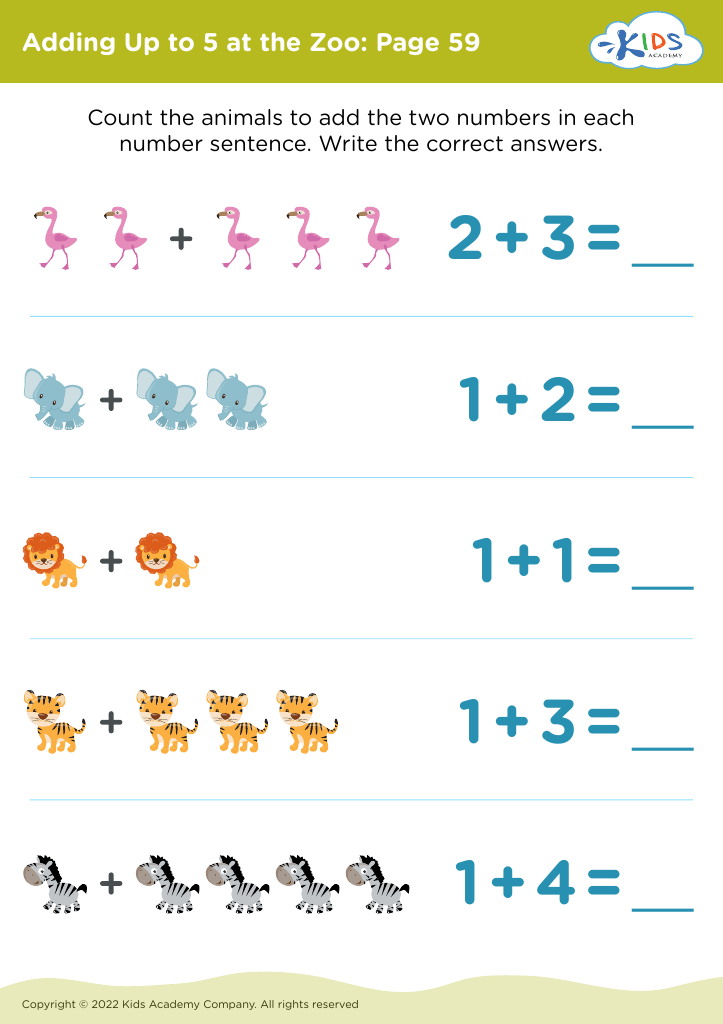
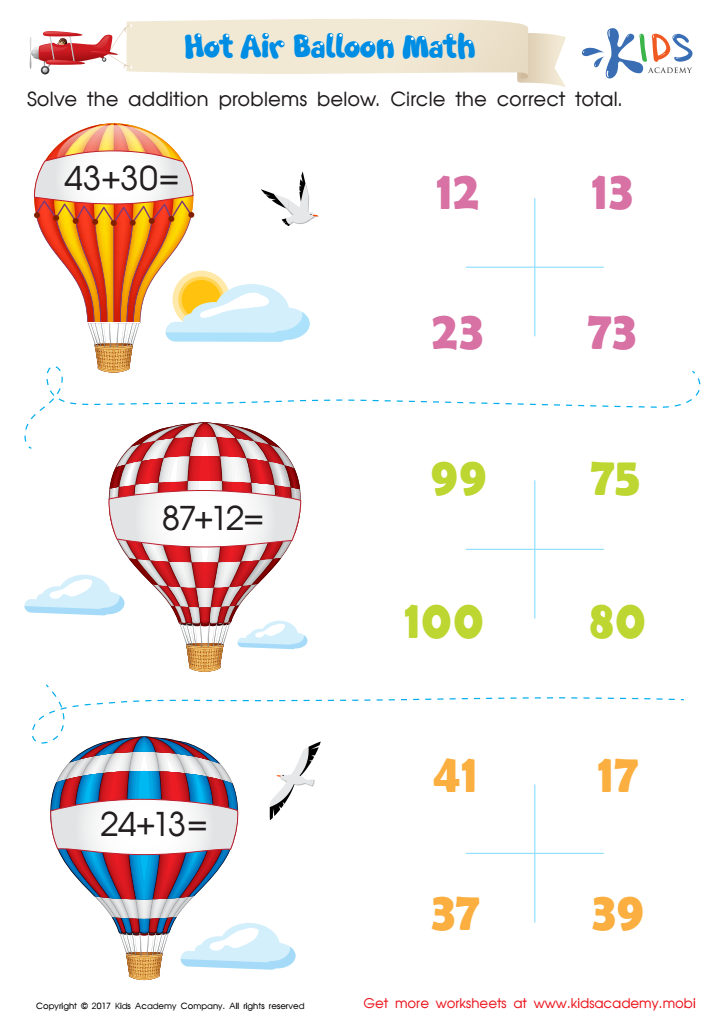
Hot Air Balloon Math Worksheet
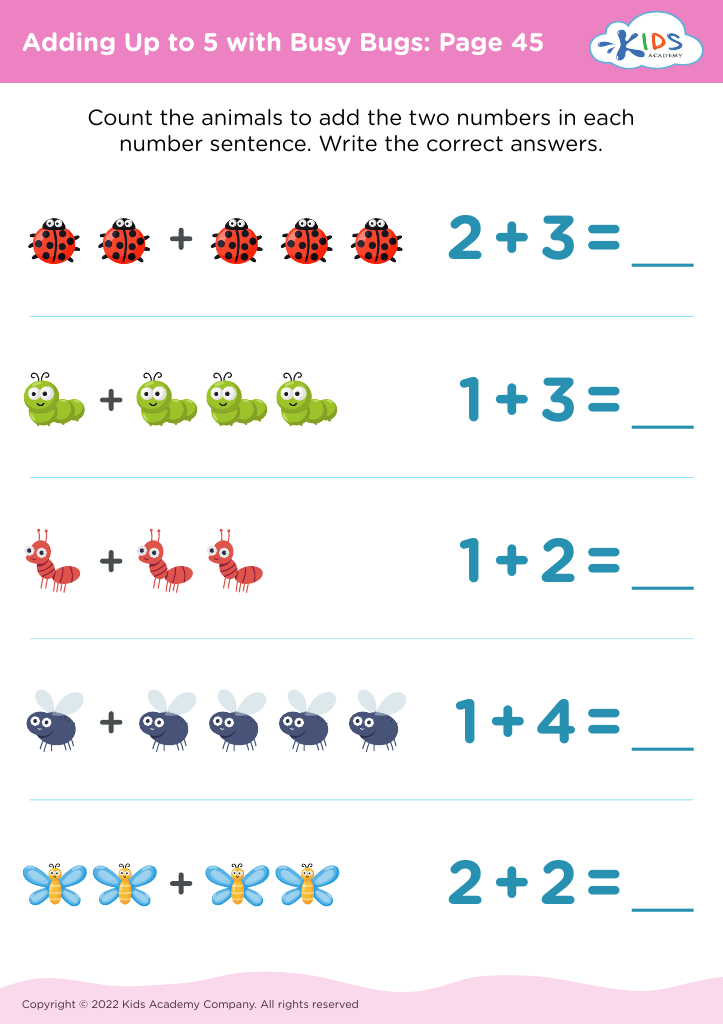








Parents and teachers should prioritize addition practice for children aged 3-7 due to its foundational importance in early math development. At this stage, children are developing critical thinking and problem-solving skills, and mastering addition lays the groundwork for more complex mathematical concepts. Engaging with addition helps children understand numerical relationships, enhances their counting skills, and builds number sense, which is crucial for future math proficiency.
Furthermore, addition practice fosters cognitive development, as it encourages logical reasoning and helps children learn how to approach challenges systematically. Early engagement with mathematical concepts also boosts confidence and promotes a positive attitude towards math, which can preemptively mitigate math anxiety in later years.
In addition to being educational, addition practice can be fun and interactive. Incorporating games and hands-on activities, such as using everyday objects for counting and addition, can make learning enjoyable and engaging for young learners. Ultimately, caring about addition practice today will not only aid in academic success but also instill a lifelong appreciation for math, enhancing children's functioning in an increasingly numerical world. By fostering strong foundational skills, parents and teachers play a crucial role in their students' future academic journeys.








