Data interpretation Worksheets for Ages 3-7
19 filtered results
-
From - To
Discover our engaging Data Interpretation Worksheets designed specifically for children aged 3-7! These fun and interactive activities introduce young learners to essential skills in data analysis, helping them understand simple concepts like counting, sorting, and comparing. Our worksheets are filled with colorful visuals and age-appropriate exercises that encourage critical thinking and reinforce mathematical foundations. Perfect for both classroom and home learning, these worksheets foster curiosity and a love for numbers. Explore our collection today and empower your child to develop essential data interpretation skills in a playful and enjoyable way! Start their educational journey with confidence and creativity!
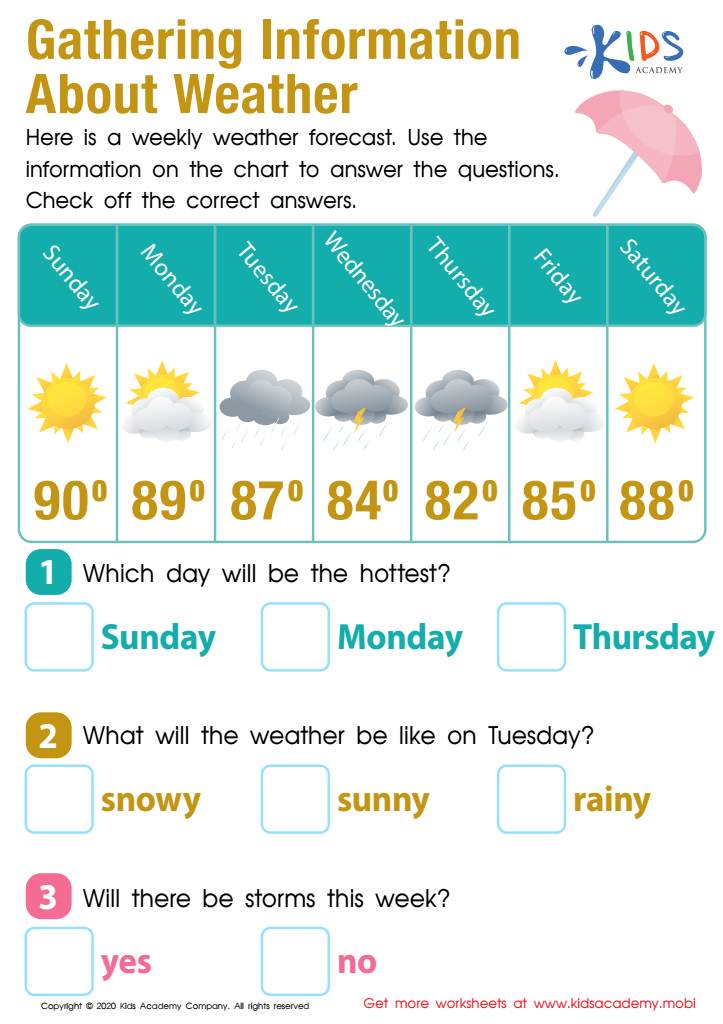
Gathering Information About the Weather Worksheet
 Assign to My Students
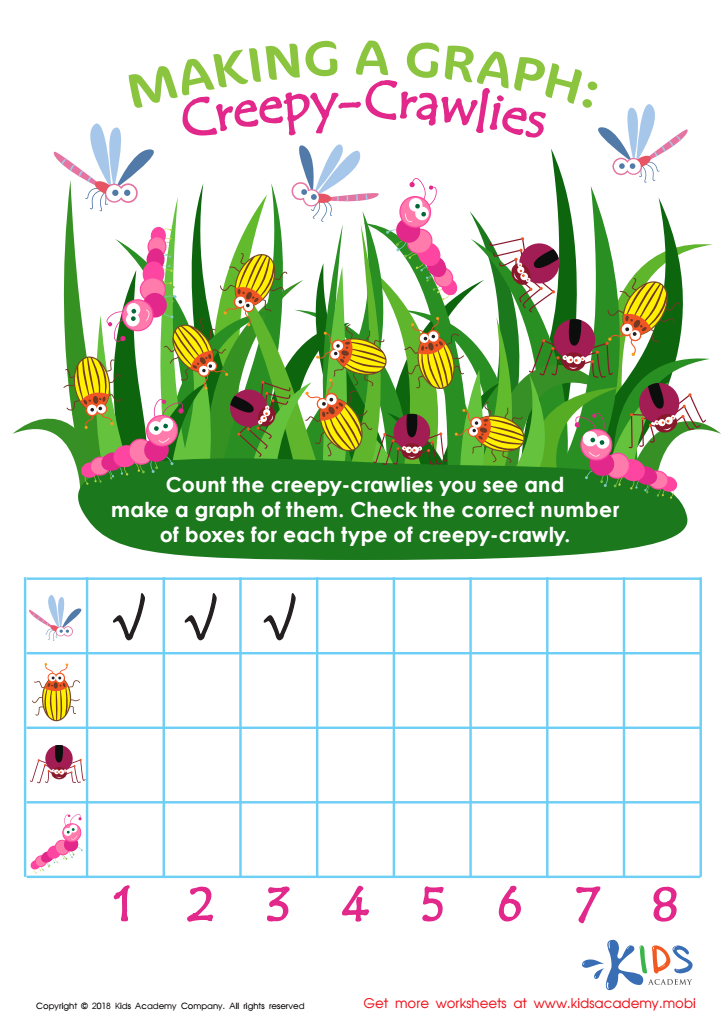
Making a Graph: Creepy Crawlies Worksheet
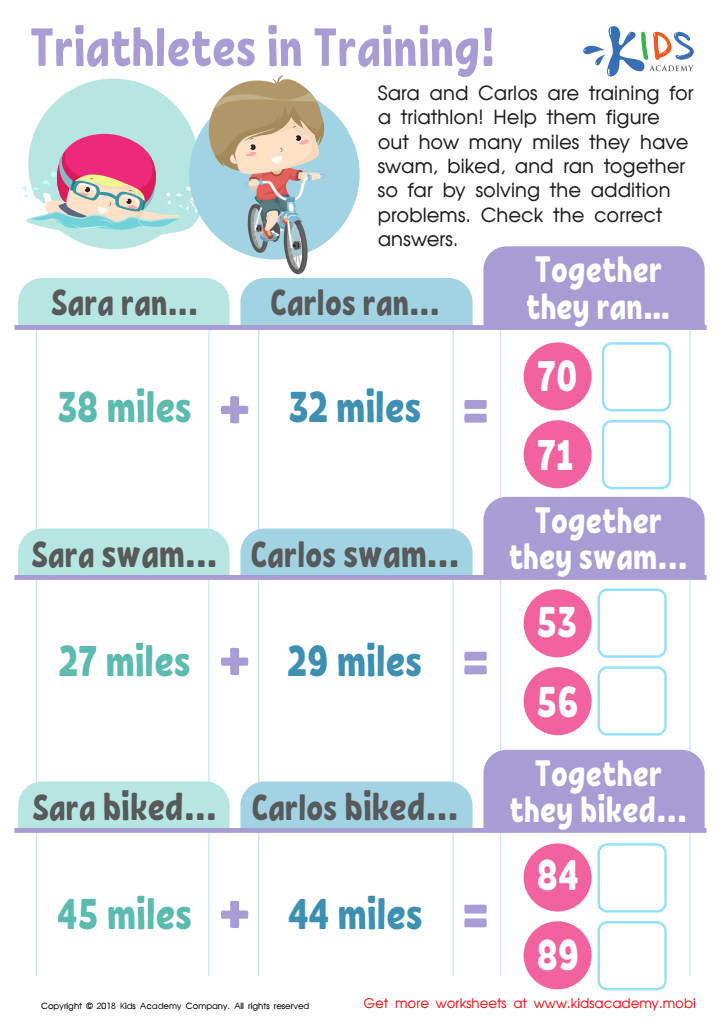
Triathletes in Training Worksheet
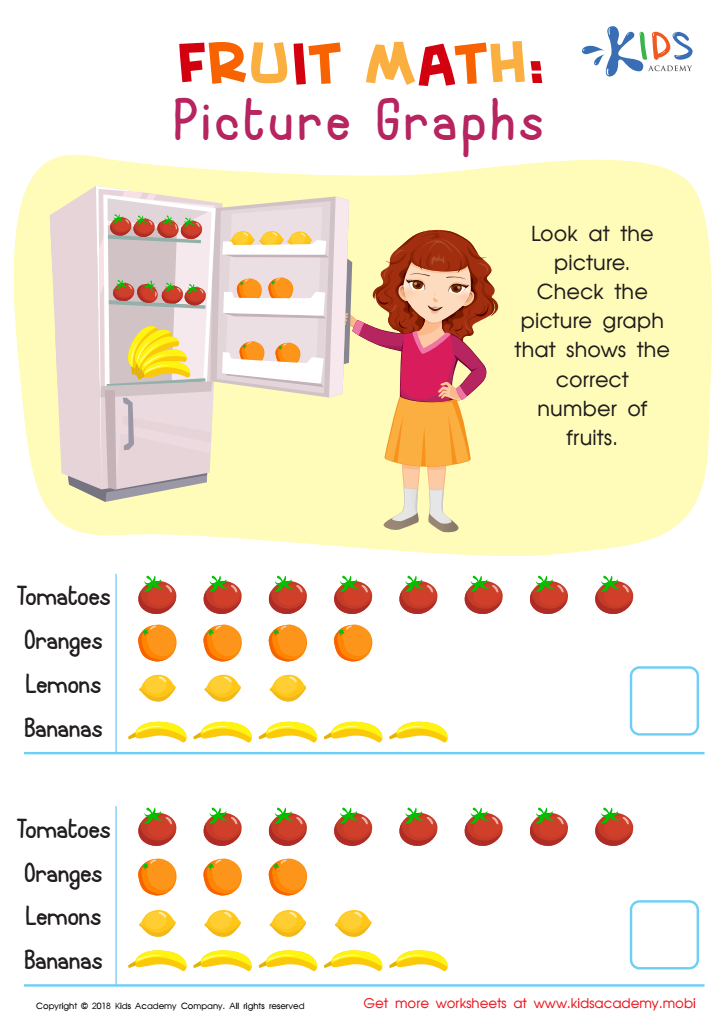
Fruit Math: Picture Graphs Worksheet
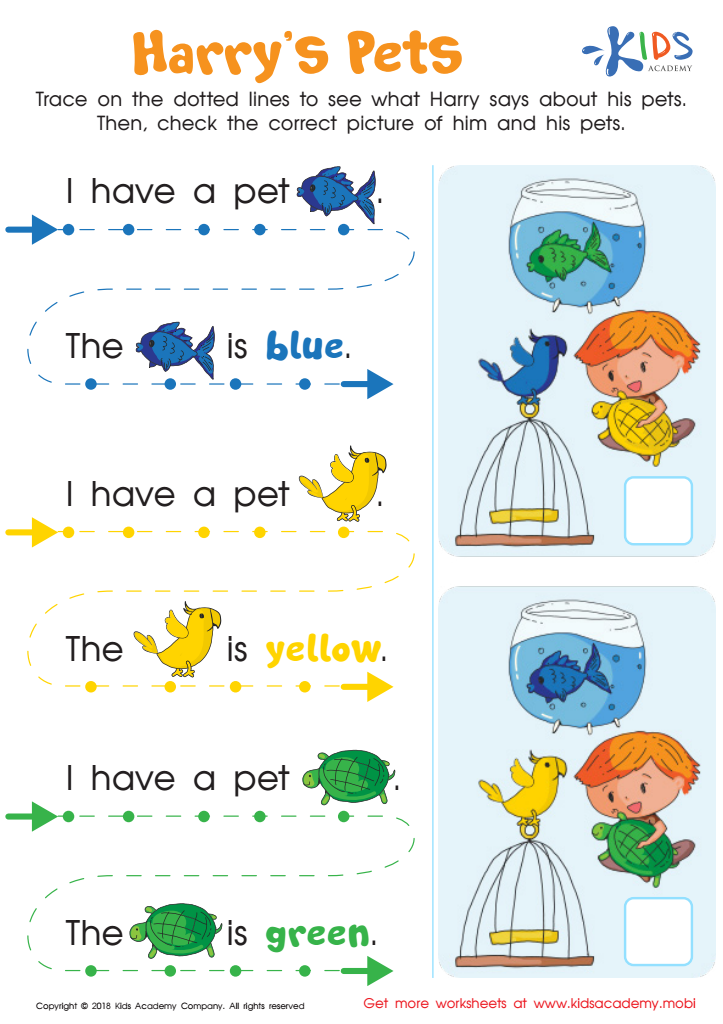
Read from Left to Right: Harry's Pets Worksheet
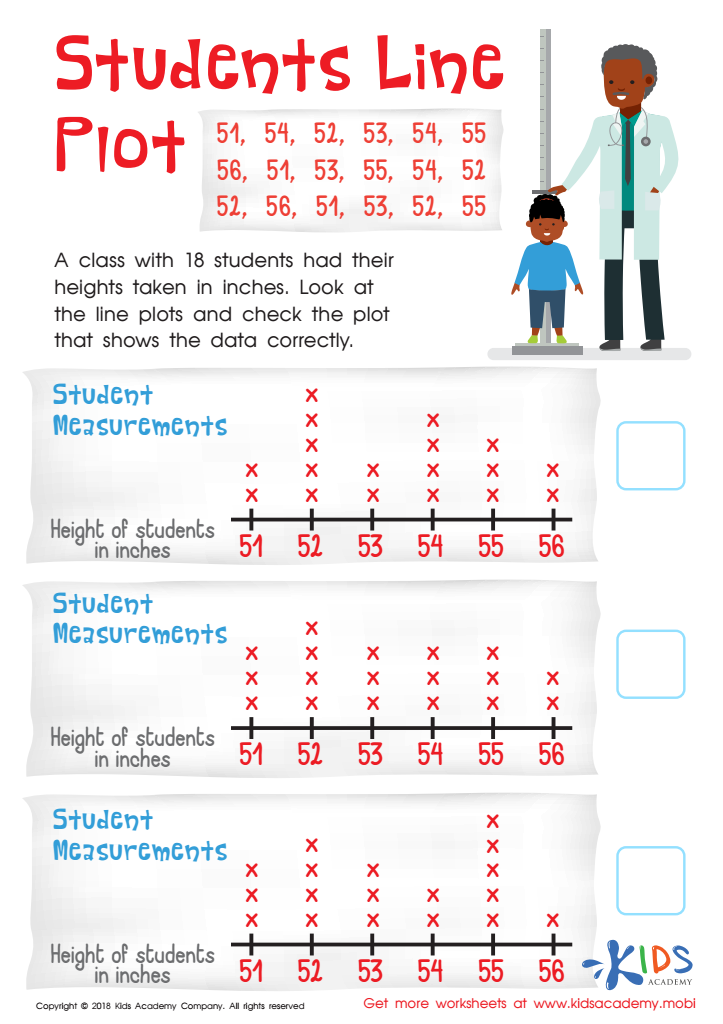
Students Line Plot Worksheet
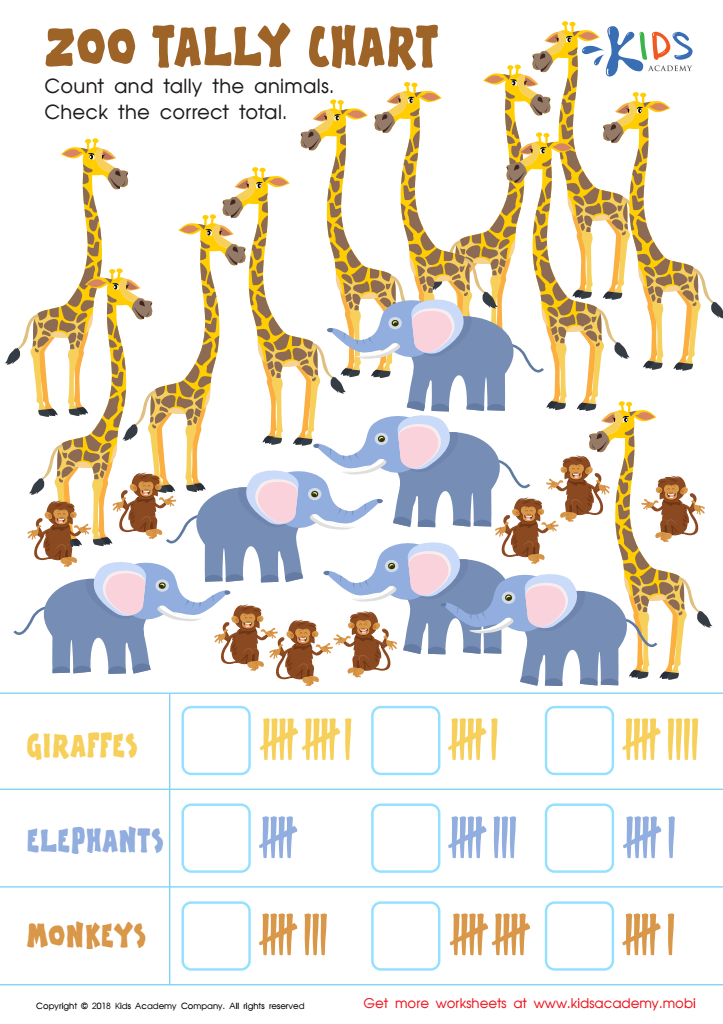
Zoo Tally Chart Worksheet
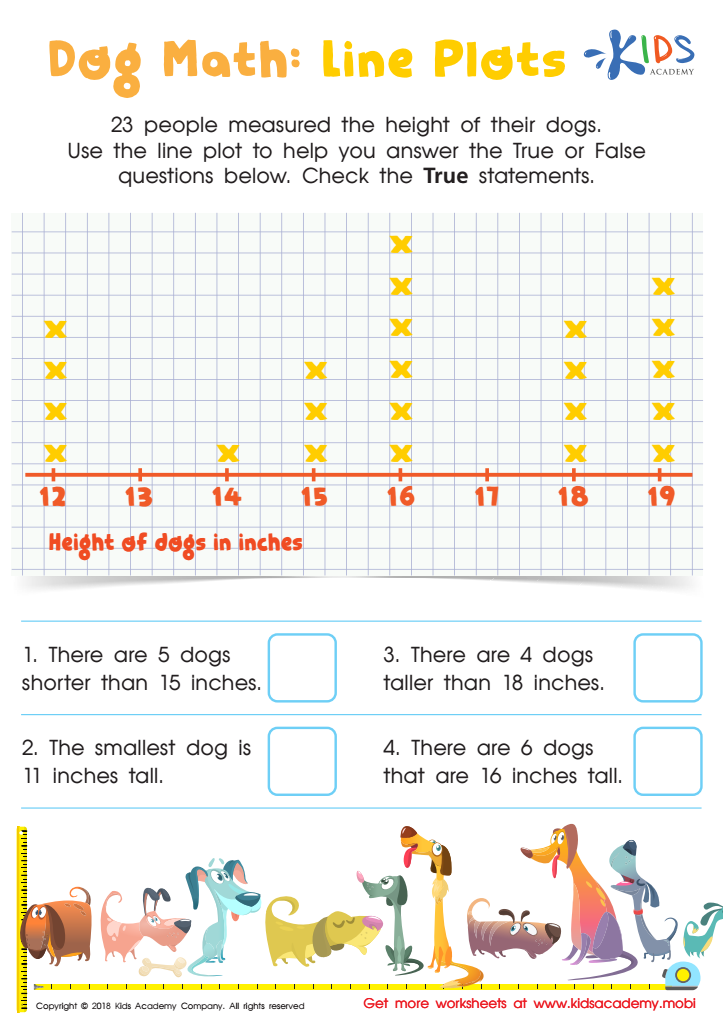
Dog Math: Line Plots Worksheet
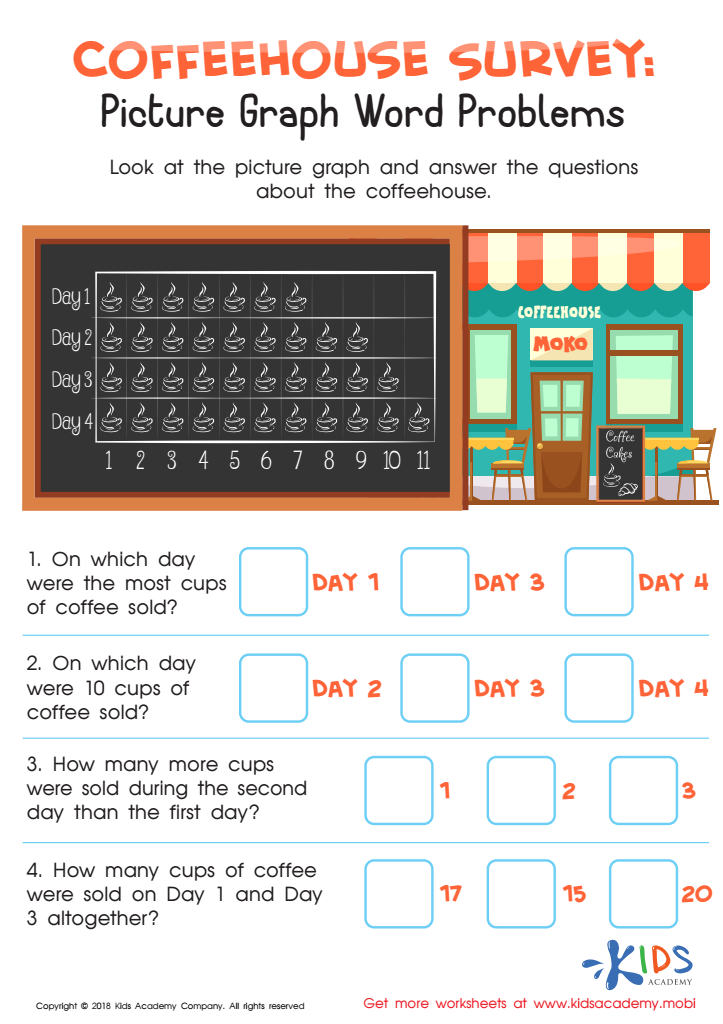
Coffeehouse Survey: Picture Graph Word Problems Worksheet
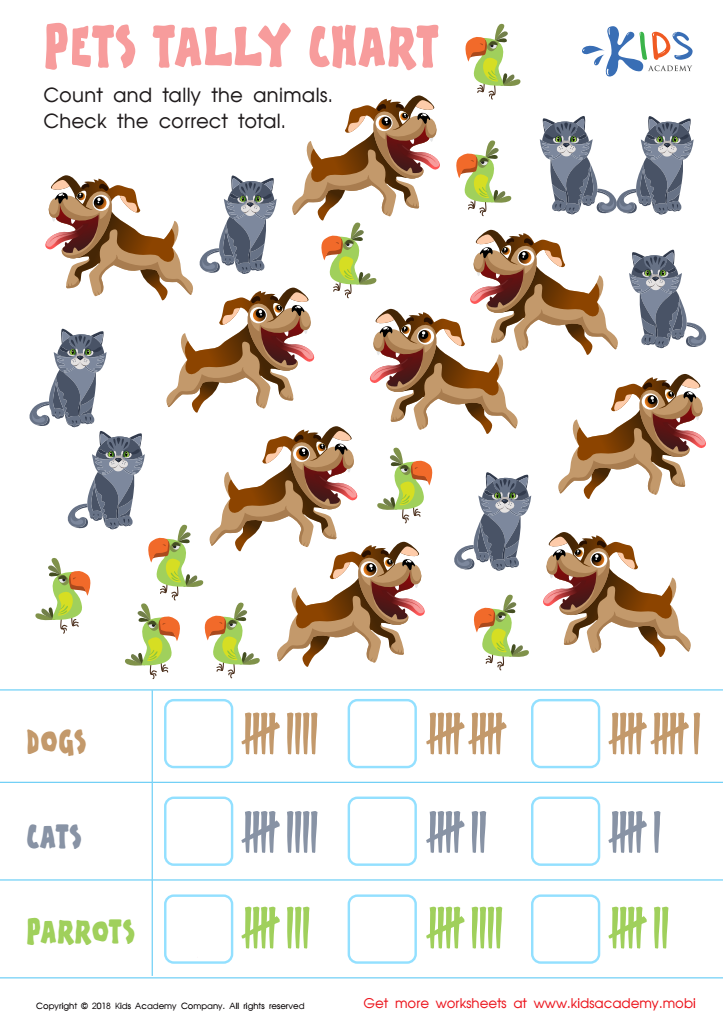
Pets Tally Chart Worksheet
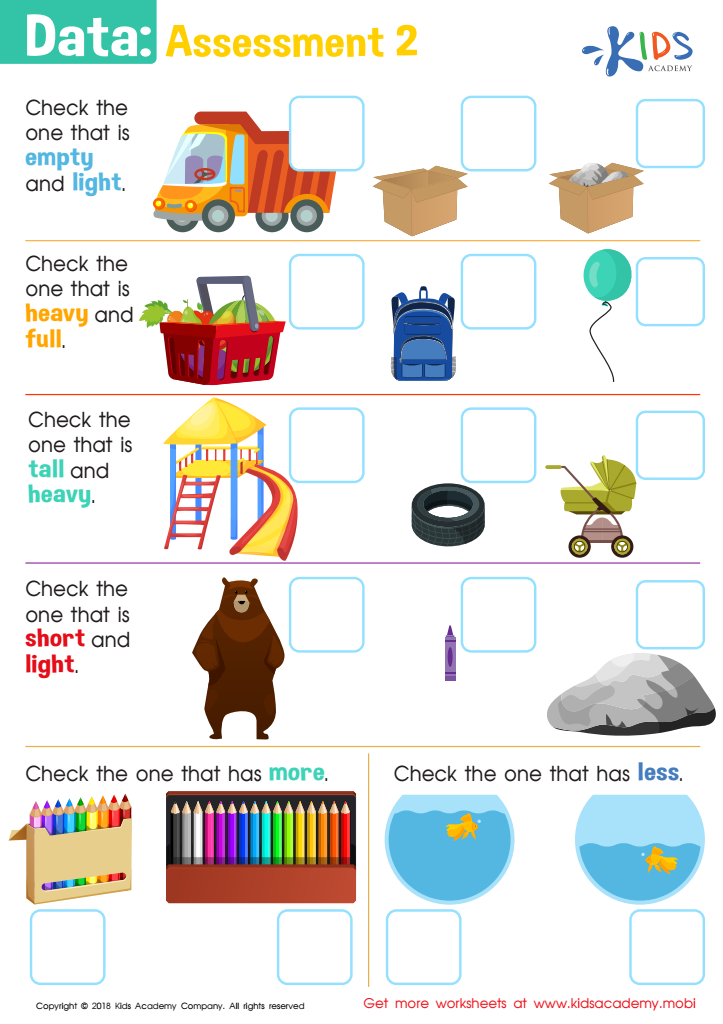
Data: Assessment 2 Worksheet
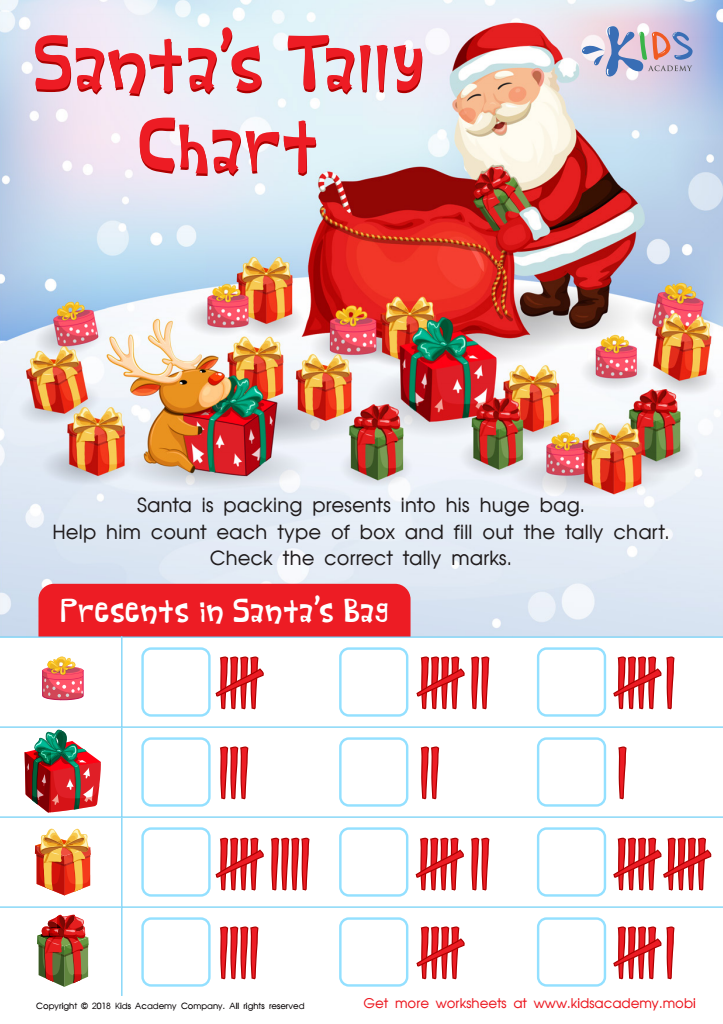
Santa Tally Chart Worksheet
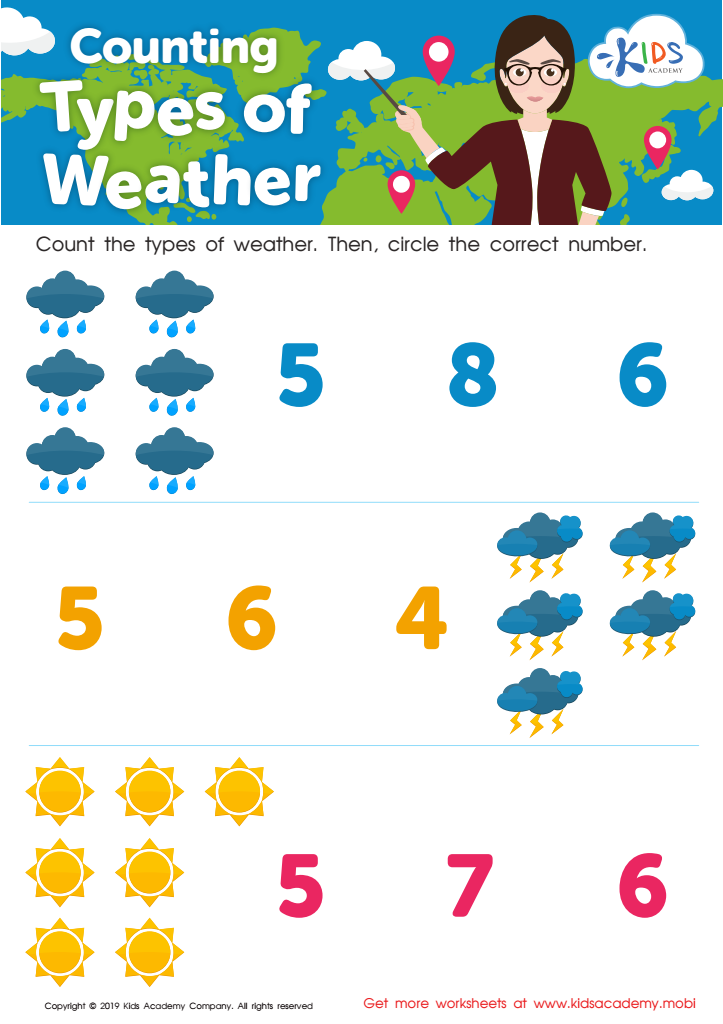
Counting Types of Weather Worksheet
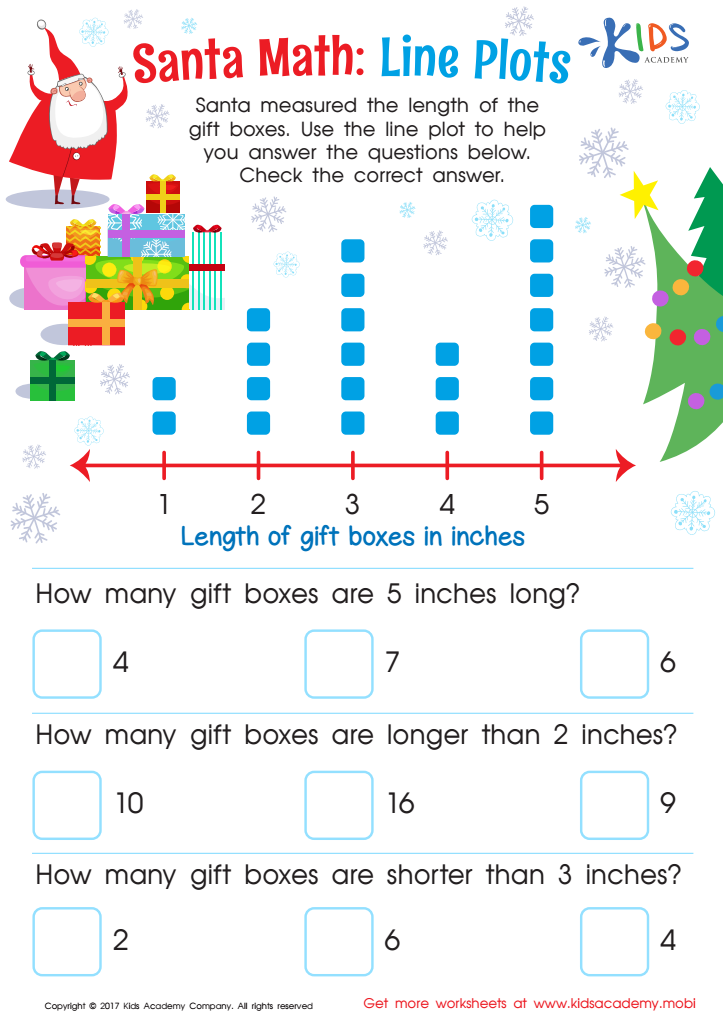
Line Plot Worksheet
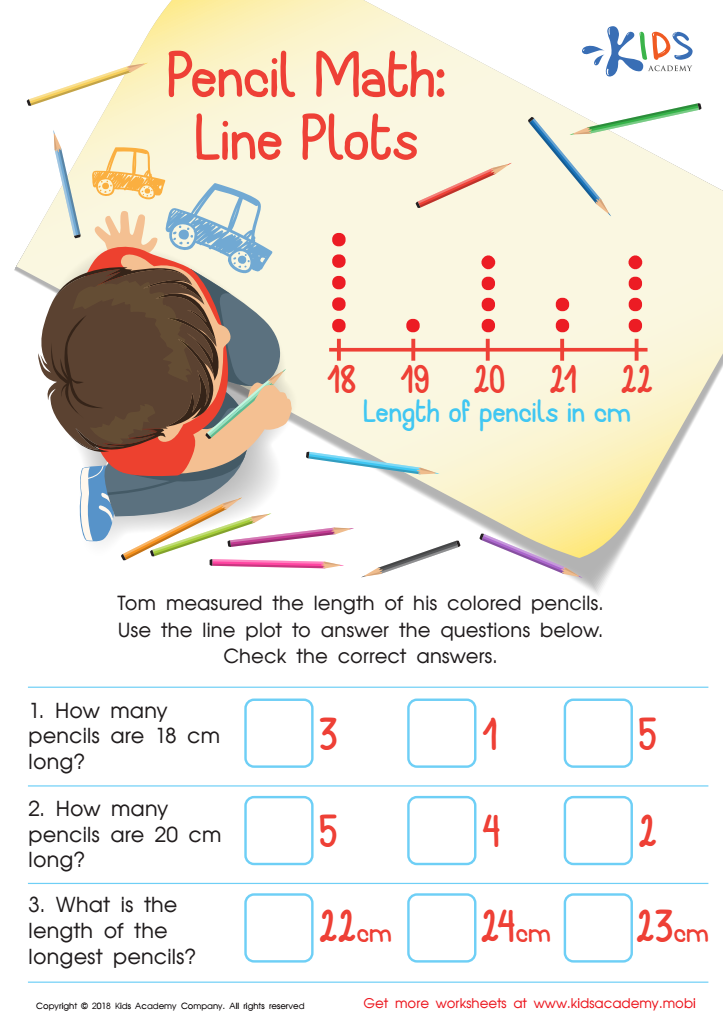
Pencil Math: Line Plots Worksheet
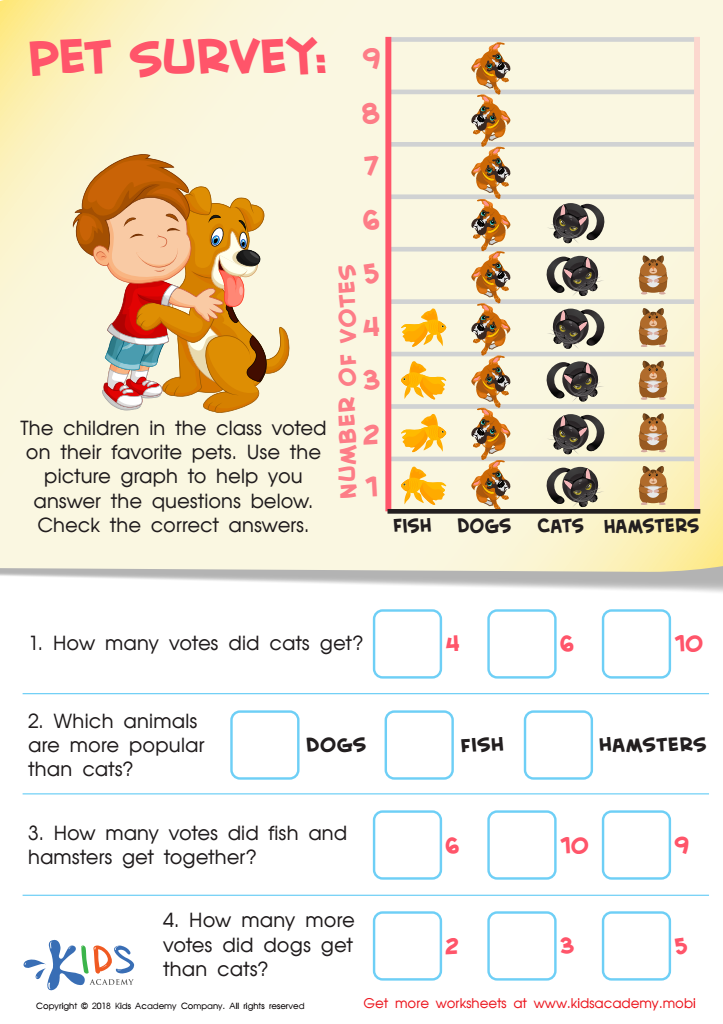
Pet Survey Worksheet
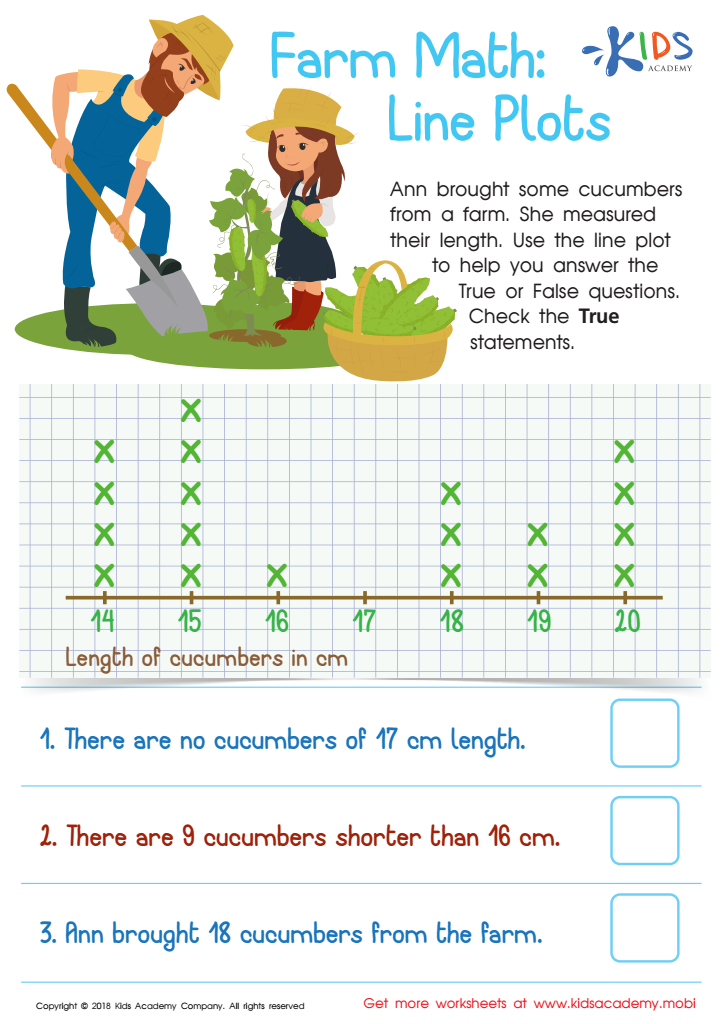
Farm Math: Line Plots Worksheet
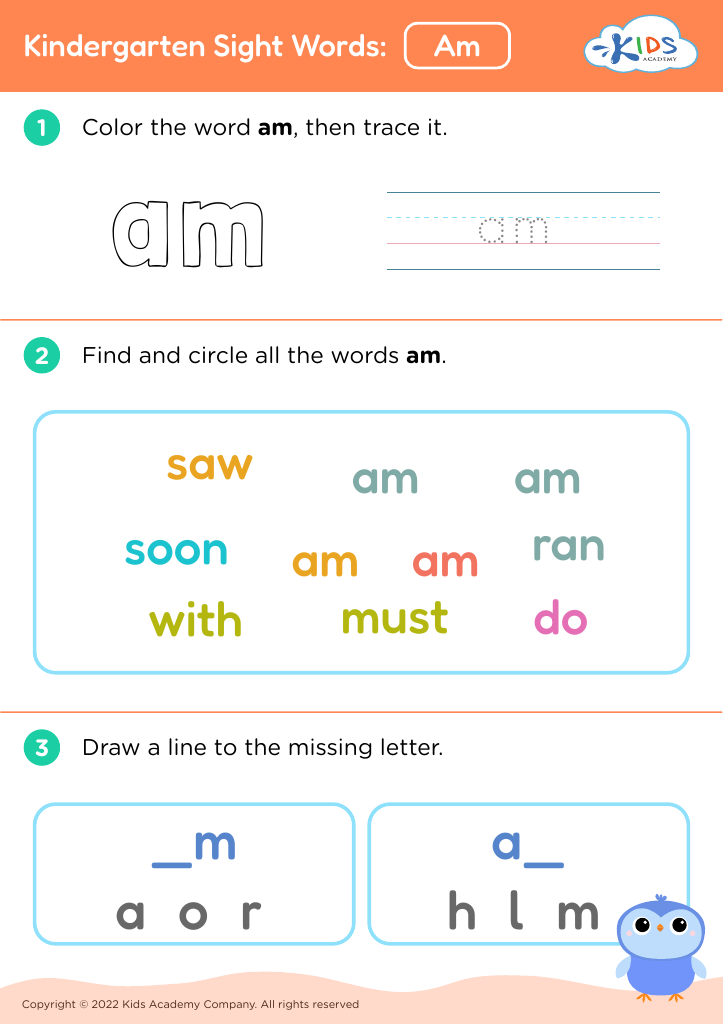
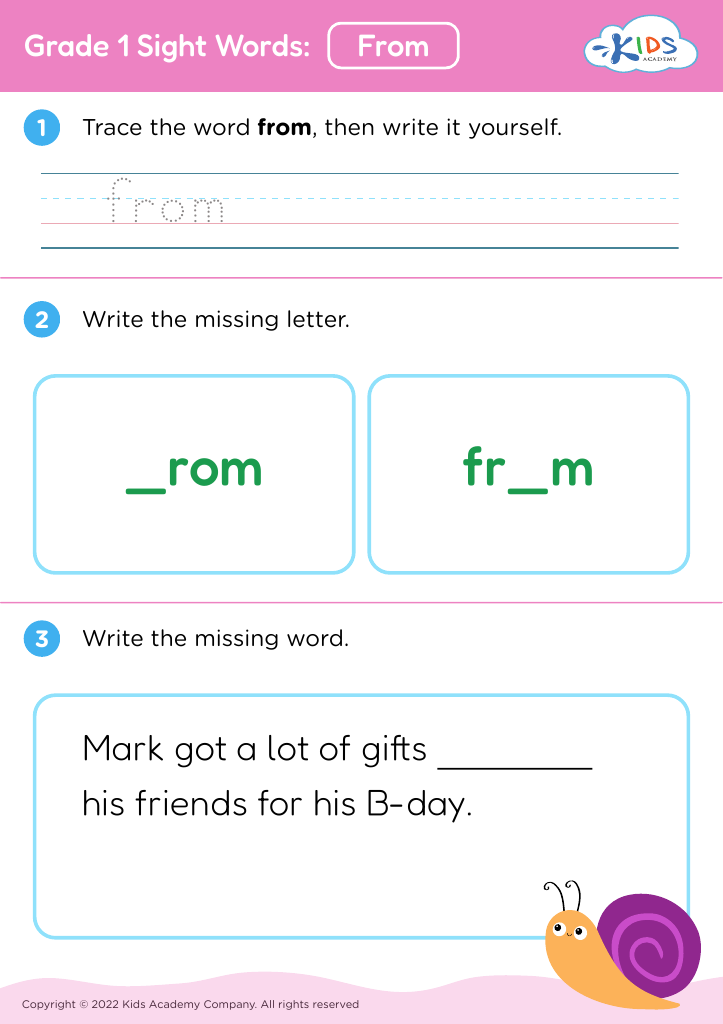






.jpg)
Data interpretation for children ages 3-7 is crucial for fostering early critical thinking skills and promoting a better understanding of their world. At this developmental stage, children are naturally curious and eager to make sense of their surroundings. Engaging them in data interpretation activities—like reading simple bar graphs, pie charts, or picture surveys—helps build foundational skills that underpin future learning in mathematics, science, and social studies.
By exploring data, young children learn how to collect, sort, and analyze information, allowing them to make informed decisions and draw conclusions. This early exposure builds their confidence as problem solvers and encourages them to ask questions, think critically, and recognize patterns in what they observe. Moreover, interpreting data enriches language and communication skills, as children learn to express their findings and explain results to peers and adults.
Additionally, parents and teachers can utilize data to track the progress of individual learners, identify trends, and tailor educational activities to meet specific needs. In an increasingly data-driven world, providing children with these foundational skills empowers them to become informed citizens and lifelong learners, cultivating a mindset where they can understand and engage with the complexities of information around them.








