Handwriting practice Worksheets for Ages 3-7 - Page 2
96 filtered results
-
From - To
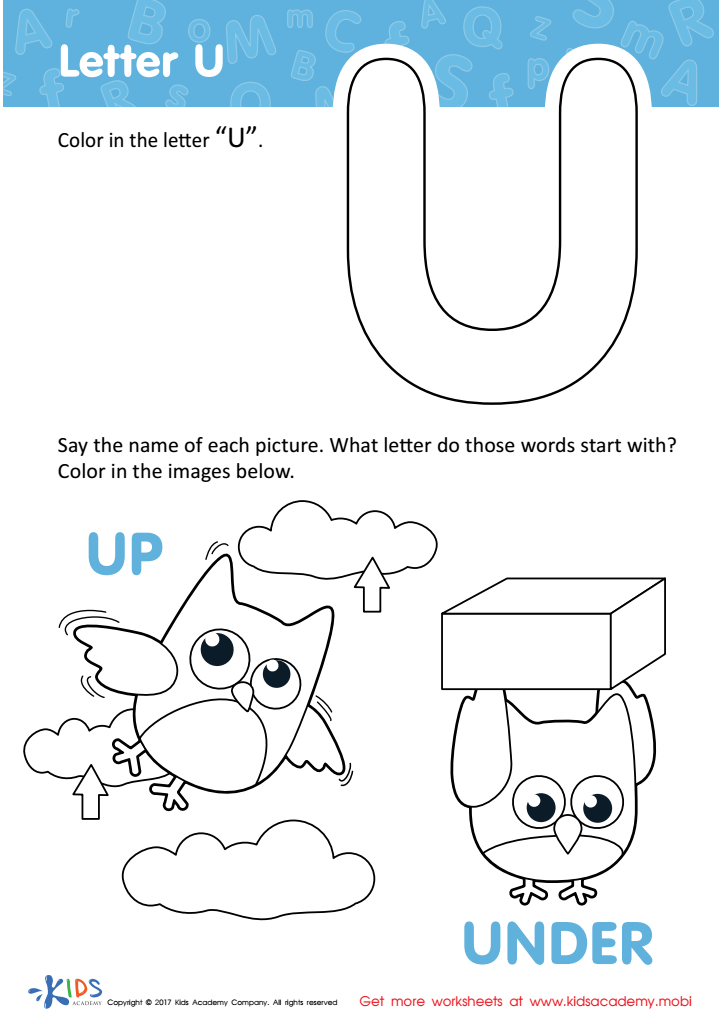
Letter U Coloring Sheet
 Assign to My Students
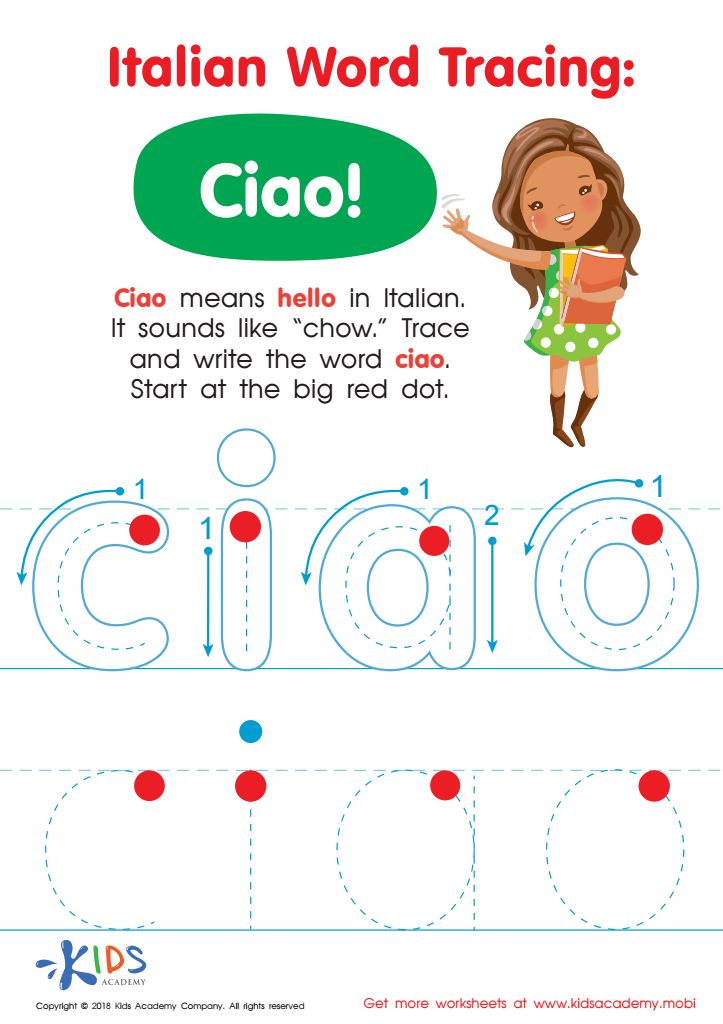
Italian Word Tracing: Ciao Worksheet
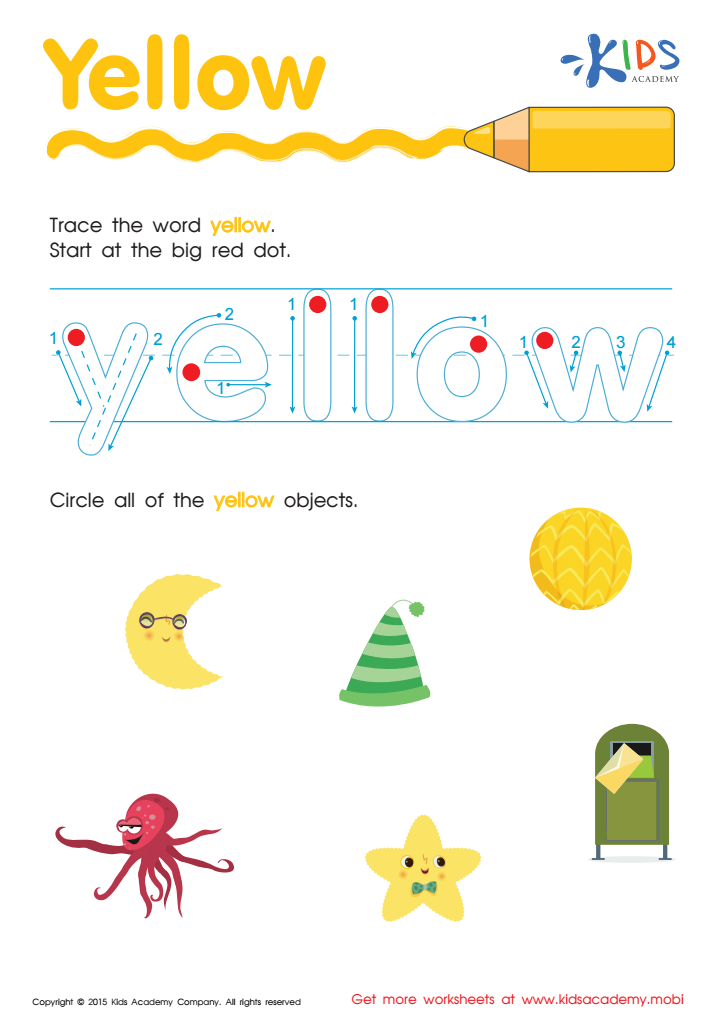
Yellow Tracing Color Words Worksheet
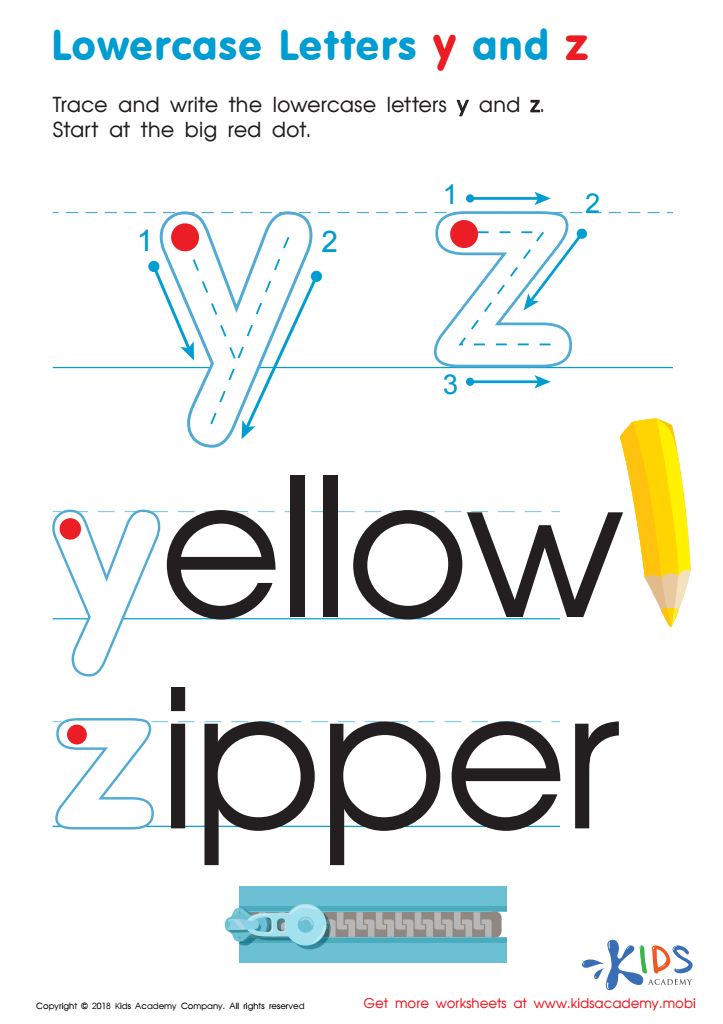
Lowercase Letters y z Worksheet
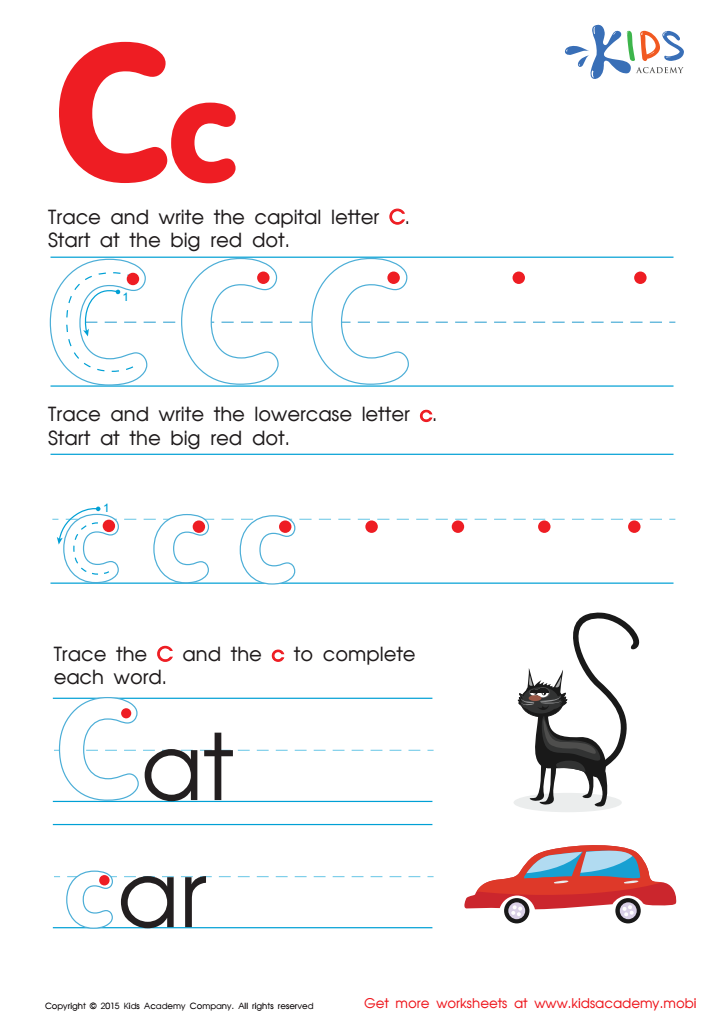
Letter C Tracing Page
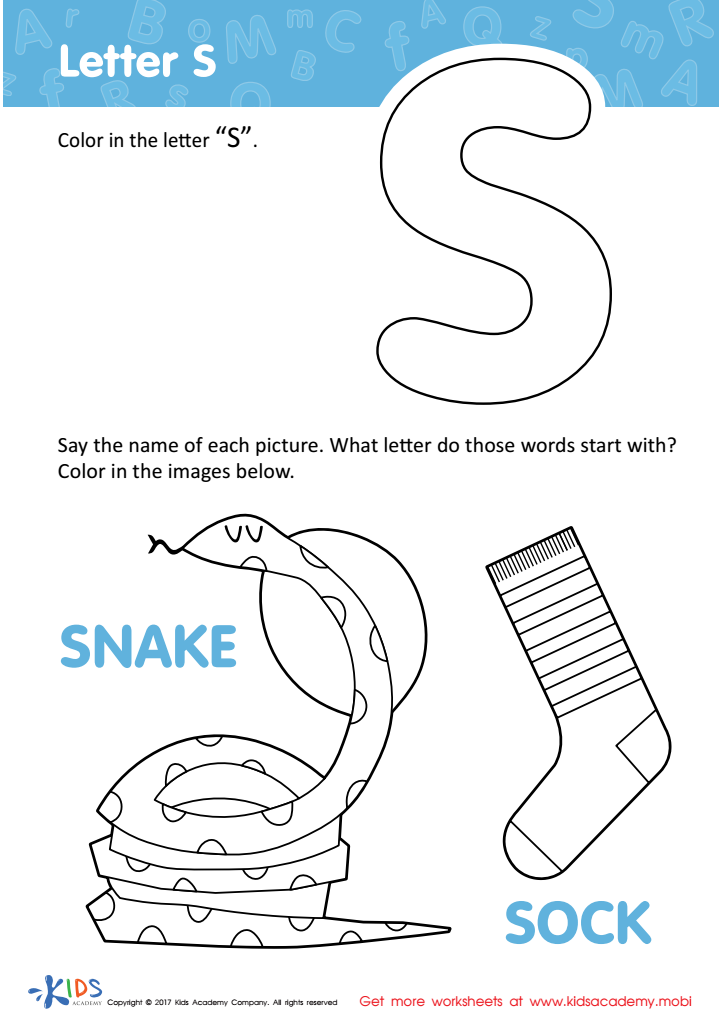
Letter S Coloring Sheet
Assign to My Students
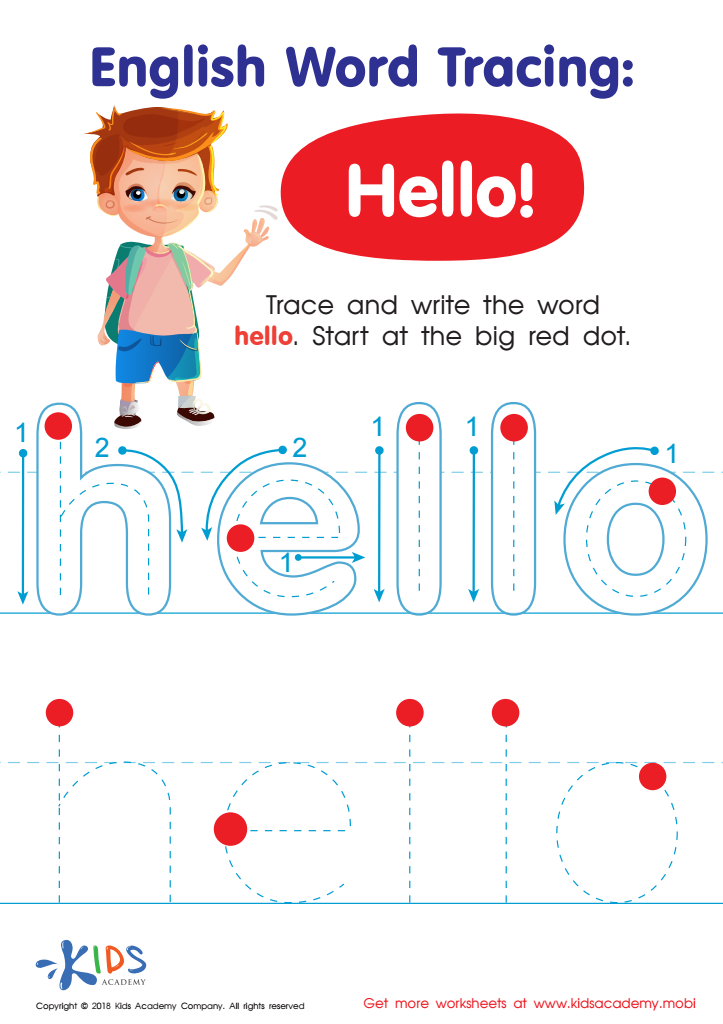
English Word Tracing: Hello Worksheet
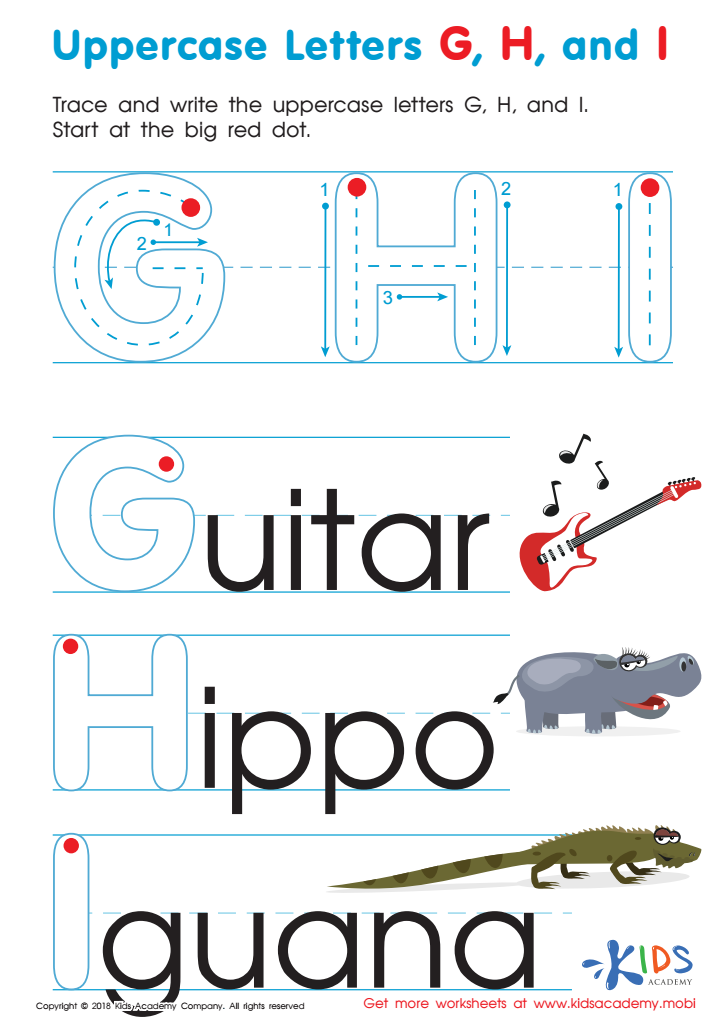
Uppercase Letters G, H, and I Worksheet
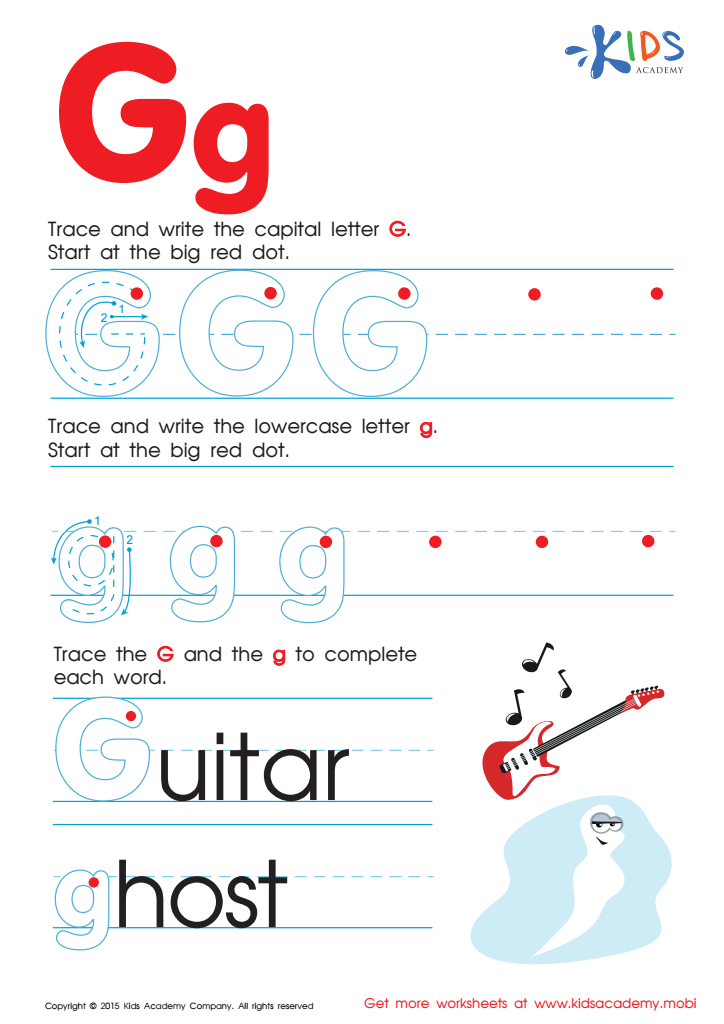
Letter G Tracing Page
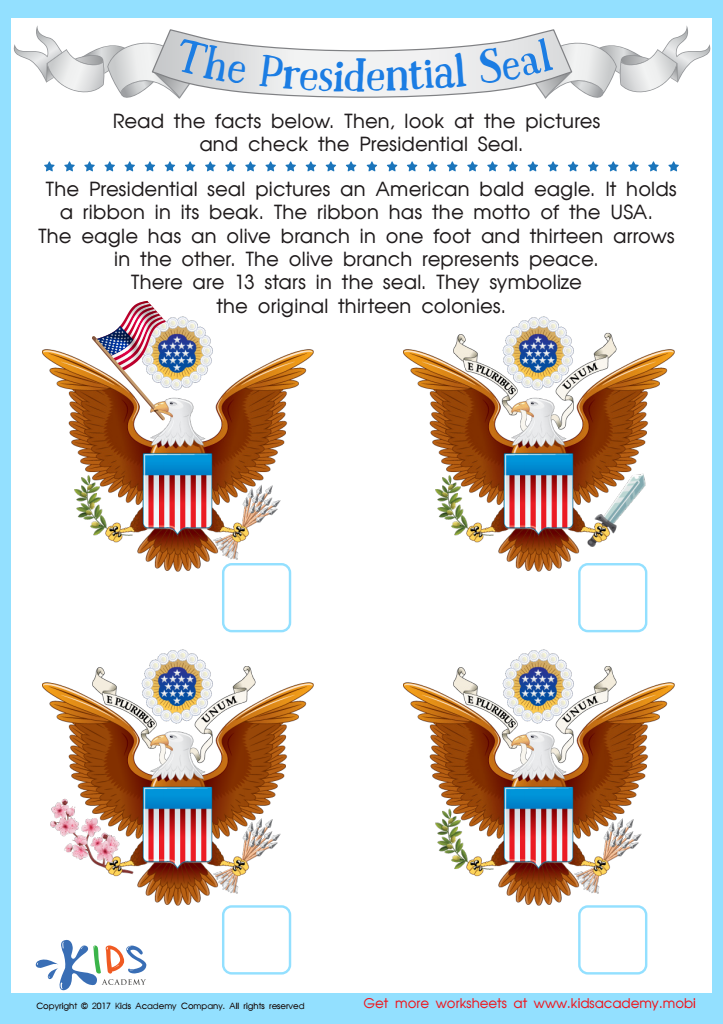
The Presidential Symbol Worksheet
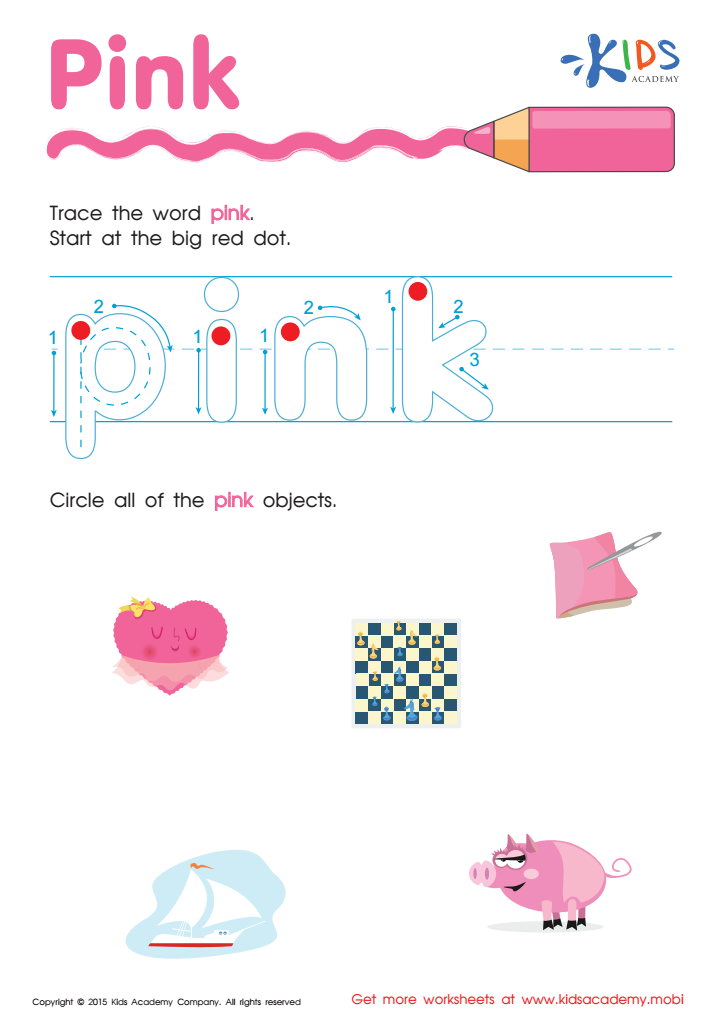
Pink Tracing Color Words Worksheet
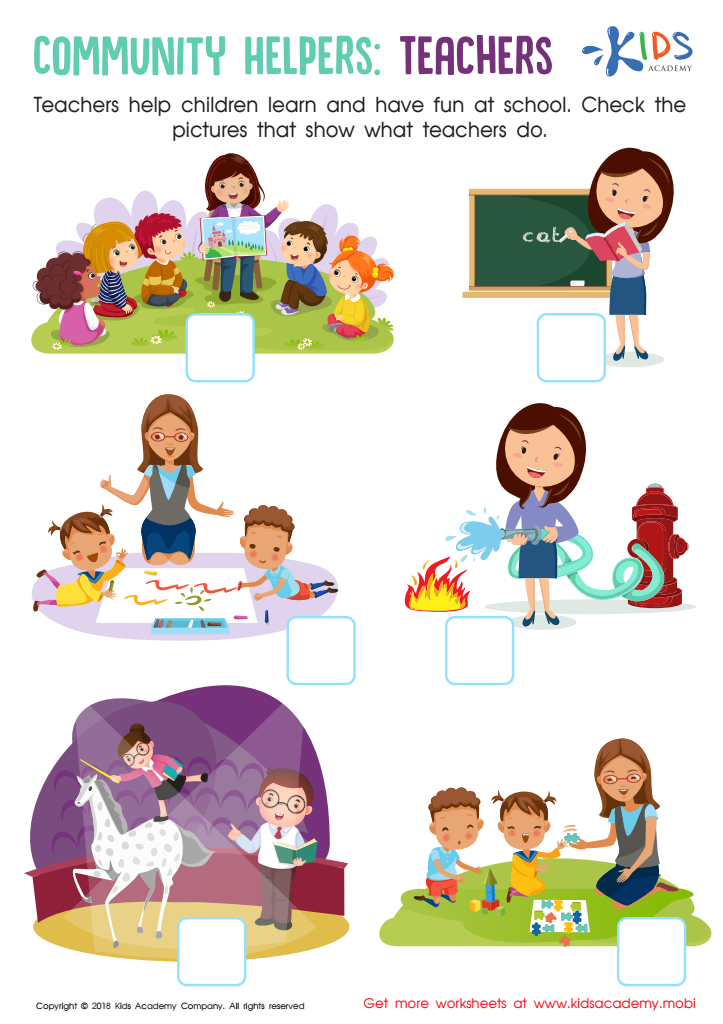
Teachers Community Helpers Worksheet
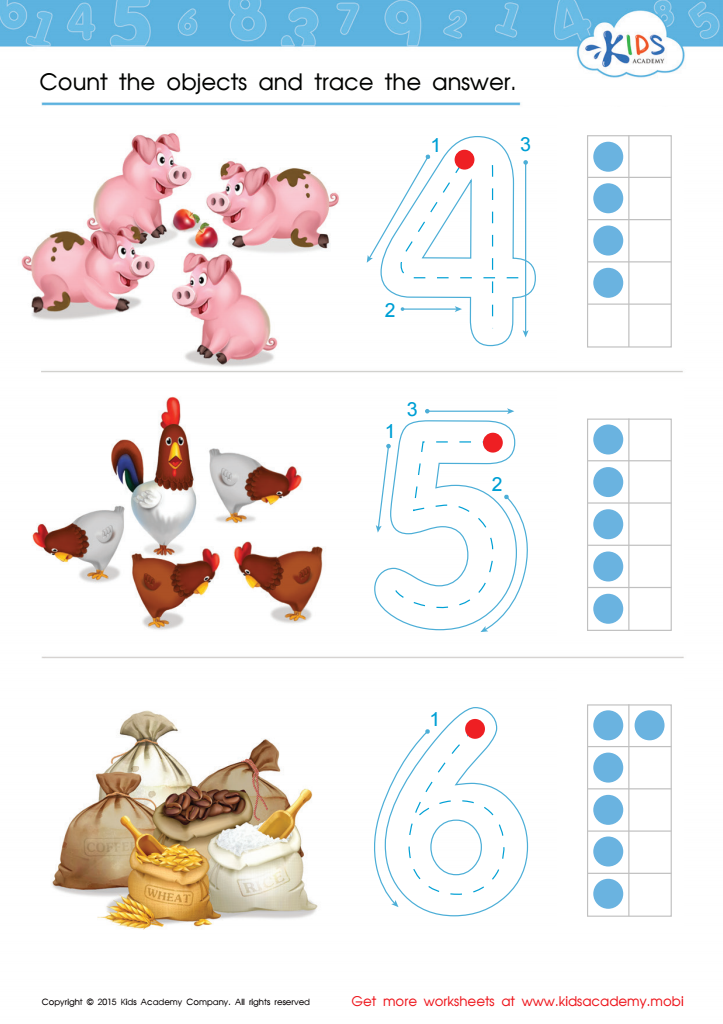
Count and Trace 4 – 6 Worksheet
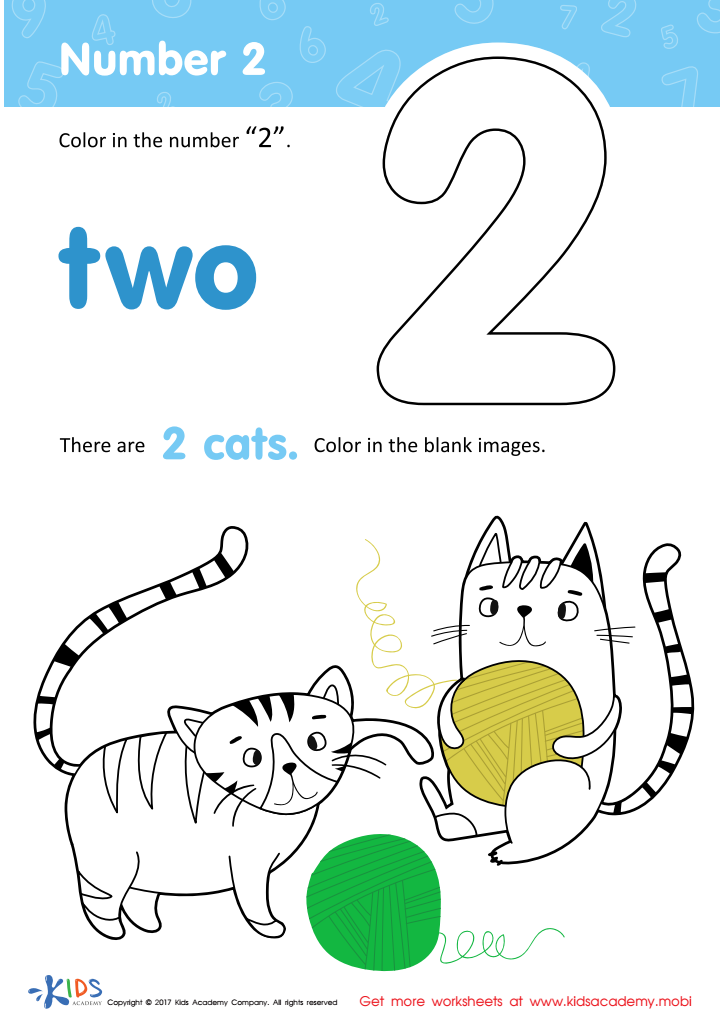
Number 2 Printable
Assign to My Students
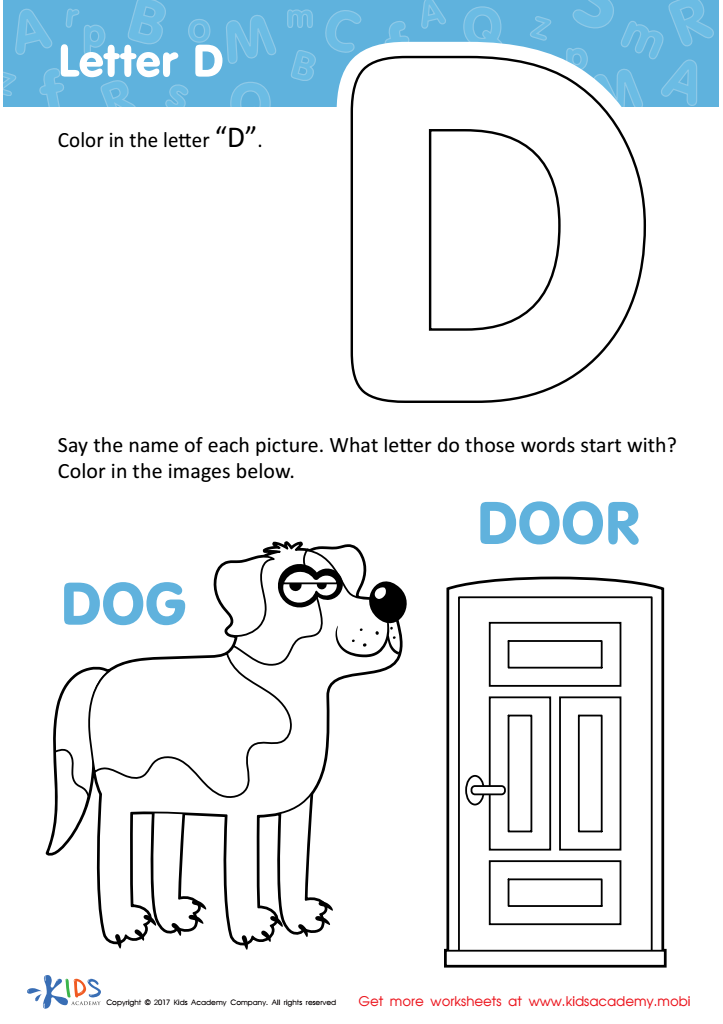
Letter D Coloring Sheet
Assign to My Students
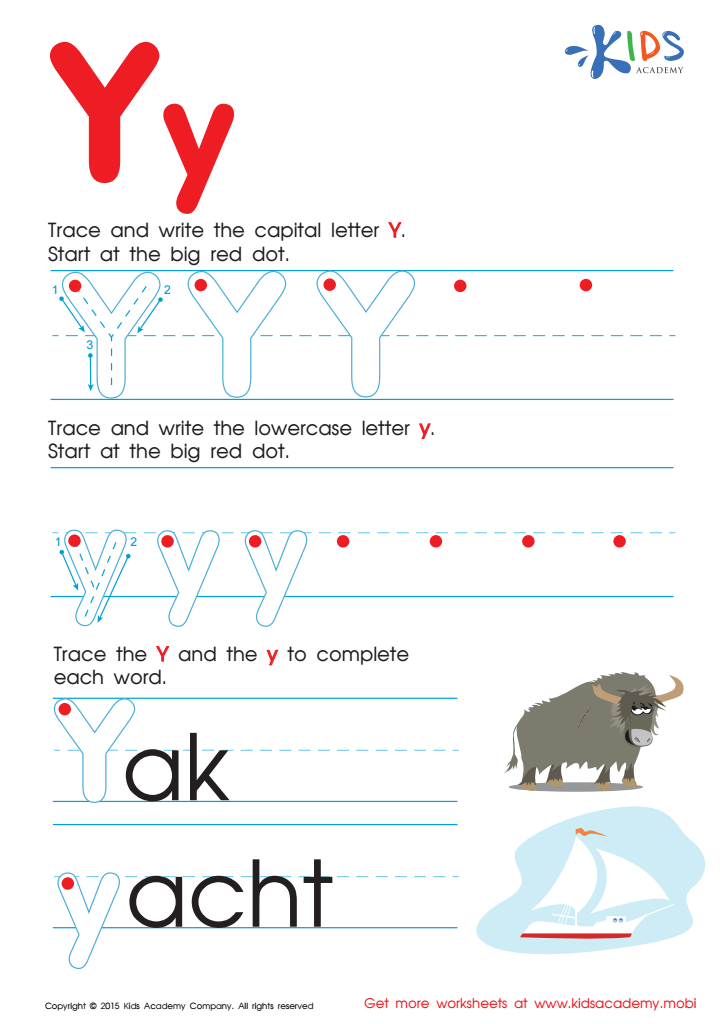
Letter Y Tracing Page
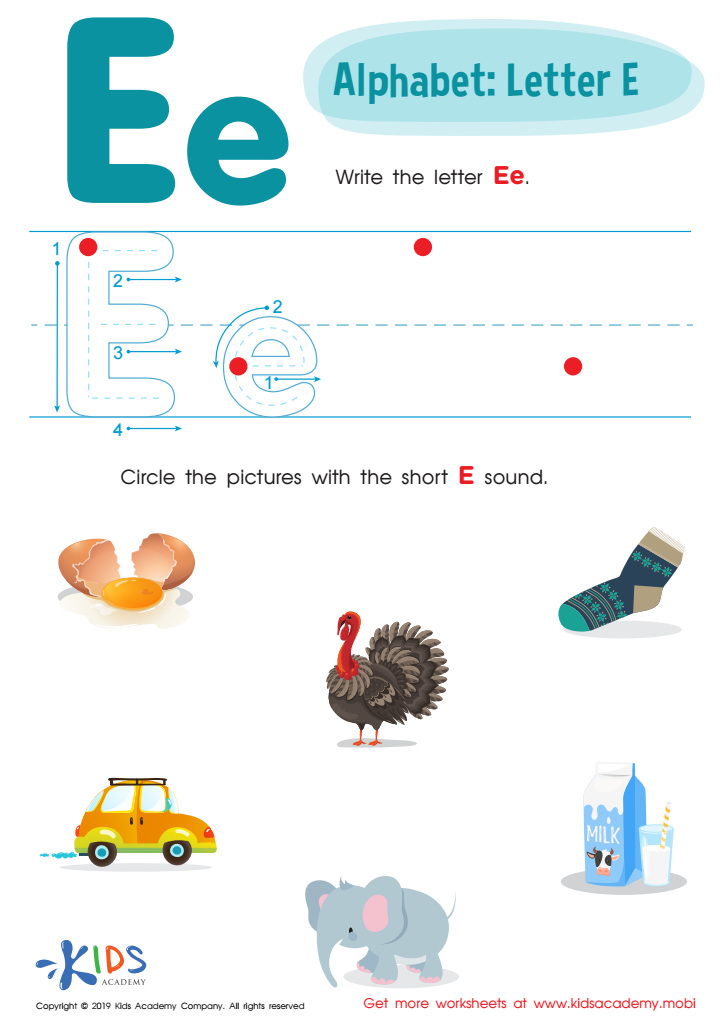
Letter E Tracing Worksheet
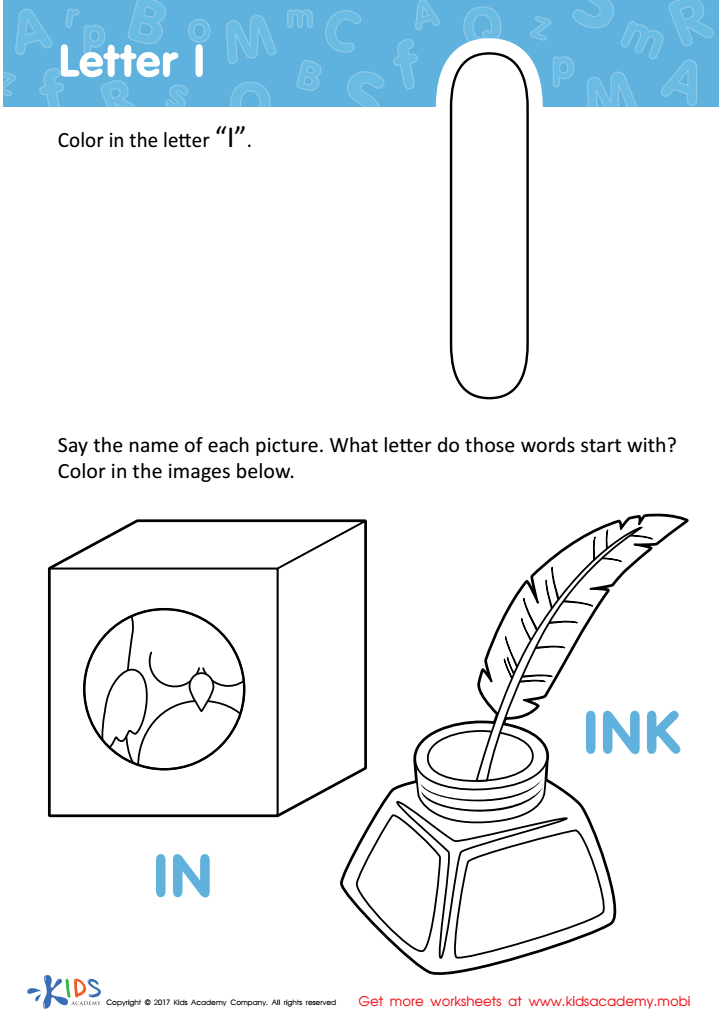
Letter I Coloring Sheet
Assign to My Students
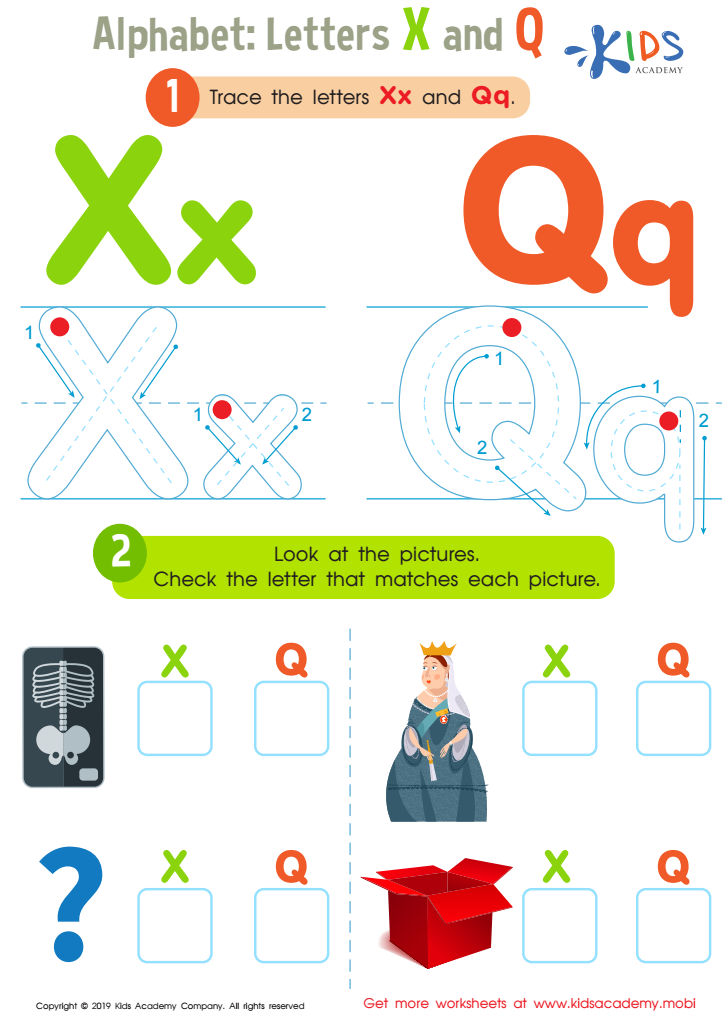
Letters X and Q Tracing Worksheet
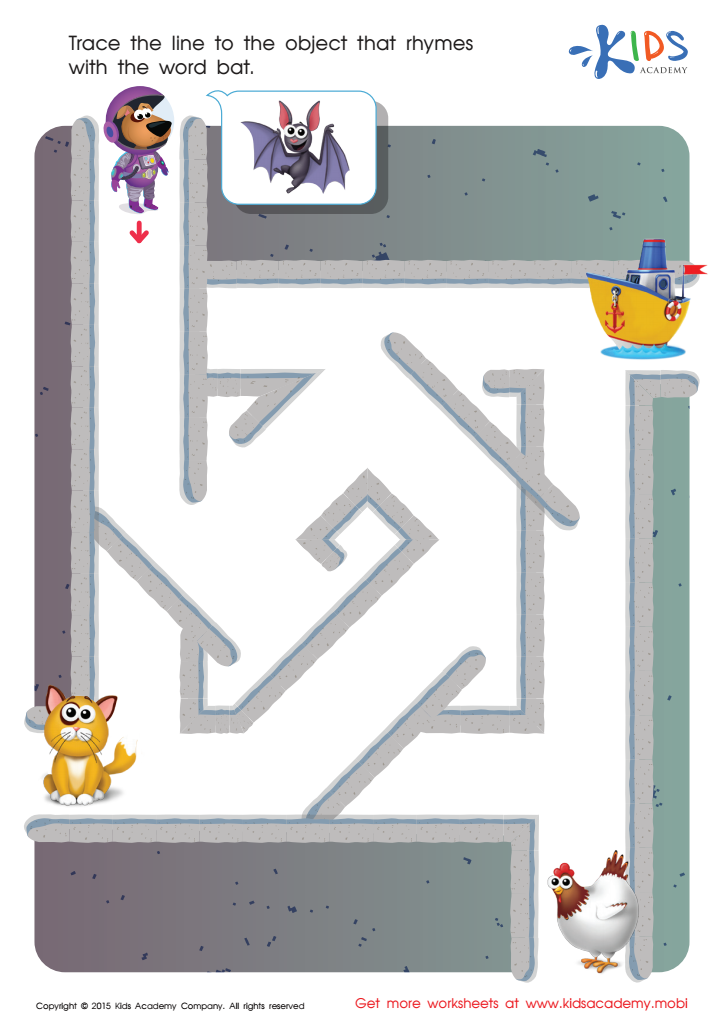
Bat Rhyming Words Worksheet
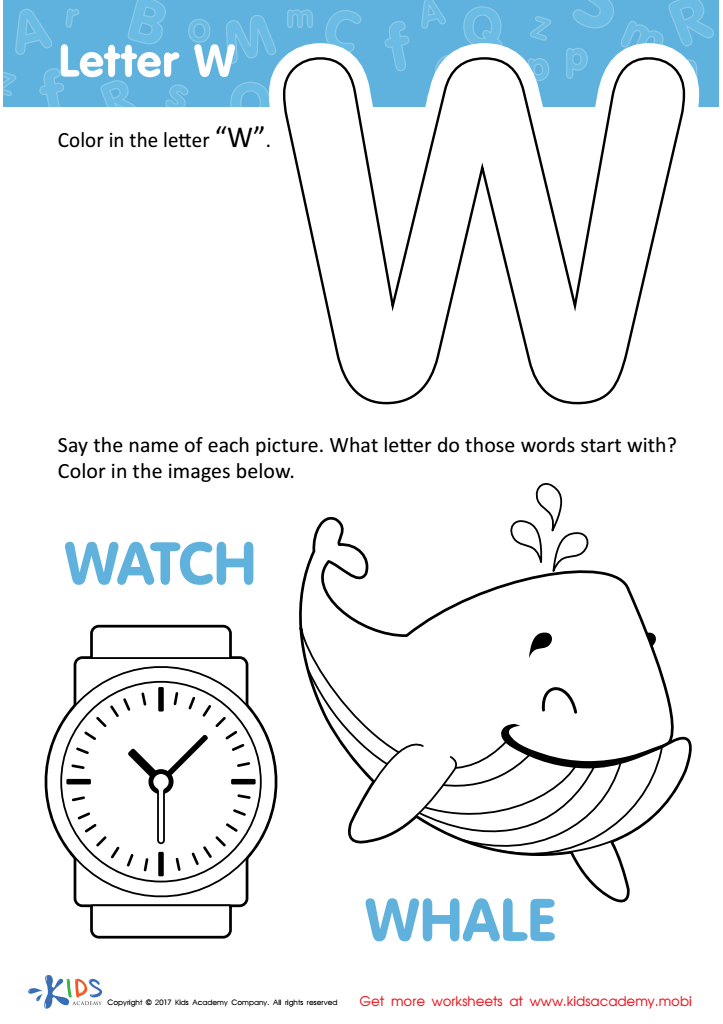
Letter W Coloring Sheet
Assign to My Students
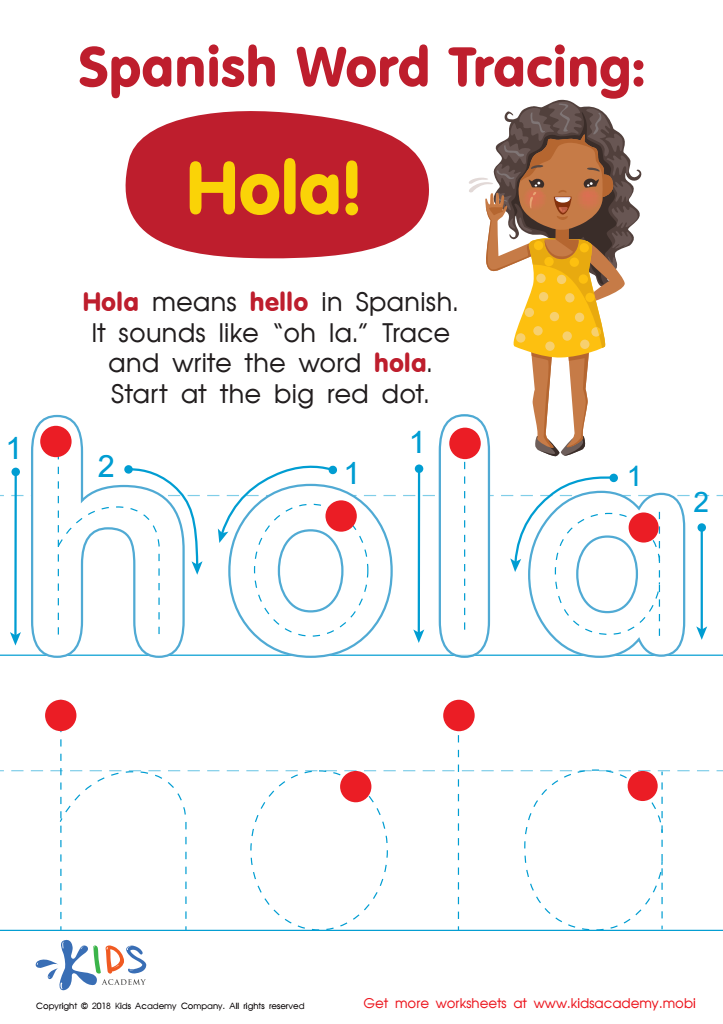
Spanish Word Tracing: Hola Worksheet
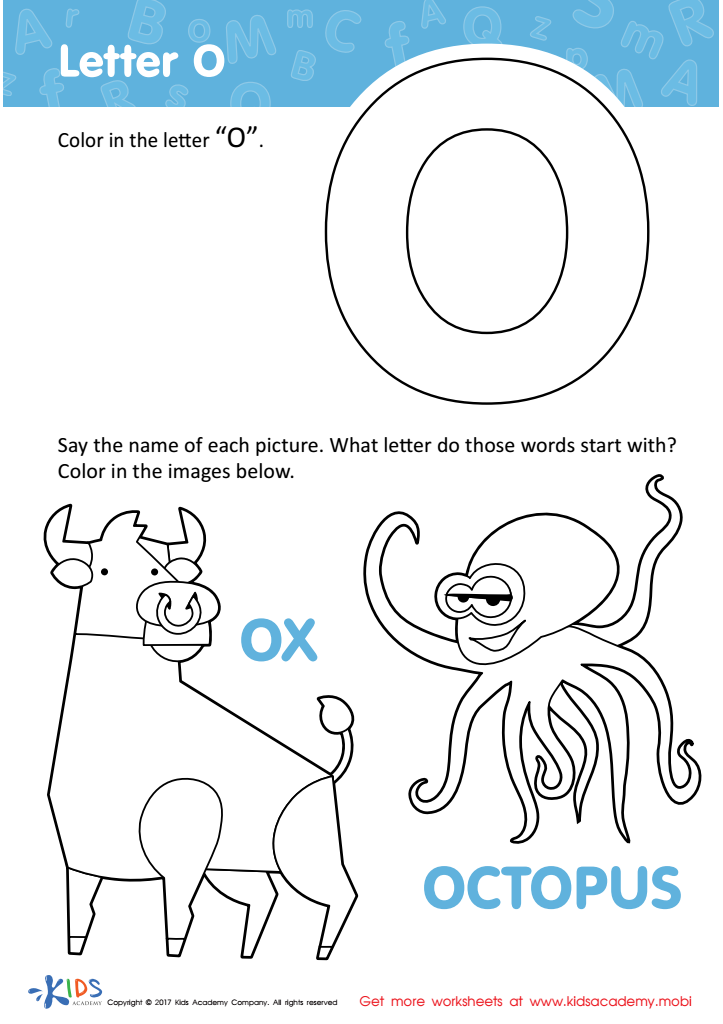
Letter O Coloring Sheet
Assign to My Students




.jpg)



Handwriting practice for children aged 3-7 is crucial for several developmental reasons. At this young age, children are developing their fine motor skills, which are essential for tasks such as gripping a pencil, tying shoelaces, and buttoning clothes. Engaging in handwriting activities strengthens these skills and promotes hand-eye coordination.
Furthermore, handwriting practice supports cognitive development. When children learn to form letters and words, they’re also learning to recognize patterns and understand the basics of language, which are foundational for reading and academic success. It has also been linked to better retention of information and the development of organizational skills.
Emotionally and socially, handwriting practice can boost a child's confidence. Successfully writing their name or small words provides a sense of accomplishment. This confidence can carry over into other areas of learning and social interaction. Moreover, it encourages attention to detail and patience, fostering a growth mindset.
By integrating handwriting practice into daily routines, both parents and teachers can give children a significant head start in both their academic journey and personal skill development, ensuring a solid foundation for future learning. Activities like tracing, drawing shapes, and writing letters can make the process engaging and enjoyable.








