Comparing Numbers Worksheets for Ages 3-7 - Page 2
40 filtered results
-
From - To
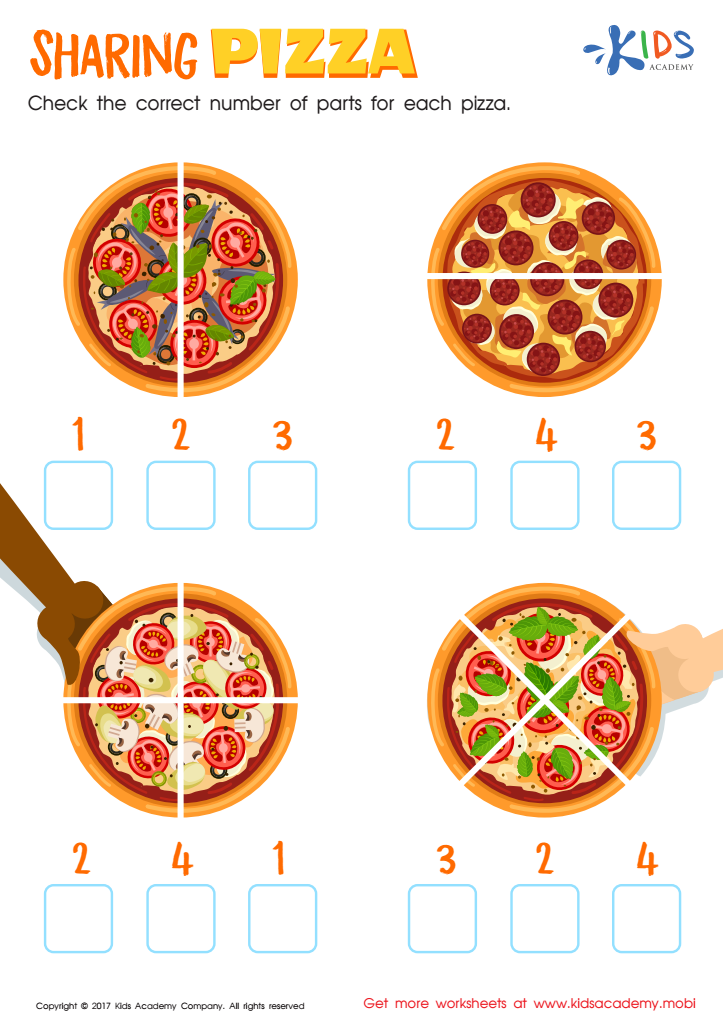
Sharing Pizza Worksheet
 Assign to My Students

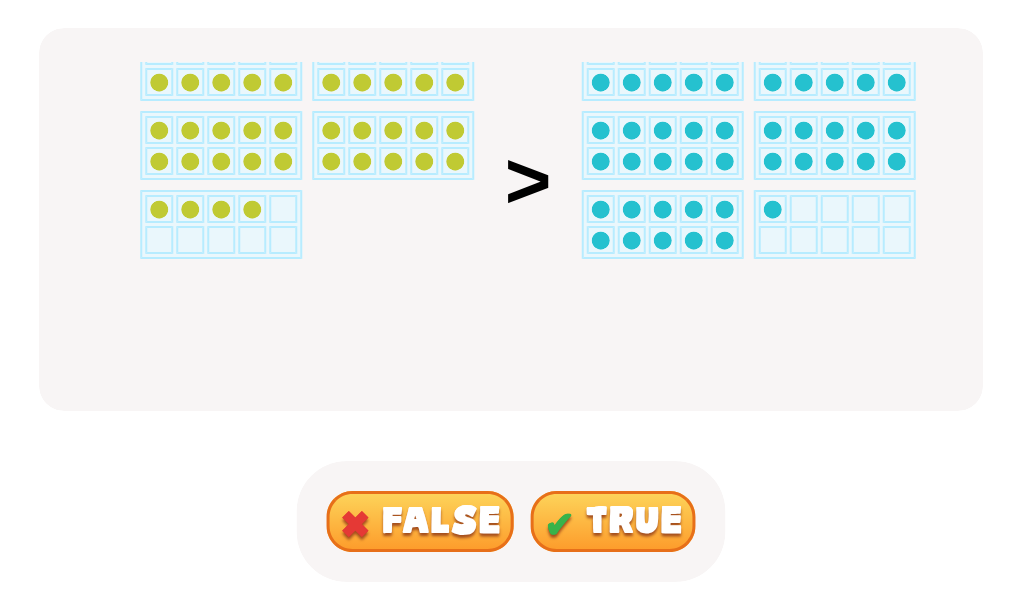
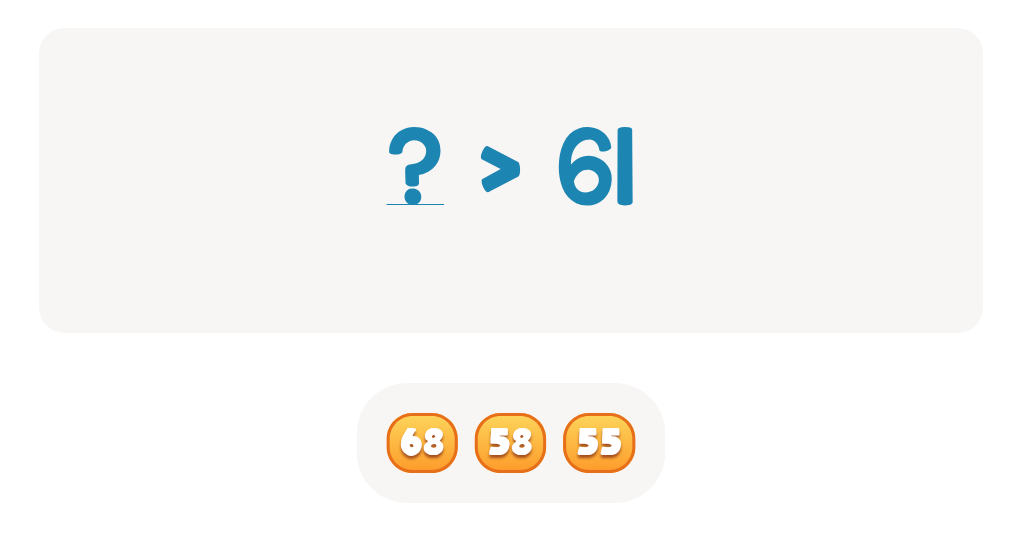
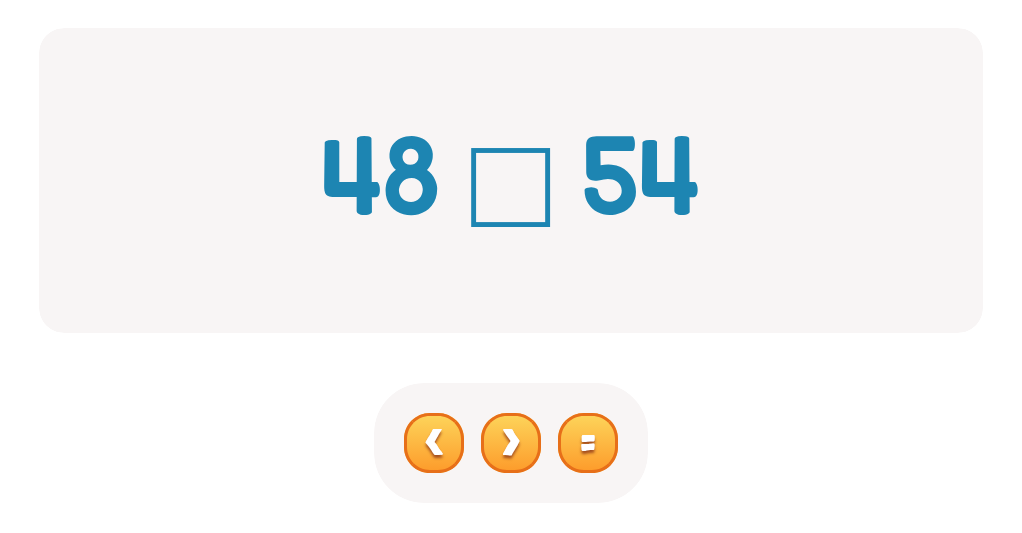
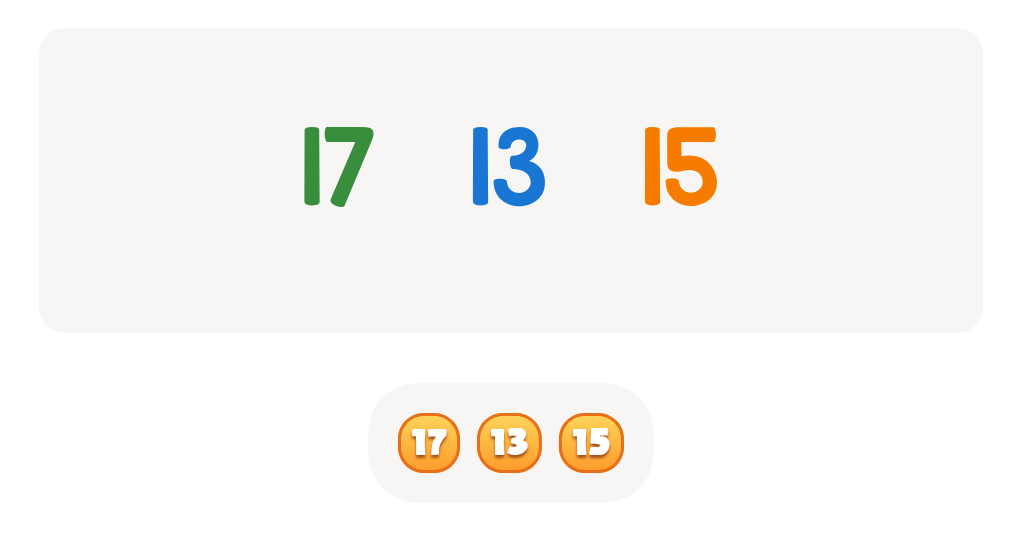
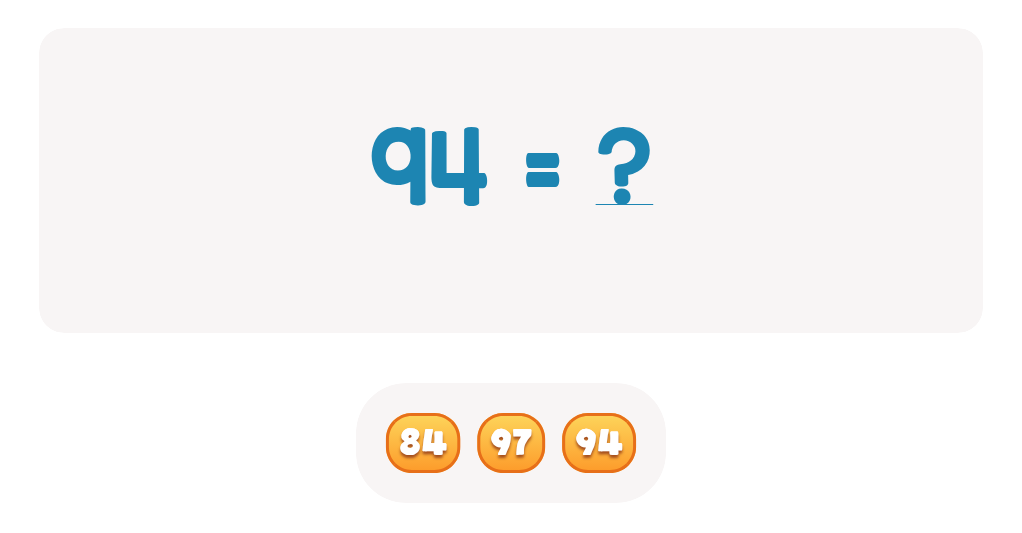
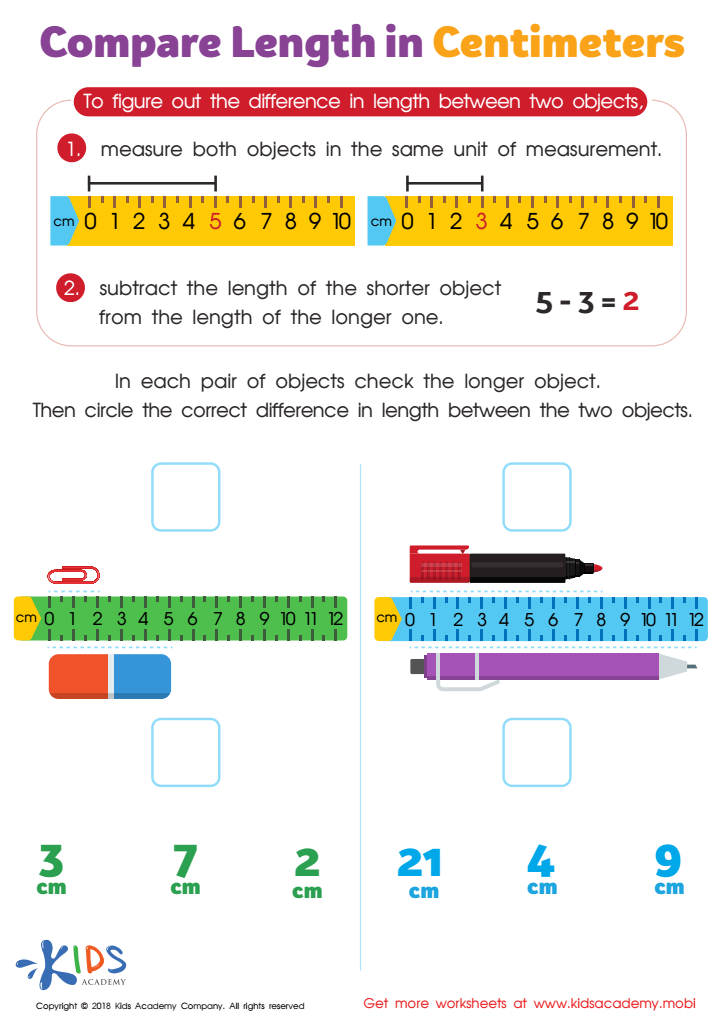
Compare Length in Centimeters Worksheet
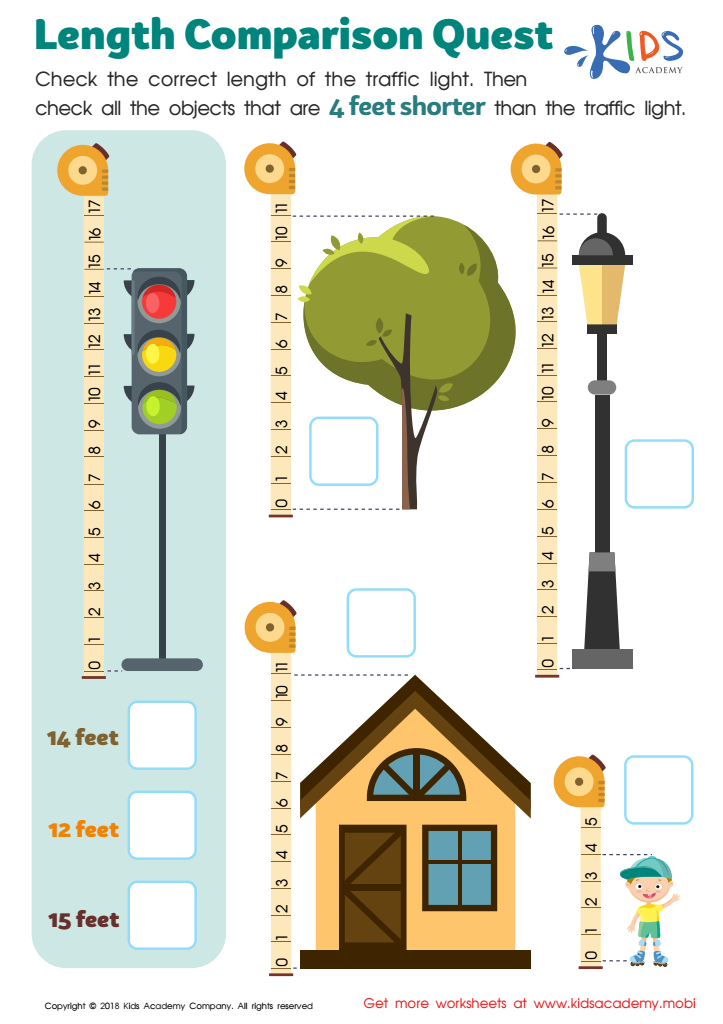
Length Comparison Quest Worksheet
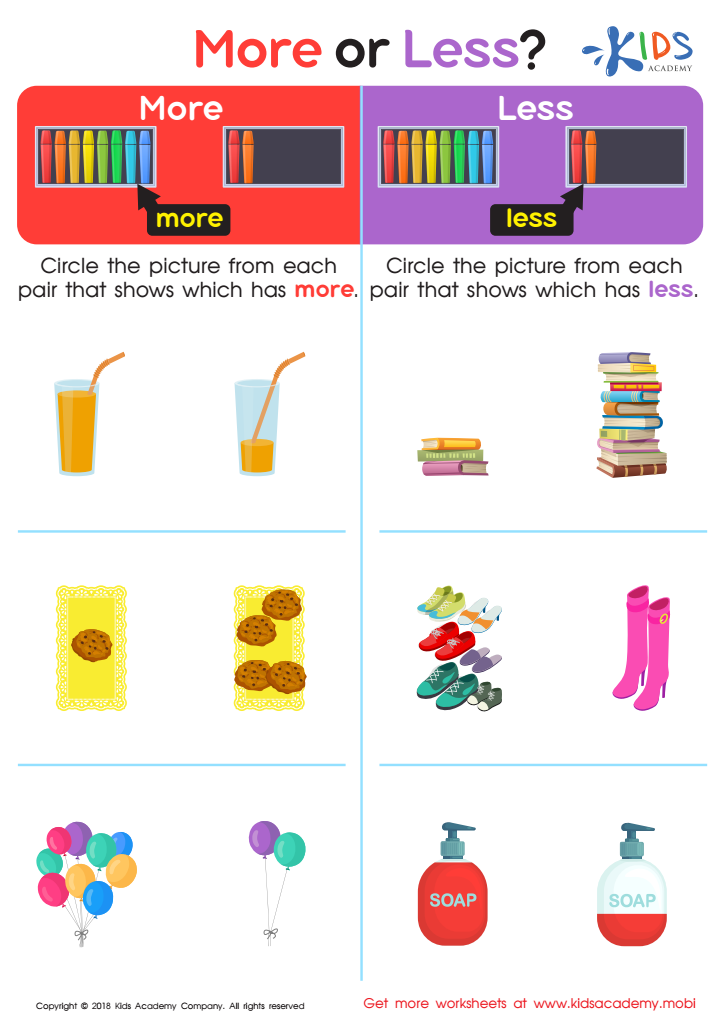
More or Less? Worksheet
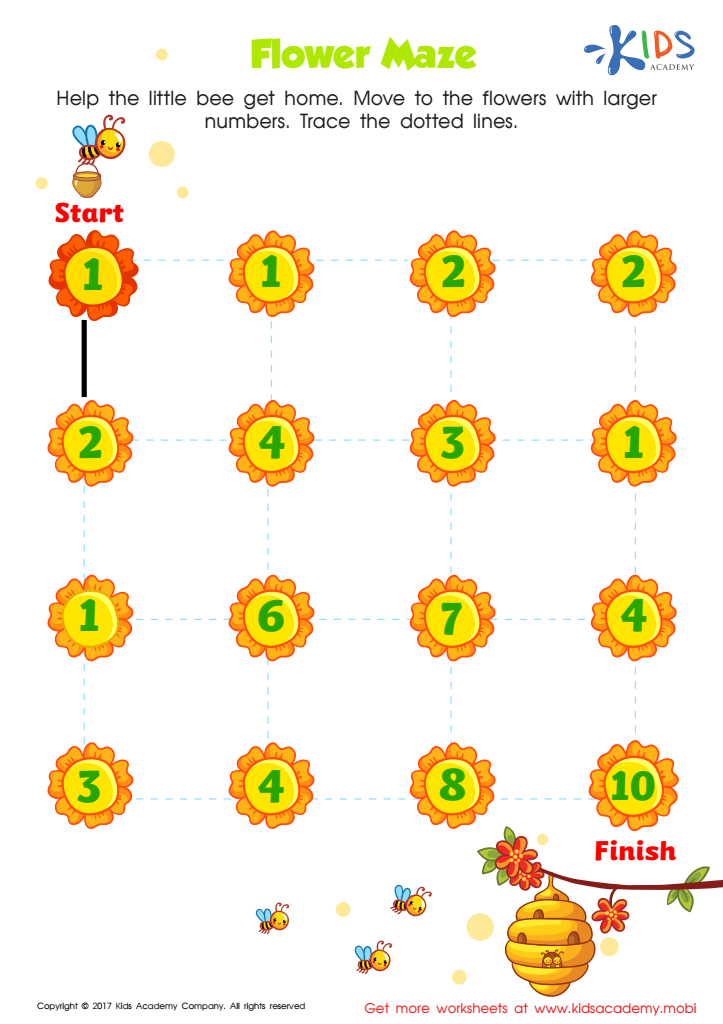
Number Maze For Kindergarten Printable
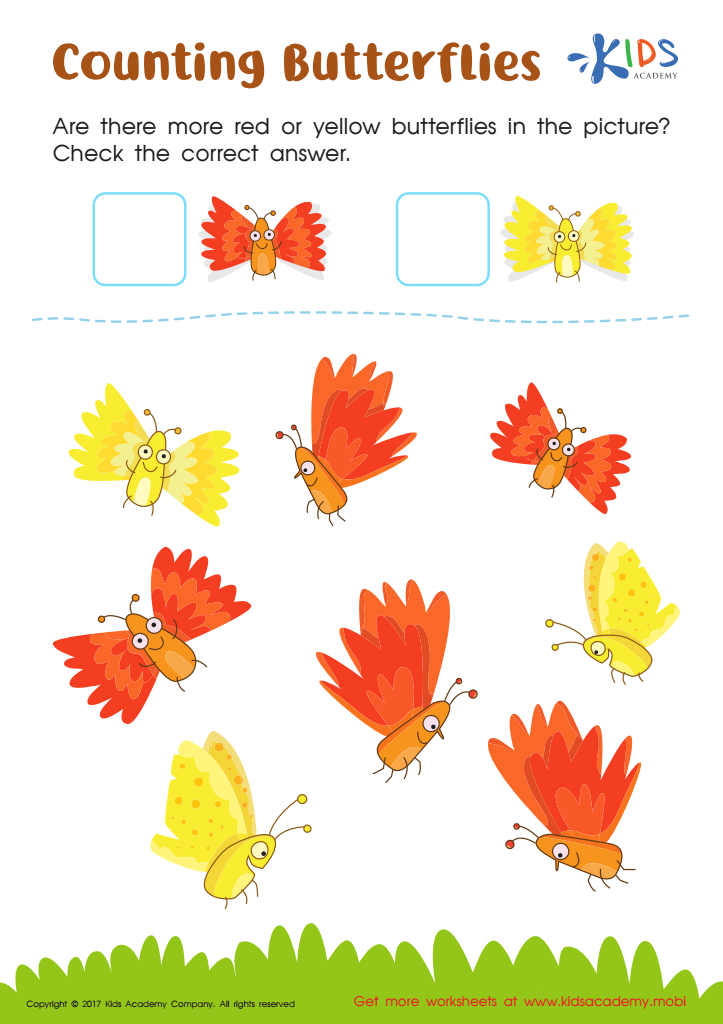
Counting Butterflies Worksheet
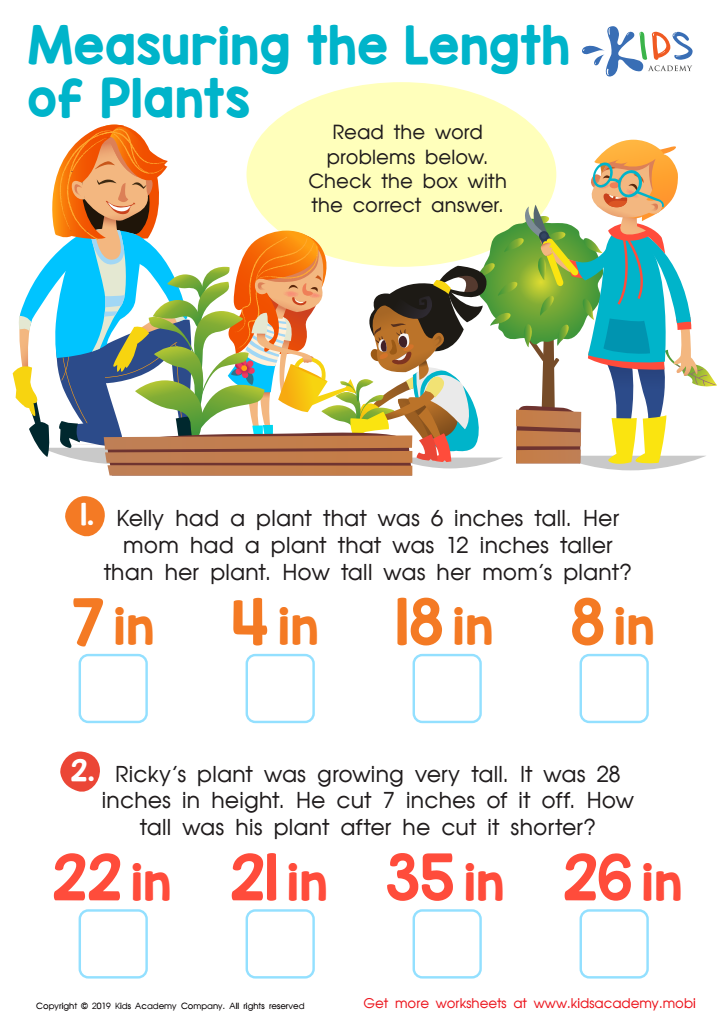
Measuring the Length of Plants Worksheet
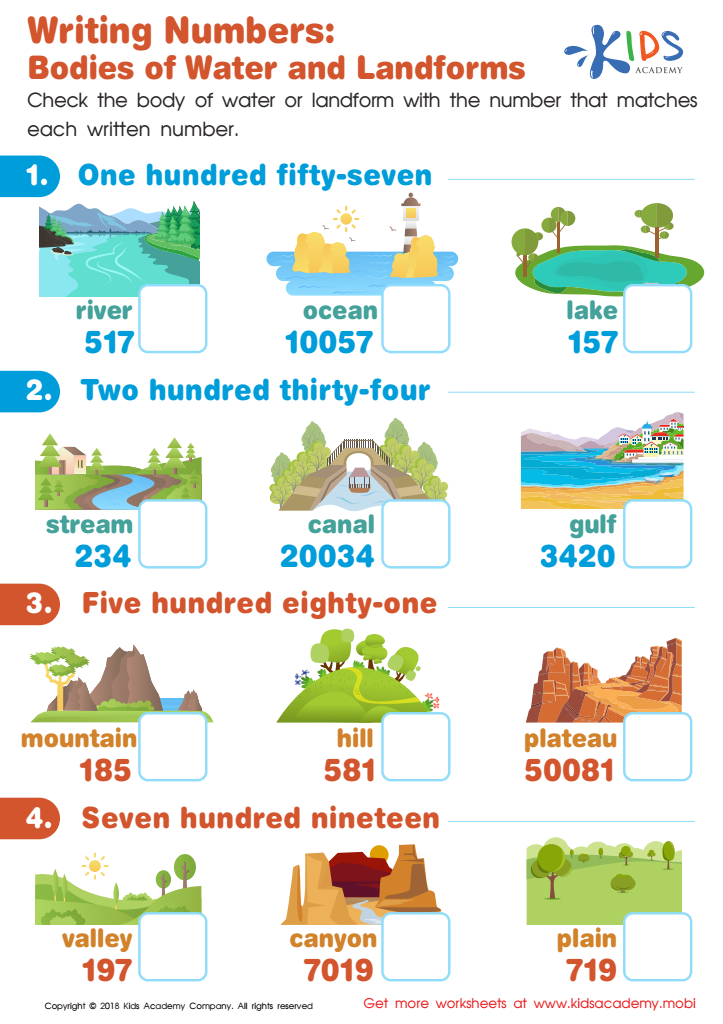
Bodies of Water and Landforms Writing Numbers Worksheet
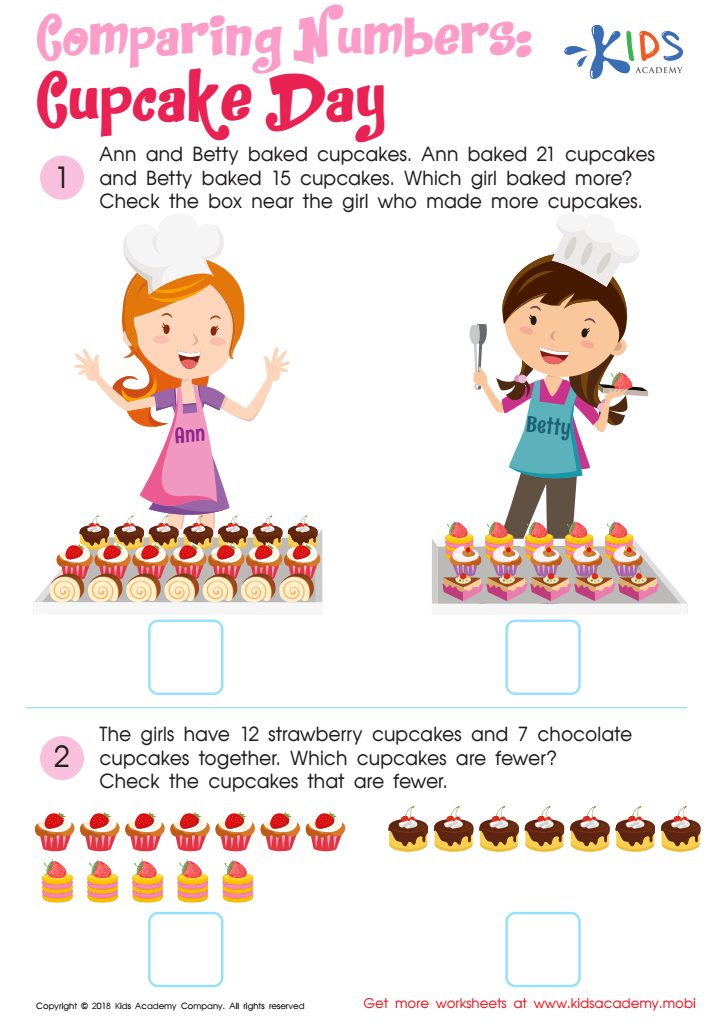
Cupcake Day Worksheet
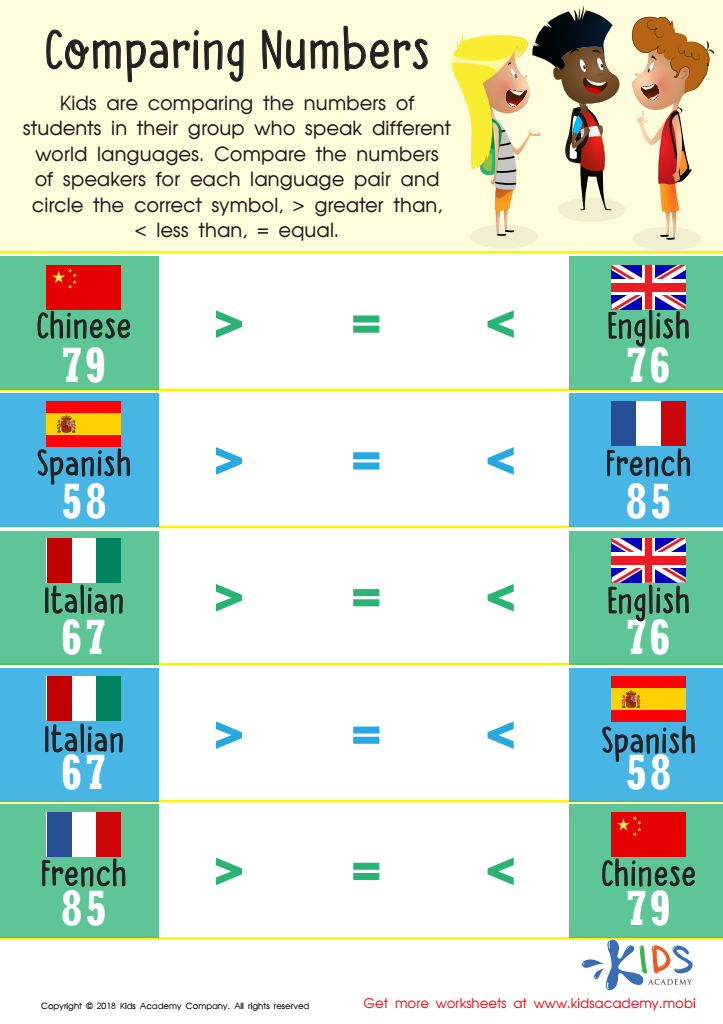
Comparing Numbers Worksheet for 1st Grade
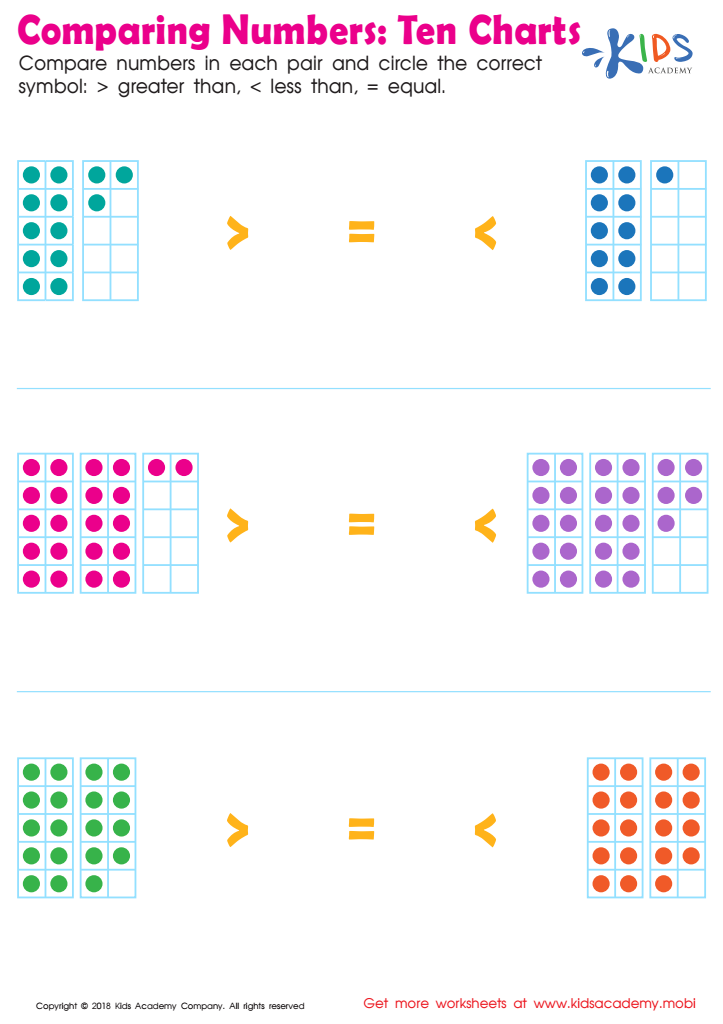
Ten Charts Worksheet
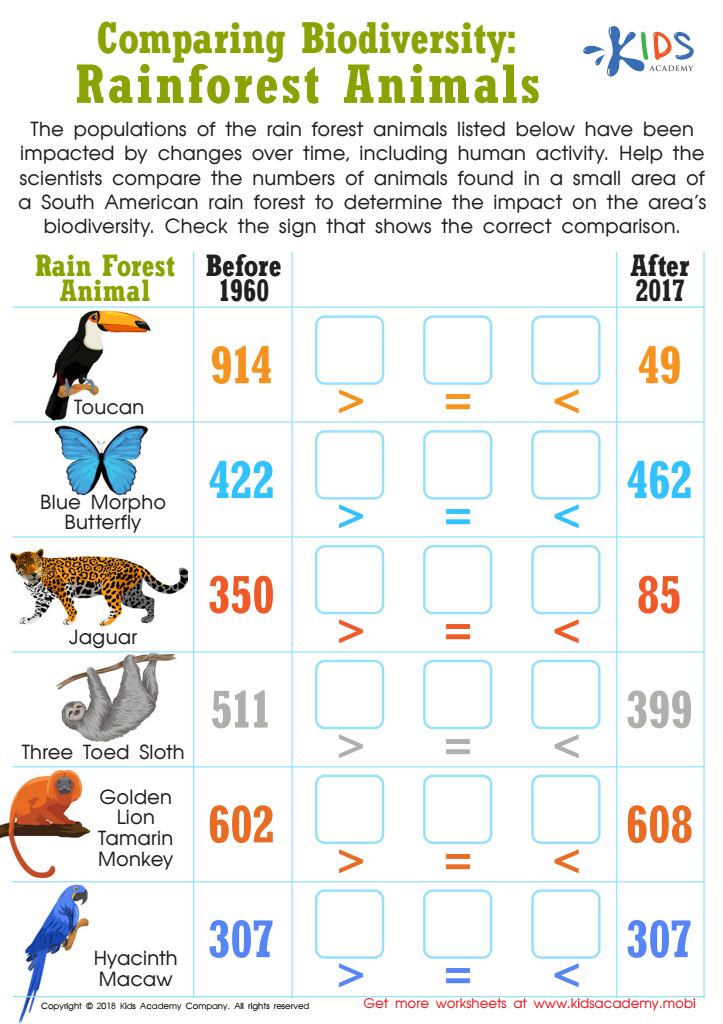
Comparing Biodiversity: Rainforest Animals Worksheet
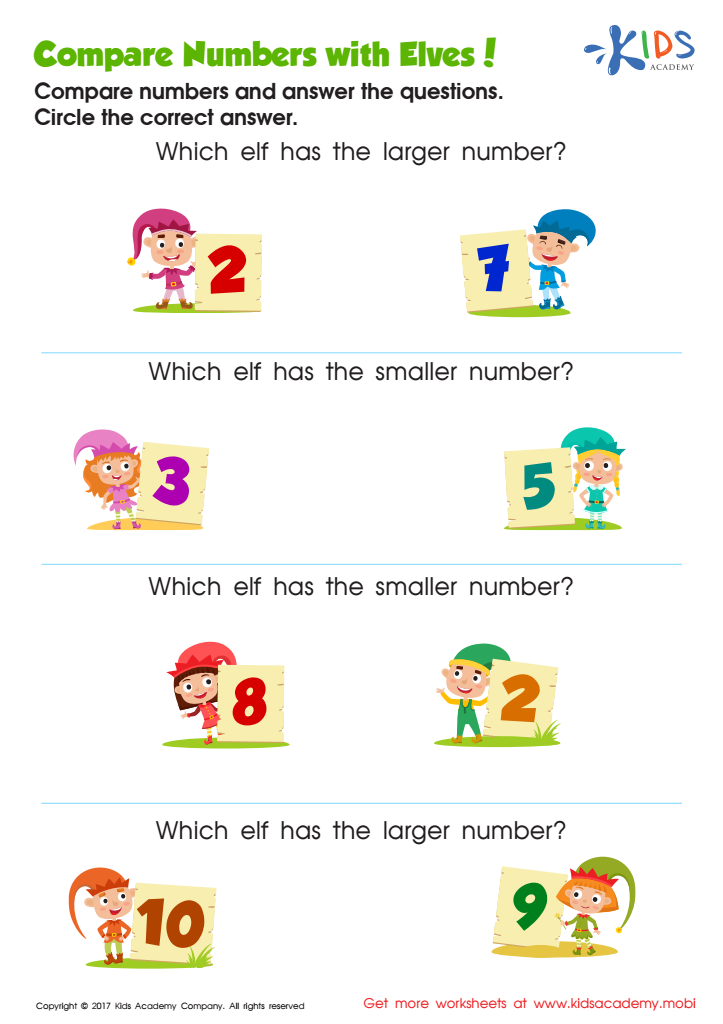
Comparing Numbers Worksheet for Kindergarten
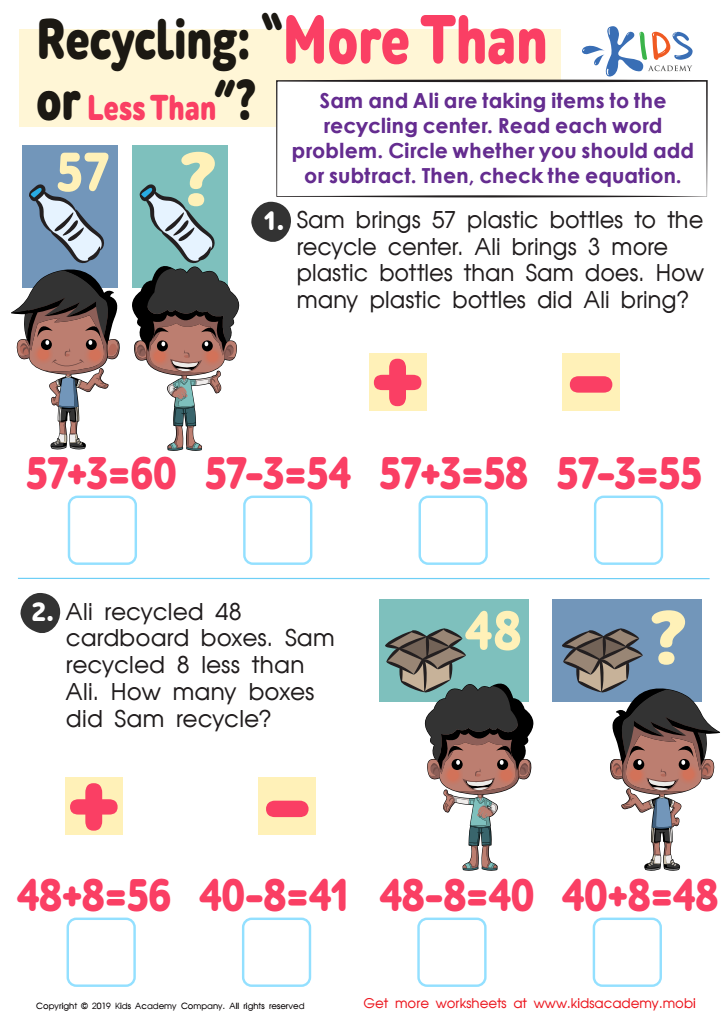
Recycling - More or Less Worksheet
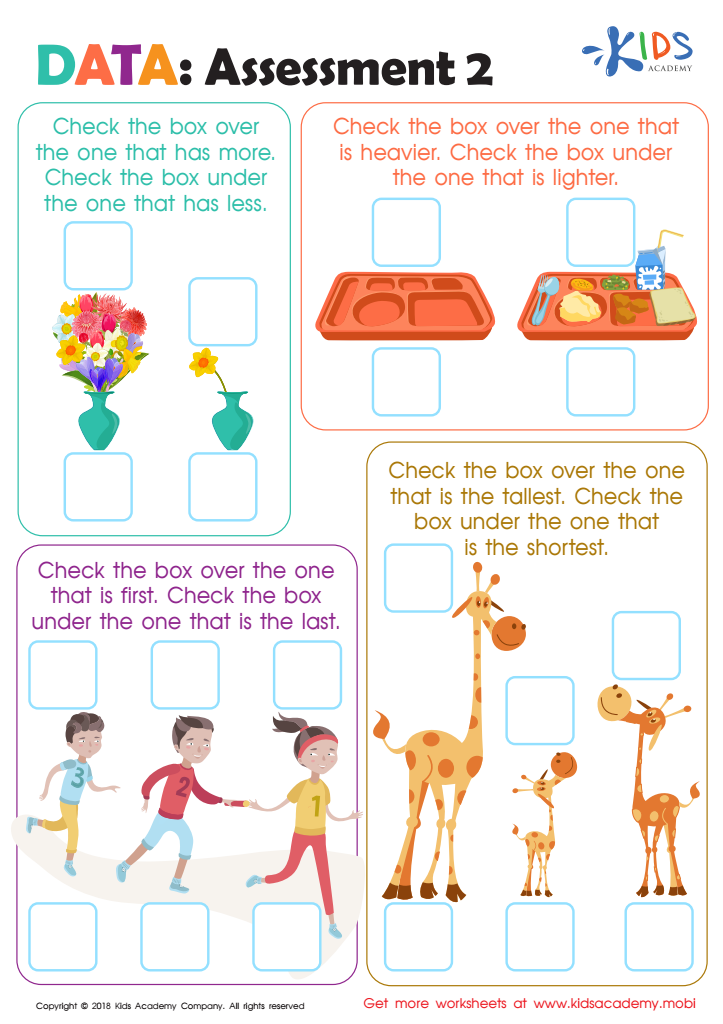
Data: Assessment 2 Worksheet
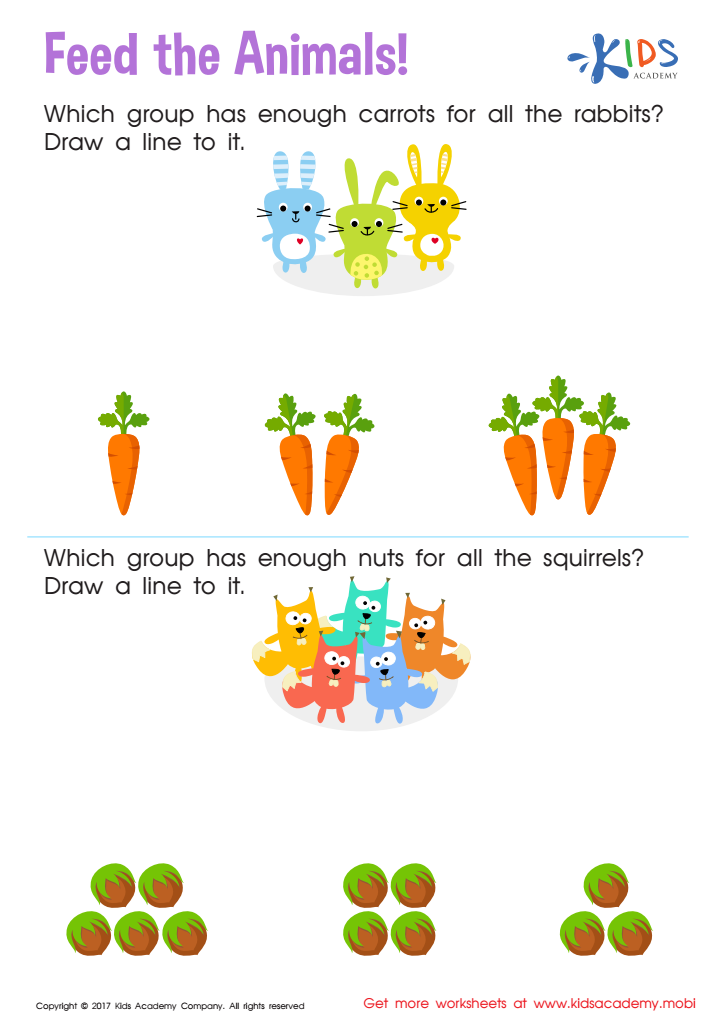
Count and Match: Feed the Animals Worksheet








Comparing numbers is a fundamental mathematical skill that is crucial for young children's cognitive development. For children aged 3-7, engaging with concepts of greater than, less than, and equal to forms the basis for more complex mathematical operations later in life. This foundational skill helps children understand the size, quantity, and relationships between numbers, enhancing their critical thinking and problem-solving abilities.
When parents and teachers facilitate number comparison, they not only support children numerically but also socially and emotionally. Encouraging such comparisons fosters teamwork and communication as children discuss and defend their reasoning. It also boosts confidence as they make discoveries in an interactive environment.
Moreover, understanding number comparisons has practical implications beyond math class. It helps children in real-world situations, like grocery shopping or playing games, where quantities and values matter.
By emphasizing the importance of comparing numbers, parents and teachers can lay a strong foundation for children's future mathematical success, ensuring they become adept problem solvers and logical thinkers. Creating a well-rounded educational experience allows children to thrive academically and apply their knowledge meaningfully in everyday contexts.