Hand-eye Coordination Numbers Worksheets for Ages 3-7
23 filtered results
-
From - To
Discover our specialized Hand-eye Coordination Numbers Worksheets for ages 3-7, designed to make learning fun and engaging! These worksheets focus on combining number recognition, counting, and fine motor skills to enhance hand-eye coordination. Perfect for preschool and early elementary students, each worksheet is crafted by education experts to help kids practice tracing, writing, and identifying numbers while improving their dexterity. Our colorful and interactive format not only keeps children entertained but also boosts their confidence in mastering early math skills. Download our free, printable worksheets today and support your child's educational journey!
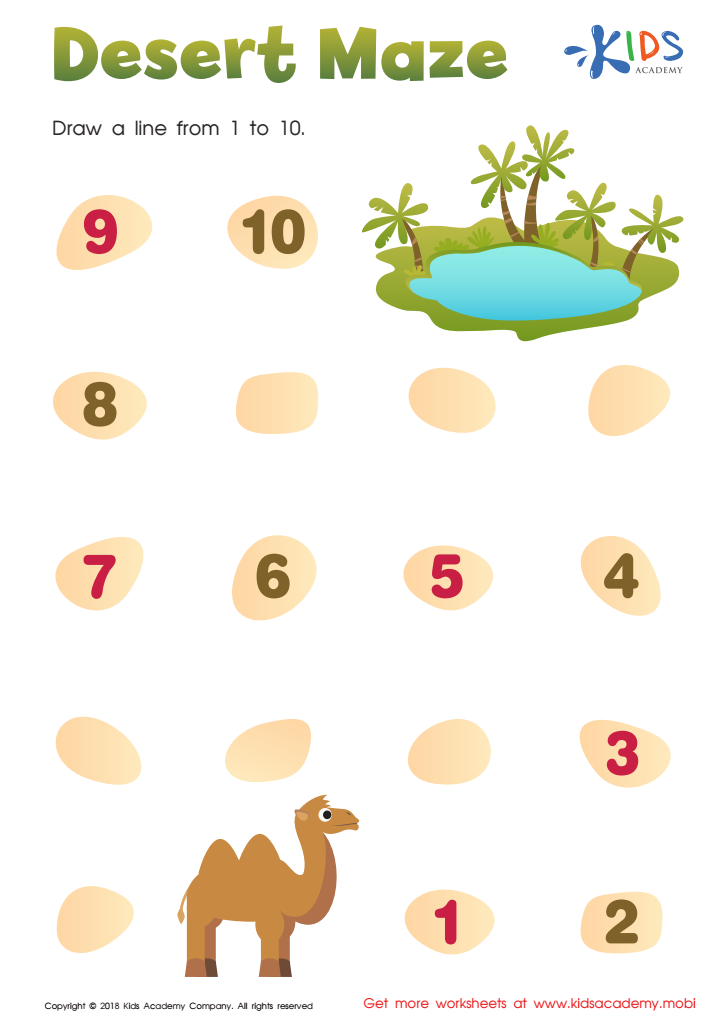
Desert Maze Worksheet
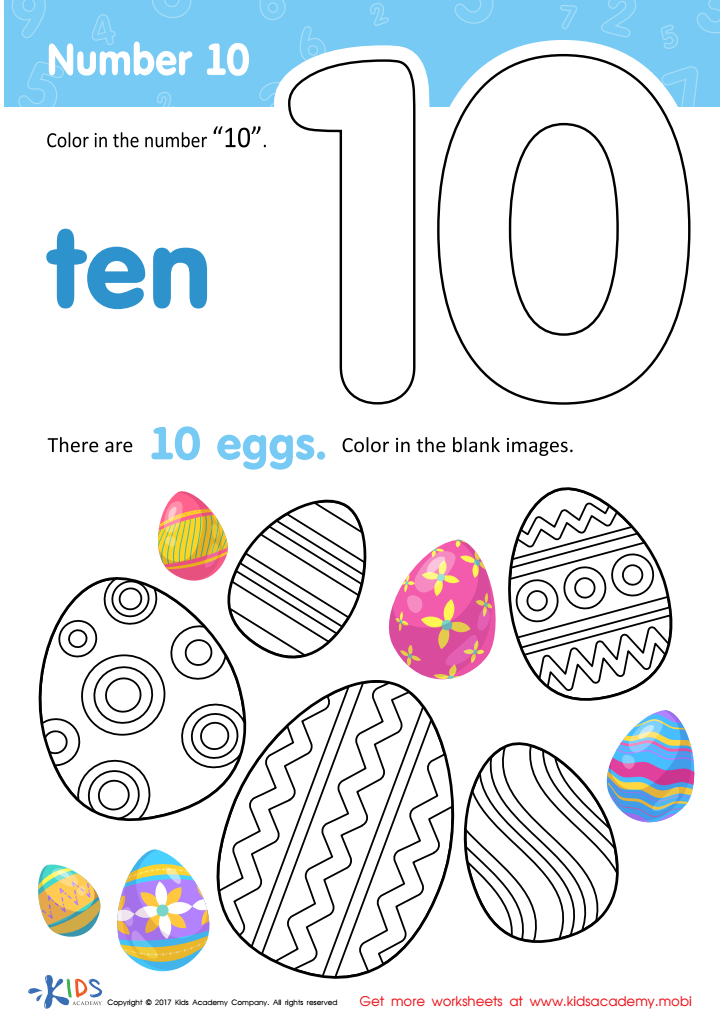
Number 10 Printable
 Assign to My Students
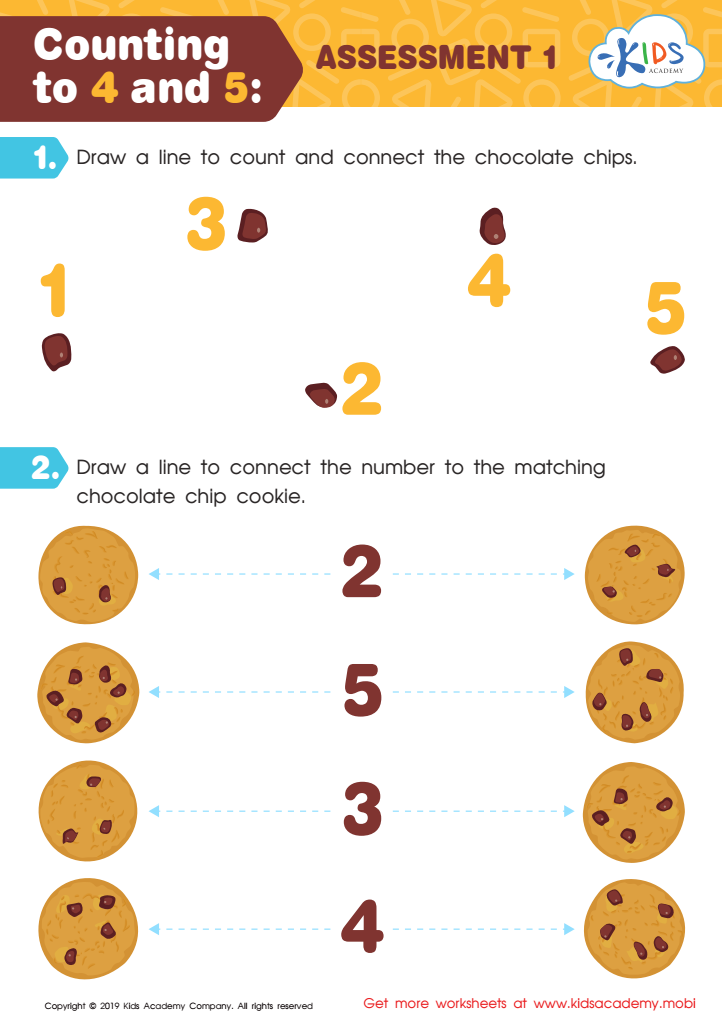
Counting to 4 and 5: Assessment 1 Worksheet
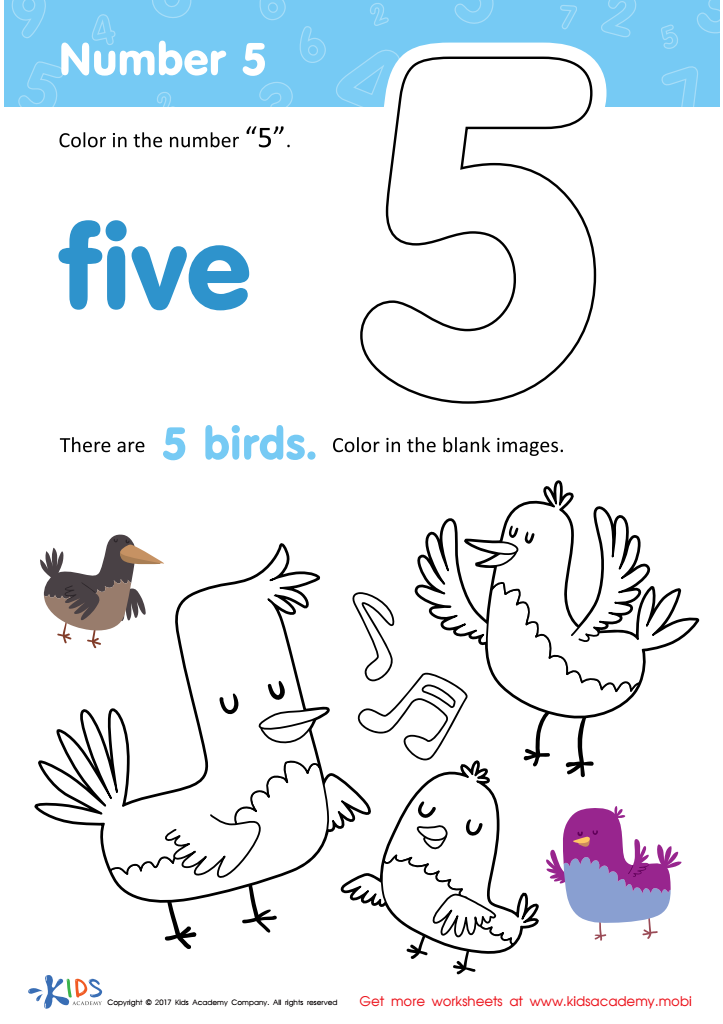
Number 5 Printable
Assign to My Students
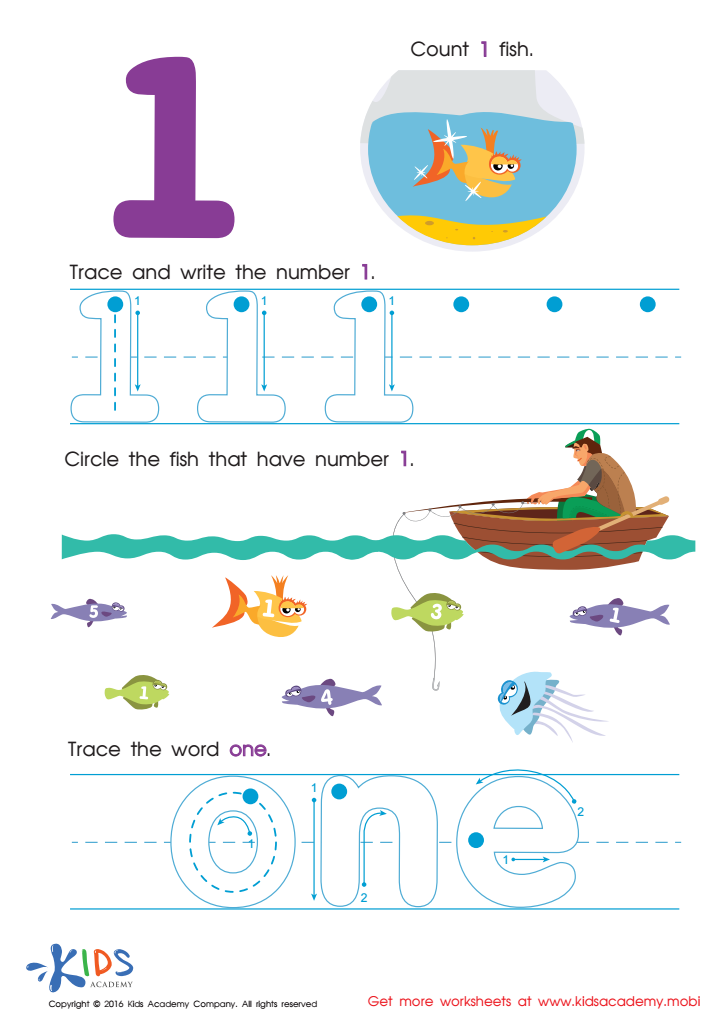
Learning to Write 1 Worksheet
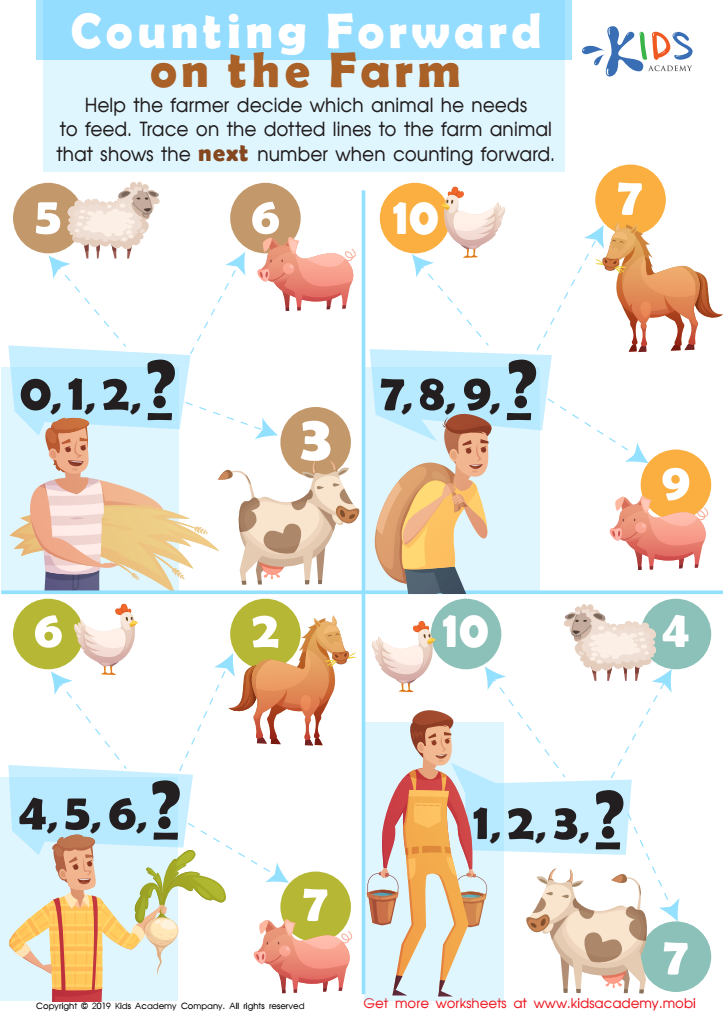
Counting Forward On the Farm Worksheet
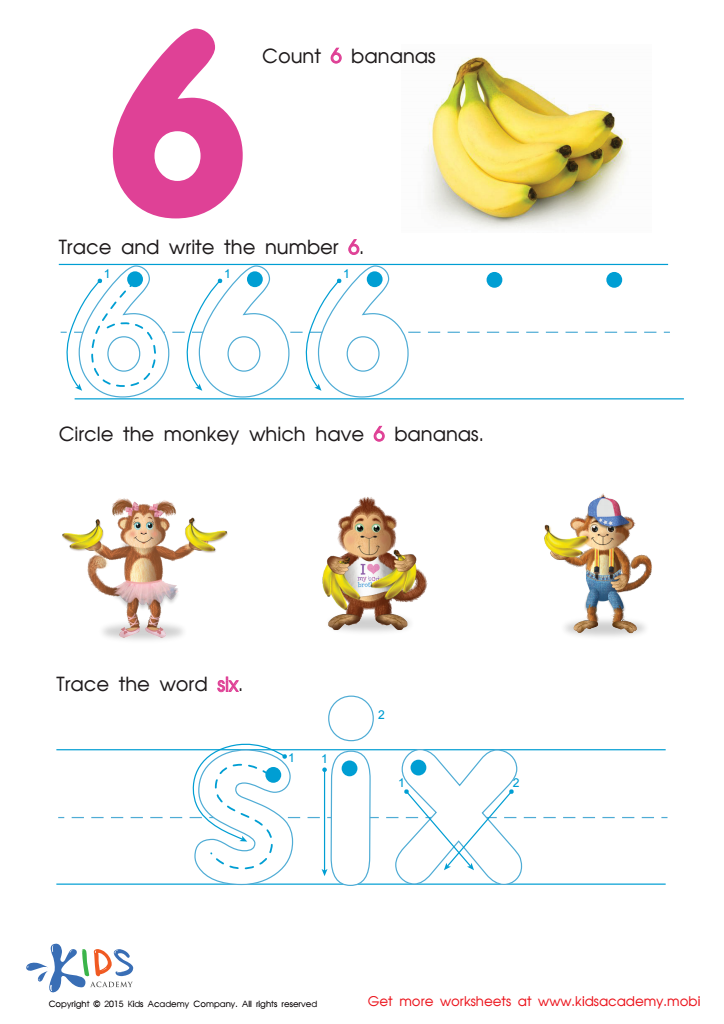
Tracing And Writing Number 6 Worksheet
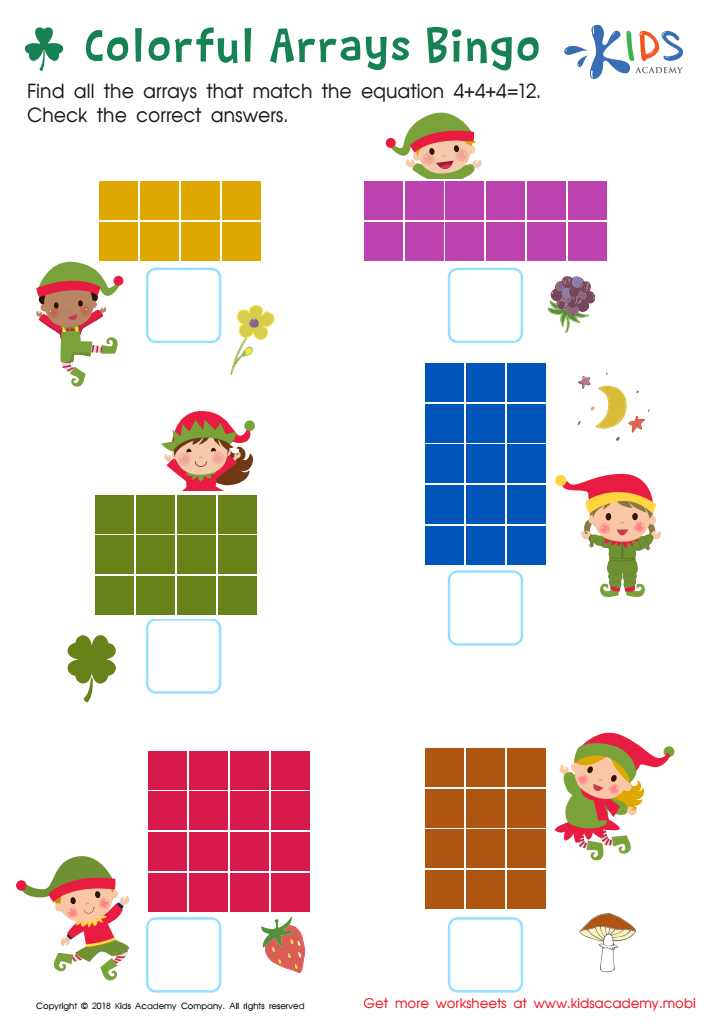
Colorful Arrays Bingo Worksheet
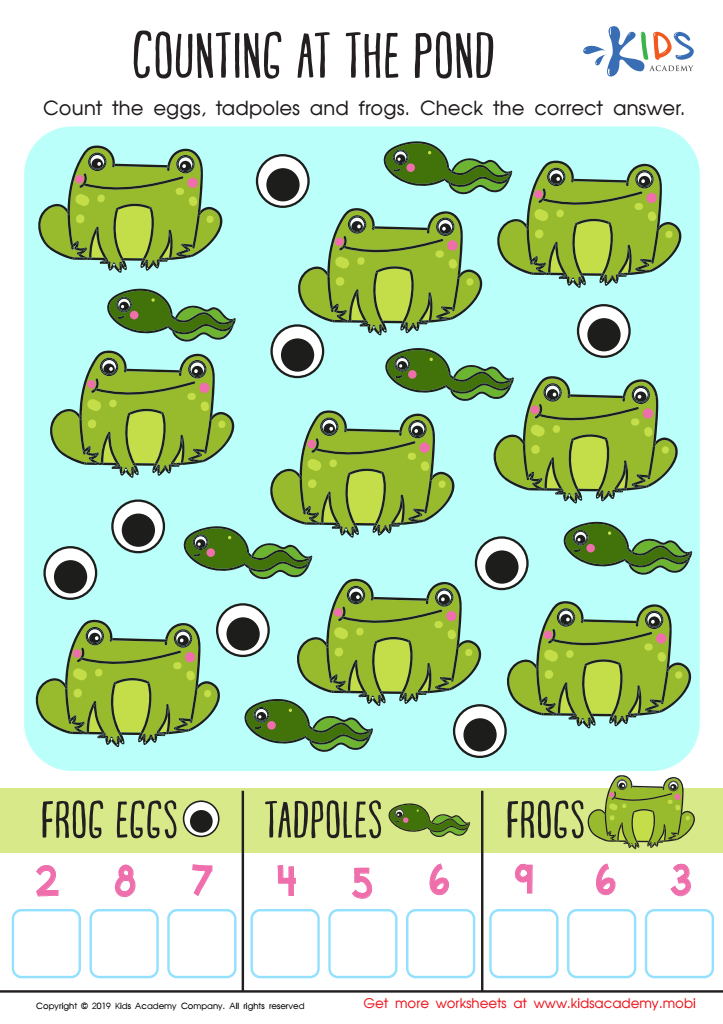
Counting at the Pond Worksheet
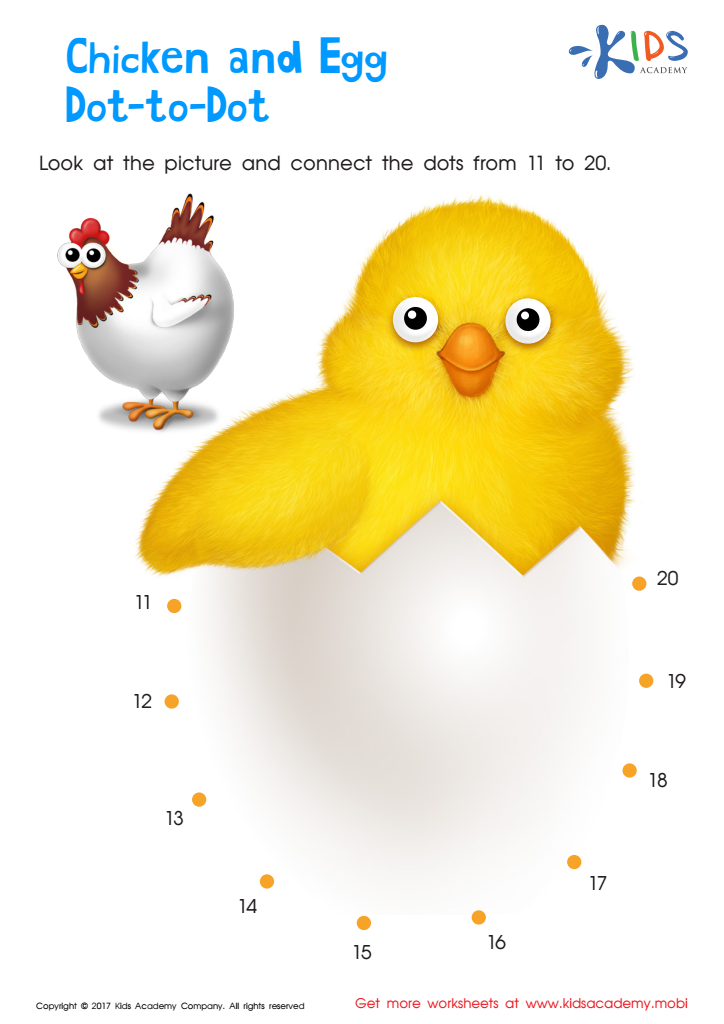
Ordering 11–20: Chicken & Egg Dot–to–dot Worksheet
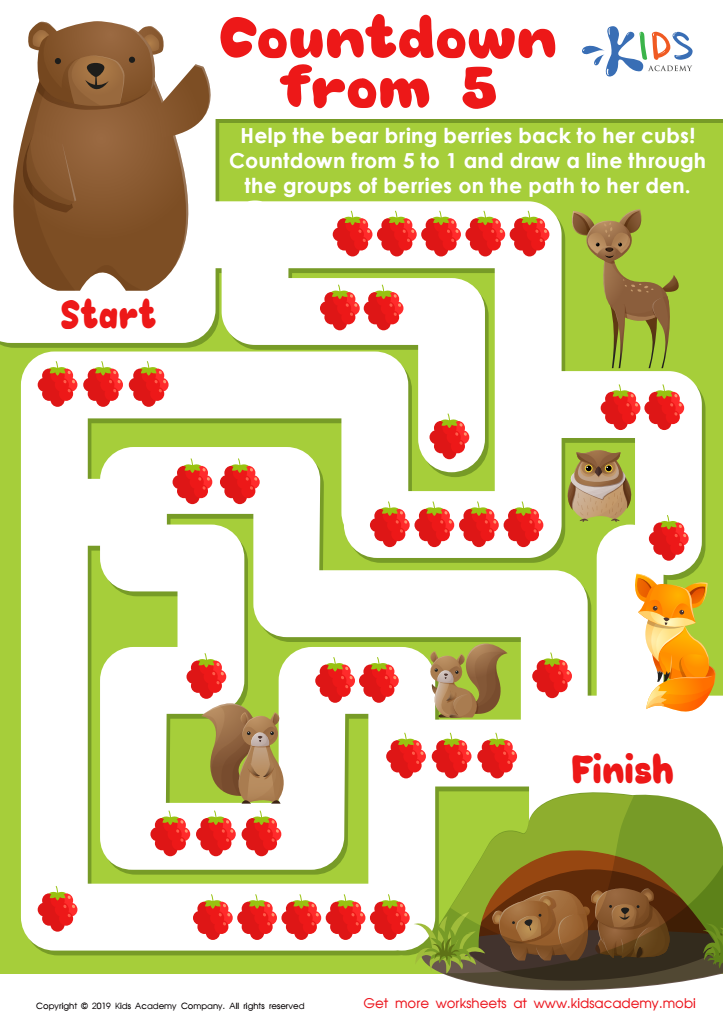
Countdown from 5 Worksheet
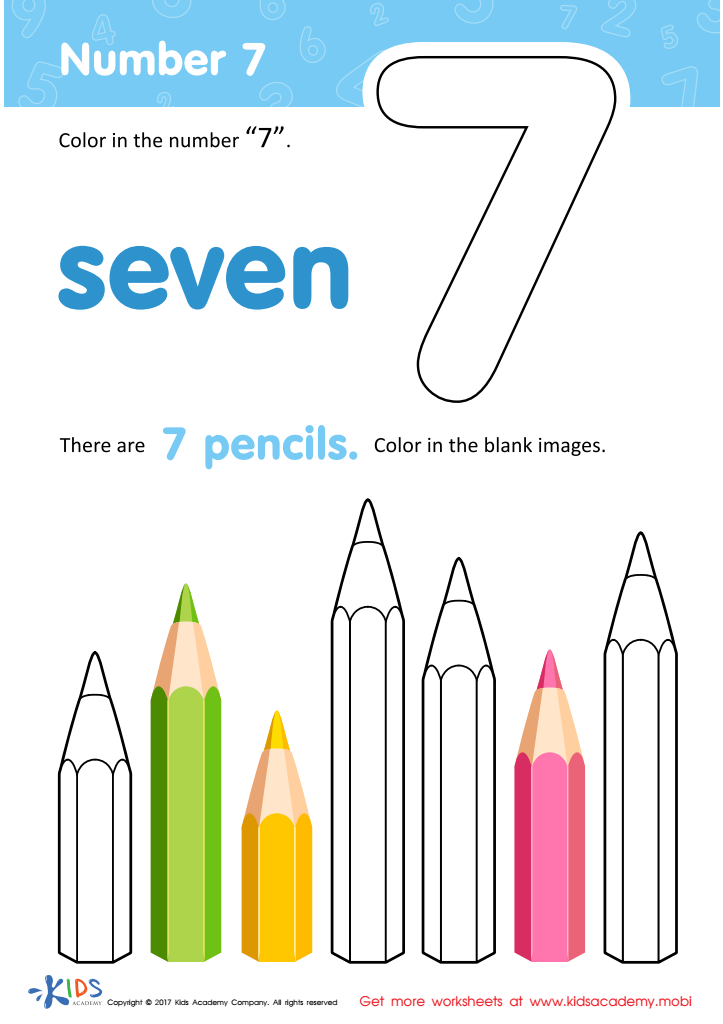
Number 7 Worksheet
Assign to My Students
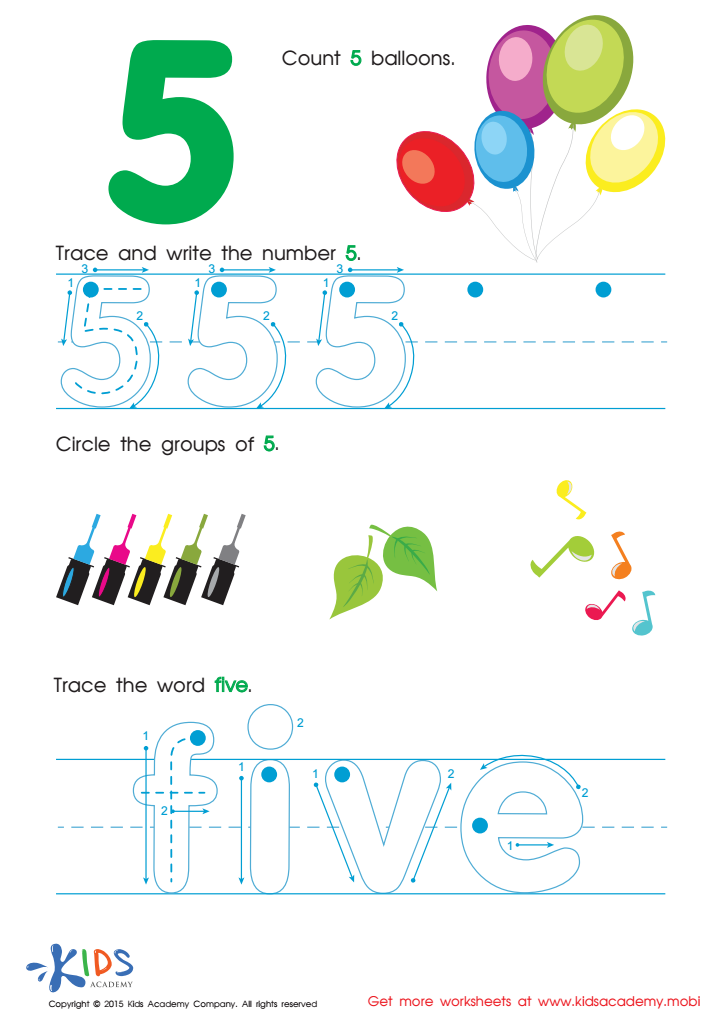
Practice Writing Number 5 Worksheet
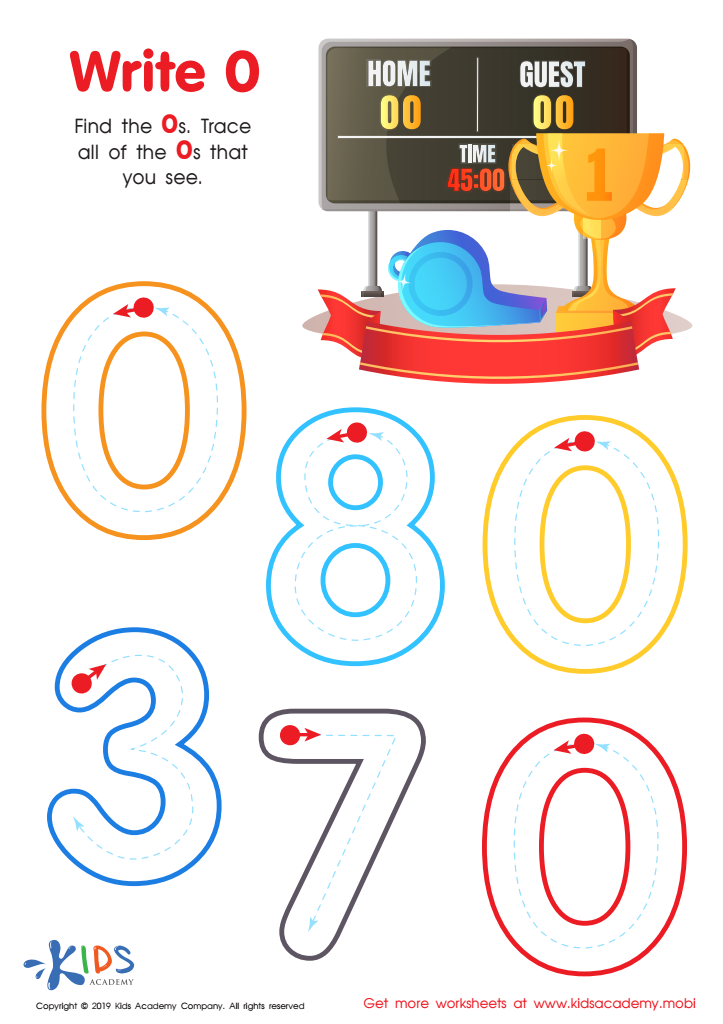
Write 0 Worksheet
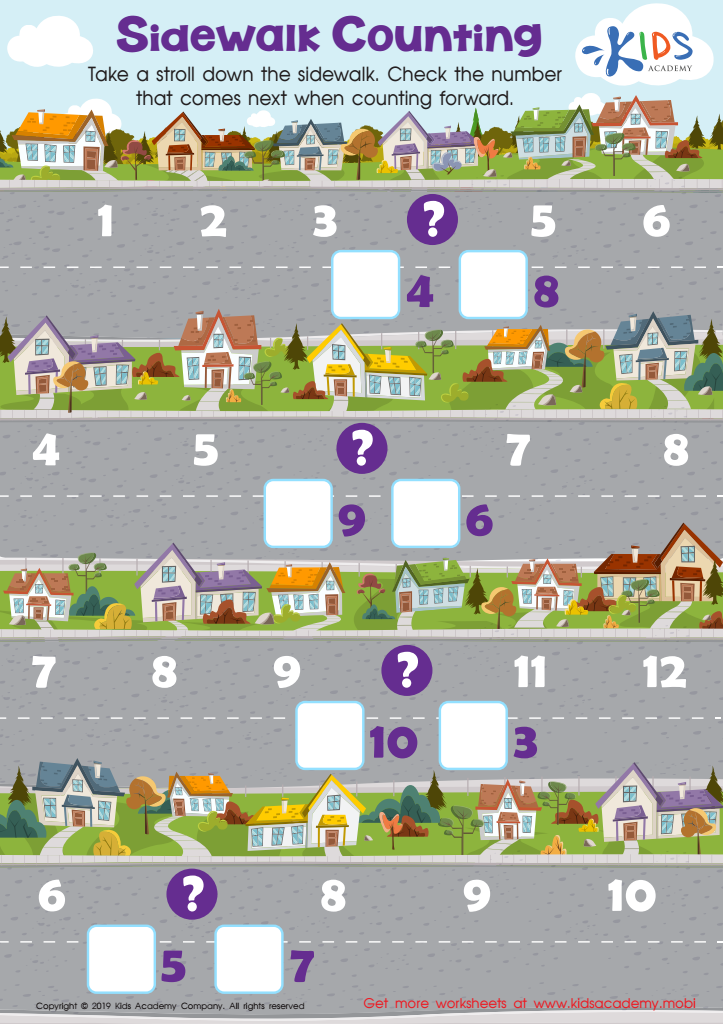
Sidewalk Counting Worksheet
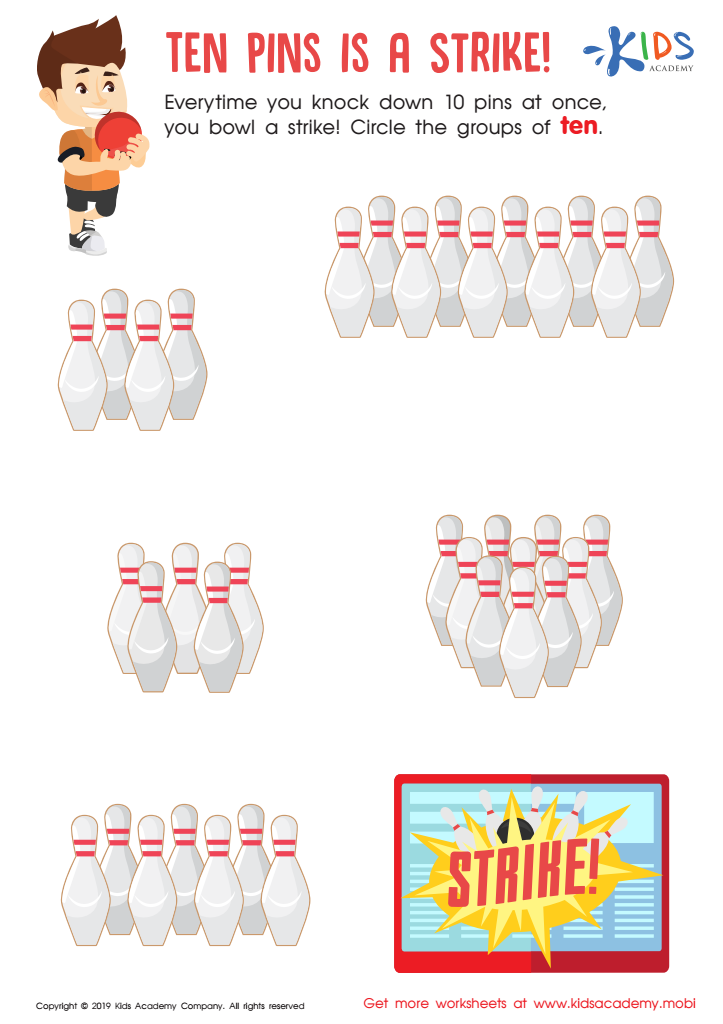
Ten Pins is a Strike Worksheet
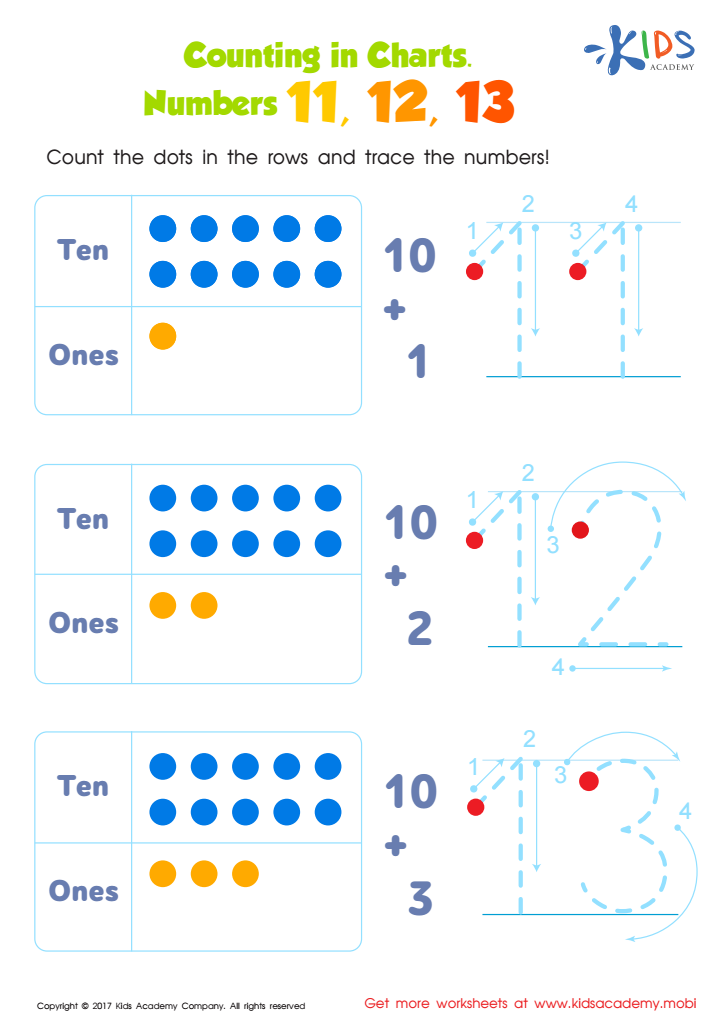
Number Tracing Worksheet For Kindergarten
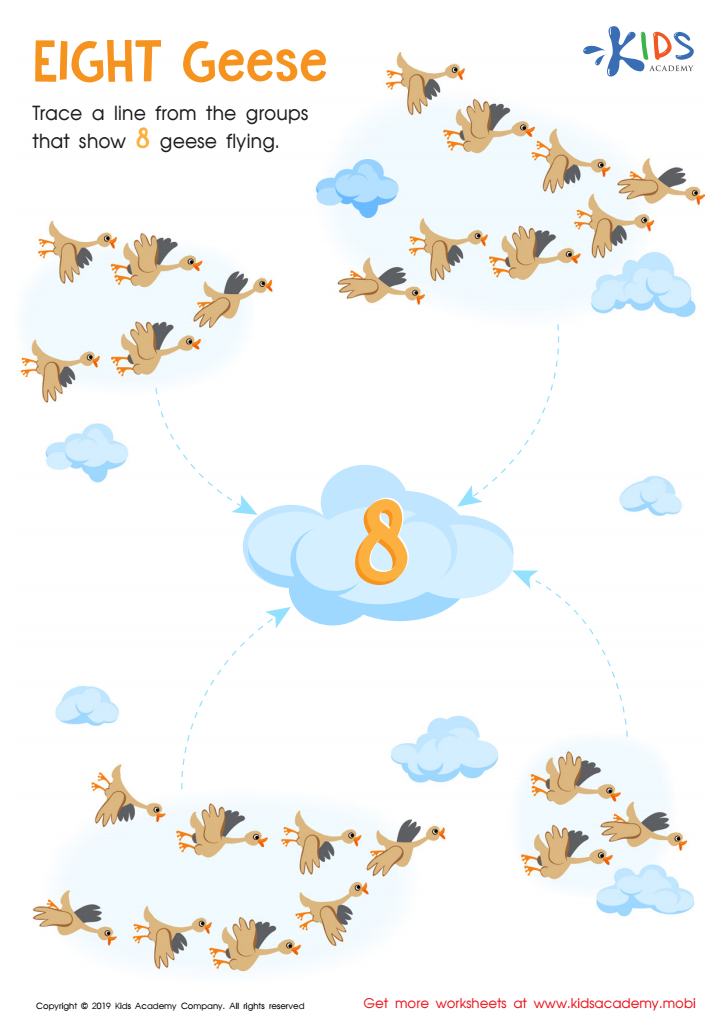
Eight Geese Worksheet
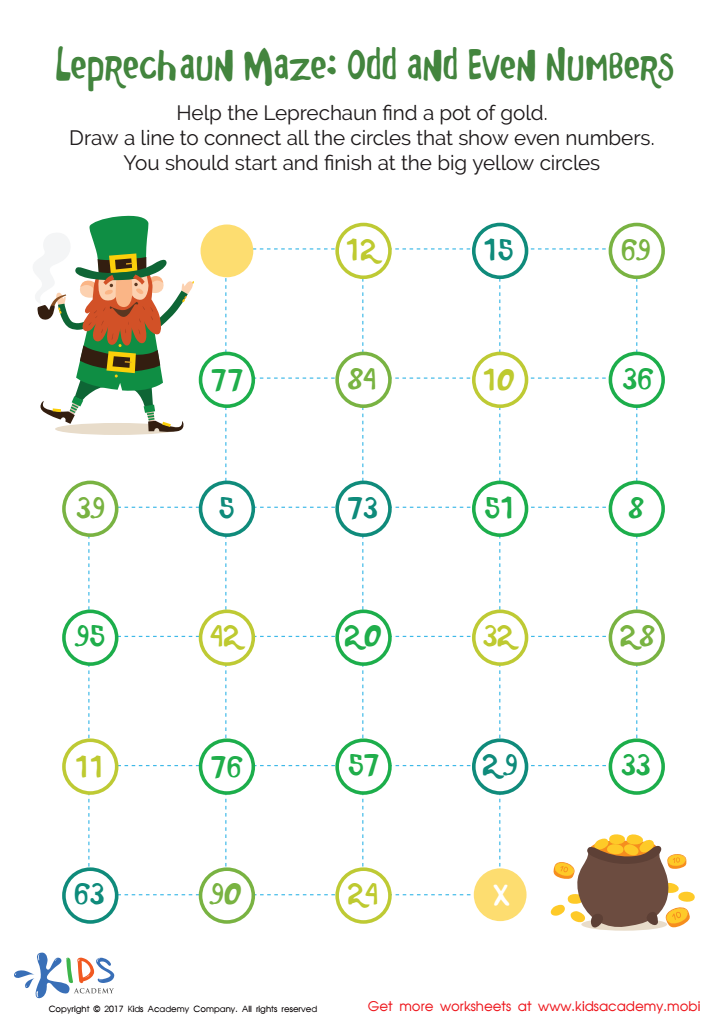
Leprechaun Maze Printable
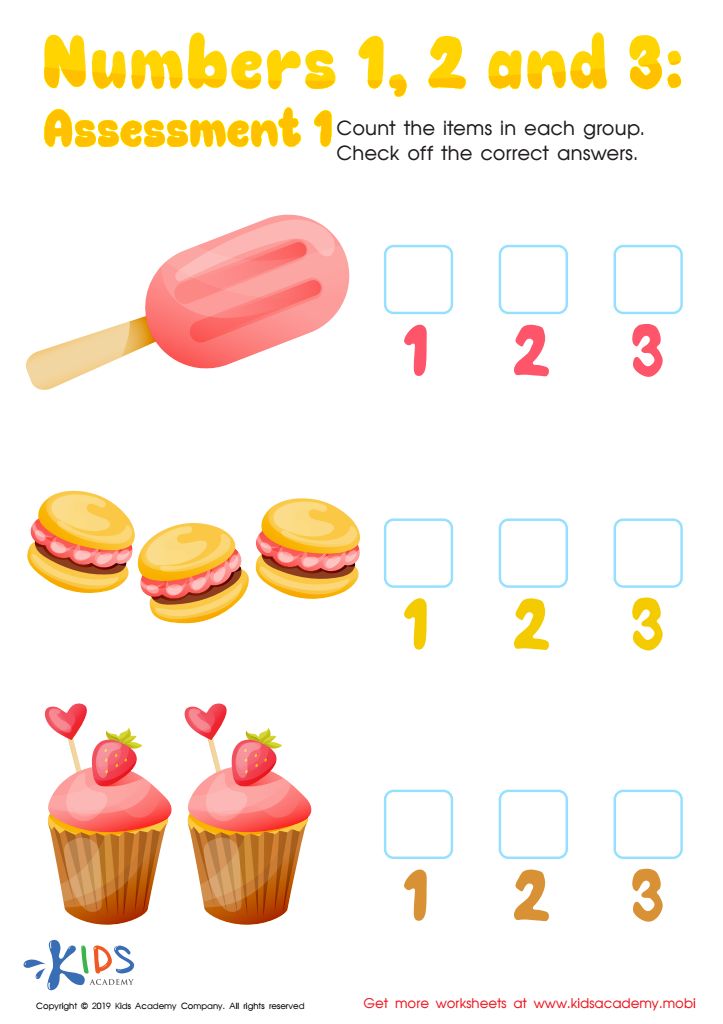
Numbers 1, 2 and 3: Assessment 1 Worksheet
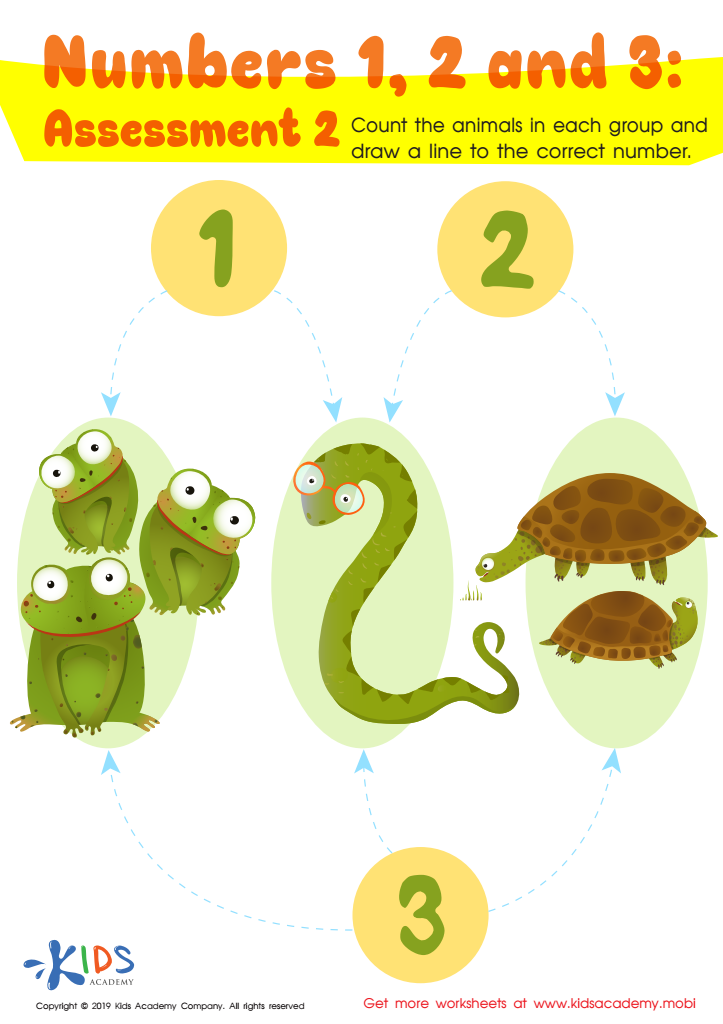
Numbers 1, 2 and 3: Assessment 2 Worksheet
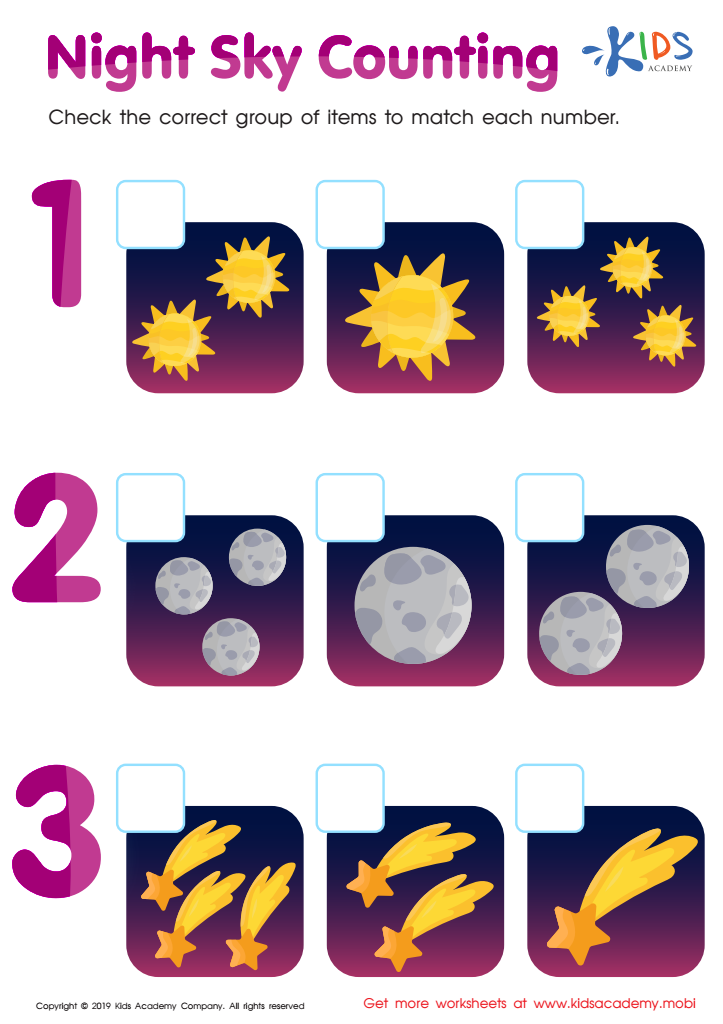
Night Sky Counting Worksheet
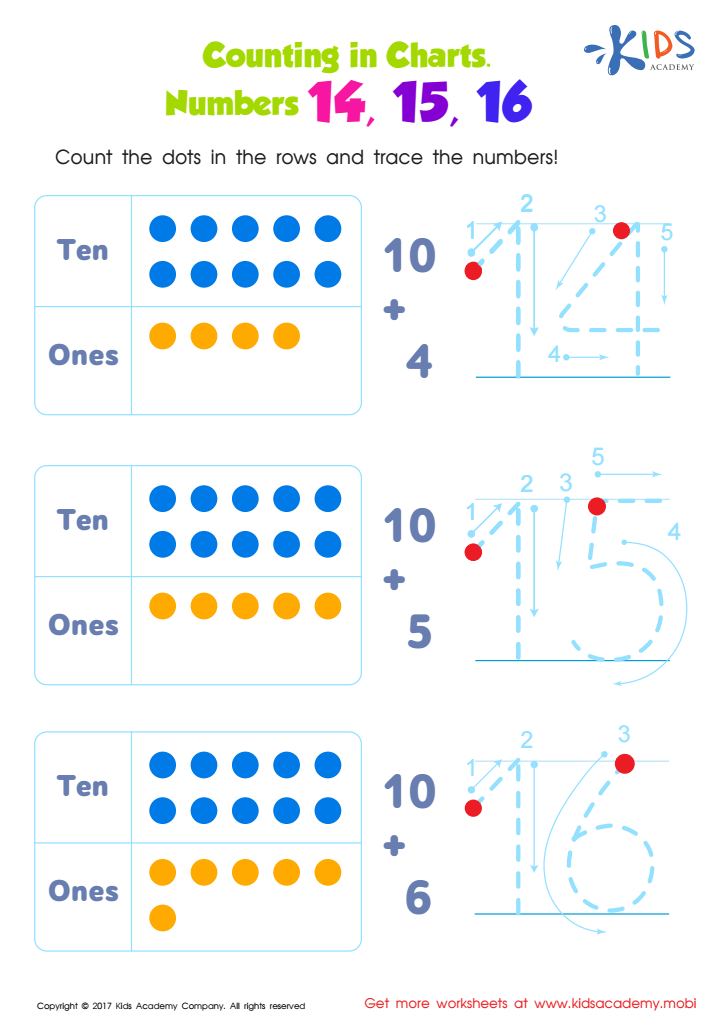
Number Tracing Worksheet






Hand-eye coordination is a crucial developmental skill for children aged 3-7, significantly impacting their ability to engage in everyday tasks and learning activities. This coordination involves the synchronization of visual perception and fine motor skills, enabling children to perform tasks like writing, catching a ball, and tying their shoes. Early mastery of hand-eye coordination can set a strong foundation for academic success, particularly in reading and writing, where fine motor precision and visual tracking are essential.
For parents and teachers, nurturing this skill at an early age can make learning more inclusive and accessible, minimizing frustration and boosting self-esteem for young learners. Activities that develop hand-eye coordination – such as playing with building blocks, drawing, or interactive games – also enhance a child's concentration and cognitive abilities. These activities can strengthen neural pathways that support future learning experiences, contributing to a child's overall intellectual growth.
Furthermore, good hand-eye coordination correlates with better physical fitness, as children become more adept at participating in sports and physical activities, which are essential for healthy growth and social interaction. Therefore, paying close attention to the development of hand-eye coordination from ages 3-7 is crucial, as it benefits not only educational outcomes but also social and physical well-being.








