Measurement Worksheets for Ages 3-7 - Page 5
104 filtered results
-
From - To
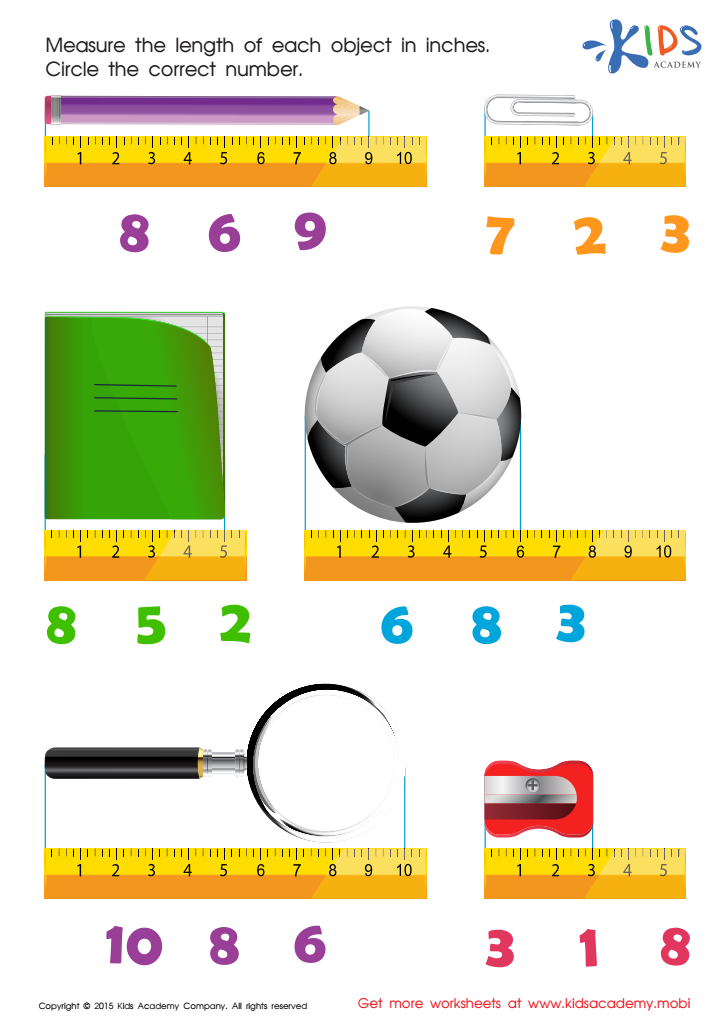
Learning measuring objects in inches Worksheet
 Assign to My Students
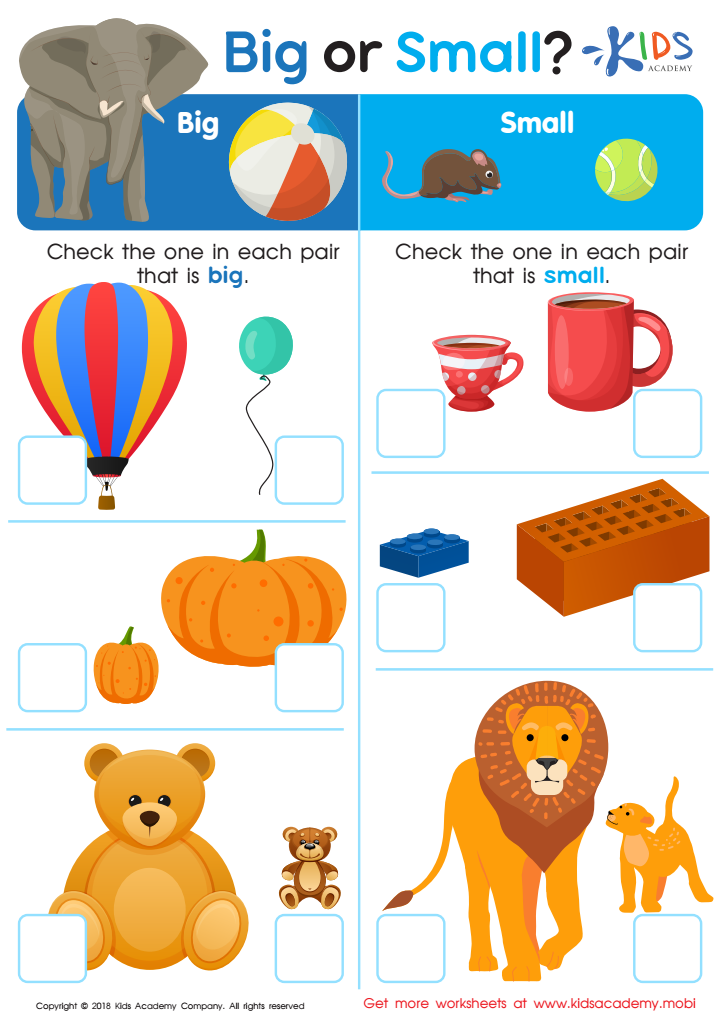
Big or Small? Worksheet
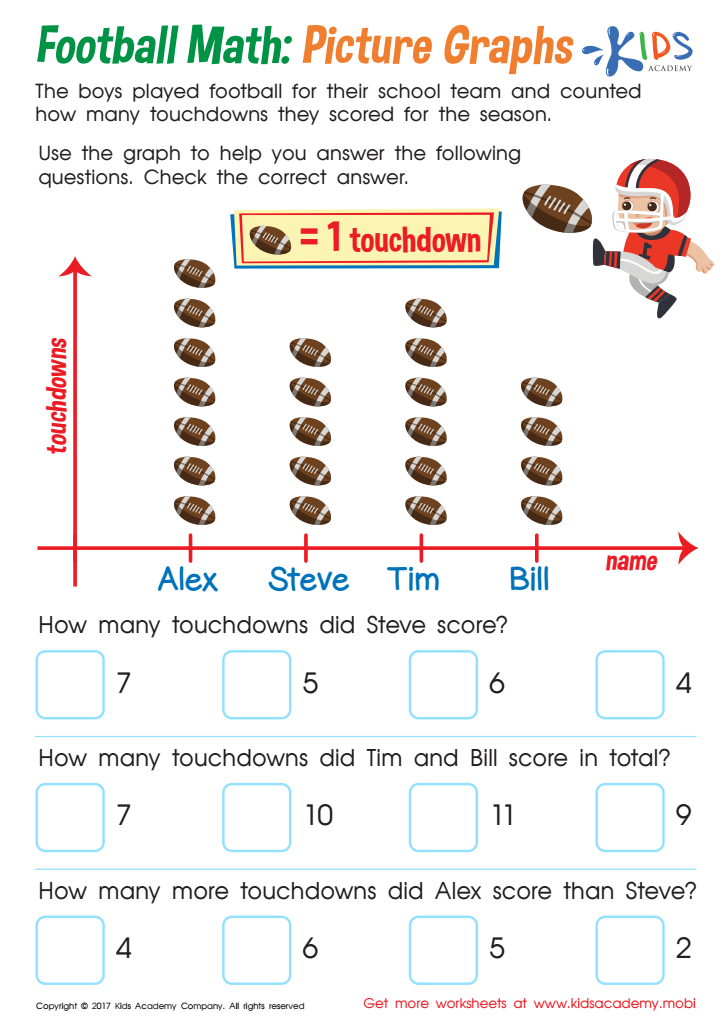
Football Math Worksheet
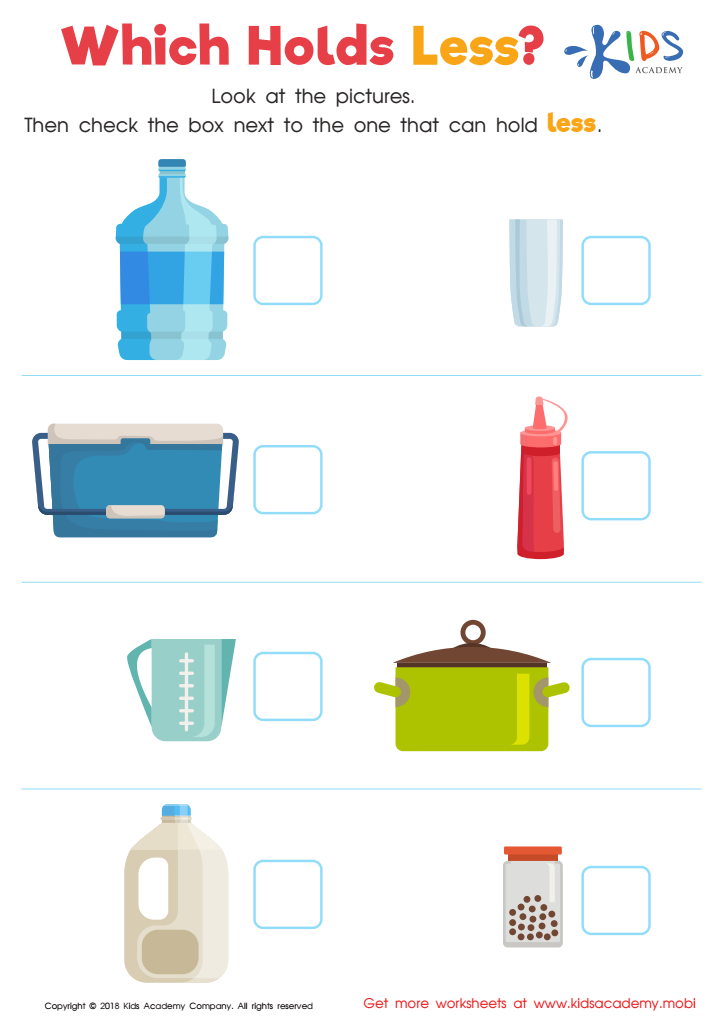
Which Holds Less? Worksheet
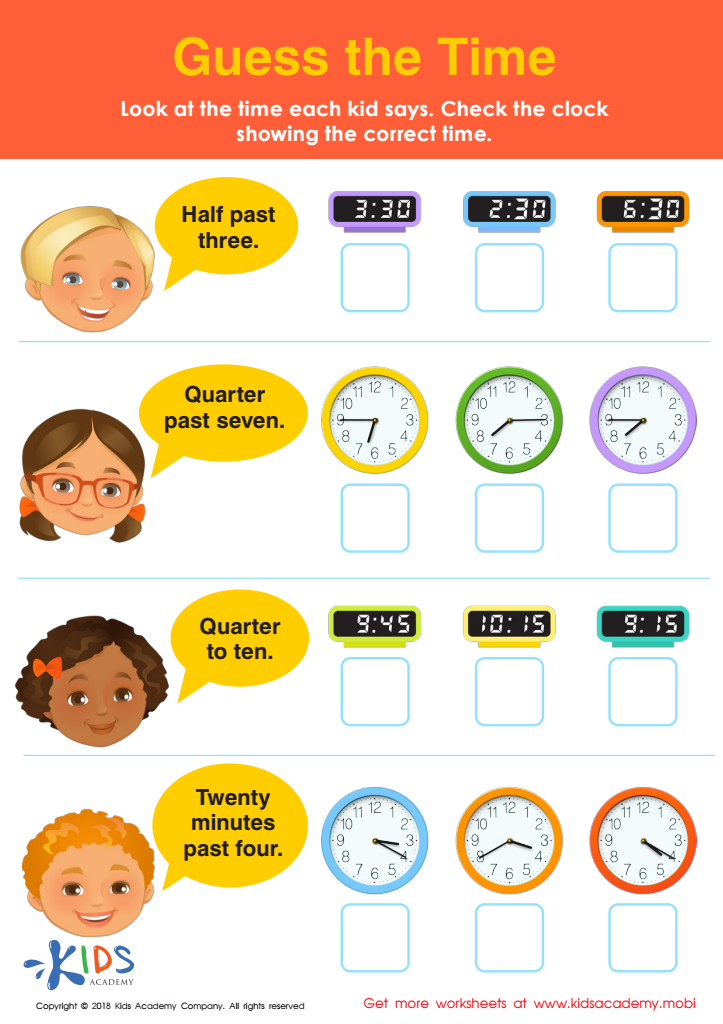
Guess the Time Worksheet
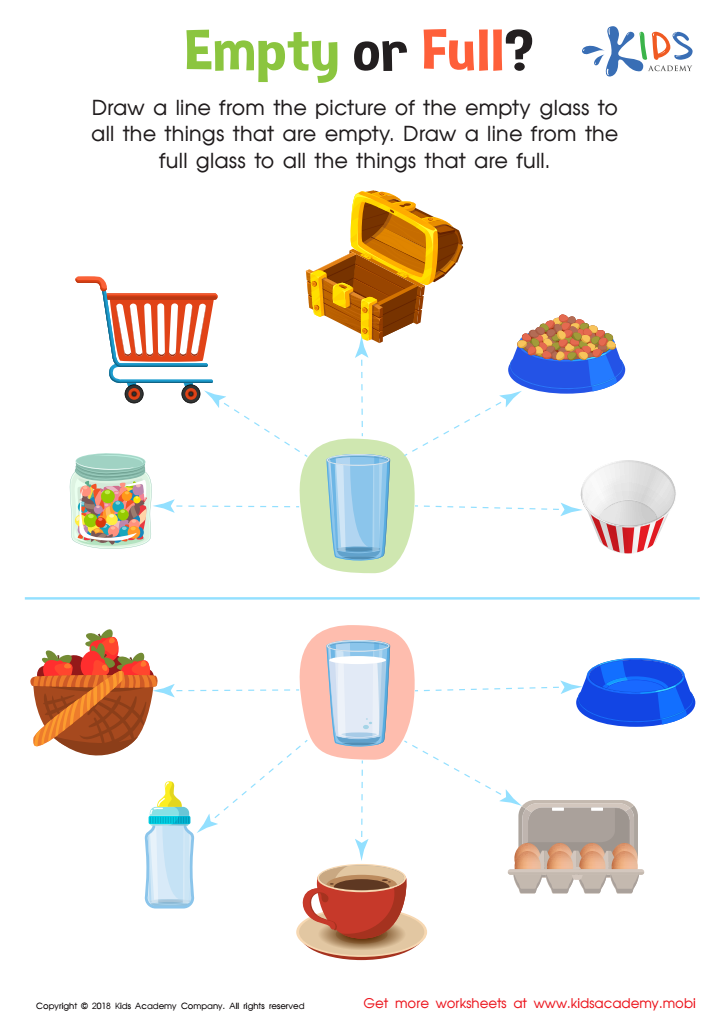
Empty or Full? Worksheet
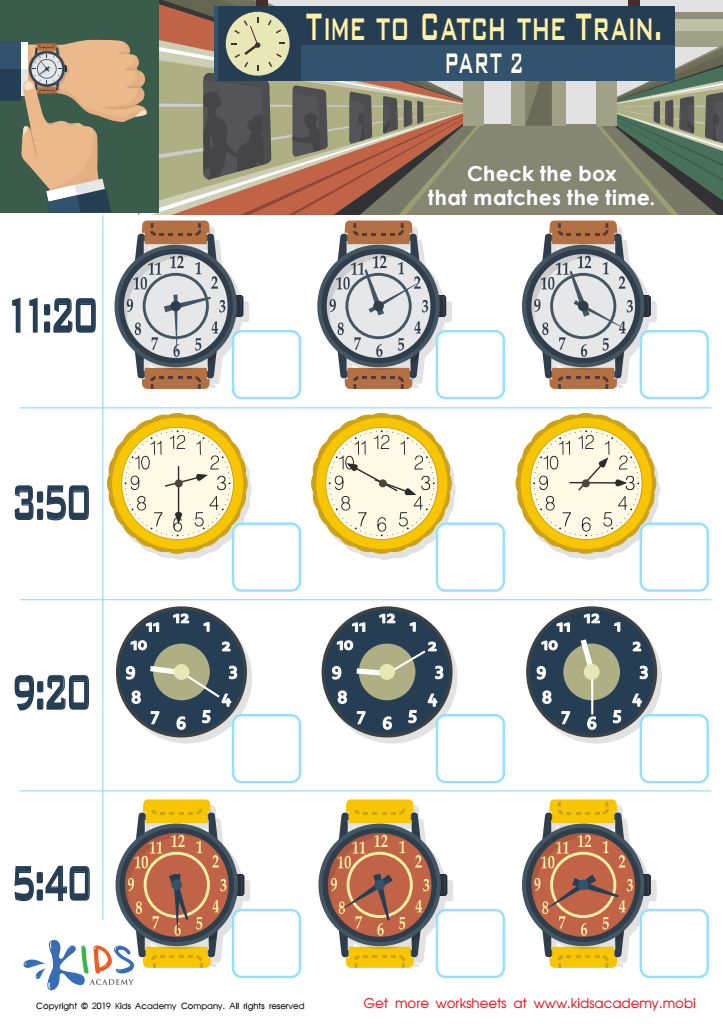
Time to Catch the Train Part 2 Worksheet
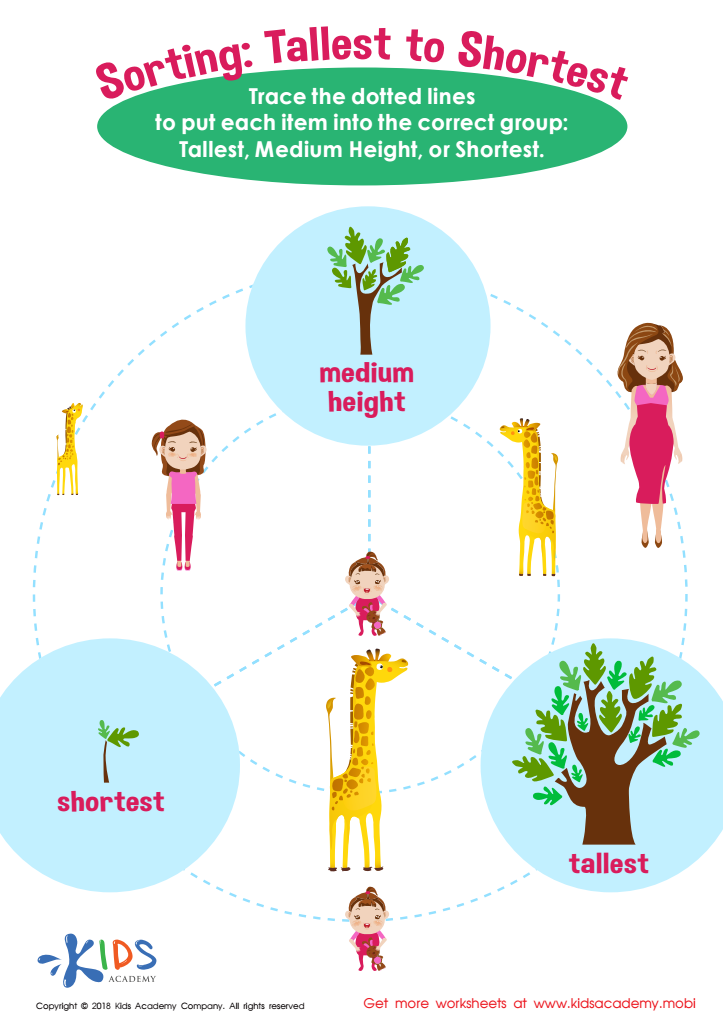
Sorting: Tallest to Shortest Worksheet








Measurement is a fundamental skill that supports children's cognitive development and understanding of the world around them. For parents and teachers of children aged 3-7, it's essential to appreciate the relevance of measurement in various aspects of a child's learning journey.
At this age, children are naturally curious and eager to explore their environment. Introducing concepts of measurement—such as length, weight, volume, and time—helps them make sense of their surroundings. When children compare sizes of different objects or measure ingredients for a simple recipe, they develop critical thinking skills and learn to problem-solve.
Moreover, measurement lays the groundwork for more advanced mathematical concepts, promoting numerical literacy which is crucial for future learning. Activities that embrace measurement often involve hands-on experiences, making learning fun and engaging. This interactive approach strengthens children's fine motor skills and promotes collaboration and communication as they share their findings.
Additionally, measurement can seamlessly integrate with everyday contexts, helping children understand its practical applications in daily life, from cooking to planning activities. Ultimately, fostering measurement skills in early childhood sets the foundation for lifelong mathematics understanding and confidence, making it vital for parents and educators to prioritize these learning experiences.








