Vocabulary expansion Reading Worksheets for Ages 3-7 - Page 2
69 filtered results
-
From - To
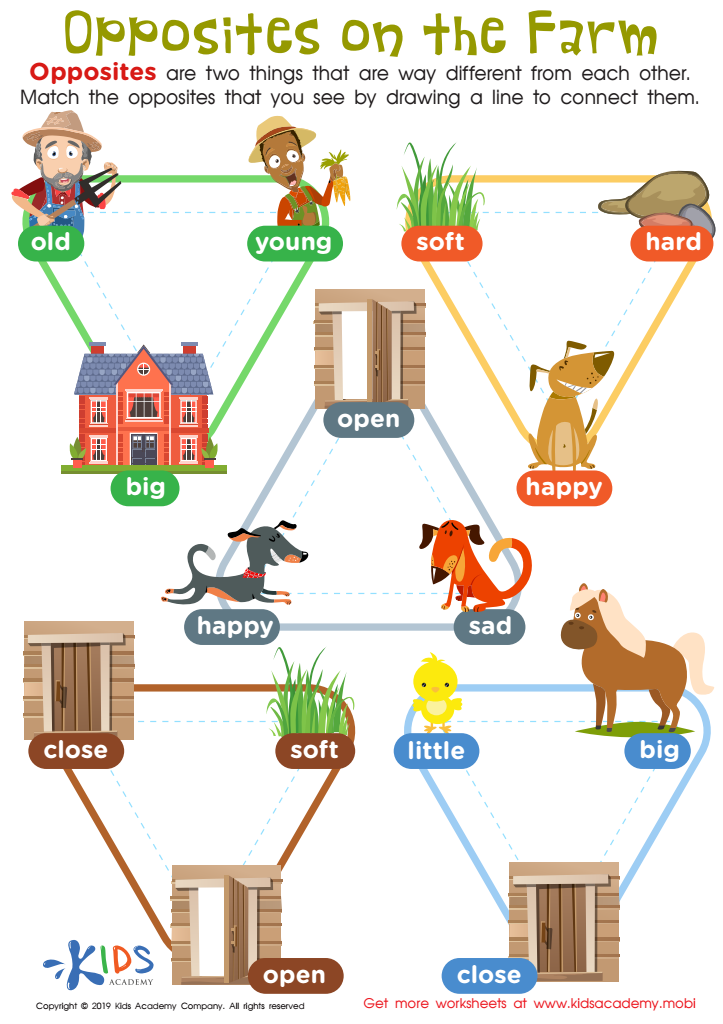
Opposites on the Farm Worksheet
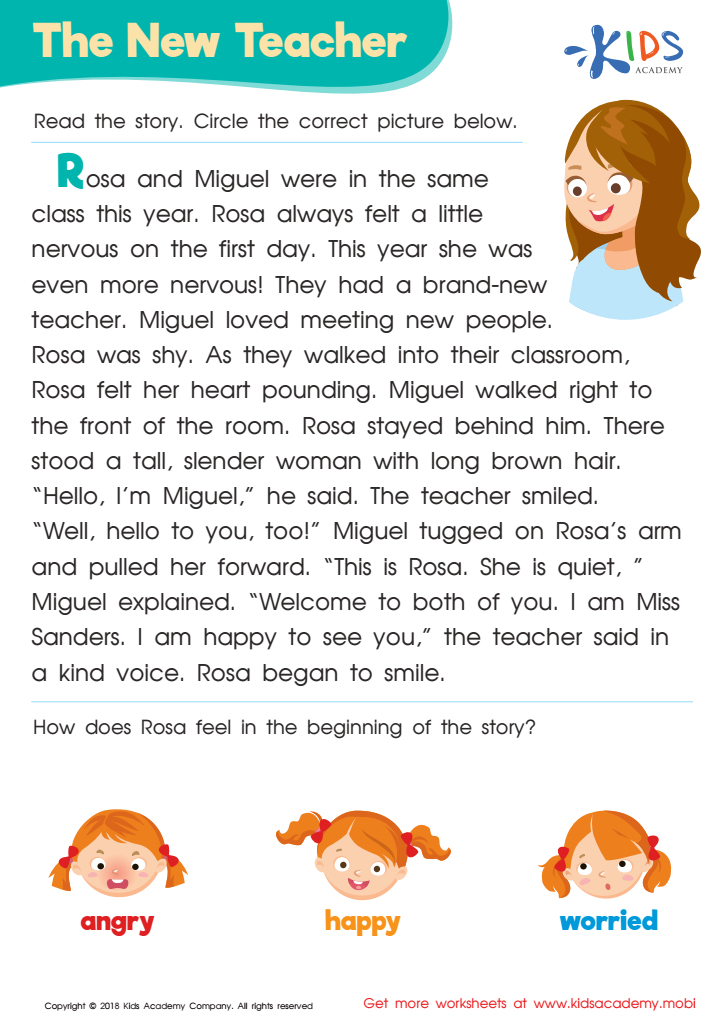
The New Teacher Worksheet
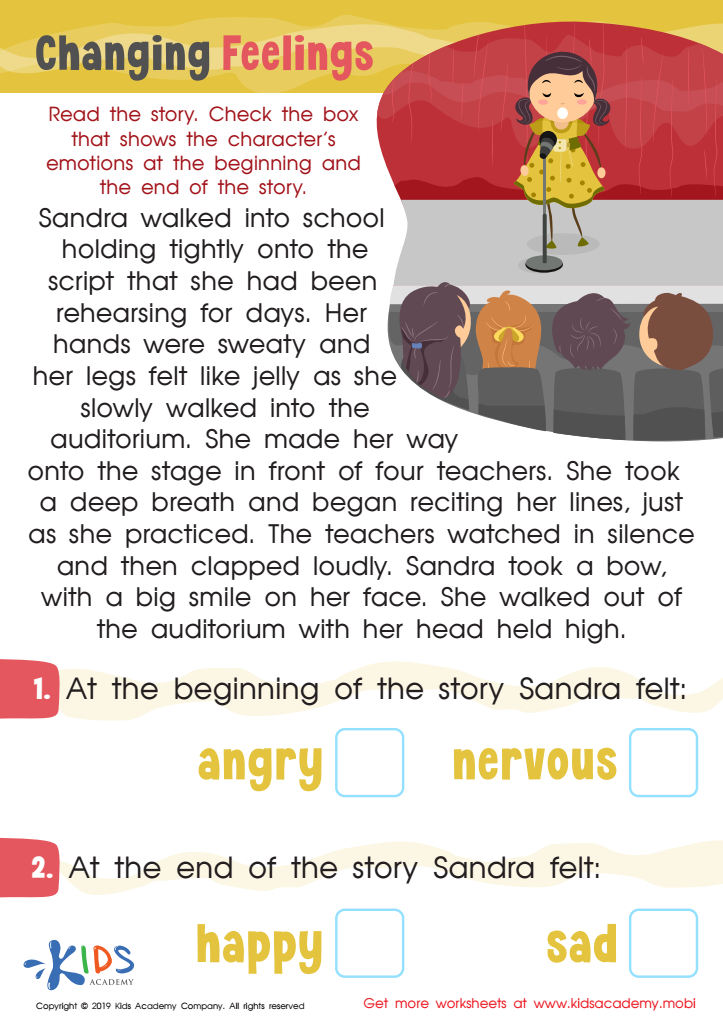
Changing Feelings Worksheet
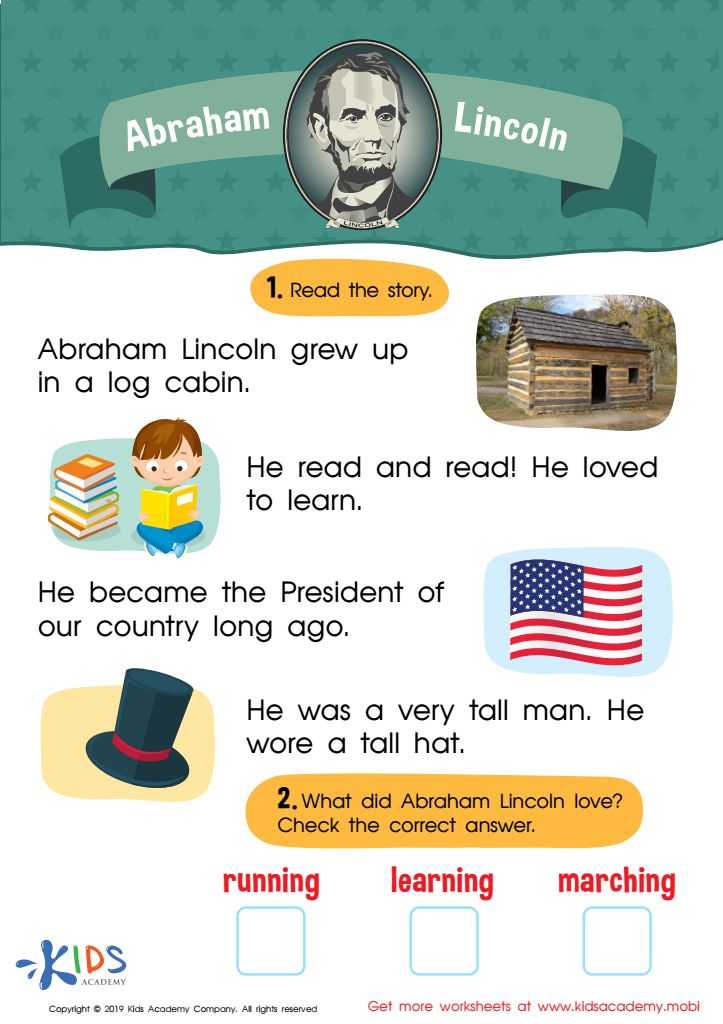
Abraham Lincoln Worksheet
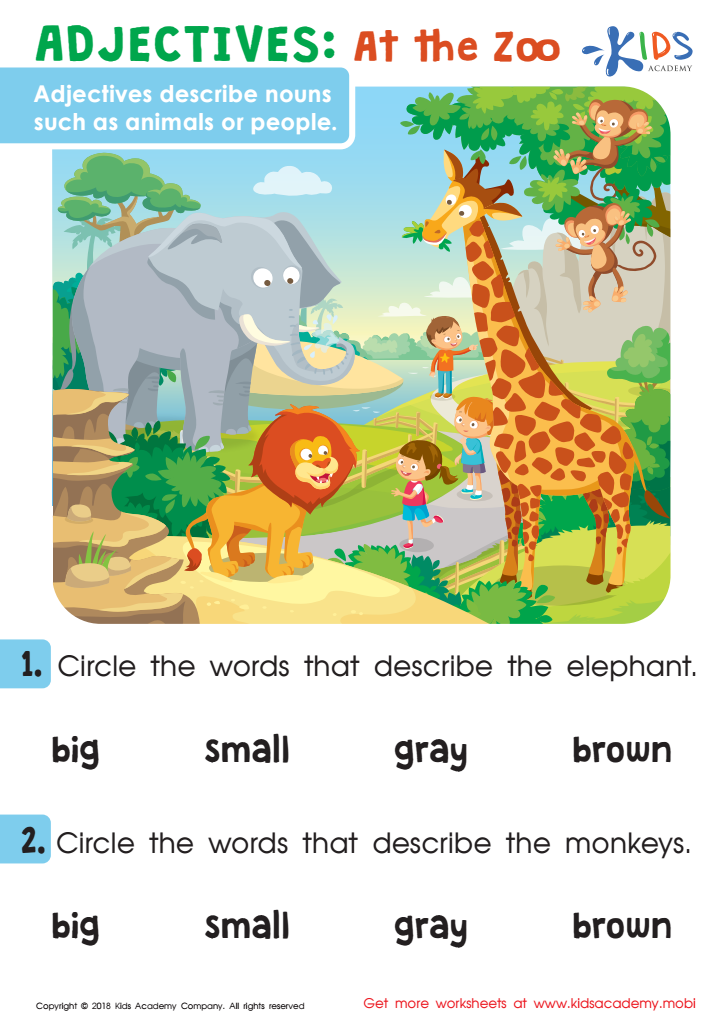
Adjectives: At The Zoo Worksheet
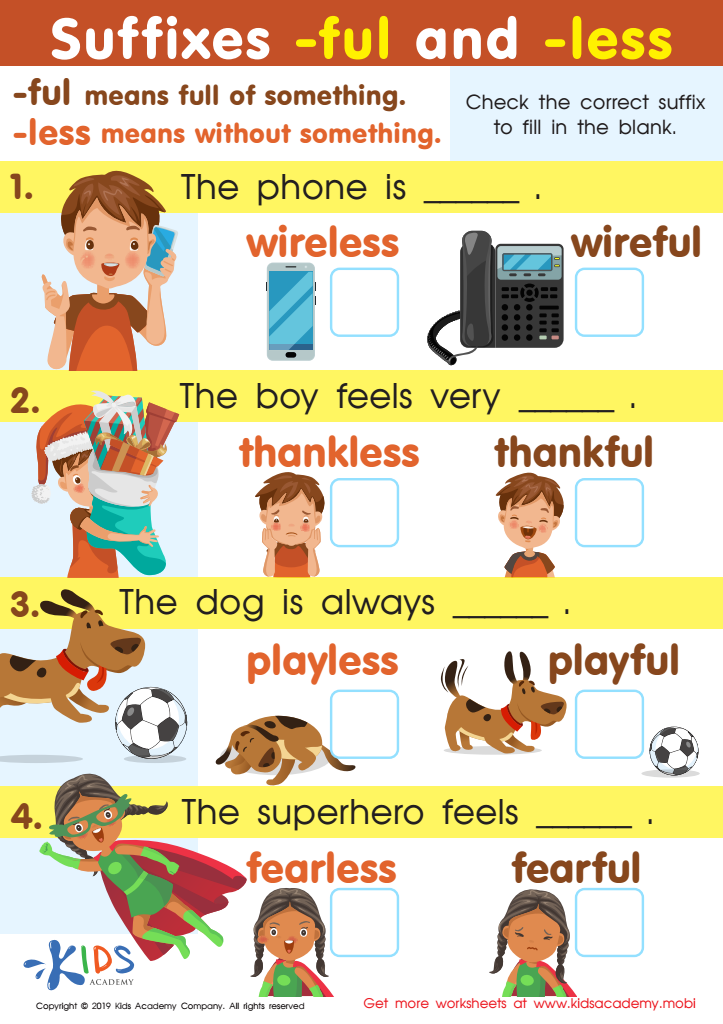
Suffixes –ful and –less Worksheet
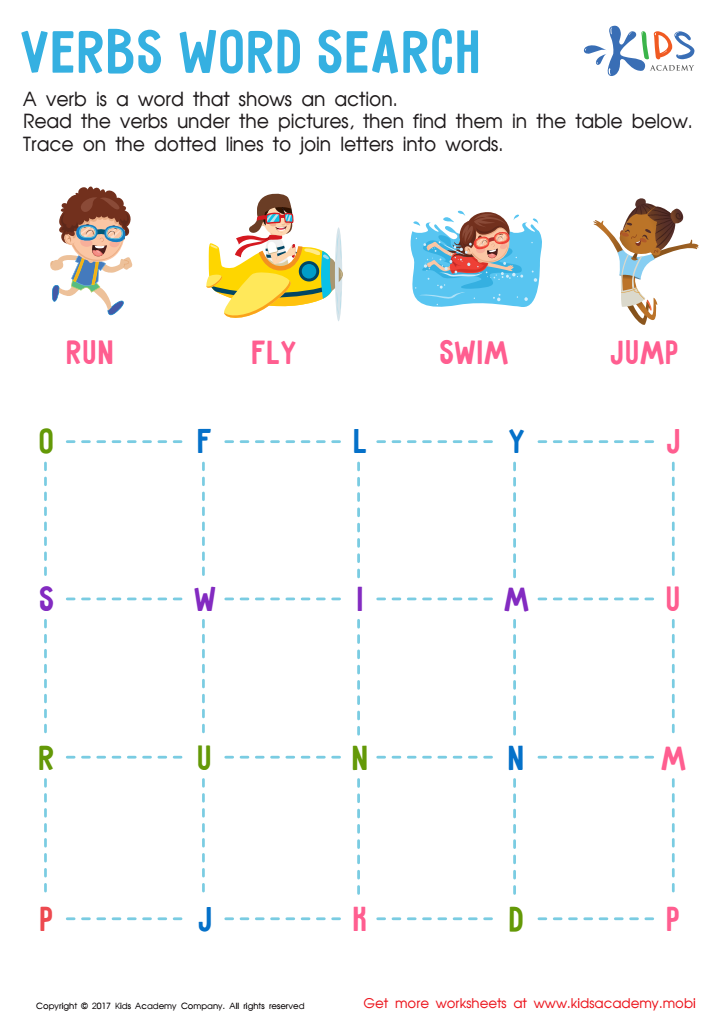
Verbs Word Search Worksheet
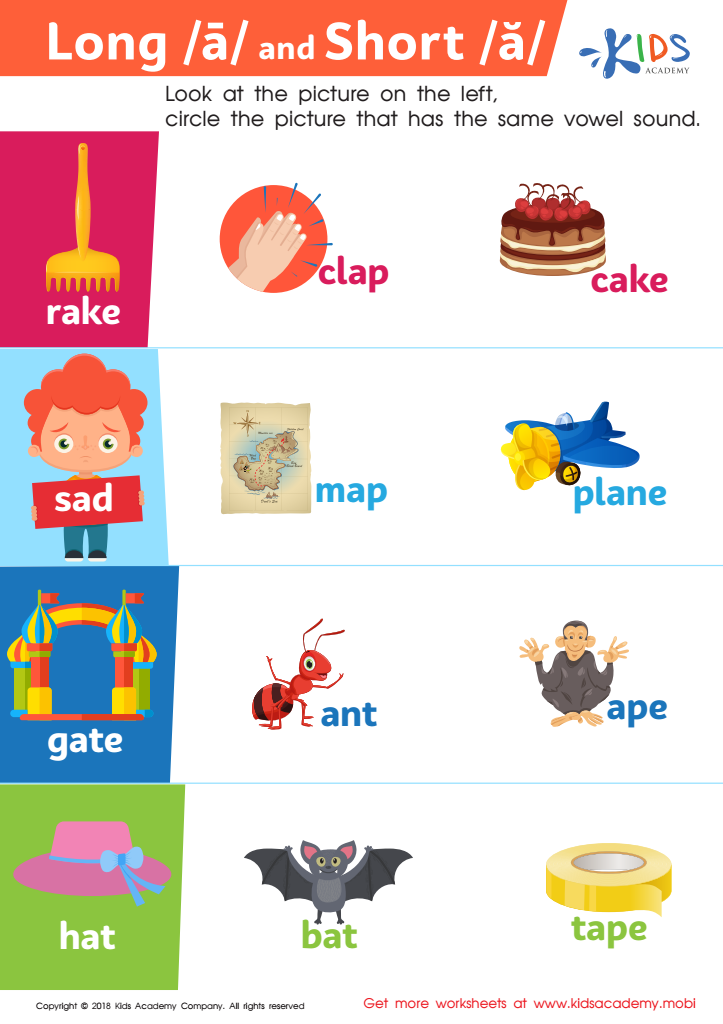
Reading: Long a and Short a Worksheet
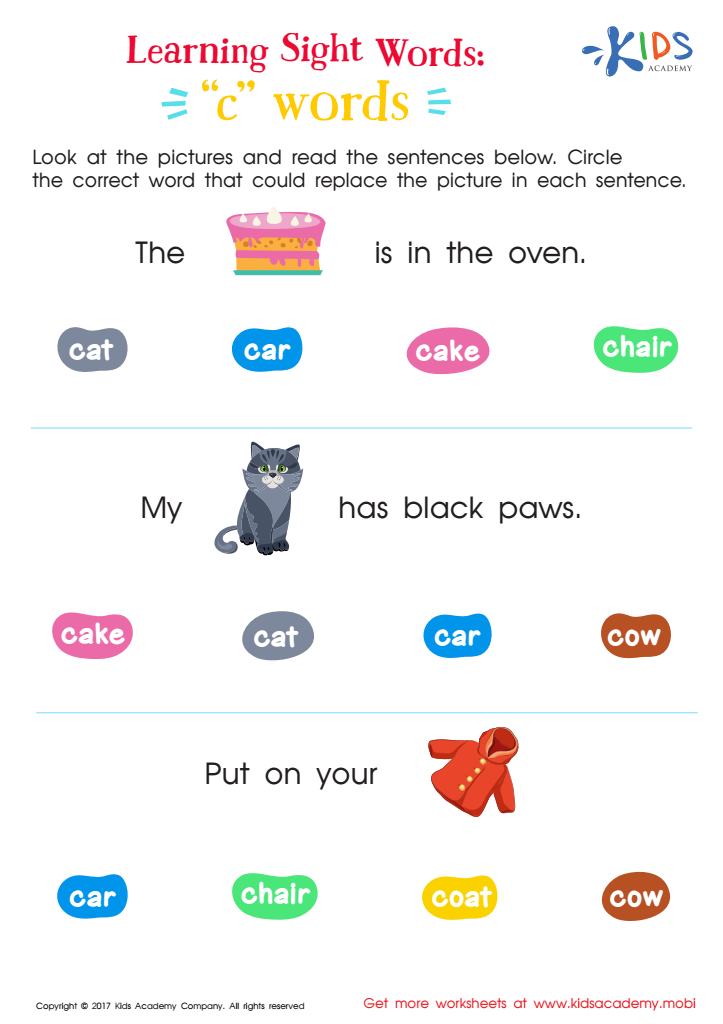
"C" Words Printable Sight Words Worksheet
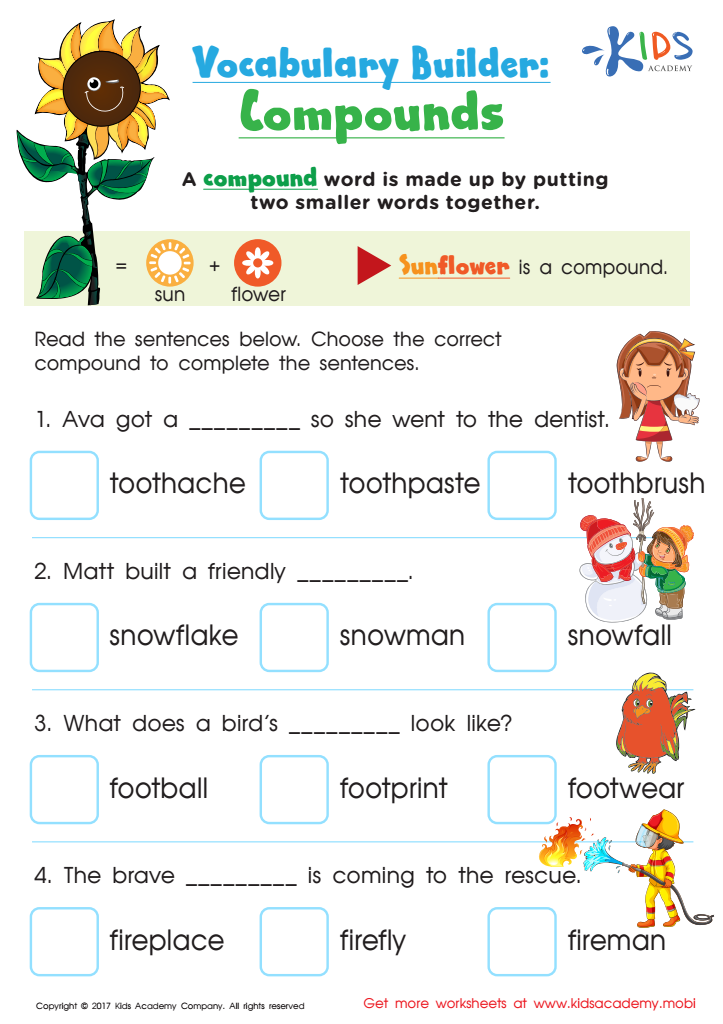
Compound Words Worksheet
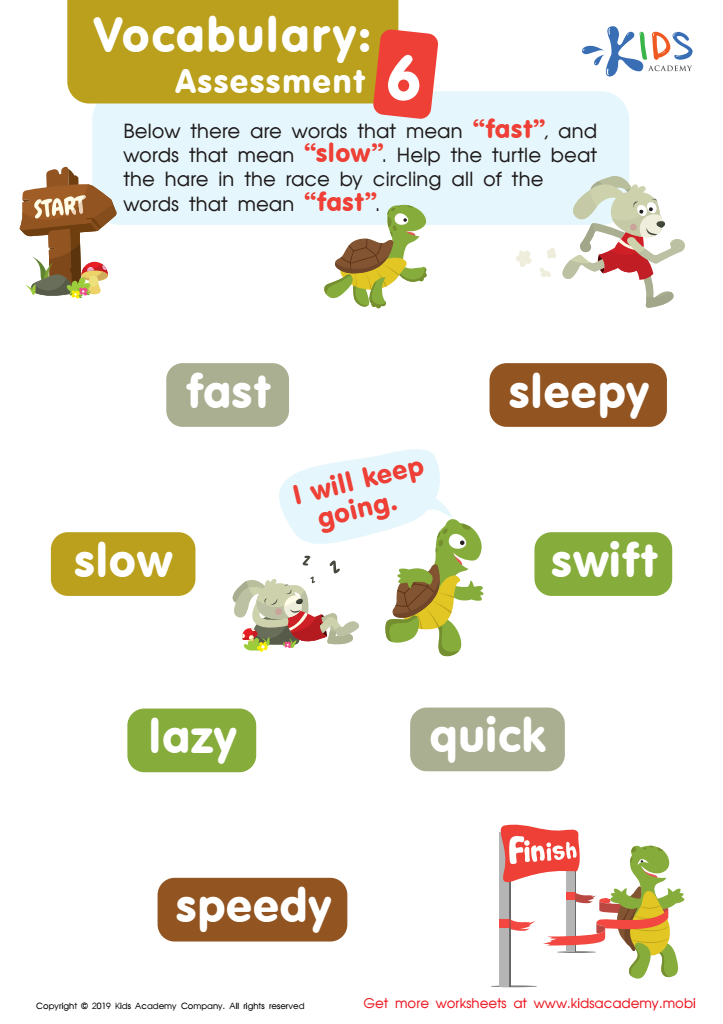
Vocabulary: Assessment 6 Worksheet
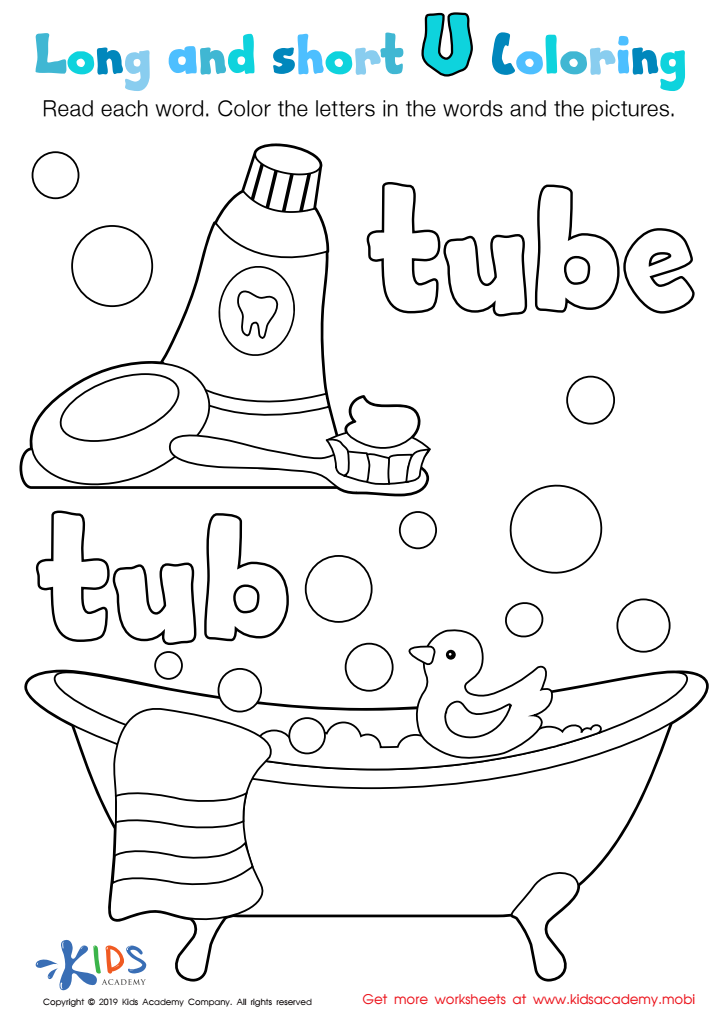
Long and Short U Worksheet
 Assign to My Students
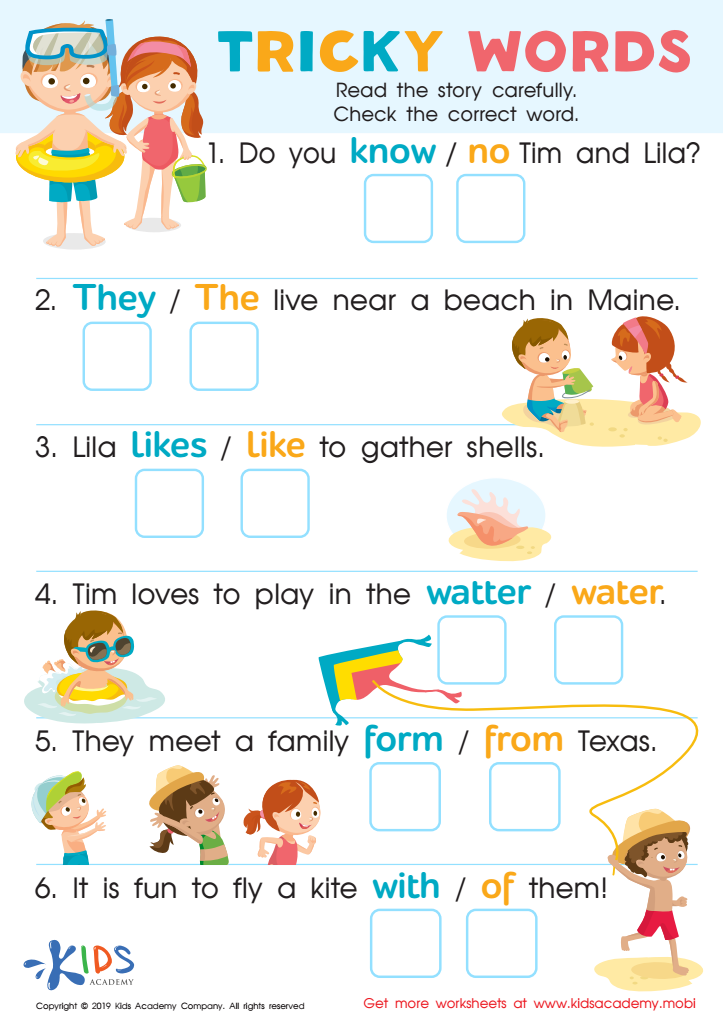
Tricky Words Worksheet
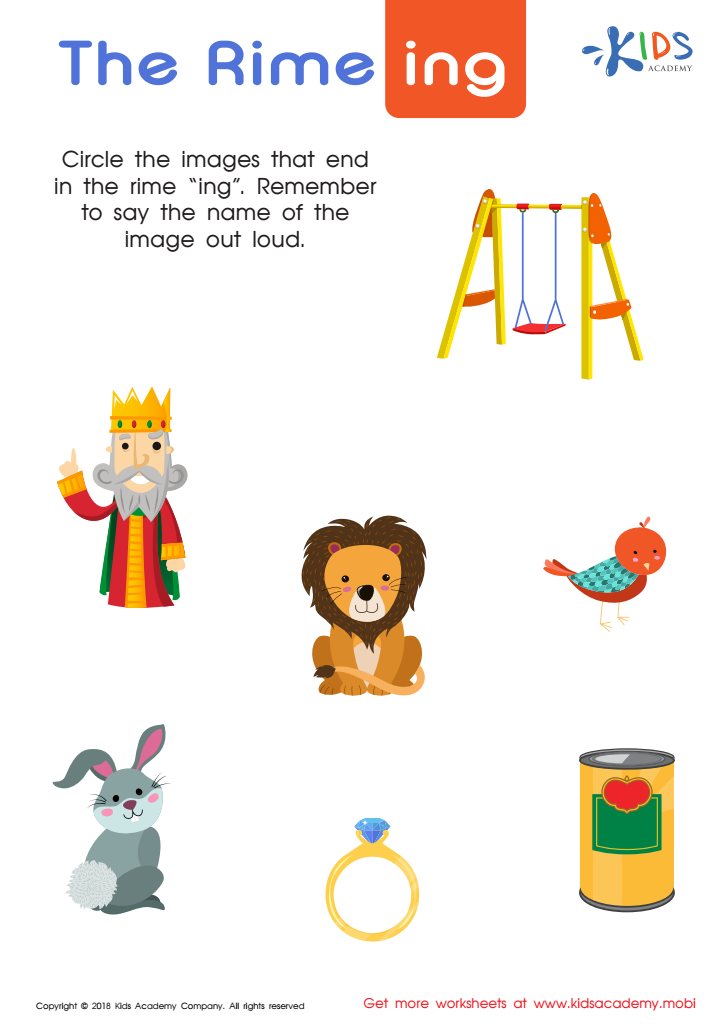
The Rime "ing" Worksheet
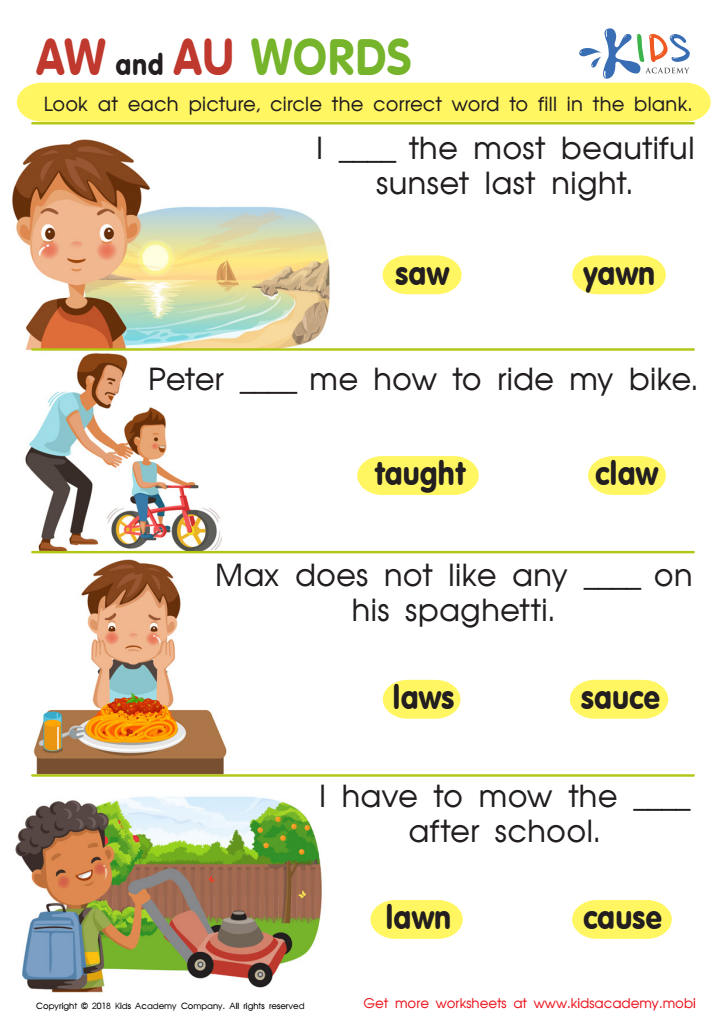
Reading: AW and AU Words Worksheet
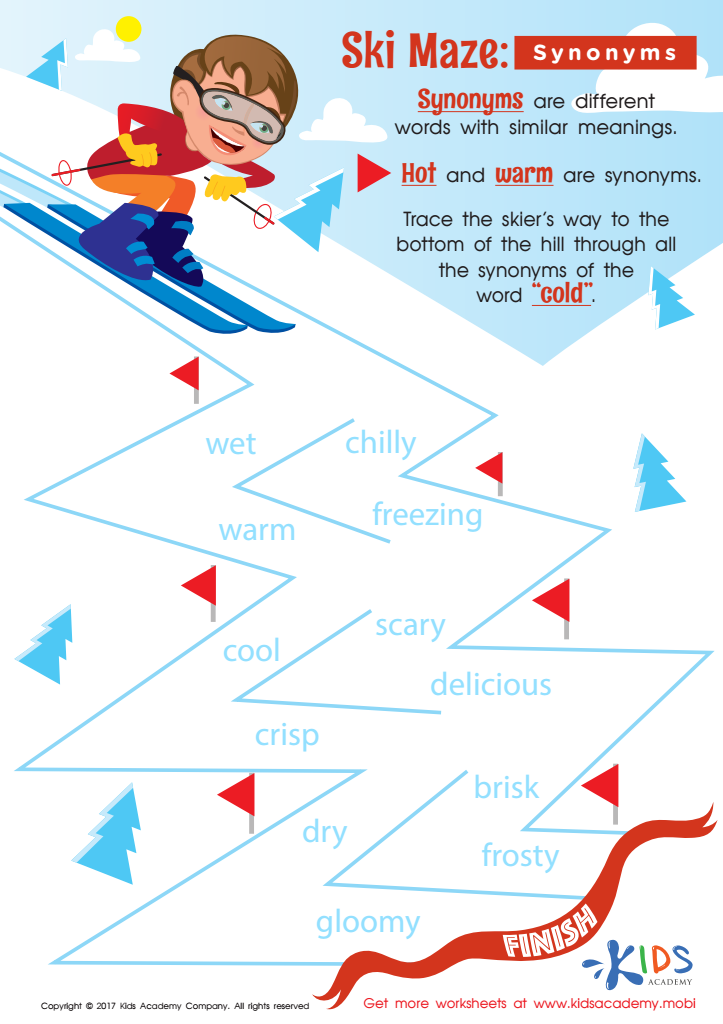
Free Printable Synonym Worksheet
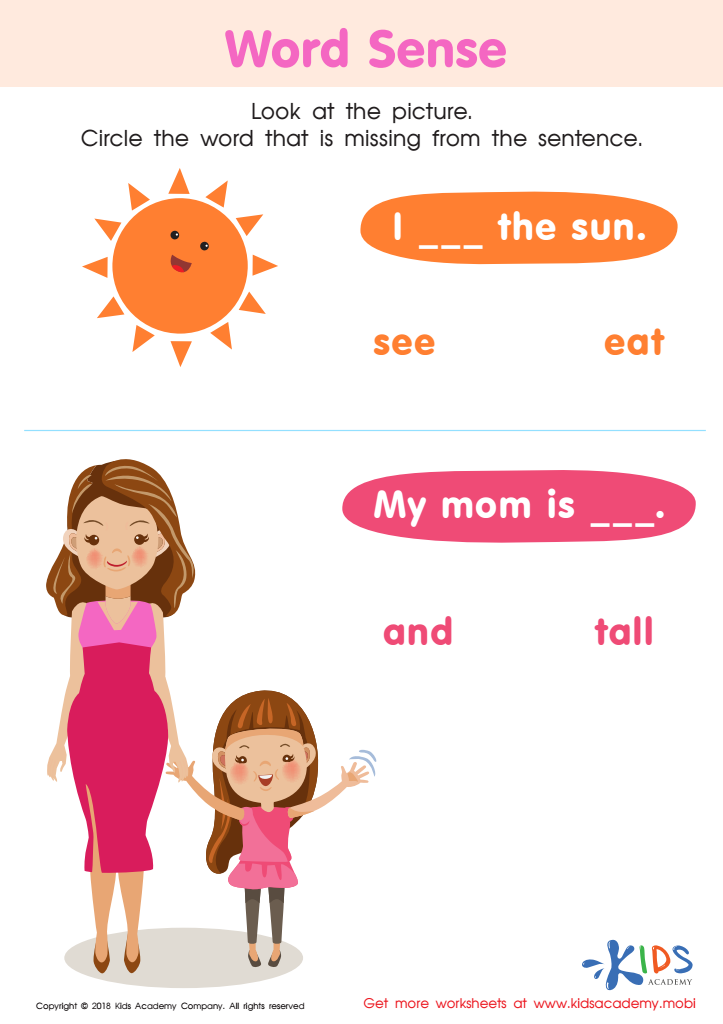
Word Sense Worksheet
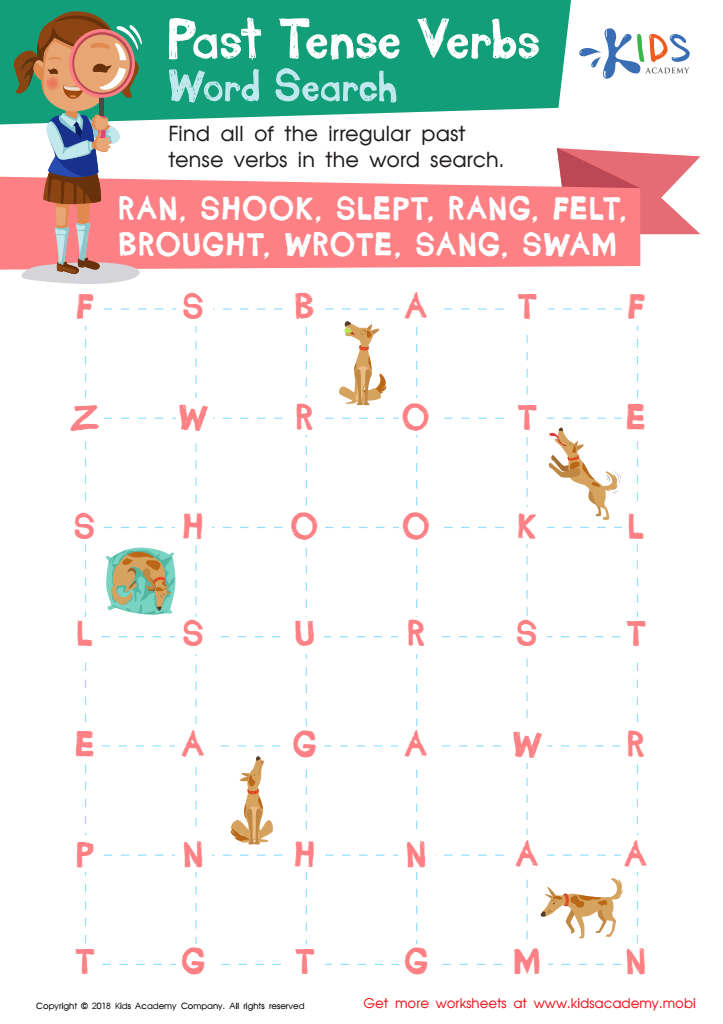
Past Tense Verbs Word Search Worksheet
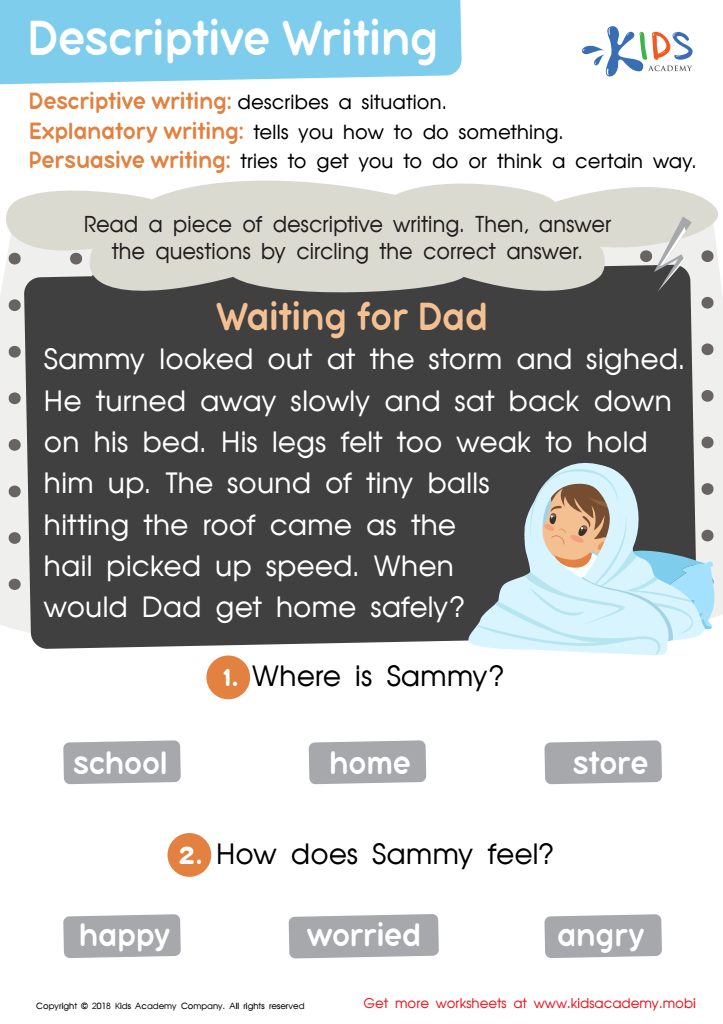
Descriptive Writing Worksheet: Part 2
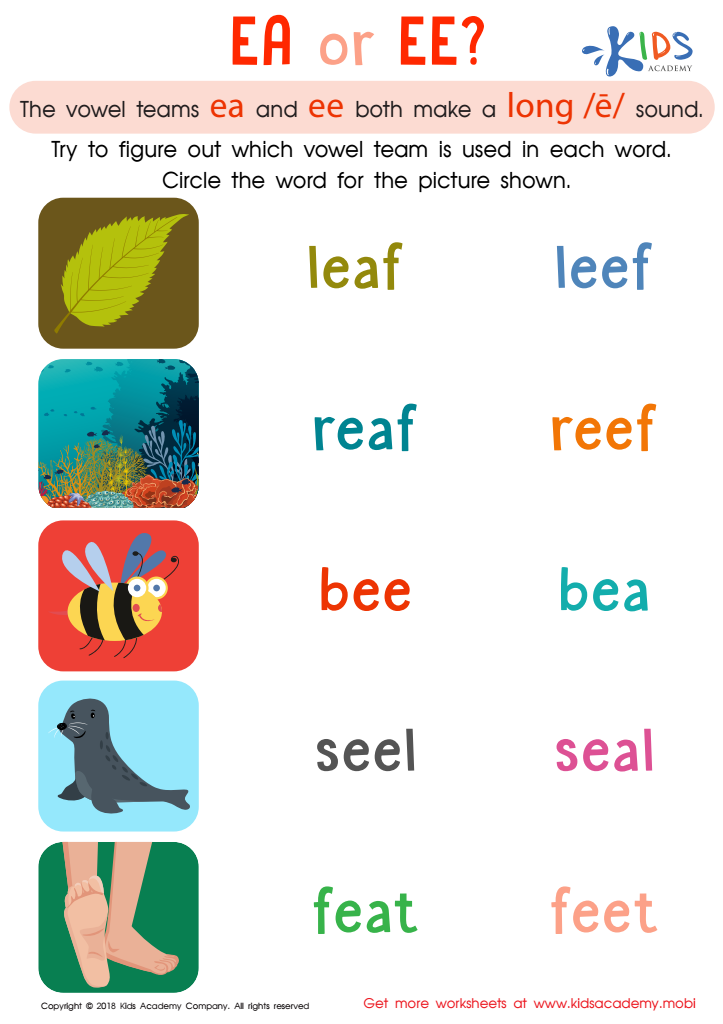
Reading: EA and EE Worksheet
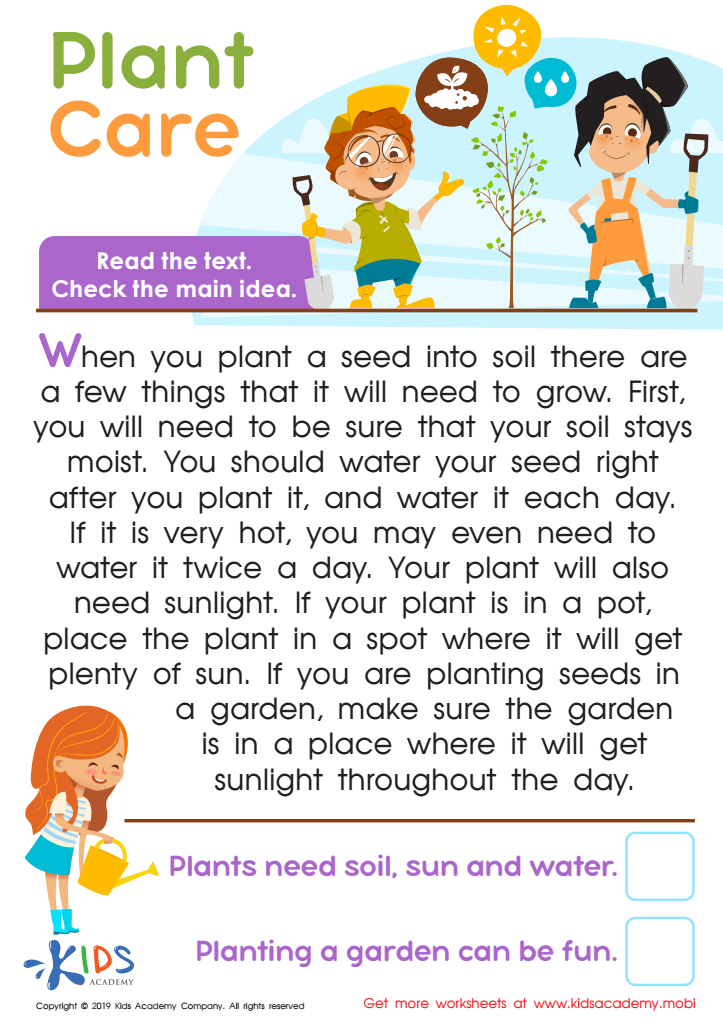
Plant Care Worksheet
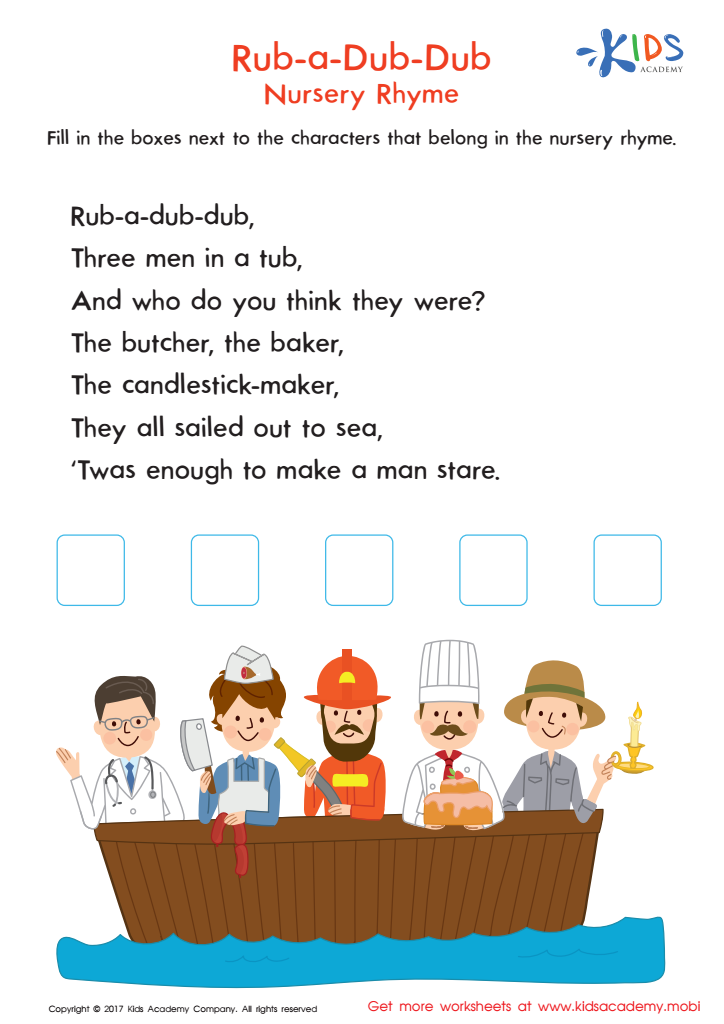
Rub a Dub Dub Printable
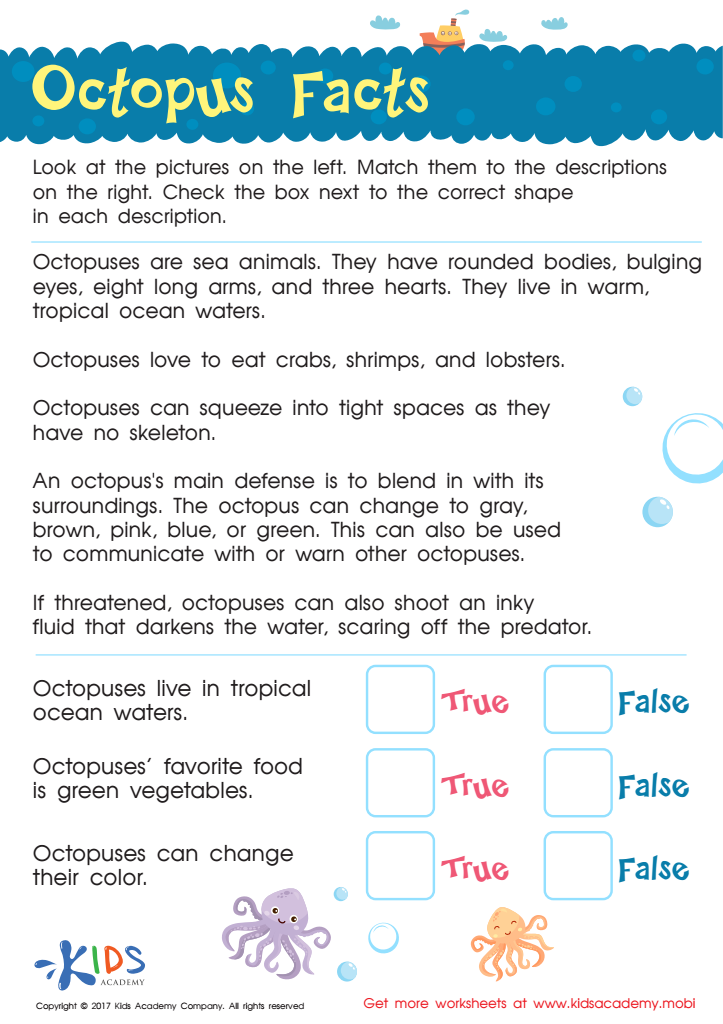
Octopus Facts Worksheet For Kids
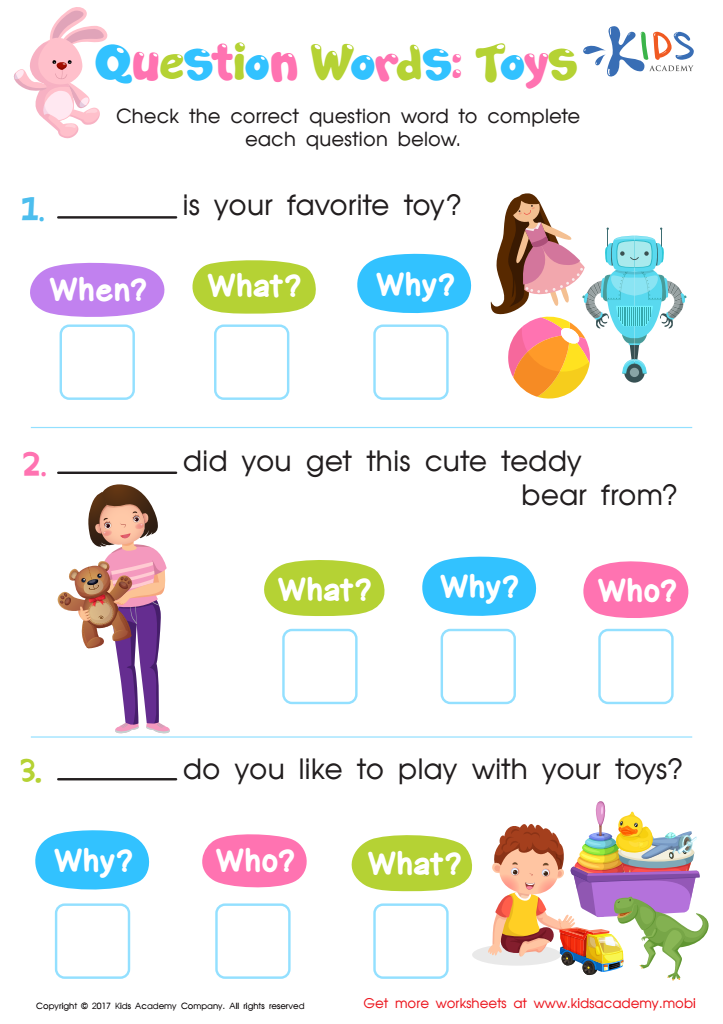
Question Words: Toys Worksheet








Parents and teachers should prioritize vocabulary expansion through reading for children ages 3-7 because this is a pivotal time for cognitive and language development. During these early years, children's brains are highly receptive to new information, making it the ideal time to introduce a wide range of vocabulary. Acquiring a robust vocabulary enhances overall communication skills, allowing children to express themselves more clearly and effectively. It also supports reading comprehension as they begin to recognize and understand more complex words and phrases, forming the foundation for successful academic performance.
Engaging in regular reading activities exposes children to a variety of words and contexts that they may not encounter in everyday conversation. Stories often include descriptive language and introduce children to new ideas and concepts, expanding their world view and stimulating curiosity. Furthermore, a rich vocabulary is linked to improved critical thinking skills. Children who understand more words are better equipped to make connections between ideas, solve problems, and understand abstract concepts.
Finally, vocabulary-rich interactions create positive bonding experiences between children and adults. Reading together offers valuable emotional support, reinforcing the joy of learning in a safe and nurturing environment. Therefore, fostering vocabulary growth through reading is essential for holistic child development, both academically and socially.








