Reading Non-Fiction Worksheets for Ages 3-7
74 filtered results
-
From - To
Unlock the wonders of the real world for your young readers with our "Reading Non-Fiction Worksheets for Ages 3-7." Designed to captivate curious little minds, these engaging worksheets introduce children to informative texts filled with fascinating facts and colorful images. Perfect for developing comprehension skills, they also enhance vocabulary, critical thinking, and a love for learning about their environment. Our printable materials feature various themes that spark interest, from animals and plants to everyday objects and events. Foster a lifelong passion for reading while expanding your child's knowledge with these educational, fun, and easy-to-use resources!
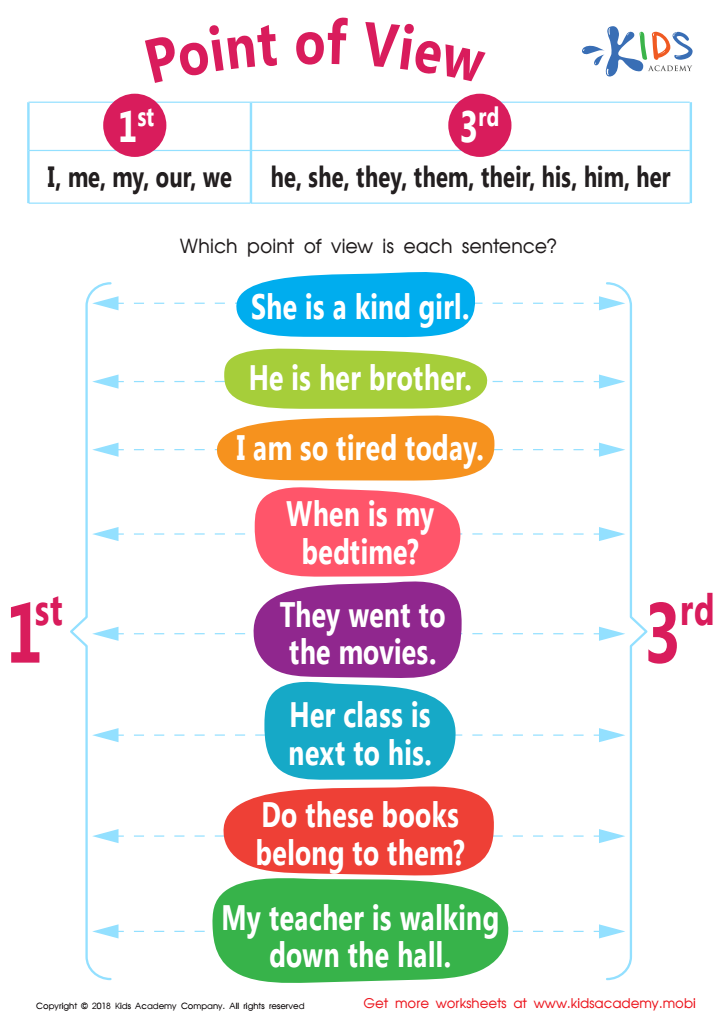
Point of View Worksheet
 Assign to My Students
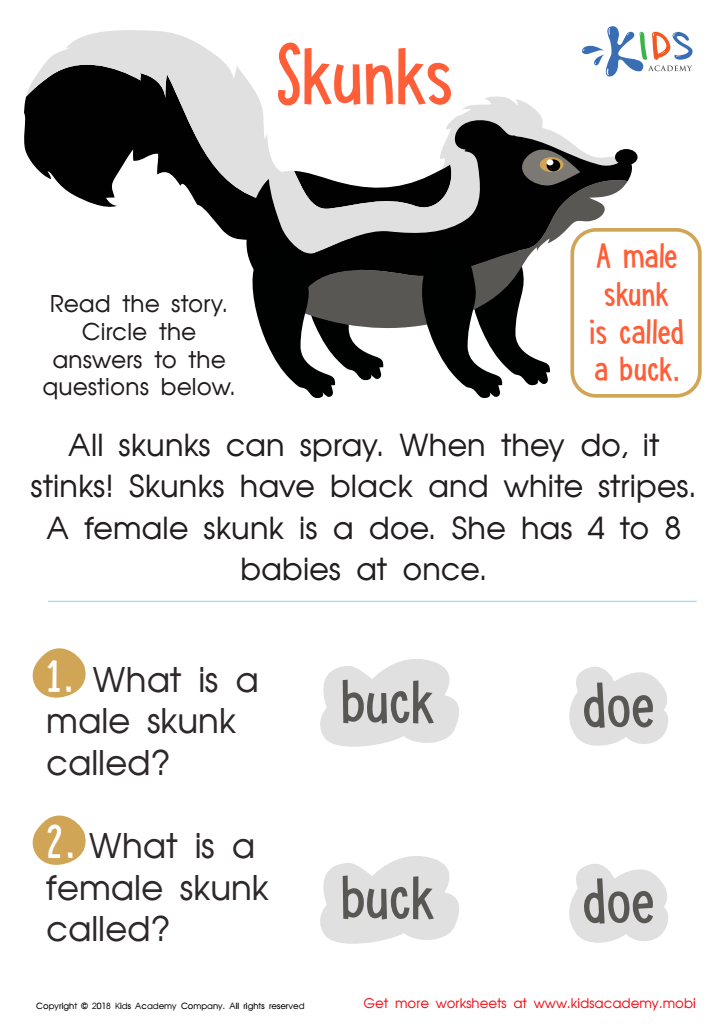
Skunks Worksheet
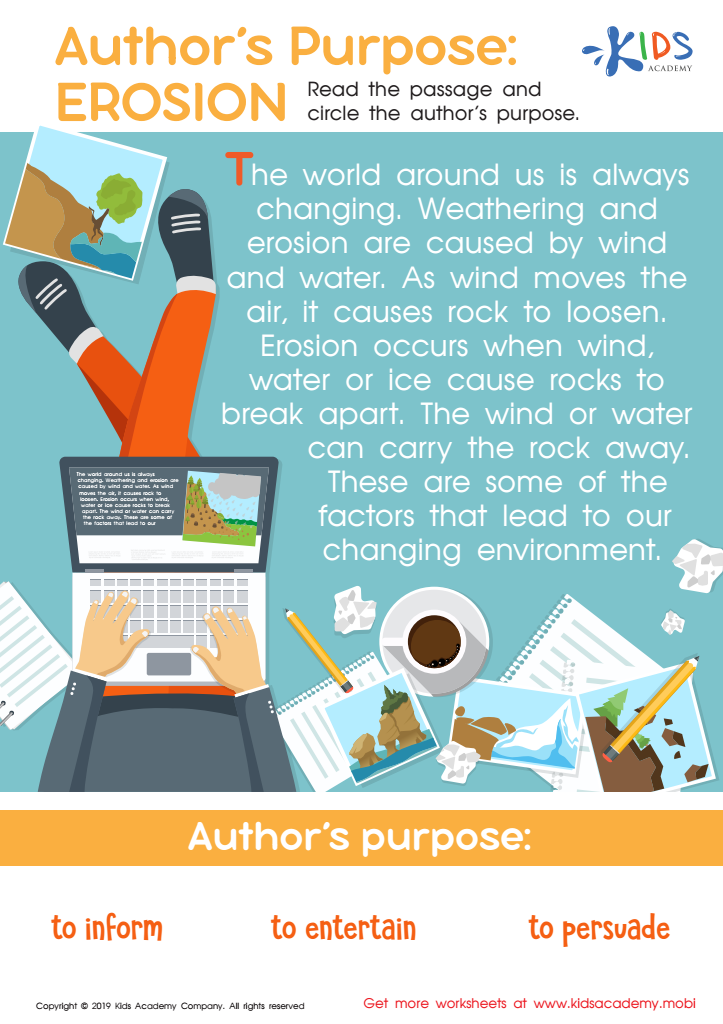
Author’s Purpose: Erosion Worksheet
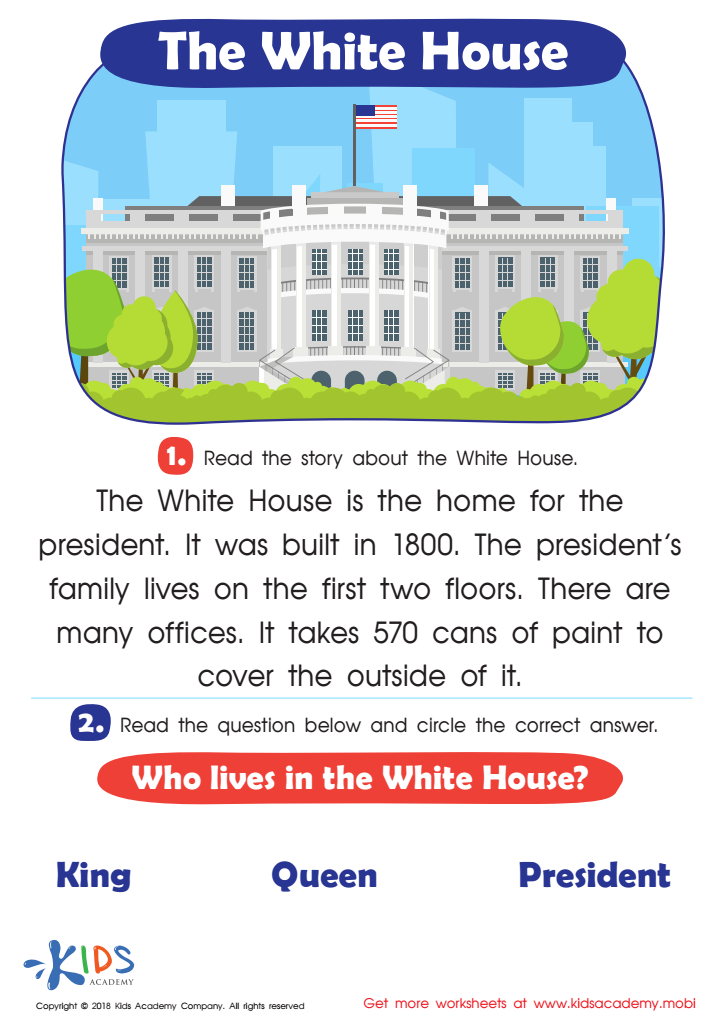
White House Worksheet
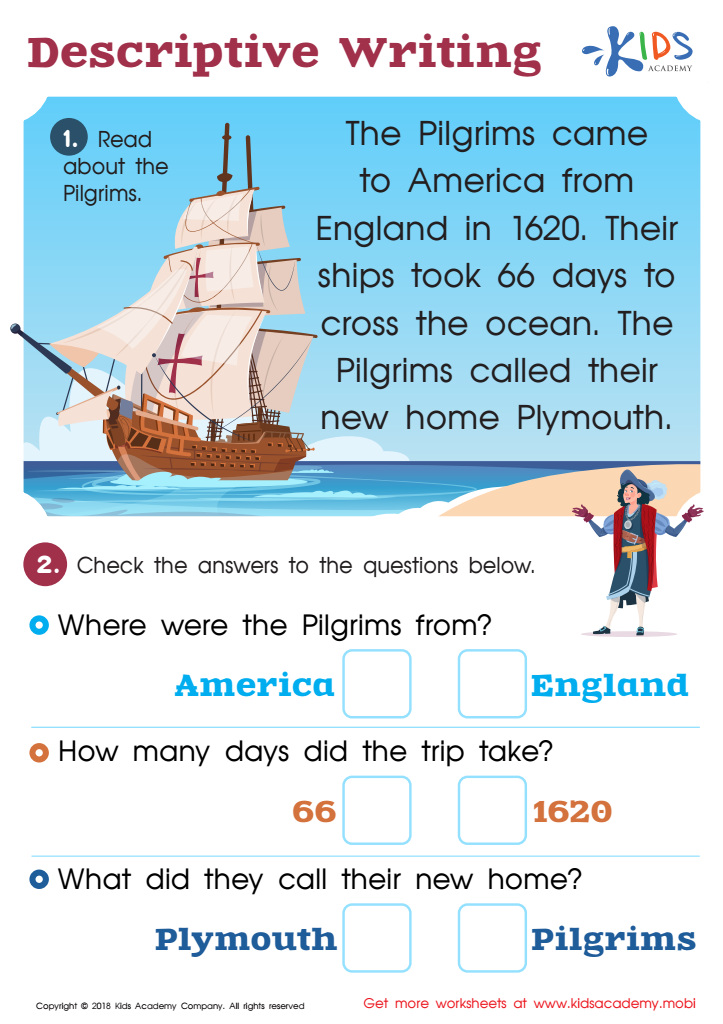
Descriptive Writing Worksheet: Part 1
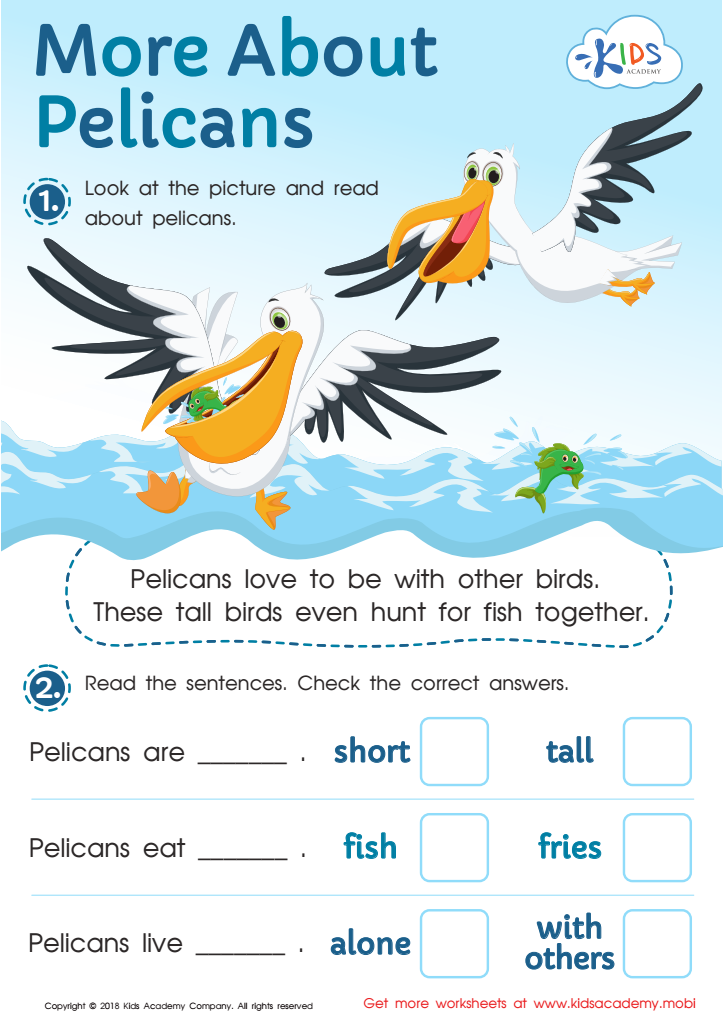
More About Pelicans Worksheet
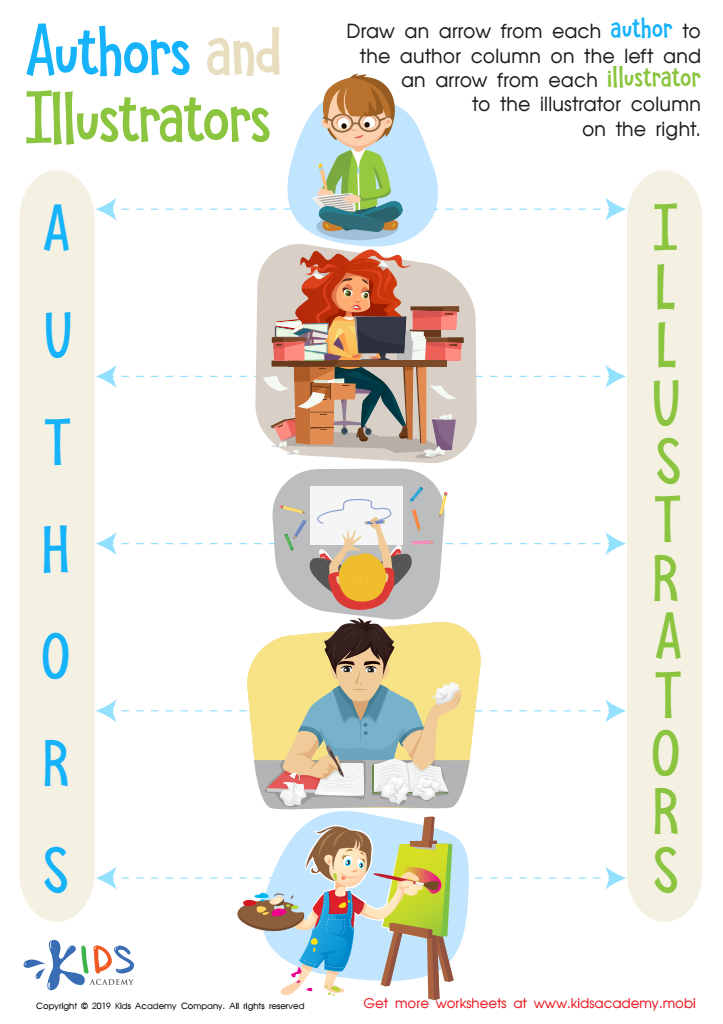
Authors and Illustrators Worksheet
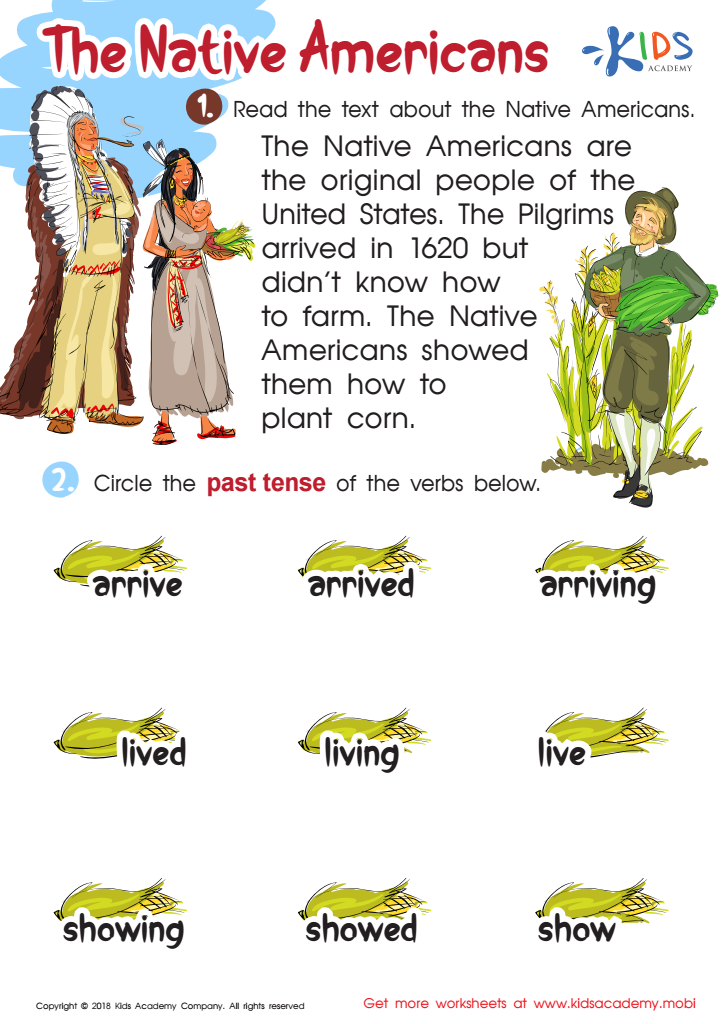
The Native Americans Worksheet
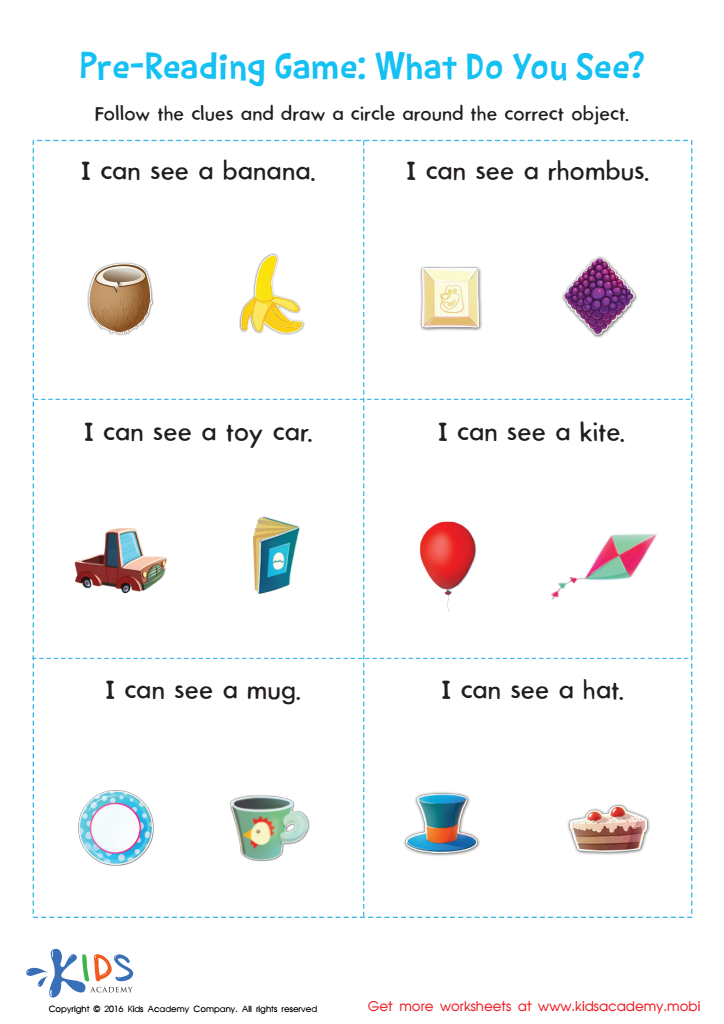
Pre–reading Worksheet: What Do You See?
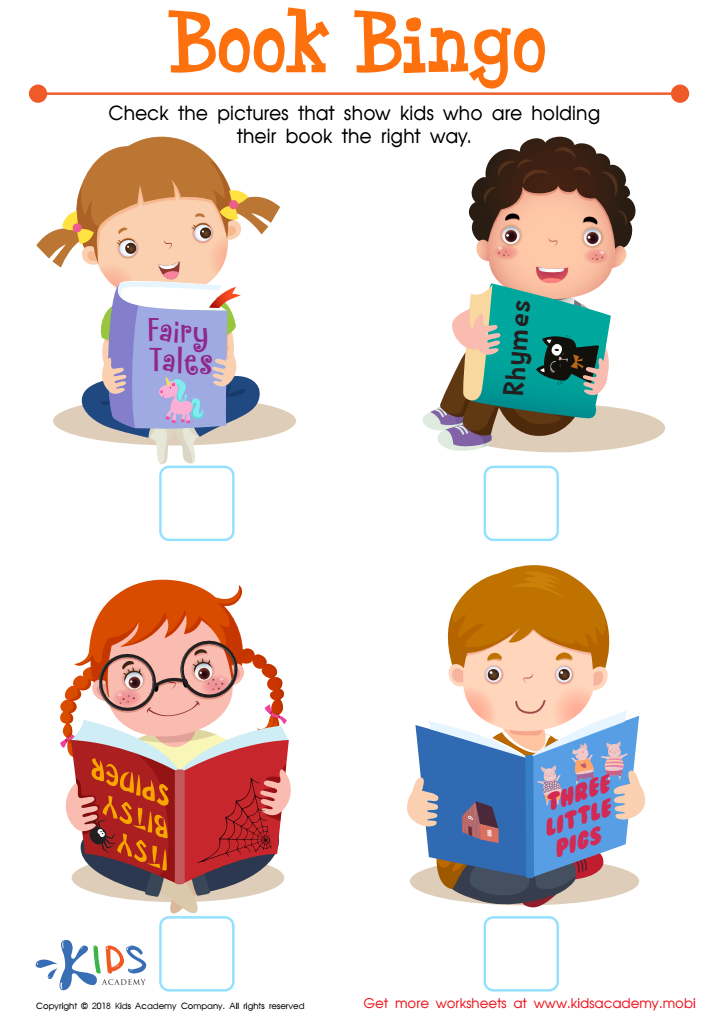
Book Bingo Worksheet
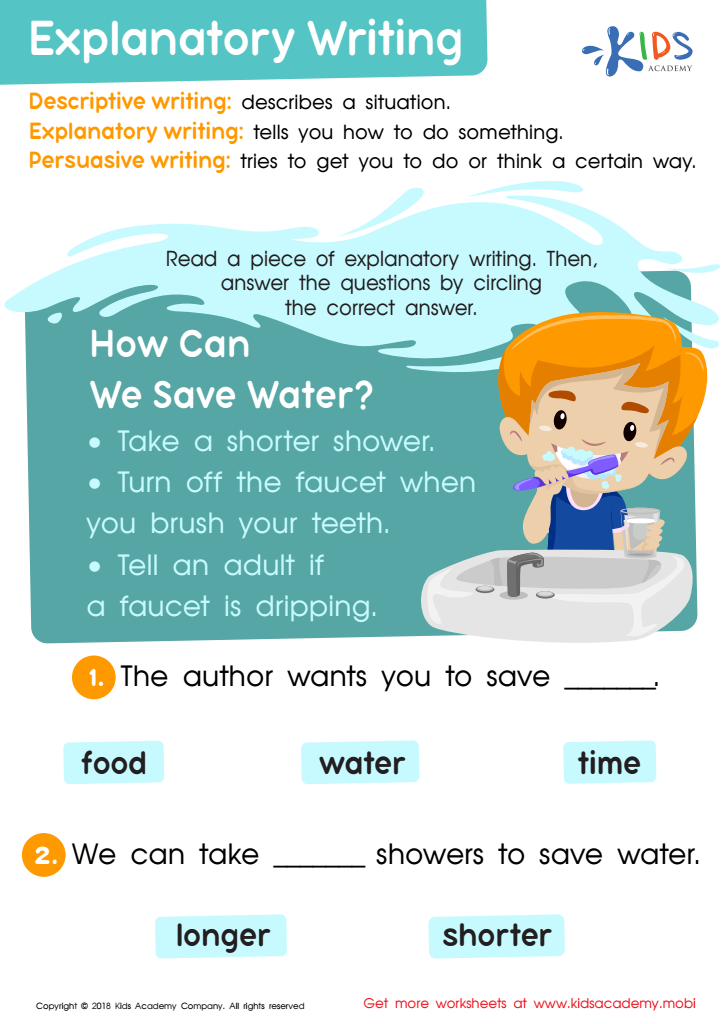
Explanatory Writing Worksheet
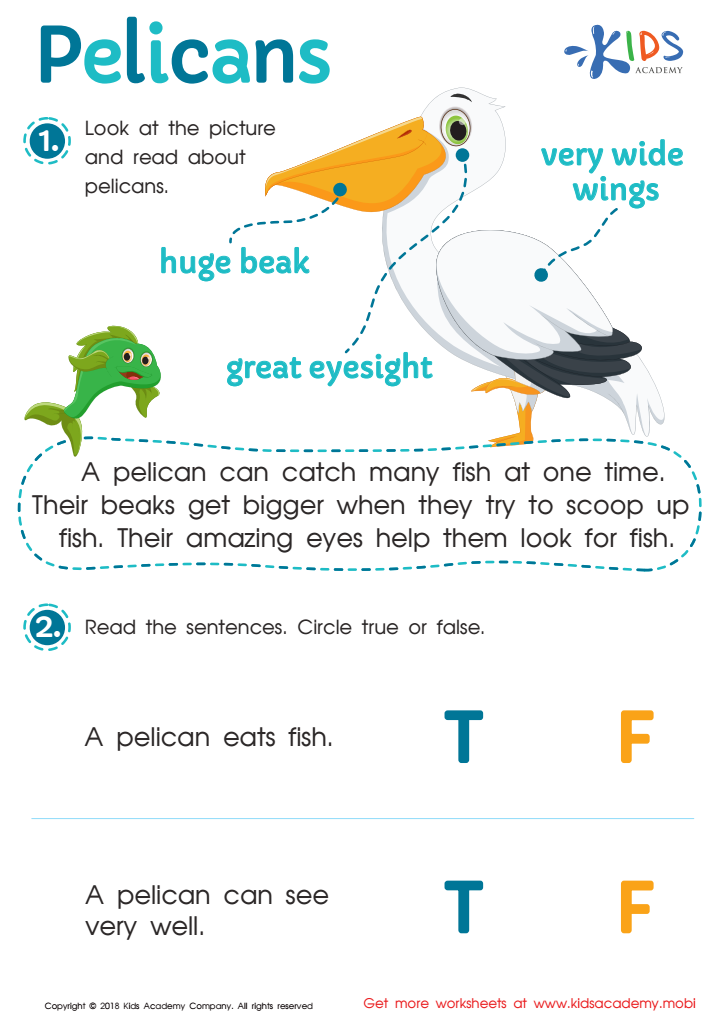
Pelicans Worksheet
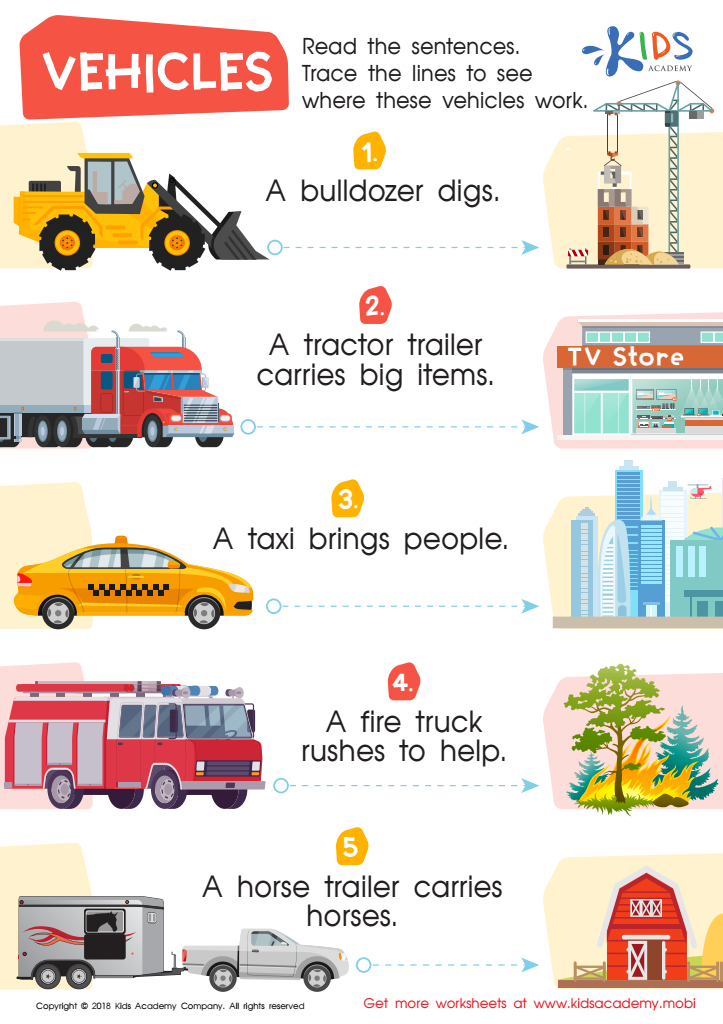
Vehicles Worksheet
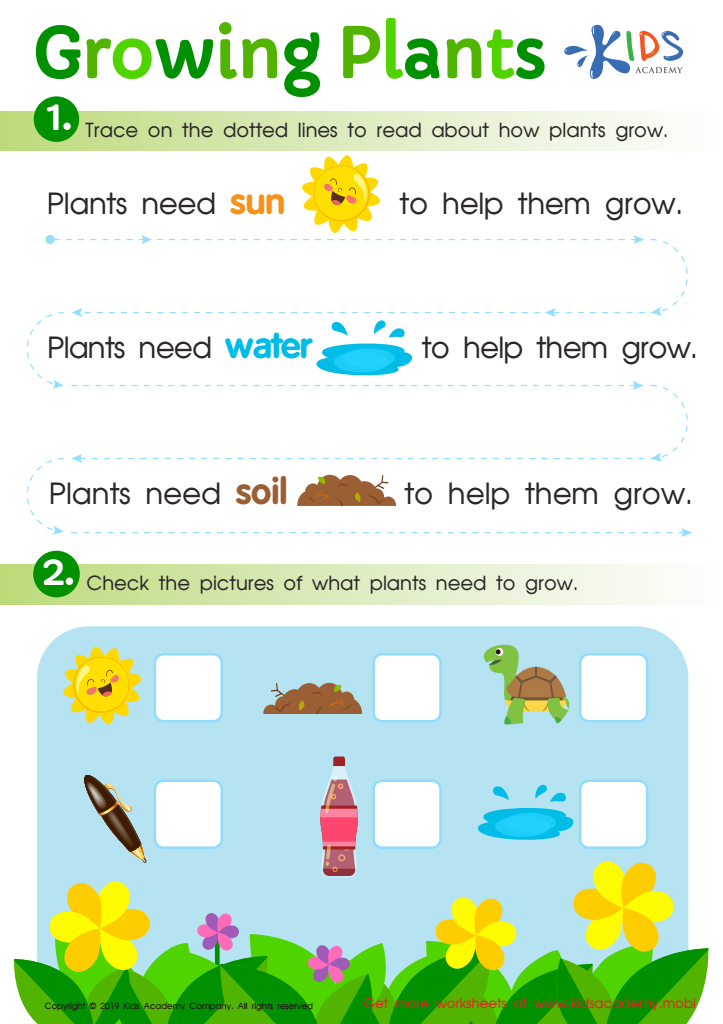
Growing Plants Worksheet
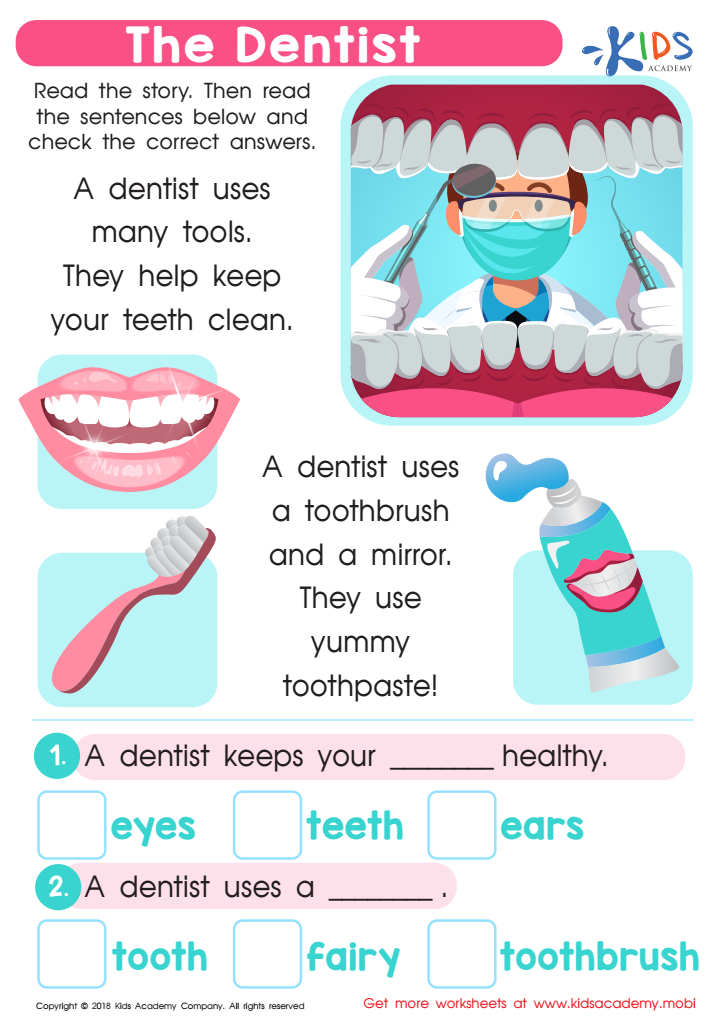
The Dentist Worksheet
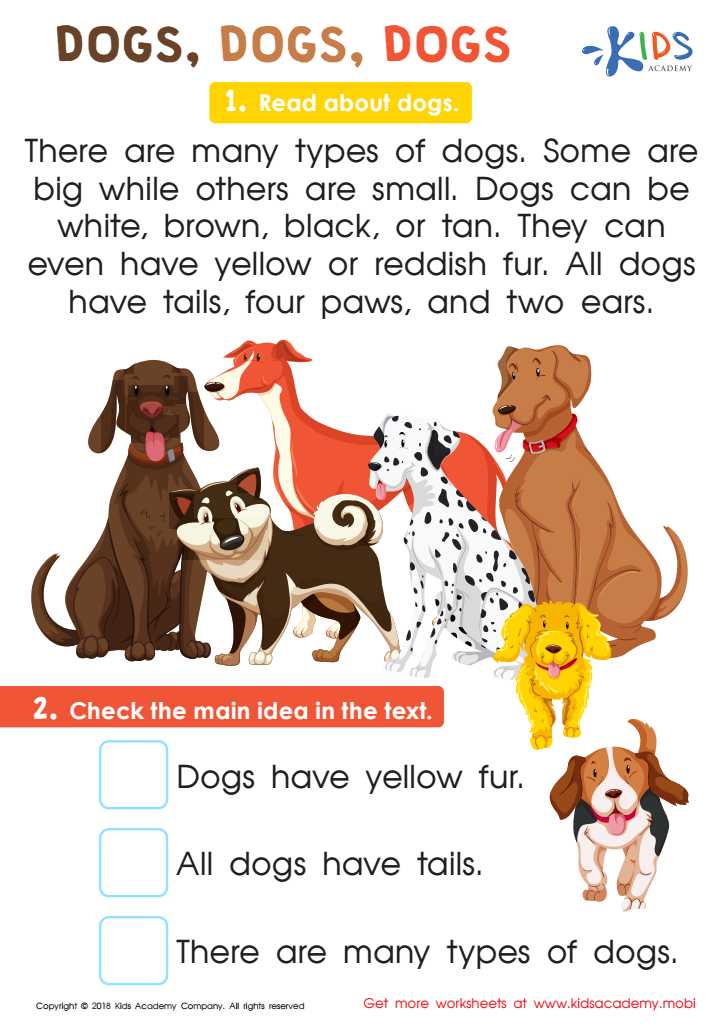
Dogs, Dogs Worksheet
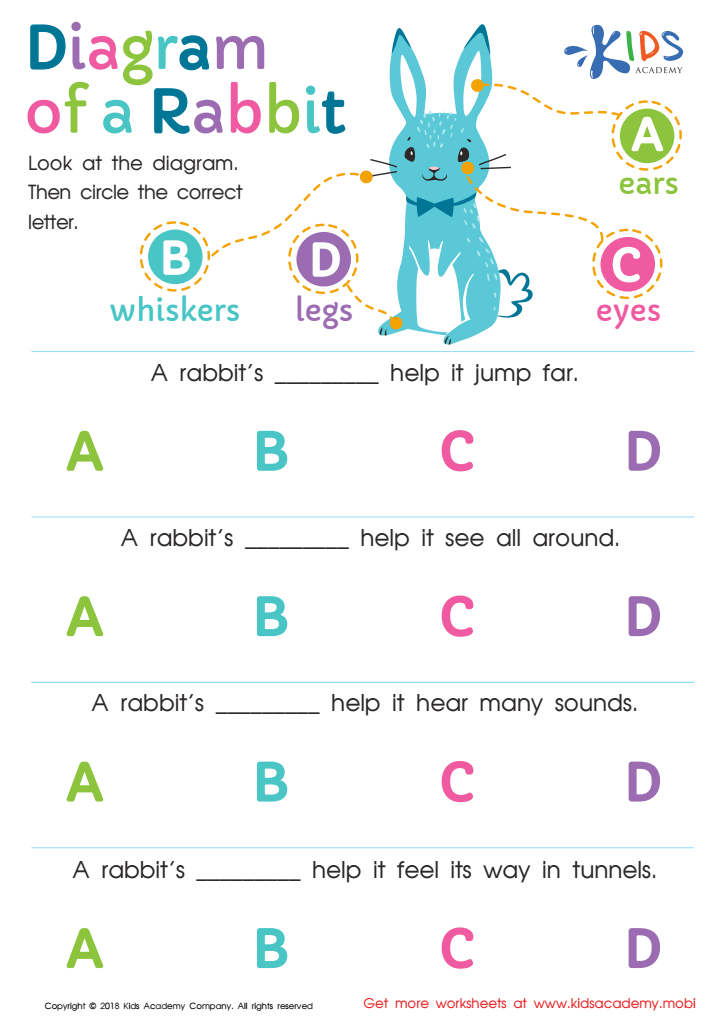
Diagram of a Rabbit Worksheet
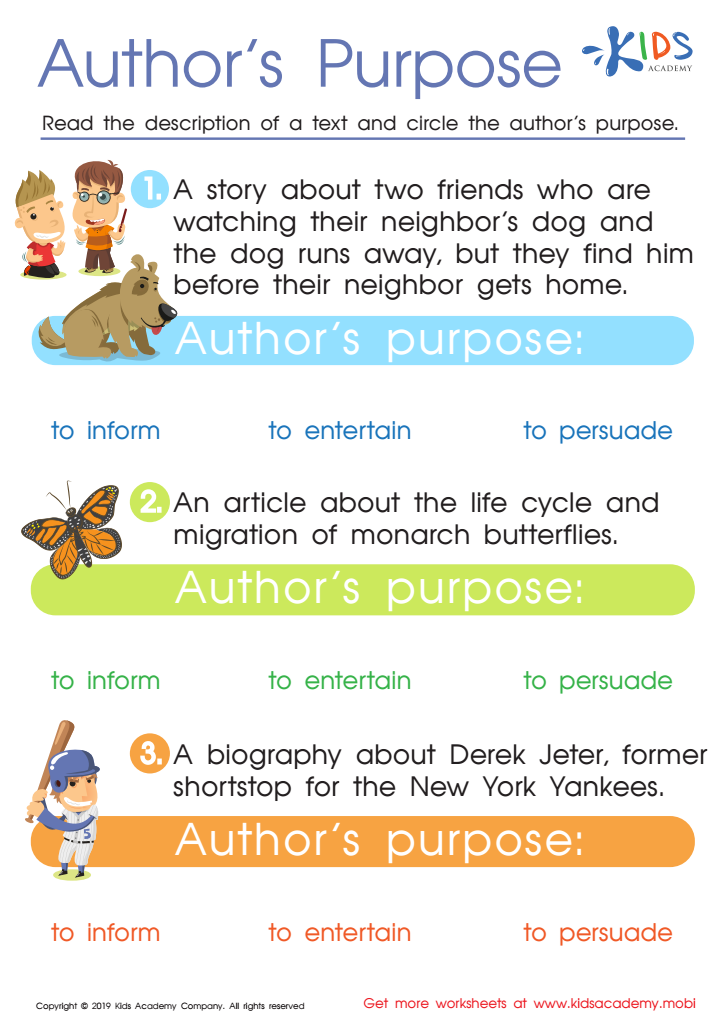
Author's Purpose Worksheet
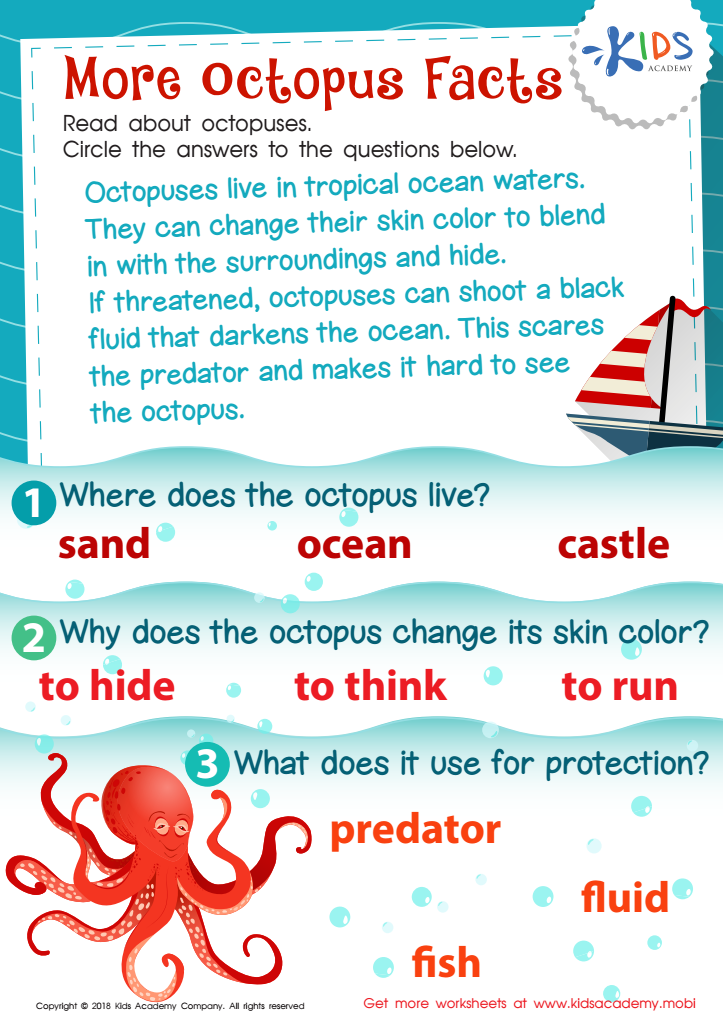
More Octopus Facts Worksheet
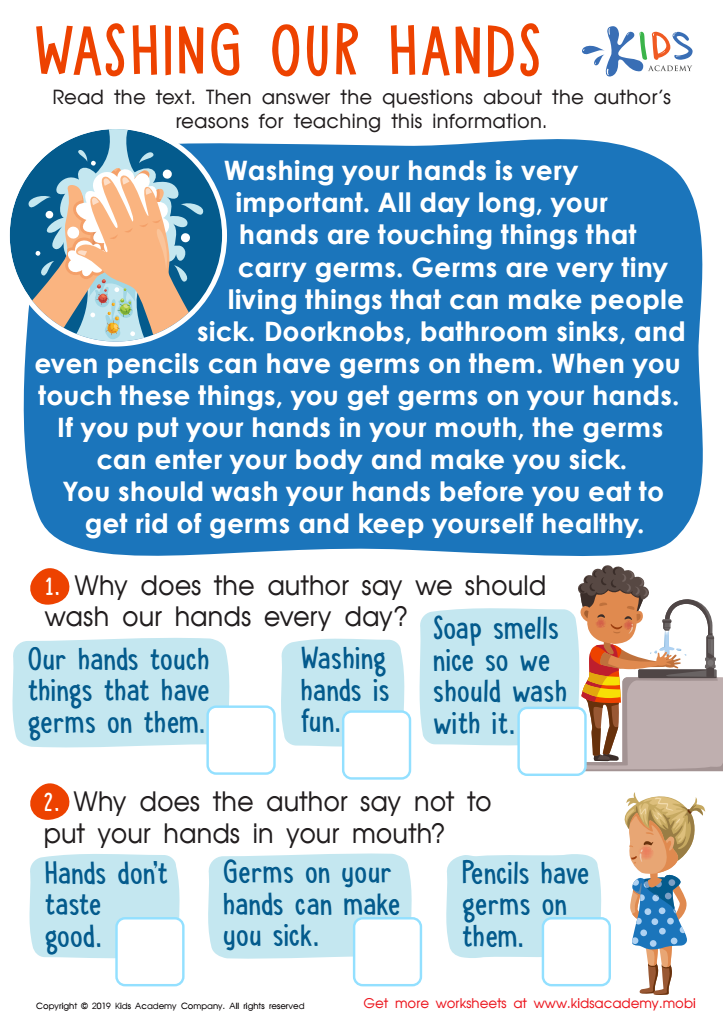
Washing Our Hands Worksheet
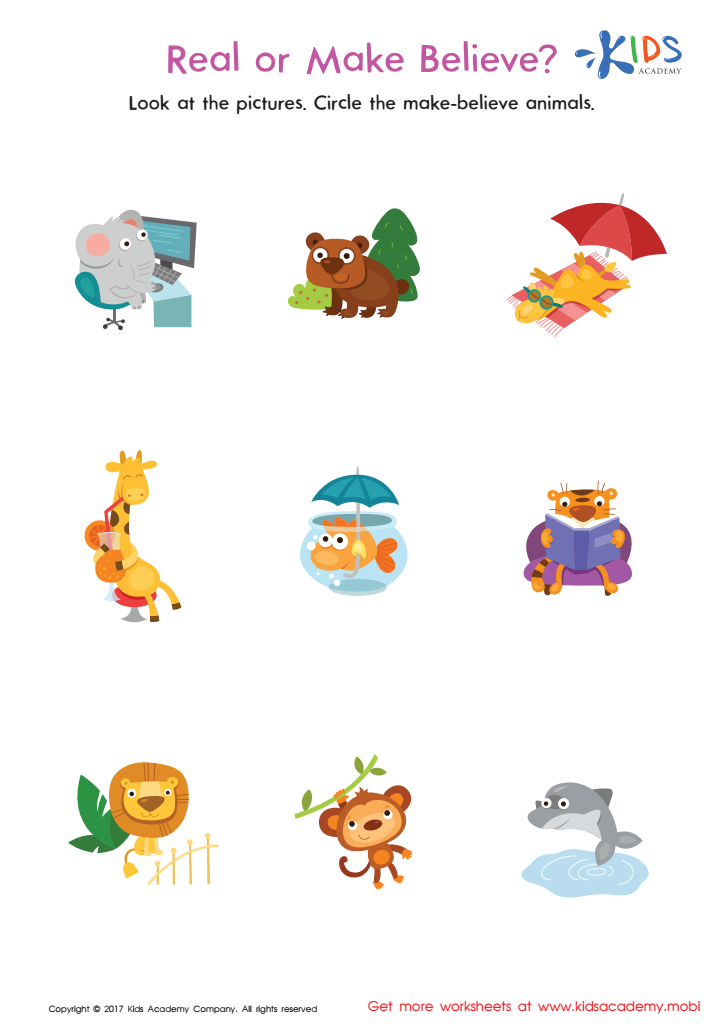
Fact or Make Believe Worksheet
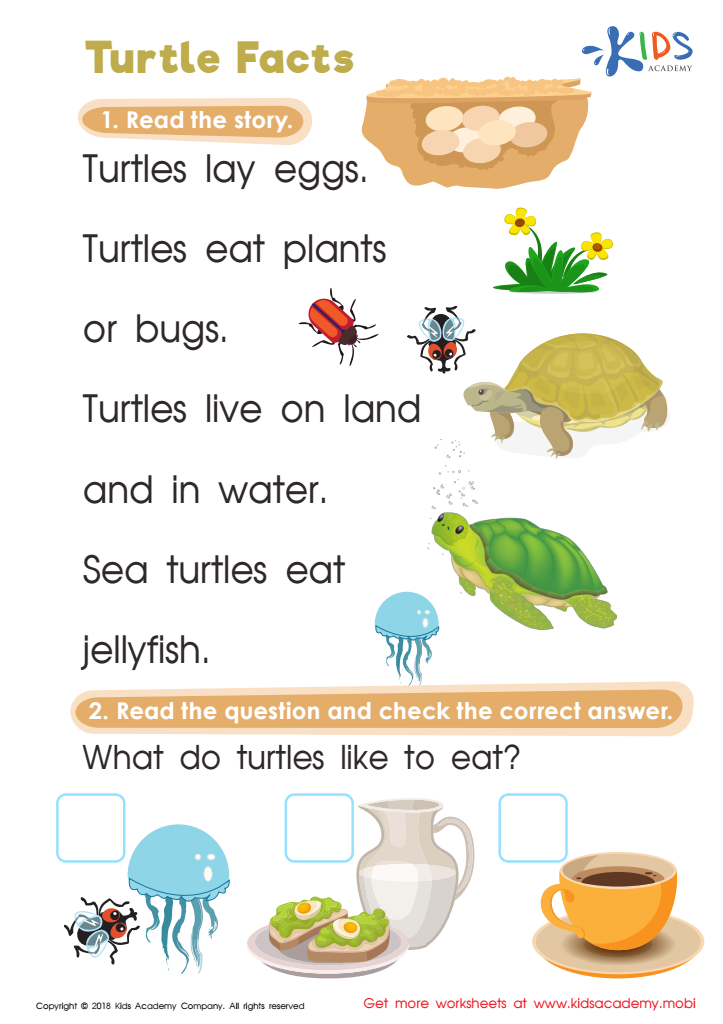
Turtle Facts Worksheet
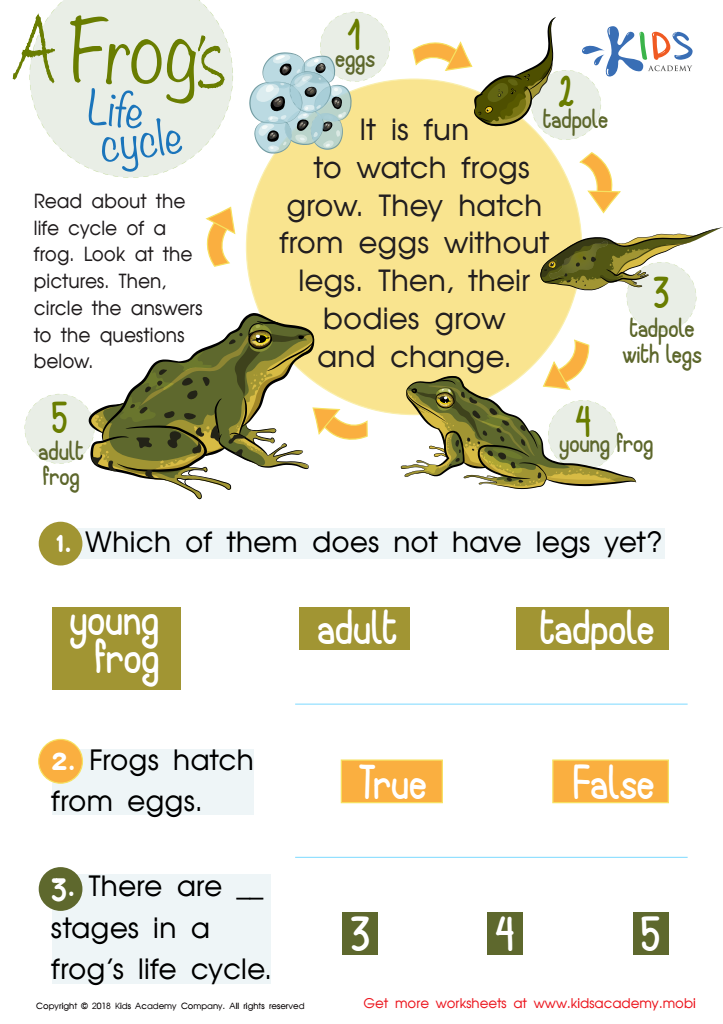
A Frog’s Life Cycle Worksheet
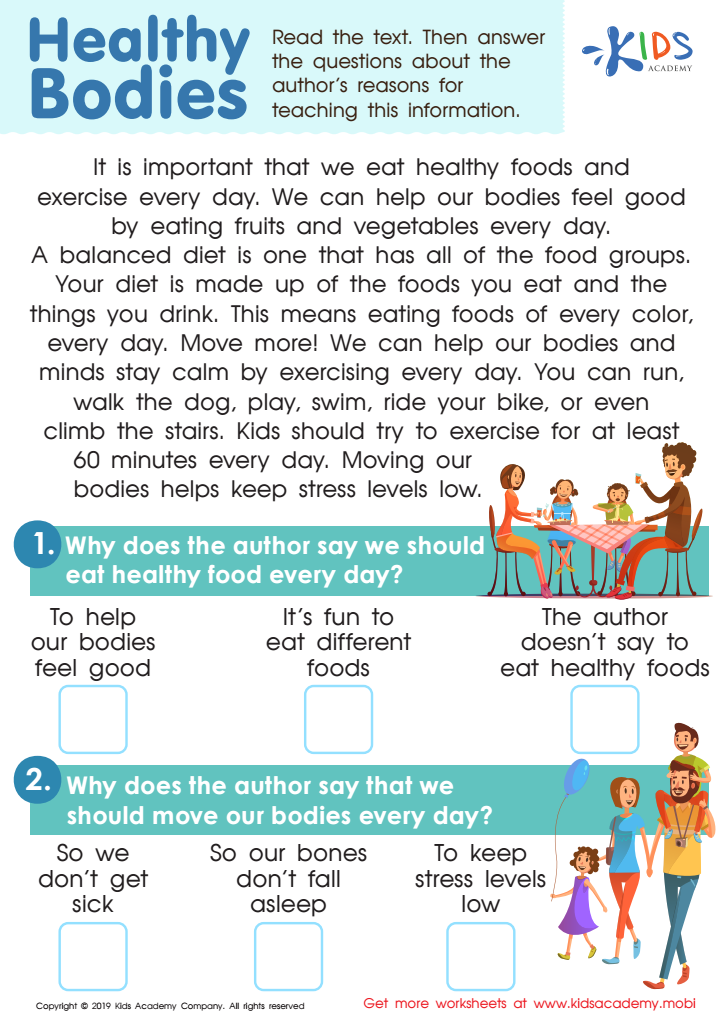
Healthy Bodies Worksheet








Introducing non-fiction to children aged 3-7 is crucial for several reasons:
-
Knowledge Expansion: Non-fiction books provide children with factual information about the world around them. This can range from learning about animals and nature to understanding basic science, history, and different cultures. Such exposure broadens their understanding and stimulates curiosity.
-
Vocabulary Building: Non-fiction texts often introduce children to specific terminology and more sophisticated vocabulary that is not always found in fiction. These new words and phrases help enhance their language development and communication skills.
-
Critical Thinking Skills: Non-fiction encourages children to process and understand real-world information. It helps them develop critical thinking and analytical skills as they learn to differentiate between facts and opinions, and understand contexts and concepts.
-
Inspiring Interests: Engaging with non-fiction can spark a child’s interest in a particular subject, leading to a lifelong passion or even a career. Whether it’s an interest in space, animals, or transportation, non-fiction books can be the foundation for future hobbies and professions.
-
Reading Comprehension: Exposure to varied literary formats, including non-fiction, improves overall reading comprehension. Children learn to approach texts with different structures and purposes, which enhances their ability to understand and retain information from diverse sources.
Parents and teachers who prioritize non-fiction reading for young children provide them with invaluable tools for cognitive growth and academic success.








