Reading Non-Fiction Worksheets for Ages 3-7 - Page 3
74 filtered results
-
From - To
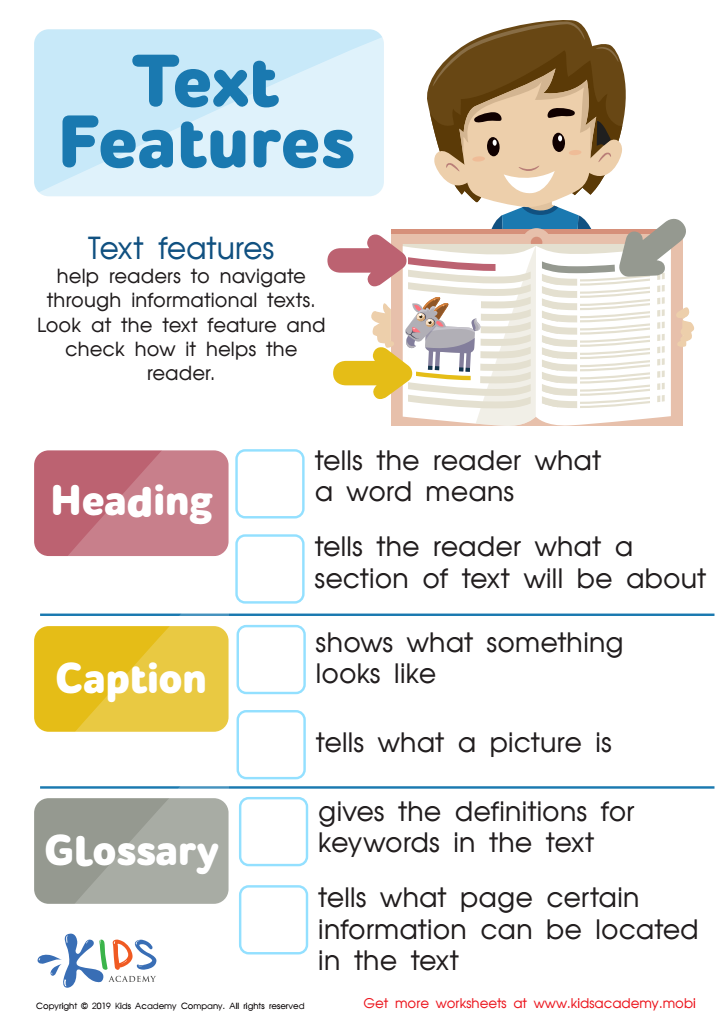
Text Features Worksheet
 Assign to My Students
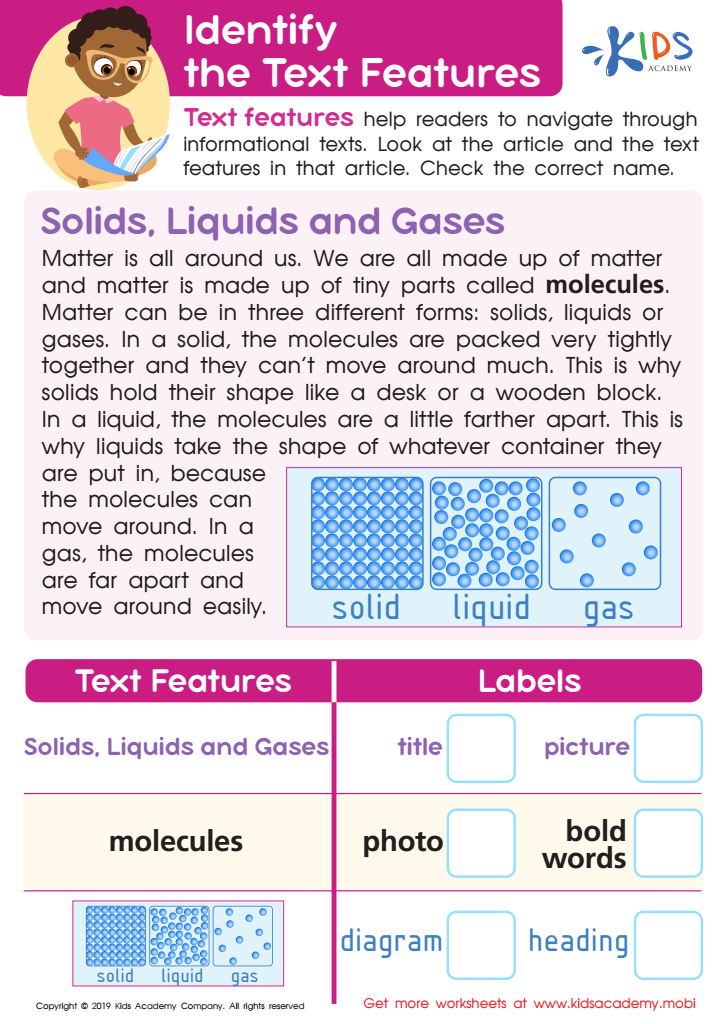
Identify the Text Features Worksheet
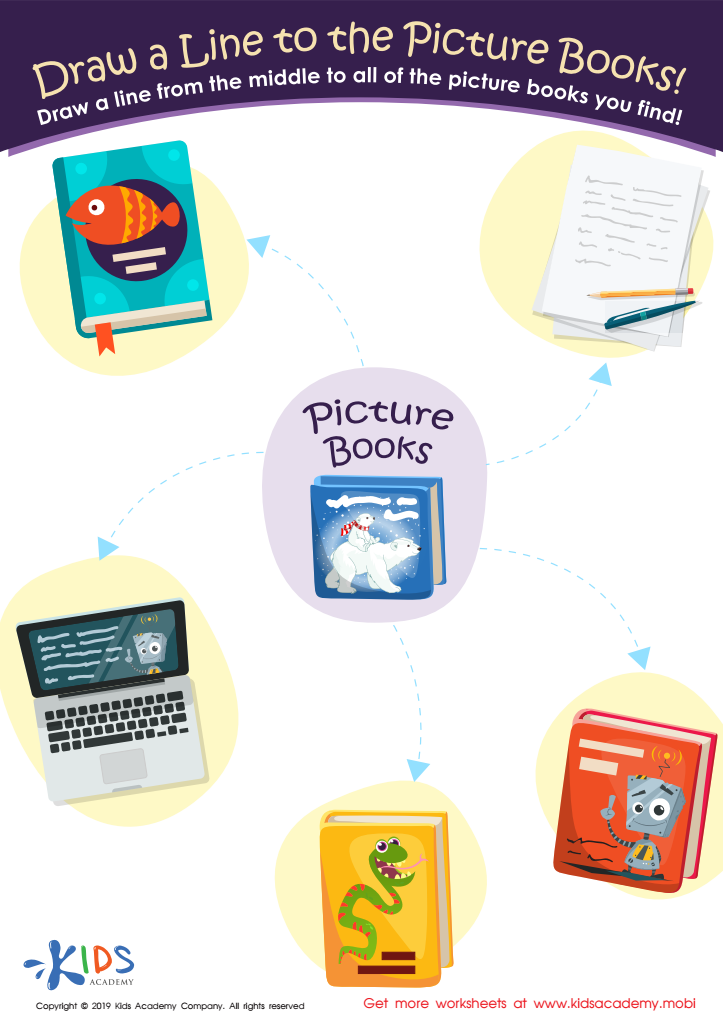
Draw a Line to the Picture Books Worksheet
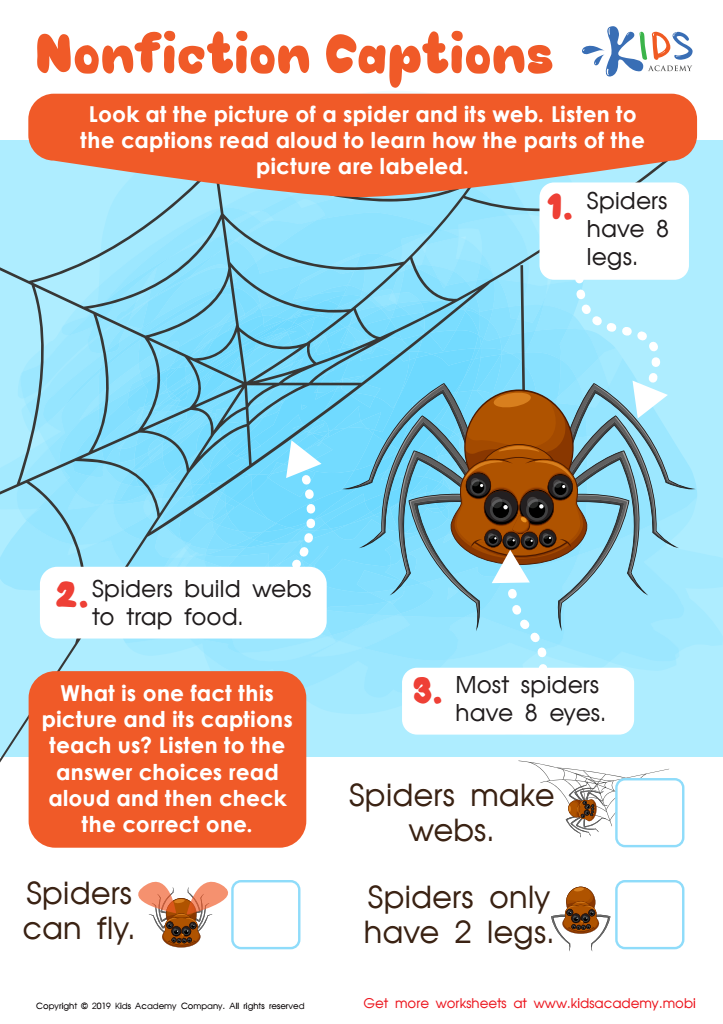
Nonfiction Captions Worksheet
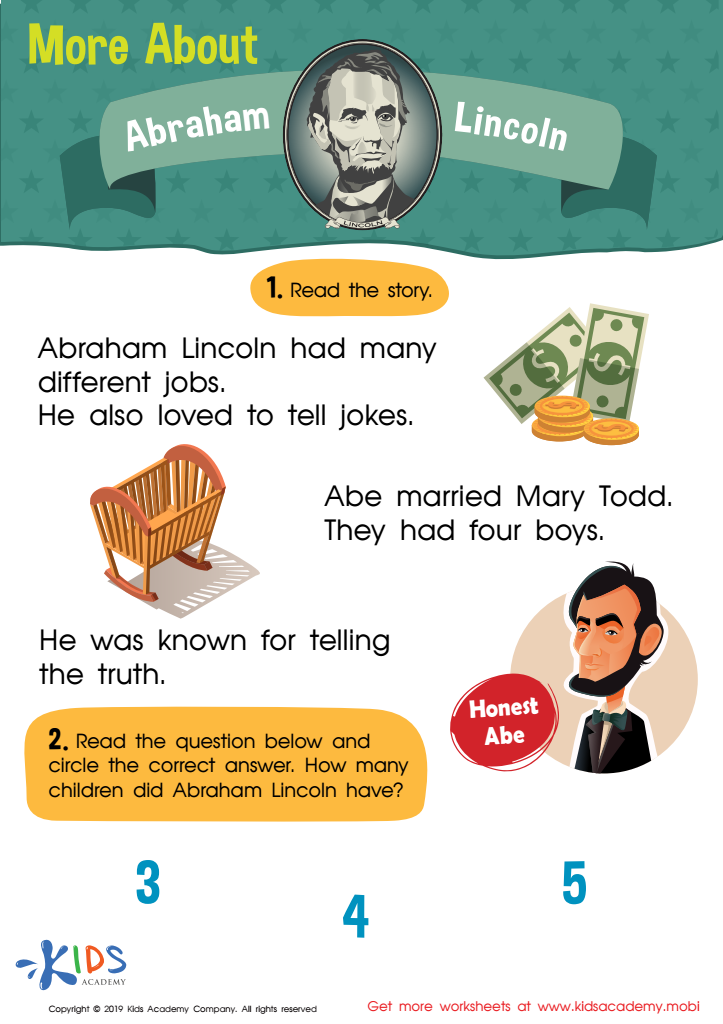
More About Abraham Lincoln Worksheet
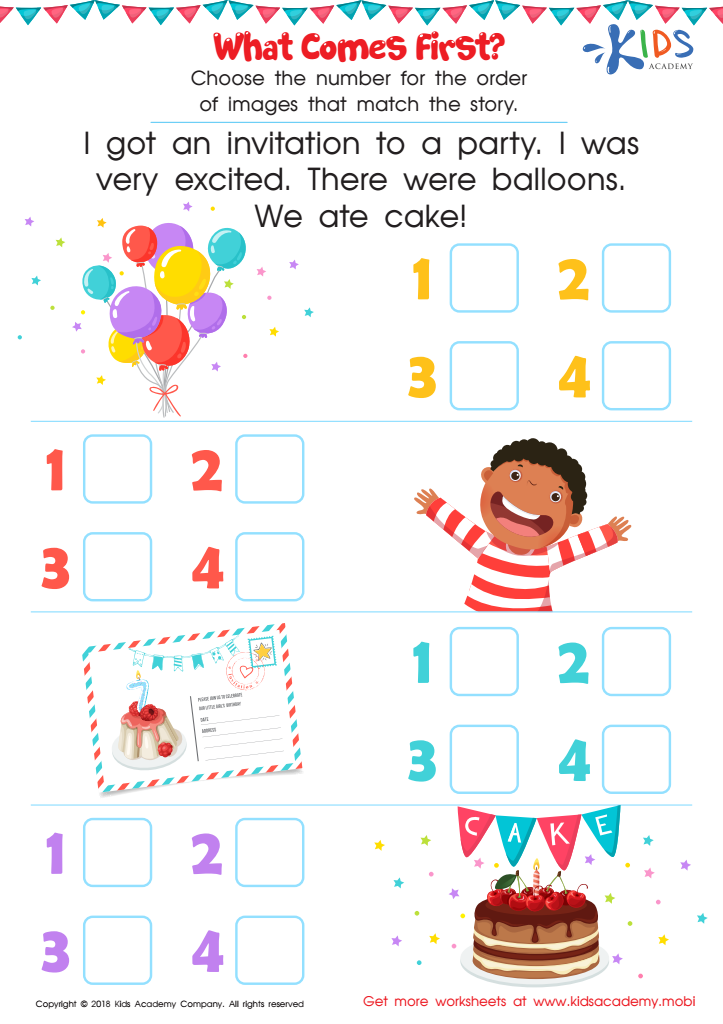
What Comes First Worksheet
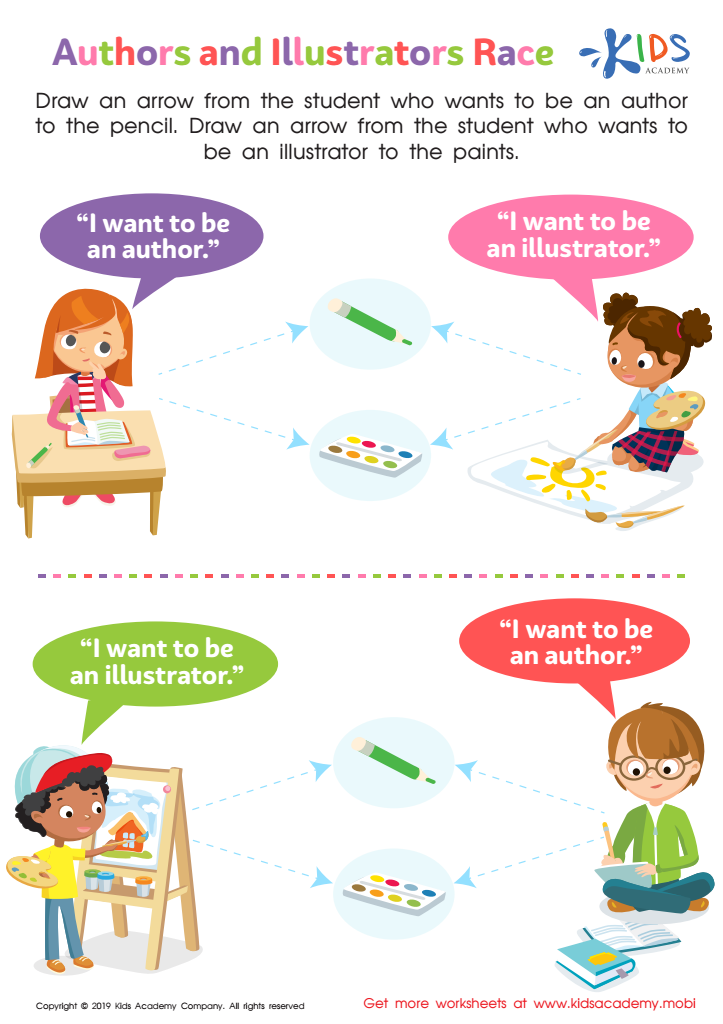
Authors and Illustrators Race Worksheet
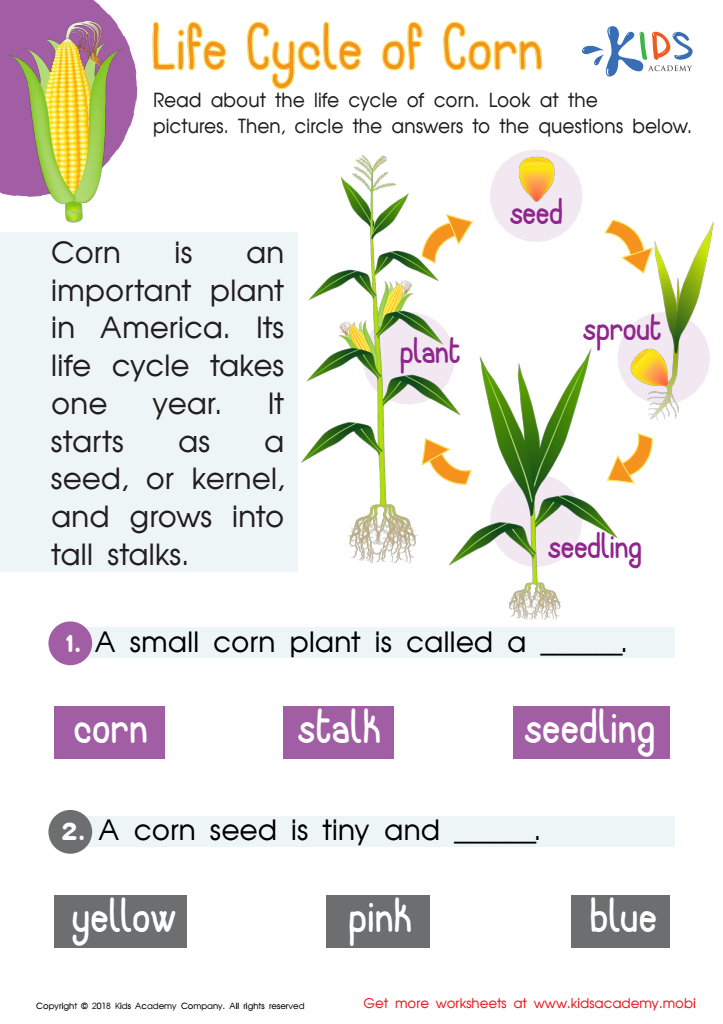
Life Cycle of Corn Worksheet
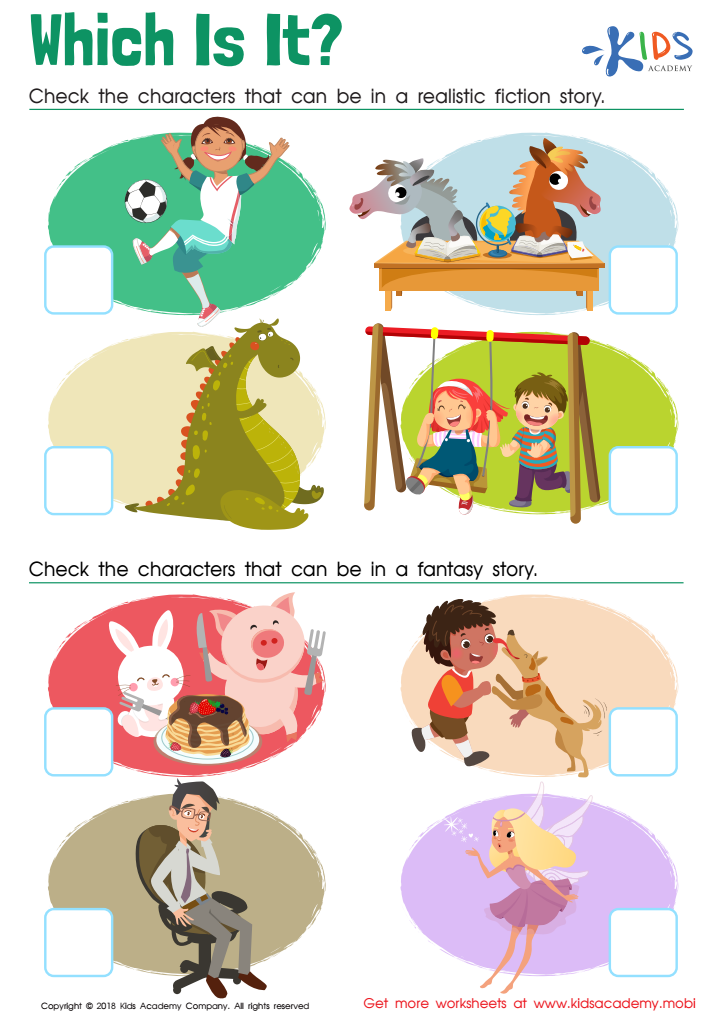
Which Is It? Worksheet
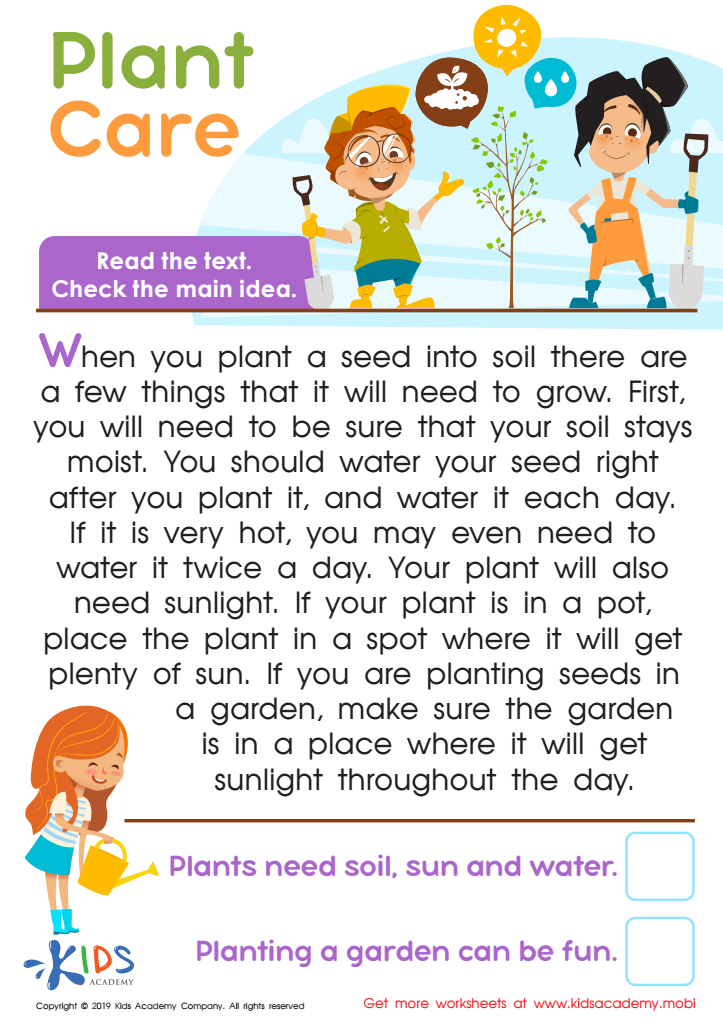
Plant Care Worksheet
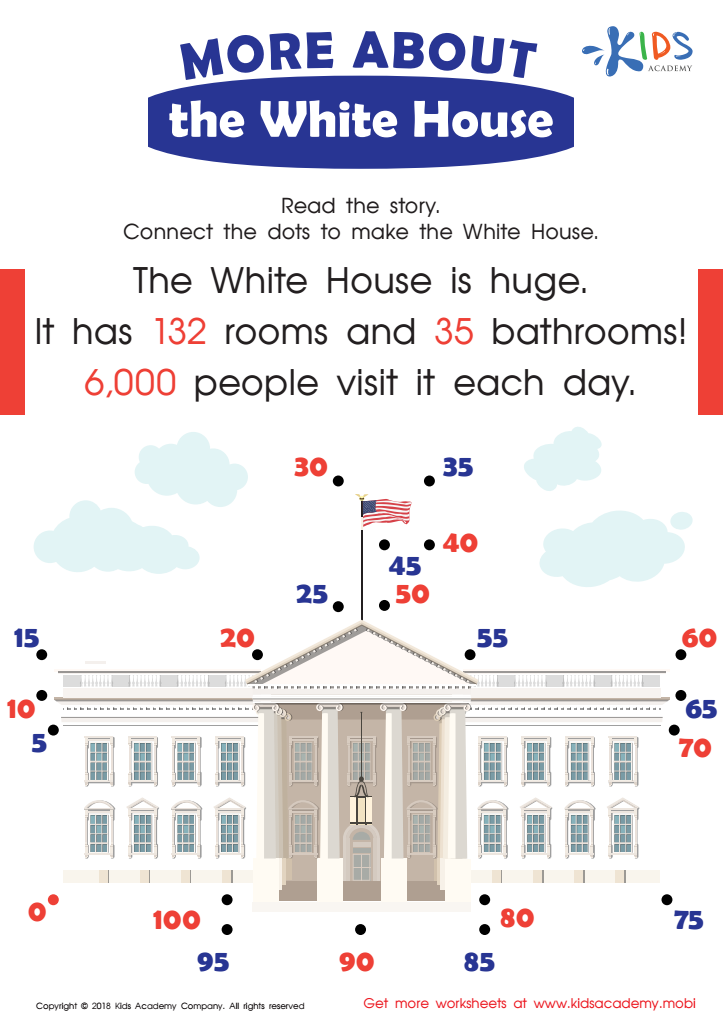
More About the White House Worksheet
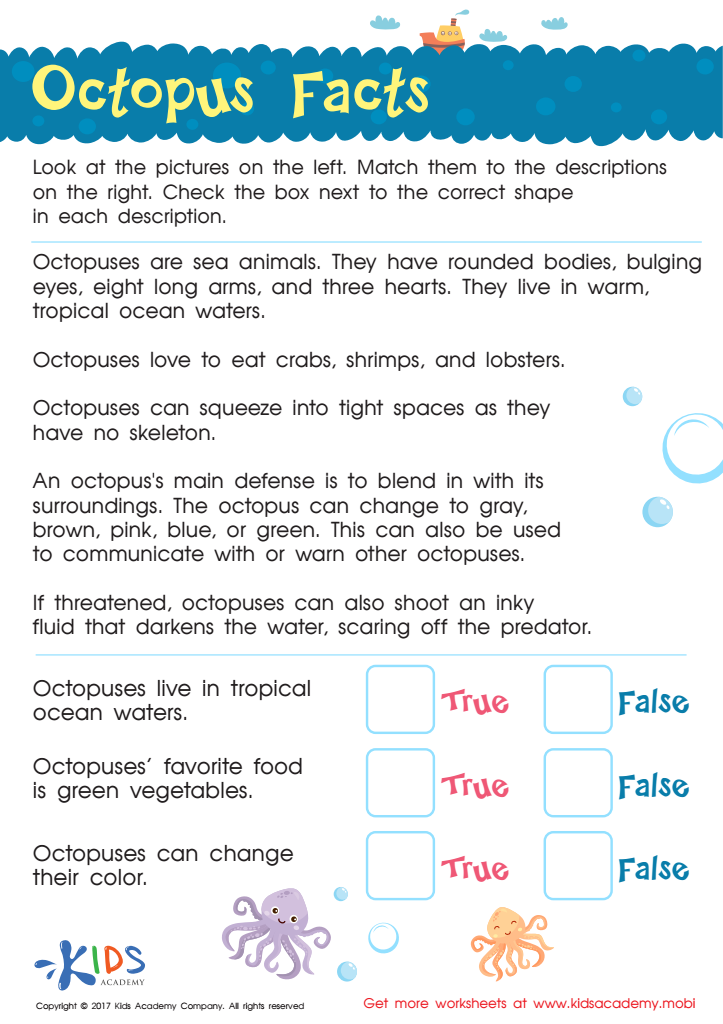
Octopus Facts Worksheet For Kids
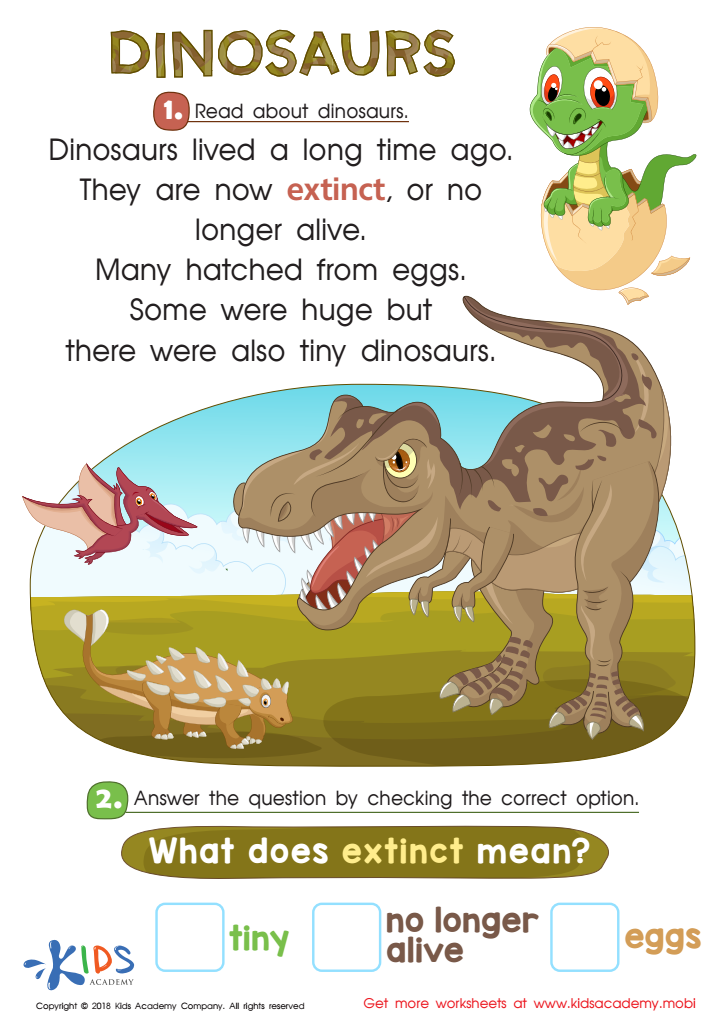
Dinosaurs Worksheet

Towns Worksheet
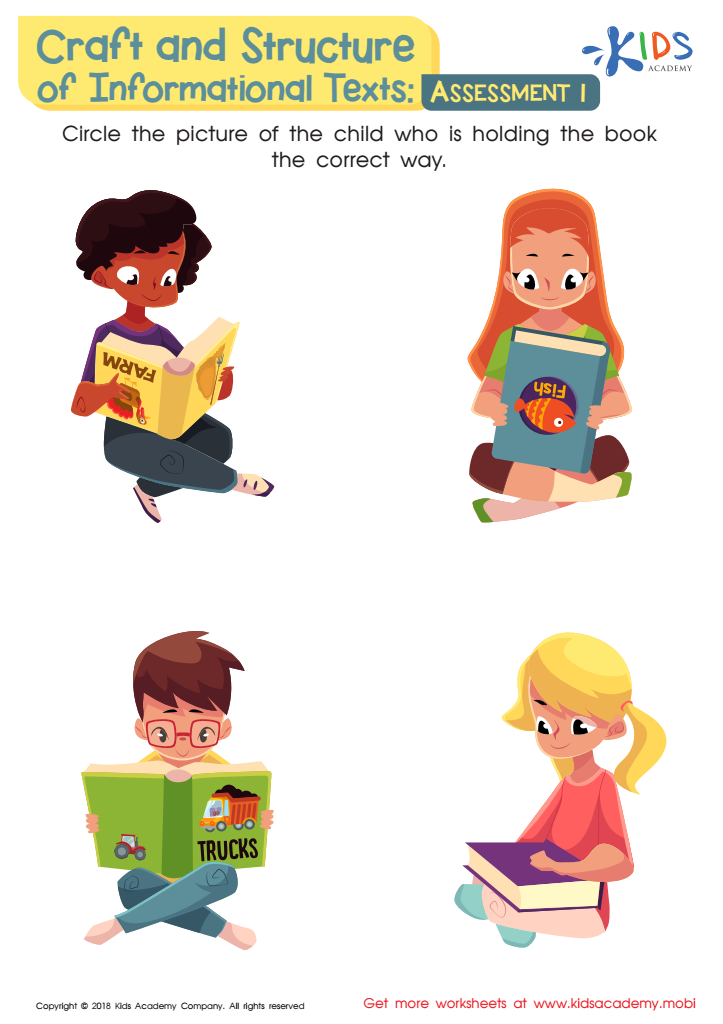
Craft and Structure of Informational Texts: Assessment 1 Worksheet
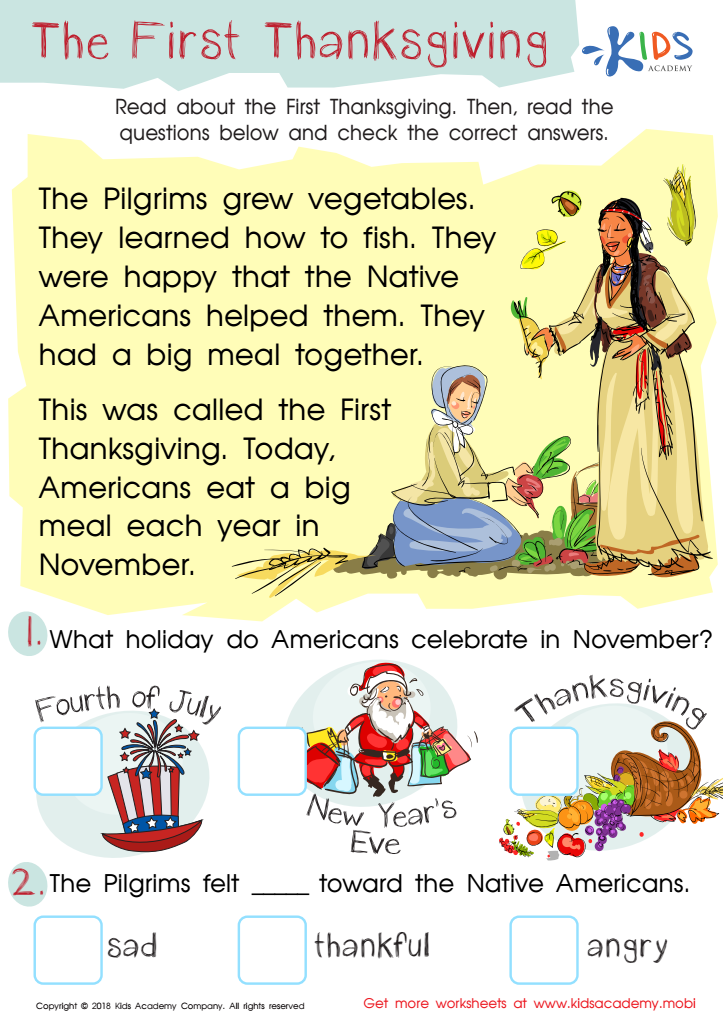
Assessment: First Thanksgiving Worksheet
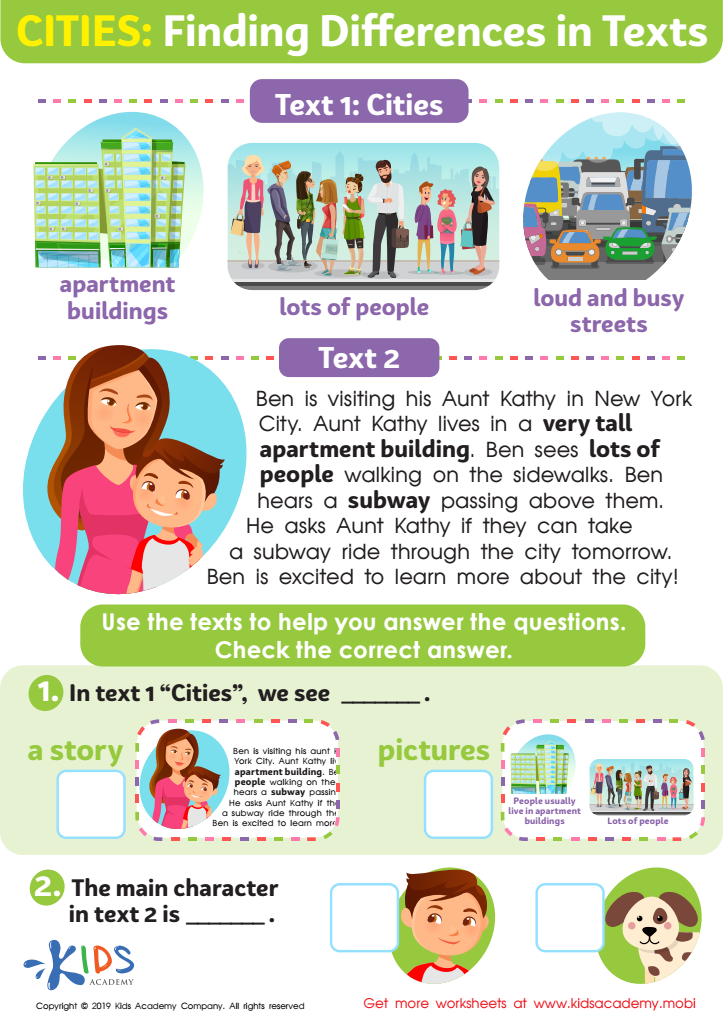
Cities: Finding Differences Worksheet
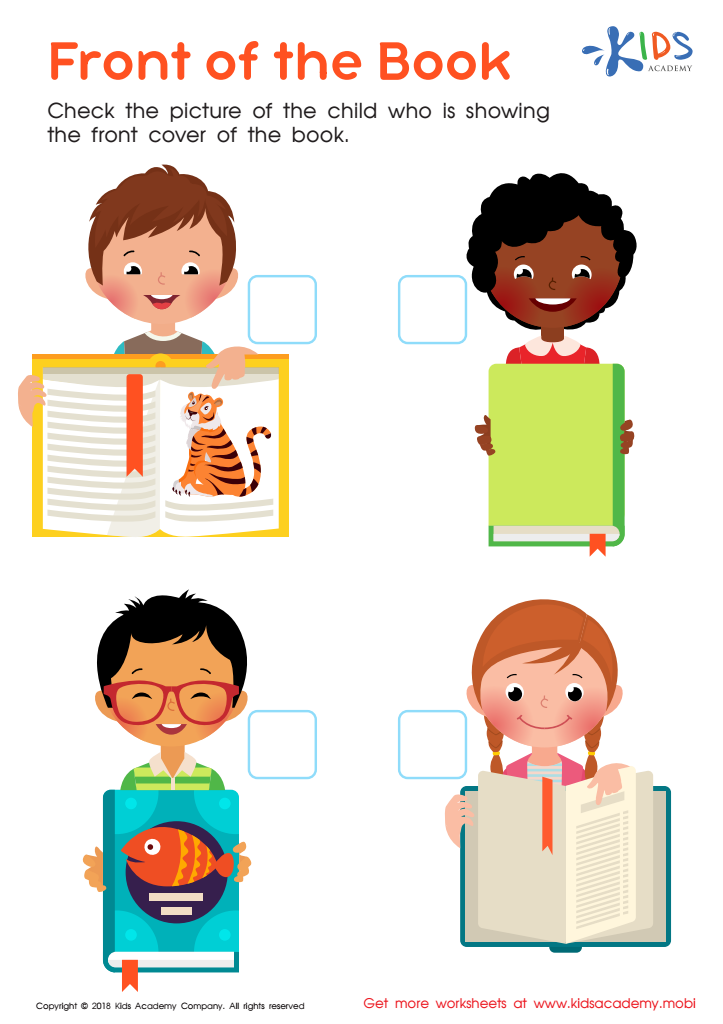
Front of the Book Worksheet
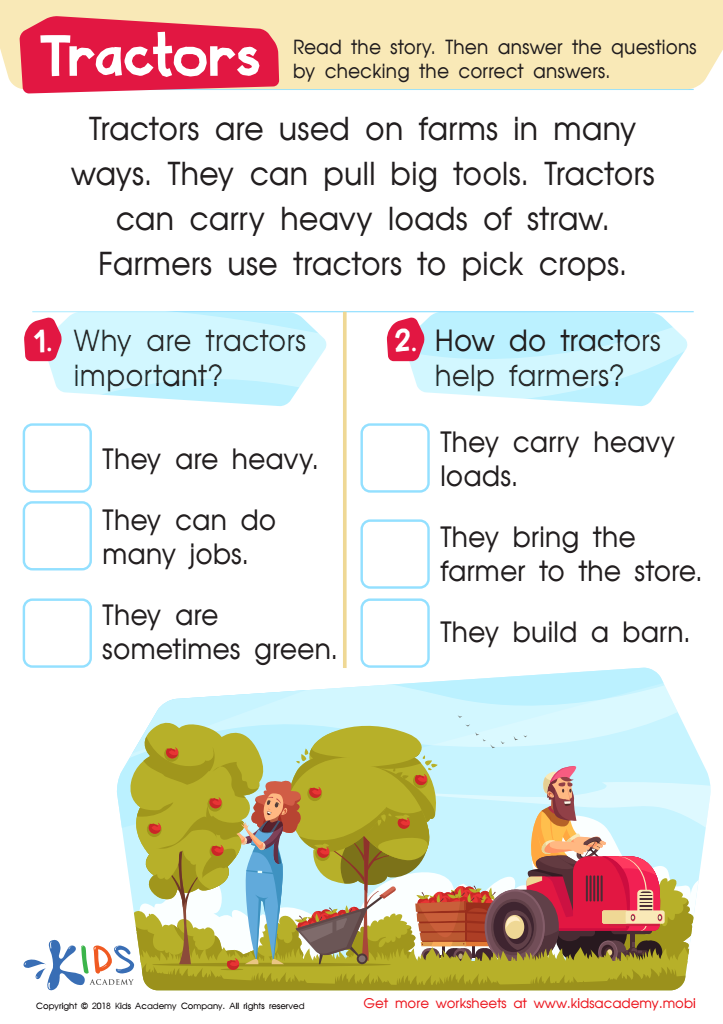
Tractors Worksheet
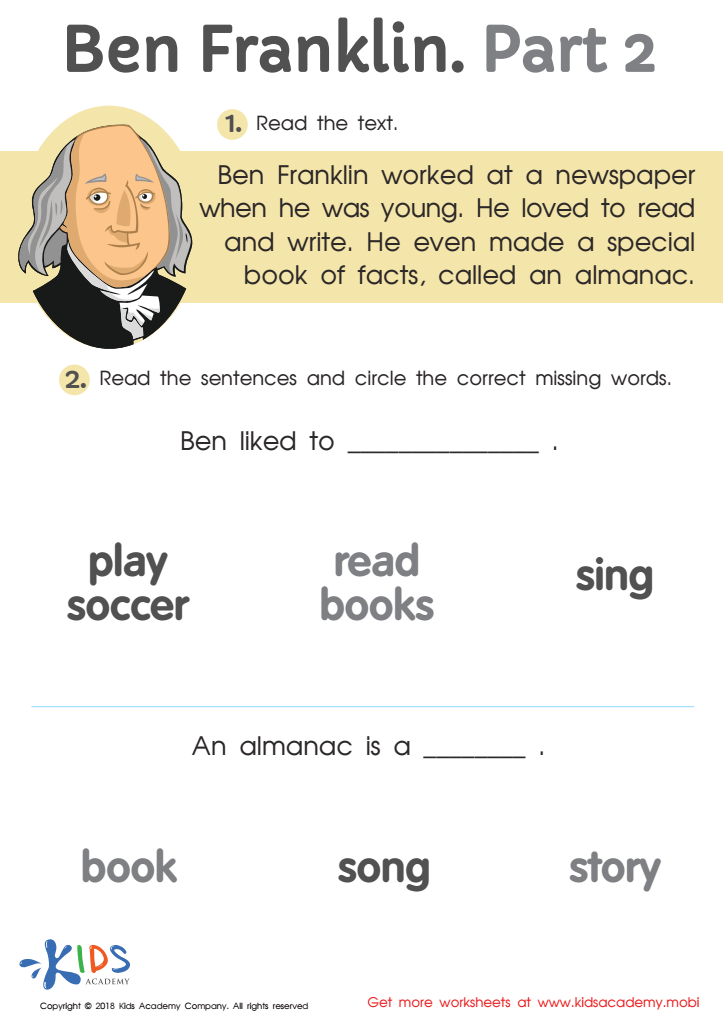
Ben Franklin Part 2 Worksheet
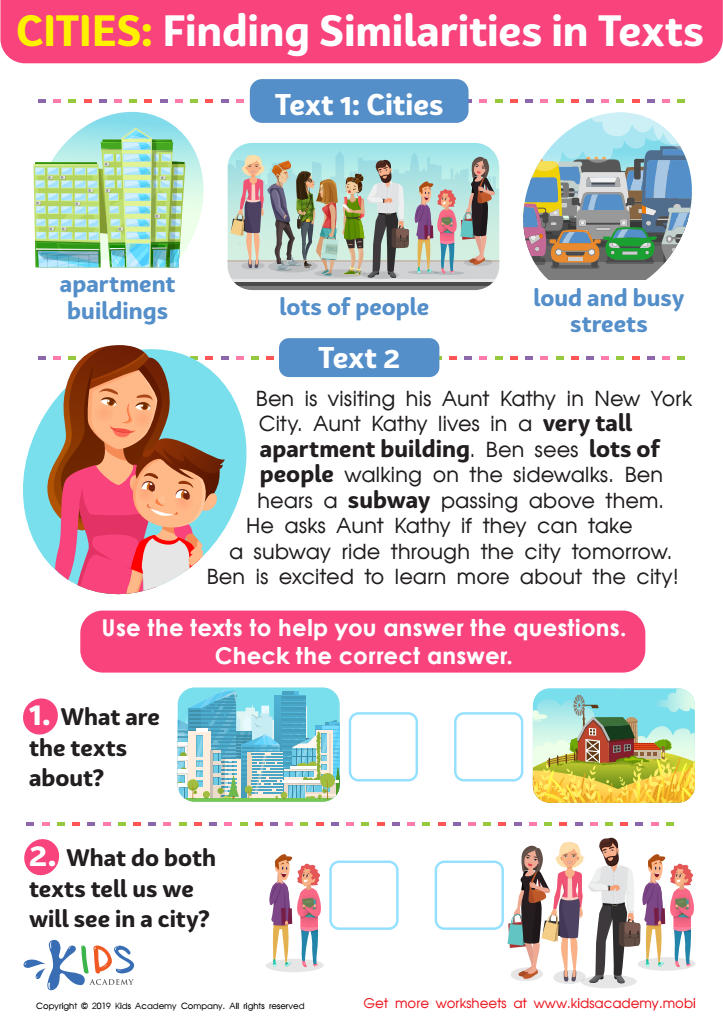
Cities: Finding Similarities Worksheet
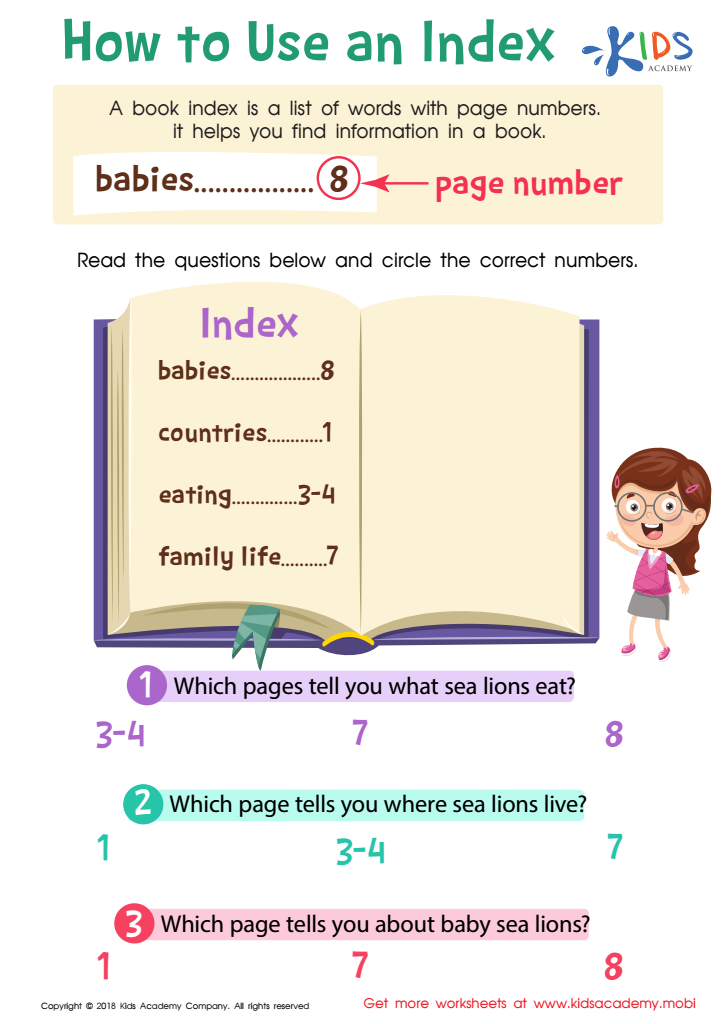
How Use Index Worksheet
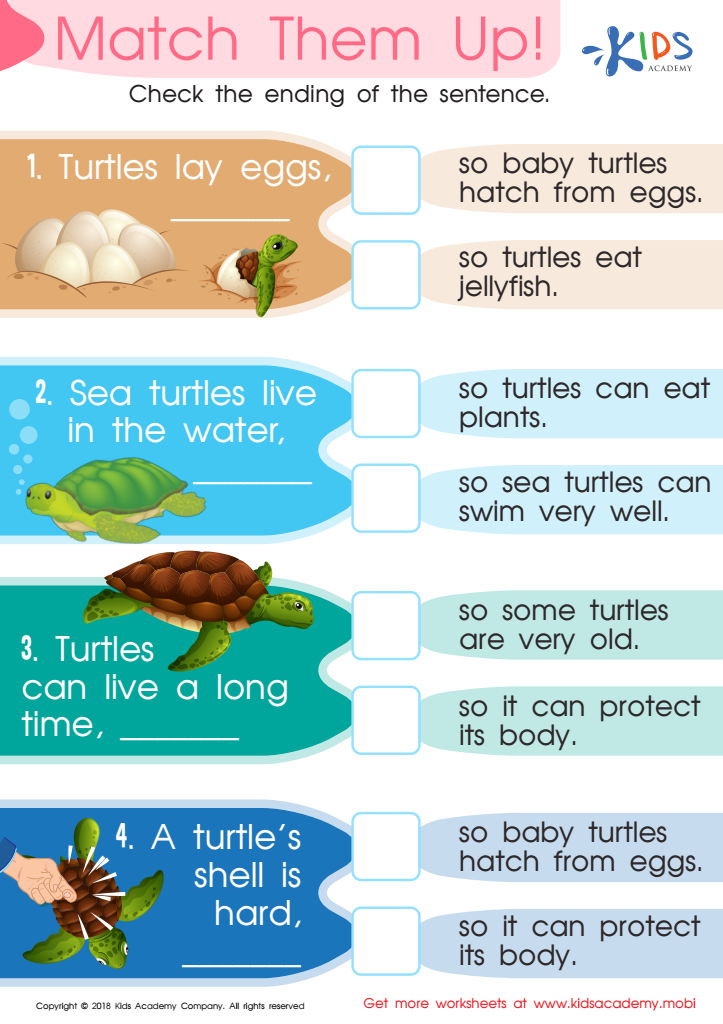
Match Them Up Worksheet
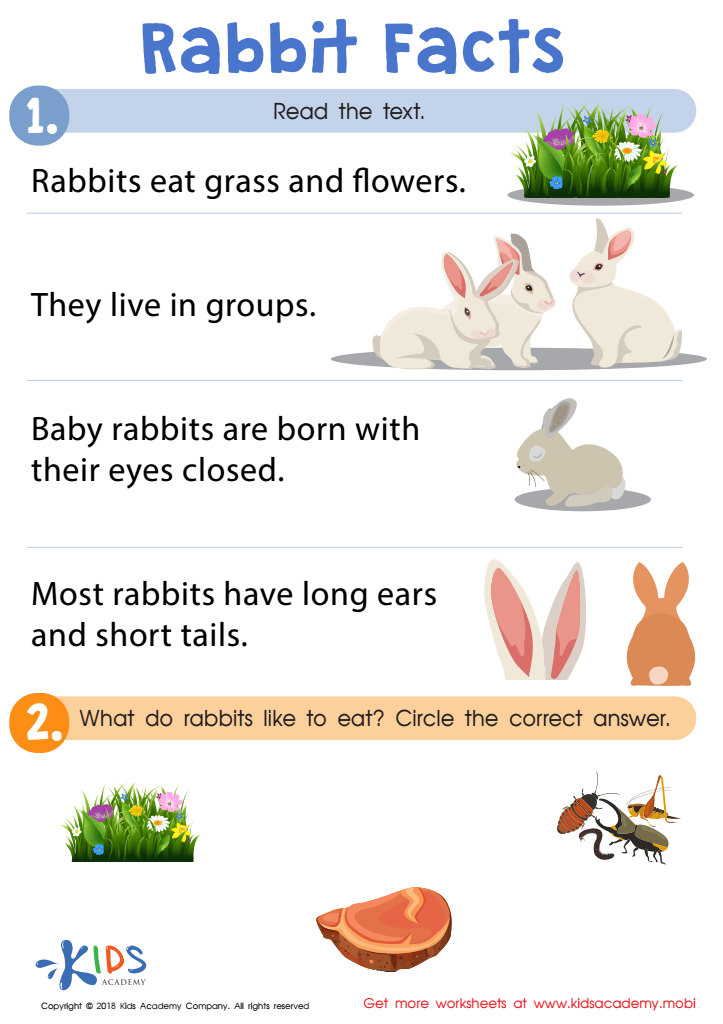
Rabbit Facts Worksheet







Introducing non-fiction to children aged 3-7 is crucial for several reasons:
-
Knowledge Expansion: Non-fiction books provide children with factual information about the world around them. This can range from learning about animals and nature to understanding basic science, history, and different cultures. Such exposure broadens their understanding and stimulates curiosity.
-
Vocabulary Building: Non-fiction texts often introduce children to specific terminology and more sophisticated vocabulary that is not always found in fiction. These new words and phrases help enhance their language development and communication skills.
-
Critical Thinking Skills: Non-fiction encourages children to process and understand real-world information. It helps them develop critical thinking and analytical skills as they learn to differentiate between facts and opinions, and understand contexts and concepts.
-
Inspiring Interests: Engaging with non-fiction can spark a child’s interest in a particular subject, leading to a lifelong passion or even a career. Whether it’s an interest in space, animals, or transportation, non-fiction books can be the foundation for future hobbies and professions.
-
Reading Comprehension: Exposure to varied literary formats, including non-fiction, improves overall reading comprehension. Children learn to approach texts with different structures and purposes, which enhances their ability to understand and retain information from diverse sources.
Parents and teachers who prioritize non-fiction reading for young children provide them with invaluable tools for cognitive growth and academic success.








