Vocabulary expansion Science Worksheets for Ages 3-7
27 filtered results
-
From - To
Unlock the world of science for young minds with our engaging Vocabulary Expansion Science Worksheets, designed specifically for ages 3-7. Our thoughtfully crafted worksheets help children build a strong foundation in science terminology through playful and interactive activities. Featuring colorful illustrations and age-appropriate content, kids will explore key scientific concepts while expanding their vocabulary. Ideal for preschool, kindergarten, and early elementary students, these worksheets not only enhance language skills but also ignite a passion for learning about the world around them. Watch your child’s vocabulary grow as they dive into the wonders of science, one word at a time.
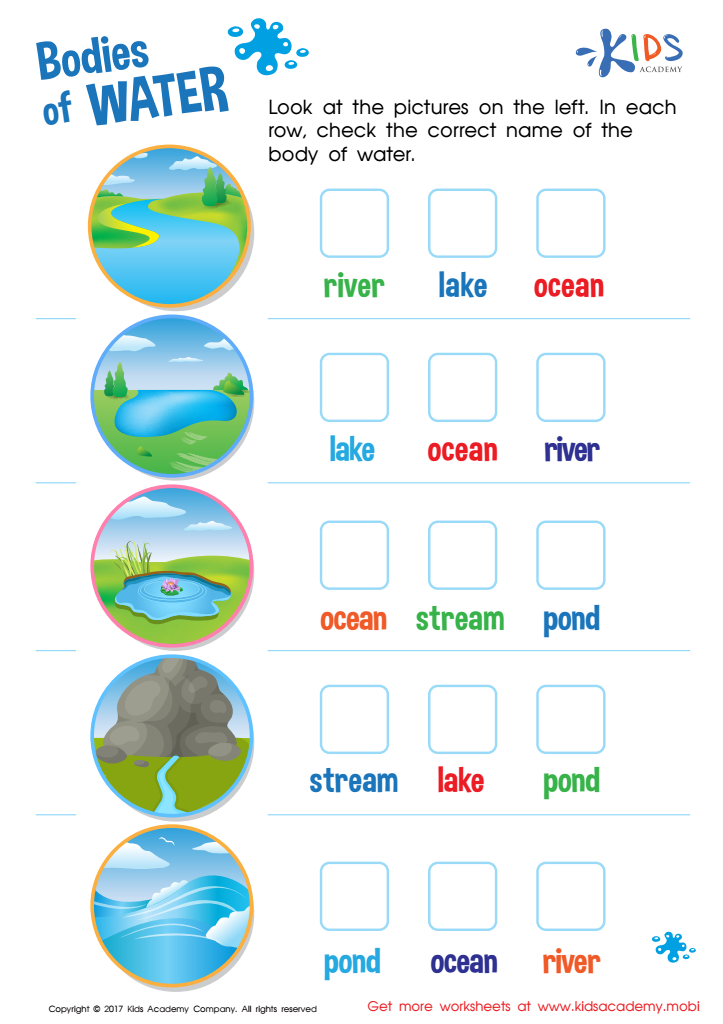
Bodies of Water Worksheet
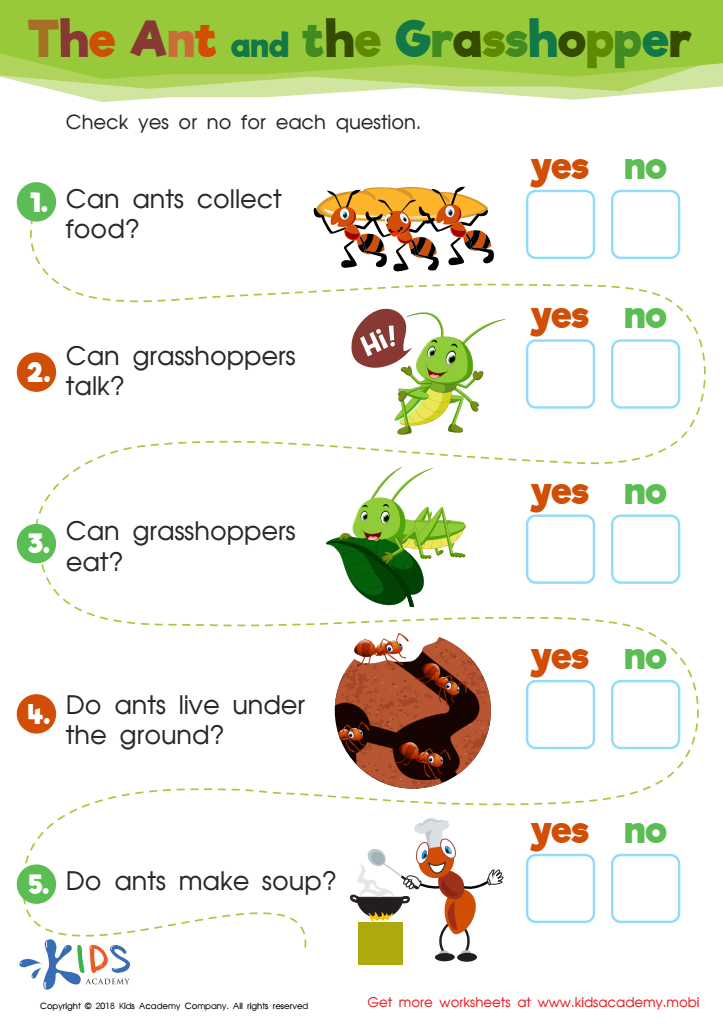
The Ant and The Grasshopper Worksheet
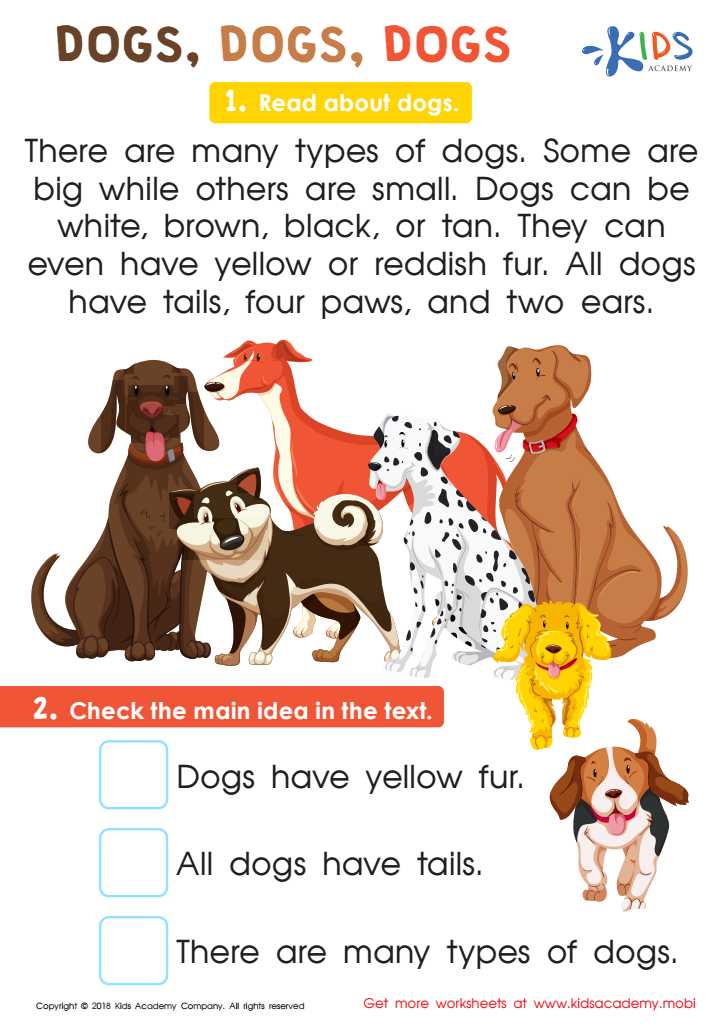
Dogs, Dogs Worksheet
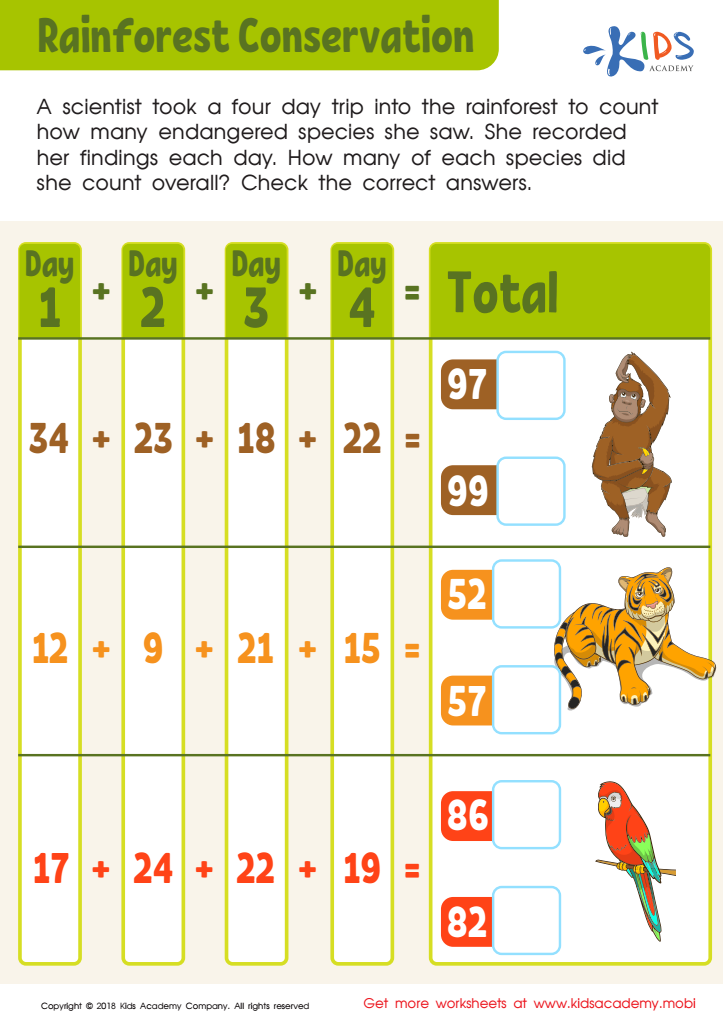
Rainforest Conservation Worksheet
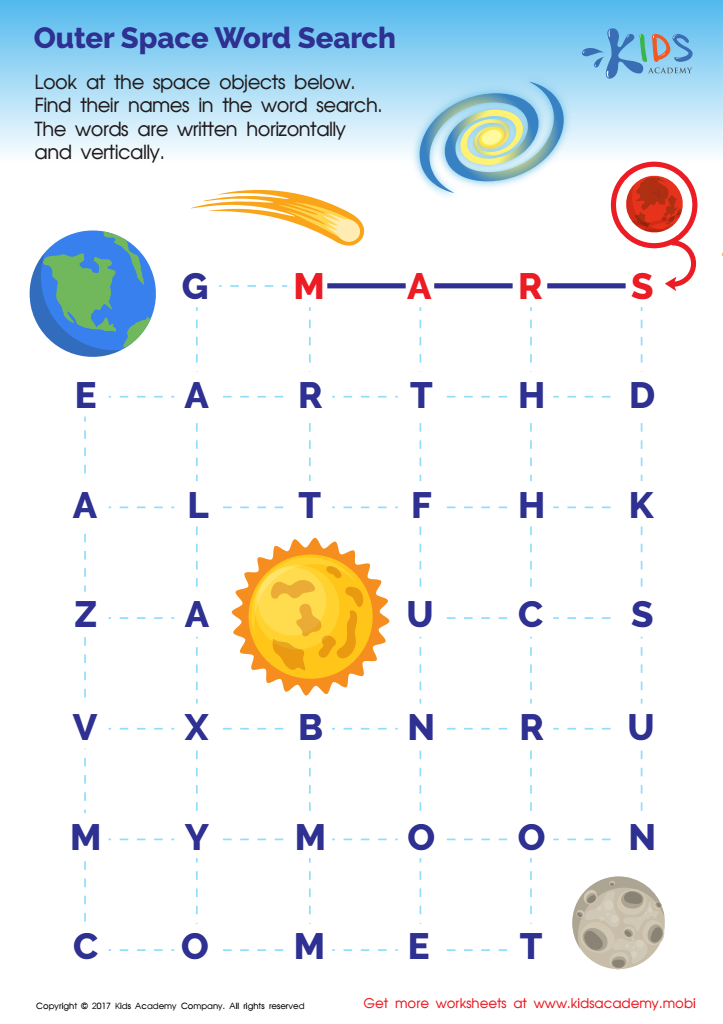
Outer Space Word Search Printable
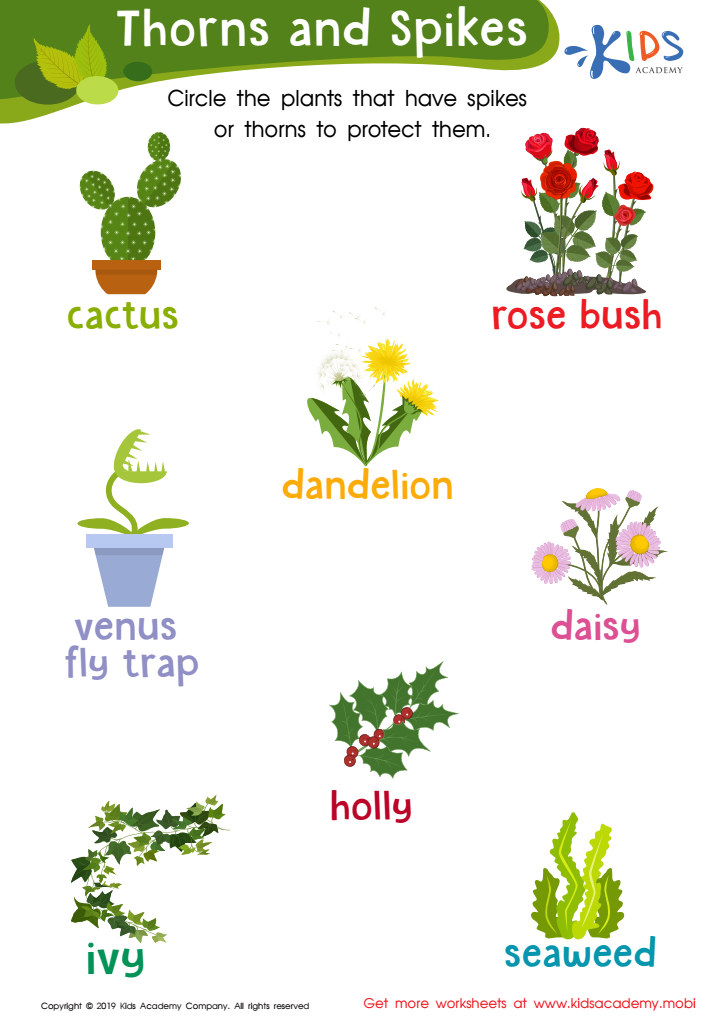
Thorns and Spikes Worksheet
Astronomer Coloring Page Worksheet
 Assign to My Students
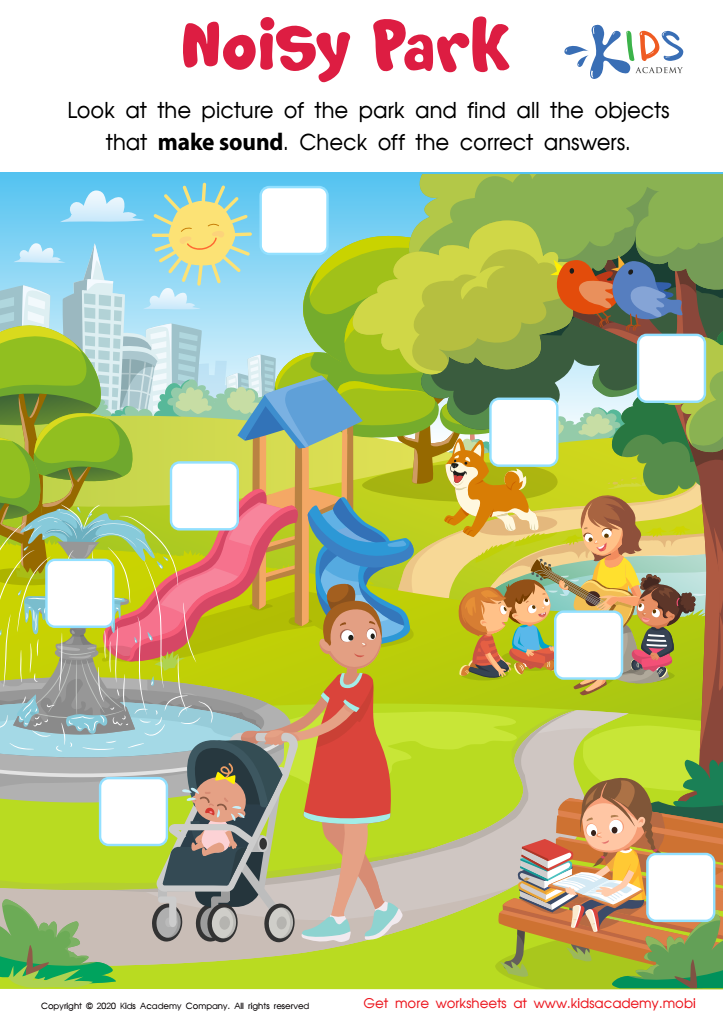
Noisy Park Worksheet
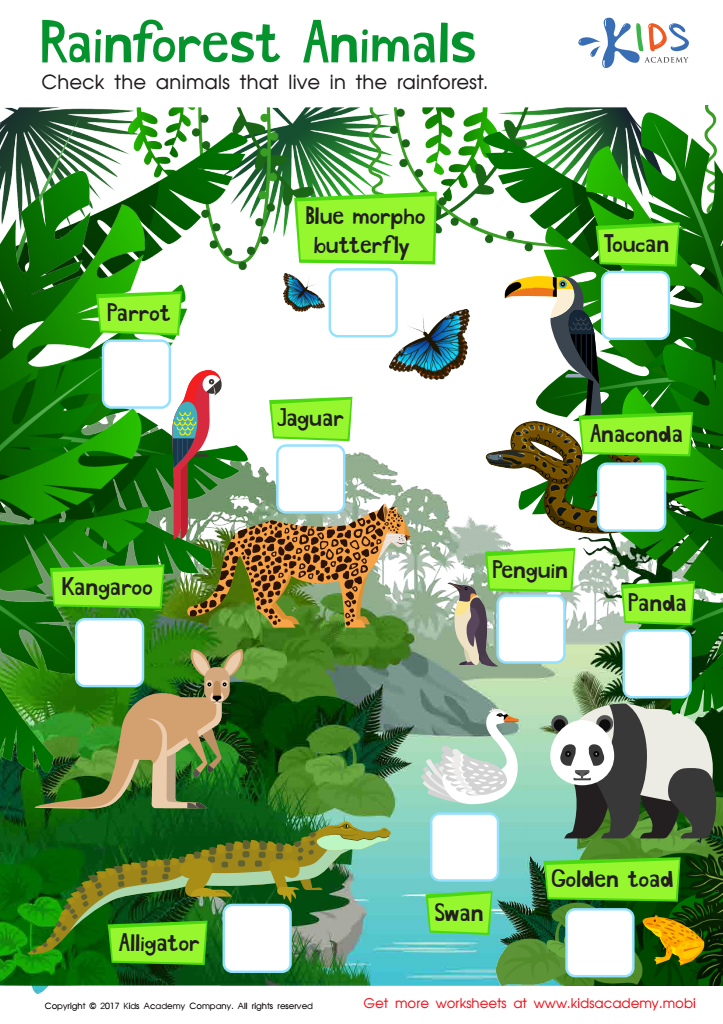
Rainforest Animals Worksheet
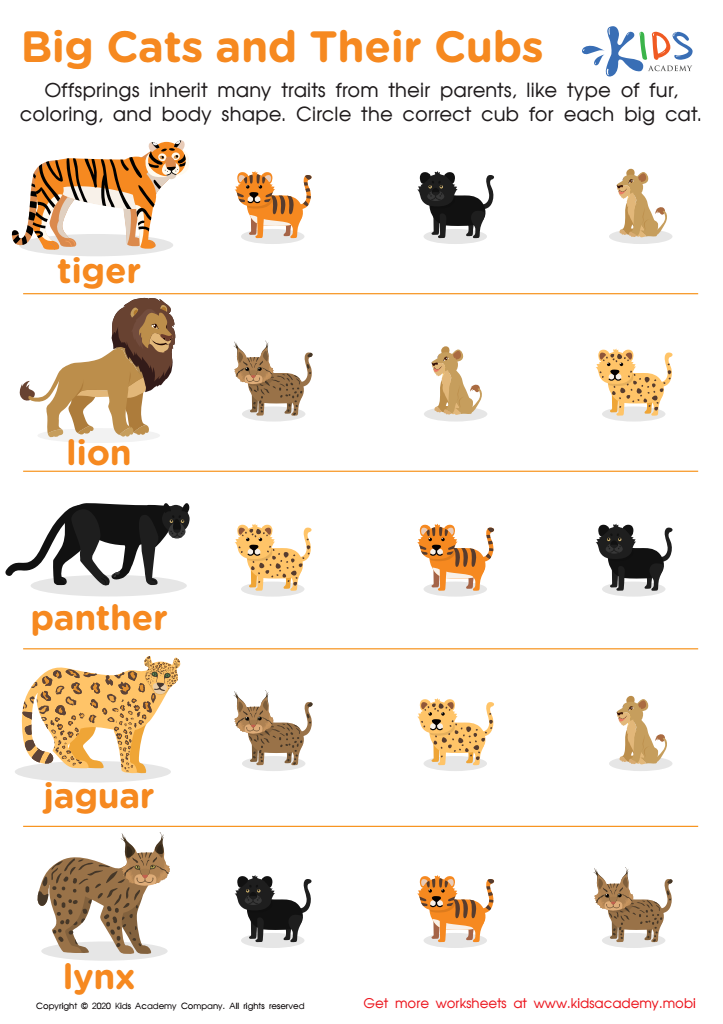
Big Cats and Their Cubs Worksheet
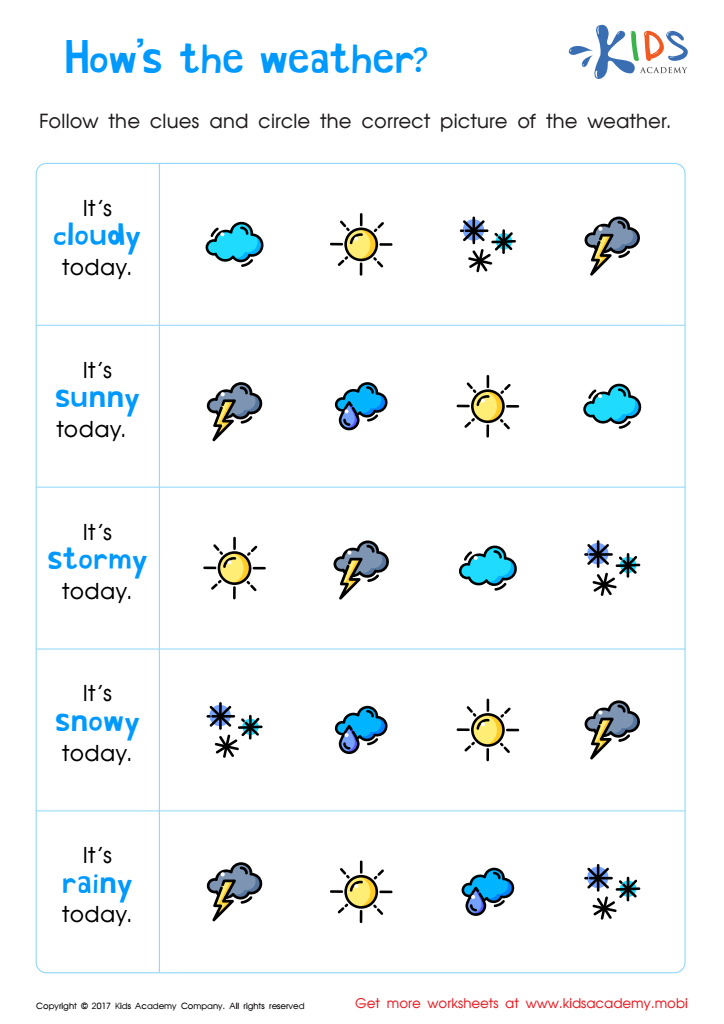
Hows the Weather Worksheet
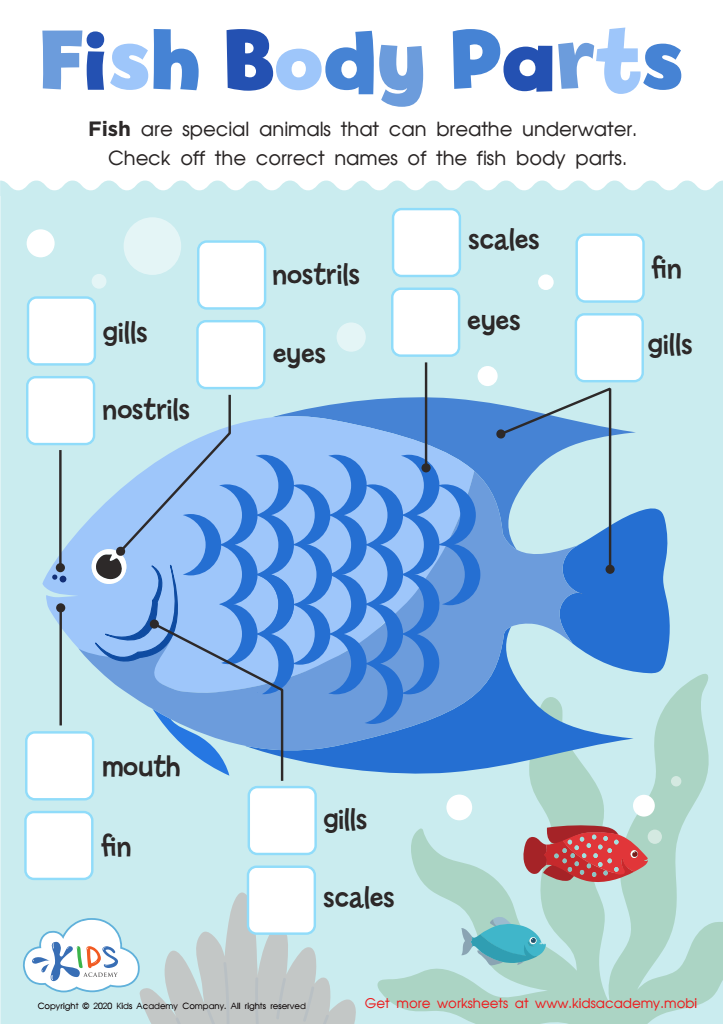
Fish Body Parts Worksheet
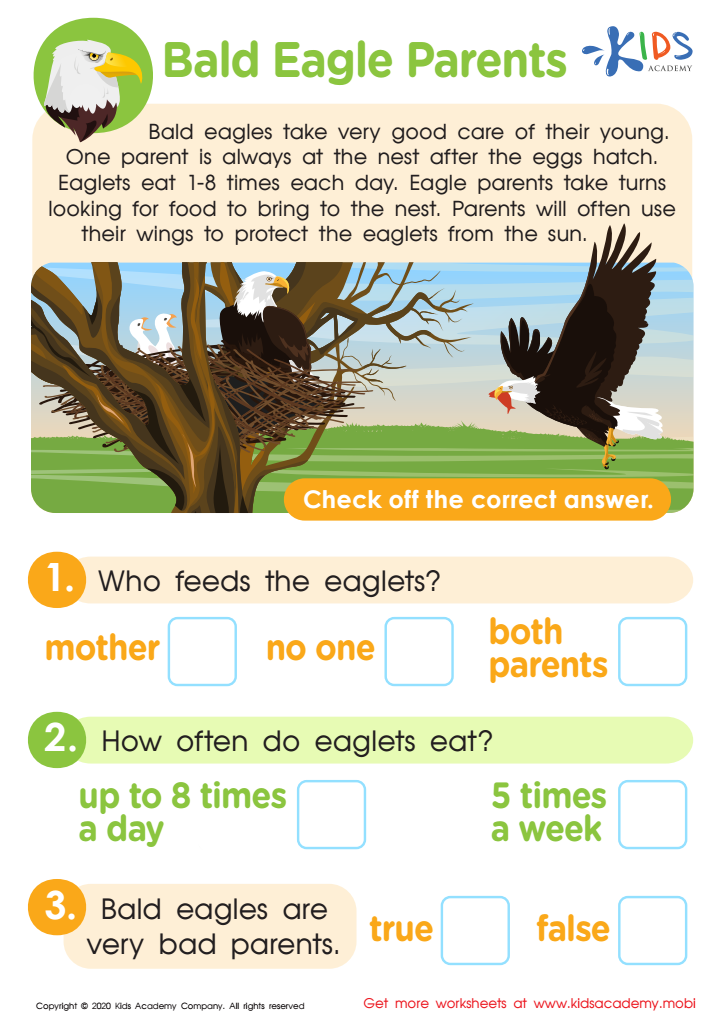
Bald Eagle Parents Worksheet
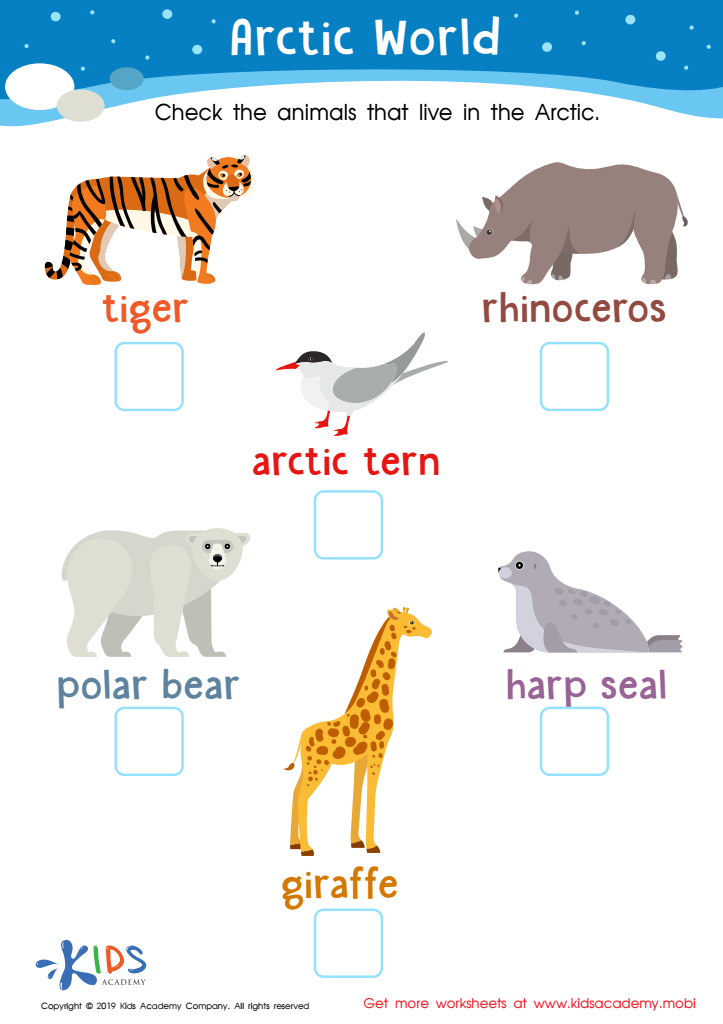
Arctic World Worksheet
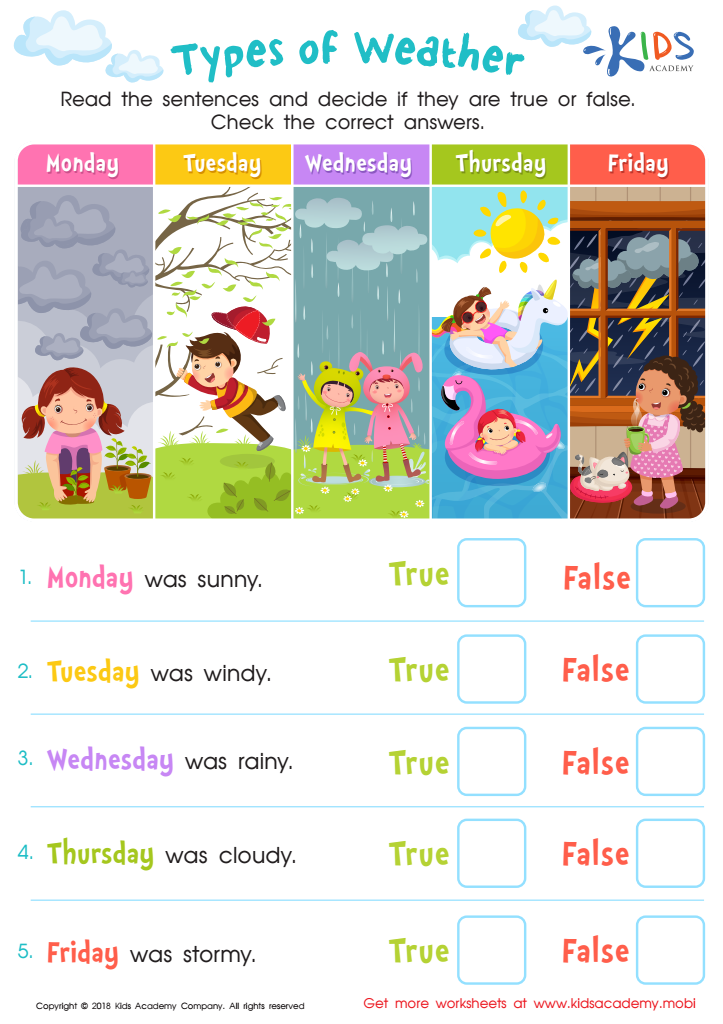
Types of Weather Worksheet
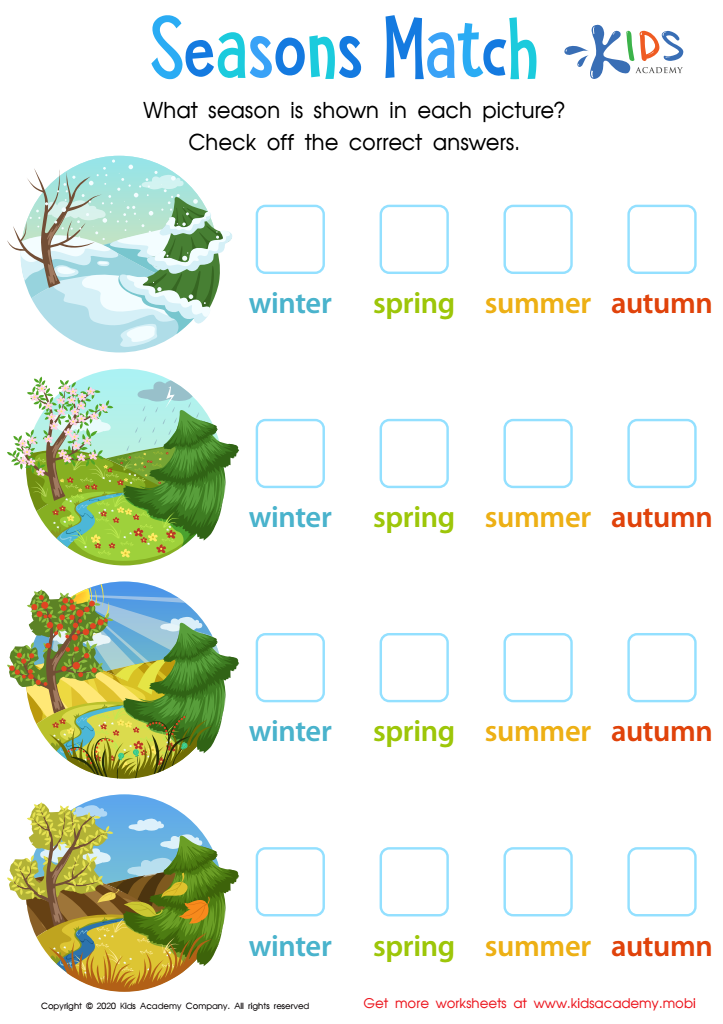
Seasons Match Worksheet
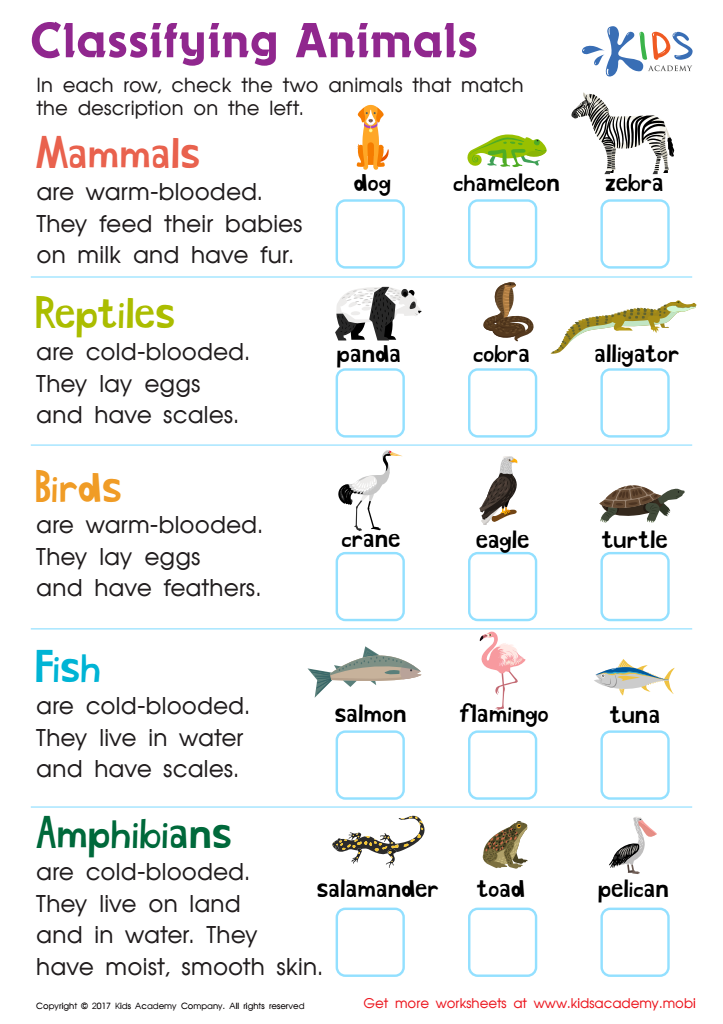
Classifying Animals Worksheet
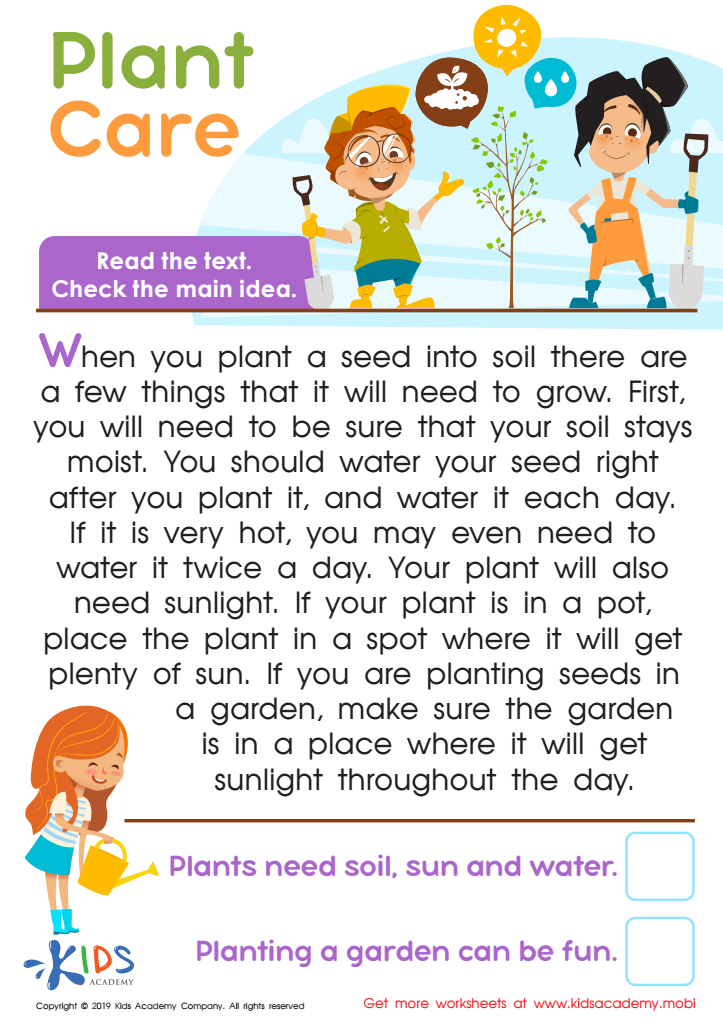
Plant Care Worksheet
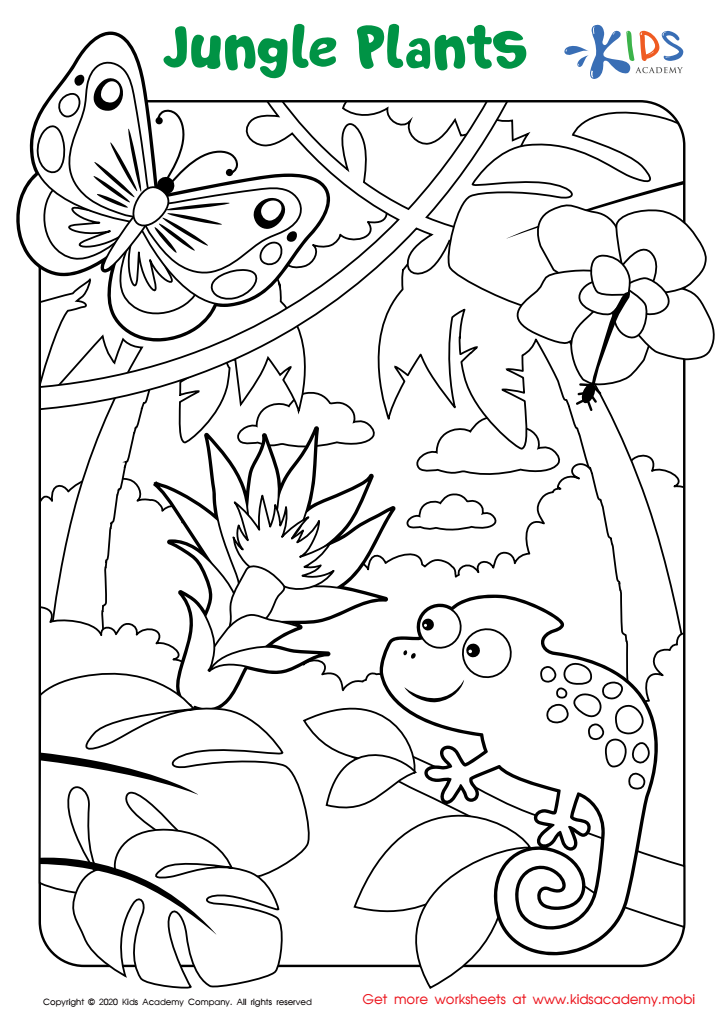
Jungle Plants Worksheet
Assign to My Students
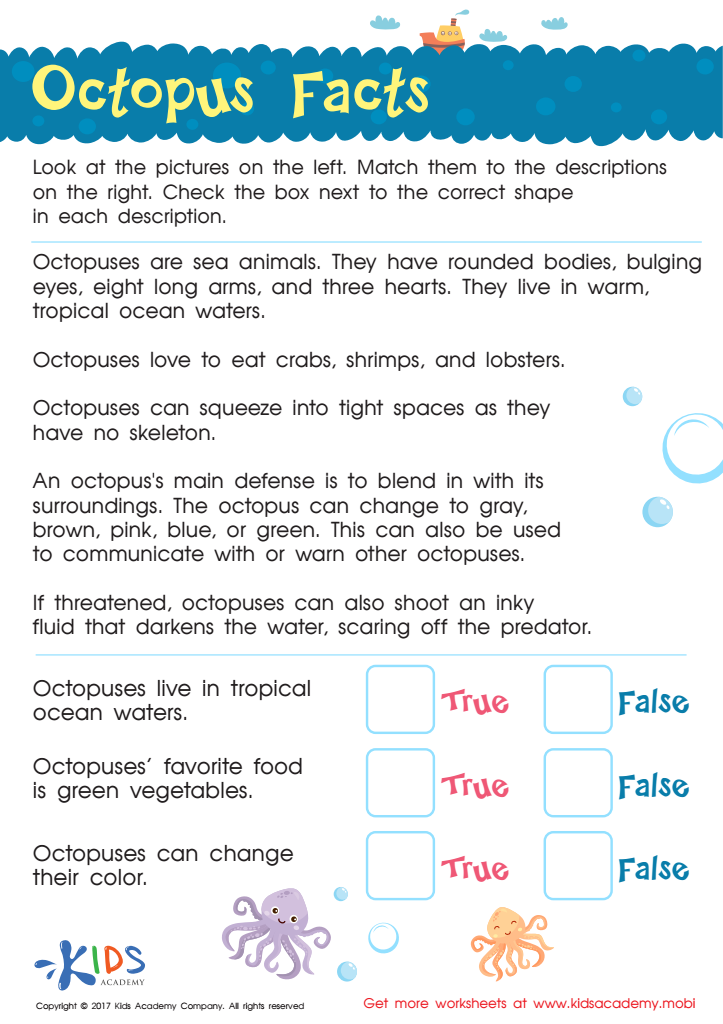
Octopus Facts Worksheet For Kids
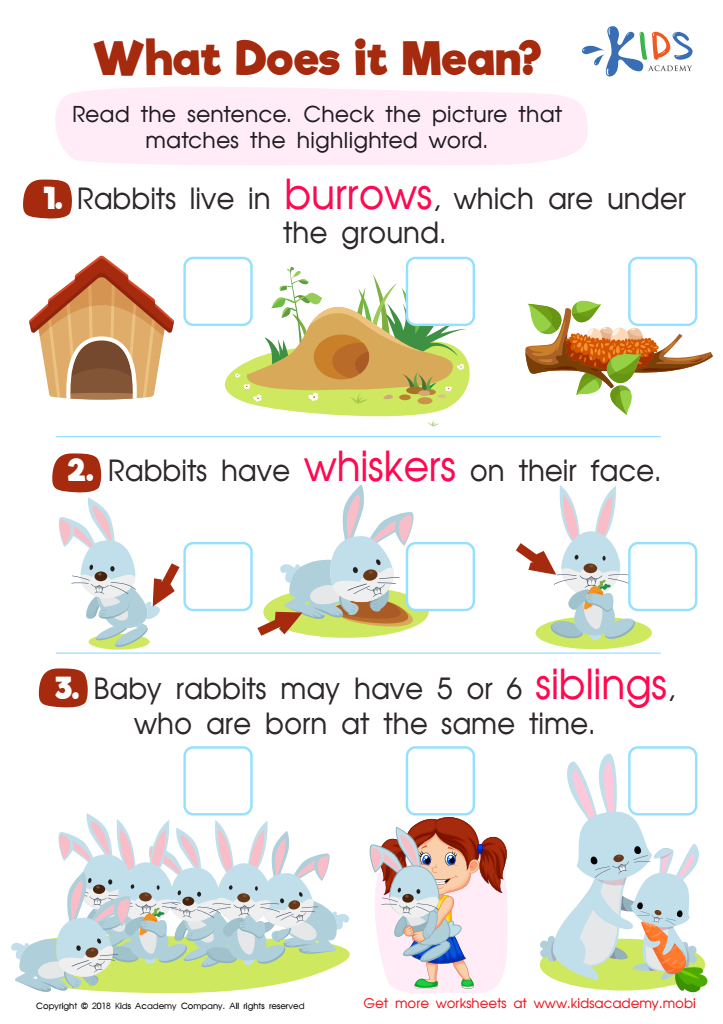
What Does It Mean? Worksheet
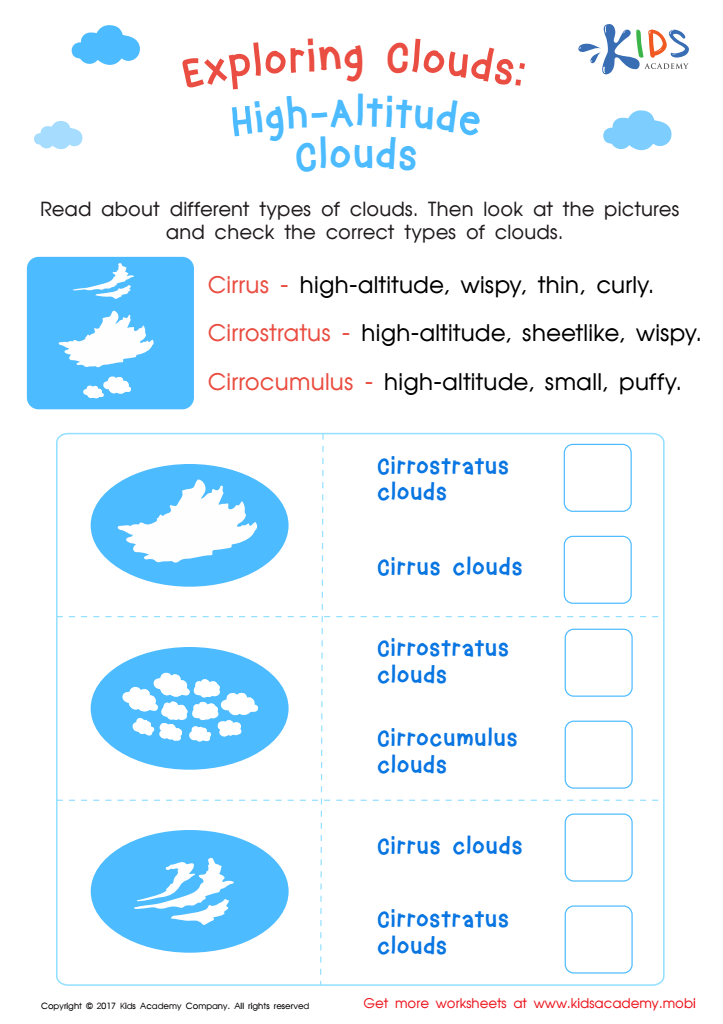
Exploring Clouds: High Altitude Clouds Worksheet
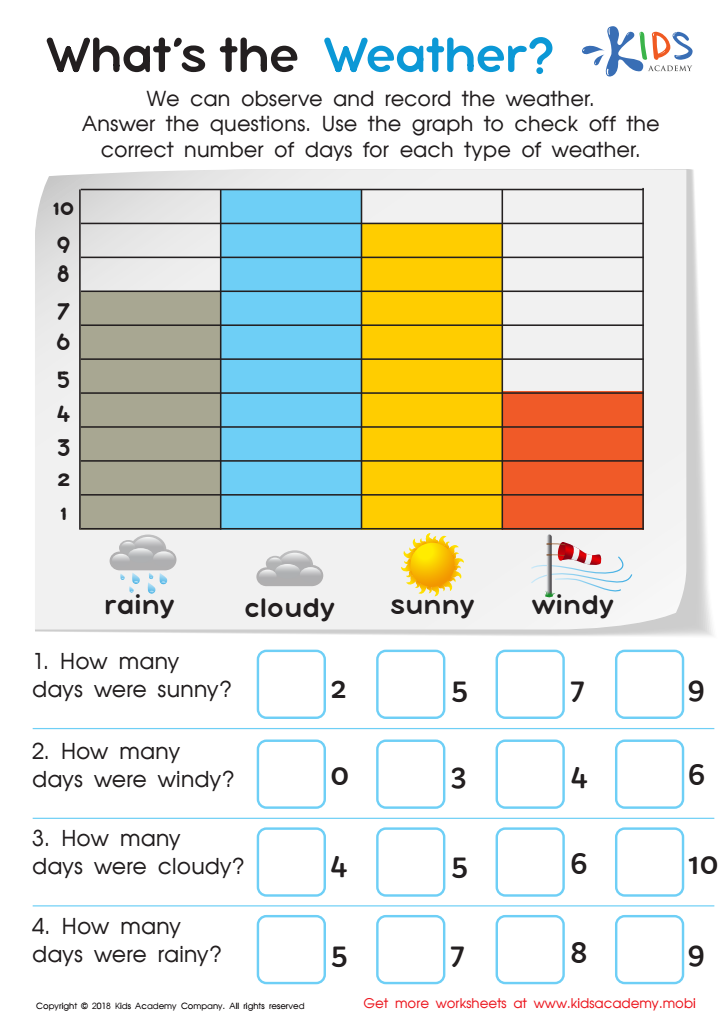
What's the Weather? Worksheet







Vocabulary expansion is crucial during the ages of 3-7 as it lays the foundation for a child’s future social, academic, and cognitive development. In these formative years, children's brains are remarkably receptive to learning new words, making it an ideal time to build a rich and varied vocabulary.
Firstly, a robust vocabulary enhances communication skills. Young children who are exposed to a wide array of words are better able to express their thoughts, needs, and emotions. This ability to articulate not only improves social interactions but also boosts their confidence and participation in classroom activities.
Secondly, vocabulary is closely tied to reading comprehension. By learning more words, children can understand texts more easily, fostering a love for reading. This love for reading will, in turn, expose them to even more words, creating a positive feedback loop that enhances overall literacy.
Finally, vocabulary development supports cognitive skills. Knowing more words helps children label and categorize their world more effectively, aiding in problem-solving and critical thinking. Teachers and parents play a key role in this; they can expand children’s vocabularies through everyday conversations, read-alouds, and engaging educational activities.
In summary, a strong vocabulary not only supports young children's immediate communication and social skills but also sets the stage for long-term academic success and intellectual growth. This makes it an essential focus for parents and teachers alike.







