Vocabulary enhancement Alphabet Worksheets for Ages 3-8 - Page 2
69 filtered results
-
From - To
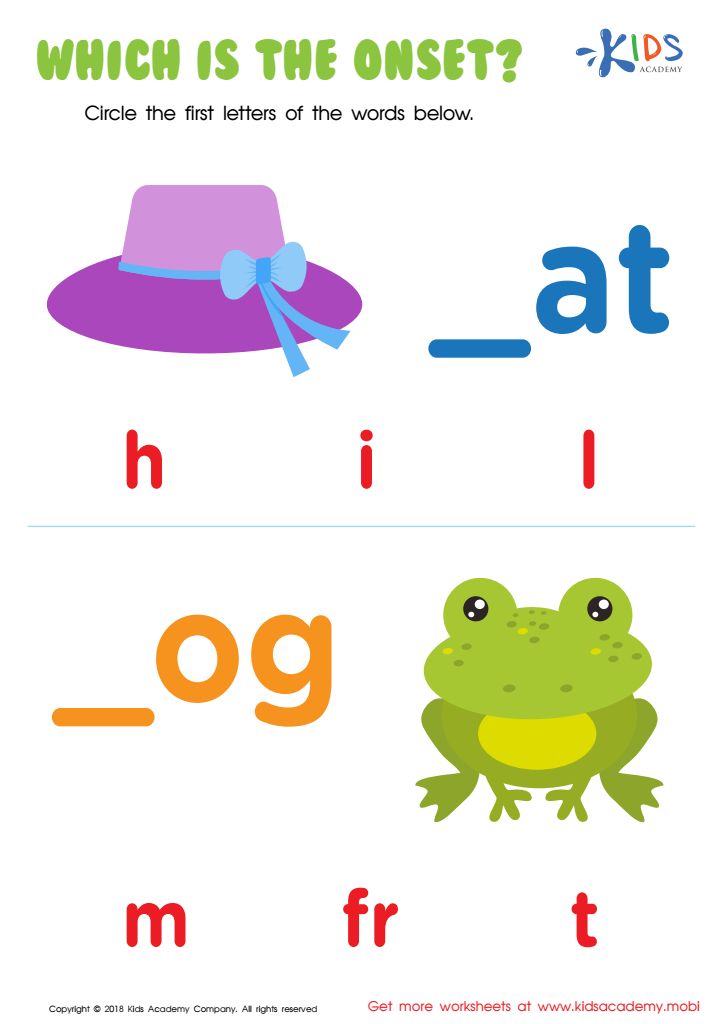
Which Is the Onset? Worksheet
 Assign to My Students
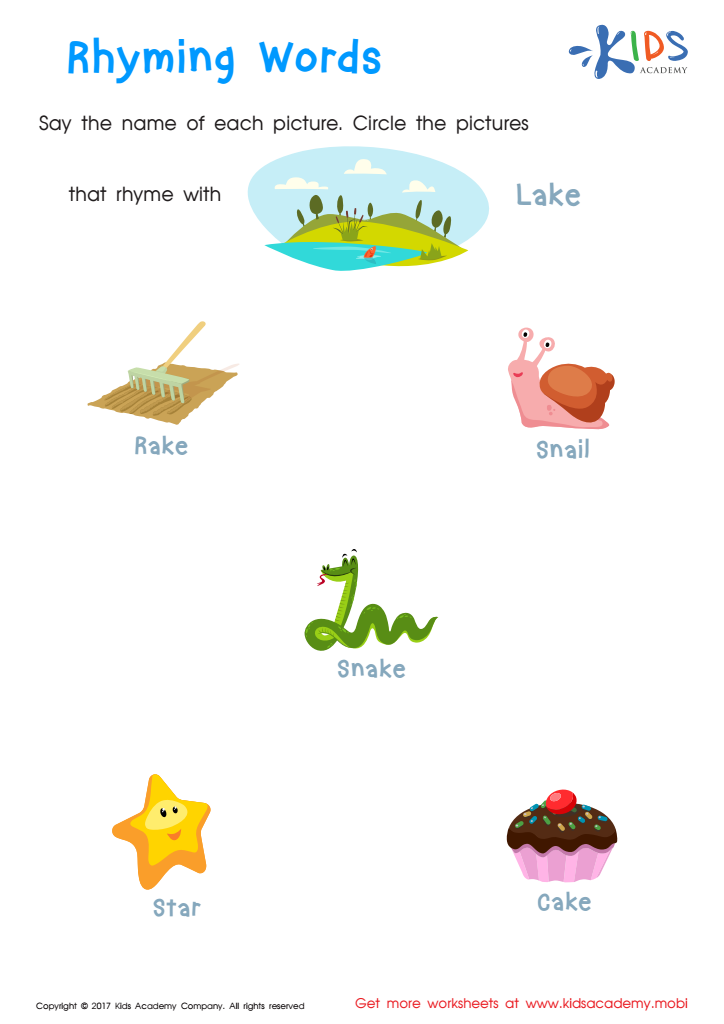
Rhyming Words Rhyming Worksheet
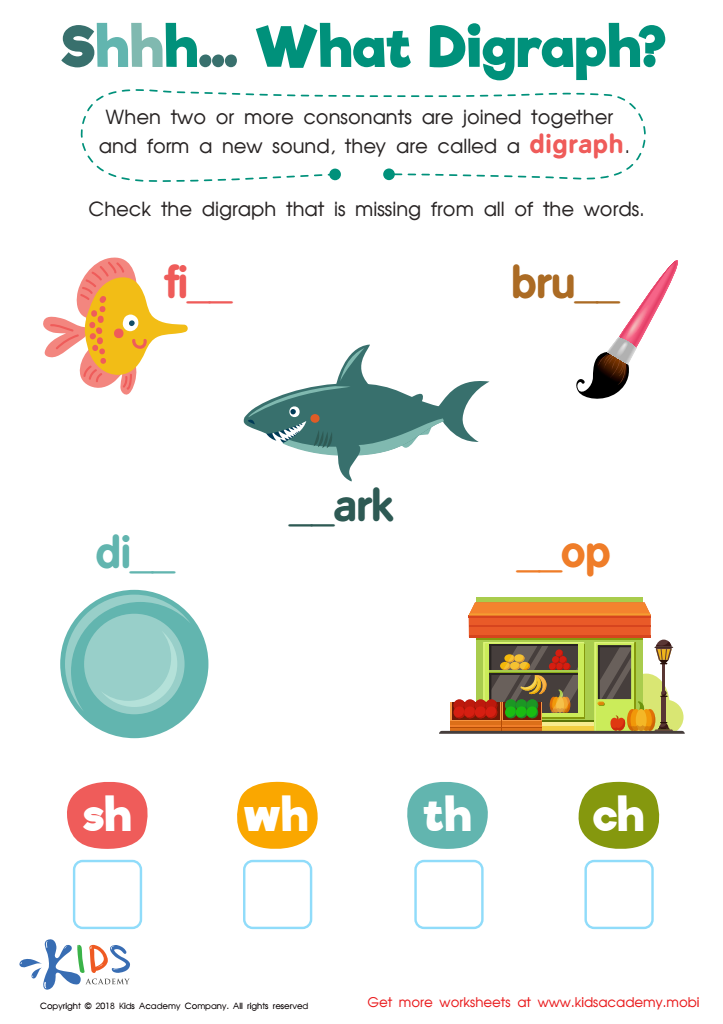
Shhh... What Digraph? Worksheet
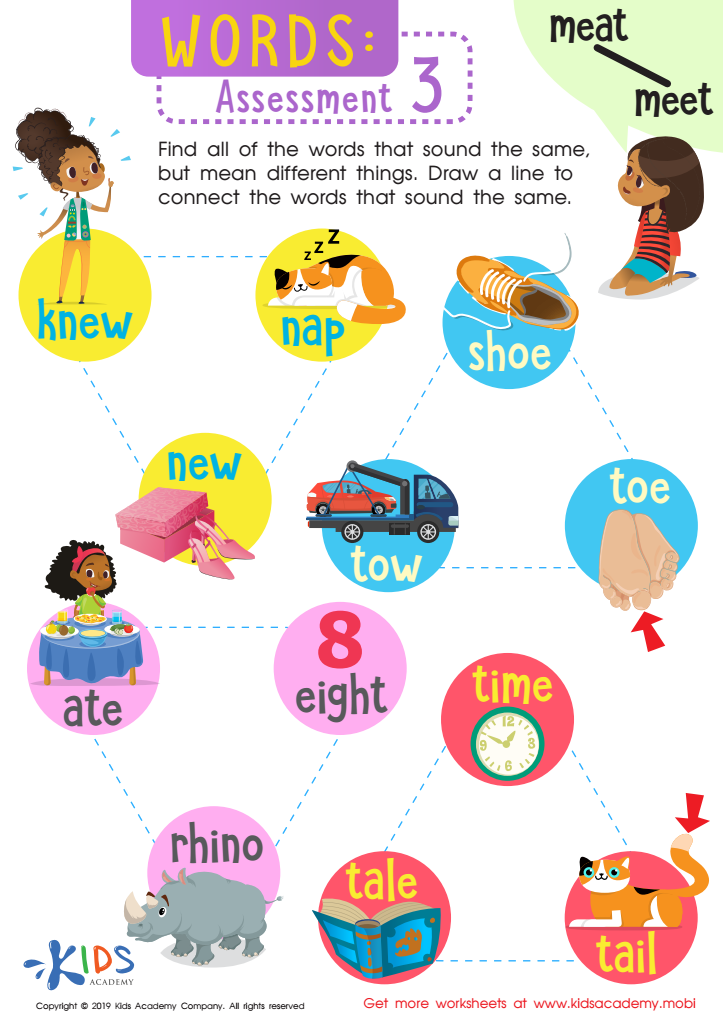
Words: Asessment 3 Worksheet
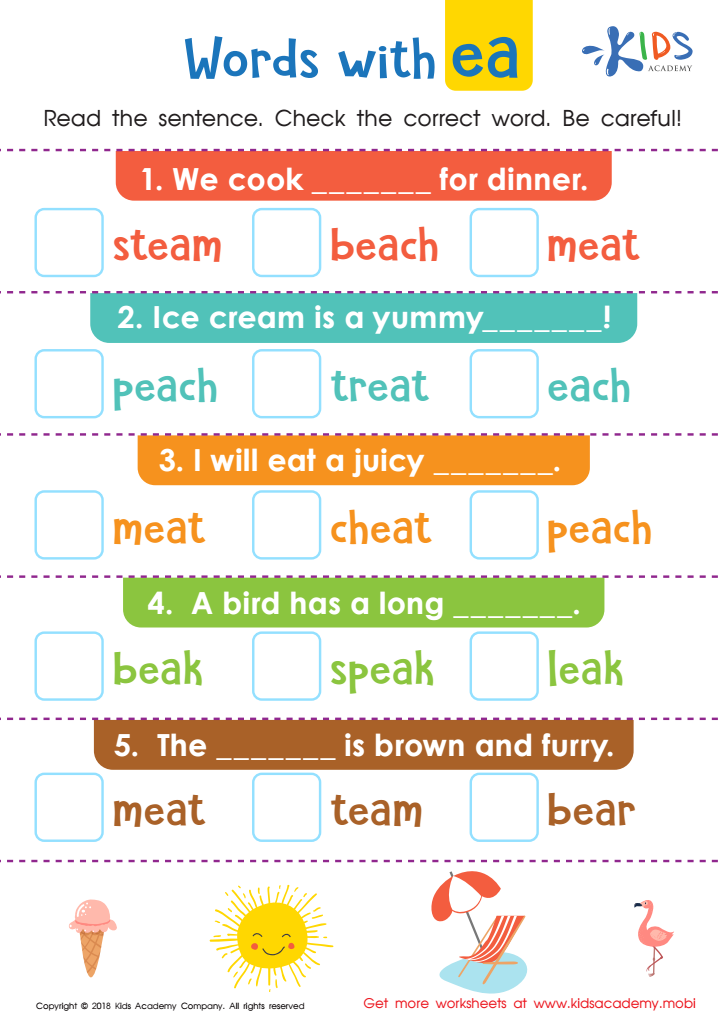
Words with ea Worksheet
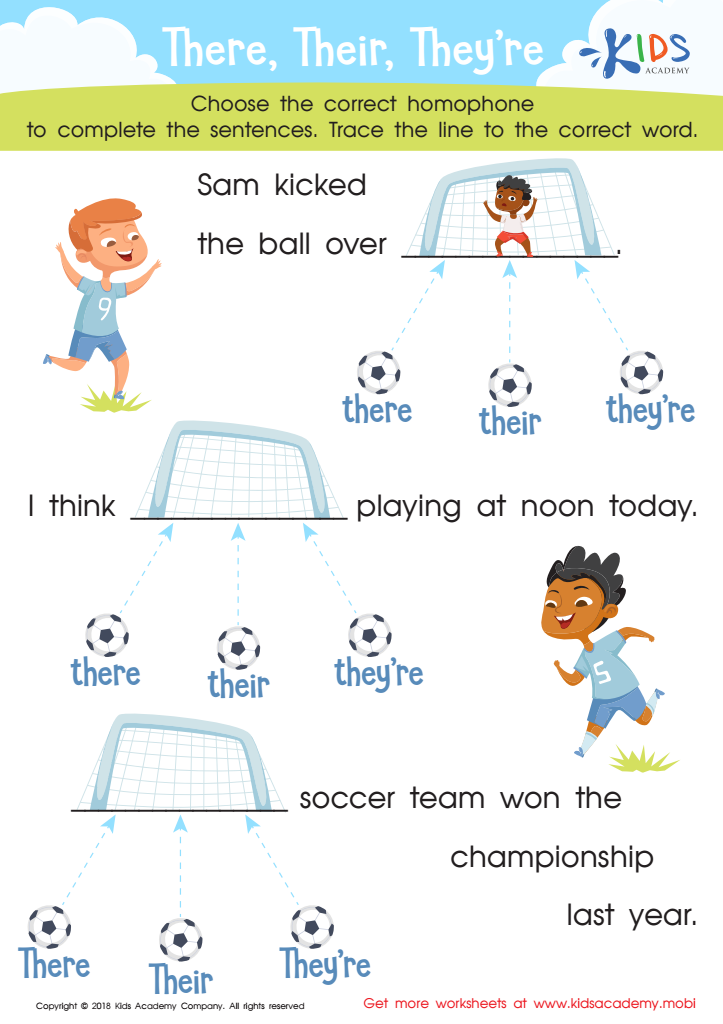
There, Their, They're Worksheet
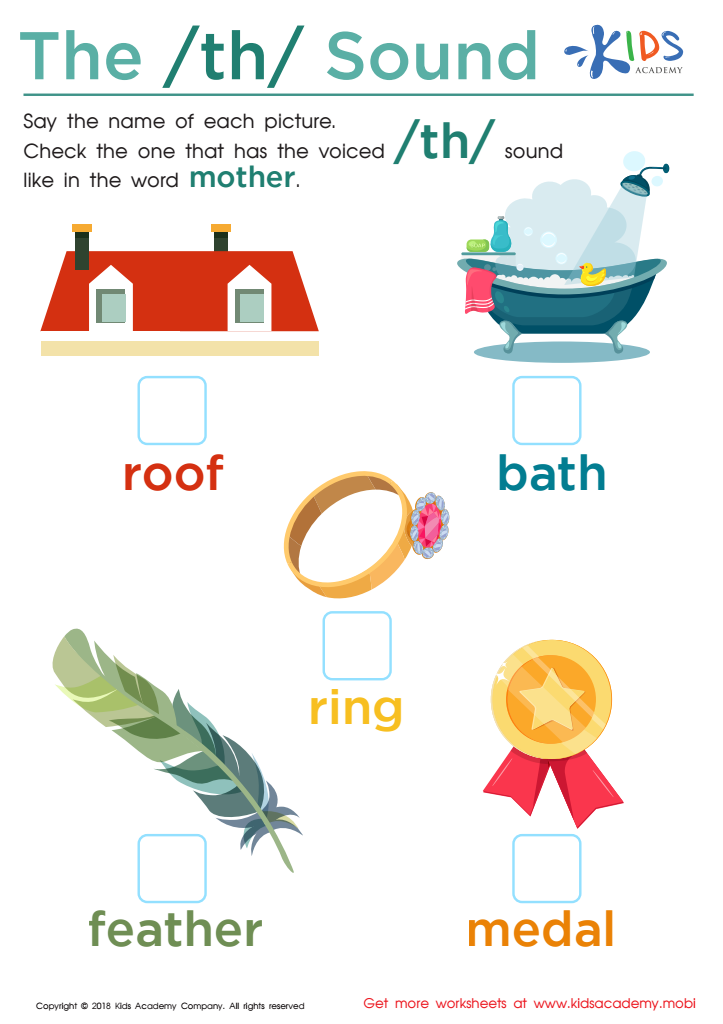
The /th/ Sound Worksheet
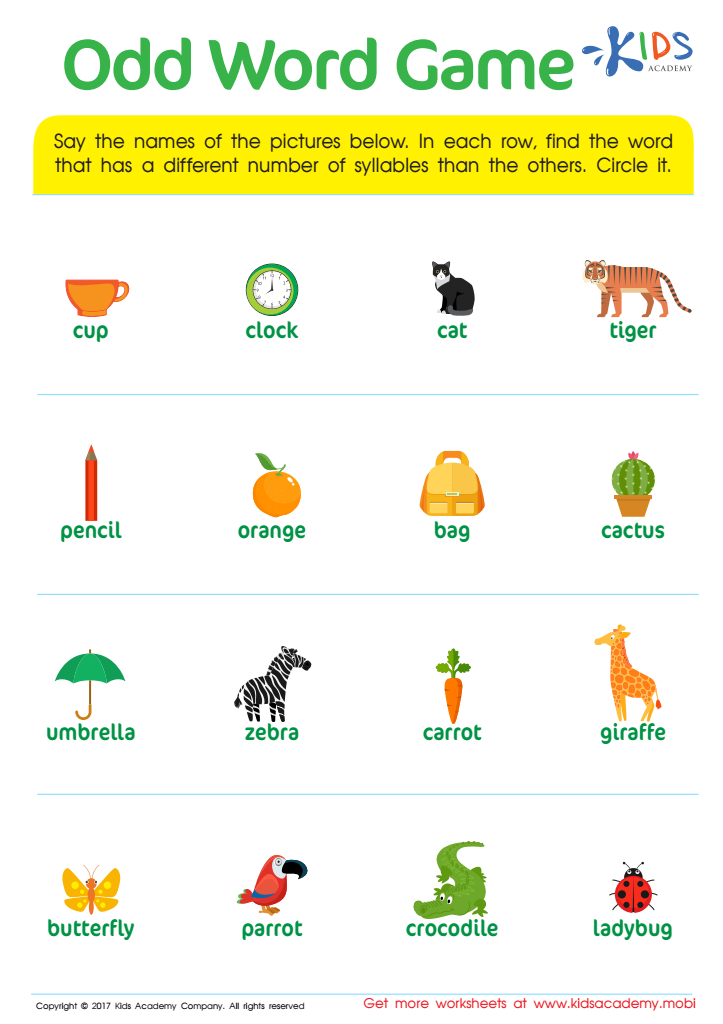
Count Syllables: Odd Word Game Worksheet
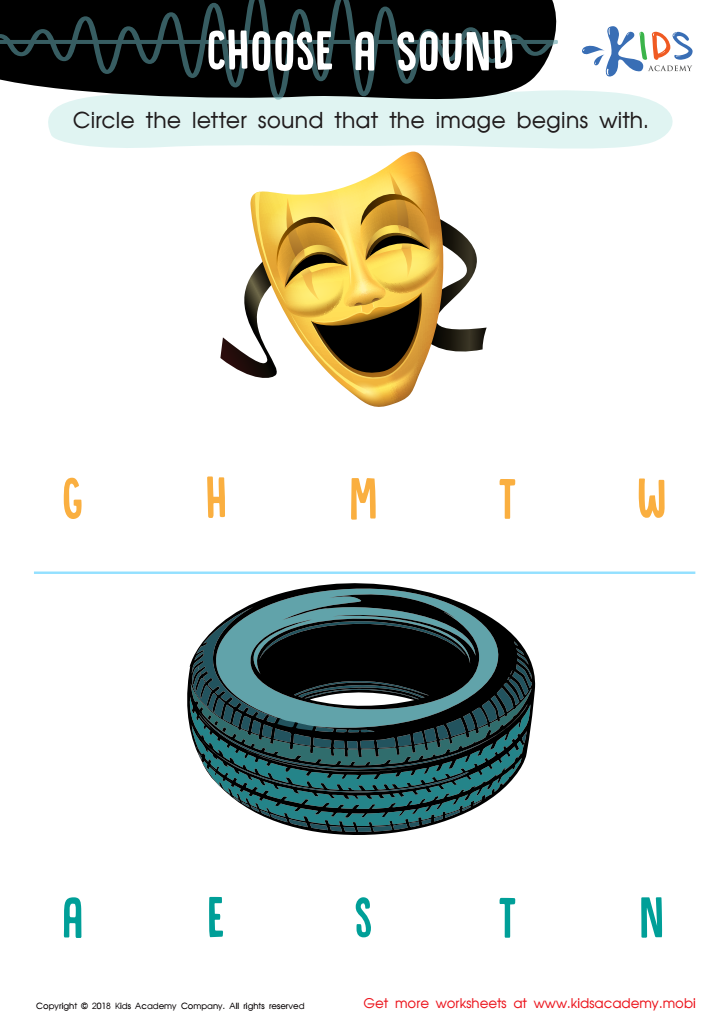
Choose a Sound Worksheet
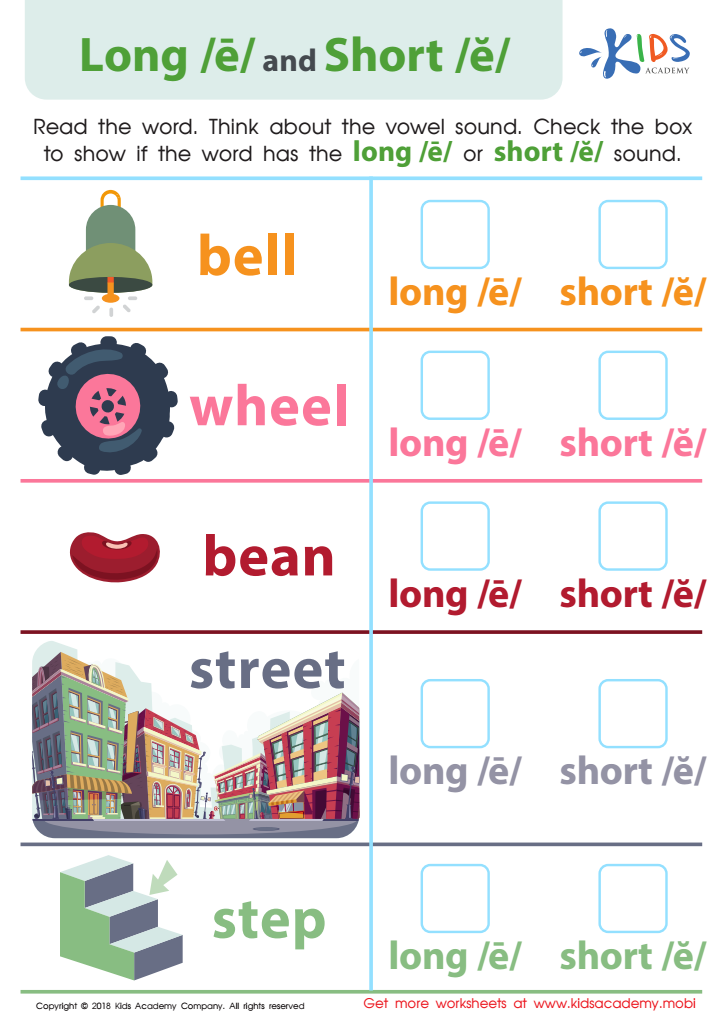
Reading: Long E and Short E Worksheet
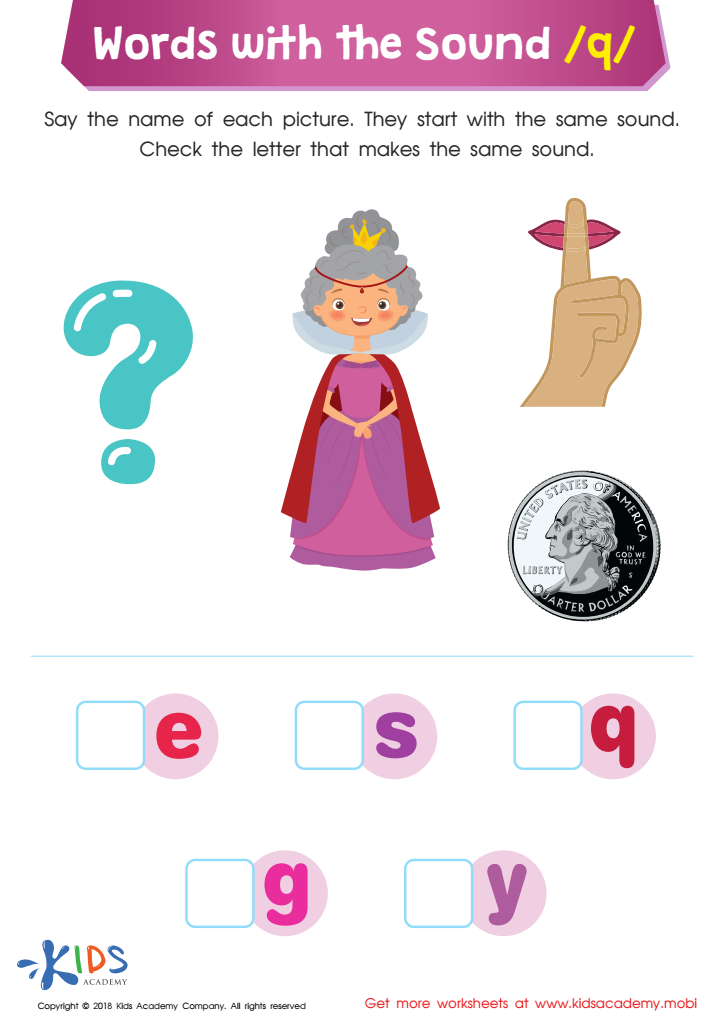
Words with Sound Q Reading Worksheet
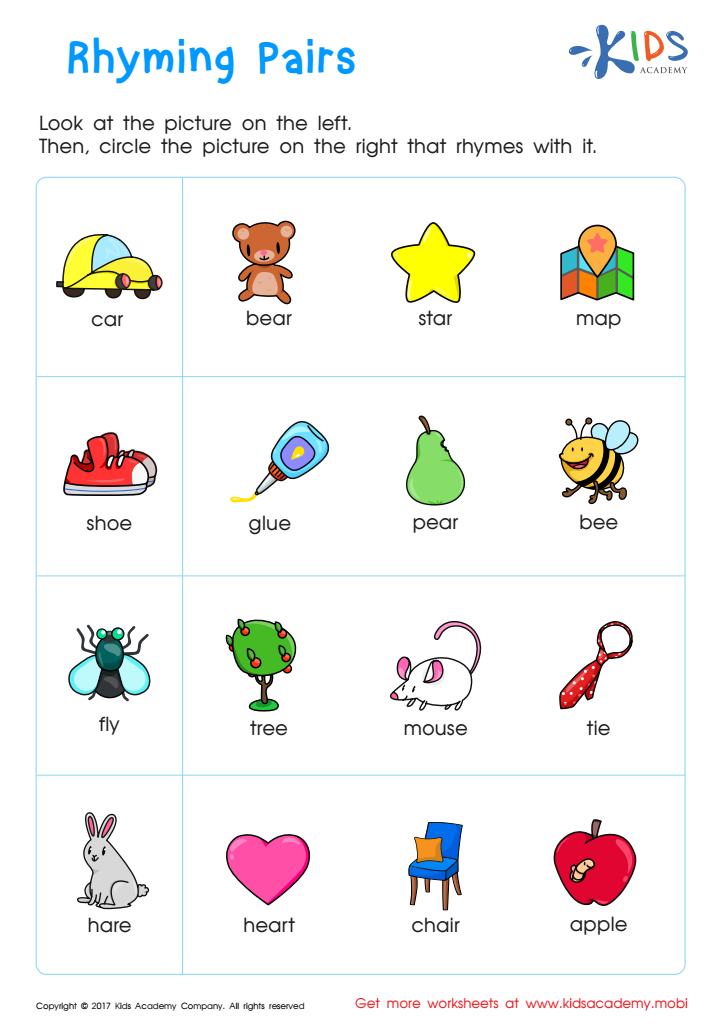
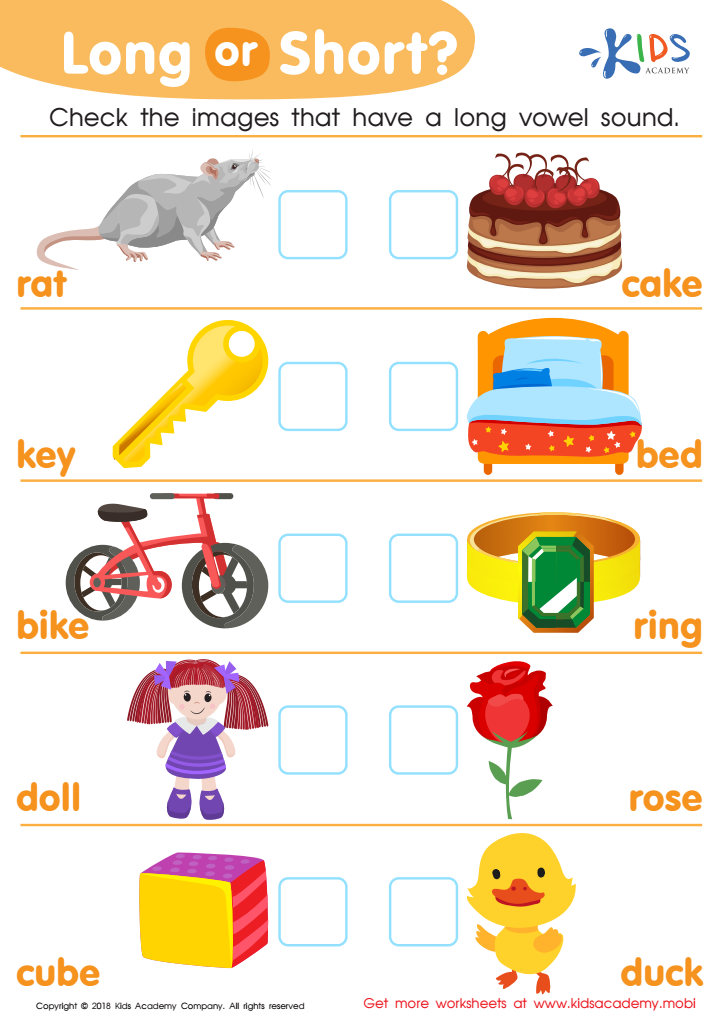
Long or Short Reading Worksheet
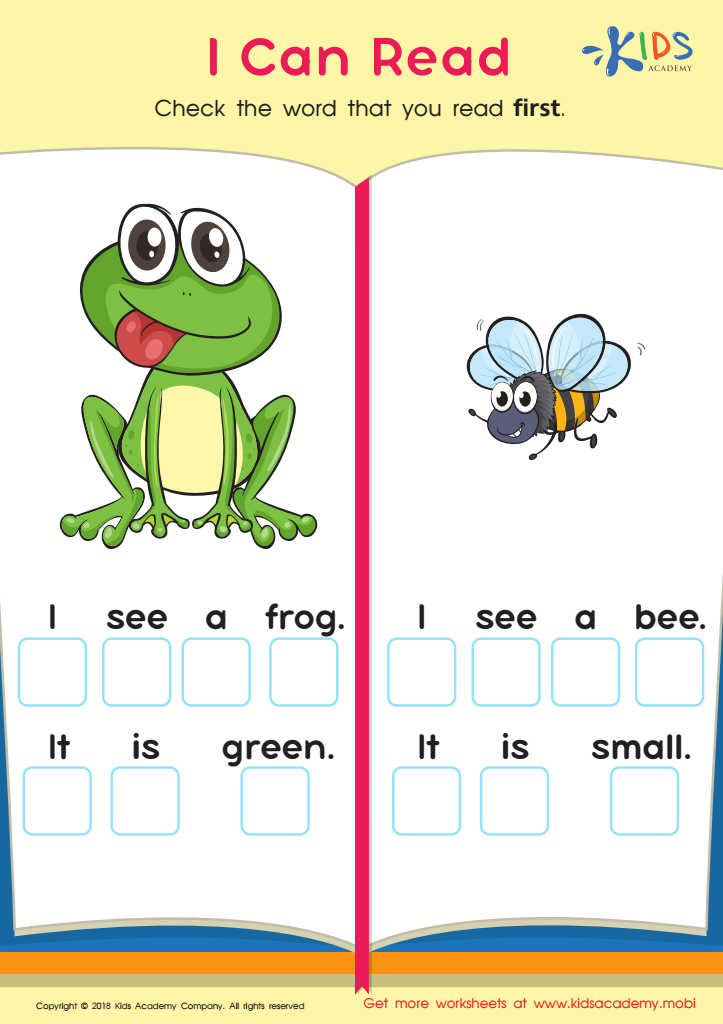
I Can Read Worksheet
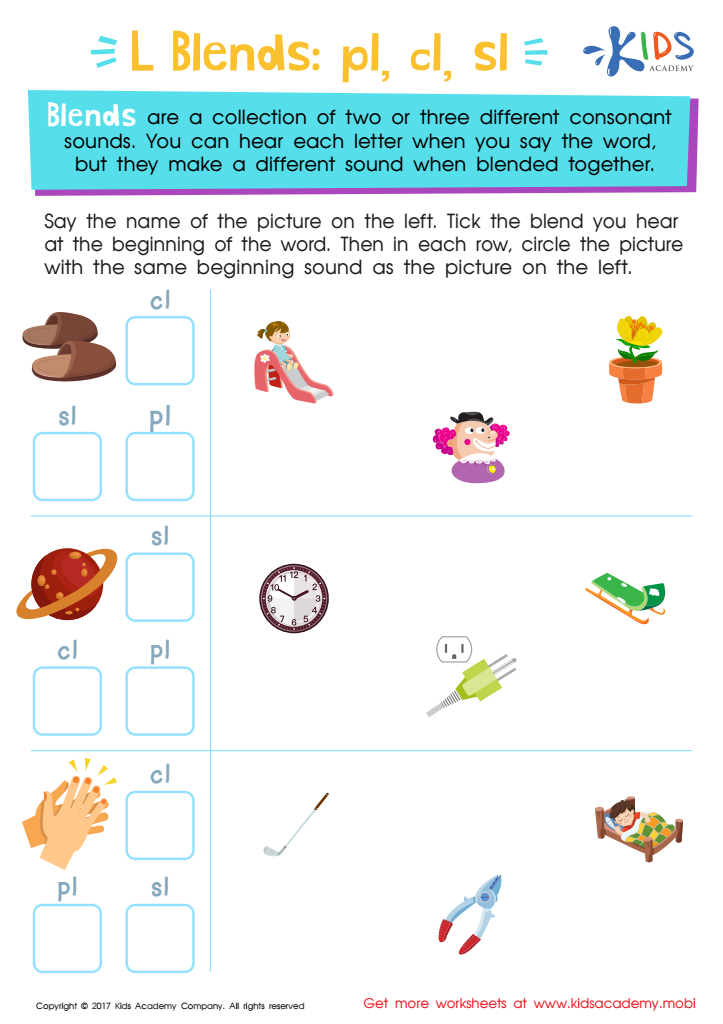
L Blends: "Pl", "Cl" and "Sl" Printable
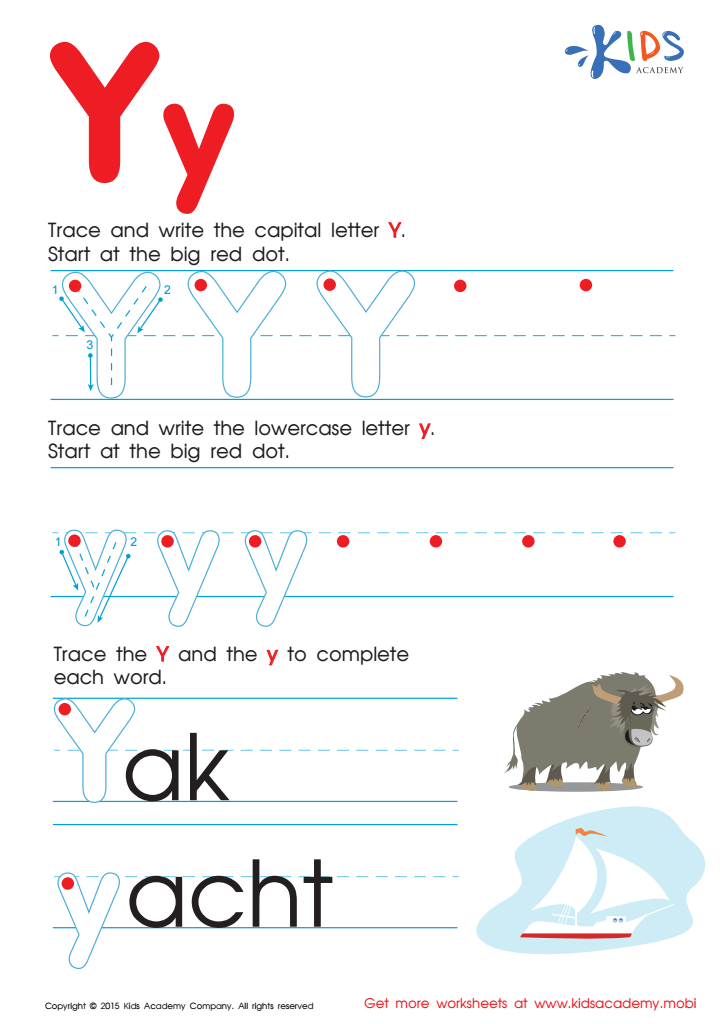
Letter Y Tracing Page
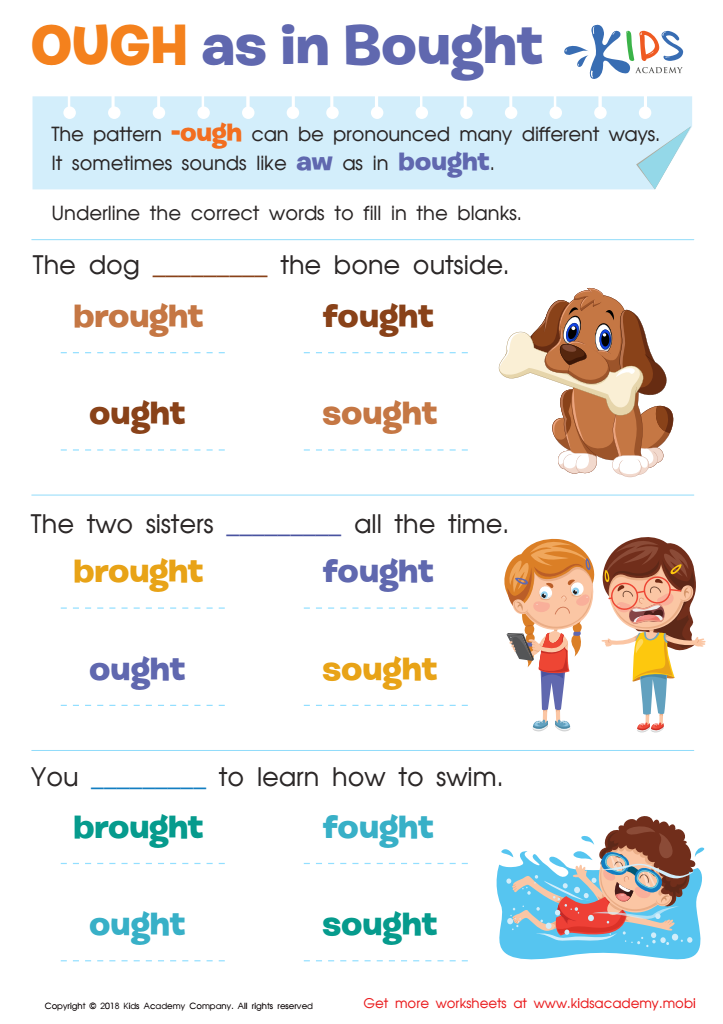
OUGH as in Bought Worksheet
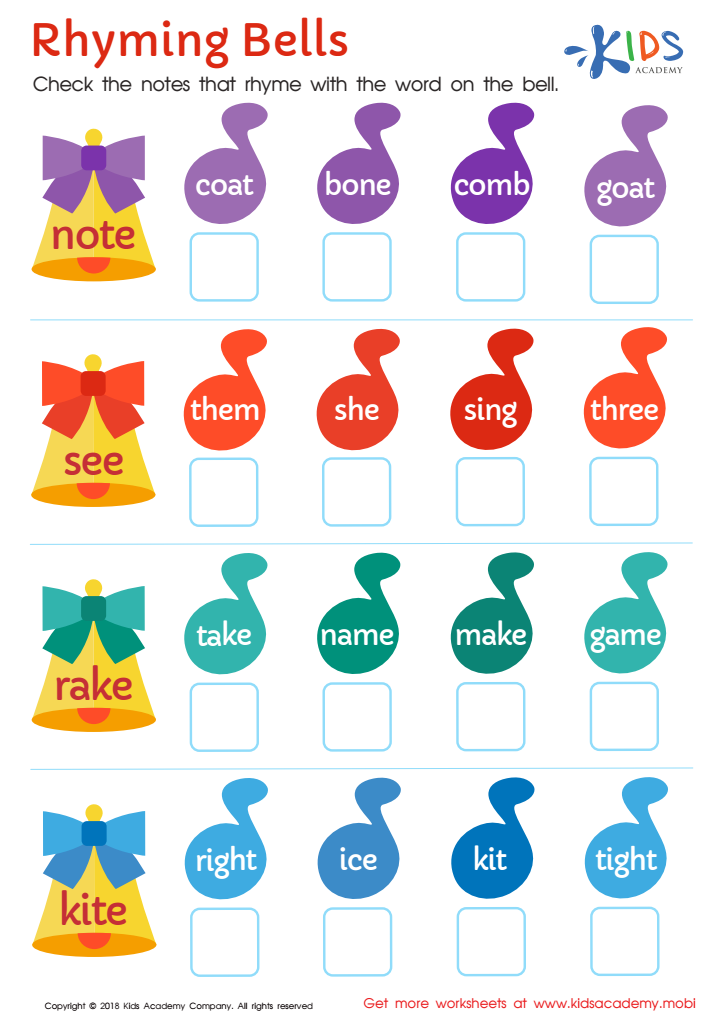
Rhyming Bells Worksheet
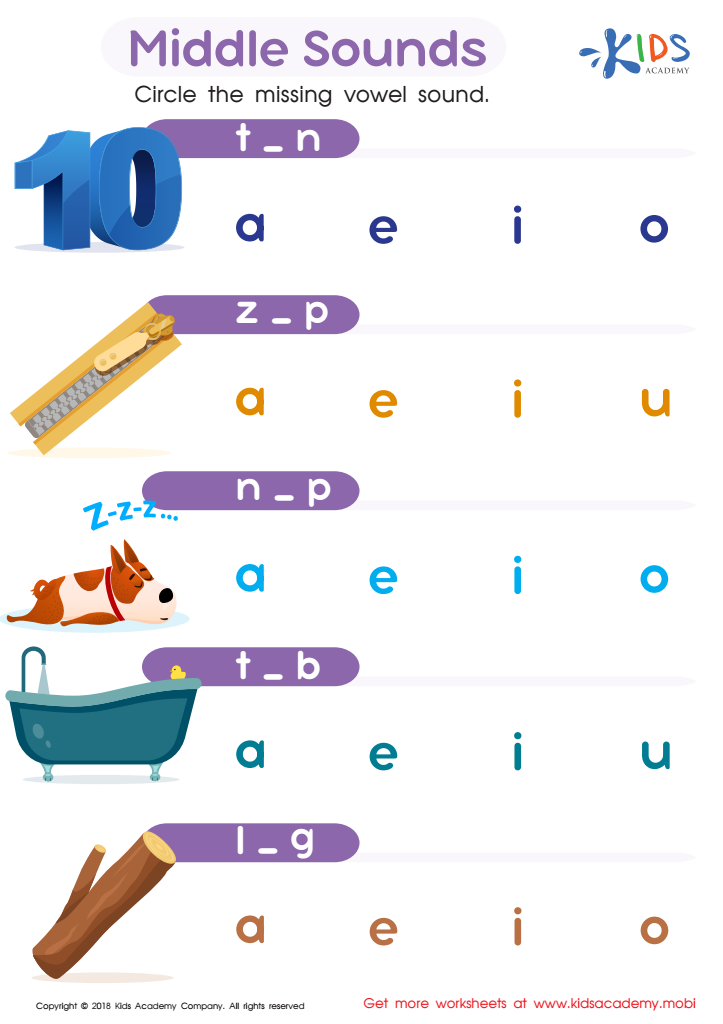
Middle Sounds Worksheet
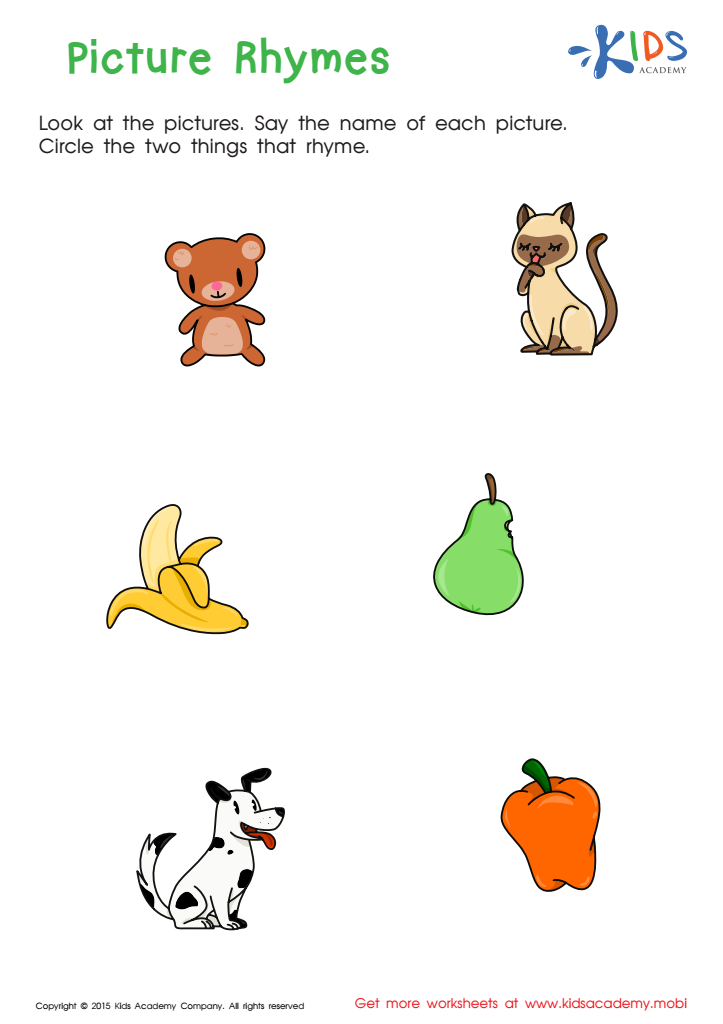
First Words: Picture Rhymes Worksheet
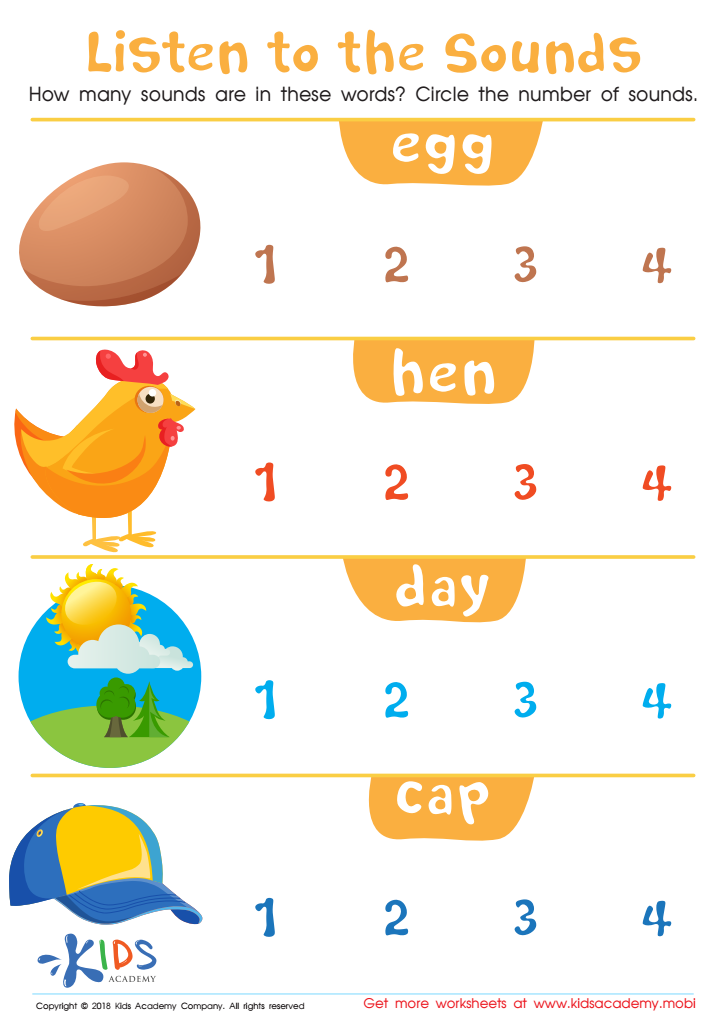
Listen to the Sounds Worksheet
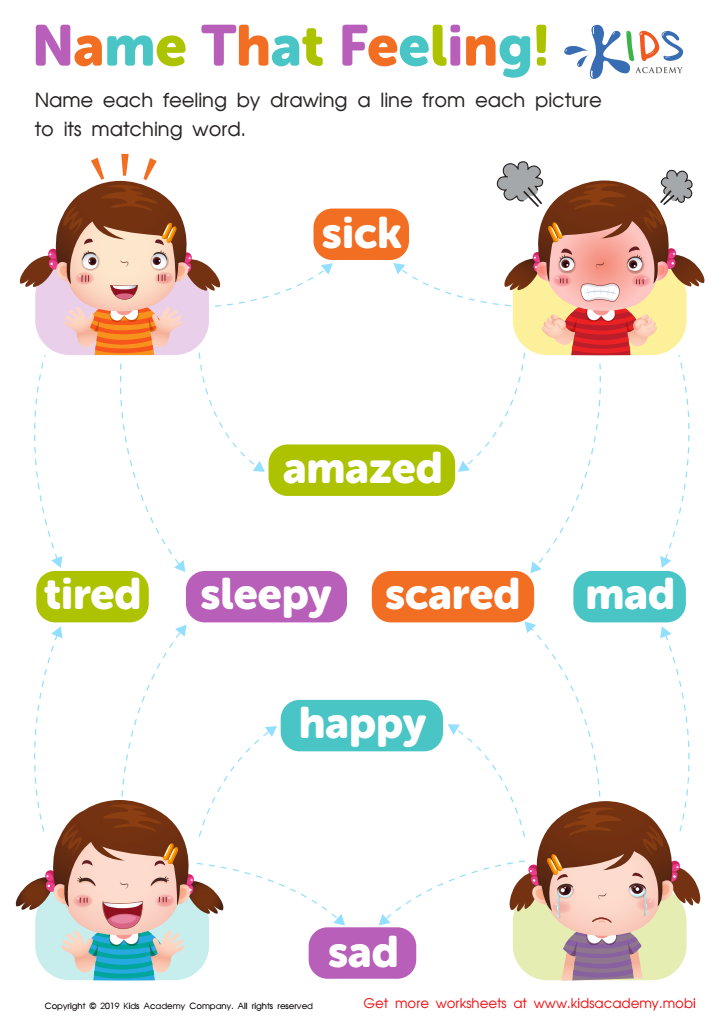
Name that Feeling Worksheet
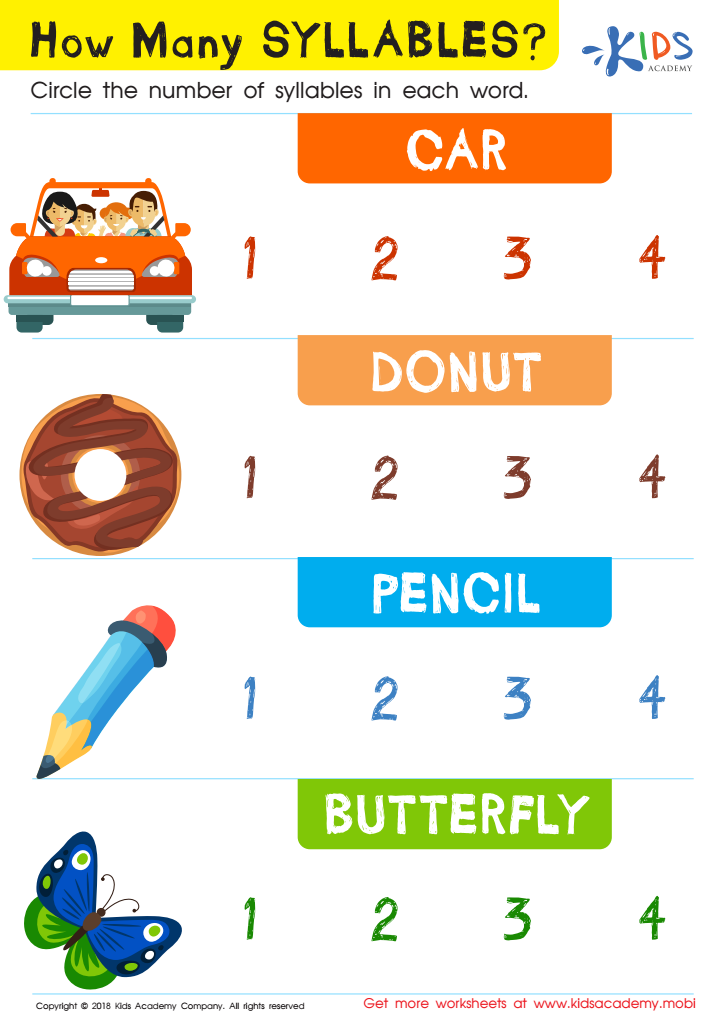
How Many Syllables? Worksheet
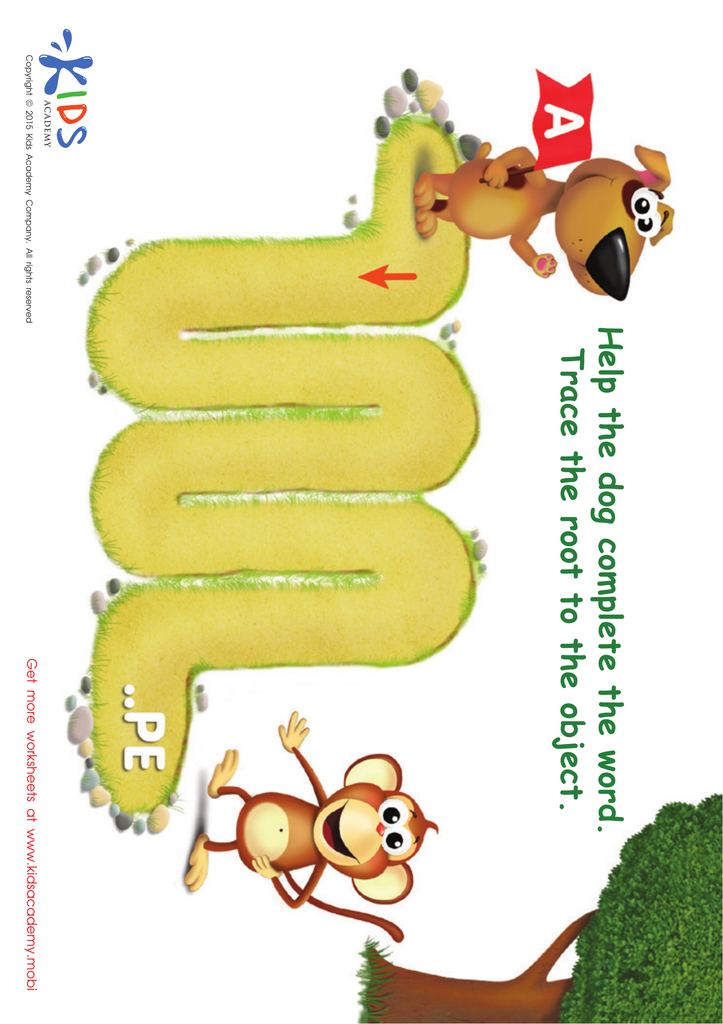
Long Vowel Sound A Worksheet Worksheet








Vocabulary enhancement is crucial for children aged 3-8 because these formative years lay the foundation for their future learning and communication skills. An alphabet-centric approach to vocabulary provides an engaging and systematic method to build language proficiency.
During the early developmental stages, children's brains are highly receptive to new information. Introducing vocabulary through the alphabet can make the learning process fun and memorable. For example, associating words with each letter ("A for Apple," "B for Ball") not only helps with letter recognition but also expands their word bank, which is essential for reading readiness.
Parents and teachers should care because strong vocabulary skills are directly linked to academic success. Children who have a rich vocabulary are better equipped to understand instructions, participate in discussions, and express their thoughts clearly. This can lead to improved performance in subjects across the board, not just in language arts.
Moreover, vocabulary enhancement fosters confidence and curiosity. Children are more likely to engage in conversations and asking questions, promoting social interaction and further learning. A robust vocabulary also aids in emotional and behavioral development by giving children the words to articulate their feelings and needs.
In summary, focusing on vocabulary through alphabet activities is a strategic, age-appropriate way to boost language skills that will benefit children throughout their educational journey and beyond.







