Number Sequencing Math Worksheets for Ages 3-8
42 filtered results
-
From - To
Discover our engaging Number Sequencing Math Worksheets designed for children ages 3 to 8! These worksheets foster essential early math skills through fun and interactive activities. Perfect for preschoolers and early learners, our resources help kids recognize patterns, understand numerical order, and develop counting proficiency. With vibrant visuals and age-appropriate exercises, children will enjoy honing their sequencing skills. They’ll learn to arrange numbers accurately while boosting their confidence in mathematics. Ideal for classroom use or home learning, our worksheets provide a structured approach to early number concepts. Start your child’s math journey today with these exciting, printable worksheets!
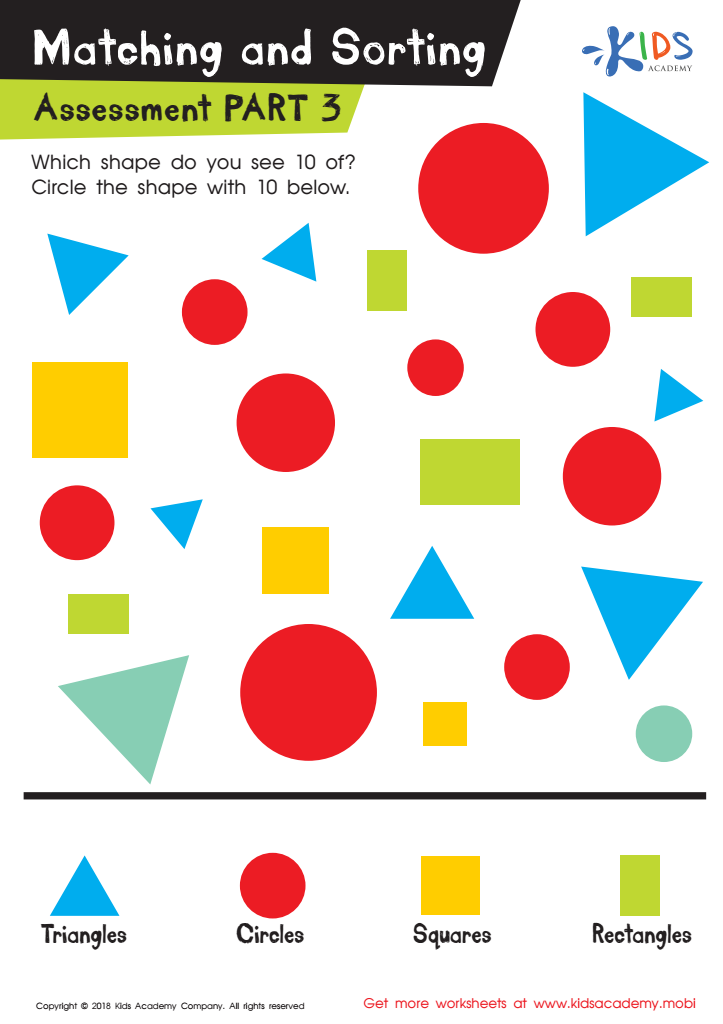
Matching and Sorting for Kindergarten: Assessment 3 Worksheet
 Assign to My Students
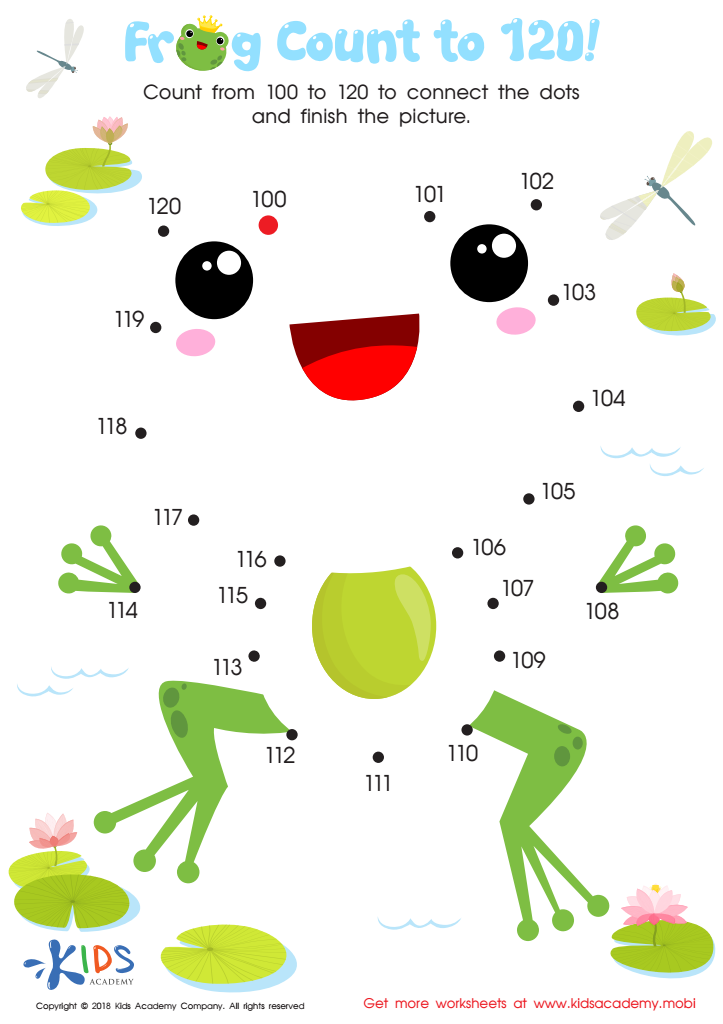
Frog Count to 120 Worksheet
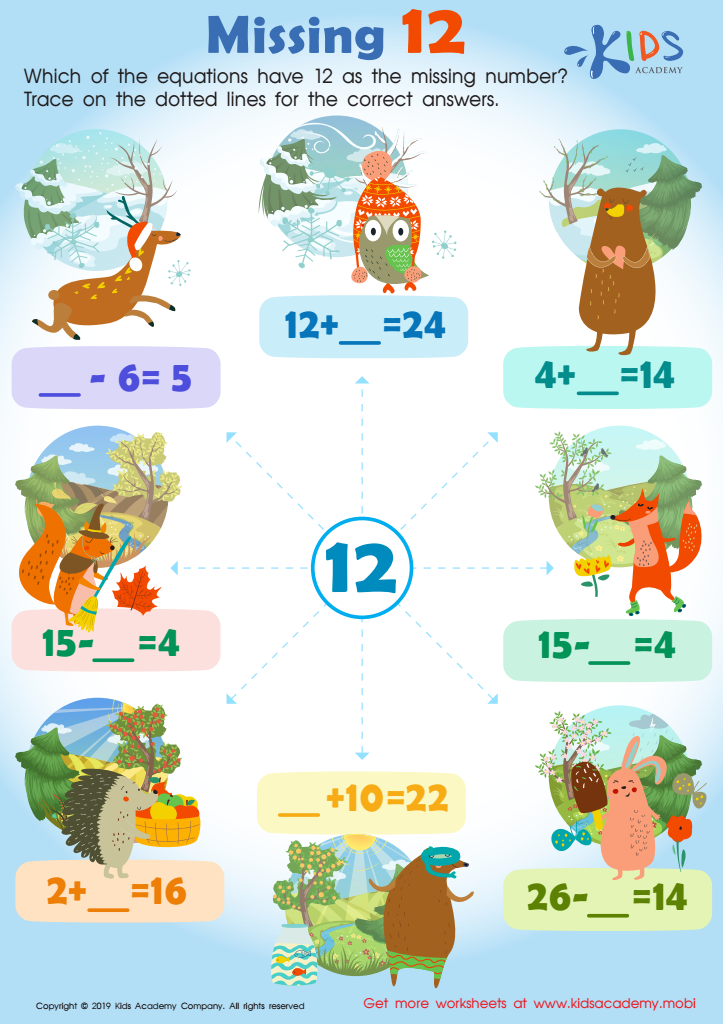
Missing 12 Worksheet
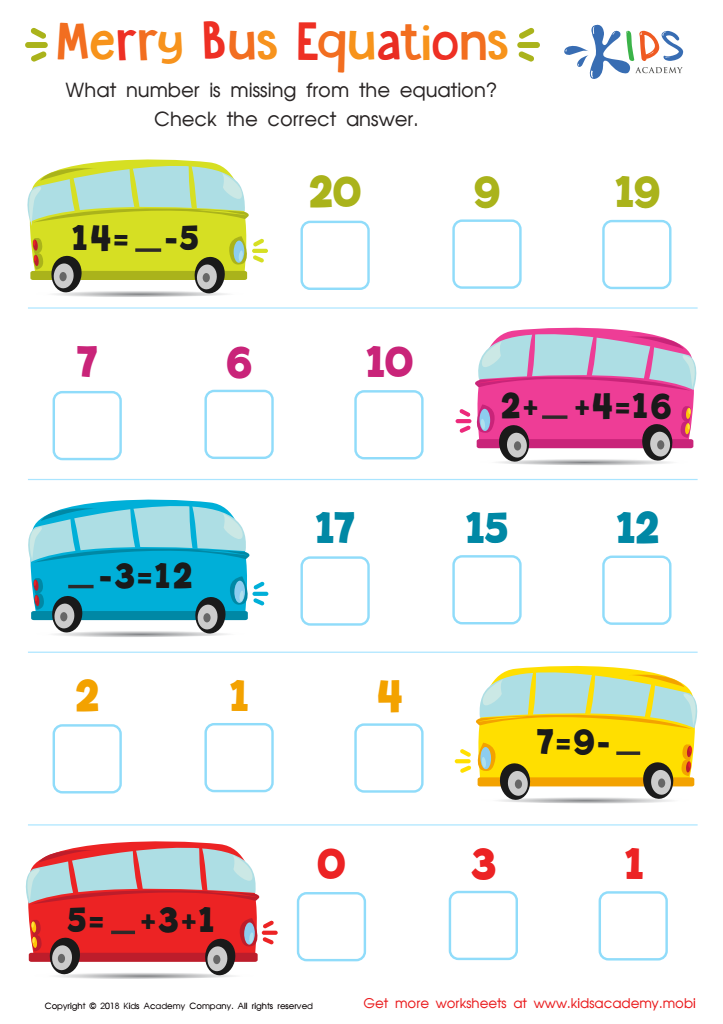
Merry Bus Equations Worksheet
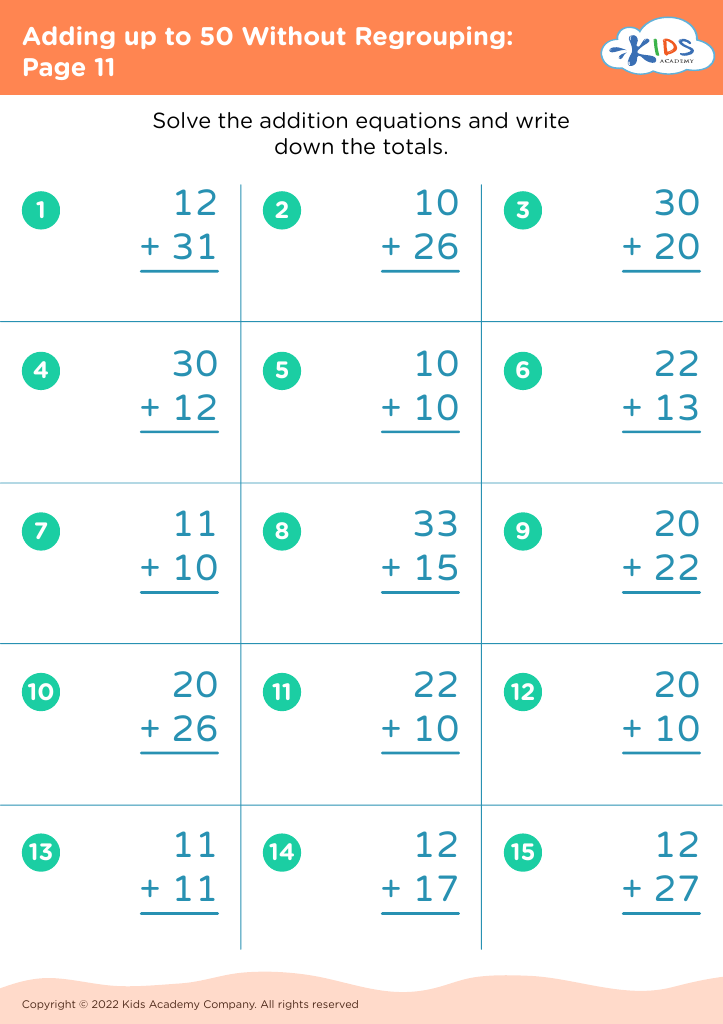
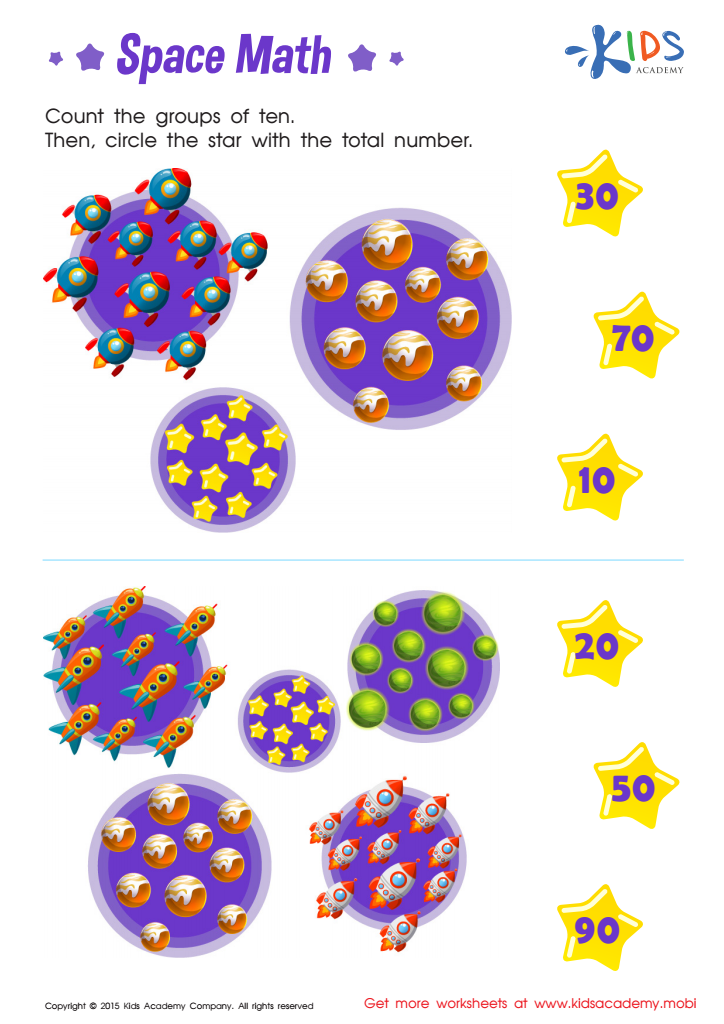
Learn dozens: Space math Worksheet
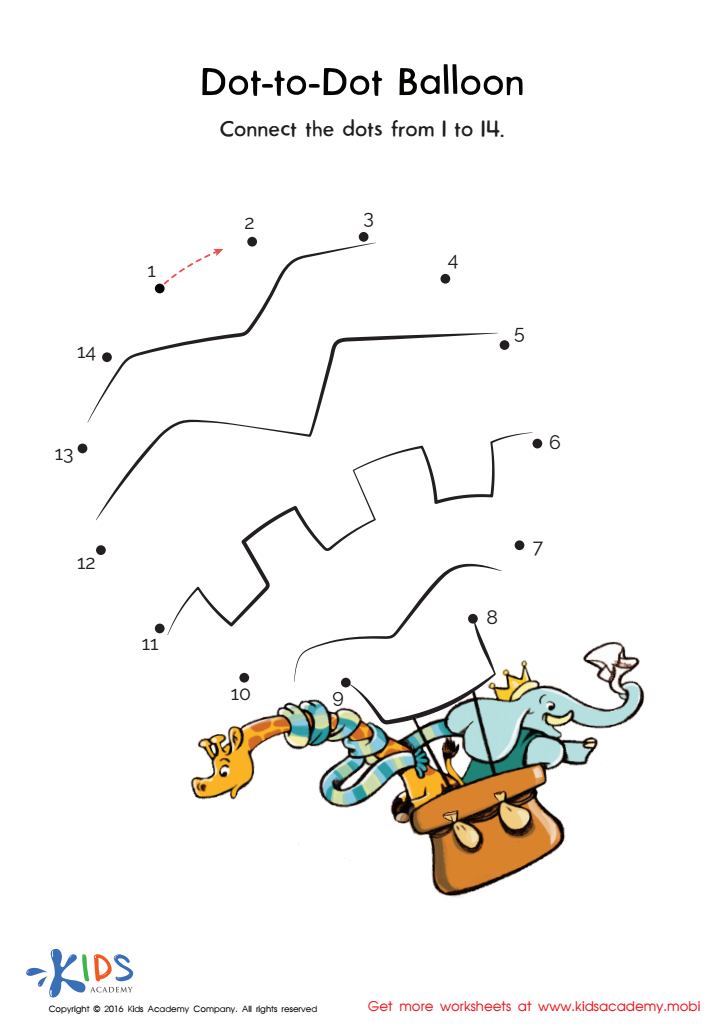
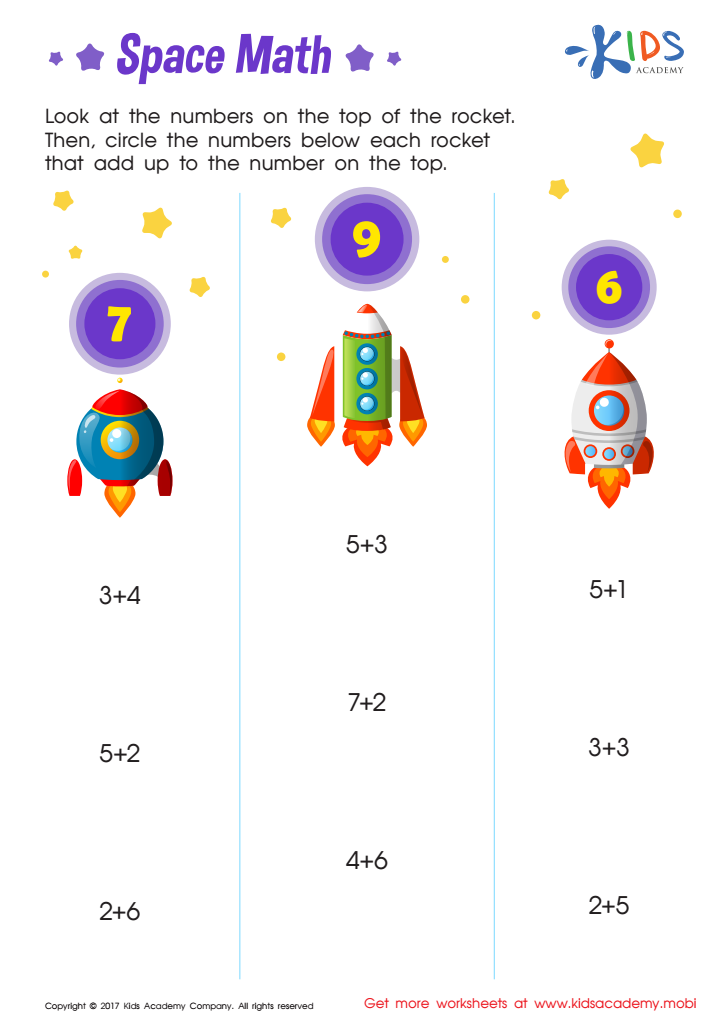
Addition: Space Math Worksheet
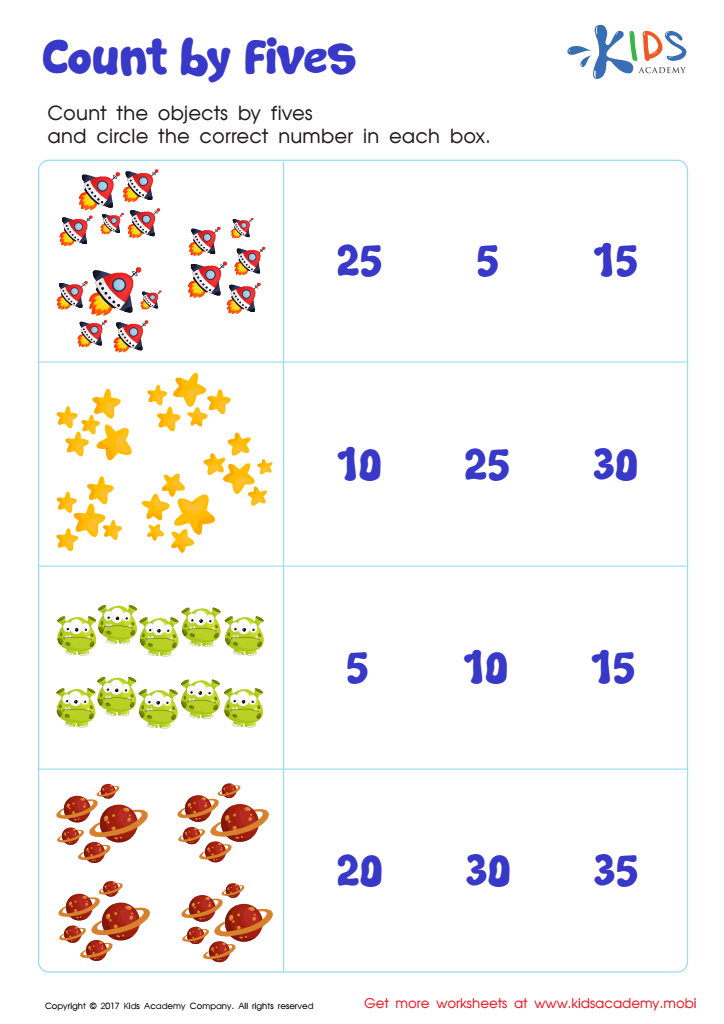
Skip Counting by 5s: Space Math Printable
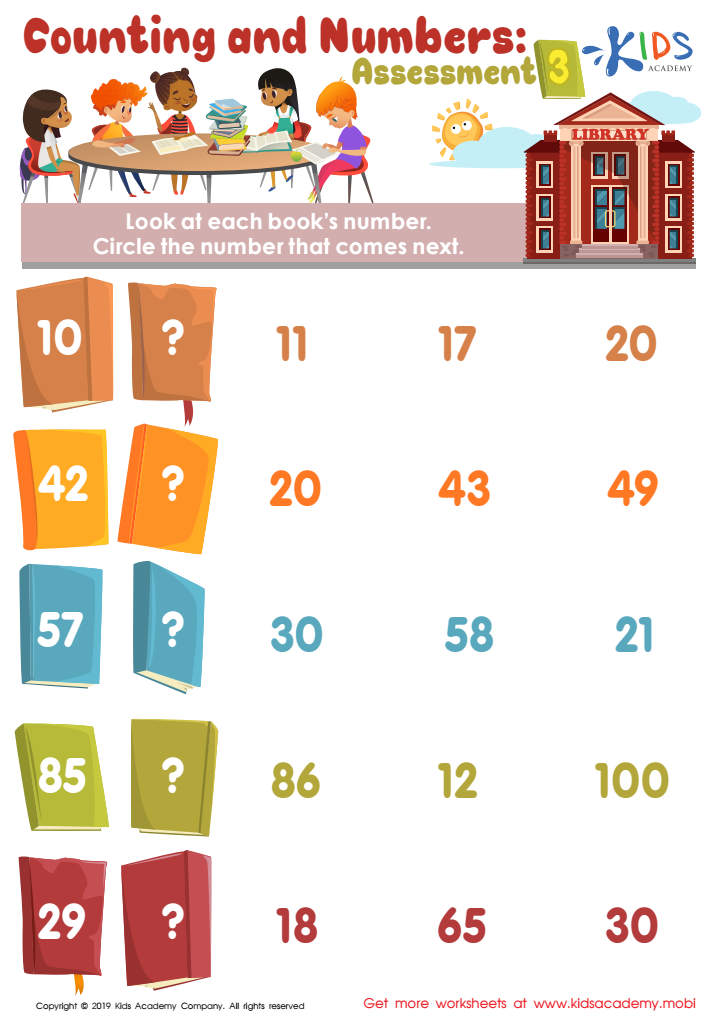
Counting and Numbers: Assessment Worksheet
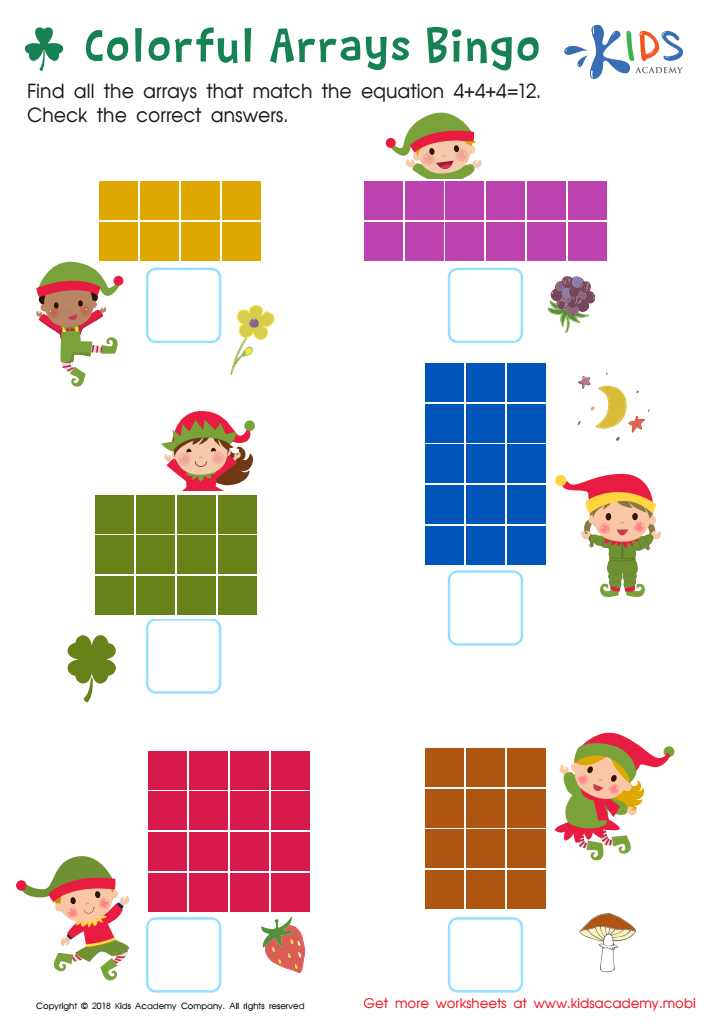
Colorful Arrays Bingo Worksheet
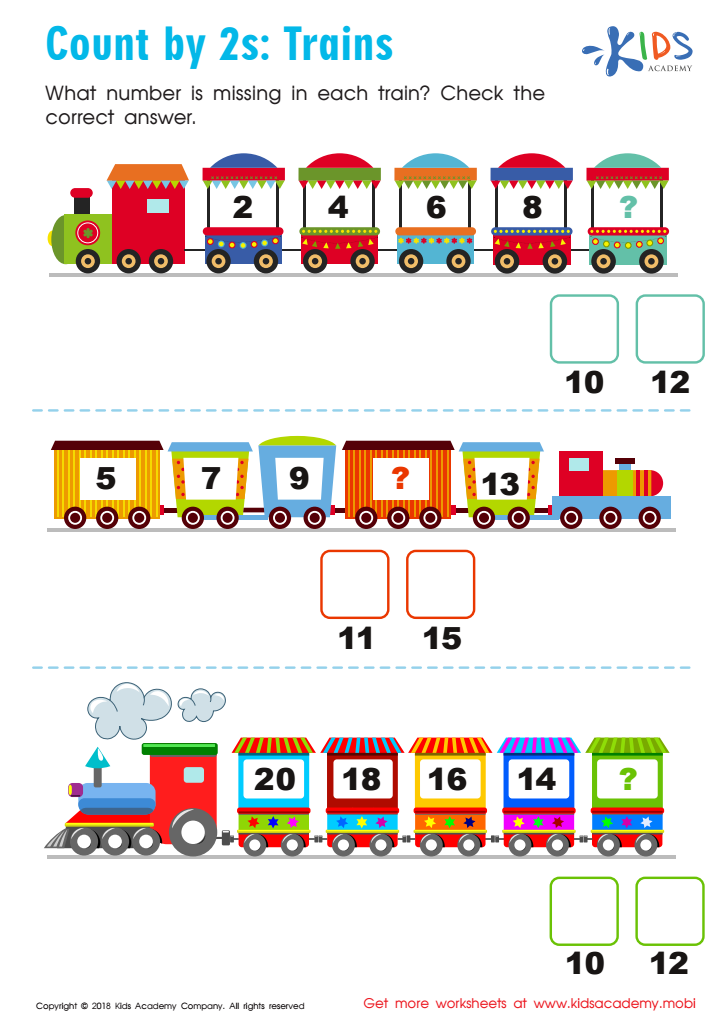
Count by 2's: Trains Worksheet
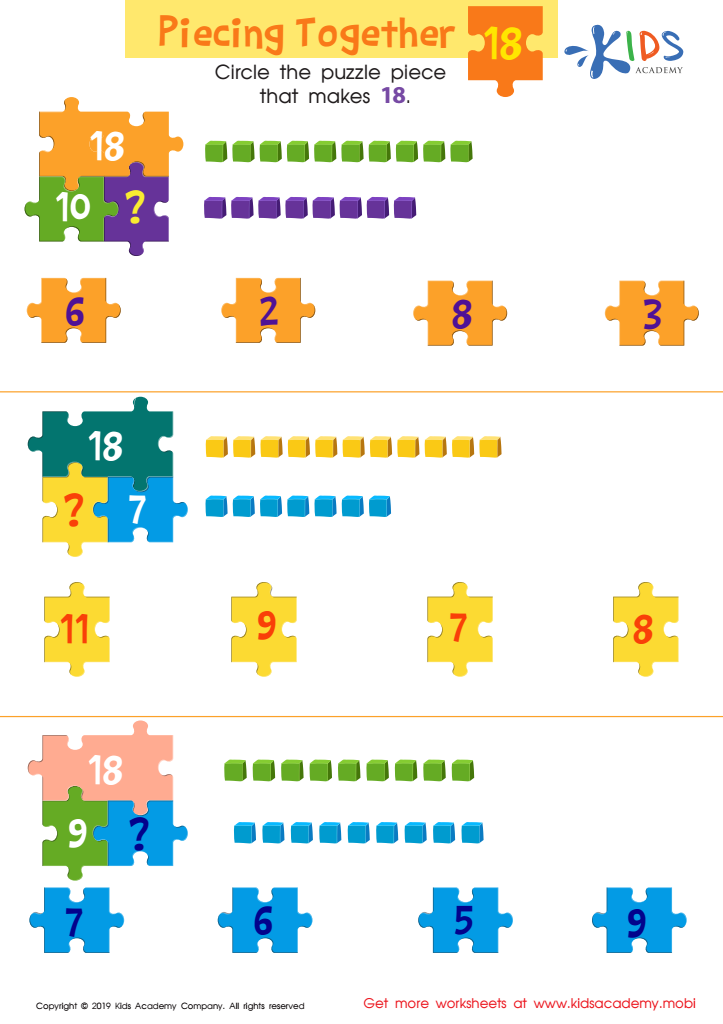
Piecing Together 18 Worksheet
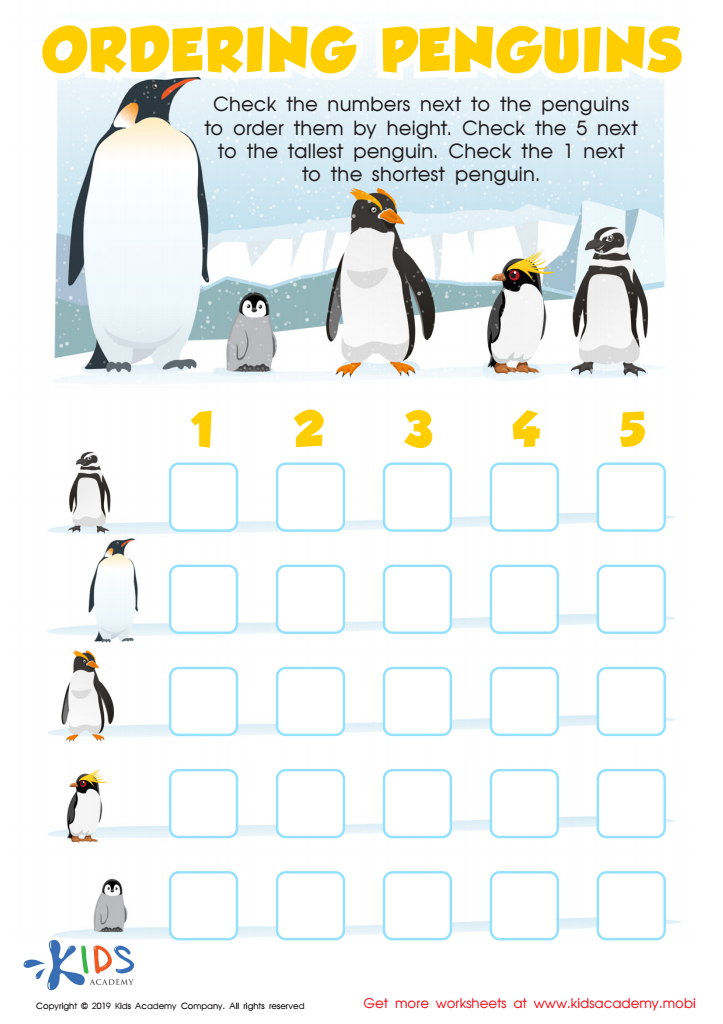
Ordering Penguins Worksheet
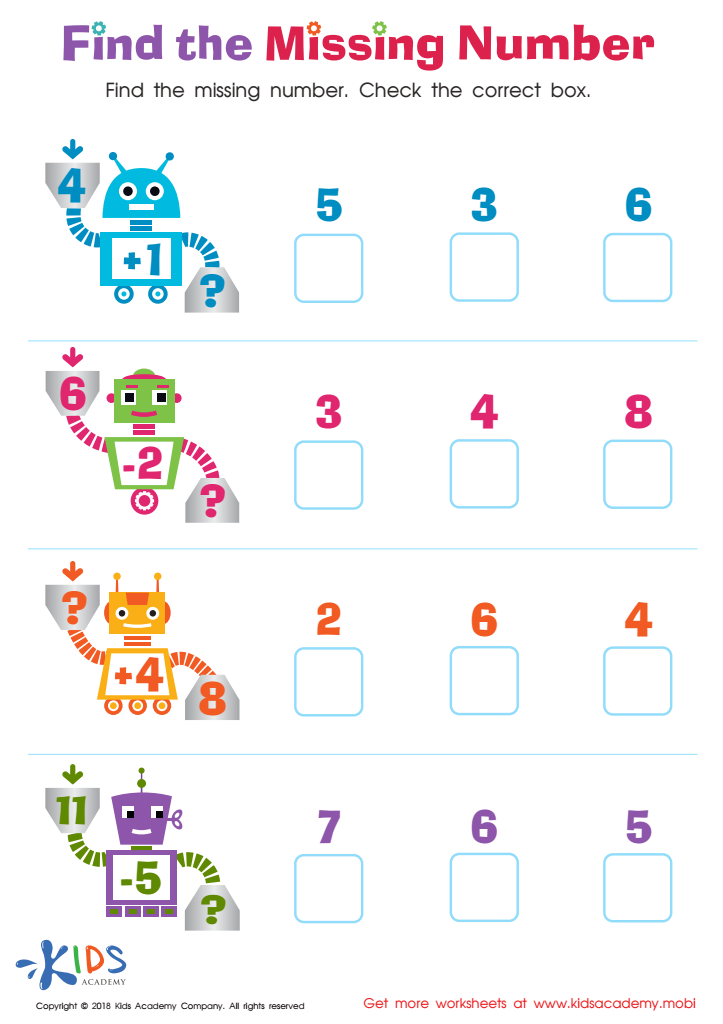
Find the Missing Number Worksheet
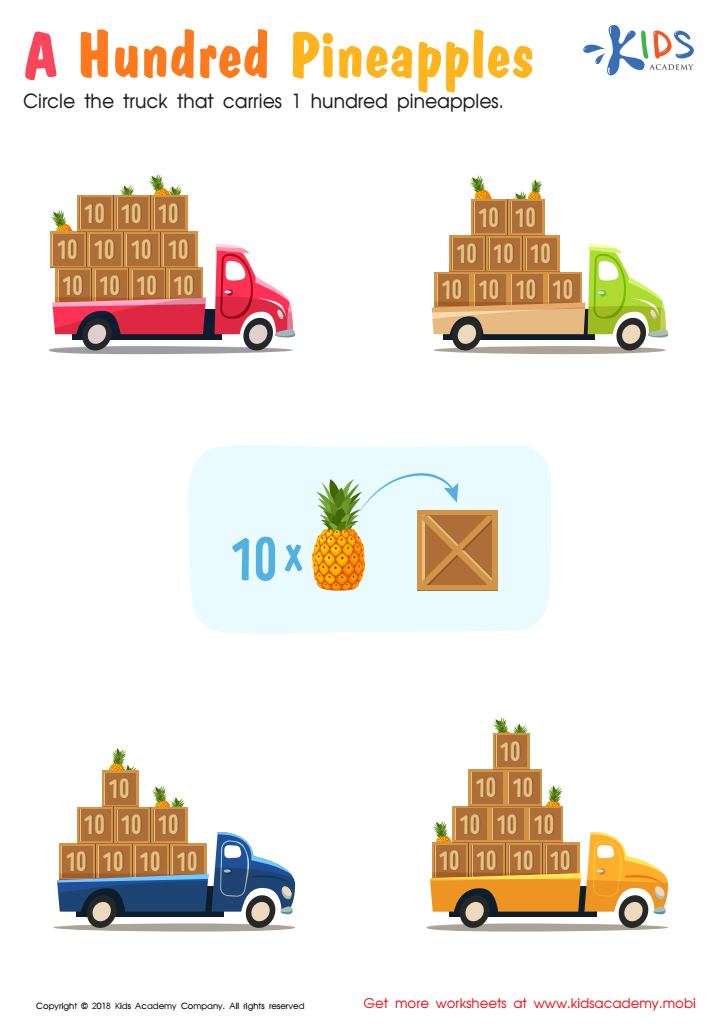
A Hundred Pineapples Worksheet
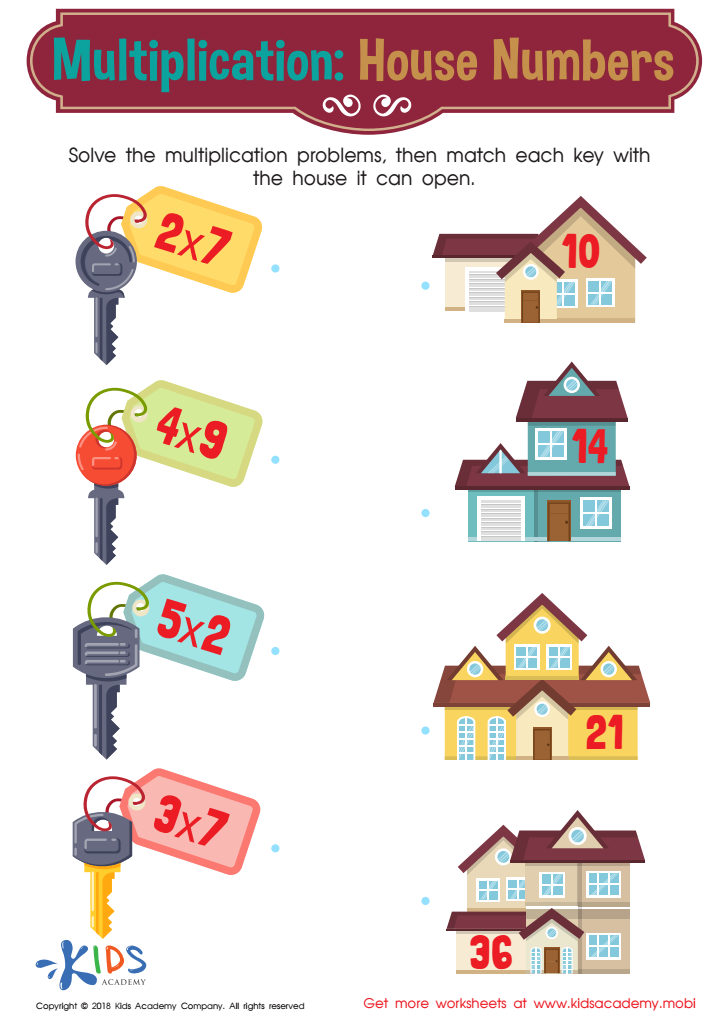
House Numbers Worksheet
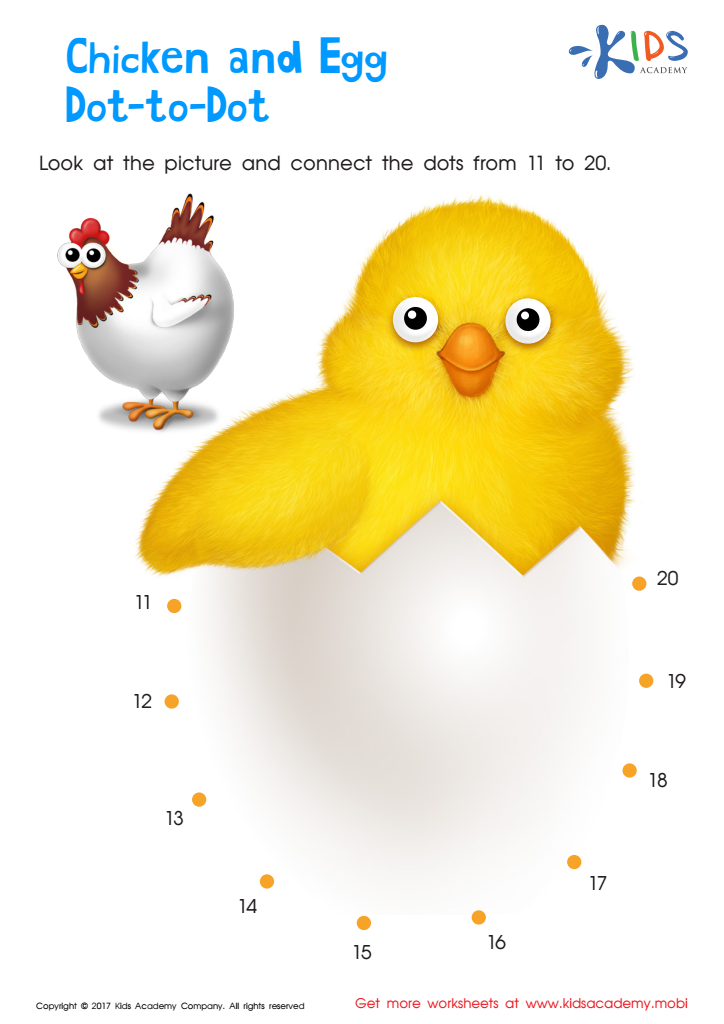
Ordering 11–20: Chicken & Egg Dot–to–dot Worksheet
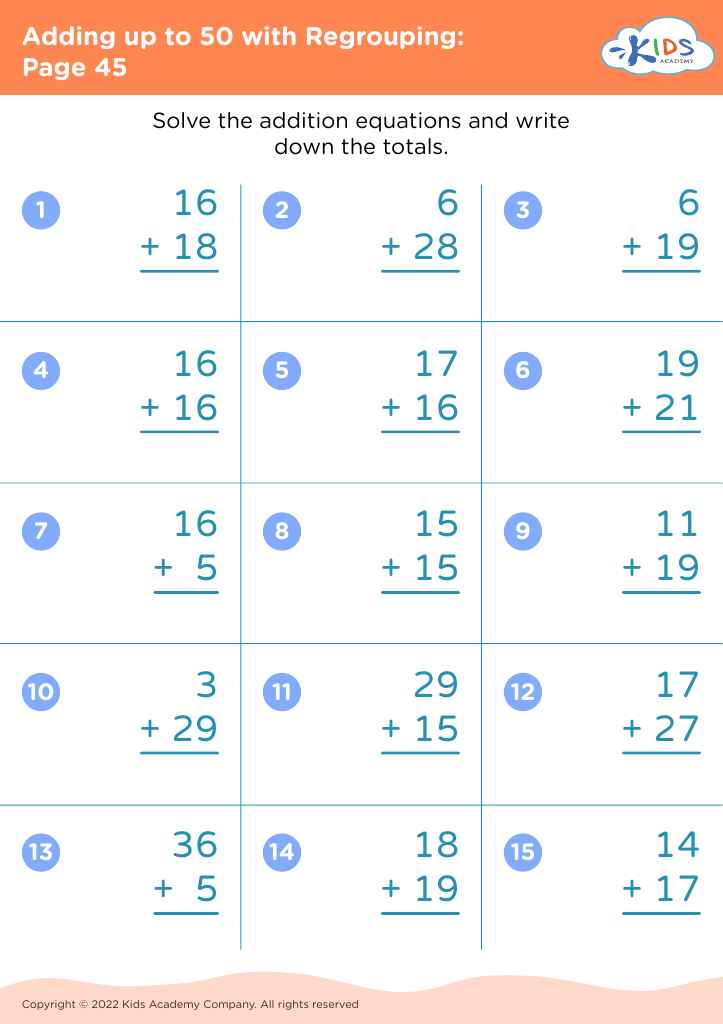
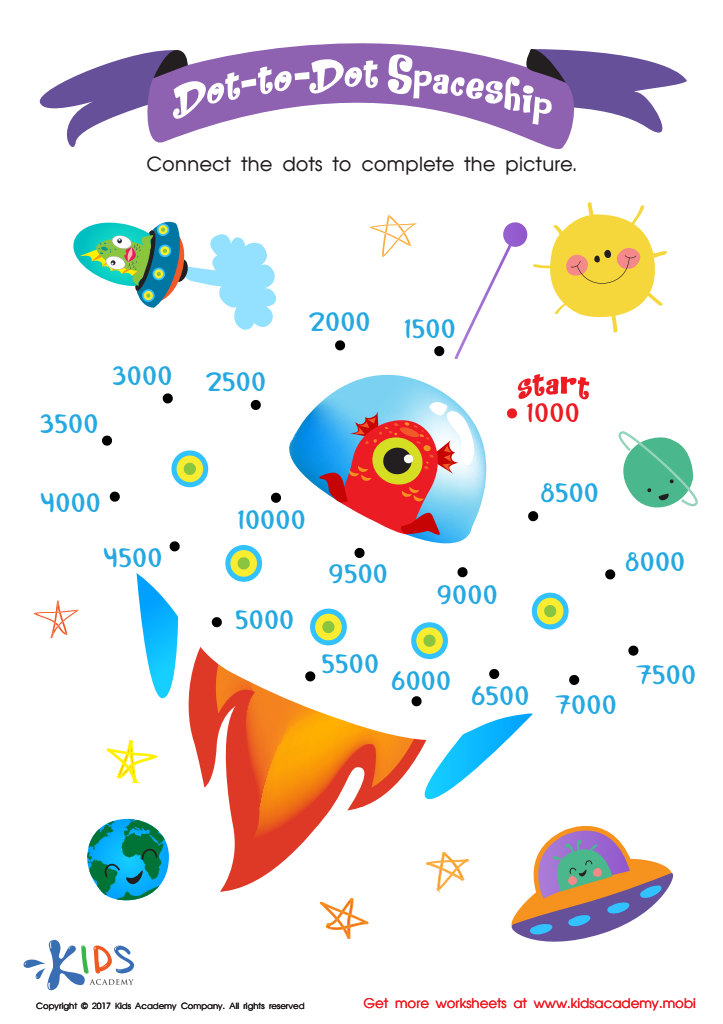
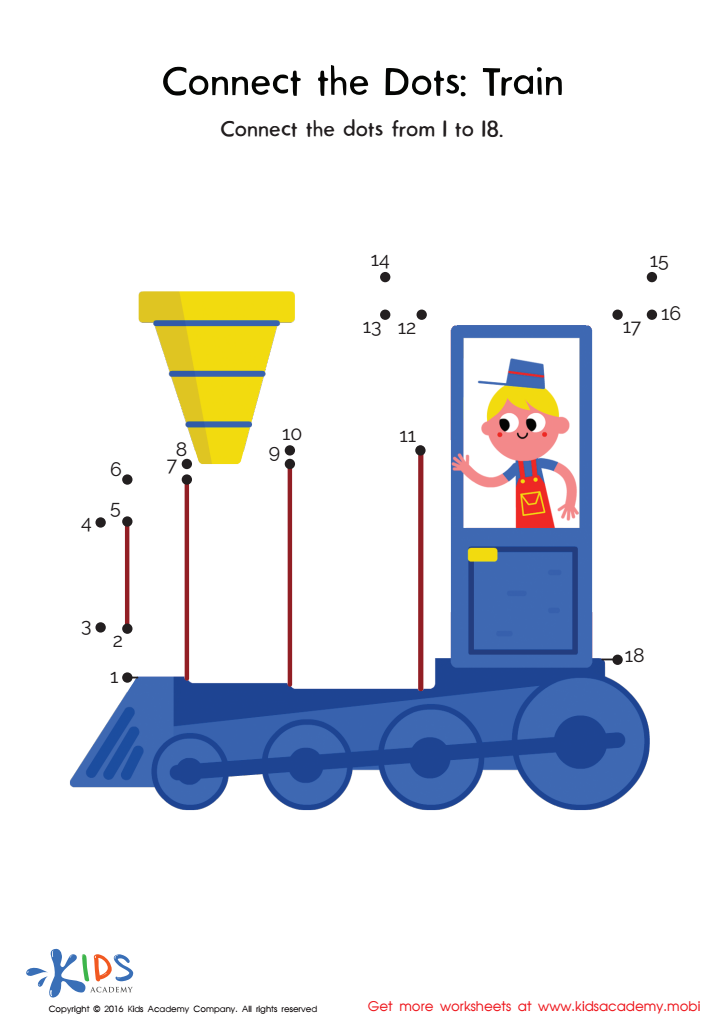
Dot to Dot Worksheet for 3rd Grade







Number sequencing is a fundamental math skill that lays the groundwork for a child's future mathematical understanding. For children aged 3-8, learning to recognize and arrange numbers in a sequence enables them to grasp core concepts like counting, ordering, and basic operations. This skill not only fosters numeracy but also enhances cognitive development, critical thinking, and problem-solving abilities.
For parents and teachers, promoting number sequencing is essential because it directly influences a child's confidence in math. Mastering this sequence helps children develop a sense of numerical patterns, which is crucial when they encounter more complex mathematical operations in later grades. Additionally, number sequencing aids in learning about time, money, and other real-world applications.
Moreover, engaging in number sequencing activities can bond parents and children, creating fun, educational experiences that promote learning. Games, songs, and hands-on activities can make this learning enjoyable and impactful.
In summary, fostering number sequencing from a young age equips children with foundational skills essential for academic success and everyday life, making it a priority for both educators and parents. Understanding this importance cultivates a supportive environment for early mathematical learning, ultimately leading to lifelong skills and confidence in math.








