Consonants Worksheets for Ages 3-9 - Page 2
34 filtered results
-
From - To
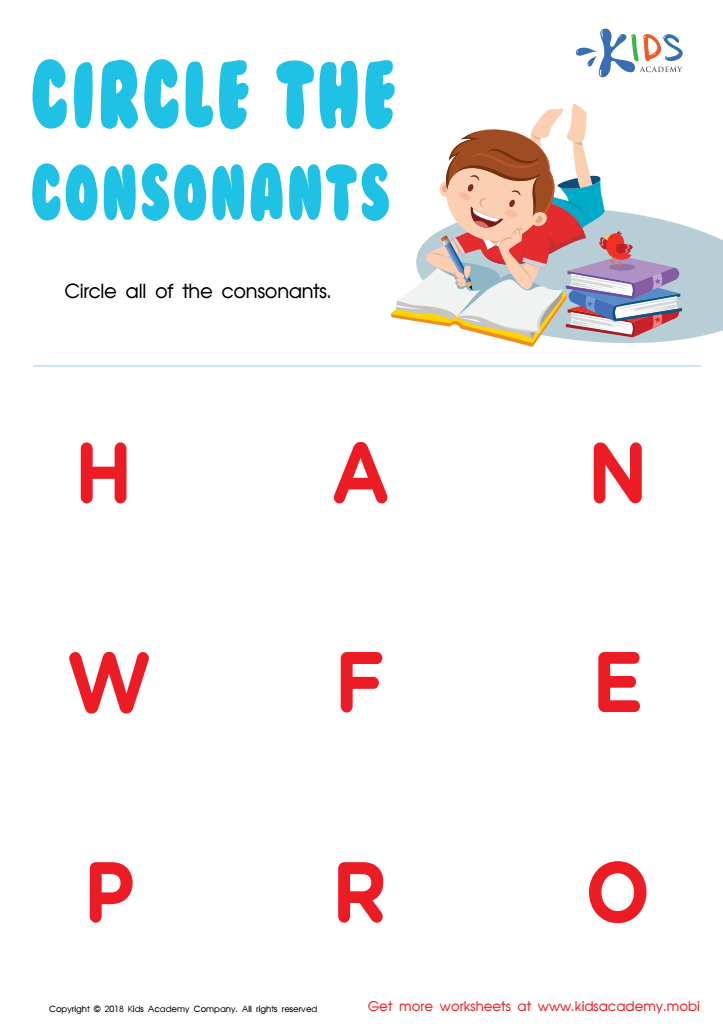
Circle the Consonants Worksheet
 Assign to My Students
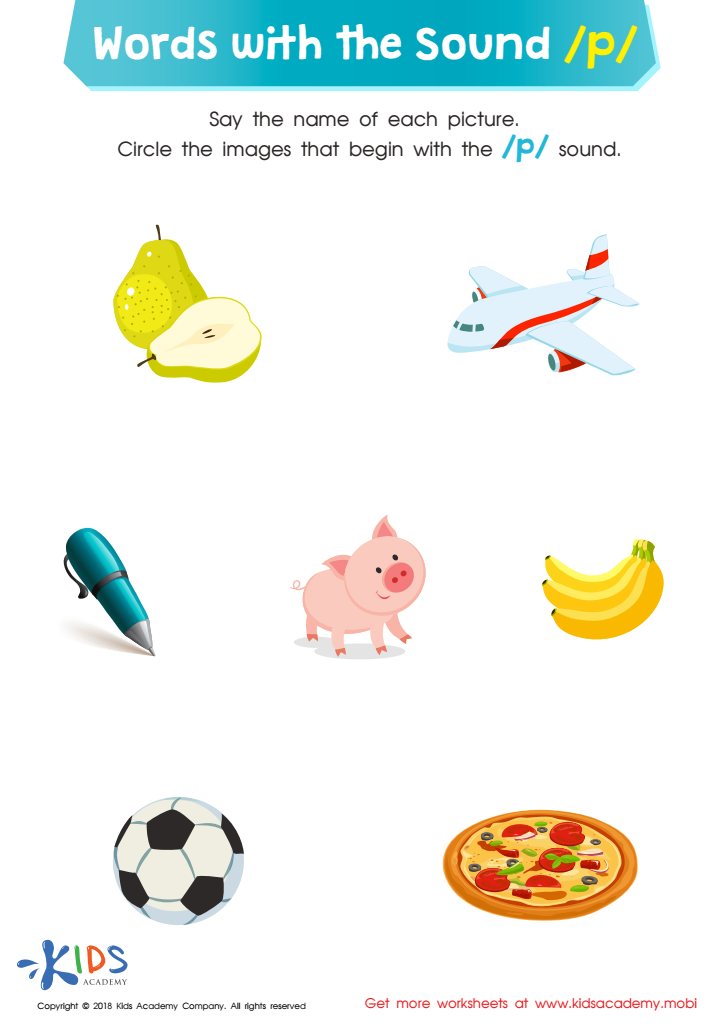
Words with sound p Reading Worksheet
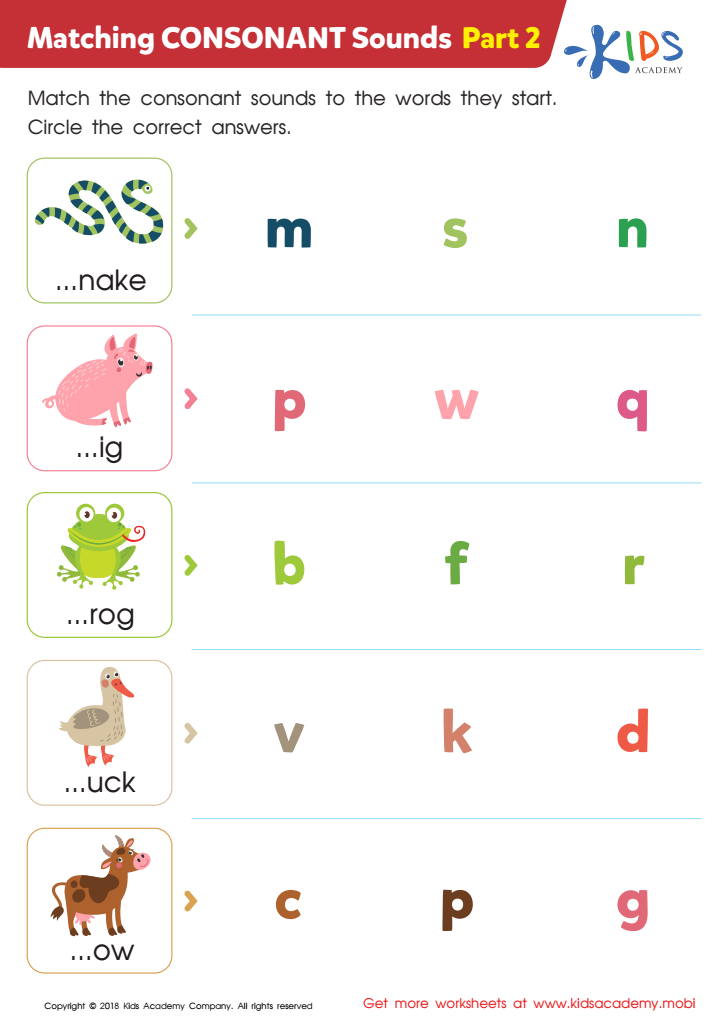
Matching Consonant Sounds: Part 2 Worksheet
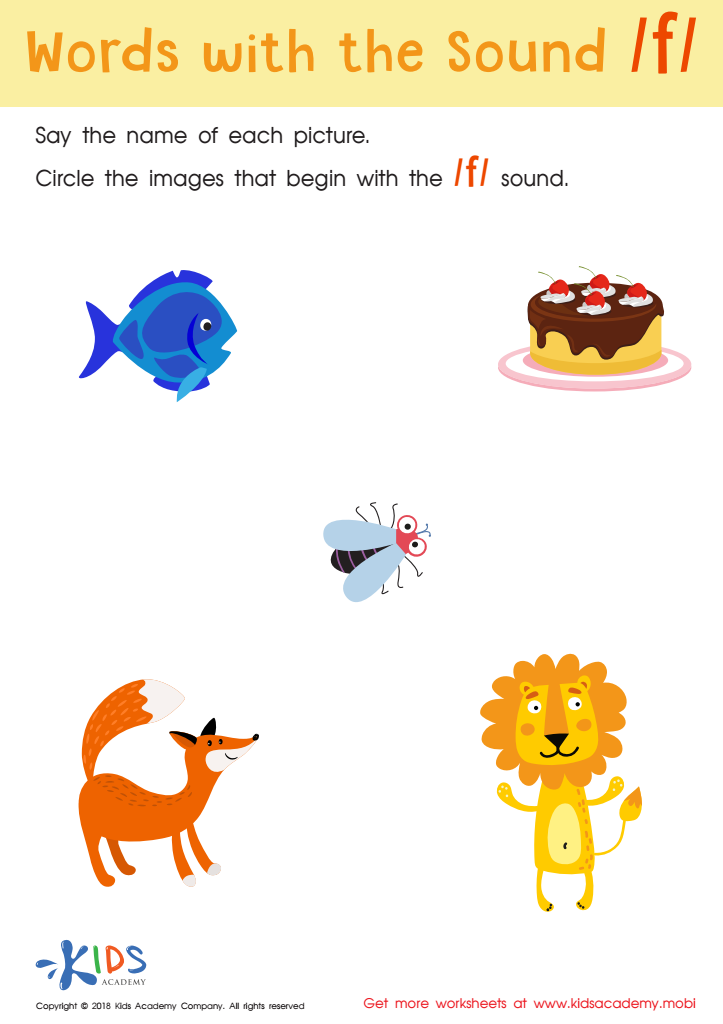
Words with sound f Reading Worksheet
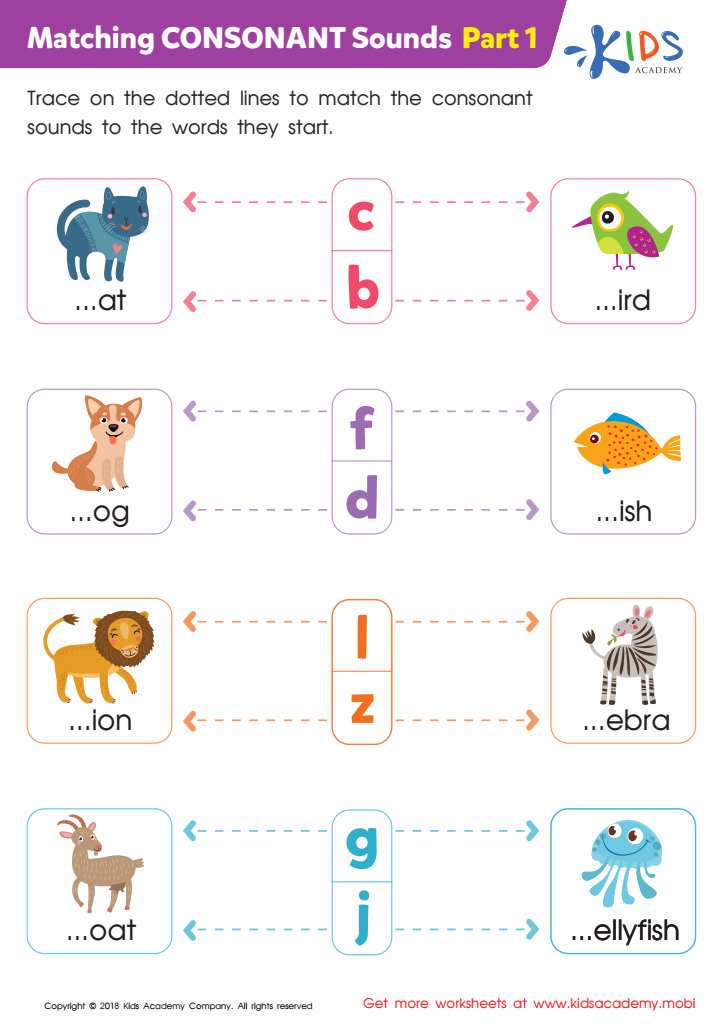
Matching Consonant Sounds: Part 1 Worksheet
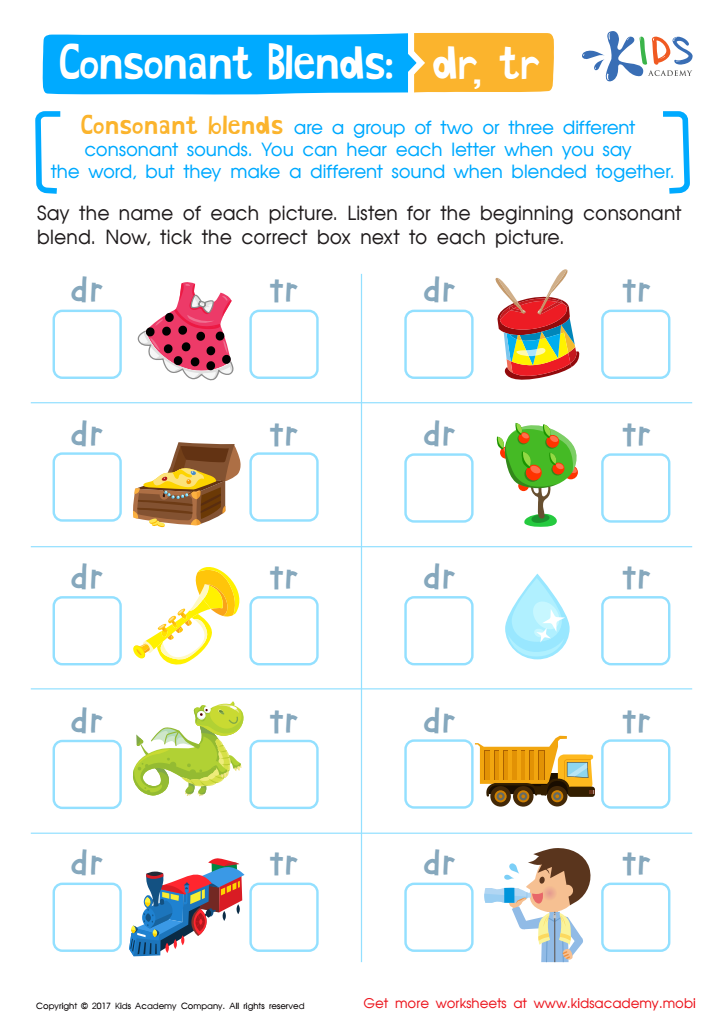
Consonant Blends: "Dr" and "Tr" Printable
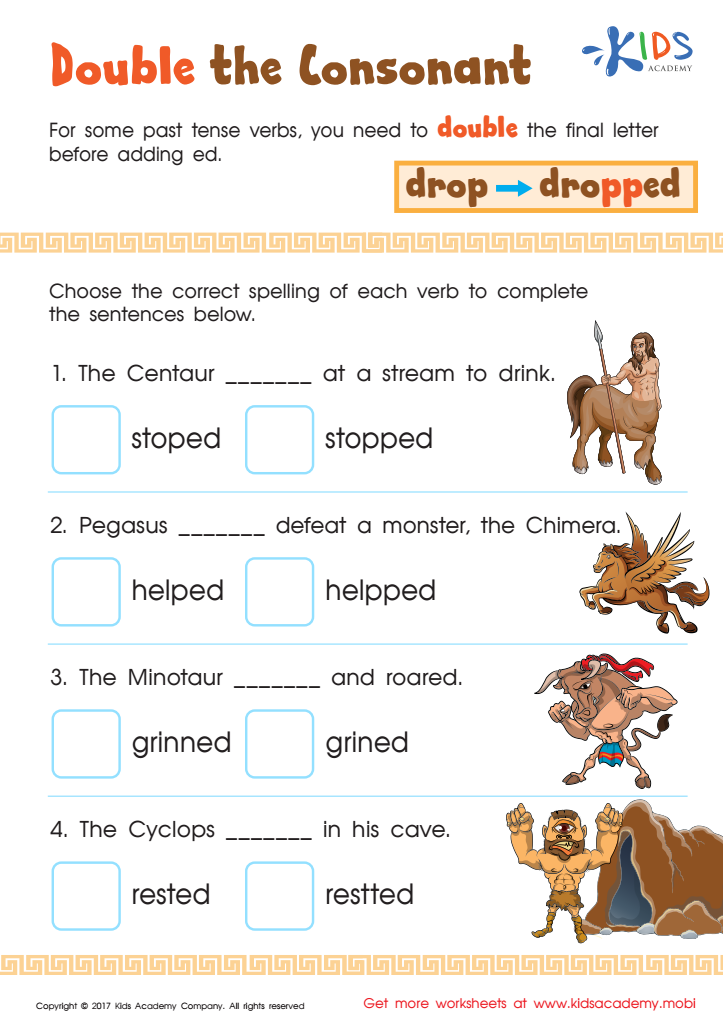
Double Consonant Spelling Worksheet
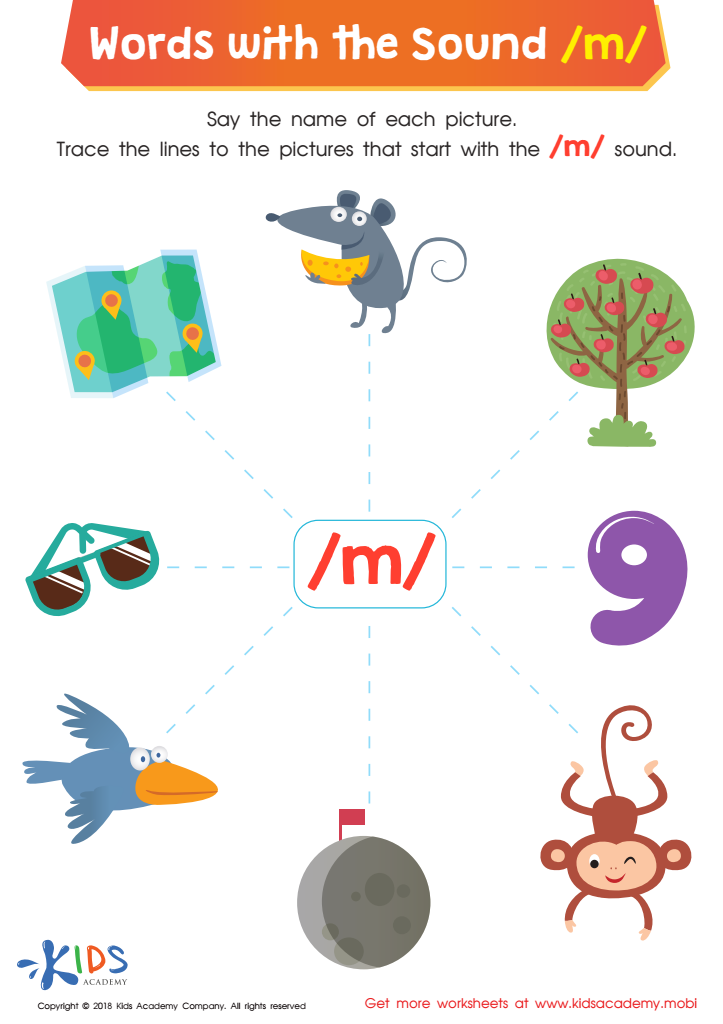
Words with Sound M Reading Worksheet
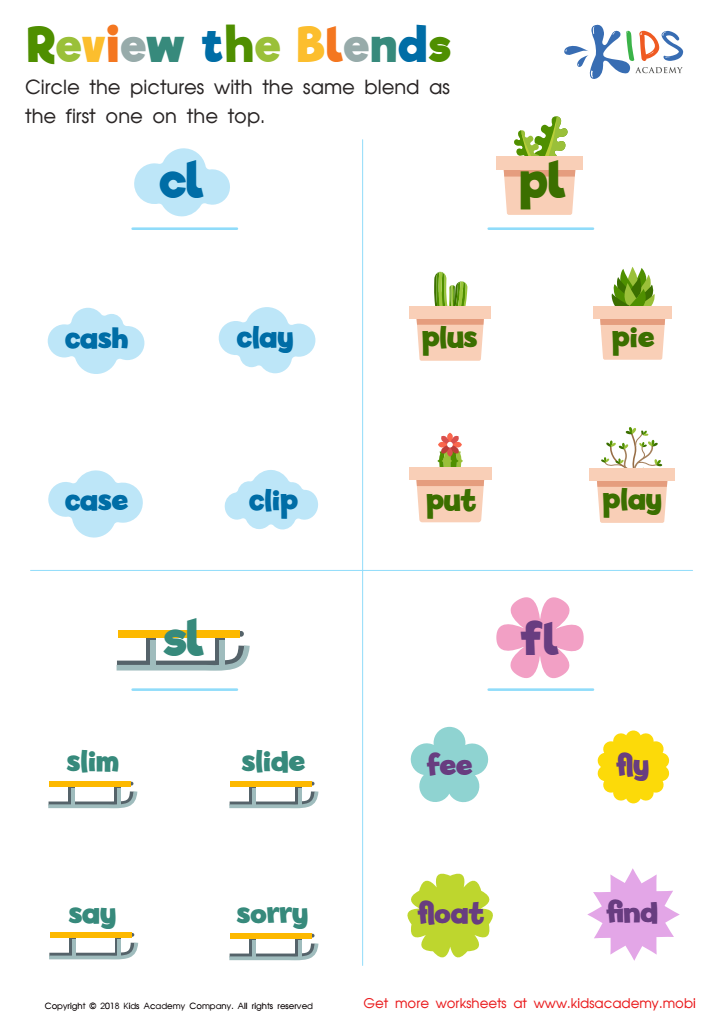
Review the Blends Worksheet
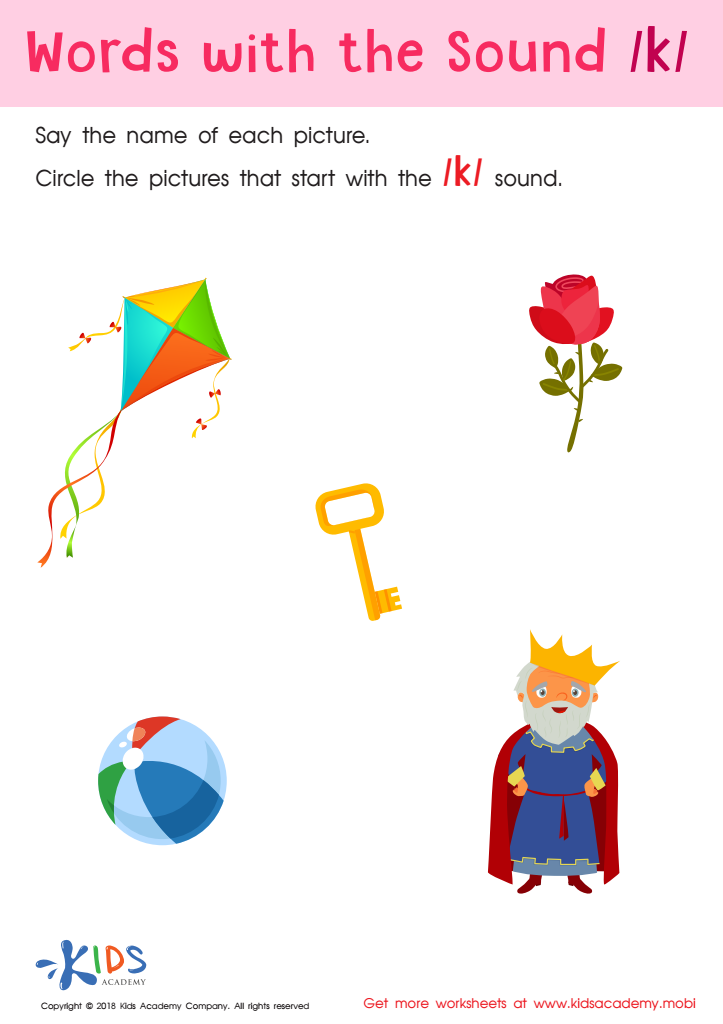
Words with sound k Reading Worksheet



Consonants play a crucial role in early literacy development for children aged 3 to 9. Understanding consonants is foundational for reading and writing. They form the backbone of word structures, aiding children in phonemic awareness—the ability to recognize and manipulate sounds in words. Hitting this developmental milestone significantly influences their overall language skills.
For parents and teachers, recognizing the importance of consonants enables them to support impactful literacy practices. Introducing consonants early helps children decode words, enhancing their reading future. Engaging children in playful activities that involve consonant sounds—like rhyming, games, and songs—makes learning enjoyable, fostering a positive attitude toward literacy.
Moreover, consonant acquisition contributes to vocabulary growth, which is directly linked to academic success. As children master consonants, they gain the confidence needed to explore more complex language concepts.
Fostering an understanding of consonants creates a solid foundation for communication skills and critical thinking. Parents and teachers can build a supportive environment through consistent practice, thereby nurturing lifelong learners equipped to thrive academically and socially. Investing in consonant knowledge is an investment in a child’s learning journey, empowering them to navigate the world of language with confidence and creativity.







