Letter Sounds Worksheets for Ages 3-9 - Page 2
33 filtered results
-
From - To
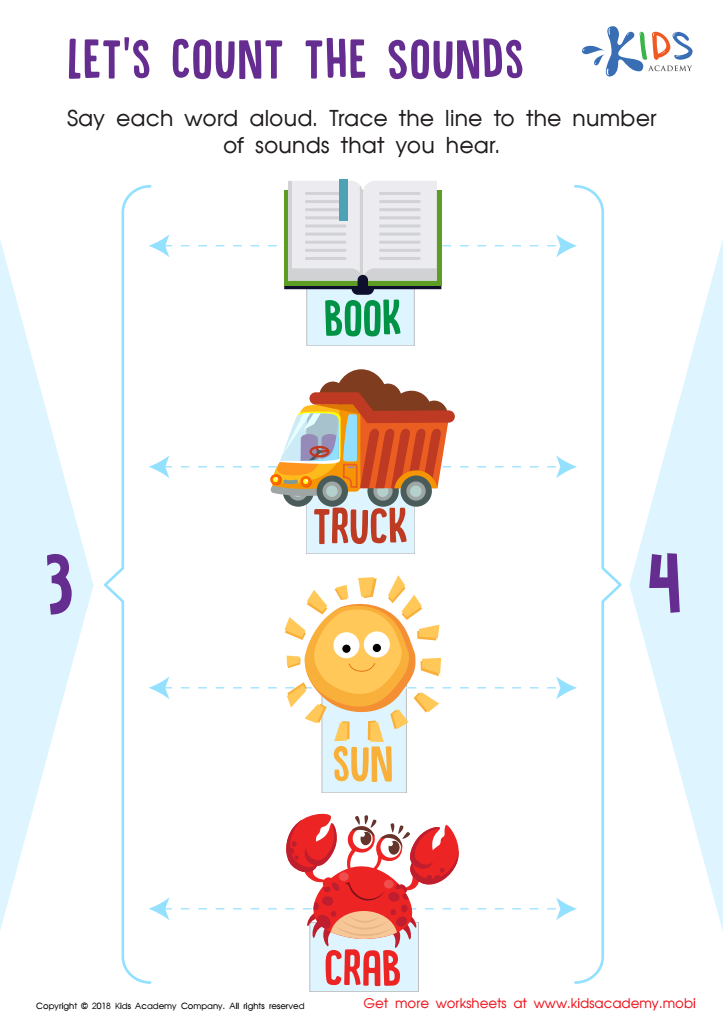
Let's Count the Sounds Worksheet
 Assign to My Students
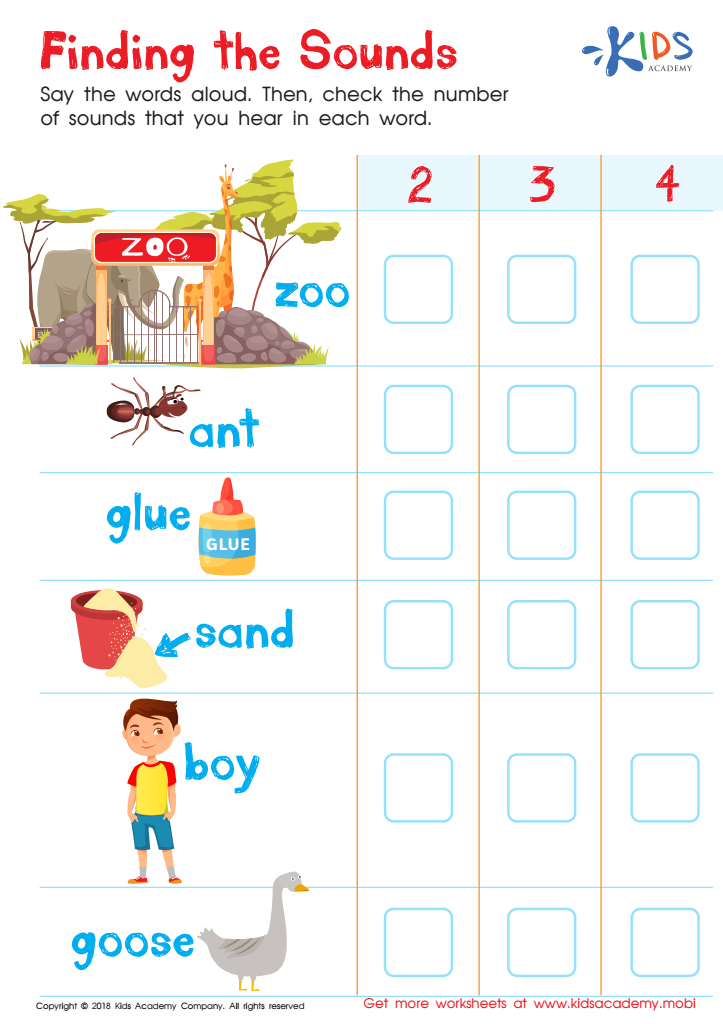
Finding the Sounds Worksheet
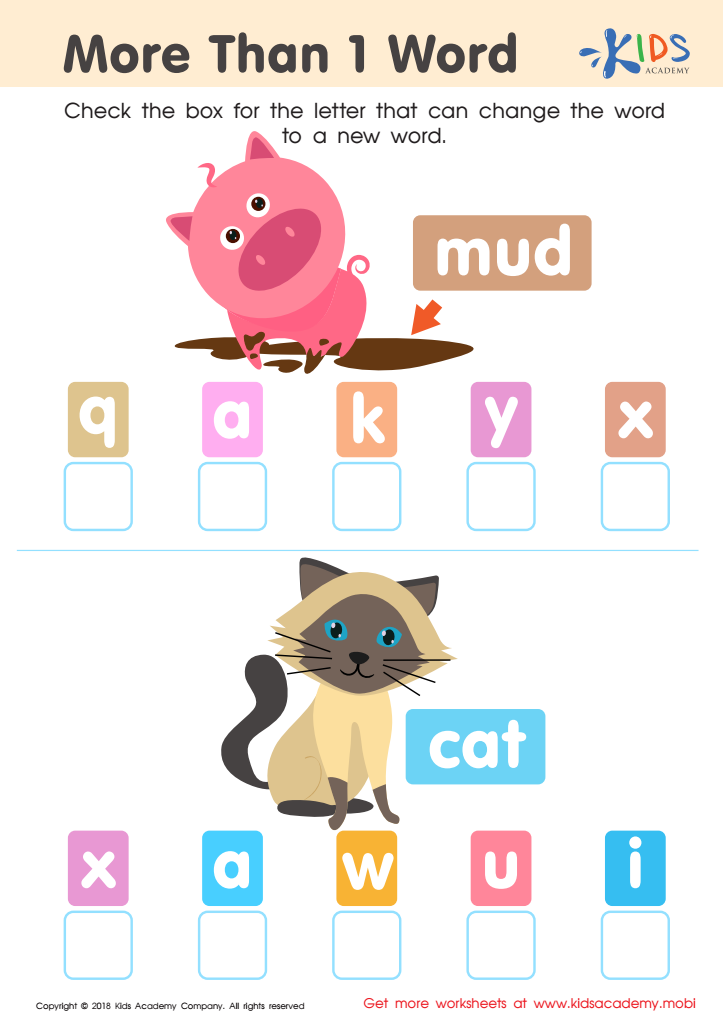
More than 1 word Worksheet
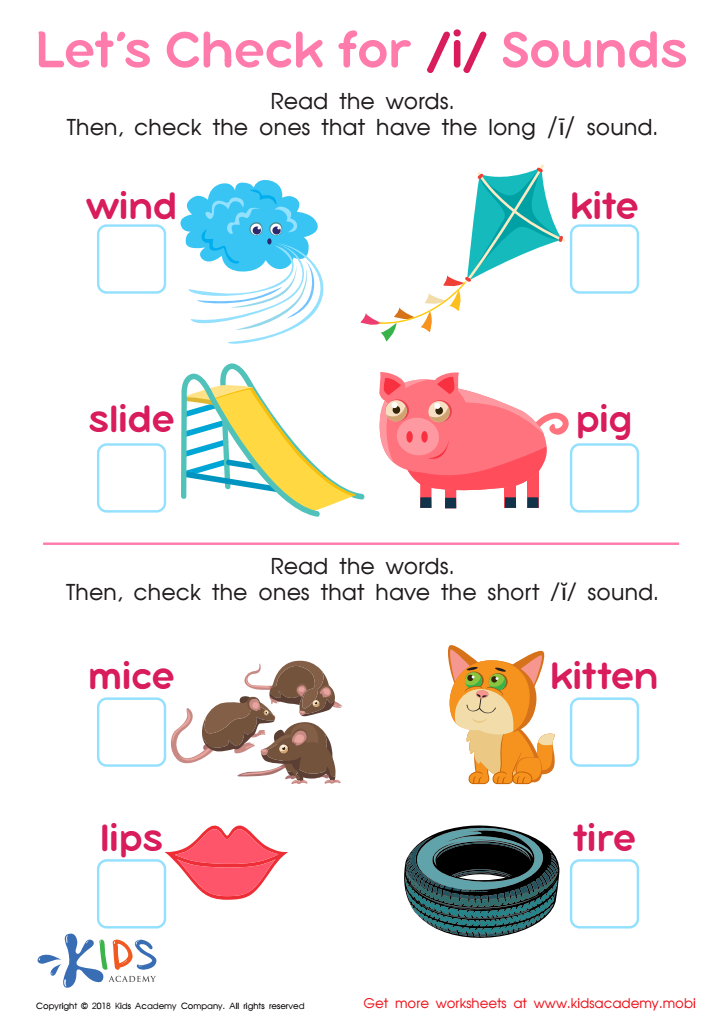
Let's Check for «i» Sounds Worksheet
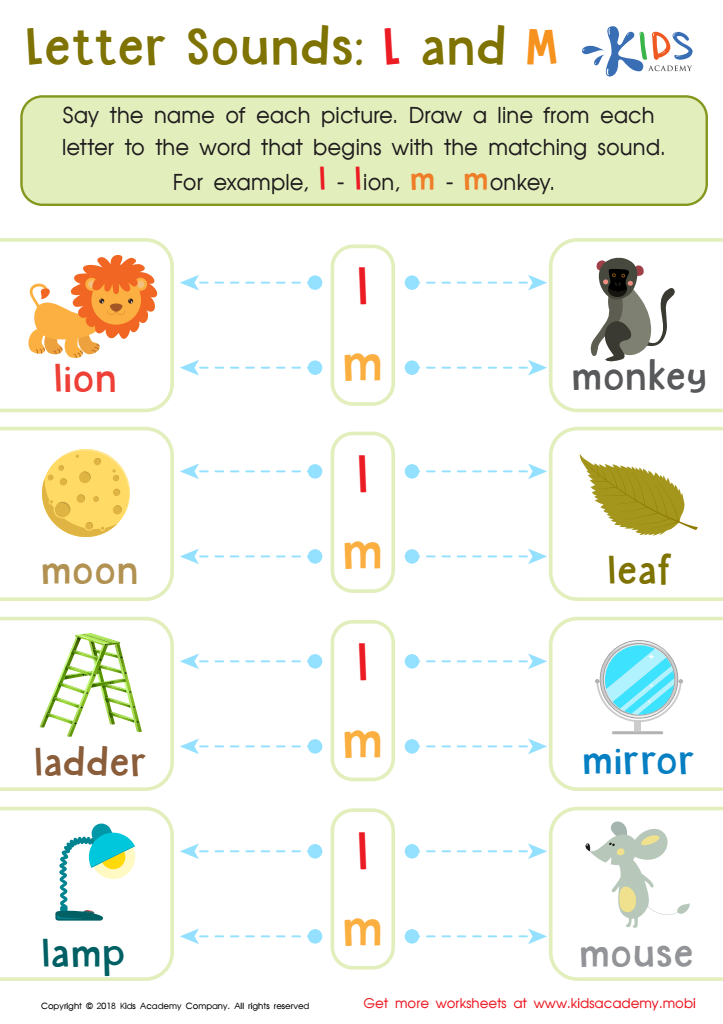
Letter l and M Sounds Worksheet
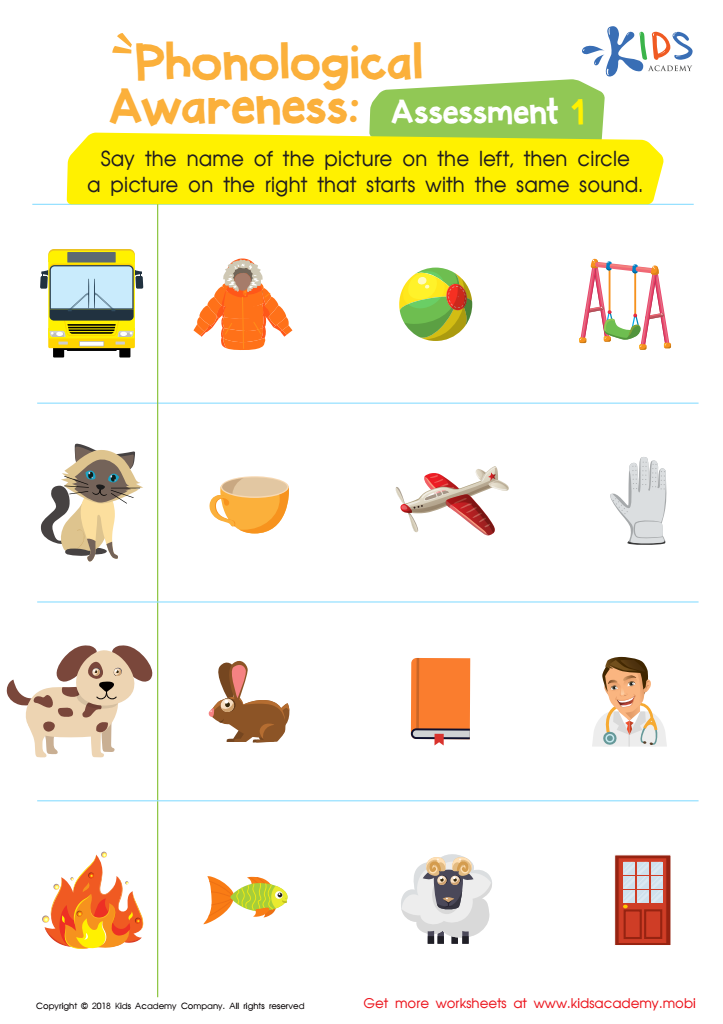
Phonological Awareness: Assessment 1 Worksheet
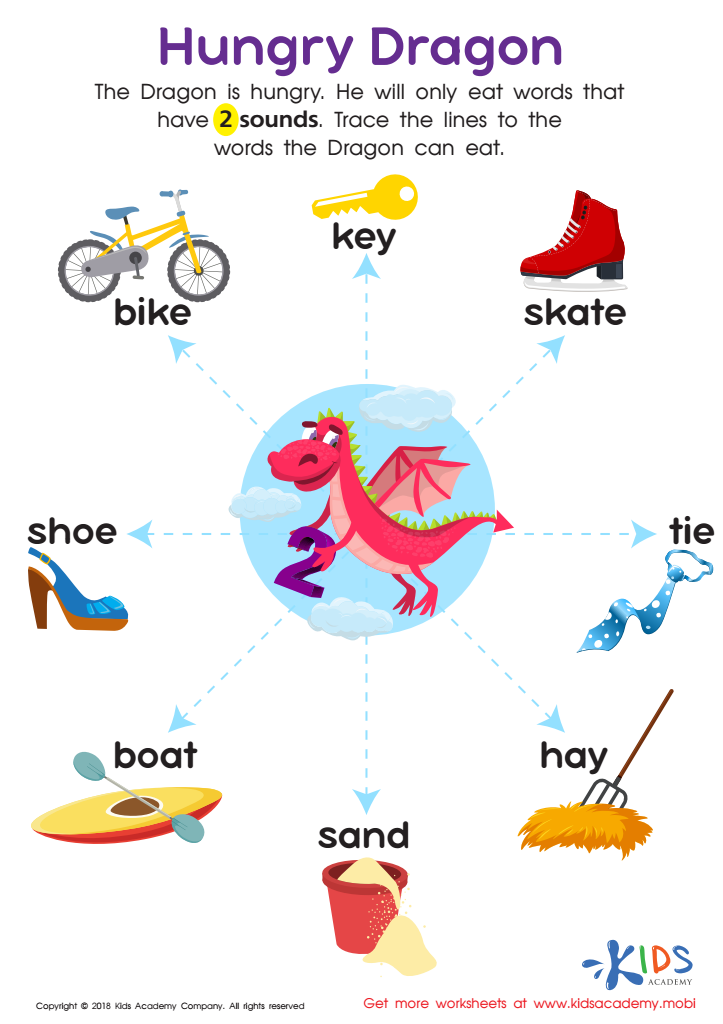
Hungry Dragon Worksheet
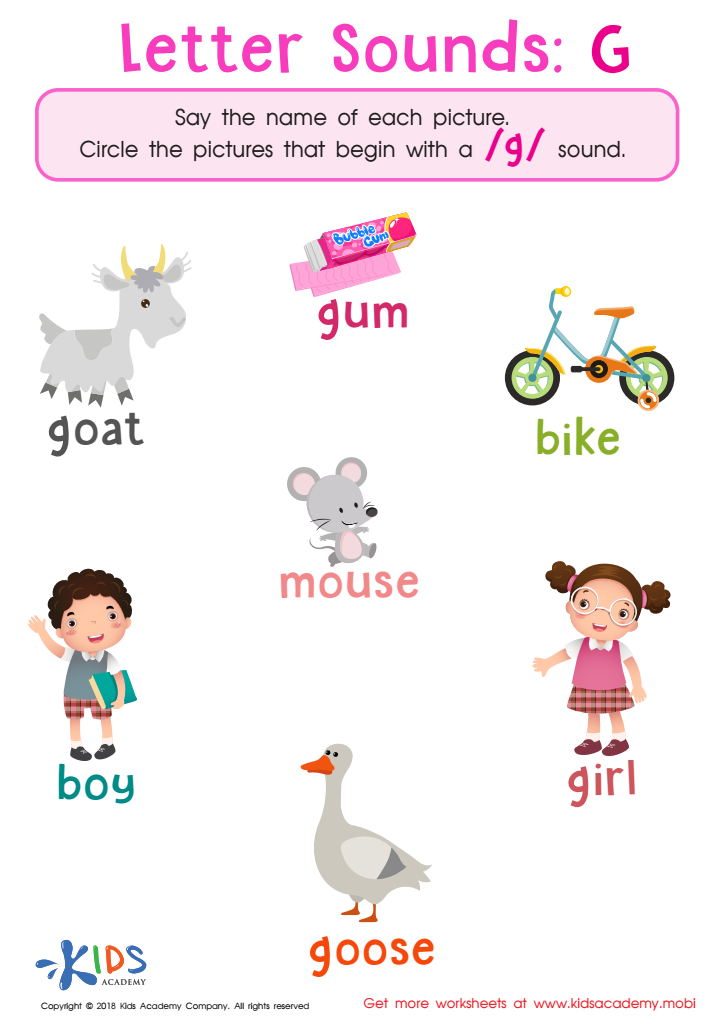
Letter G Sounds Worksheet
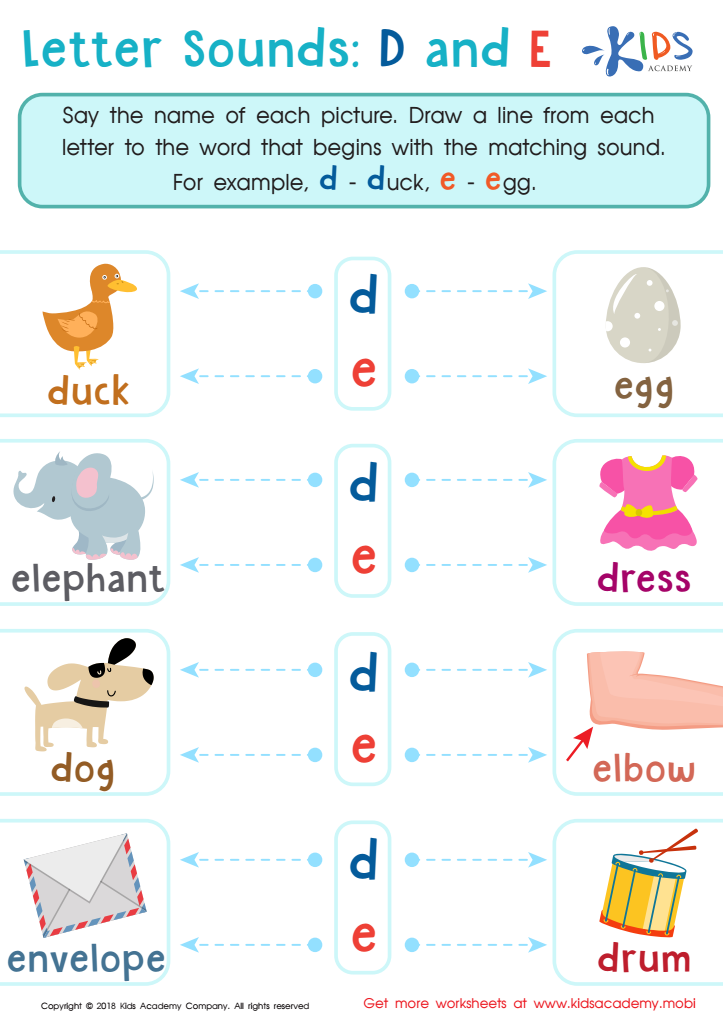
Letter D and E Sounds Worksheet








Parents and teachers should prioritize letter sounds for children aged 3-9 because they form the foundation of literacy skills essential for reading and writing. Early exposure to letter sounds, often through interactive play and storytelling, helps children develop phonemic awareness, a crucial skill for decoding words. Mastery of letter sounds enhances vocabulary development and comprehension, enabling children to understand what they read.
Furthermore, learning letter sounds supports spelling and writing, allowing young learners to connect sounds with their corresponding letters. This relationship fosters confidence in their ability to express themselves through writing. Engaging with letter sounds can also be a fun, communal activity, strengthening bonds between parents, caregivers, and educators.
Additionally, letter sounds act as building blocks for more complex language skills. Children who are proficient in identifying and manipulating sounds tend to excel in reading fluency and comprehension as they progress in school. This early investment in phonics paves the way for future academic success.
In essence, prioritizing letter sounds is crucial for developing strong literacy skills, fostering a love for reading, and setting children on a path to lifelong learning and success. Engaging in this foundational aspect of education is a powerful step toward nurturing capable, confident learners.







