Shape Recognition Geometry Worksheets for Ages 3-9 - Page 3
71 filtered results
-
From - To
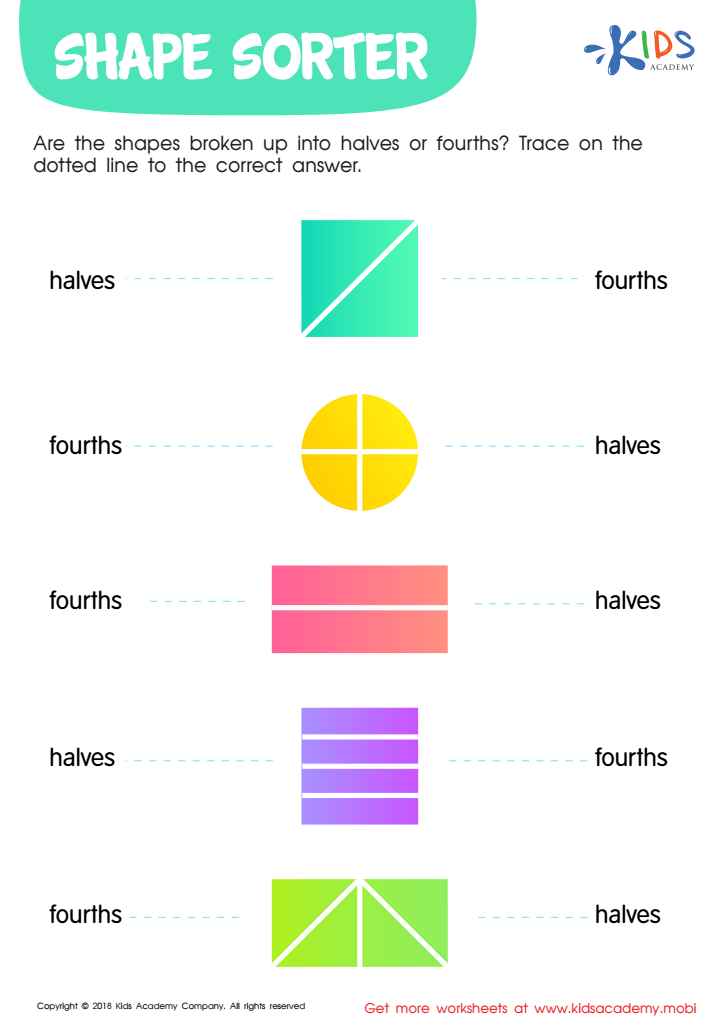
Shape Sorter Worksheet
 Assign to My Students











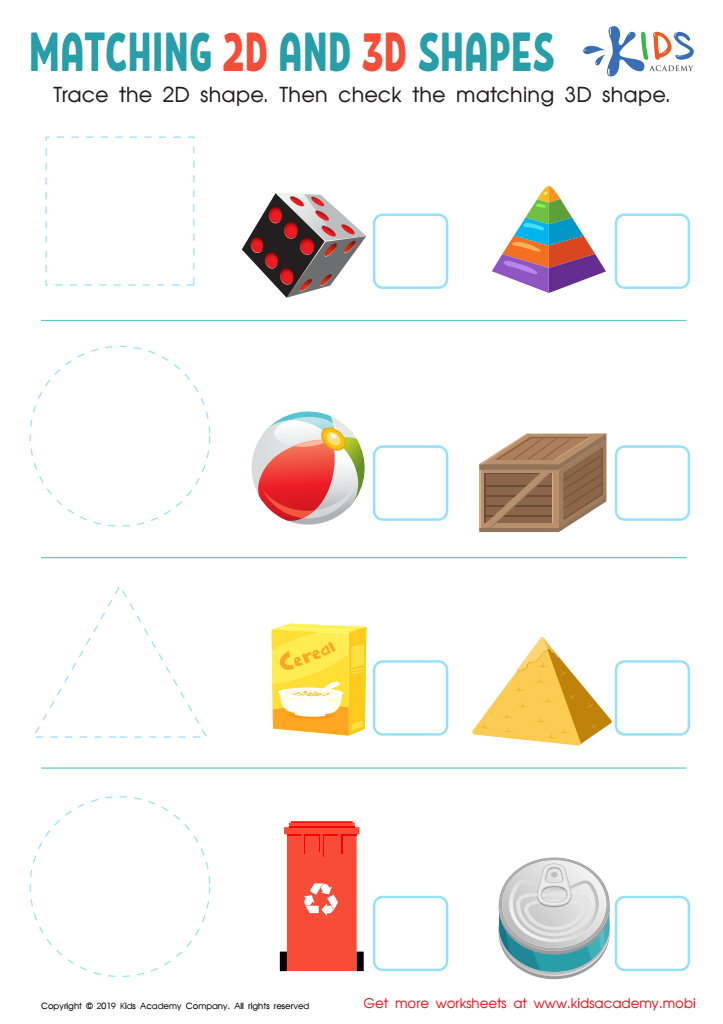
Matching 2D and 3D Shapes Worksheet
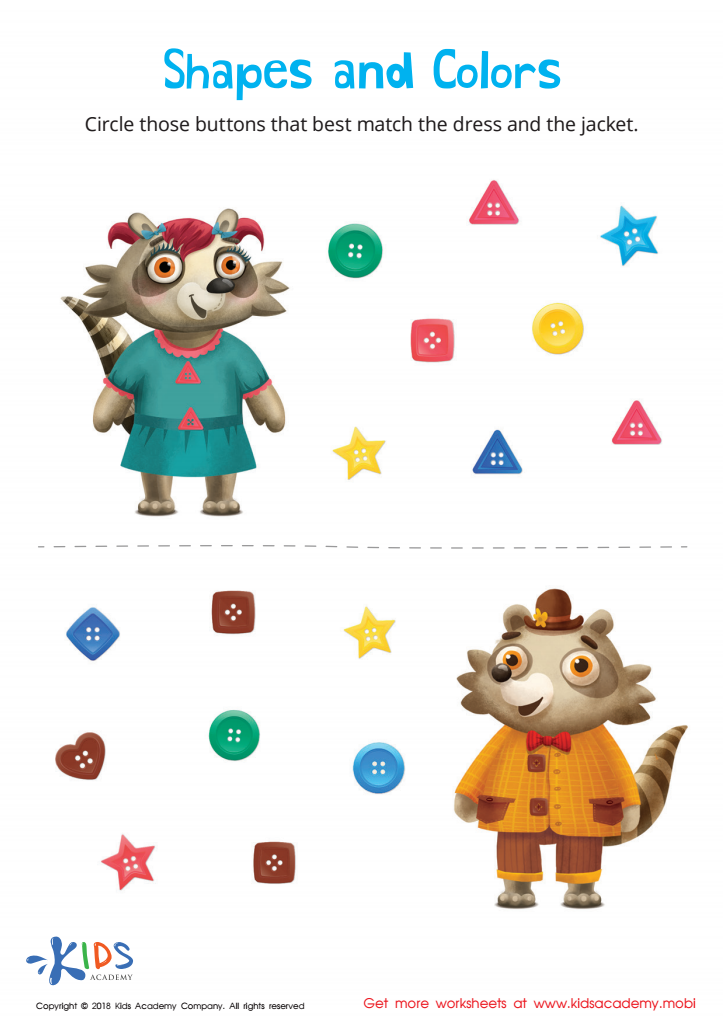
Shapes and Colors Worksheet
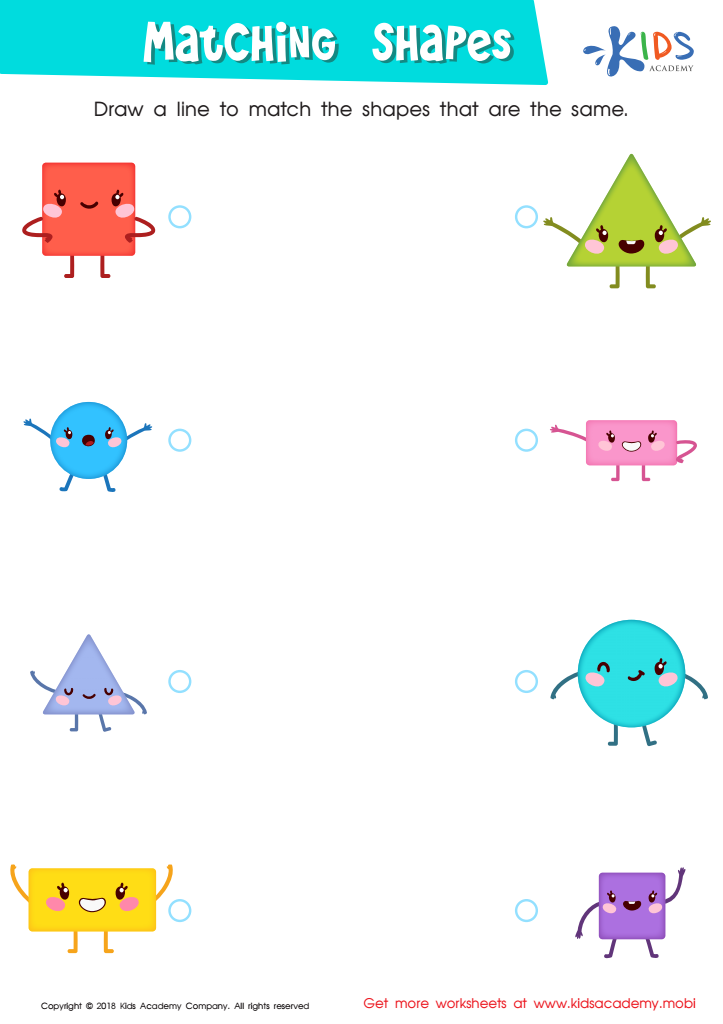
Matching Shapes Worksheet
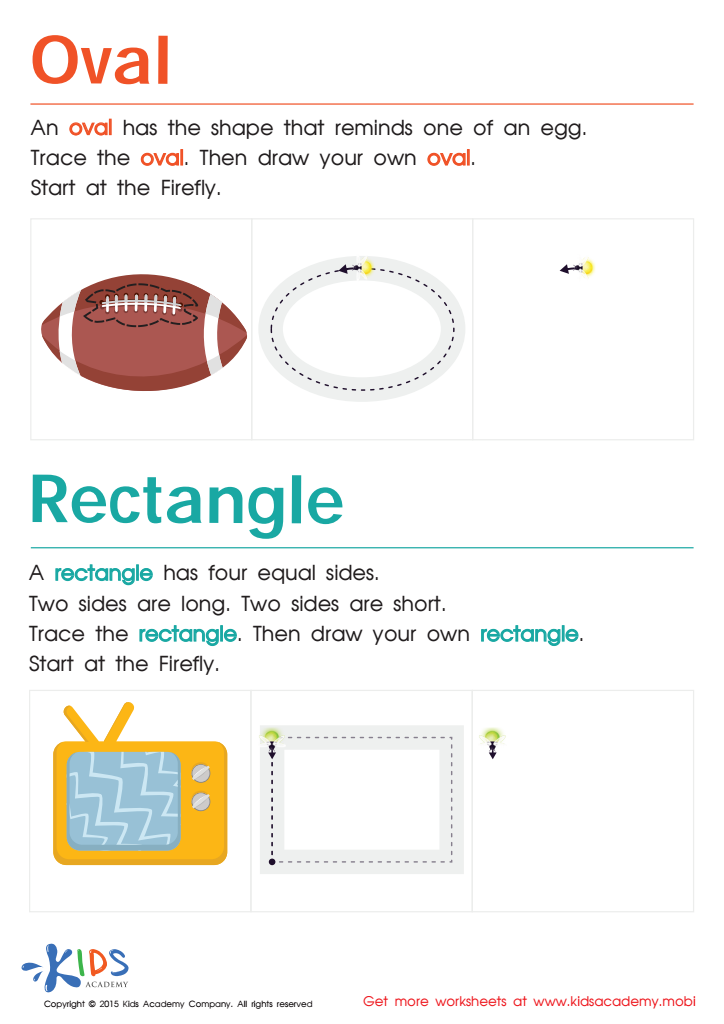
Easy Drawing of Ovals And Rectangles Worksheet
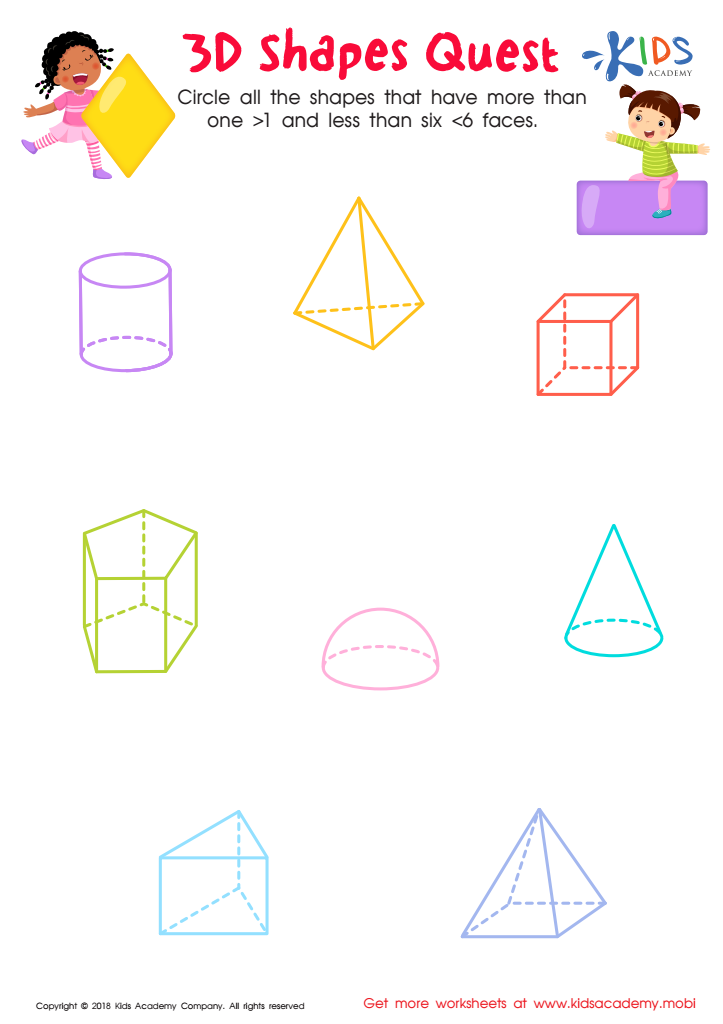
3D Shapes Quest Worksheet
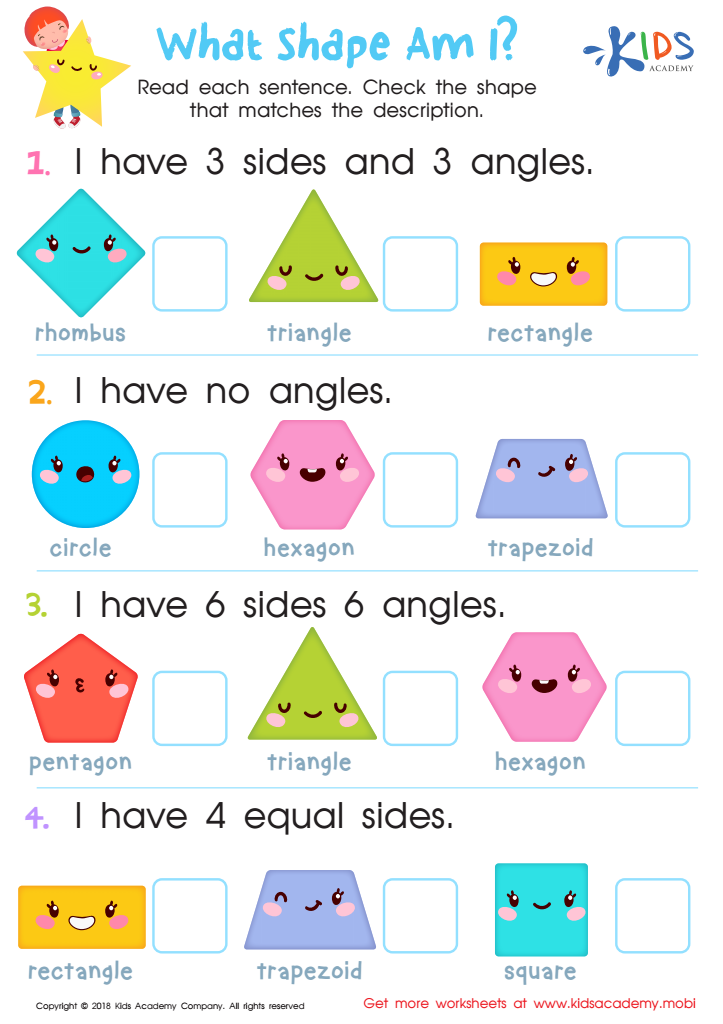
What Shape Am I? Worksheet
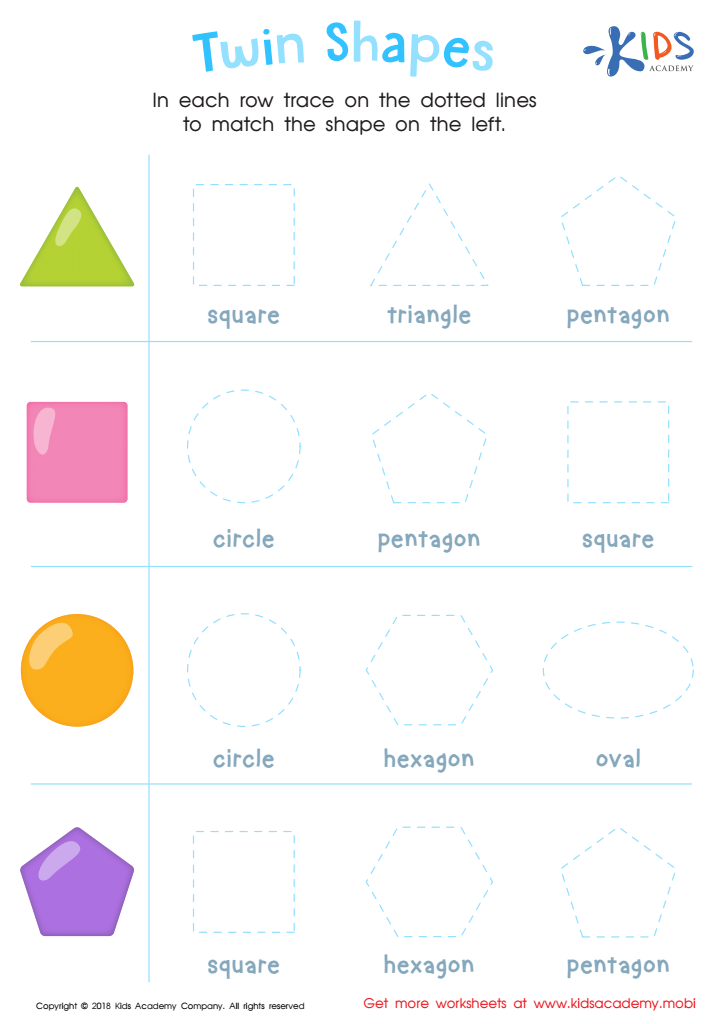
Twin Shapes Dot-to-Dot Worksheet
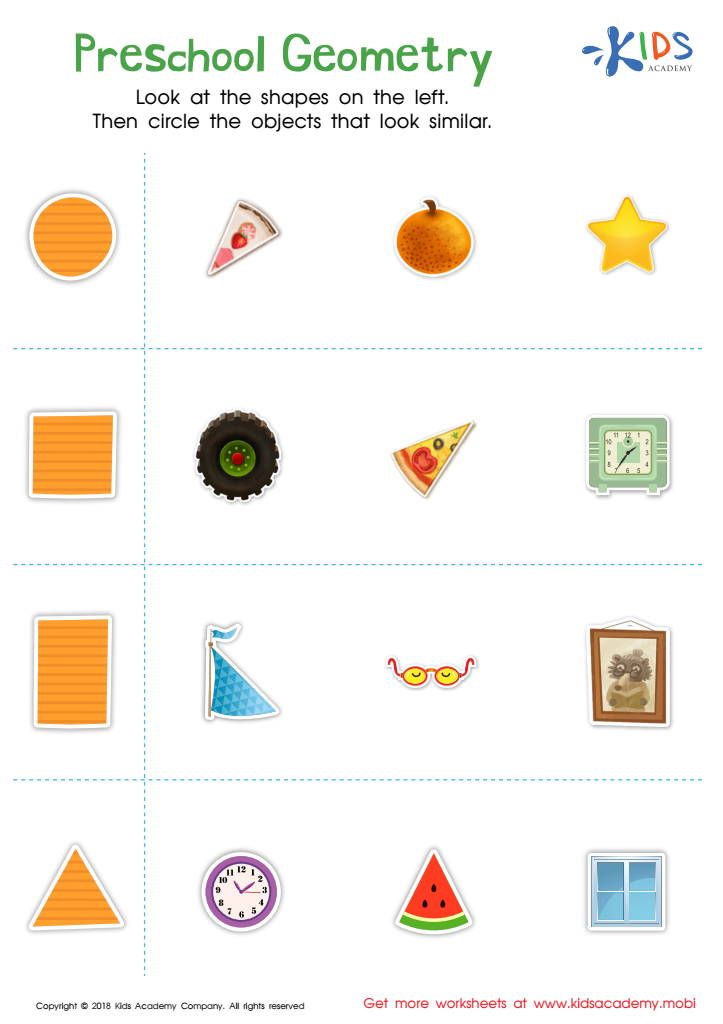
Preschool Geometry Worksheet
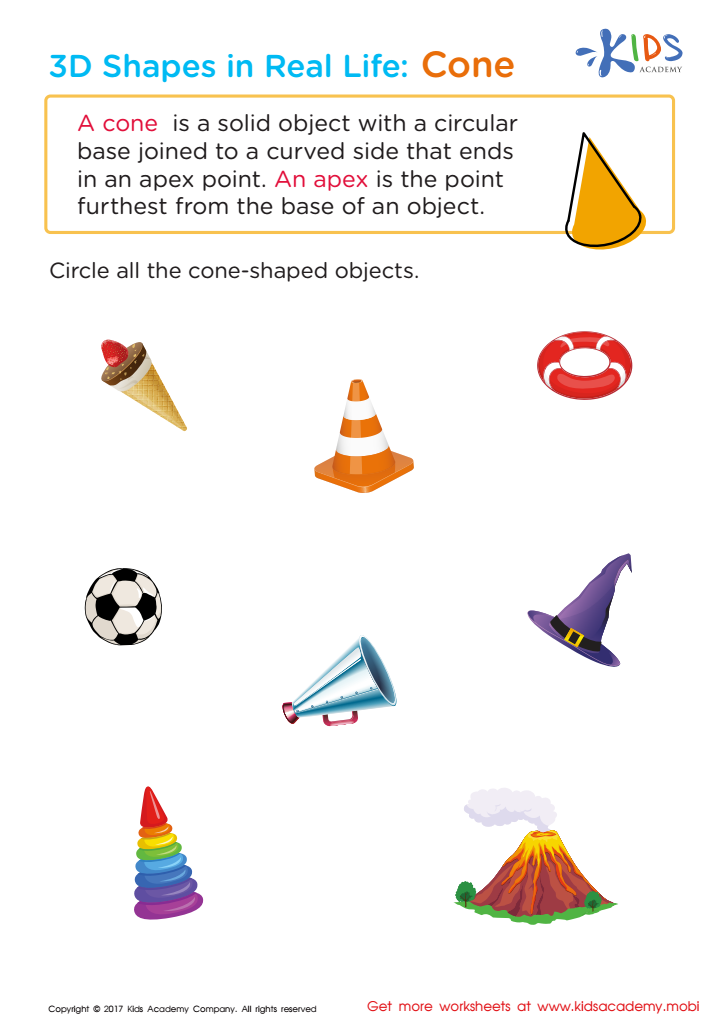
Shapes in Real Life: Cone Worksheet
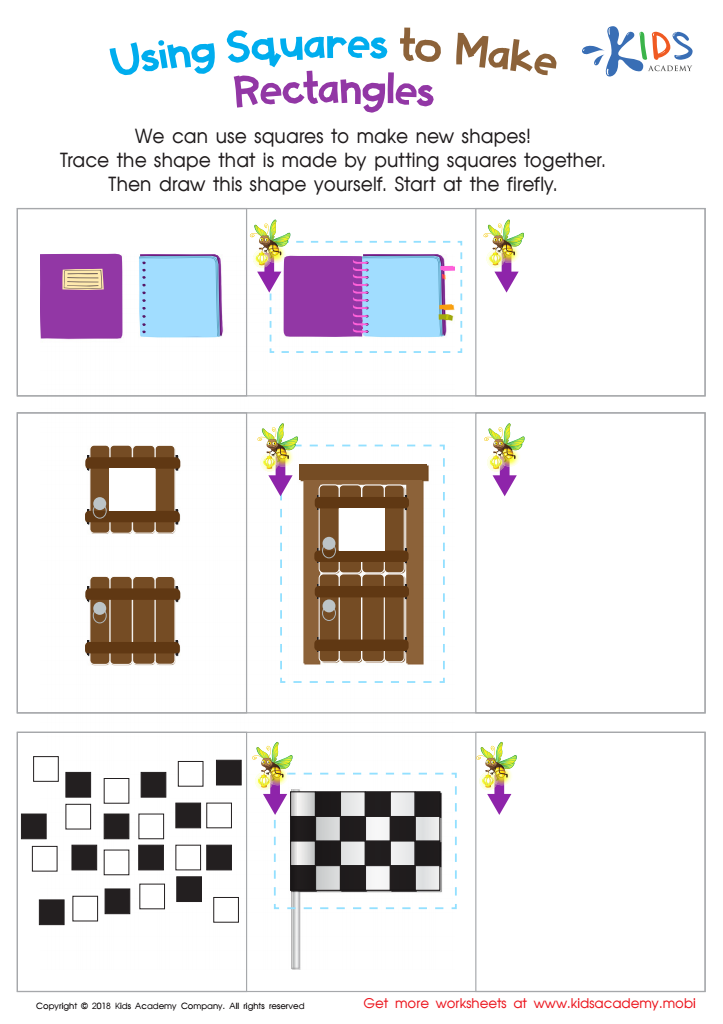
Using Squares to Make Rectangles Worksheet
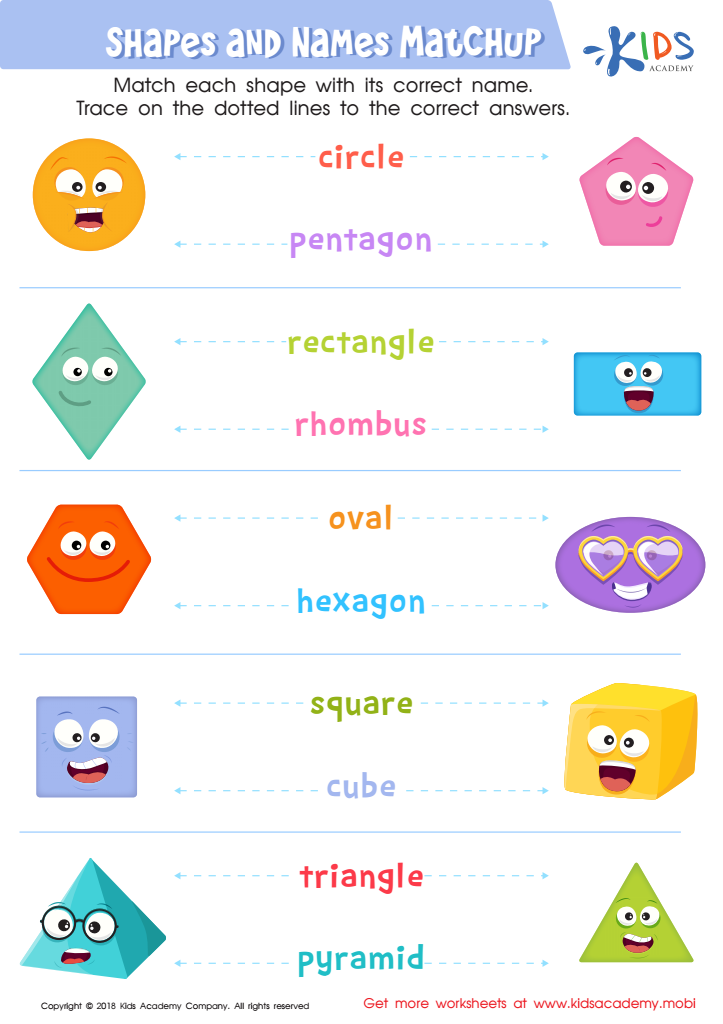
Shapes and Names Matchup Worksheet
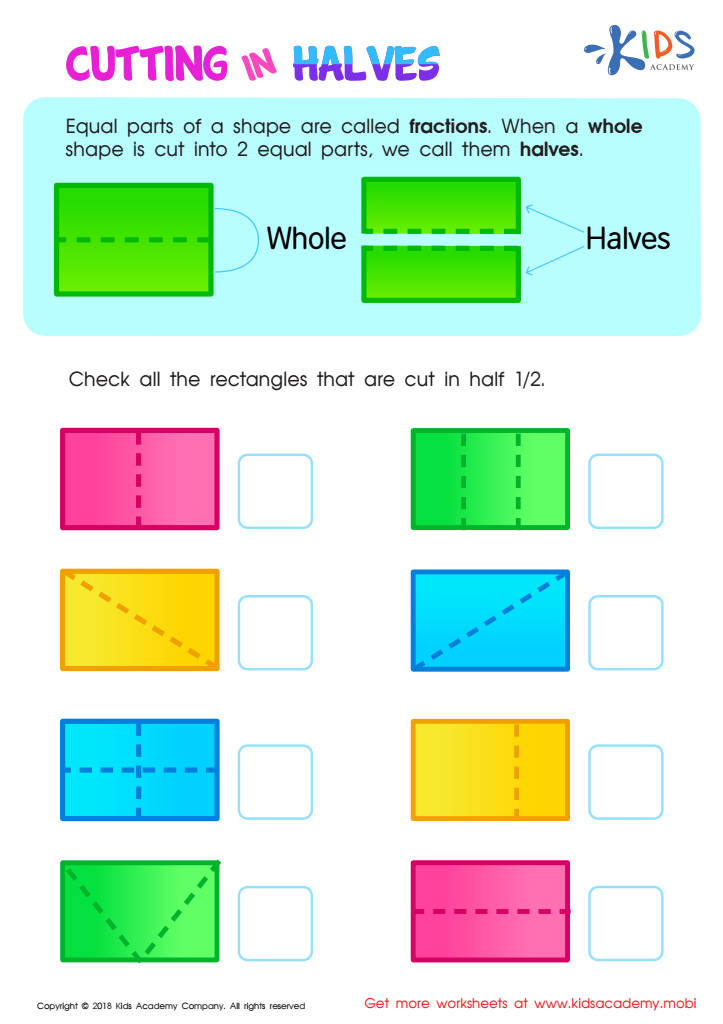
Cutting in Halves Worksheet
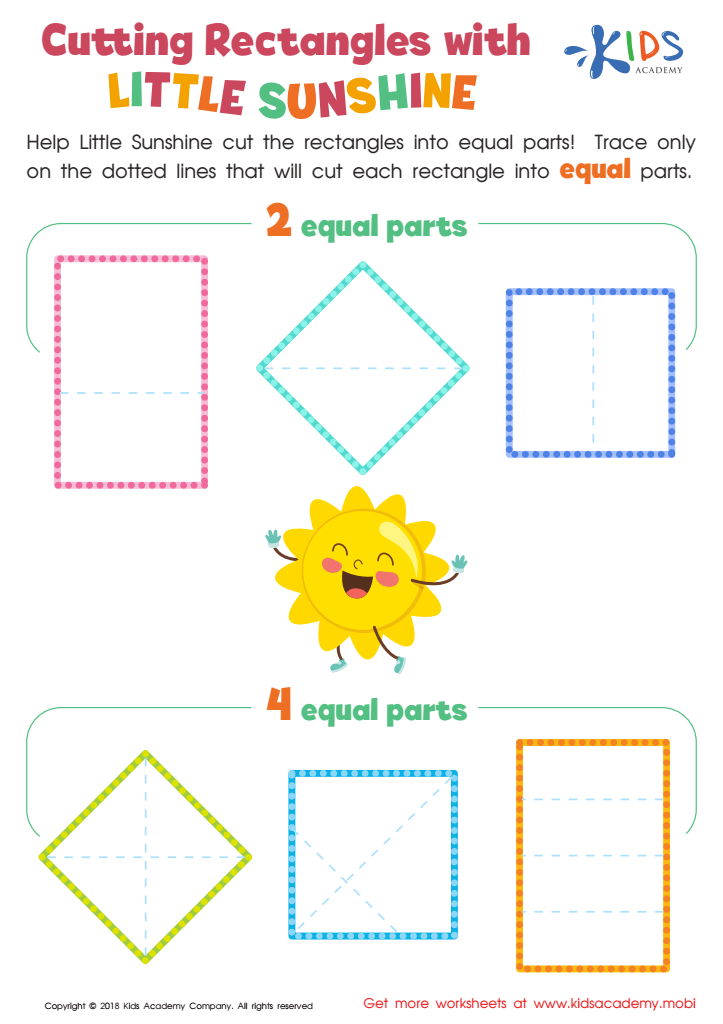
Cutting Rectangles with Little Sunshine Worksheet
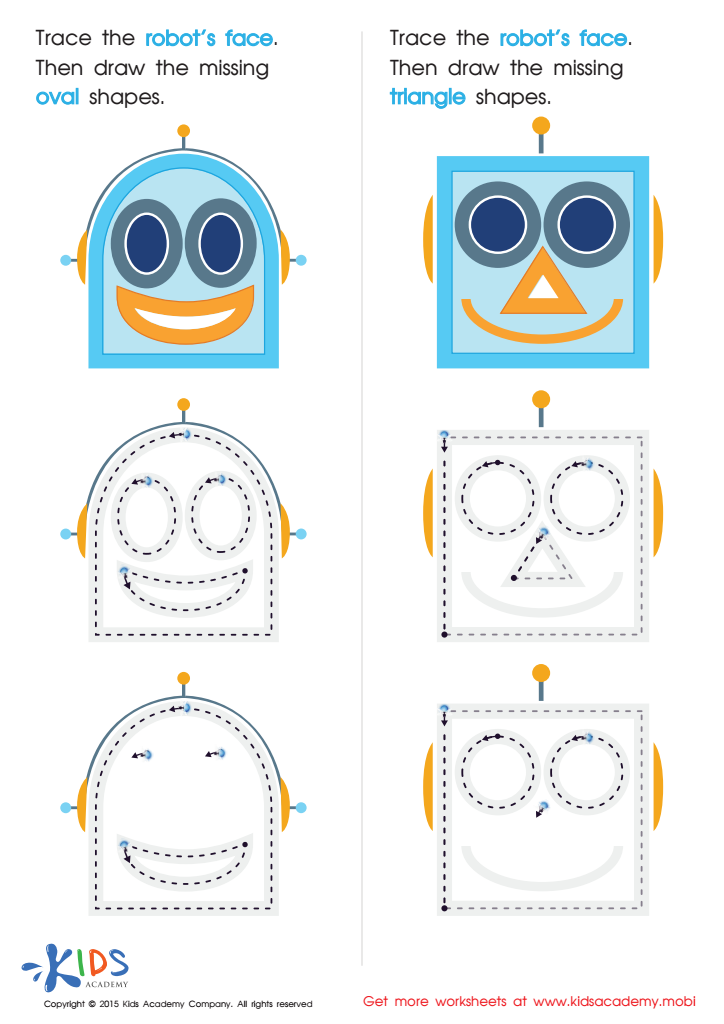
Drawing Ovals And Triangles with Fun Printable
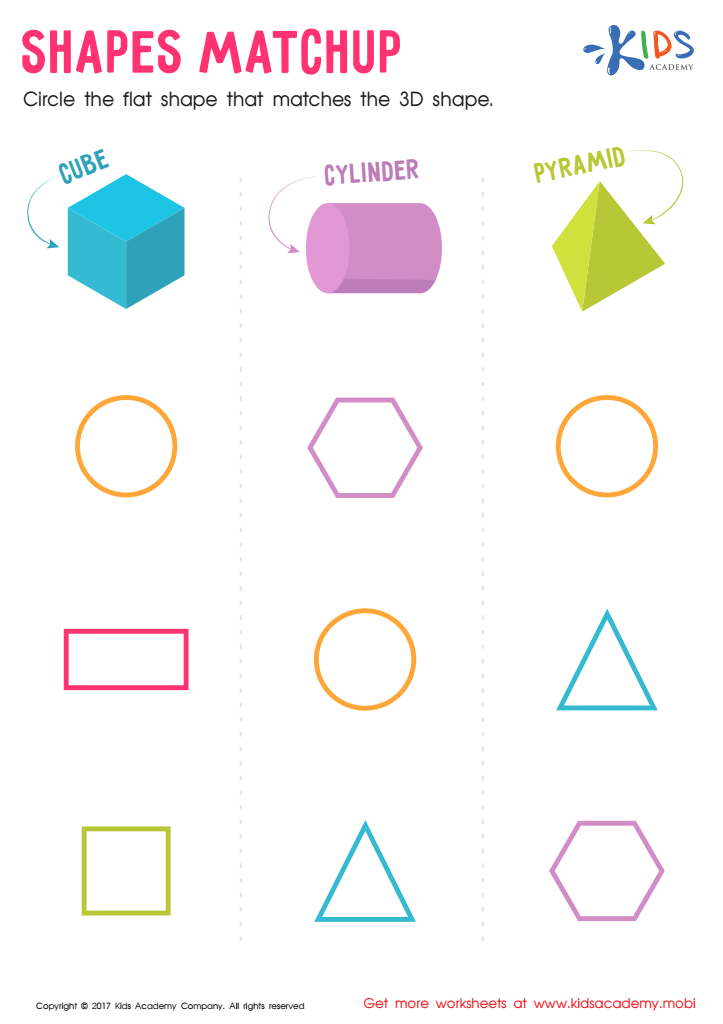
Shapes Matchup Worksheet
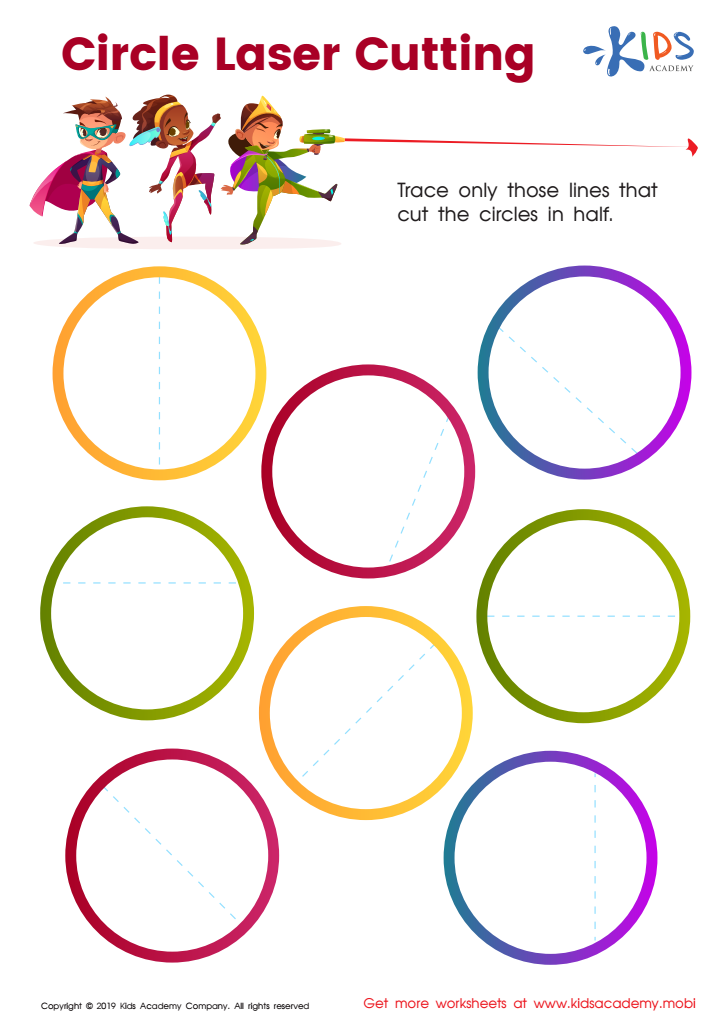
Circle Laser Cutting Worksheet
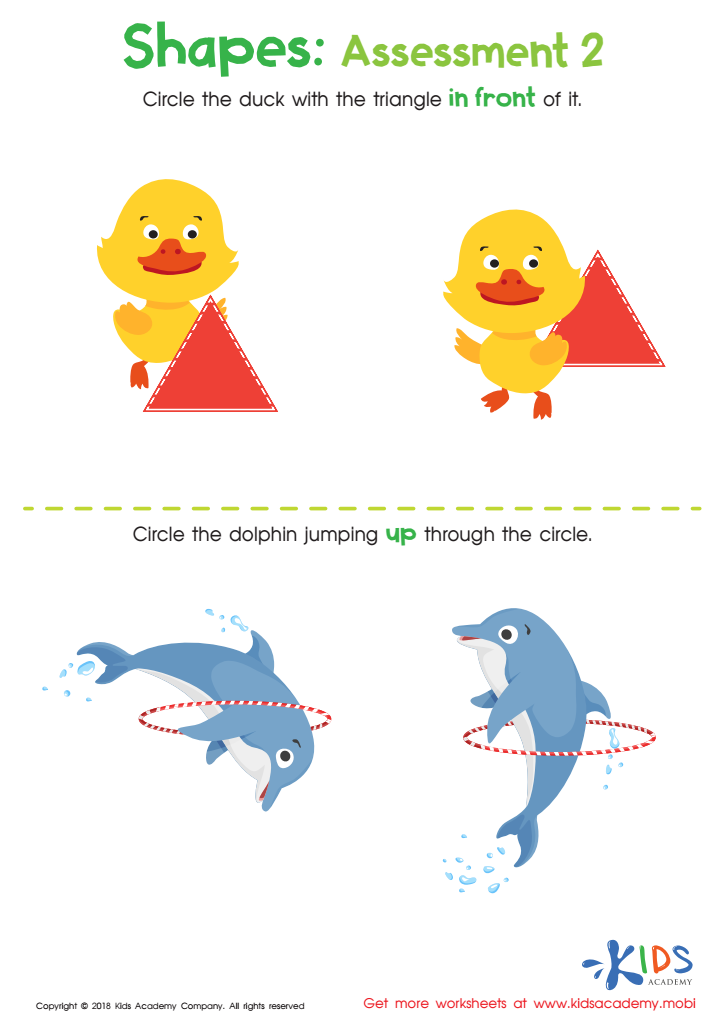
Geometry – Assessment 2 Worksheet
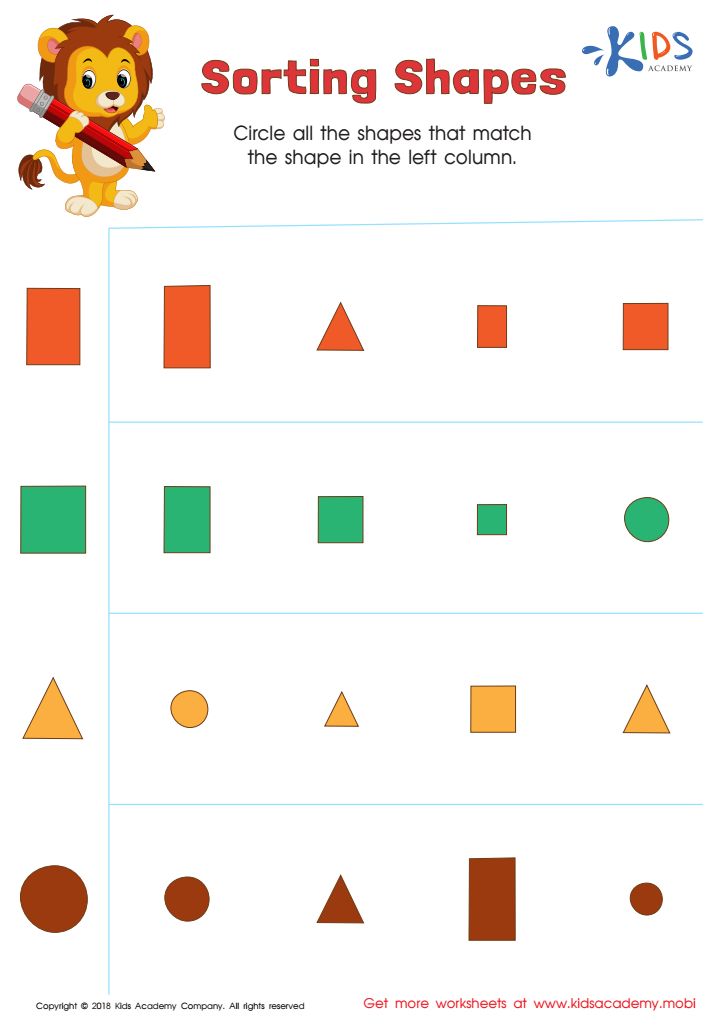
Sorting Shapes - Part 2 Worksheet
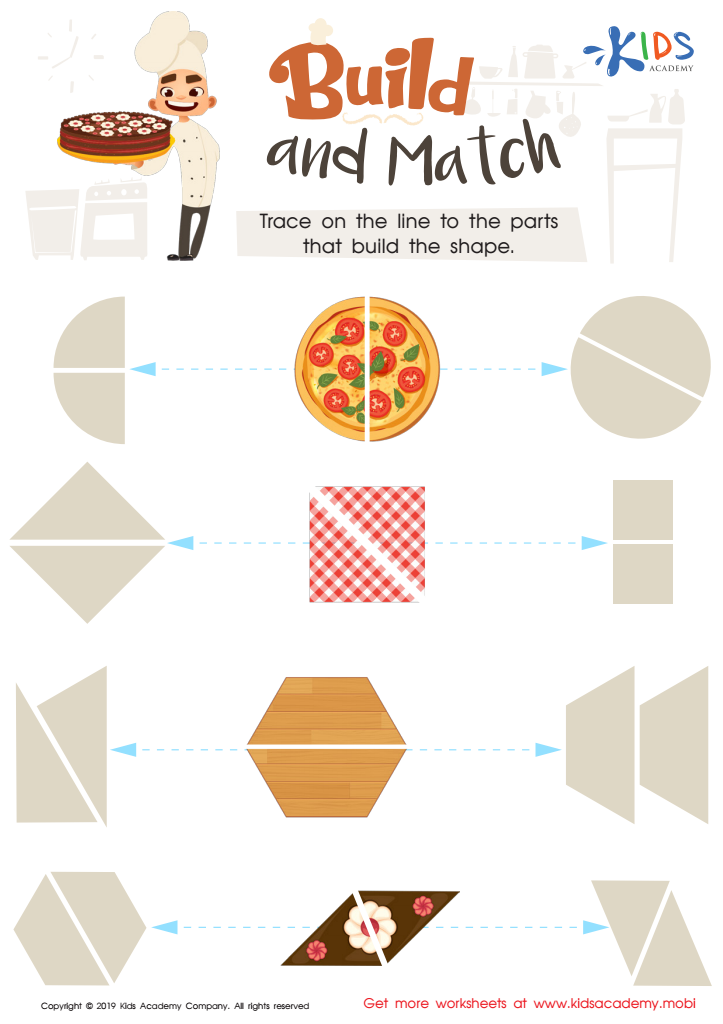
Build and Match Worksheet
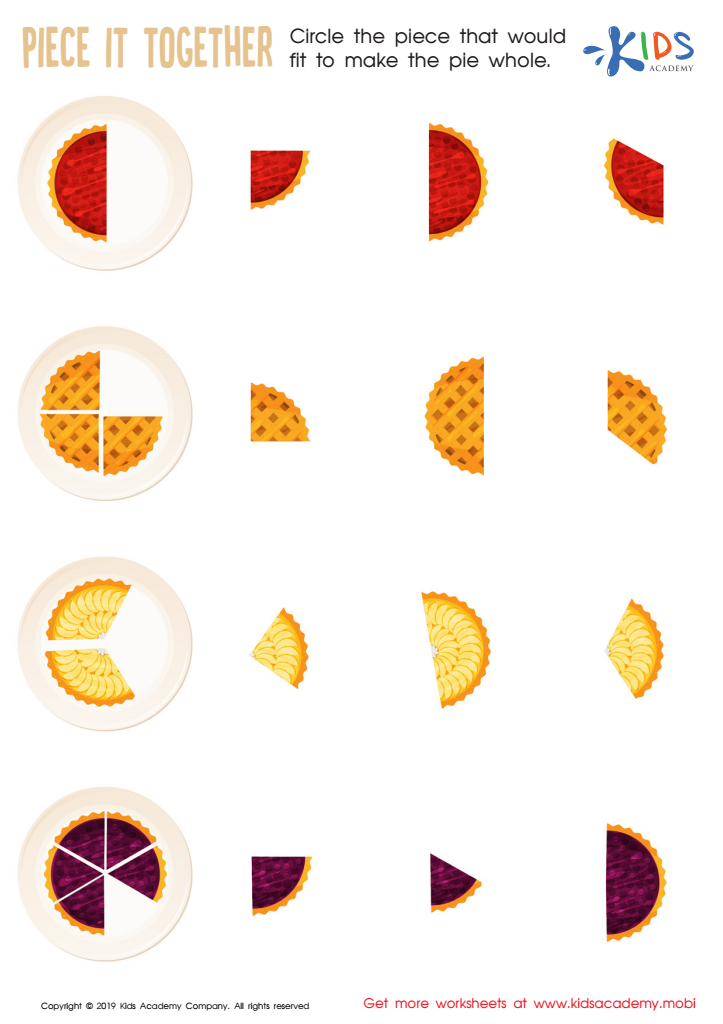
Piece it together Worksheet
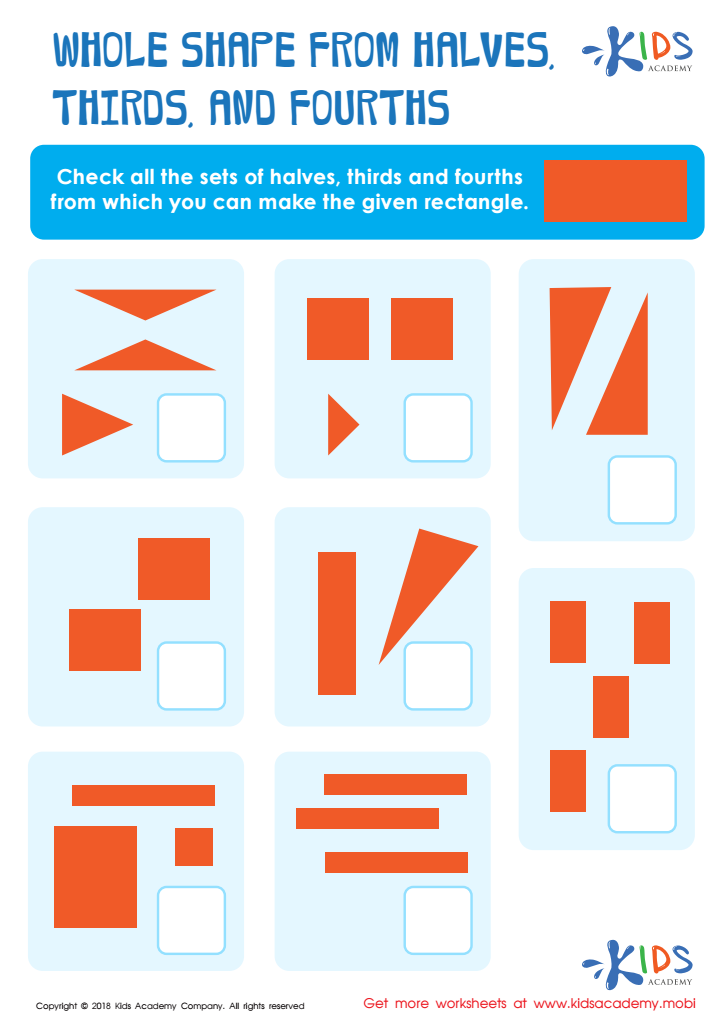
Whole Shape from Halves, Thirds and Fourths Worksheet
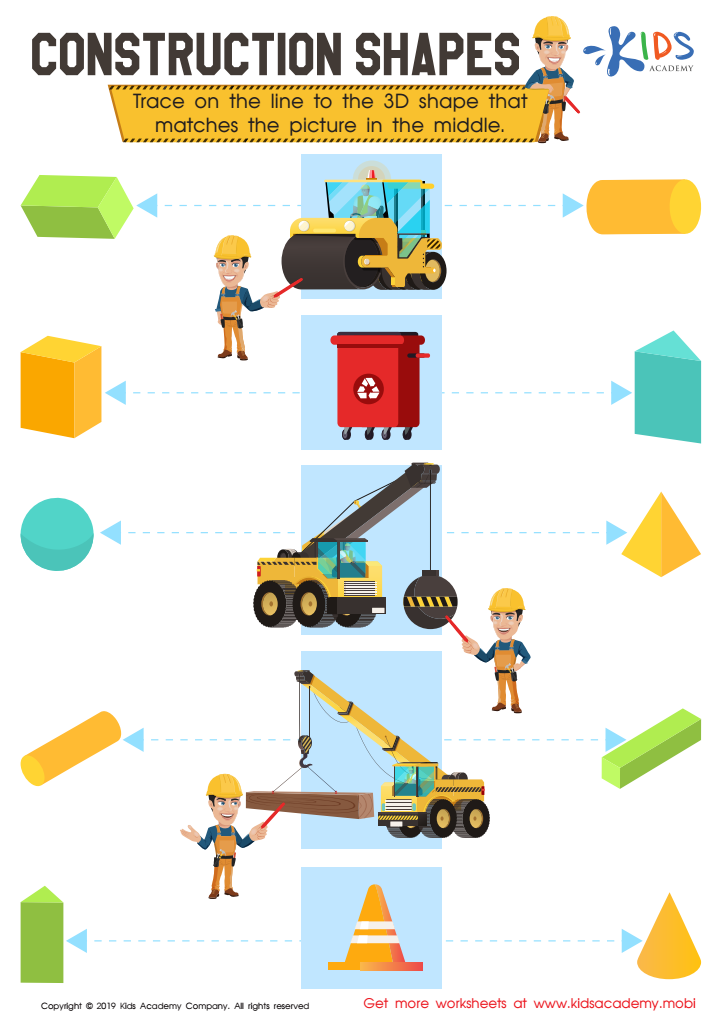
Construction Shapes Worksheet








Shape recognition is a foundational skill in early childhood education that significantly impacts a child's cognitive development. For children aged 3-9, recognizing and understanding shapes helps them make sense of the world around them. This skill forms the basis for more complex geometric concepts they'll encounter later in their education.
Parents and teachers should care about shape recognition because it enhances critical thinking and problem-solving abilities. When children identify and categorize shapes, they begin to understand spatial relationships, which is vital for skills in math, science, and art. Furthermore, early geometry introduces language development; children learn to articulate the names, properties, and relationships of shapes.
Additionally, engaging with geometry at a young age builds confidence and curiosity. Activities like creating shapes with blocks or drawing figures help develop fine motor skills and spatial awareness. These experiences inspire creativity, as children cannot only recognize shapes but also manipulate and combine them in innovative ways.
Lastly, consistent exposure to shape recognition reinforces important cognitive milestones. It lays the groundwork for higher-level mathematical reasoning and promotes a love for learning that can last a lifetime. Thus, prioritizing shape recognition is essential for holistic development in early learners.








