Social Studies Worksheets for Ages 3-9 - Page 14
314 filtered results
-
From - To
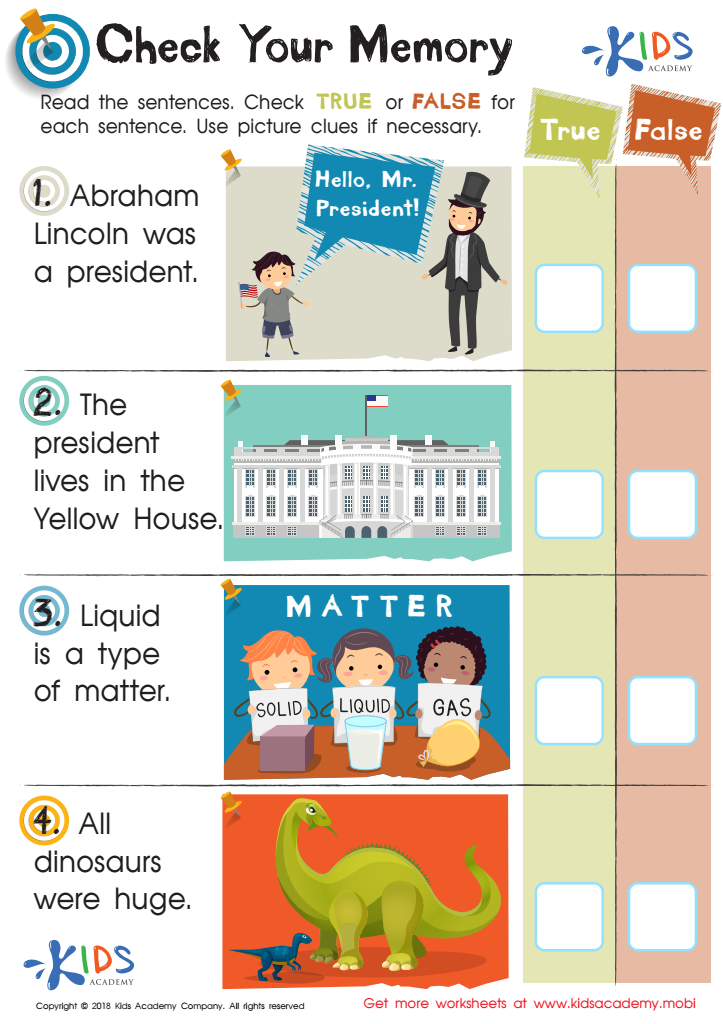
Check Memory Worksheet
 Assign to My Students
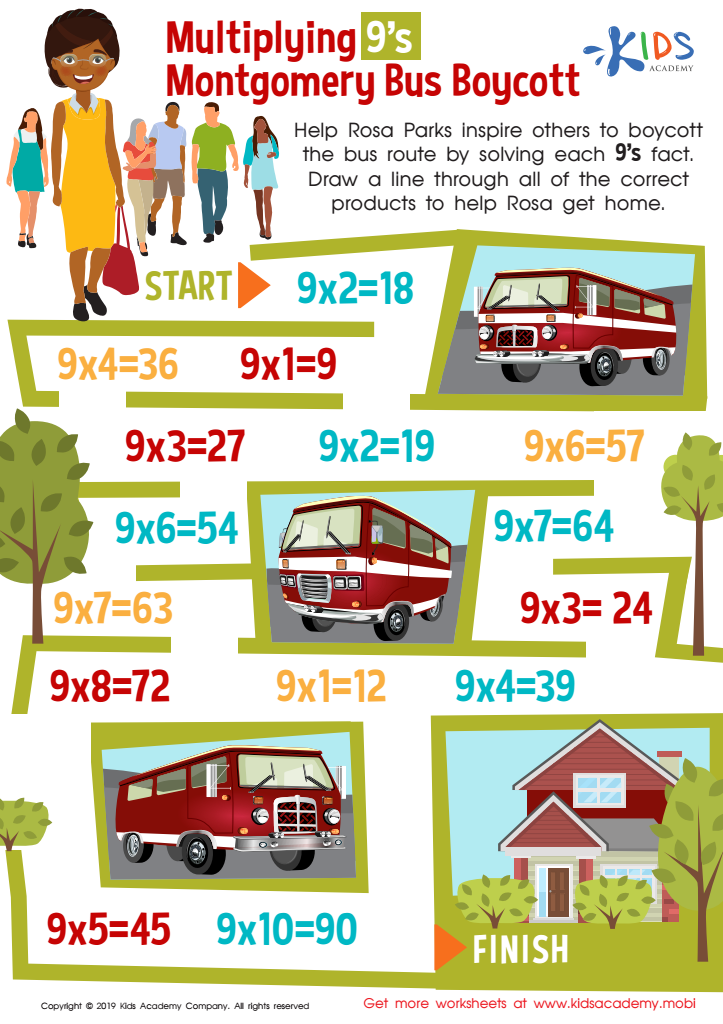
Multiplying 9’s Montgomery Bus Boycott Worksheet








Social Studies is crucial for children aged 3-9 as it lays the foundation for their understanding of the world around them. At this formative stage, children are naturally curious about their environment, societies, and the diverse cultures that inhabit them. By engaging in Social Studies, young learners develop critical thinking skills, empathy, and a sense of identity, helping them make sense of their place in the world.
Parents and teachers should care about Social Studies because it integrates essential themes like community, citizenship, and history into everyday learning. With curricula that include storytelling, role-playing, and interactive activities, children can explore fundamental concepts such as fairness, respect, and responsibility, shaping their character and values.
Moreover, understanding social structures fosters awareness of diverse perspectives, which is essential in today's interconnected world. As children learn about people from different backgrounds, they cultivate appreciation and tolerance, preparing them to navigate a multicultural society.
Encouraging inquiry-based exploration enhances cognitive skills and promotes curiosity, motivating lifelong learning. Overall, Social Studies is not just about historical facts; it nurtures informed, compassionate citizens who are equipped to contribute positively to their communities. Therefore, both parents and teachers play pivotal roles in encouraging this vital area of learning.