Categorization skills Worksheets for 3-Year-Olds
19 filtered results
-
From - To
Boost your child's cognitive development with our engaging categorization skills worksheets for 3-year-olds! Designed to spark curiosity and enhance critical thinking, these worksheets help little learners identify, compare, and sort objects based on different attributes like shape, color, and size. Ideal for preschool preparation, each activity focuses on fun, interactive learning to keep young minds stimulated. Use these printable worksheets at home or in the classroom to support foundational skills in logic and organization. Start early and give your 3-year-old a head start in cognitive proficiency while making learning playful and enjoyable!
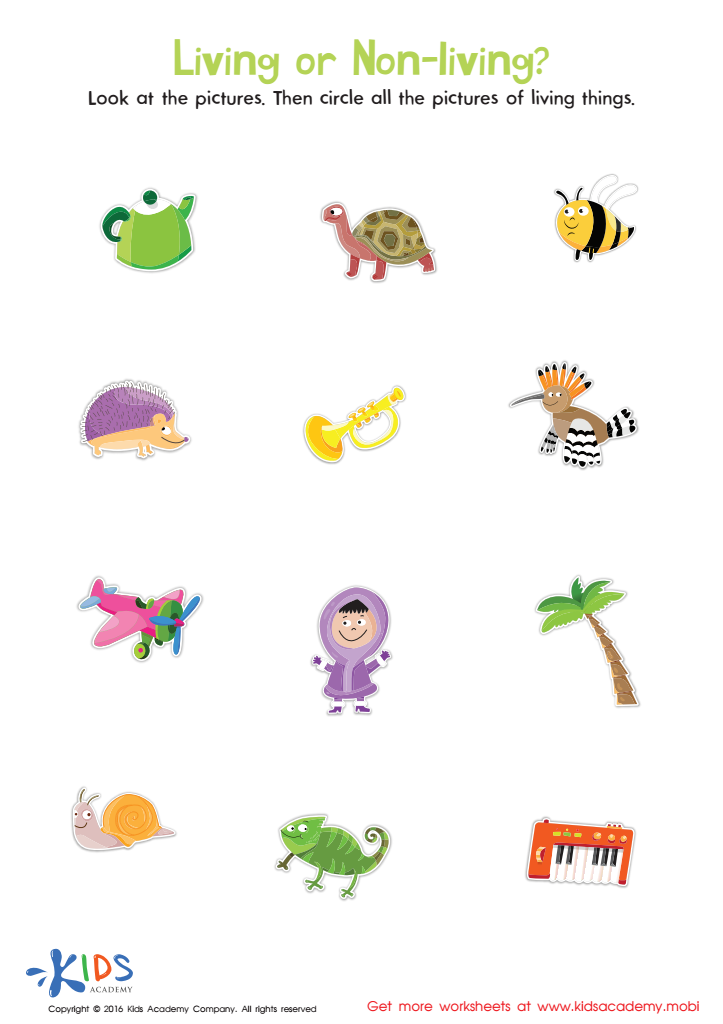
Identifying Living and Non–living Things Sorting Worksheet
 Assign to My Students
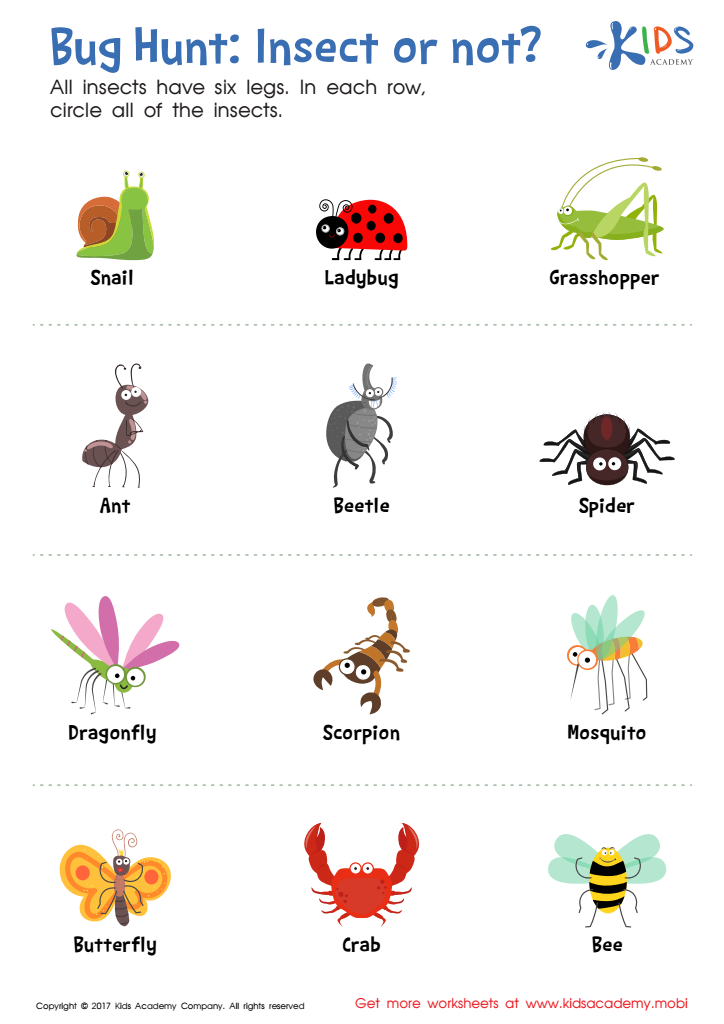
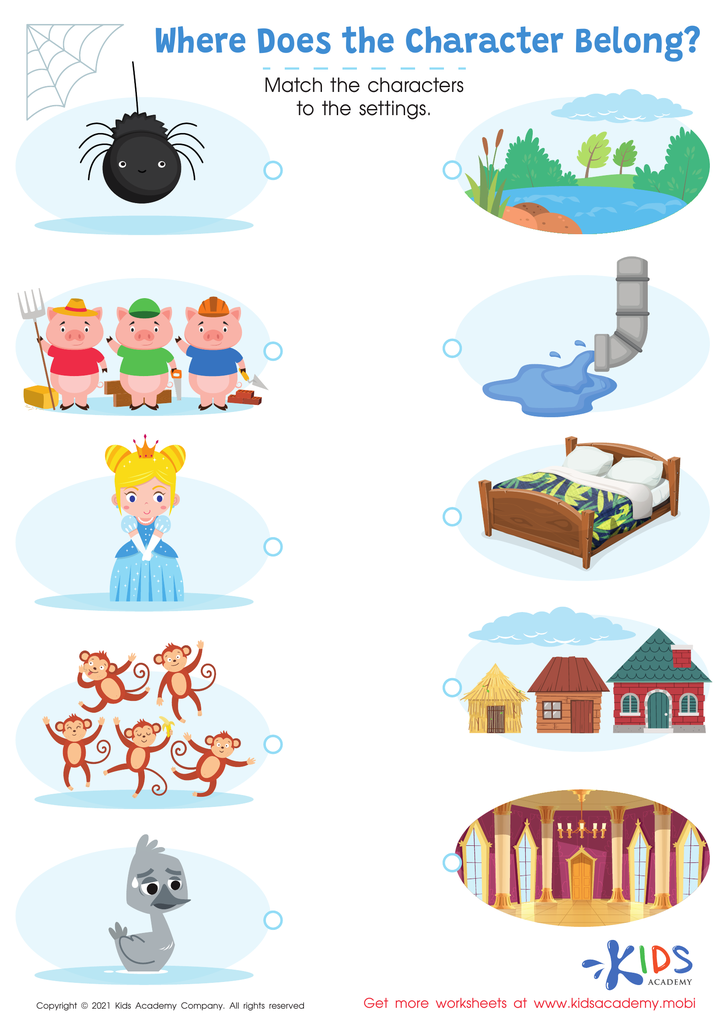
Where Does the Character Belong? Worksheet
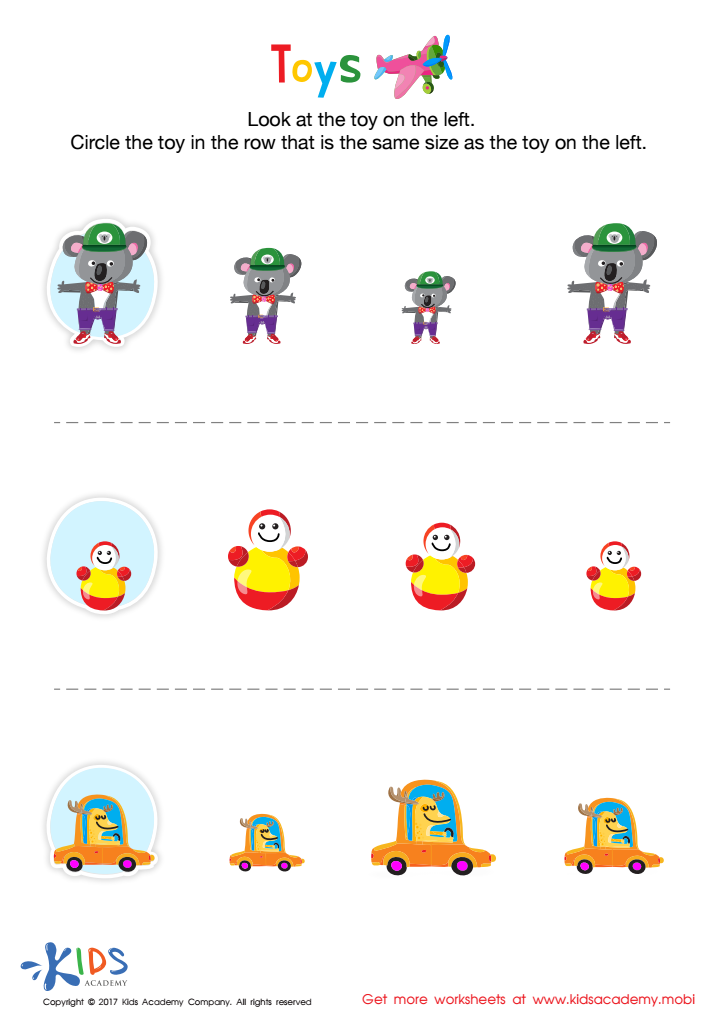
Matching: Classifying Toys by Size Worksheet
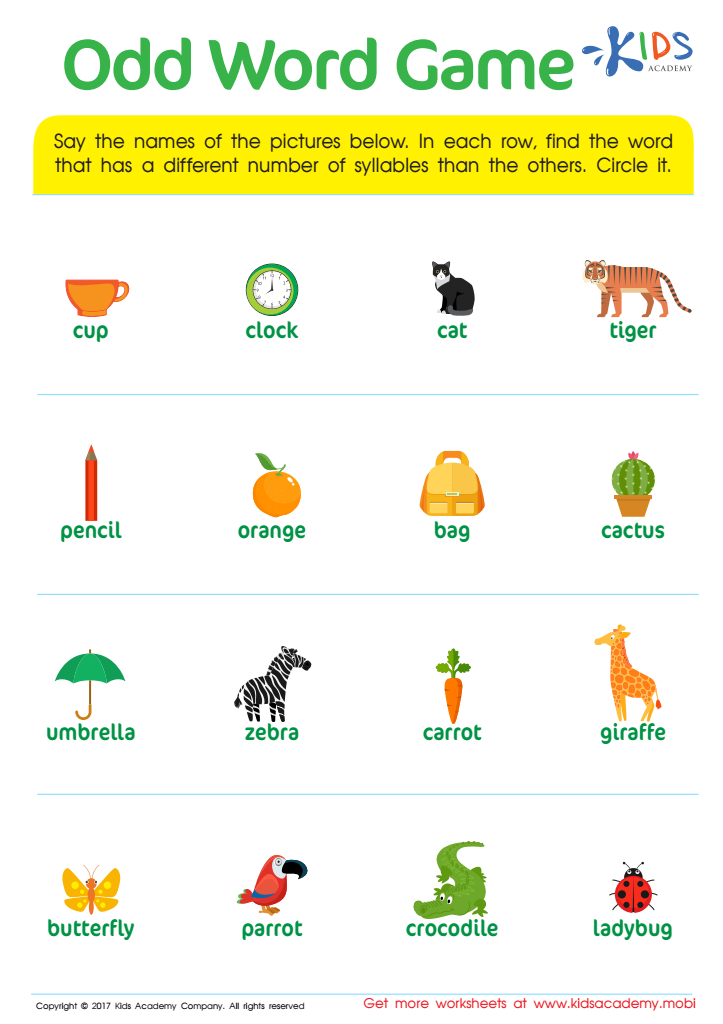
Count Syllables: Odd Word Game Worksheet
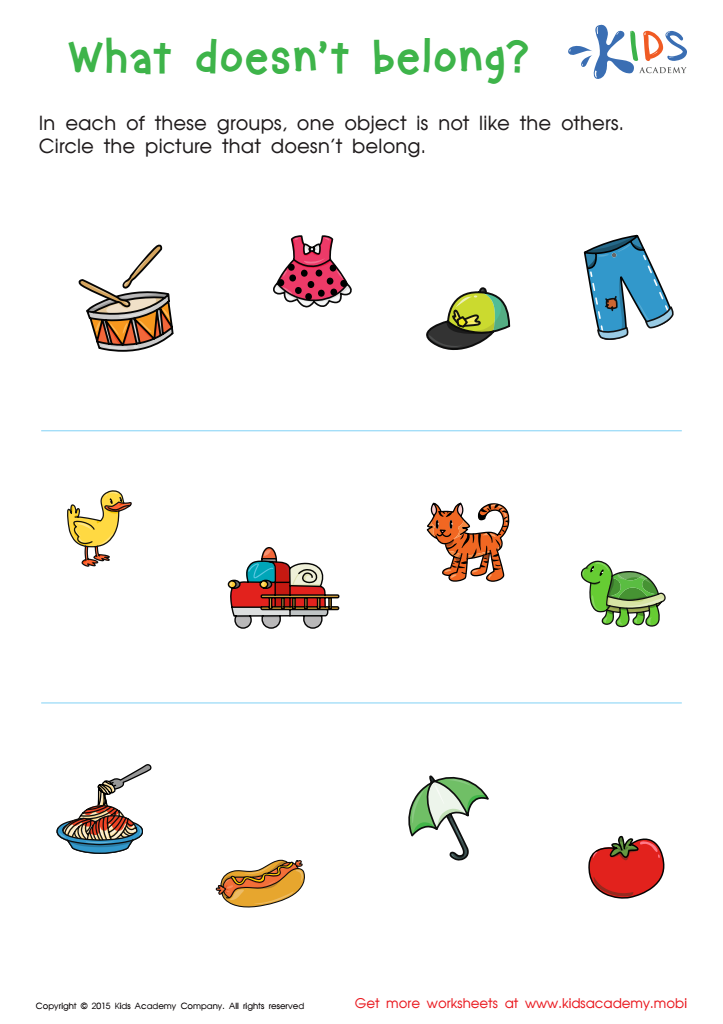
First Words: What Doesn't Belong Worksheet
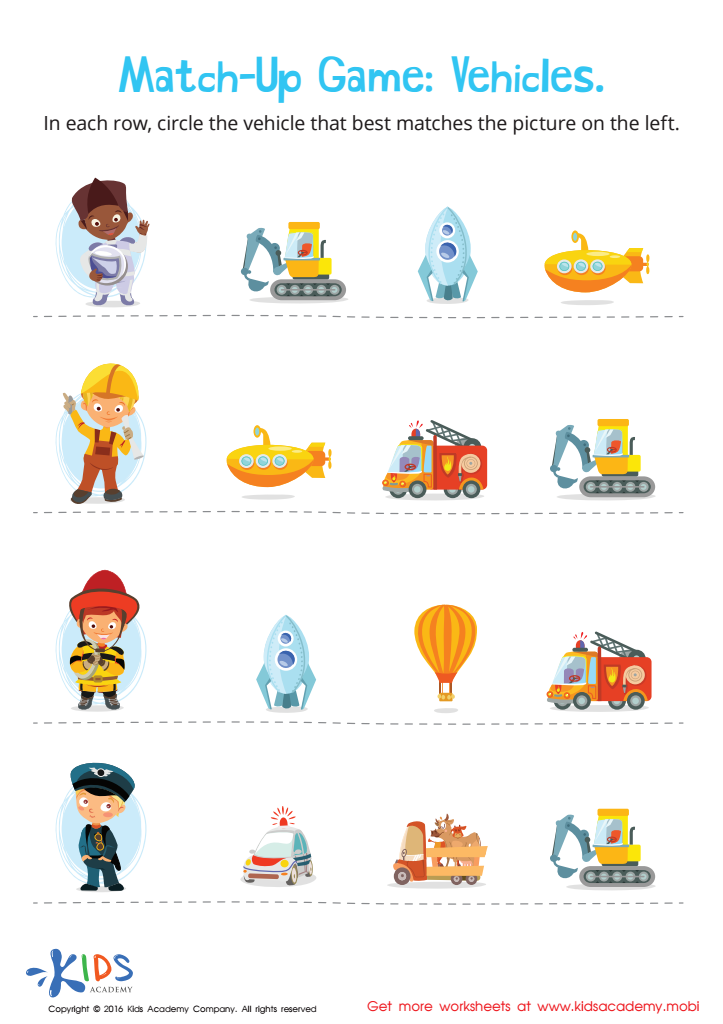
Vehicles Worksheet
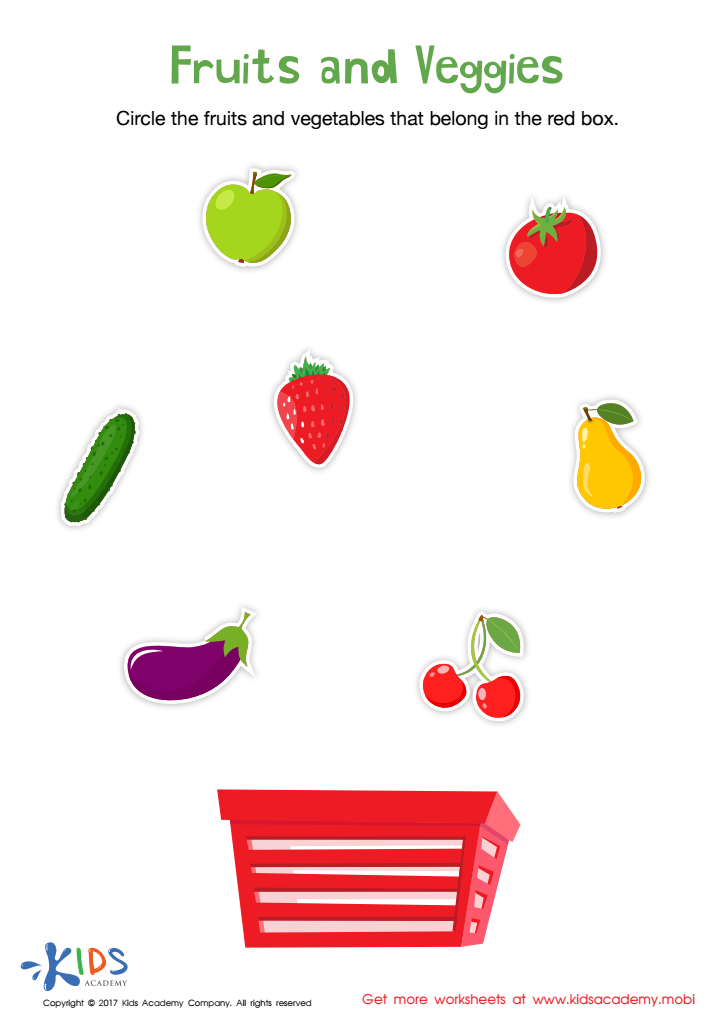
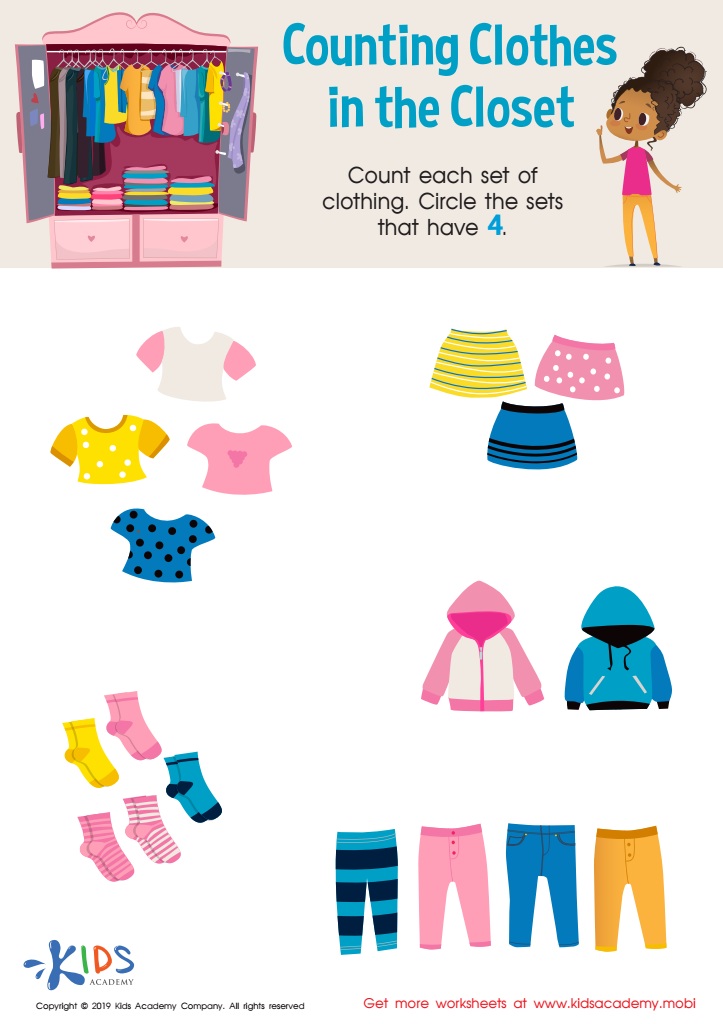
Counting Clothes Worksheet
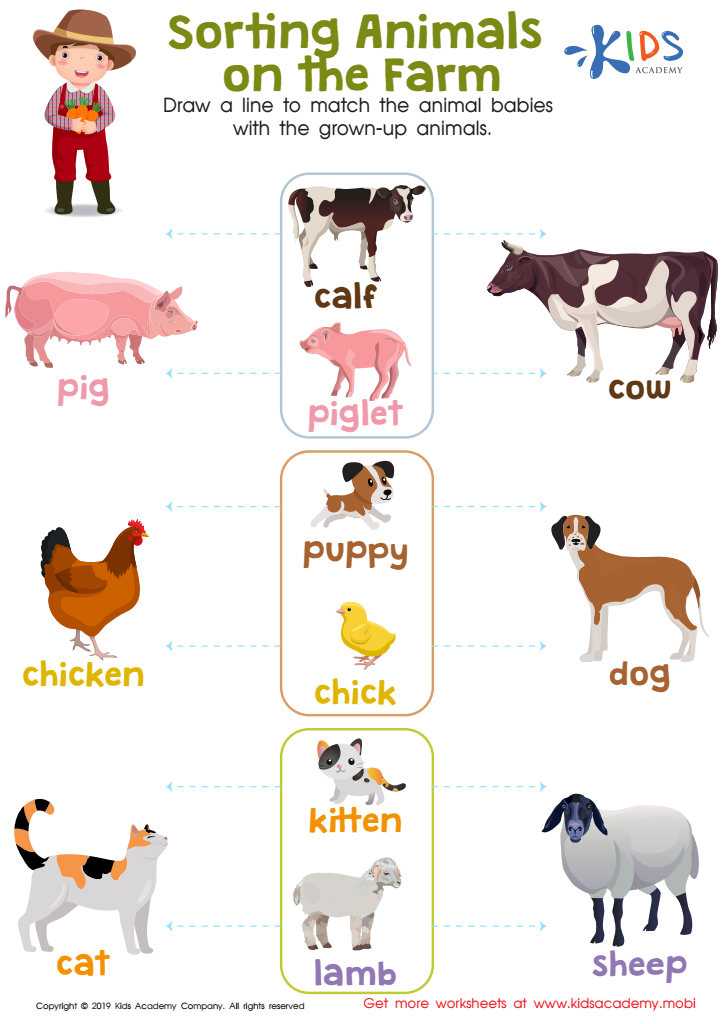
Sorting Animals on the Farm Worksheet
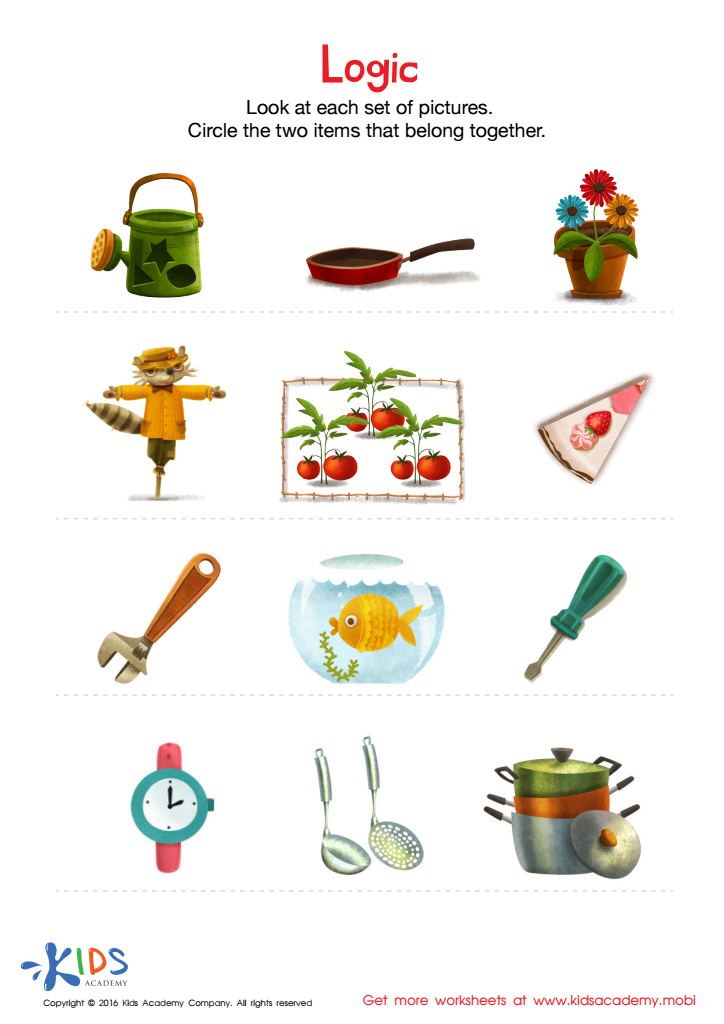
Logic Game Sorting Worksheet
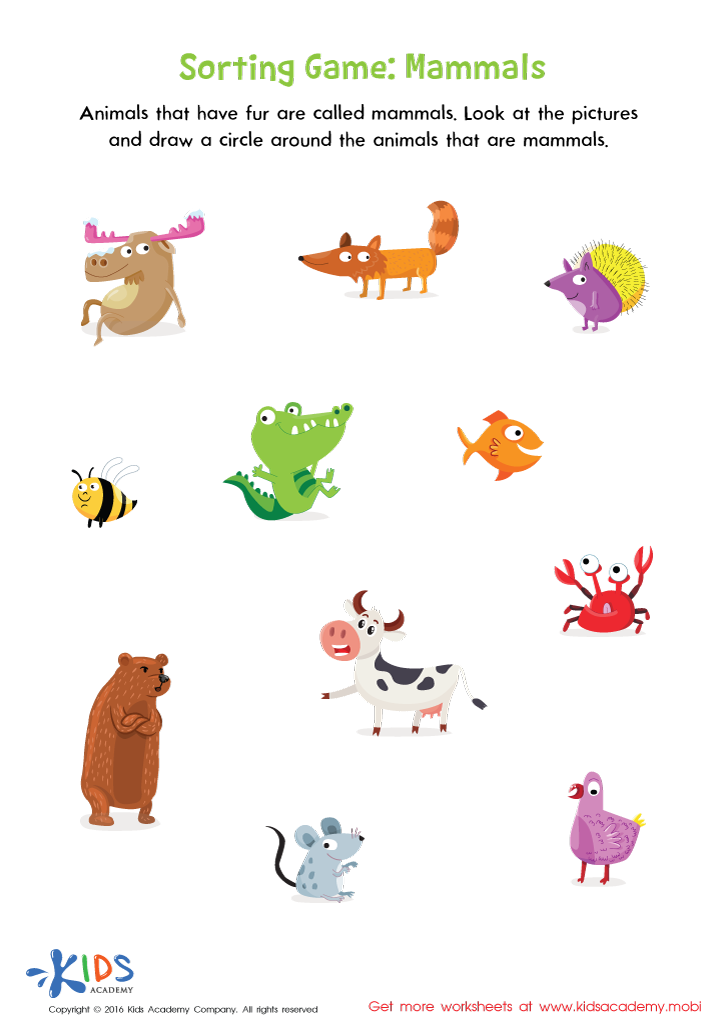
Mammals Sorting Worksheet
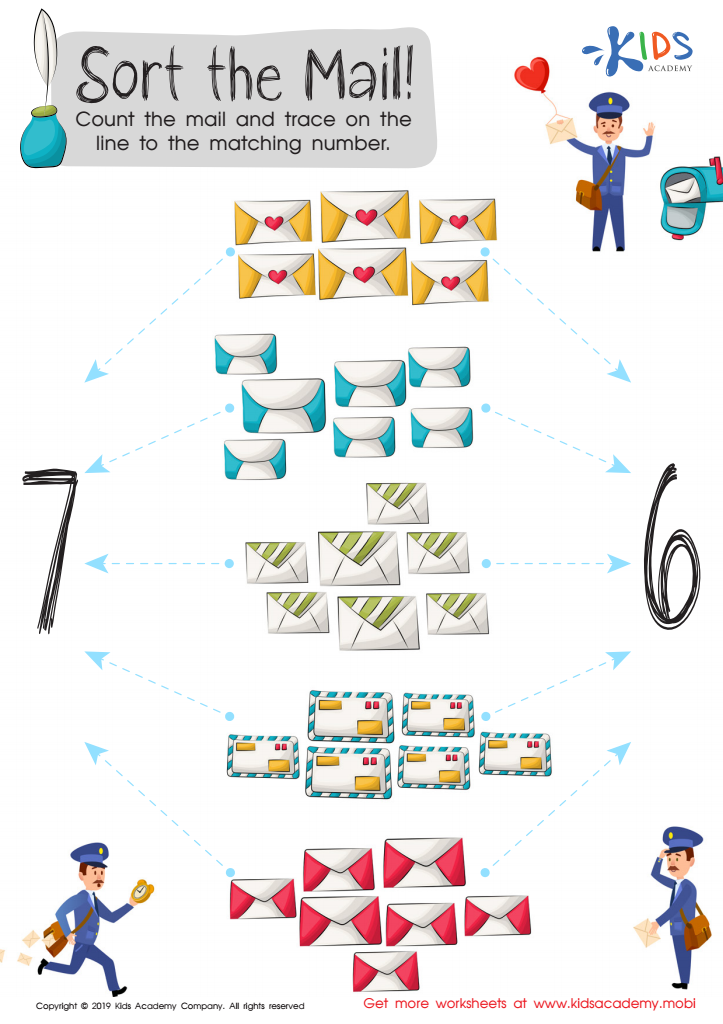
Sort the Mail Worksheet
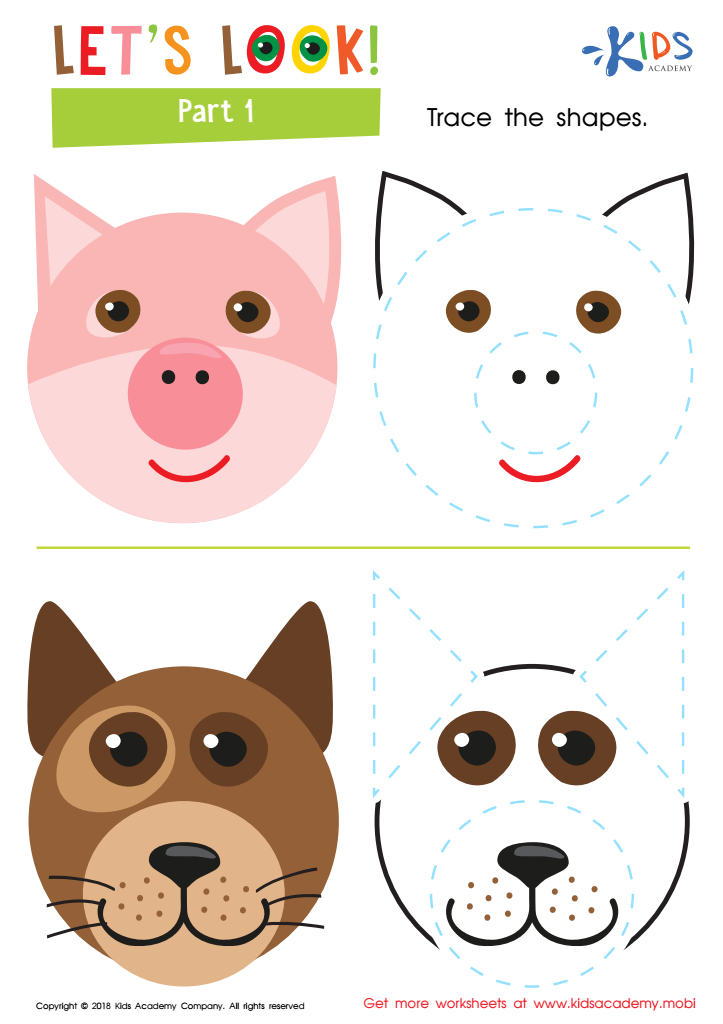
Let's Look! Part 1 Worksheet
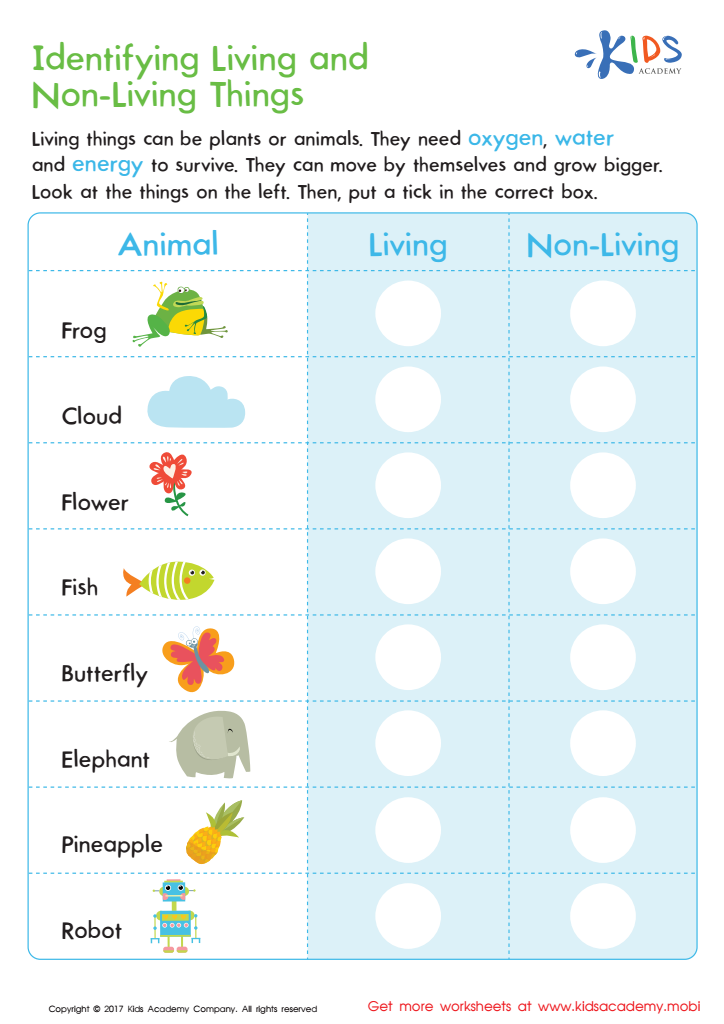
Identifying Living or Non–living Worksheet
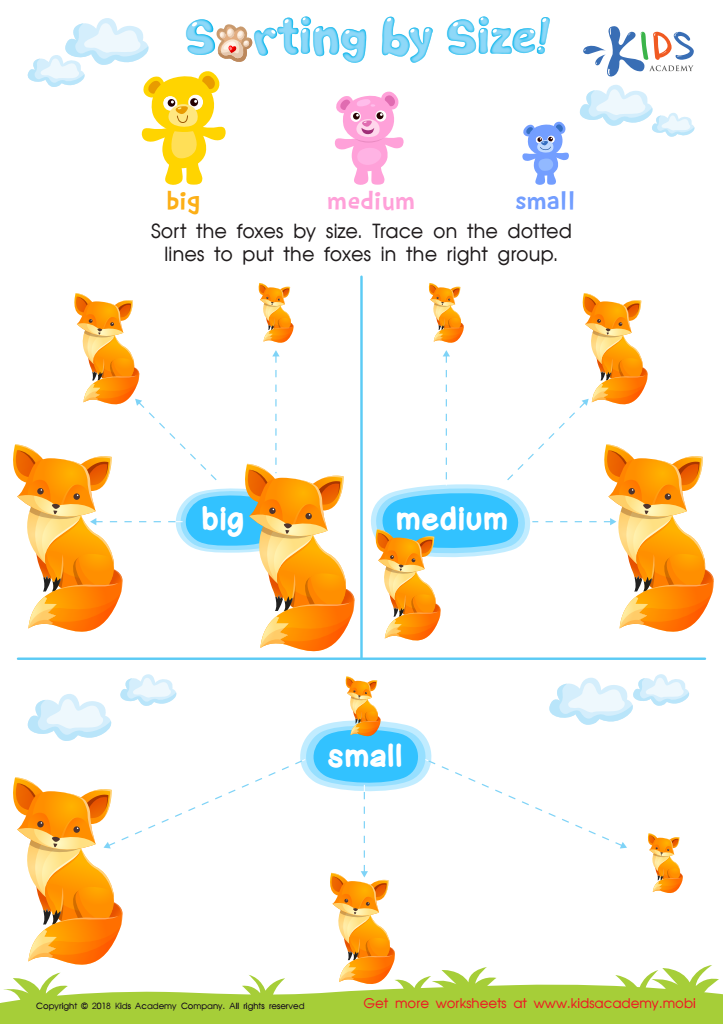
Sorting by Size Worksheet
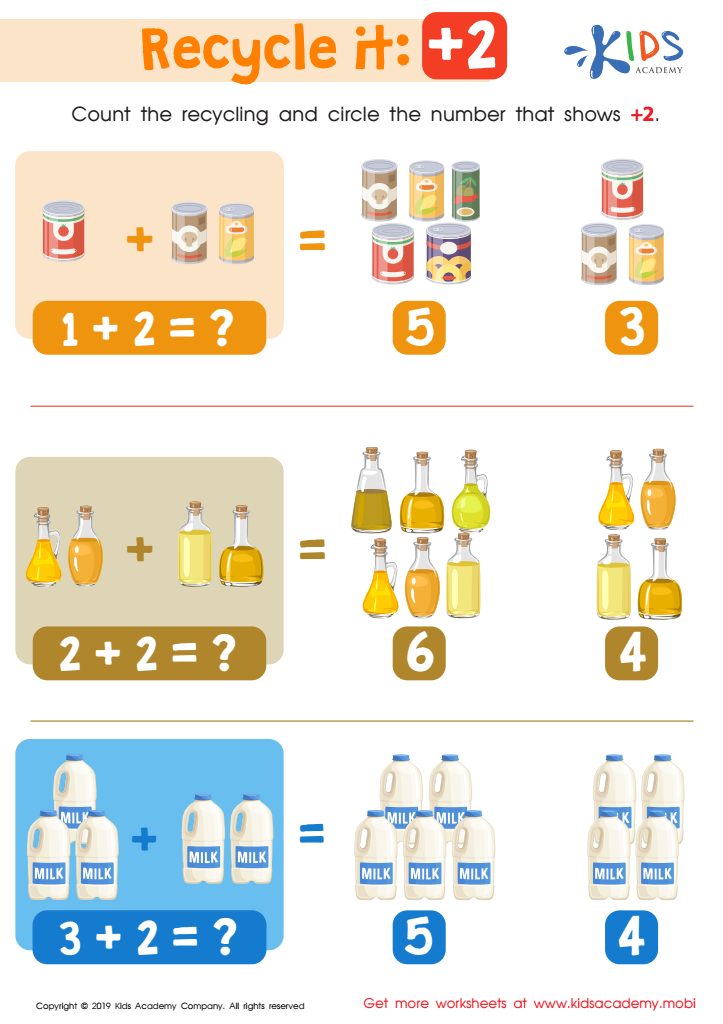
Recycle It: +2 Worksheet
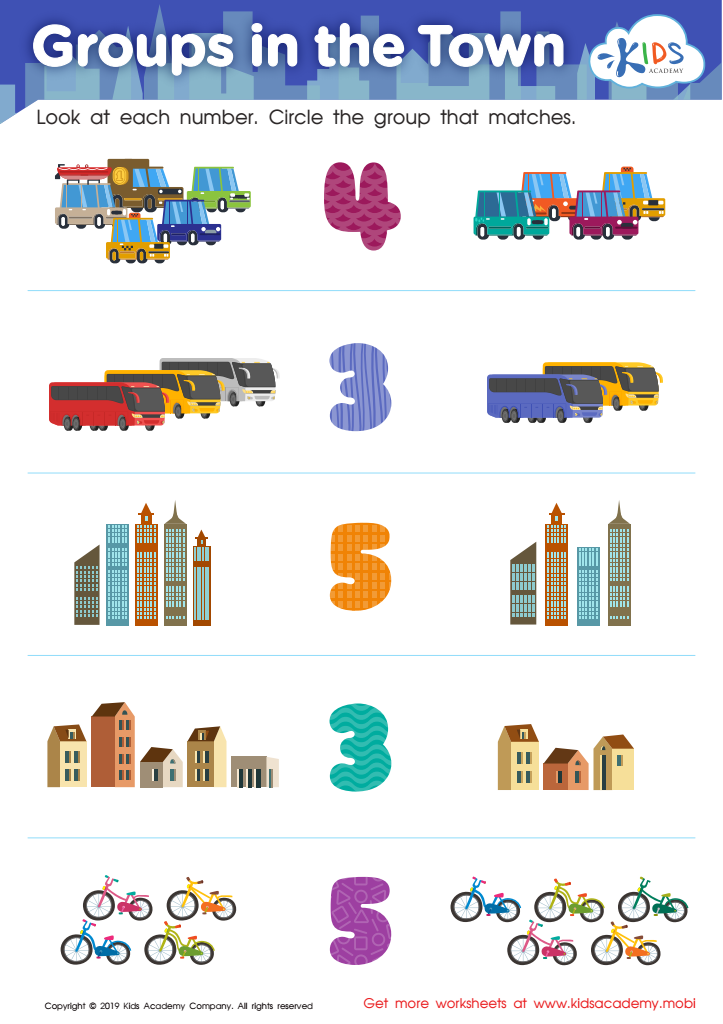
Groups in the Town Worksheet







Categorization skills are foundational academic and cognitive abilities, critical for the development of 3-year-olds. These abilities help young children make sense of their world by allowing them to mentally organize and classify information. Parents and teachers should prioritize developing categorization skills because they play a key role in language development, memory, and problem-solving abilities.
When children learn to categorize objects, they enhance their vocabulary by learning and understanding new words associated with different categories. For instance, distinguishing between animals, fruits, and toys helps build their language framework and improve communication skills. Additionally, categorization aids memory retention by enabling children to group similar objects together, making information easier to recall later.
Cognitive advancements like differentiating and associating impart critical thinking capabilities that extend beyond mere academic benefit. For example, classifying shapes, colors, and sizes is foundational for math skills, which start forming at an early age. These skills can also foster socio-emotional development by helping children understand complex concepts such as sorting feelings or behaviors, leading to better interpersonal skills.
Lastly, promoting categorization skills nurtures a child's curiosity and eagerness to learn, equipping them with the tools to explore, compare, and make sense of their environment—cornerstones for lifelong learning and academic success.








