Logical thinking Worksheets for 3-Year-Olds
14 filtered results
-
From - To
Welcome to our Logical Thinking Worksheets for 3-Year-Olds! Our engaging and interactive worksheets are designed to enhance your child's problem-solving skills and critical thinking abilities through fun activities. Each worksheet covers essential concepts such as pattern recognition, sequencing, and categorization, all tailored for young learners. By using colorful visuals and relatable scenarios, we make learning enjoyable and effective. These worksheets not only help in developing logical reasoning but also encourage creativity and independence in thinking. Perfect for home or classroom use, our resources are an excellent way to lay a strong cognitive foundation for lifelong learning. Explore our collection today!
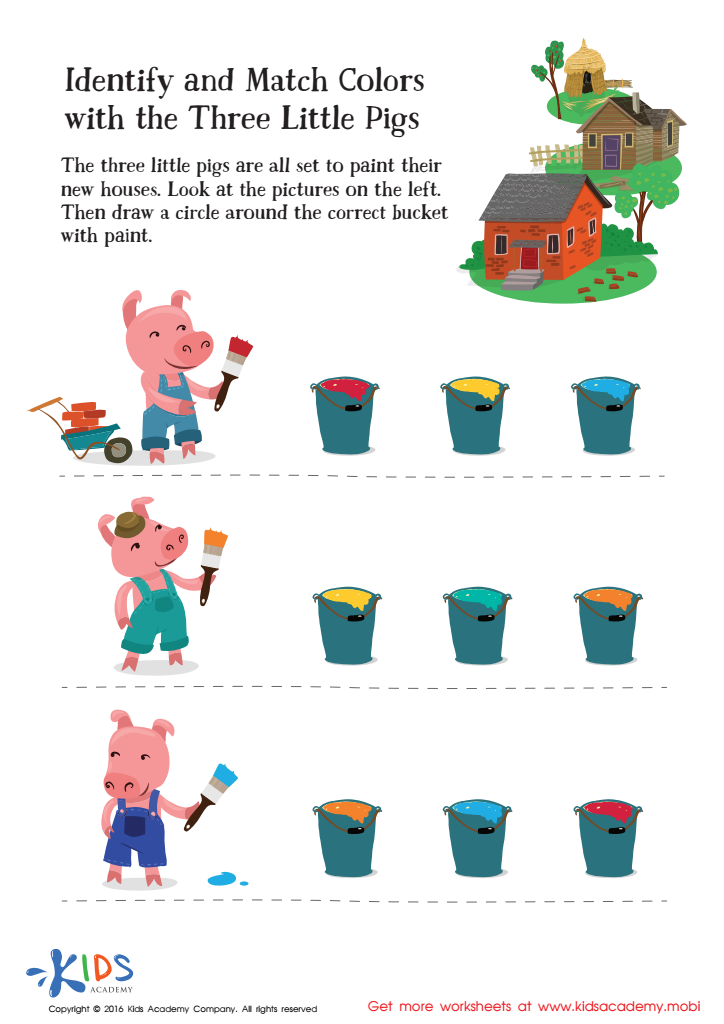
Fairy Tale Worksheet: Identify and Match Colors with Three Little Pigs
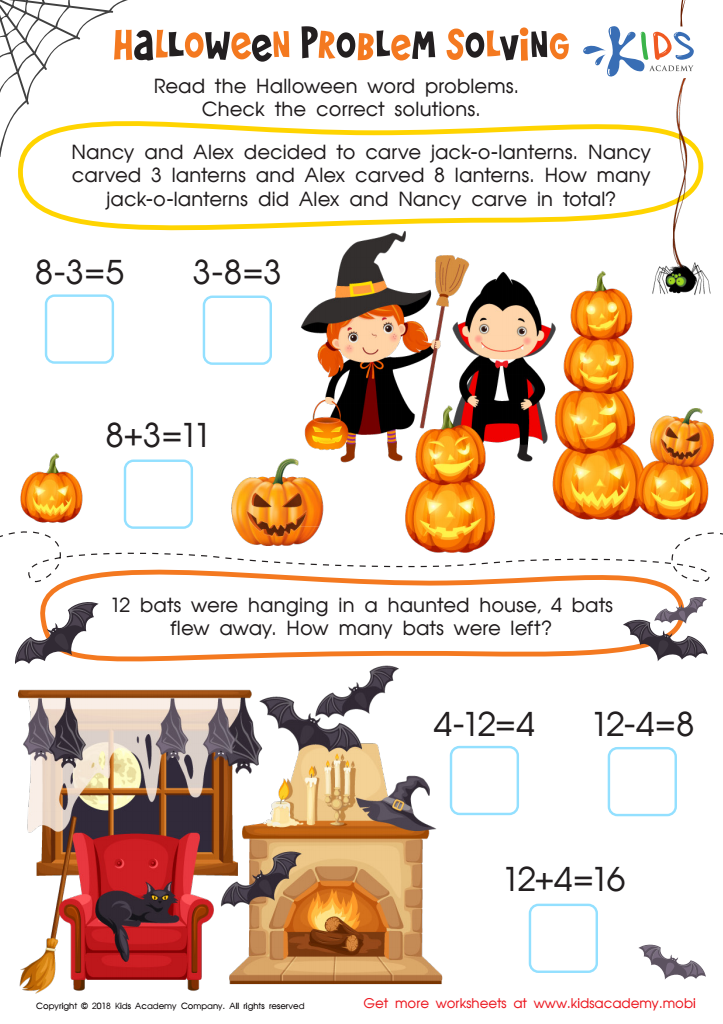
Halloween Problem Solving Worksheet
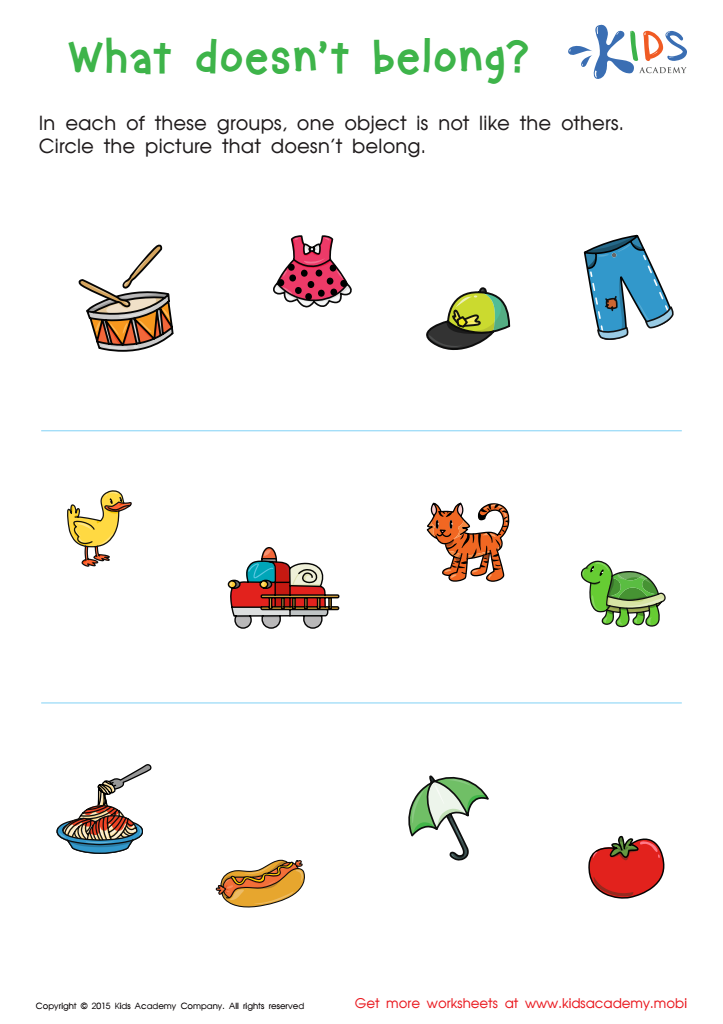
First Words: What Doesn't Belong Worksheet
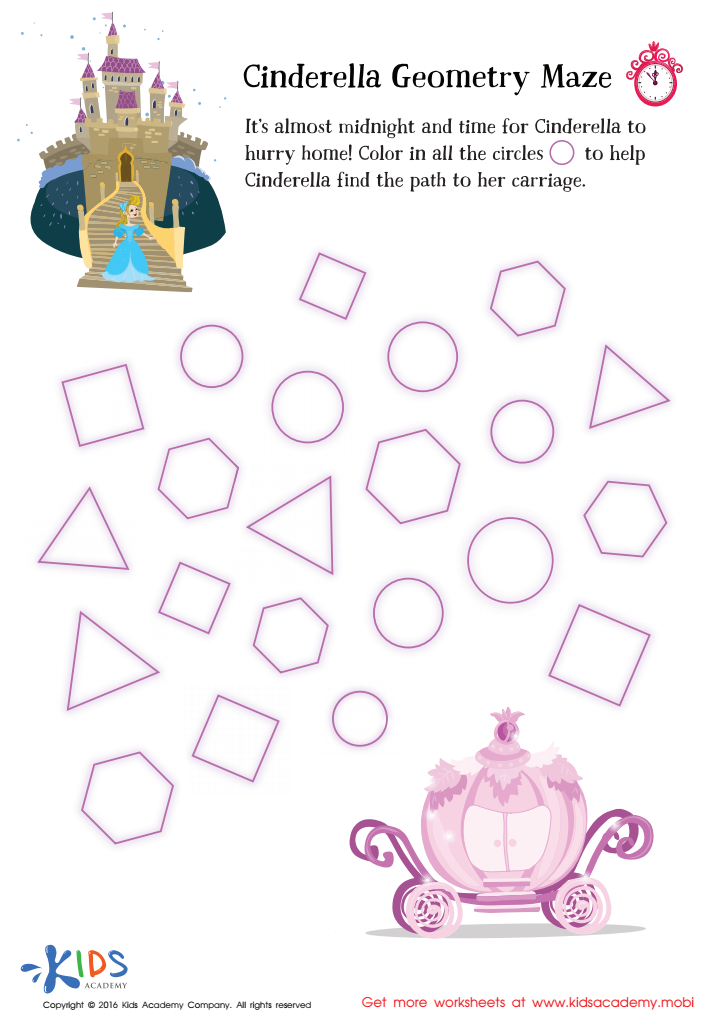
Cinderella Geometry Maze Worksheet
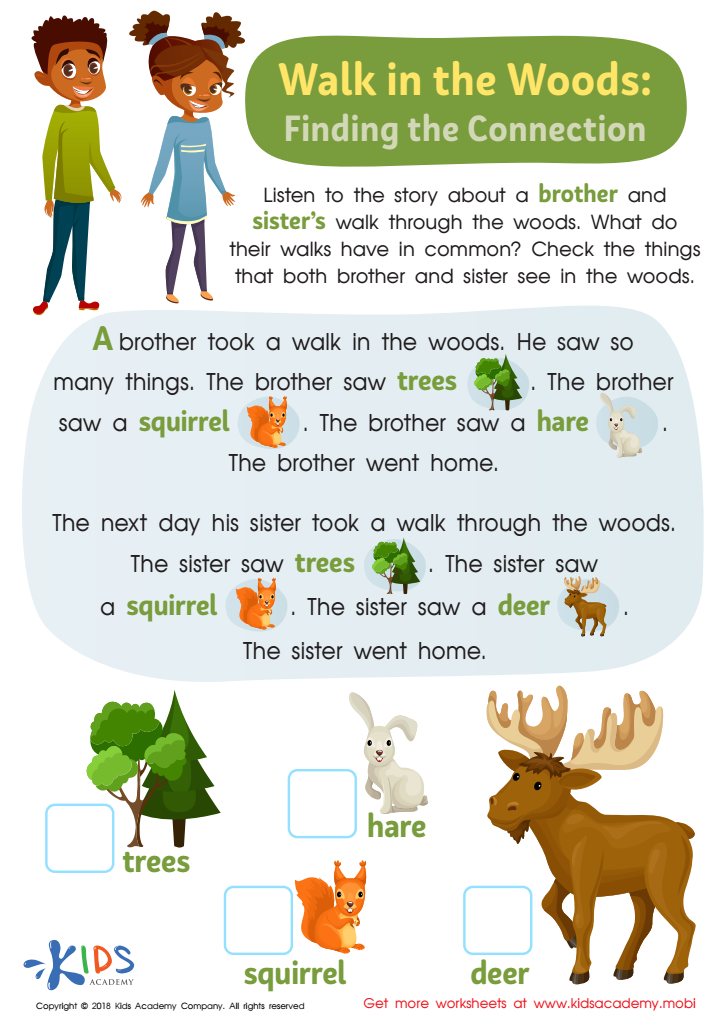
Walk In the Woods: Finding Connections Worksheet
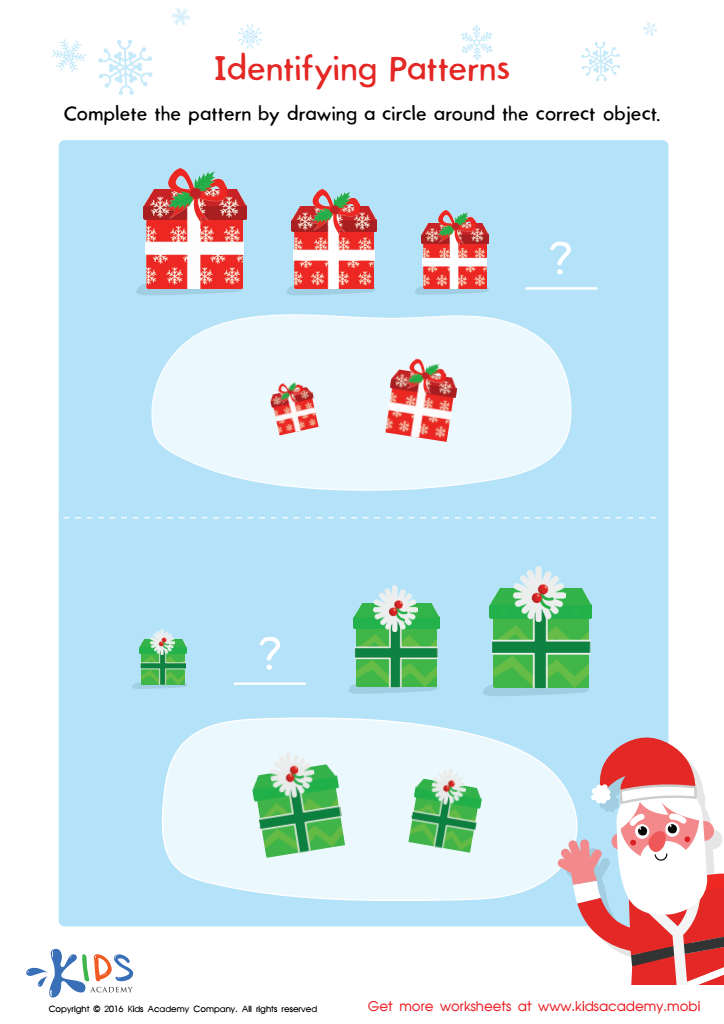
Identifying Patterns Worksheet
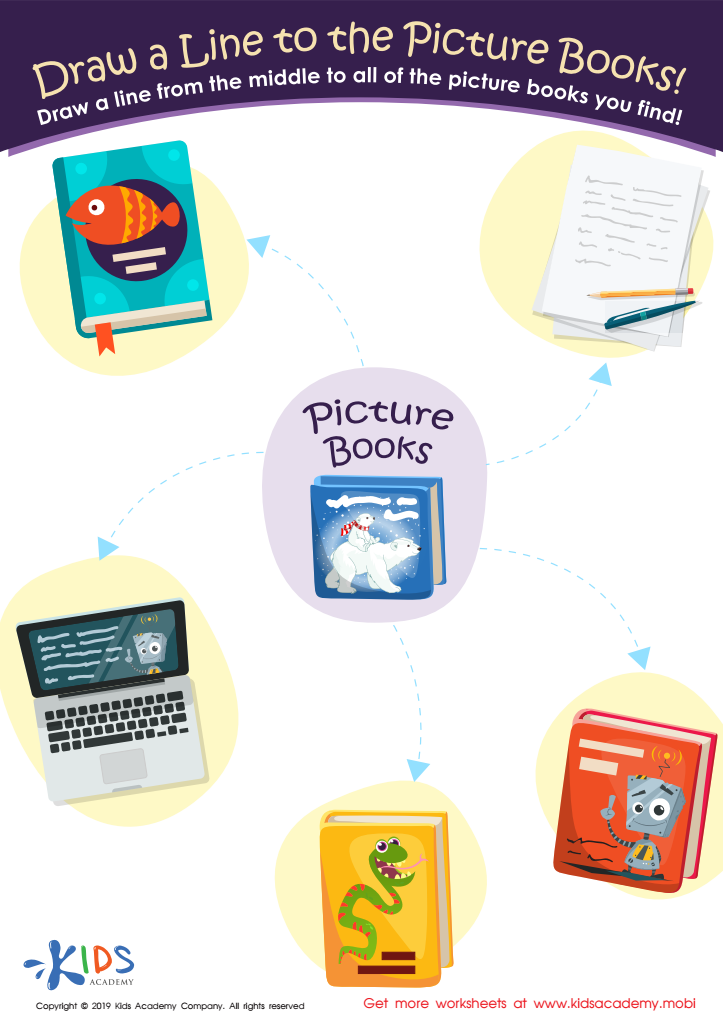
Draw a Line to the Picture Books Worksheet
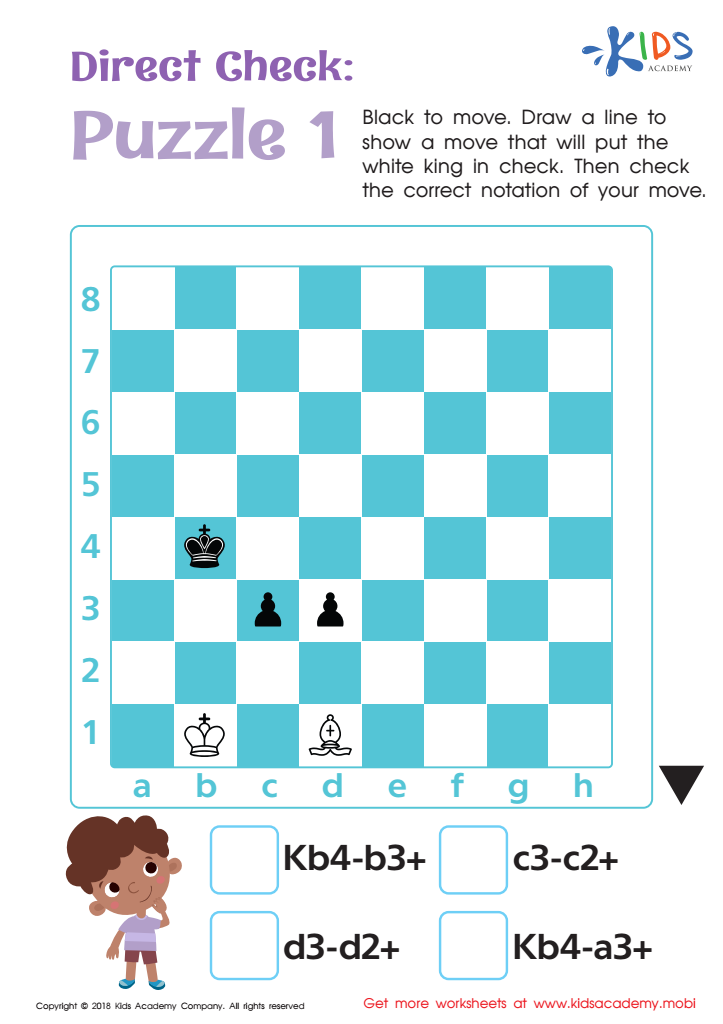
Direct Check: Puzzle 1 Worksheet
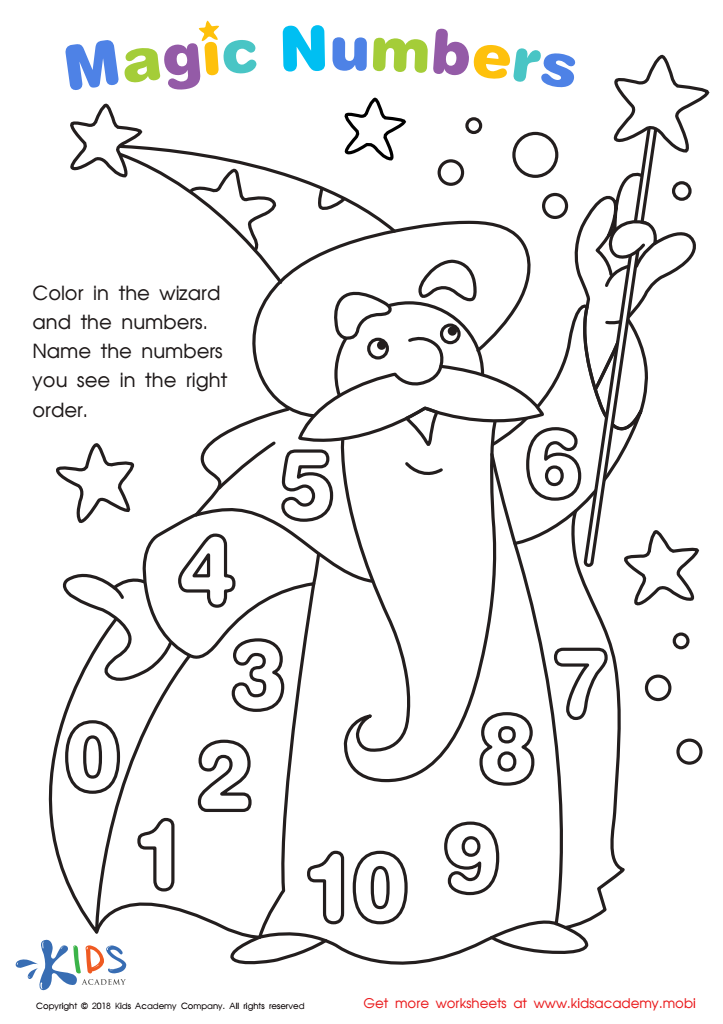
Magic Numbers Worksheet
 Assign to My Students
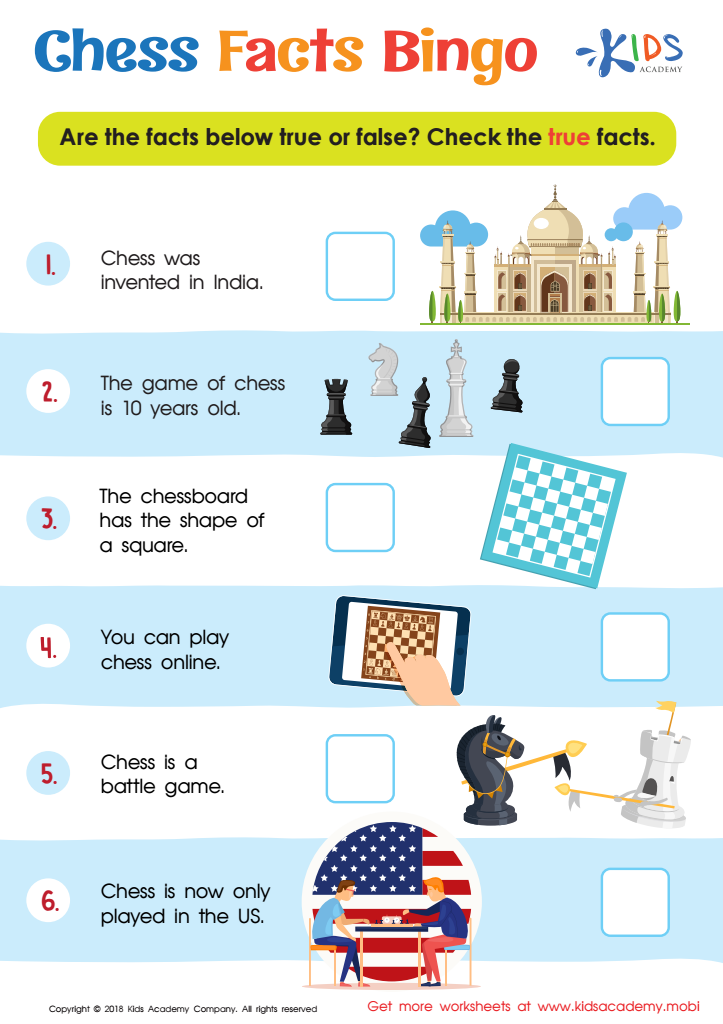
Chess Facts Bingo Worksheet
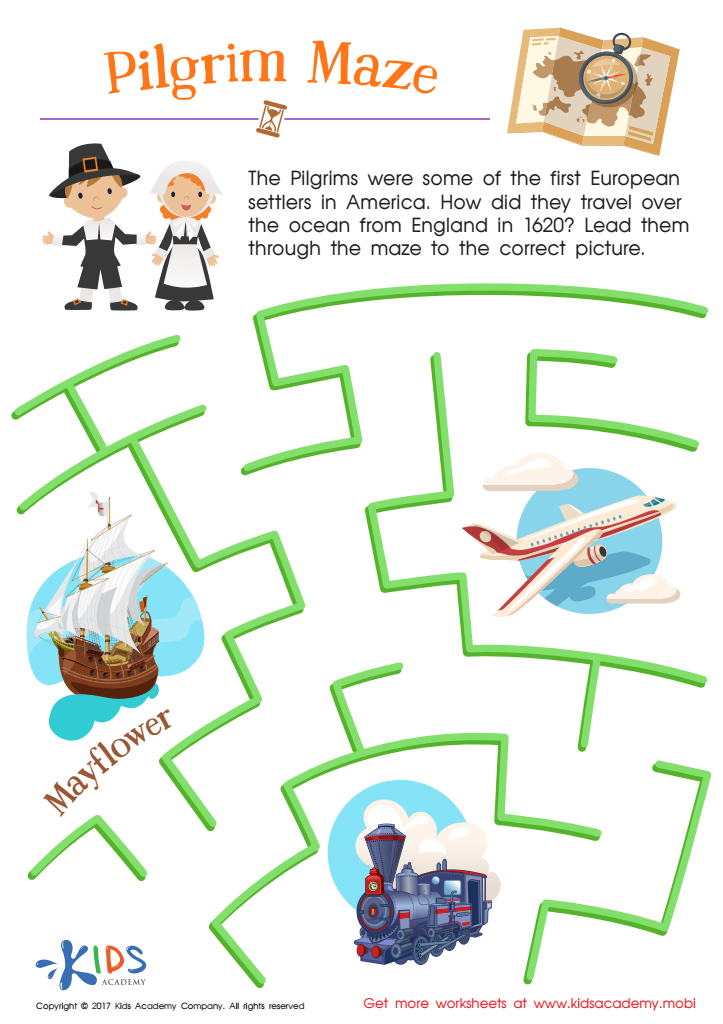
Pilgrim Maze Worksheet
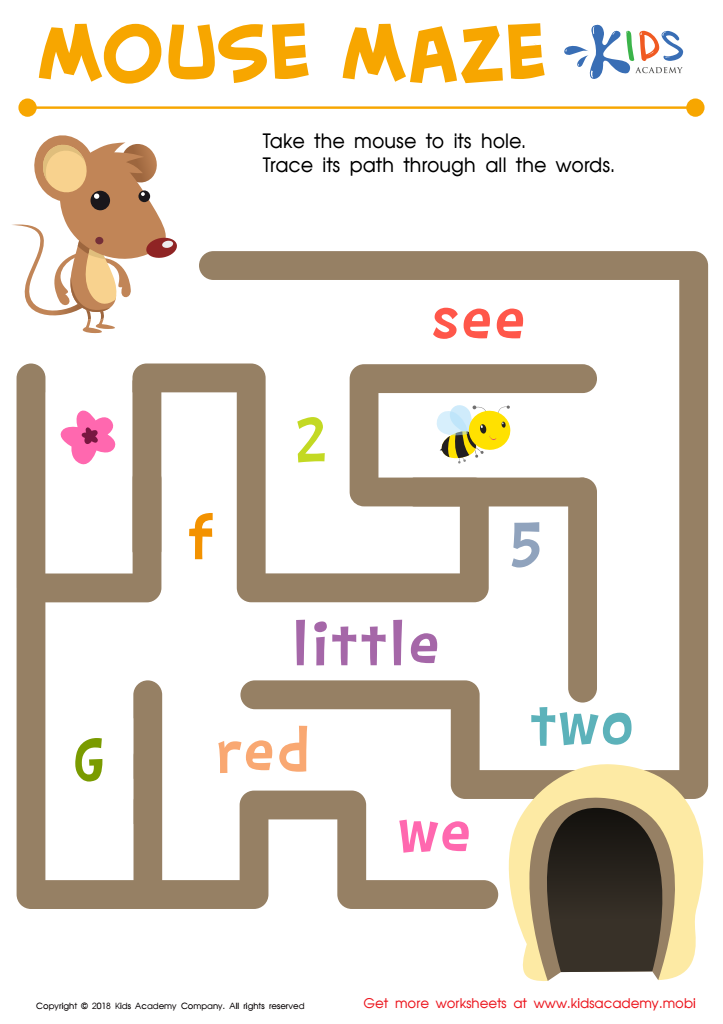
Find Words Mouse Maze Worksheet
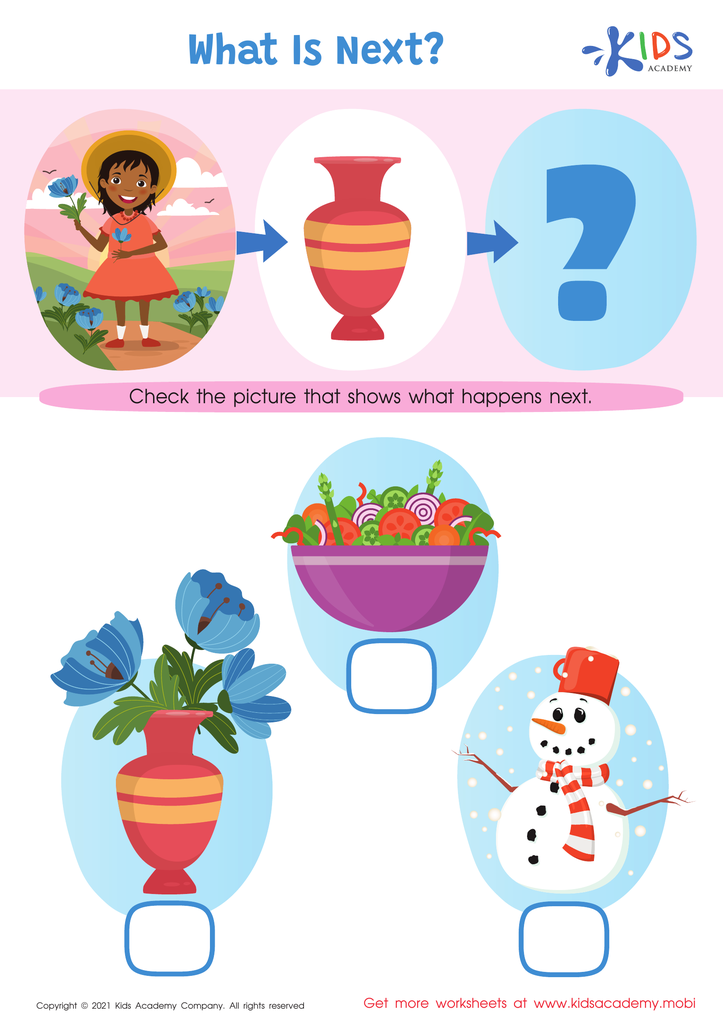
What is Next? Worksheet







Logical thinking is a crucial cognitive skill that lays the foundation for problem-solving, reasoning, and decision-making. For parents and teachers of three-year-olds, fostering logical thinking is essential for several reasons. Firstly, it enhances a child's ability to analyze situations and make connections between ideas, improving their understanding of the world. Engaging in activities that promote logical thinking, such as sorting, classifying, and pattern recognition, encourages children to think critically and sequentially.
Additionally, early exposure to logical reasoning contributes to academic success later in life. Kids who develop these skills are better equipped to tackle challenges in subjects like mathematics and science. Further, logical thinking is integral to effective communication. As children learn to articulate their thoughts and reason through problems, they gain confidence in expressing themselves.
Moreover, nurturing logical thinking supports emotional development. Understanding sequences and causality helps children navigate social interactions and respond appropriately to different situations. By investing in their logical reasoning abilities at a young age, parents and teachers can help cultivate independent, curious thinkers who are prepared to face future academic and life challenges. Encouraging this foundational skill at three years old fosters a lifelong love for learning and exploration.








