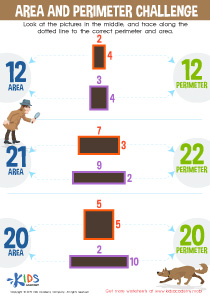
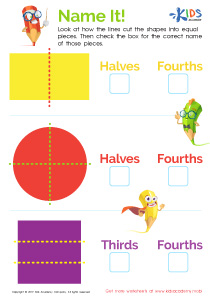
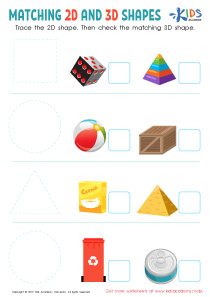
Shape Recognition 2D Shapes Worksheets for 3-Year-Olds
14 filtered results
-
From - To
Discover our engaging Shape Recognition 2D Shapes Worksheets designed exclusively for 3-year-olds! These printable activities effortlessly cultivate your child's ability to identify and differentiate shapes such as circles, squares, triangles, and rectangles. Each worksheet features colorful visuals and simple instructions that encourage independent learning while making education fun. Our resources help develop essential skills in early learners, enhancing their visual perception and cognitive abilities. Perfect for preschool, home education, or enrichment, these worksheets foster creativity and critical thinking. Join us in nurturing your young learner’s shape recognition skills—download and print today to spark curiosity and learning!
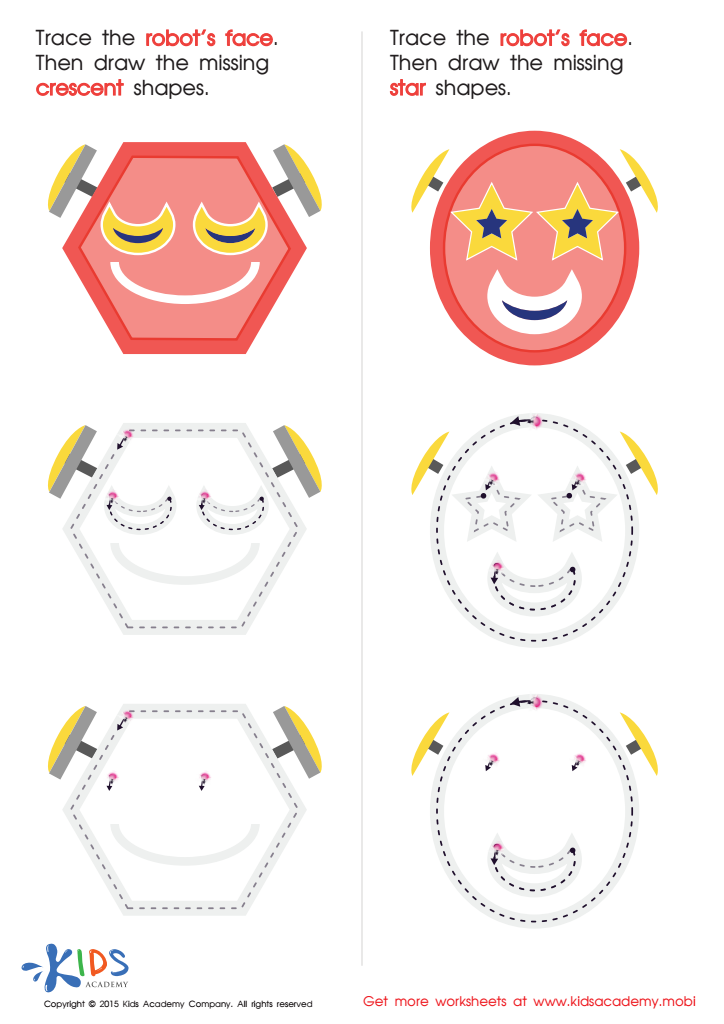
Composing a Robot's Face of Crescents And Stars Worksheet
 Assign to My Students



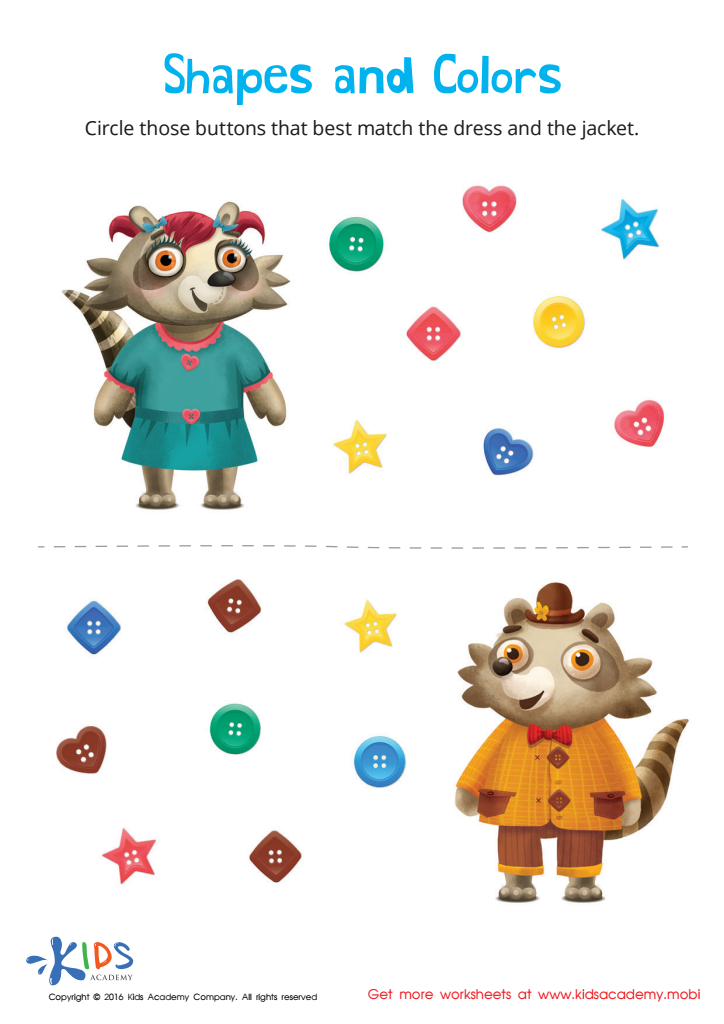
Matching: Shapes and Colors Worksheet
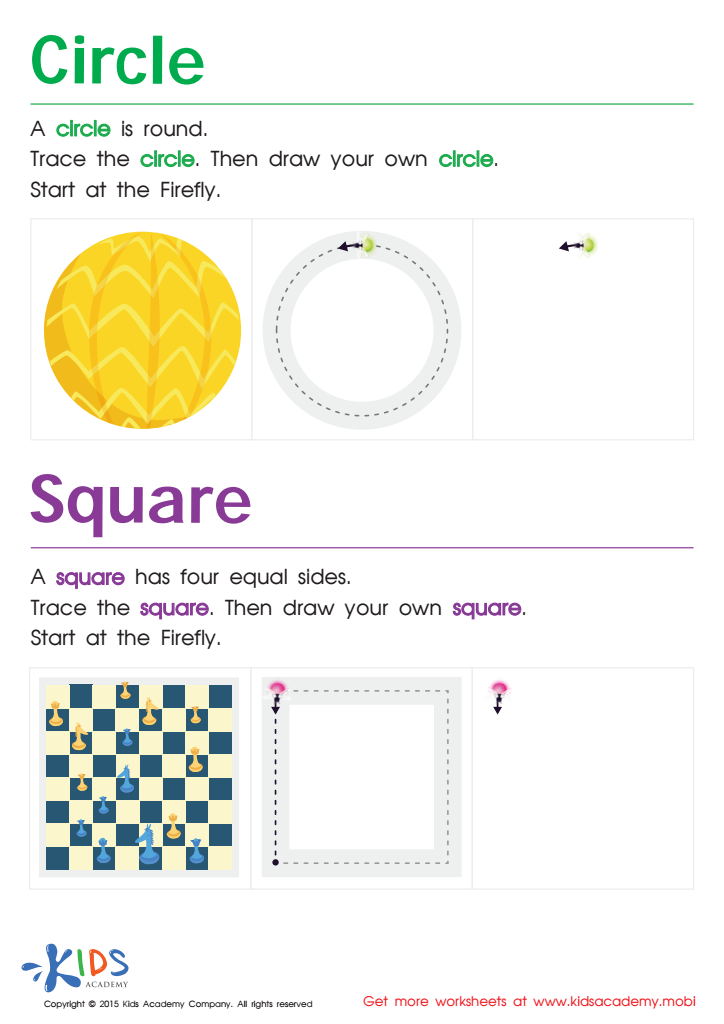
Trace And Draw a Circle And a Square Worksheet
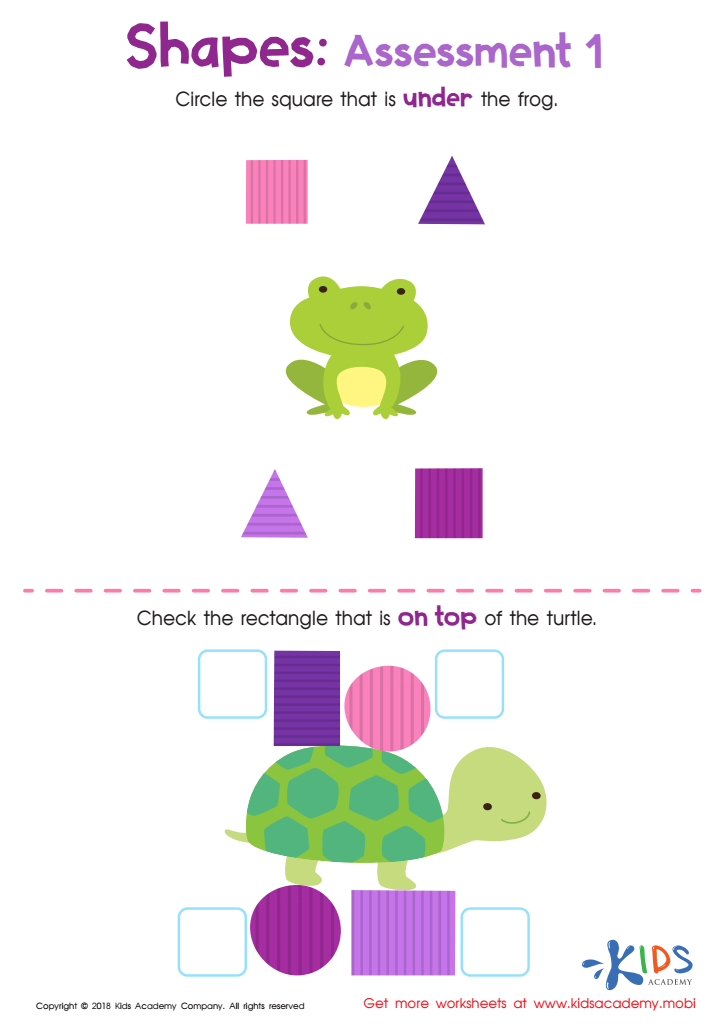
Geometry – Assessment 1 Worksheet
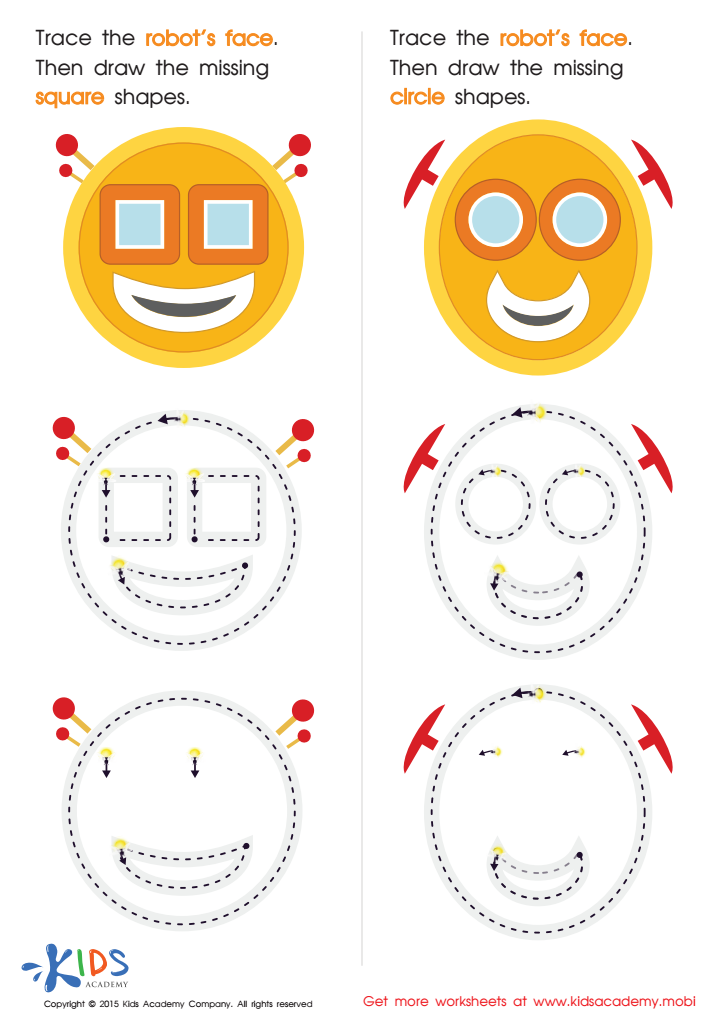
Practicing to Draw Circles And Squares Printable
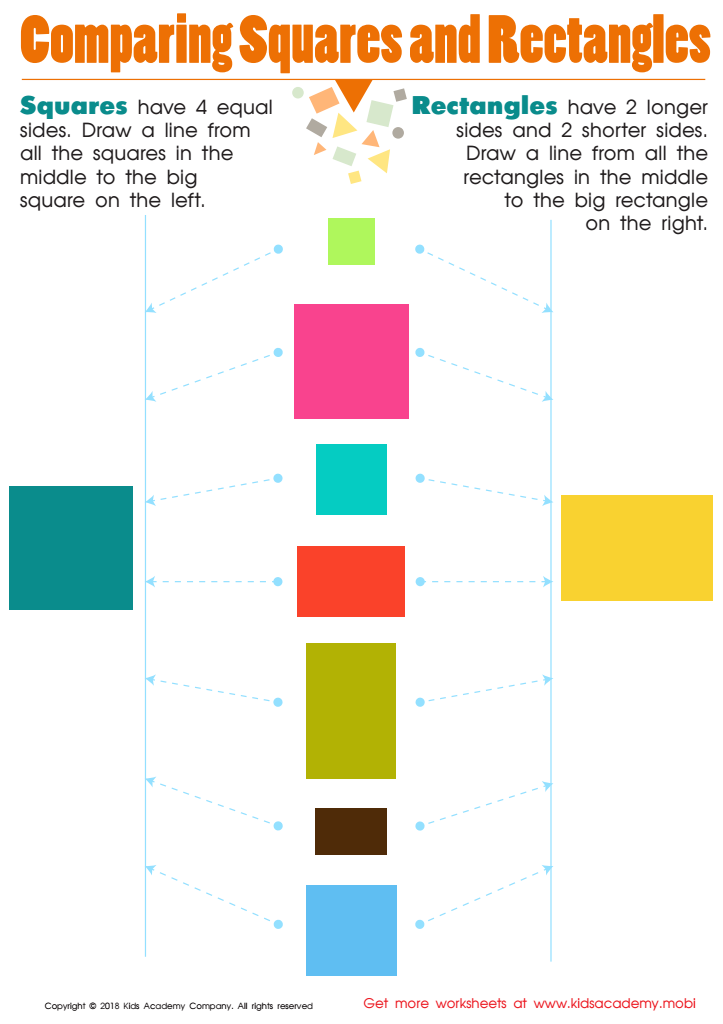
Comparing Squares Rectangles Worksheet
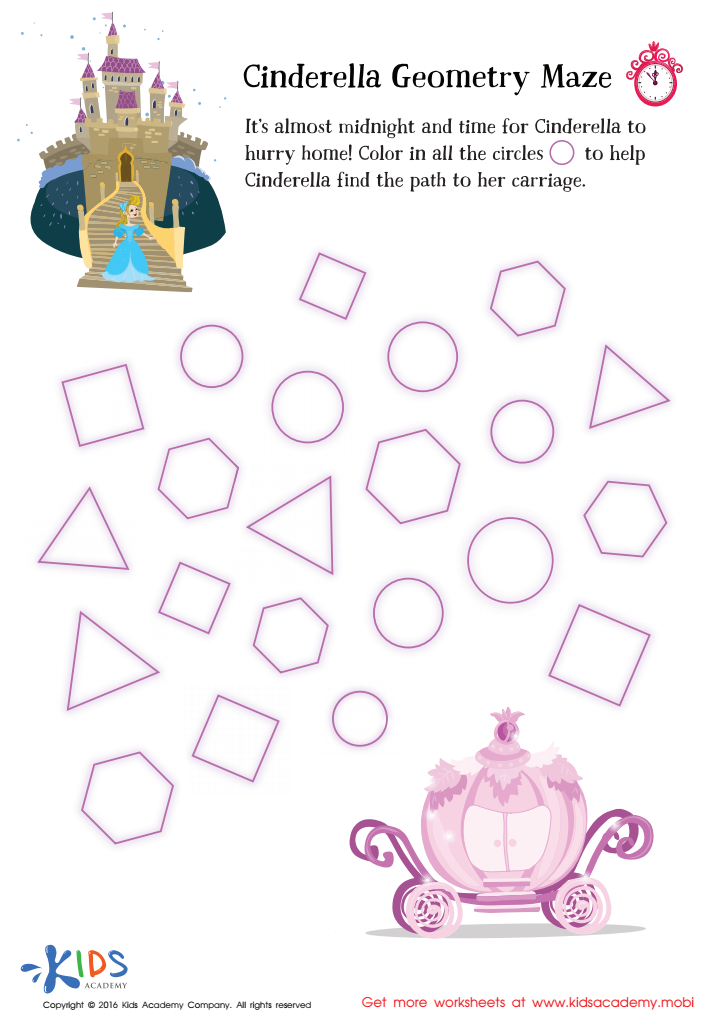
Cinderella Geometry Maze Worksheet
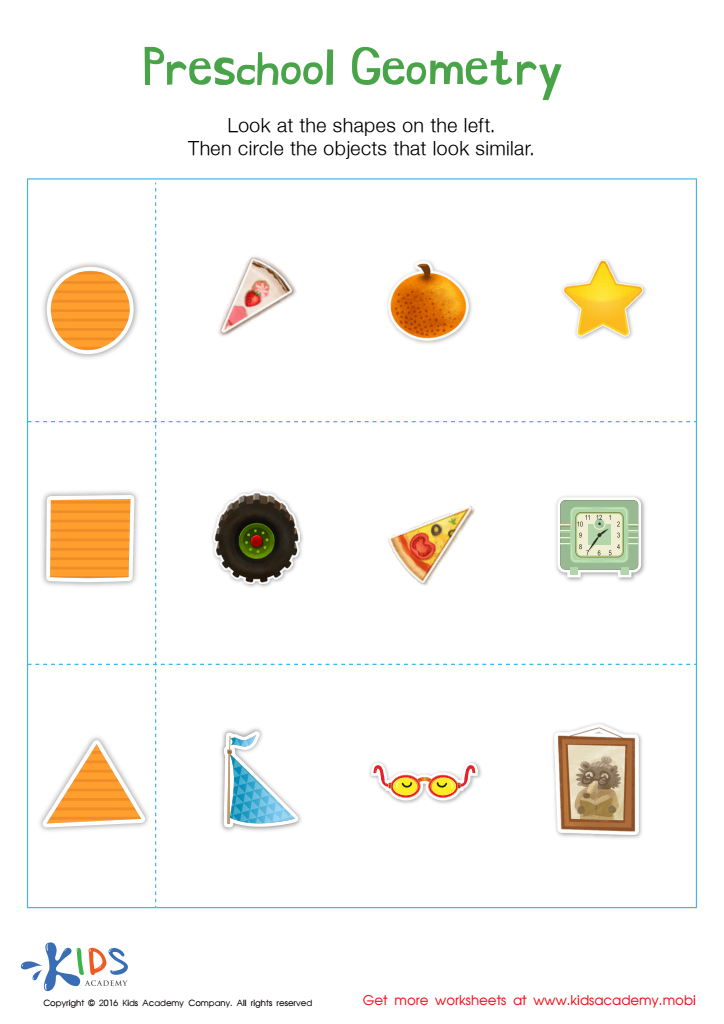
Preschool Geometry Match Up Worksheet
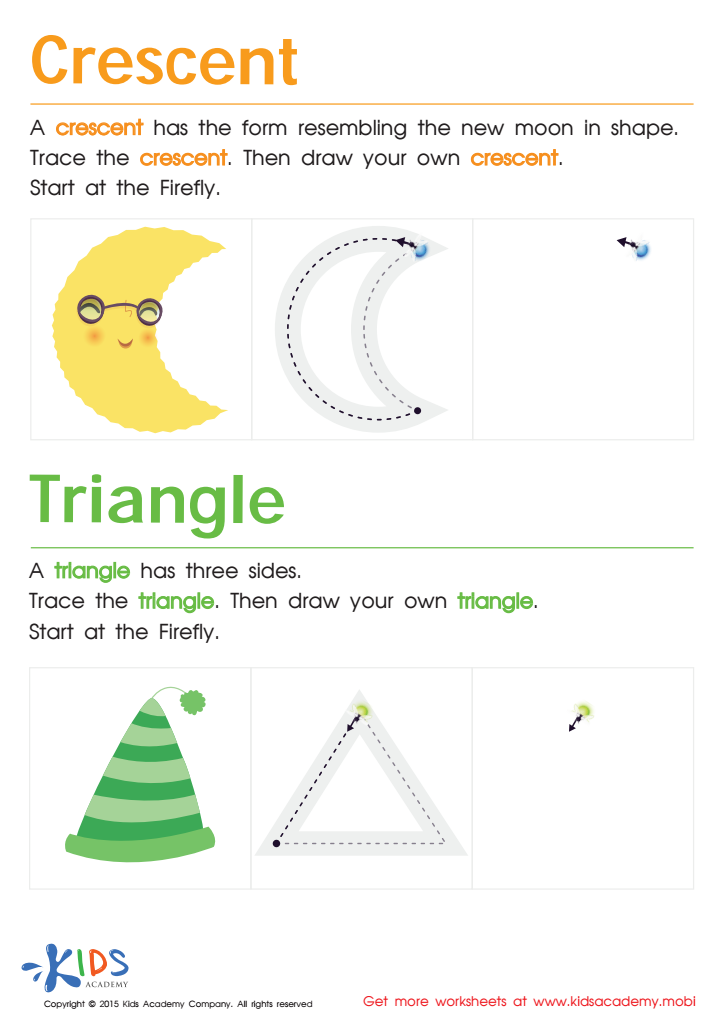
Learning to Draw Crescents And Triangles Worksheet
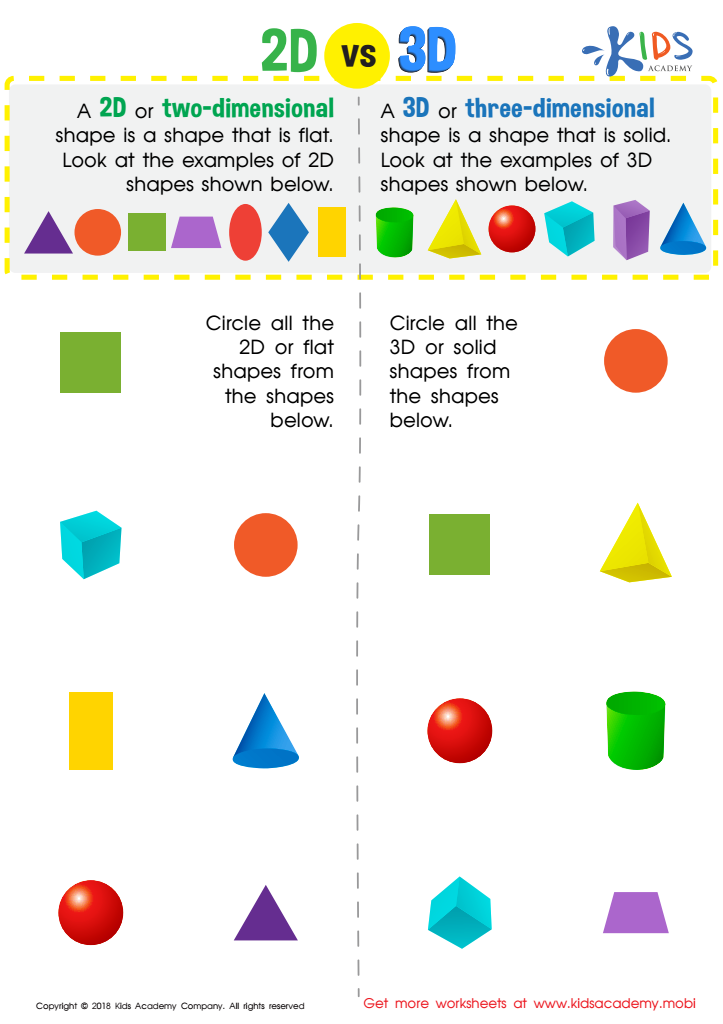
2D vs 3D Shapes Worksheet
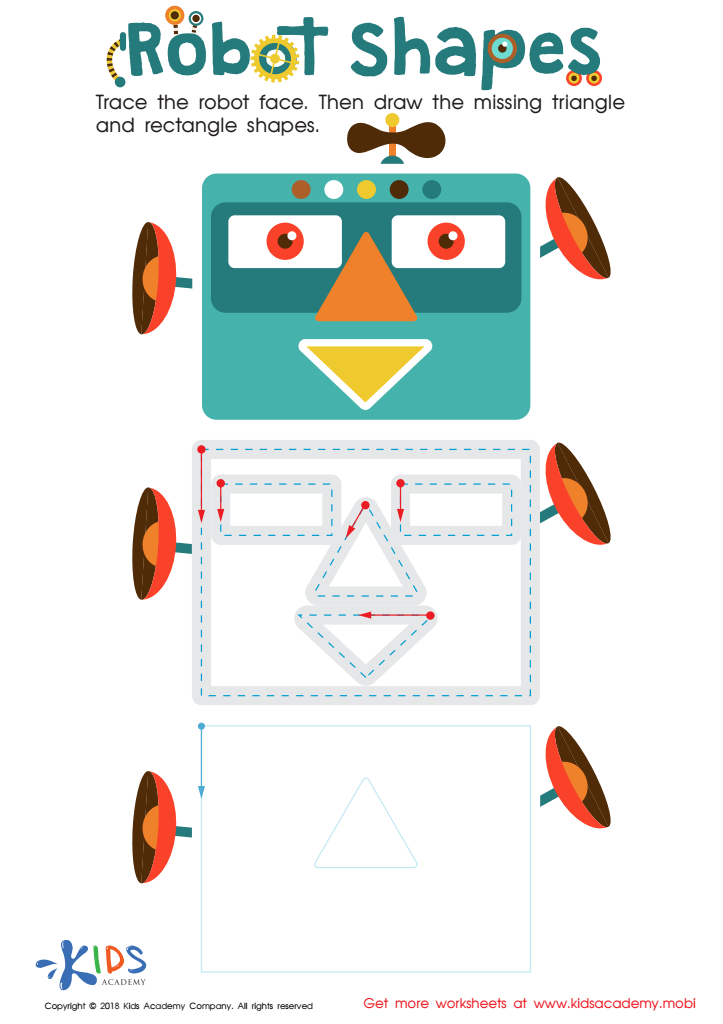
Robot Shapes Worksheet
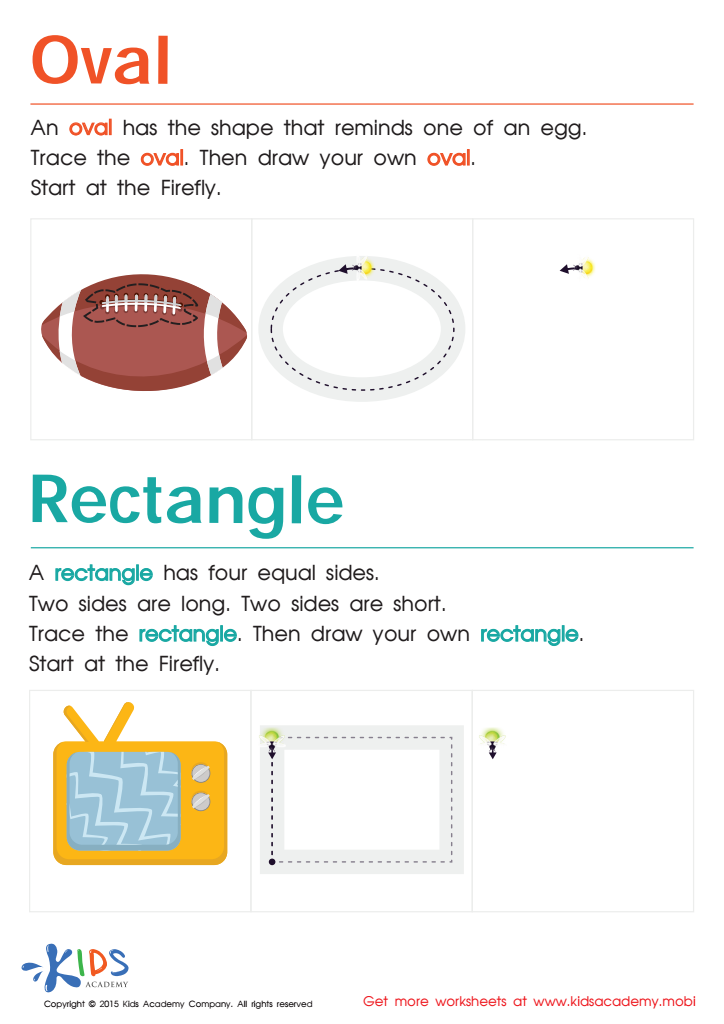
Easy Drawing of Ovals And Rectangles Worksheet
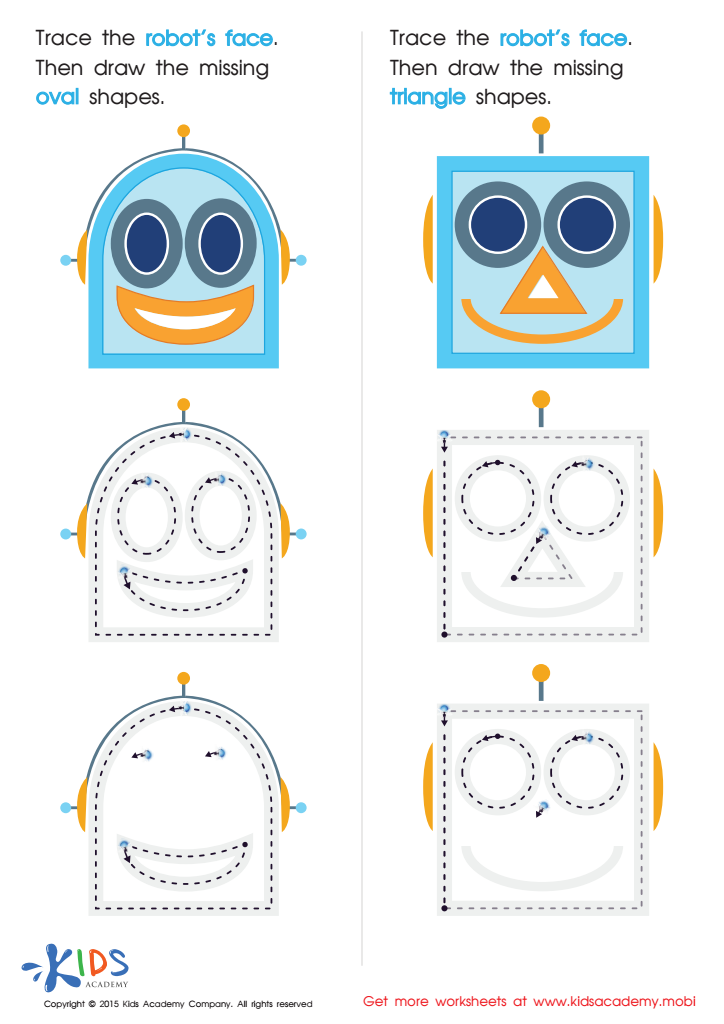
Drawing Ovals And Triangles with Fun Printable
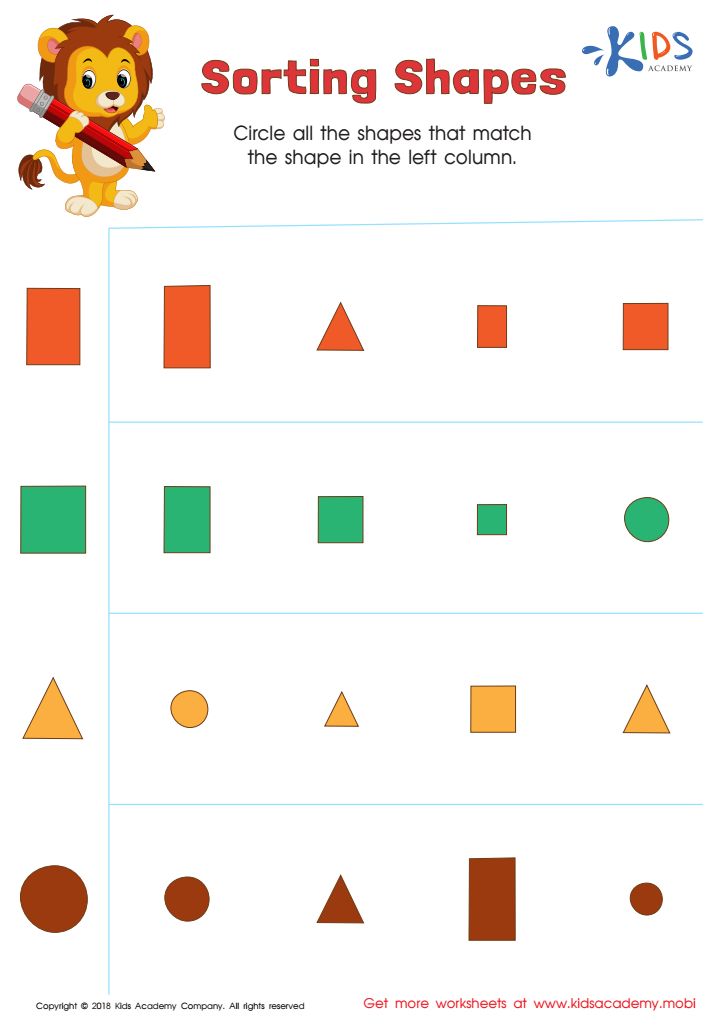
Sorting Shapes - Part 2 Worksheet








Shape recognition is a foundational skill for 3-year-olds that significantly influences their cognitive development and early math skills. Understanding 2D shapes such as circles, squares, triangles, and rectangles helps young children perceive and interact with the world around them. Through recognizing shapes, children boost their ability to identify patterns, categorize objects, and build spatial awareness.
Parents and teachers should care about this developmental milestone because shape recognition enhances critical thinking and problem-solving abilities. It is closely tied to language development, as children learn to describe their environment using specific terms, enriching their vocabulary. Additionally, mastery of shapes can lead to greater success in future mathematical concepts, as geometry and computation are often rooted in shape understanding.
Early exposure to shape identification can also aid in fine motor development. Activities such as drawing, cutting, or building with geometric blocks assist children in enhancing their motor skills while reinforcing shape knowledge. Moreover, recognizing 2D shapes fosters creativity, as children explore artistic expression through crafting and design.
Ultimately, encouraging shape recognition combines learning with play, making it enjoyable for children while ensuring they are well-prepared for more complex concepts in school. This foundational skill is a stepping stone to lifelong learning and cognitive growth.