Subtraction practice Worksheets for Ages 4-5
53 filtered results
-
From - To
Discover engaging subtraction practice worksheets designed specifically for children aged 4-5! Our printable resources help young learners build essential math skills through colorful illustrations and playful activities. Each worksheet encourages children to explore basic subtraction concepts in a fun and enjoyable way, fostering a love for learning early on. With a variety of exercises tailored to different skill levels, parents and educators can easily track progress and provide support. These subtraction practice worksheets not only enhance critical thinking but also promote confidence in young mathematicians. Get started today and watch your child develop foundational math skills with ease!
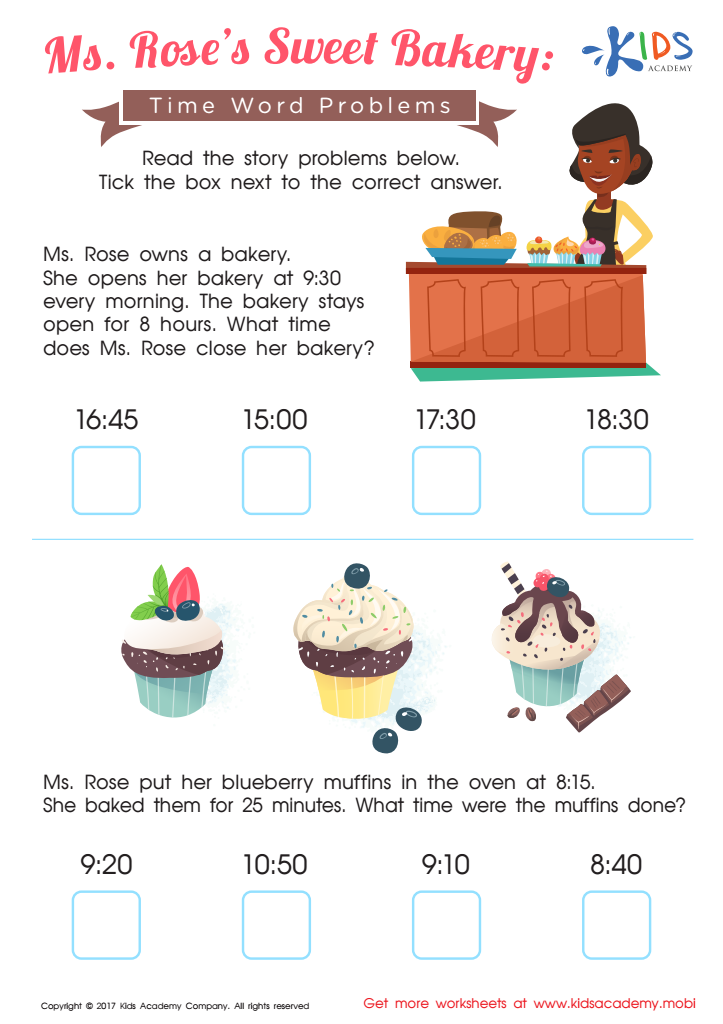
Ms. Roseв's Sweet Bakery Time Worksheet
 Assign to My Students
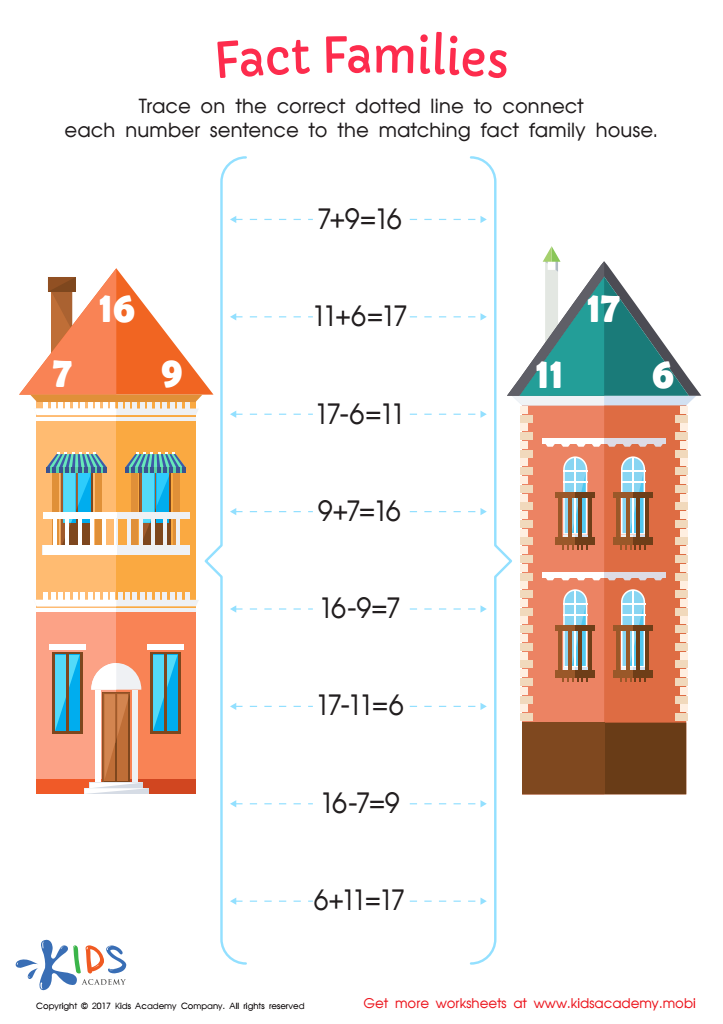
Fact Families — Add and Subtract Worksheet
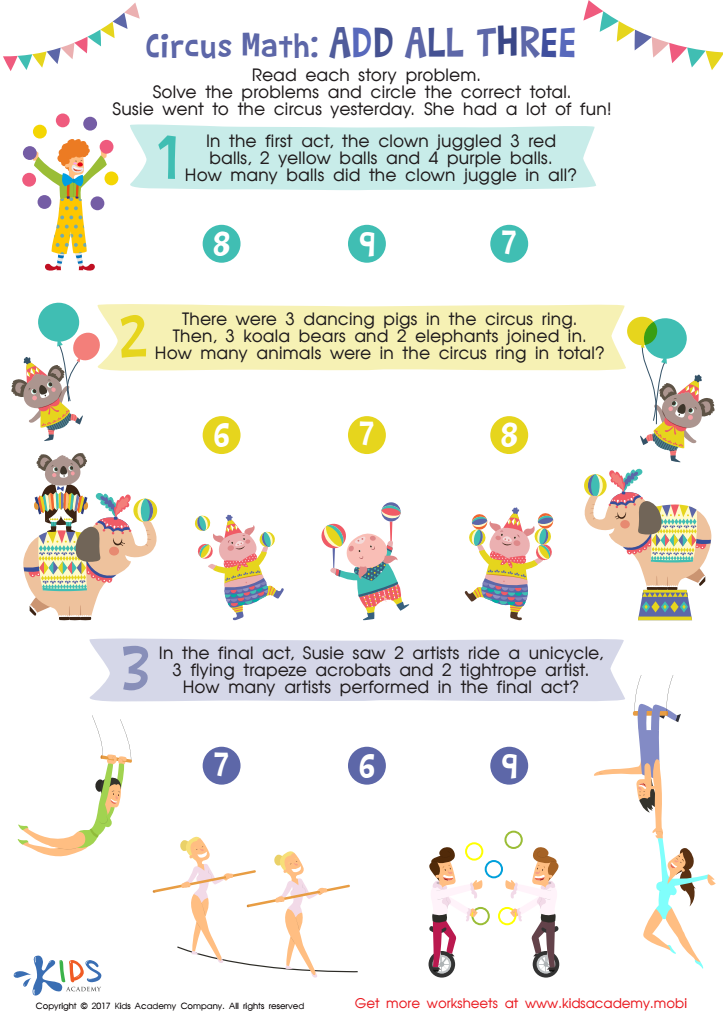
Circus Math Printable
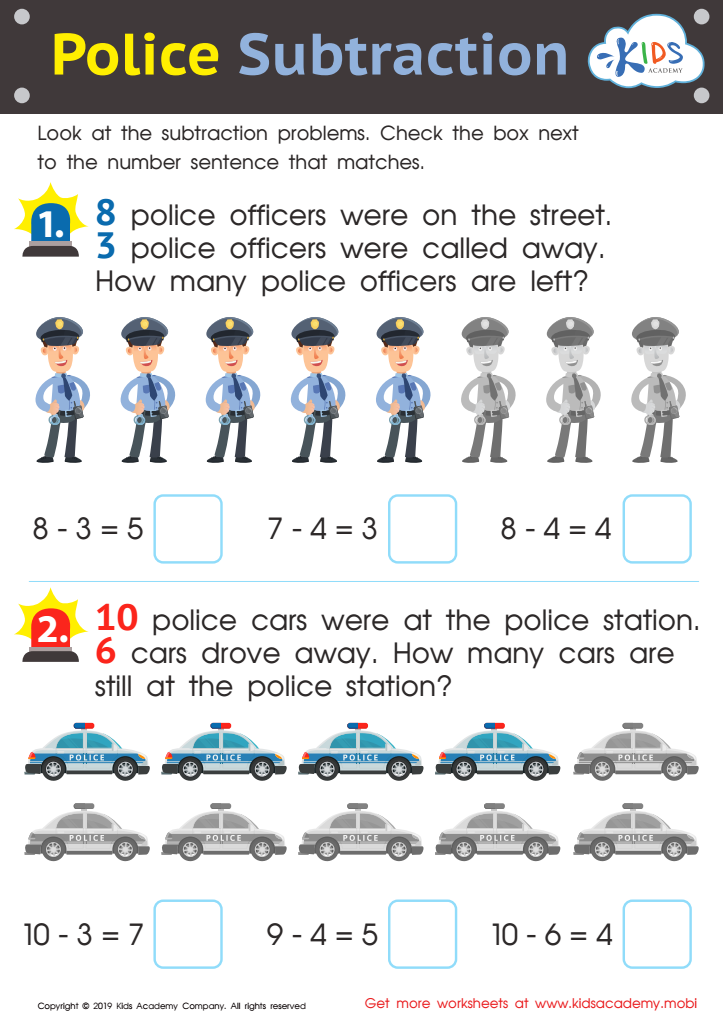
Police Subtraction Worksheet
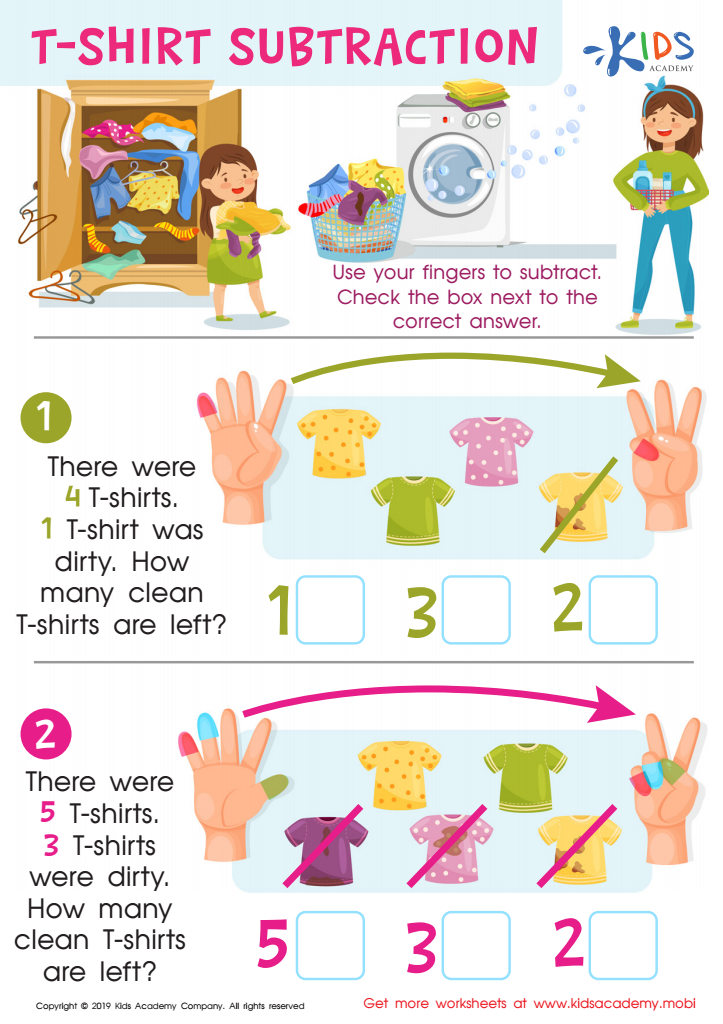
T-shirt Subtraction Worksheet
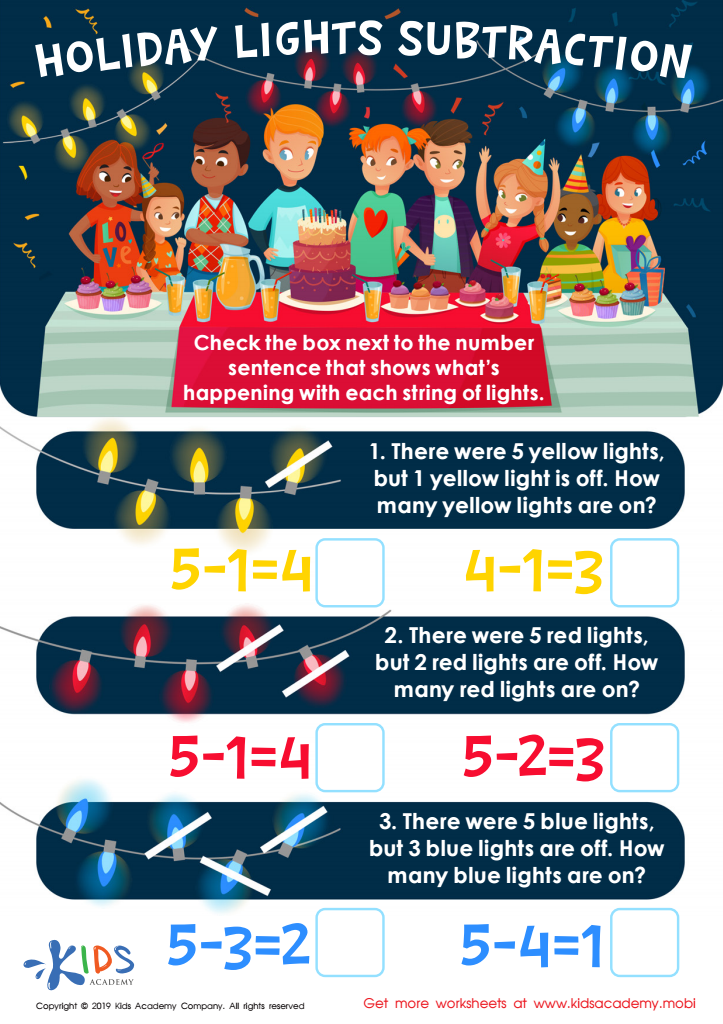
Holiday Lights Subtraction Worksheet
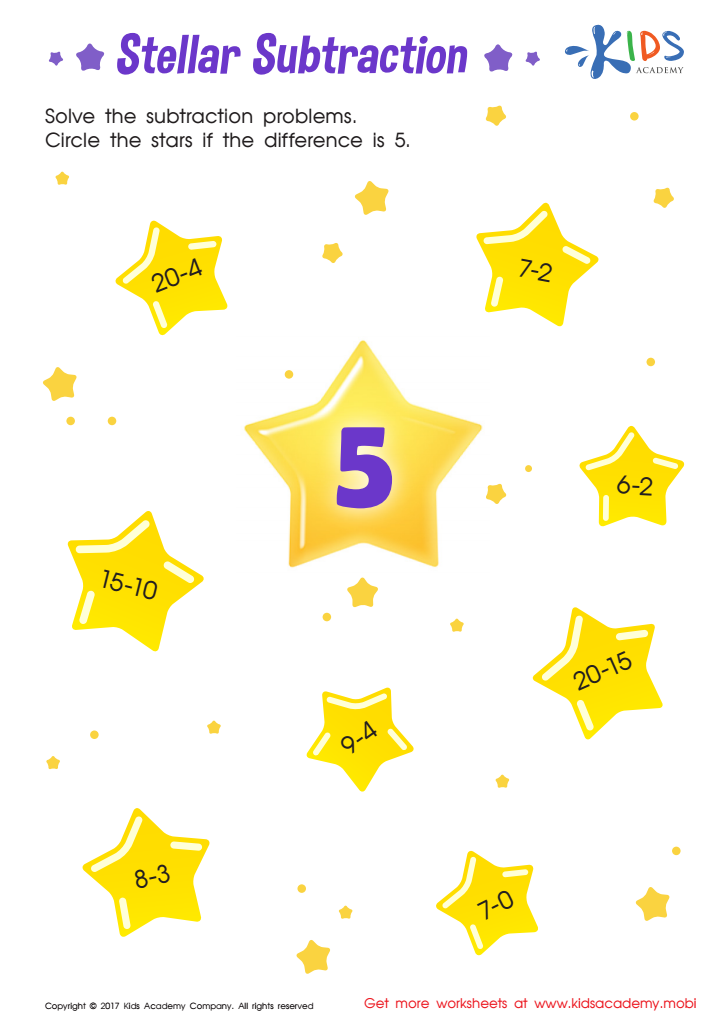
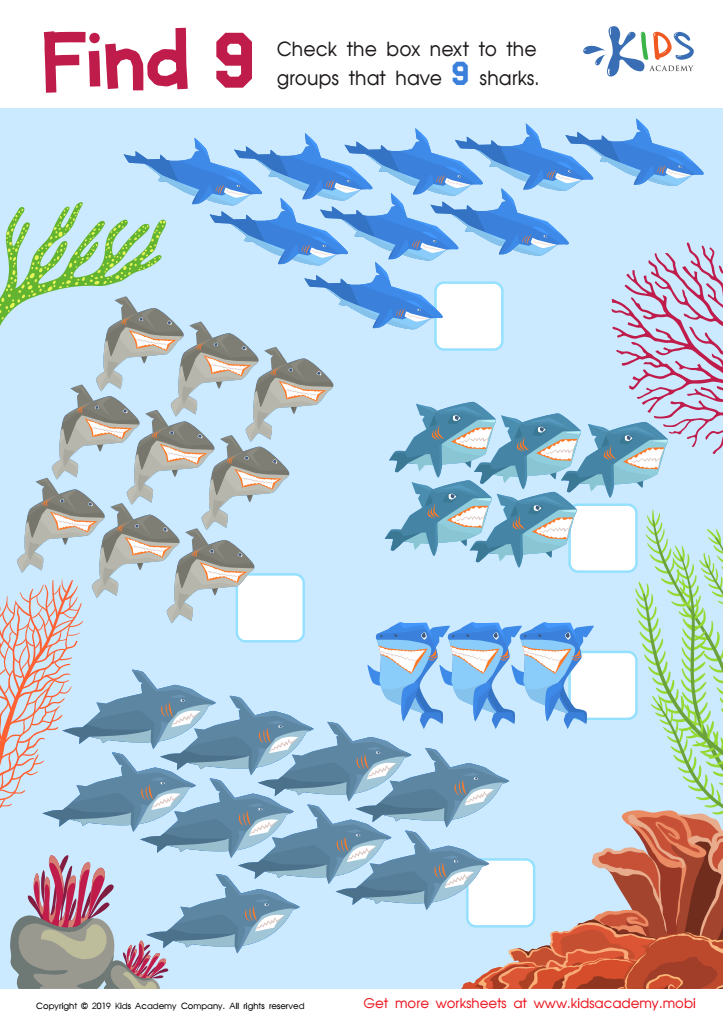
Find 9 Worksheet
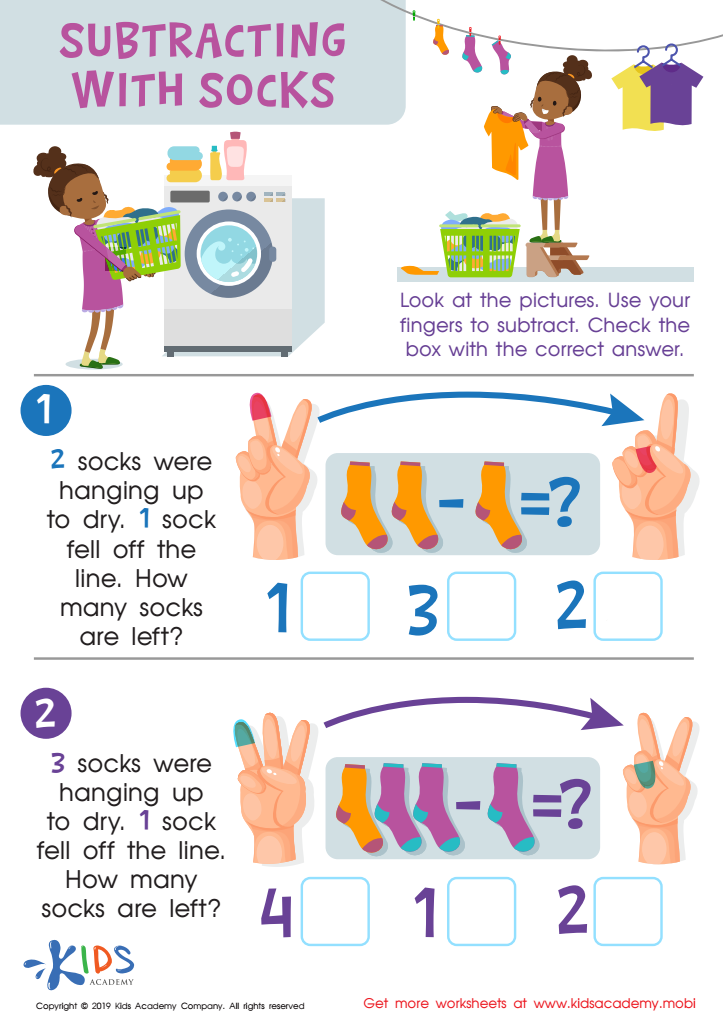
Subtracting Socks Worksheet
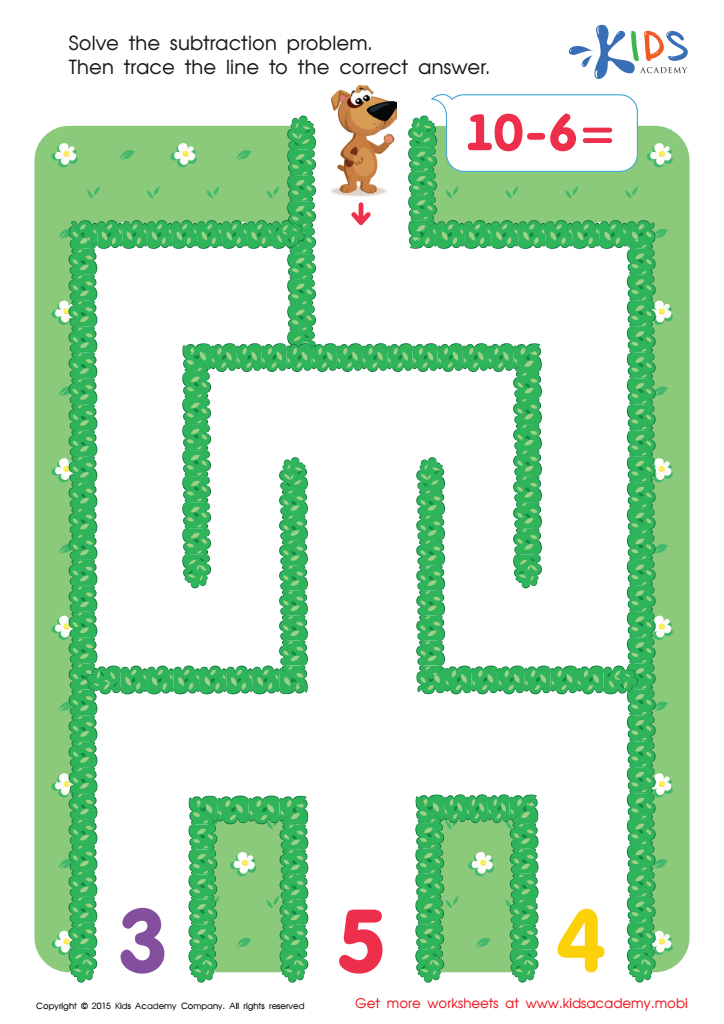
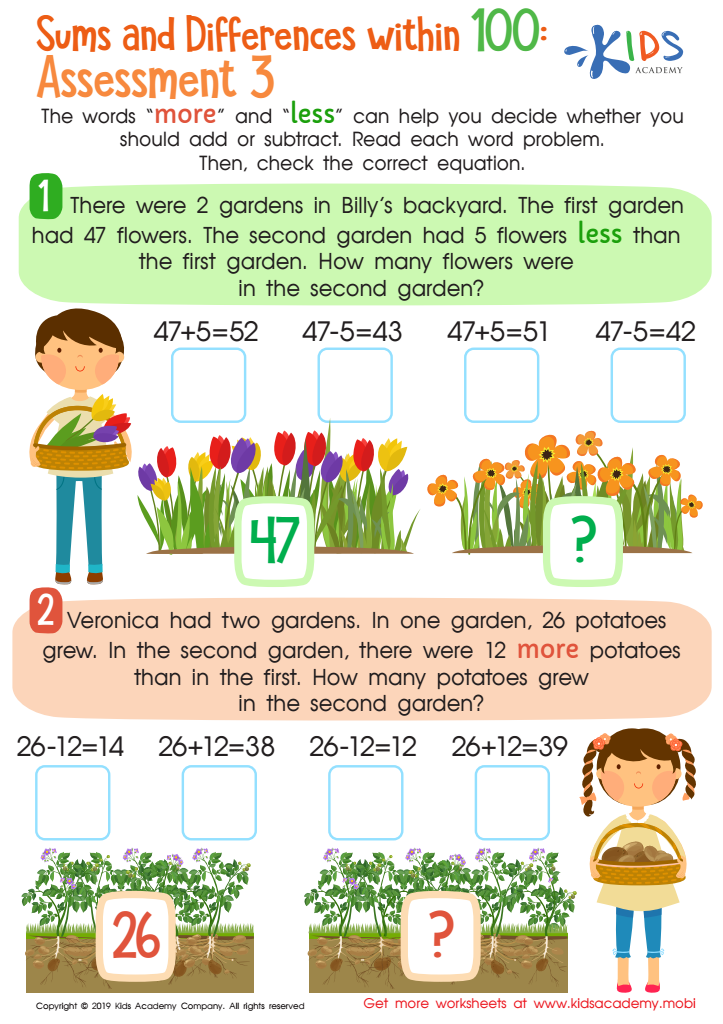
Sums and Differences Within 1 - Assessment 1 Worksheet
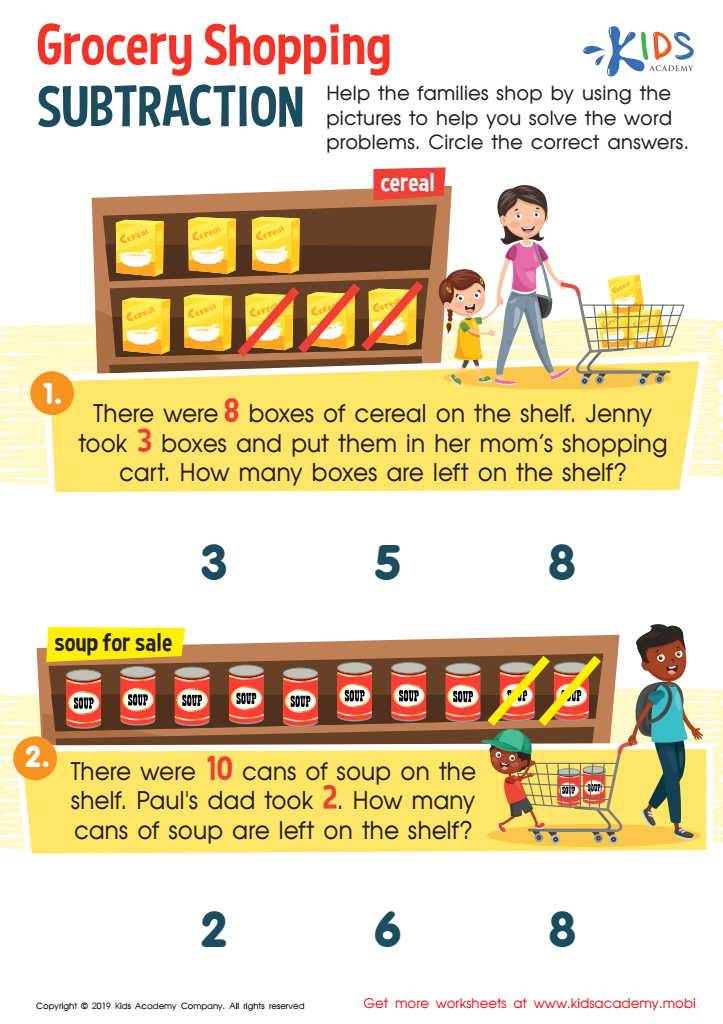
Grocery Shopping Subtraction Worksheet
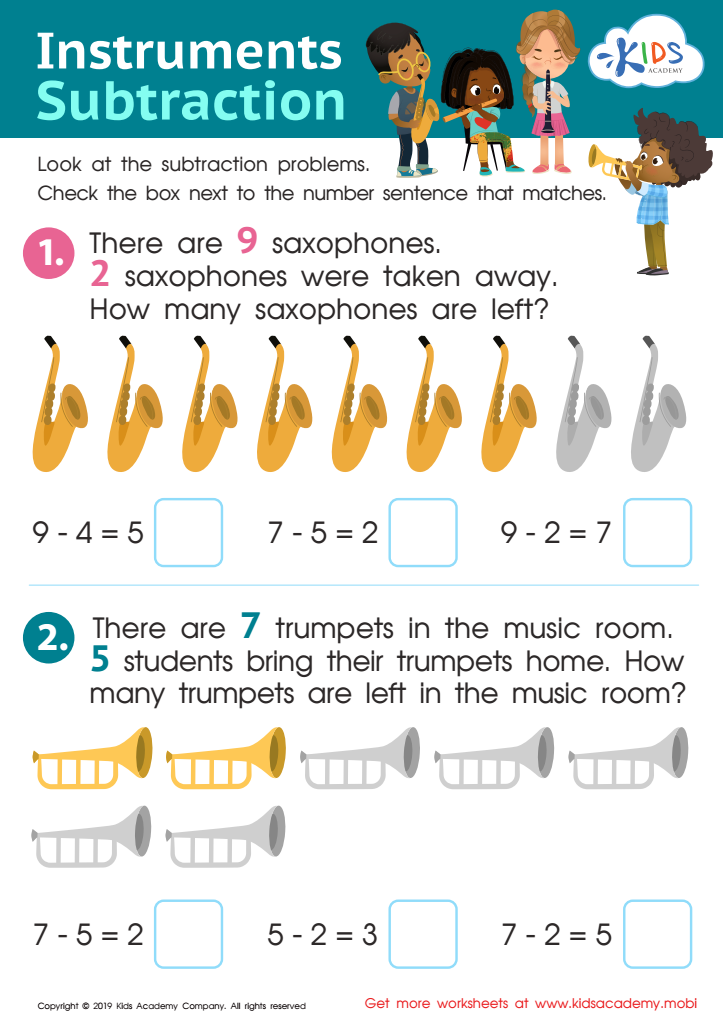
Instrument Subtraction Worksheet
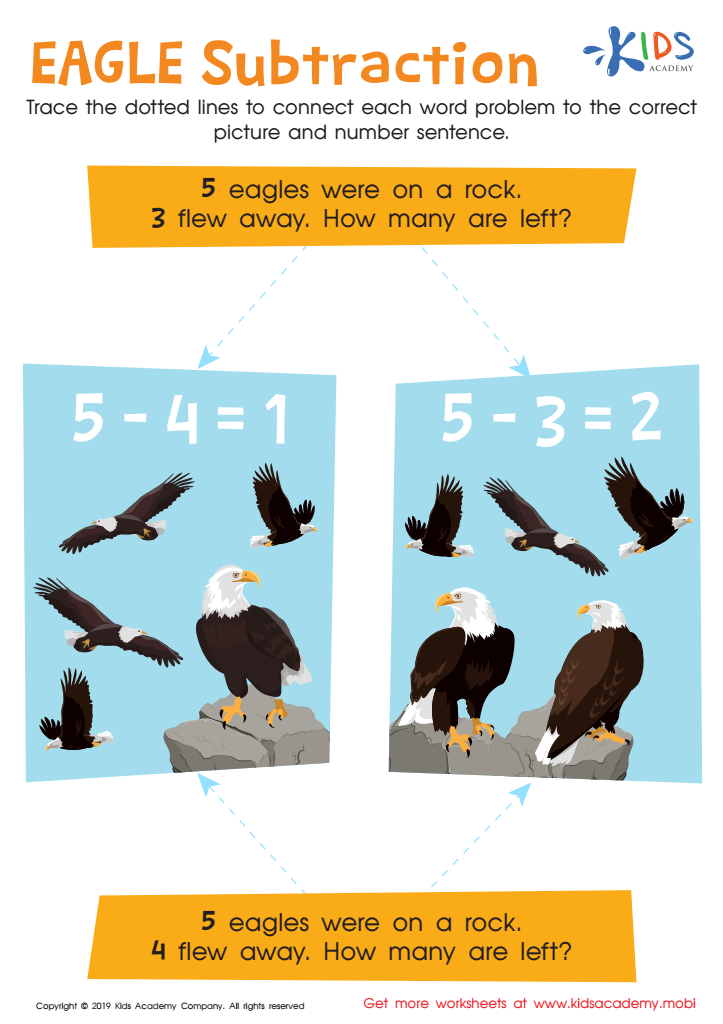
Eagle Subtraction Worksheet
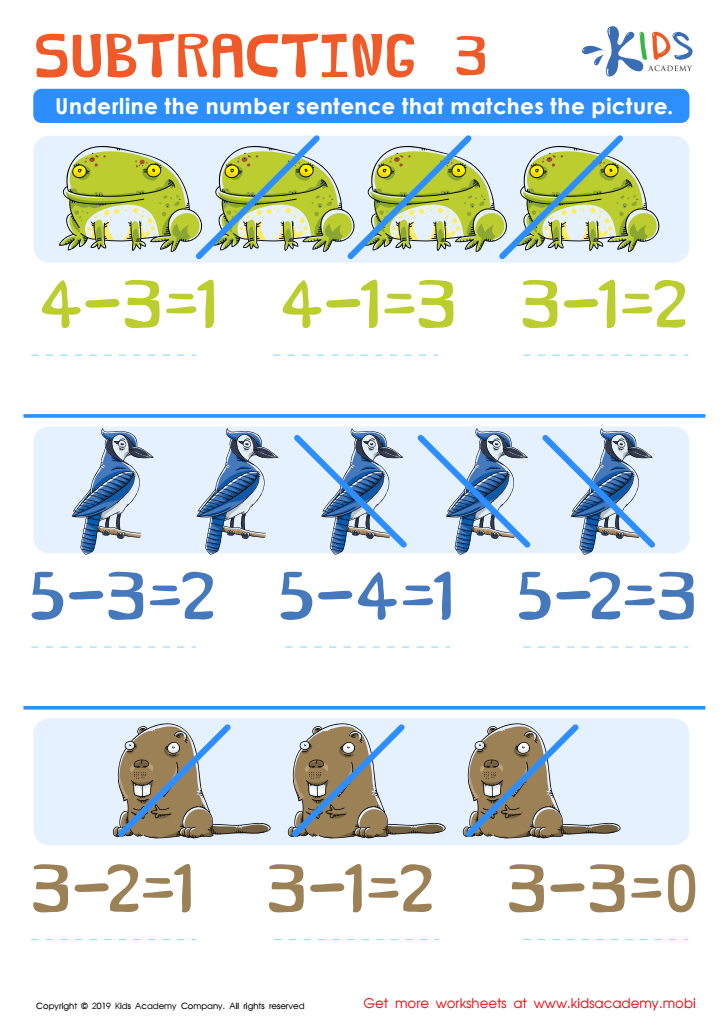
Subtracting 3 Worksheet
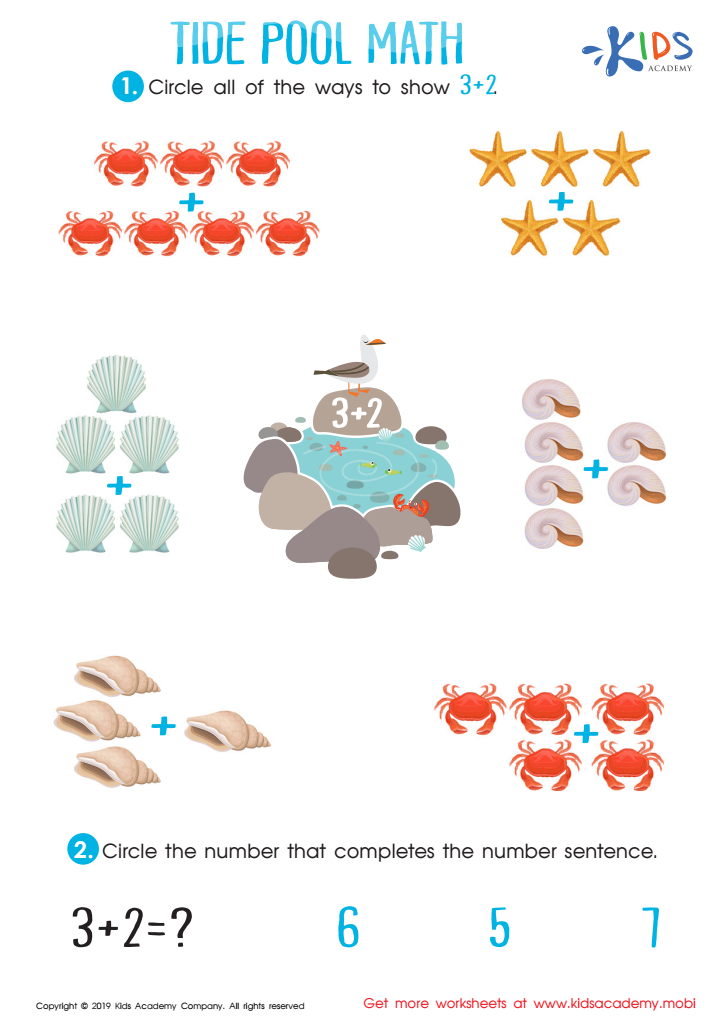
Tide Pool Math Worksheet
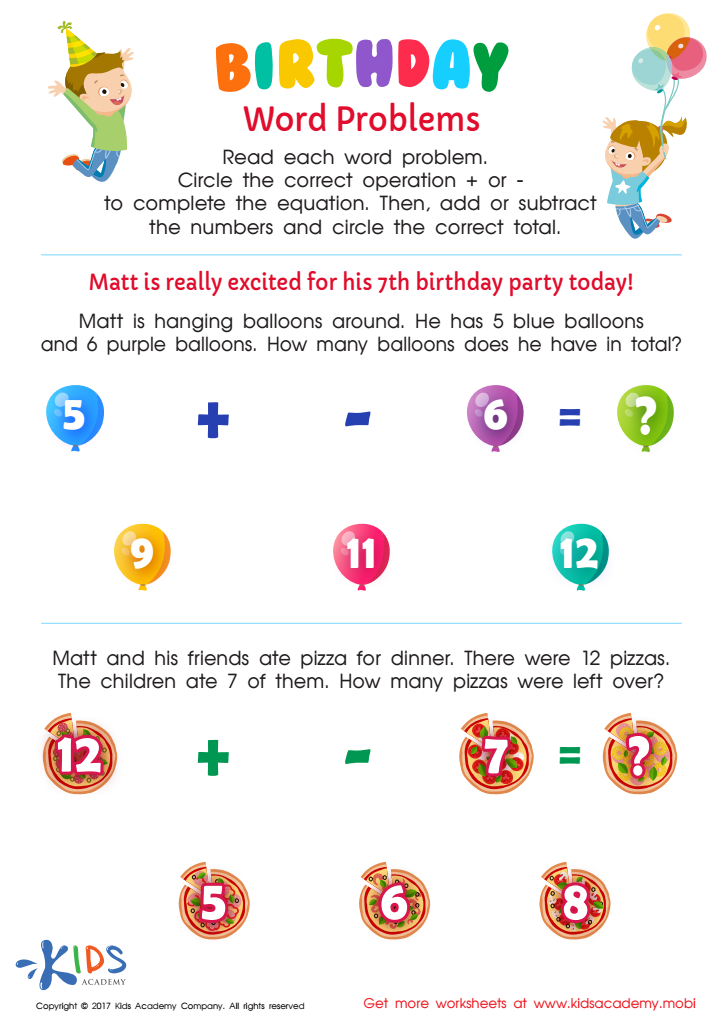
Birthday Word Problems Substraction Worksheet
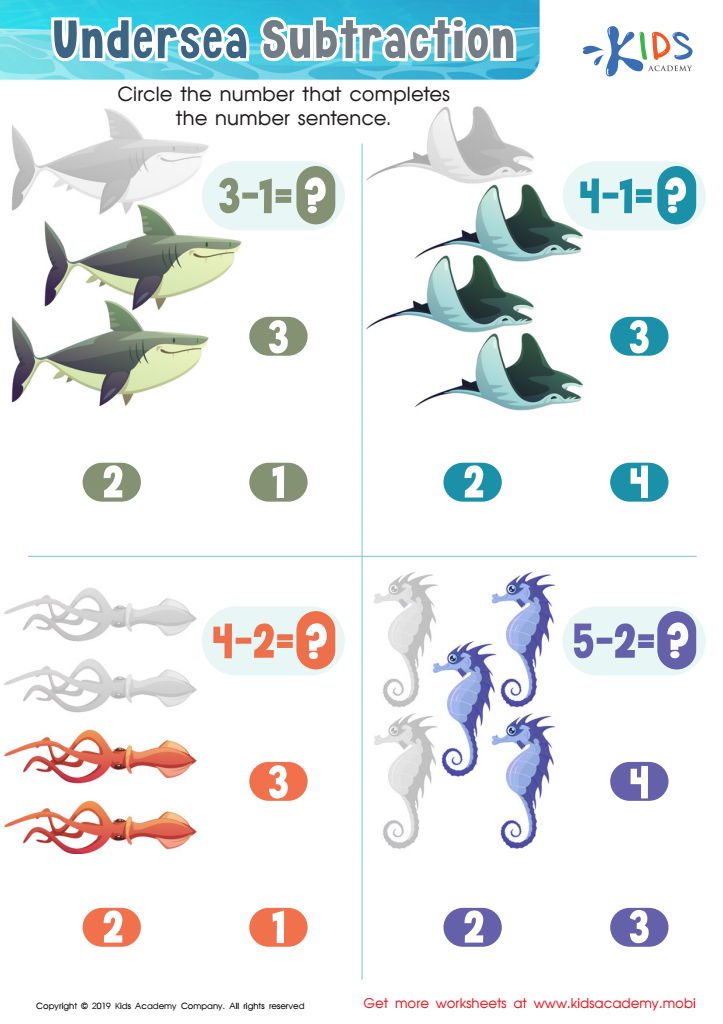
Undersea Subtraction Worksheet
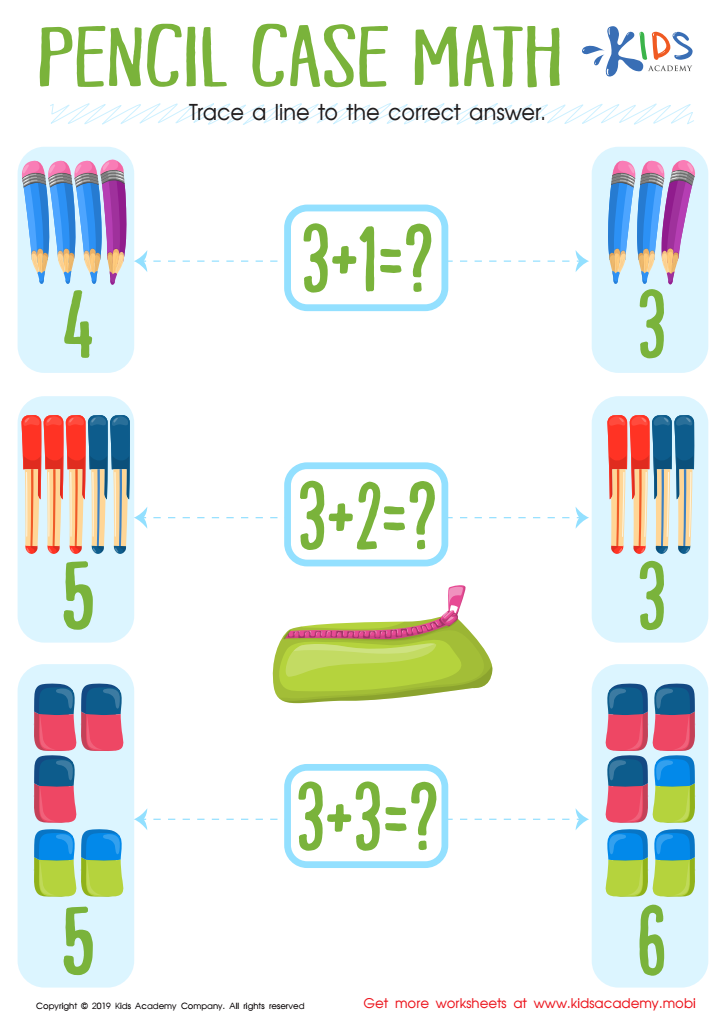
Pencil Case Math Worksheet
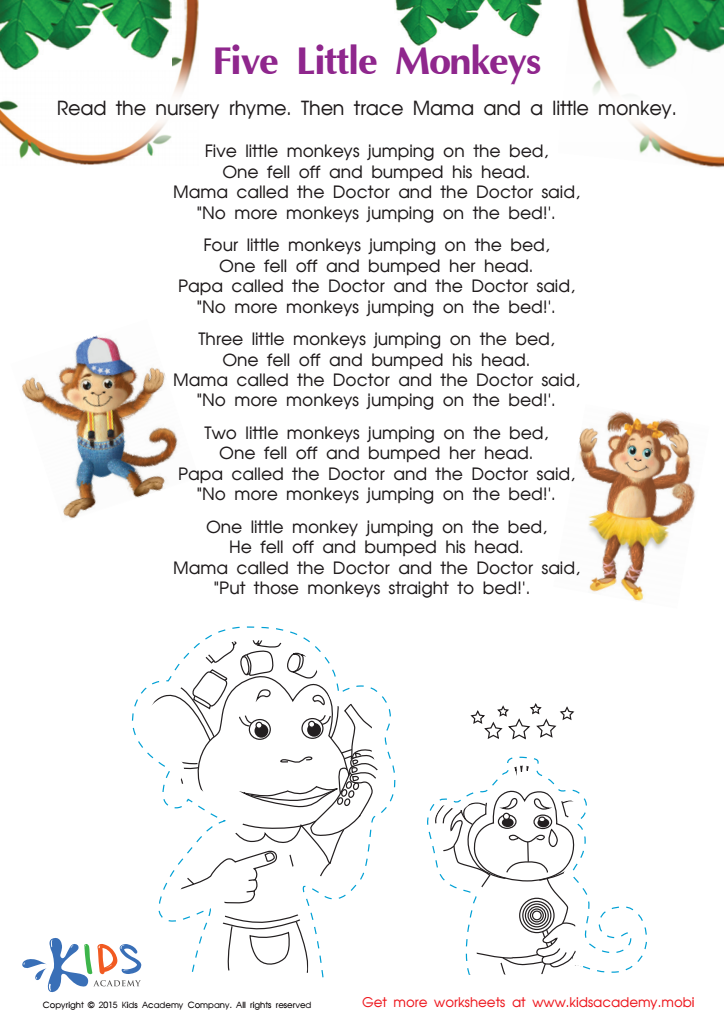
The Five Little Monkeys Nursery Rhyme Worksheet
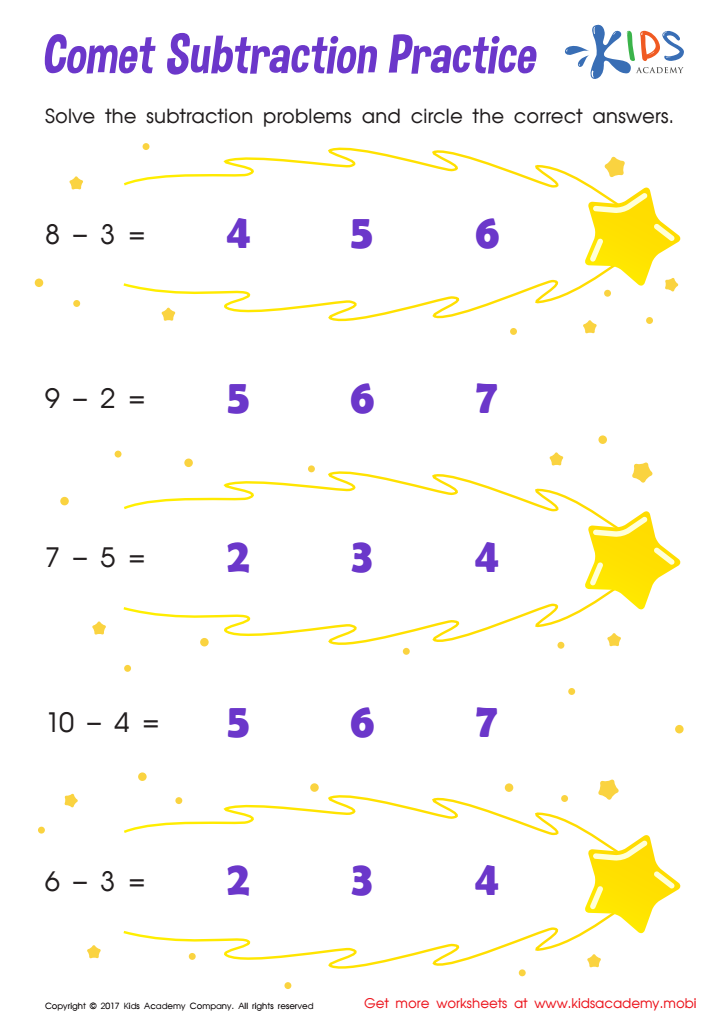
Comet Subtraction Practice Substraction Worksheet
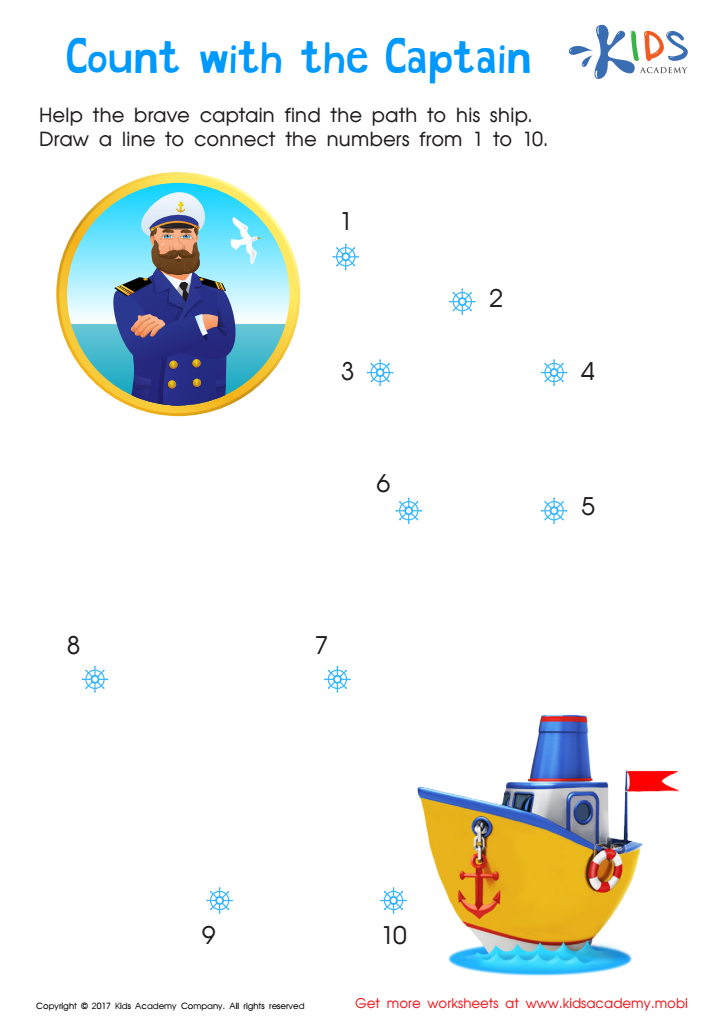
Count with the Captain Connect Dots Worksheet
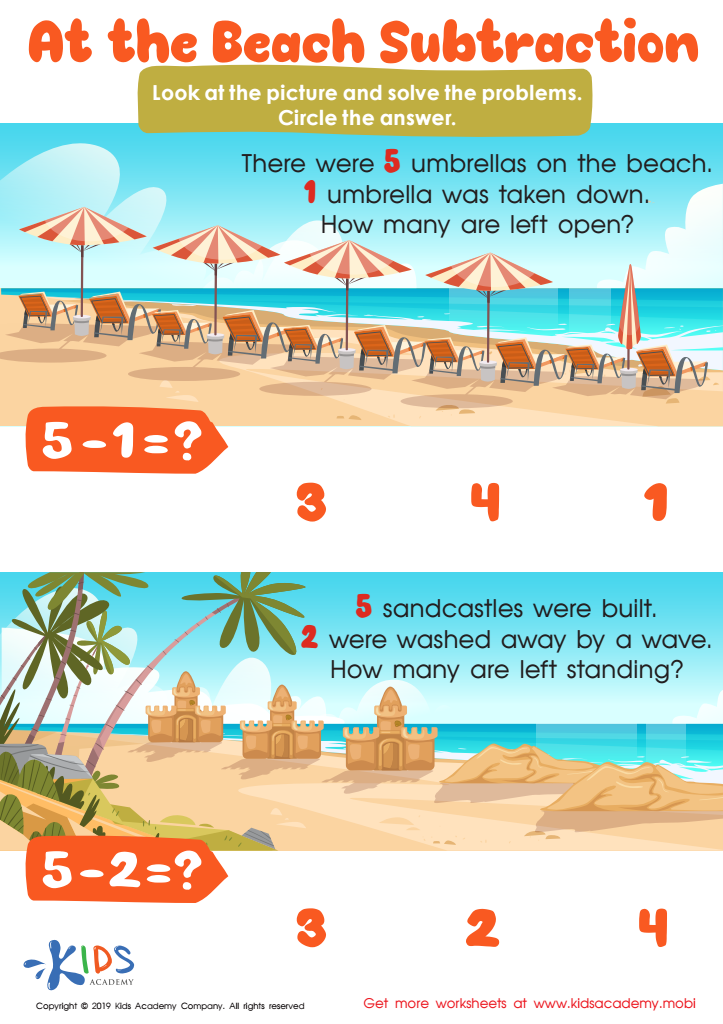
At the Beach Subtraction Worksheet
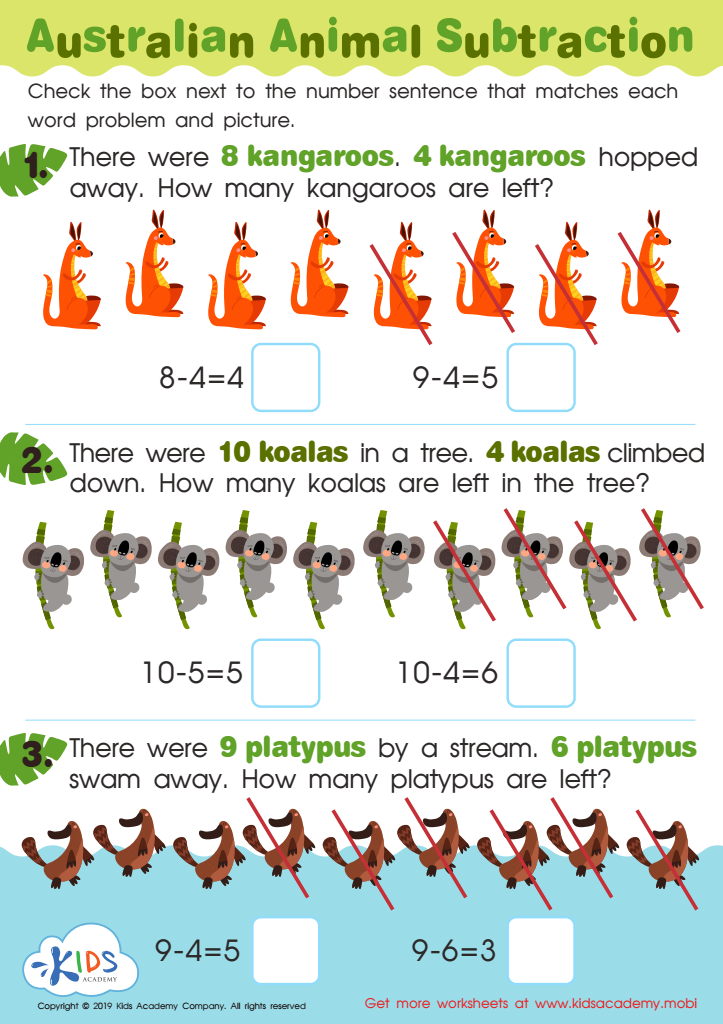
Australian Animal Subtraction Worksheet








Subtraction practice for children aged 4-5 is crucial for several reasons. Firstly, it lays the foundation for early numeracy skills, which are essential for success in later mathematics learning. At this age, children are developing their understanding of numbers and quantities. When they engage in subtraction, they begin to grasp the concept of taking away, which strengthens their overall mathematical reasoning.
Additionally, subtraction helps improve cognitive skills such as problem-solving and critical thinking. By learning to abstractly separate items or quantities, children enhance their ability to think logically. Engaging in subtraction activities also support fine and gross motor skills through hands-on manipulation of objects like blocks or counters, making learning multidimensional.
Incorporating subtraction practices through games or interactive activities keeps learning enjoyable and engaging. This not only boosts their mathematics competence but also fosters a positive attitude towards learning. Furthermore, involving parents in this process can strengthen the home-school connection and provide opportunities for family bonding through educational play. Altogether, practice in subtraction equips young learners with essential skills that can significantly impact their academic journey and cognitive development, ultimately encouraging lifelong learning habits.








