Categorization skills Matching Worksheets for Ages 4-5
6 filtered results
-
From - To
Explore our engaging Categorization Skills Matching Worksheets designed specifically for children aged 4 to 5. These interactive worksheets help young learners develop essential categorization skills by encouraging them to identify and match items based on common attributes. Perfect for early math and critical thinking development, our resources feature colorful visuals and age-appropriate activities that make learning fun and effective. By practicing with these worksheets, children enhance their ability to sort and organize information, laying the groundwork for future academic success. Discover the joy of learning through play with our thoughtfully created matching worksheets today!
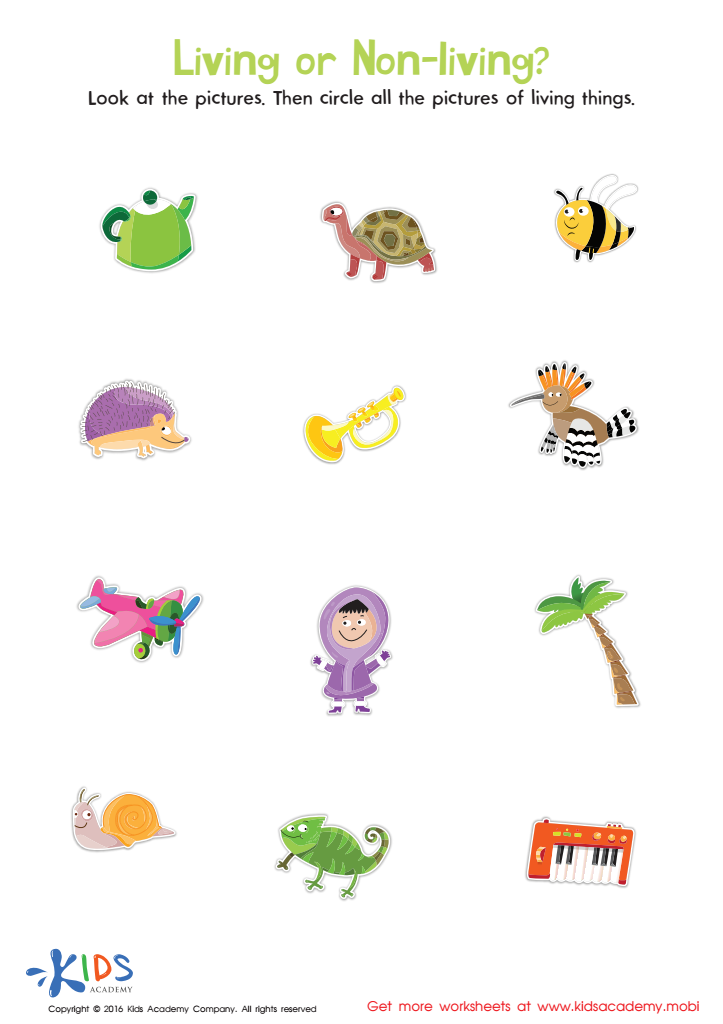
Identifying Living and Non–living Things Sorting Worksheet
 Assign to My Students
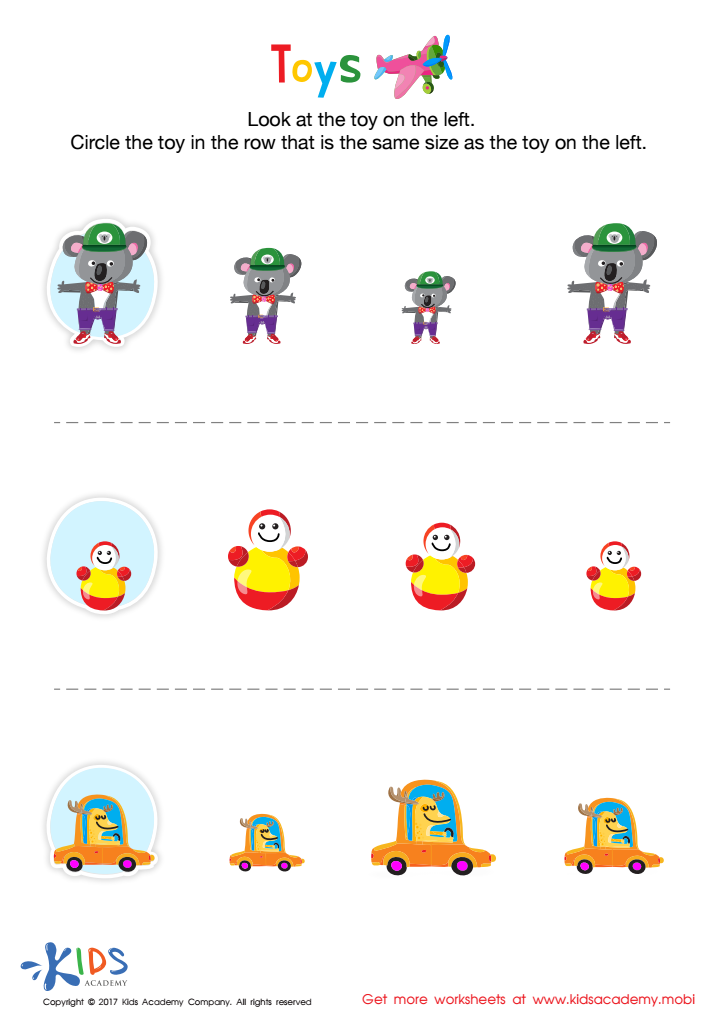
Matching: Classifying Toys by Size Worksheet
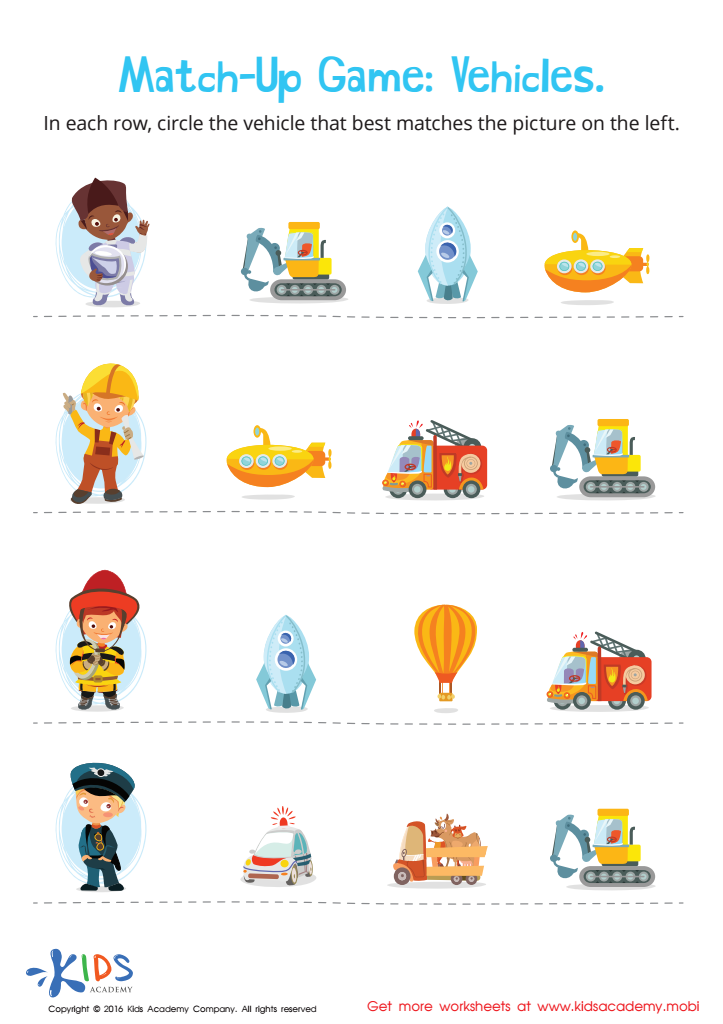
Vehicles Worksheet
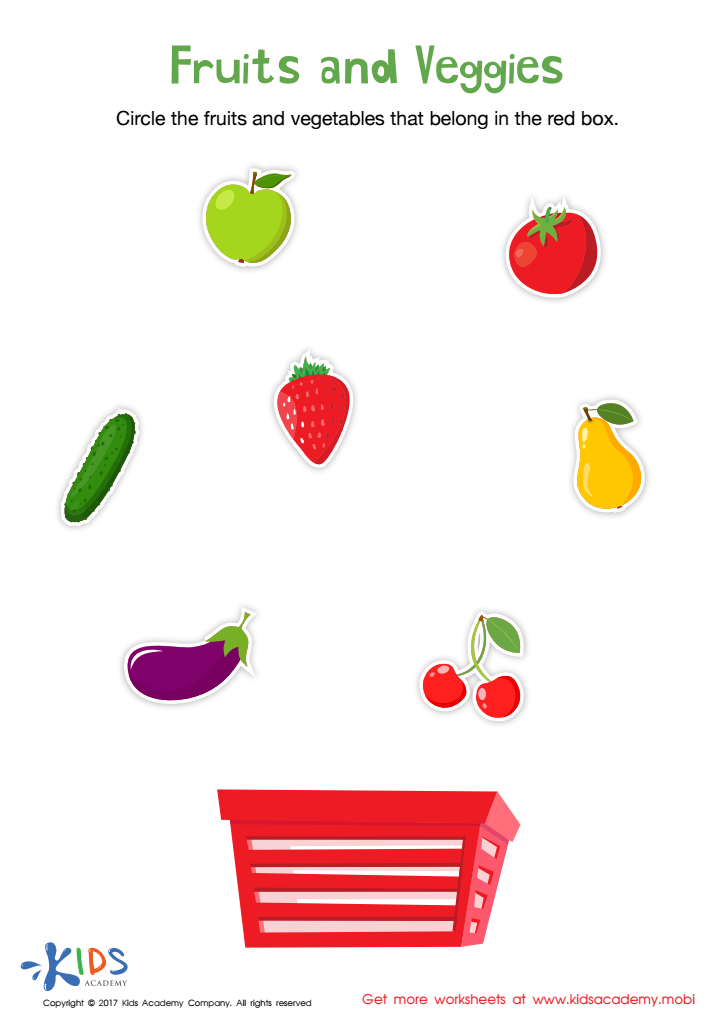
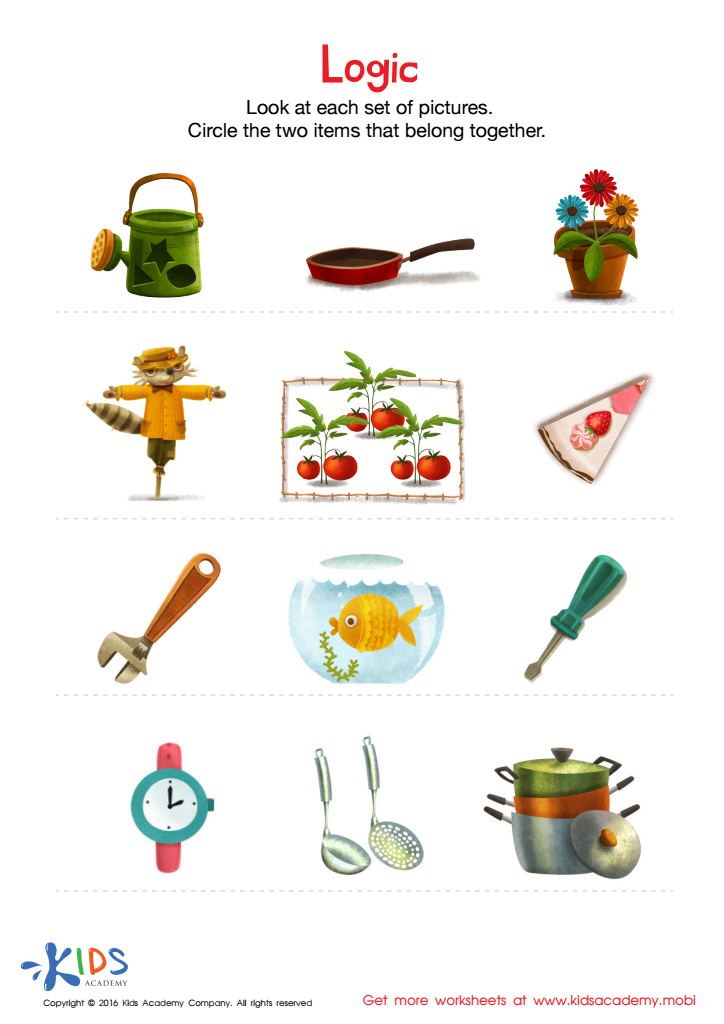
Logic Game Sorting Worksheet








Categorization skills and matching exercises are crucial for children aged 4-5 as they form the foundation for future learning. At this developmental stage, children begin to understand how to group objects based on shared characteristics, such as color, shape, and size. This skill not only fosters cognitive development but also enhances their observational skills and critical thinking.
By engaging in categorization activities, children learn to make connections between different concepts, which is vital for their problem-solving abilities. It prepares them for more complex tasks in math and science as they continue their education. For parents and teachers, cultivating these skills can lead to better academic performance in school settings, where sorting, classifying, or sequencing objects often play a significant role in the curriculum.
Furthermore, matching games can boost a child’s memory and concentration, making them more organized learners. Socially and emotionally, these activities also encourage cooperative play and communication between peers, promoting teamwork. Therefore, investing time in developing categorization and matching skills benefits not only academic readiness but also social interactions. In a world where information is flooded with categorizations, understanding these concepts early equips children with skills they'll utilize throughout their lives.








