Logical thinking Matching Worksheets for Ages 4-5
5 filtered results
-
From - To
Unlock your child's potential with our engaging Logical Thinking Matching Worksheets for ages 4-5! Designed to enhance cognitive skills, these worksheets help young learners develop critical thinking and problem-solving abilities through fun matching activities. Children will learn to identify patterns, shapes, and relationships while building their confidence in logical reasoning. Each worksheet features vibrant illustrations that captivate young minds and encourage active participation. Perfect for homeschooling or enhancing classroom learning, these resources make it easy for educators and parents to support their child's early developmental milestones. Download and encourage your little one to explore the world of logic today!
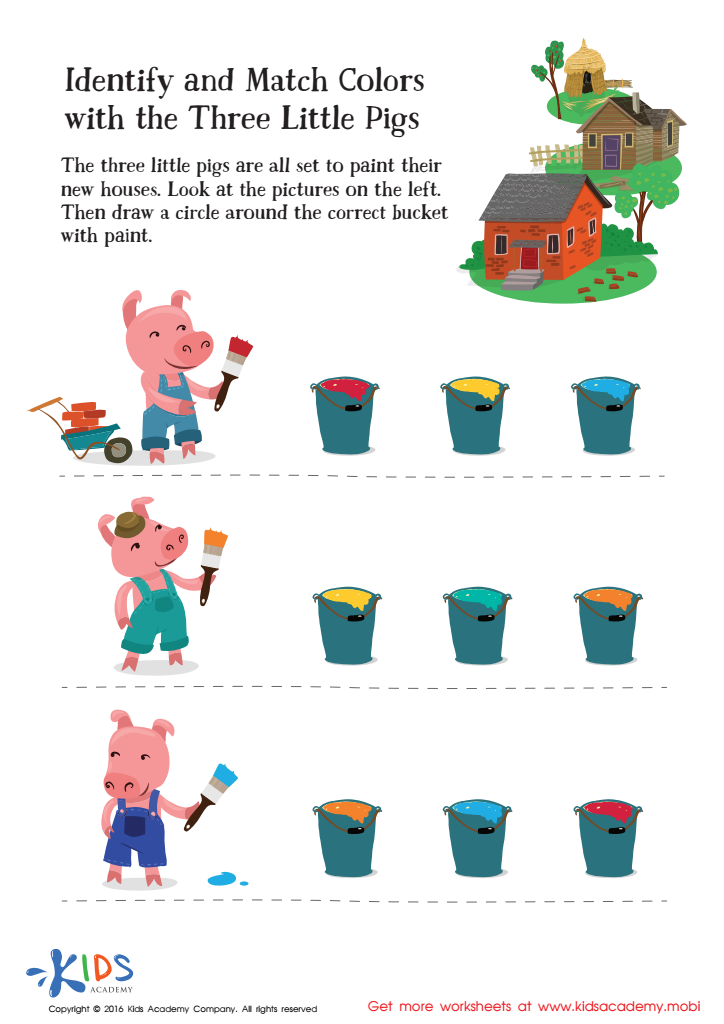
Fairy Tale Worksheet: Identify and Match Colors with Three Little Pigs
 Assign to My Students
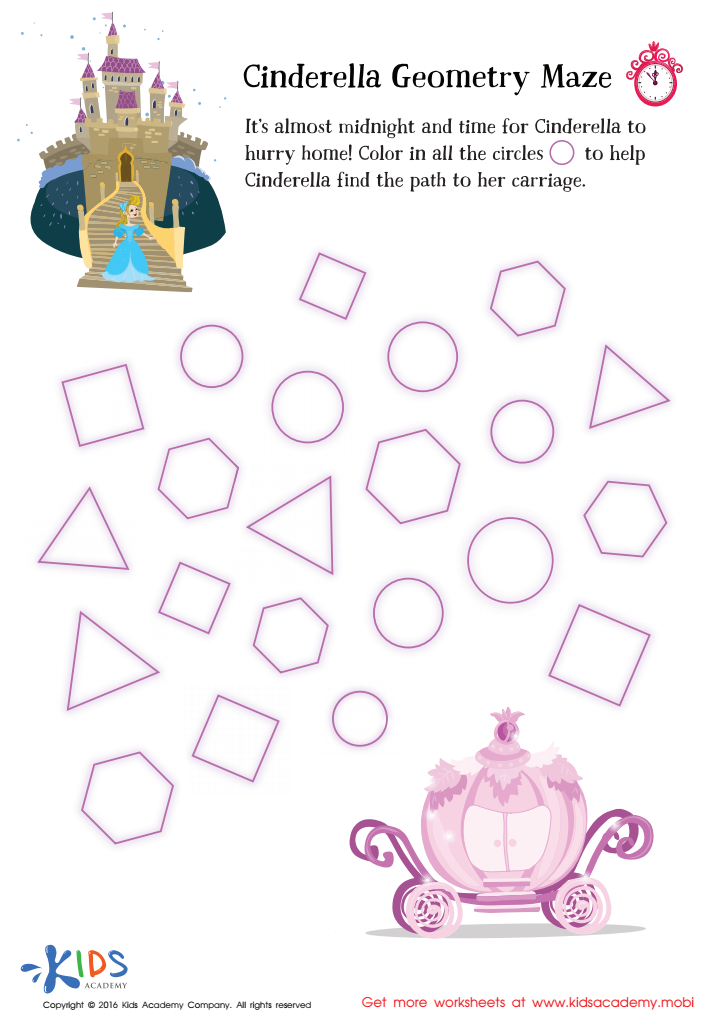
Cinderella Geometry Maze Worksheet
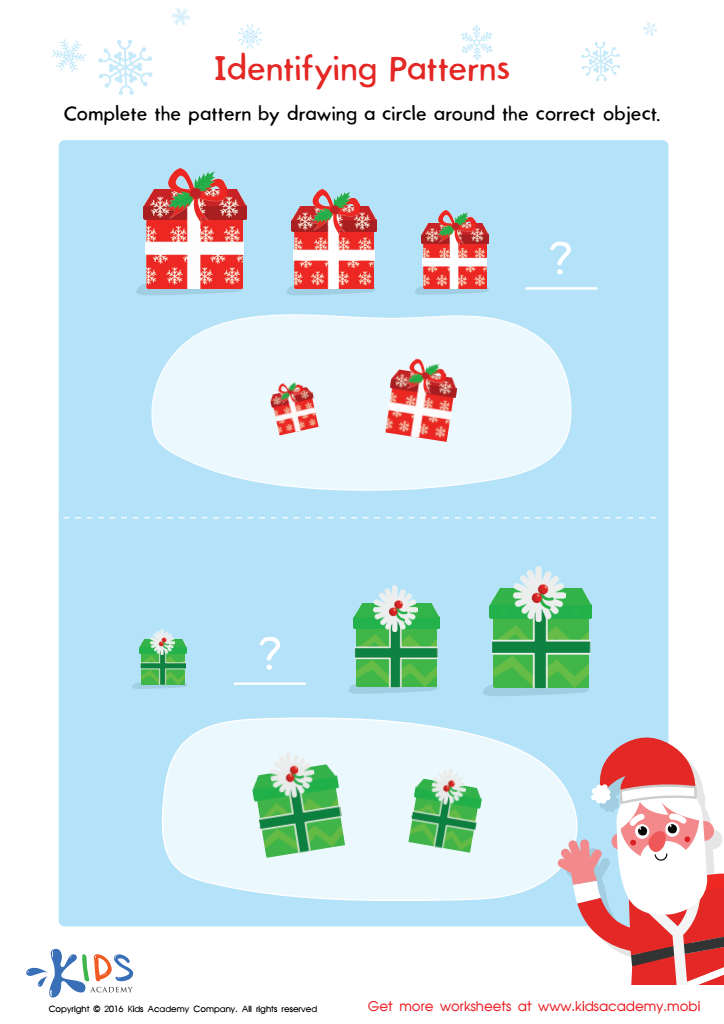
Identifying Patterns Worksheet
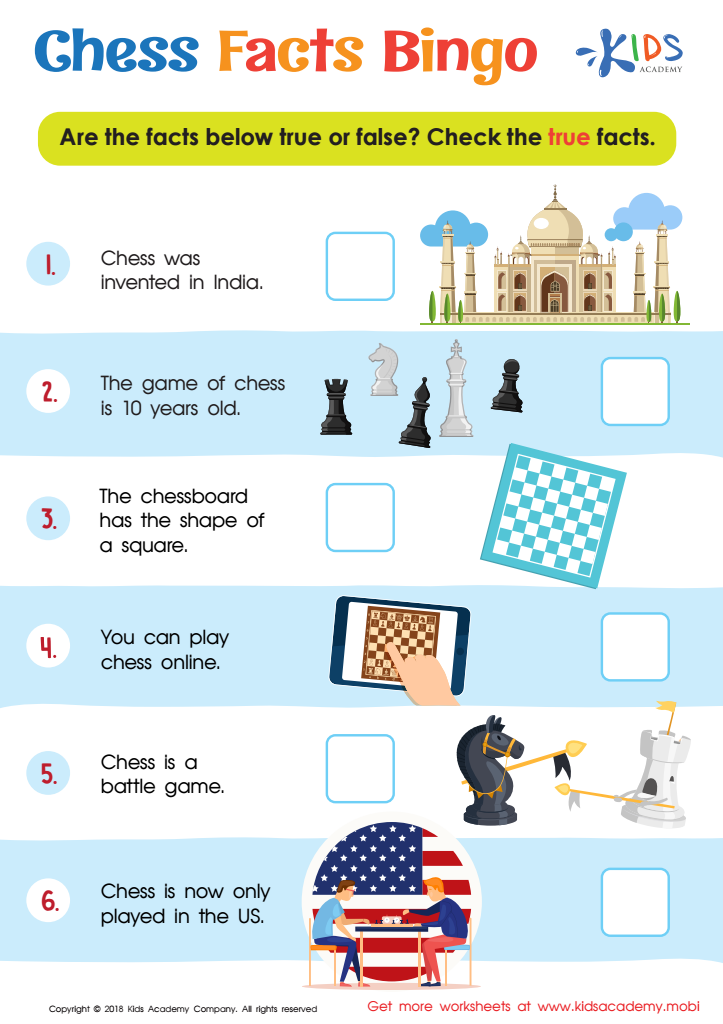
Chess Facts Bingo Worksheet
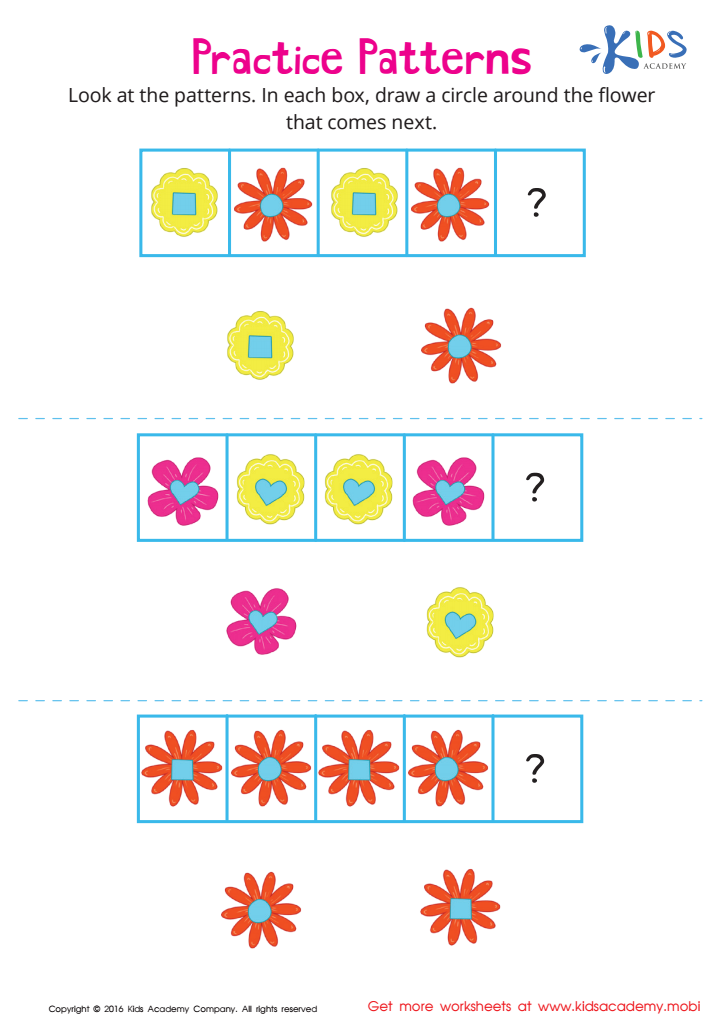








Logical thinking and matching skills are essential for children aged 4-5 as they lay the foundation for meaningful cognitive development. At this age, children are undergoing significant learning milestones, and engaging them in logical thinking exercises enhances their problem-solving abilities, attention to detail, and decision-making skills. Moreover, these skills are crucial for academic success as children start their formal education journey.
By practicing matching activities, children learn to recognize patterns, categorize objects, and understand relationships among items. For instance, matching shapes or colors fosters critical thinking and helps them make connections in their environment. This process encourages them to use their reasoning skills as they begin to draw conclusions and make predictions based on the information presented.
Parents and teachers have a vital role in cultivating these skills through fun activities and games. By incorporating logical thinking and matching games into playtime or learning sessions, they can stimulate children’s curiosity and enhance their engagement. Ultimately, fostering these skills not only prepares children for future academic challenges, but also equips them with important life skills, encouraging them to become independent thinkers and active participants in their learning journey.








