Fine Motor Skills Reading Worksheets for Ages 4-5 - Page 2
33 filtered results
-
From - To

The Bingo Song: Coloring The Dog Worksheet
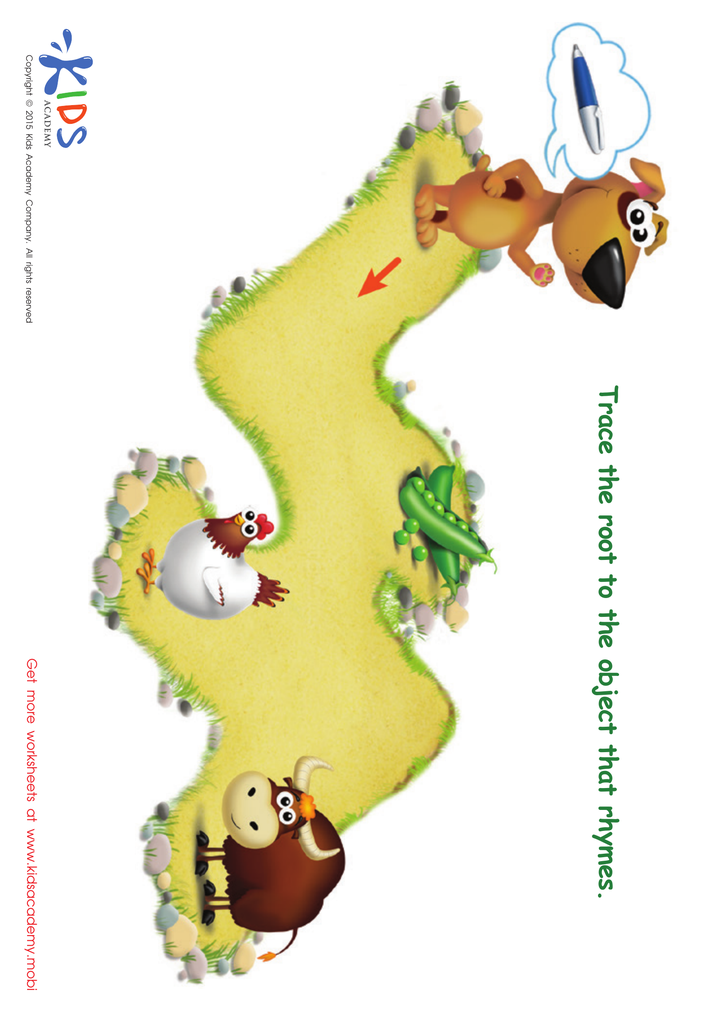
Pen Rhyming Words Worksheet

Twinkle, Twinkle, Little Star – Coloring by Numbers
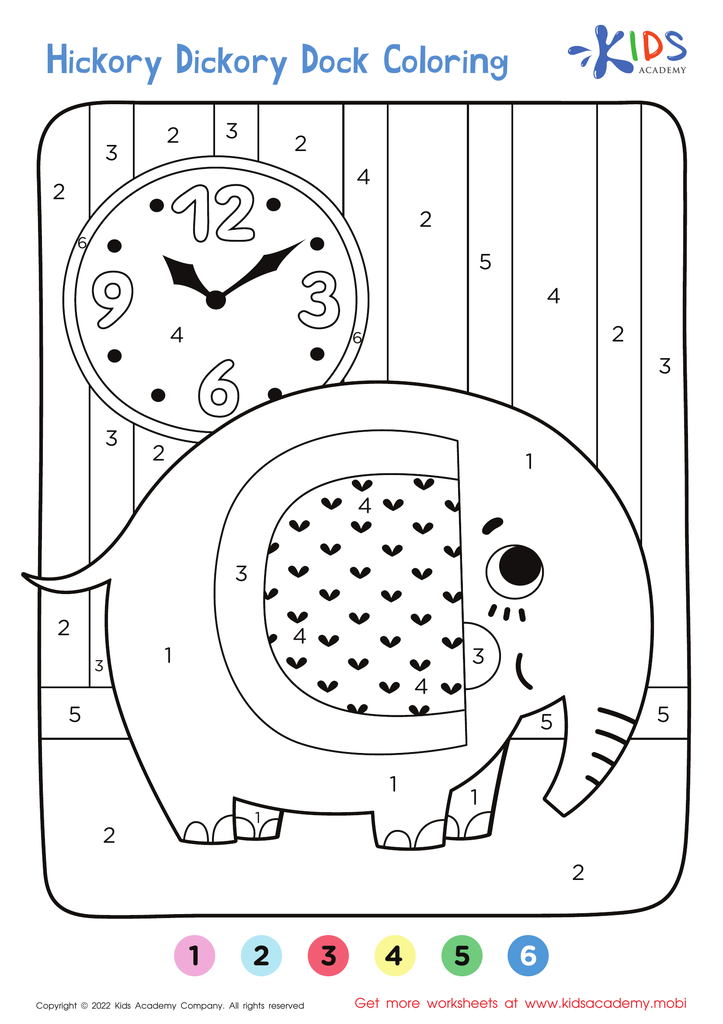
Hickory Dickory Dock – Coloring by Numbers
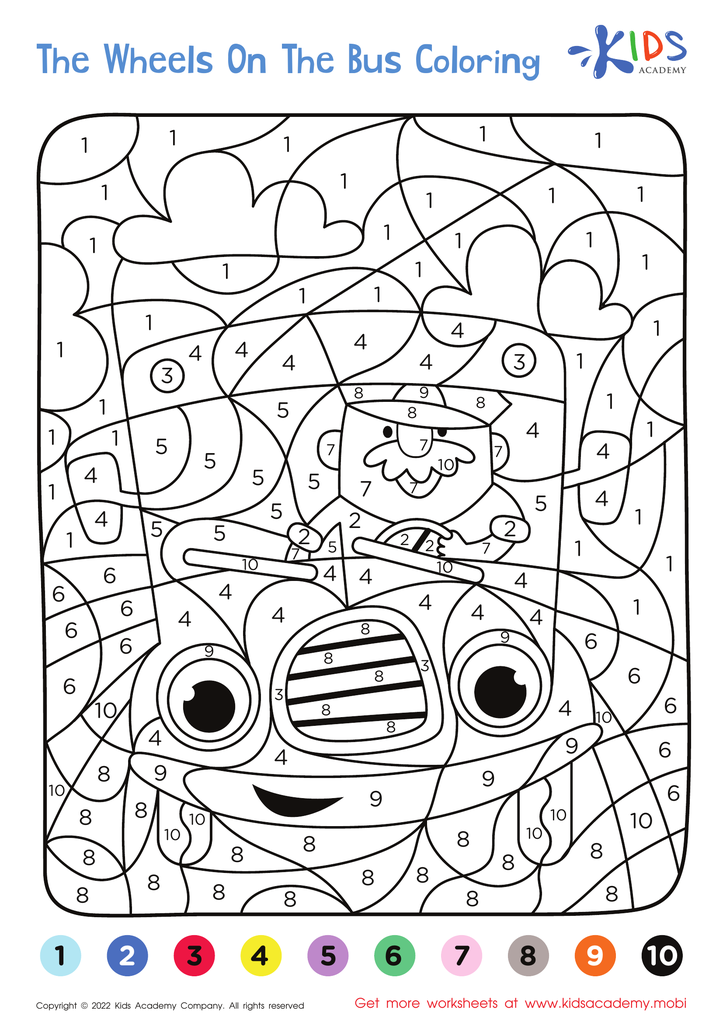
Wheels on the Bus – Coloring by Numbers
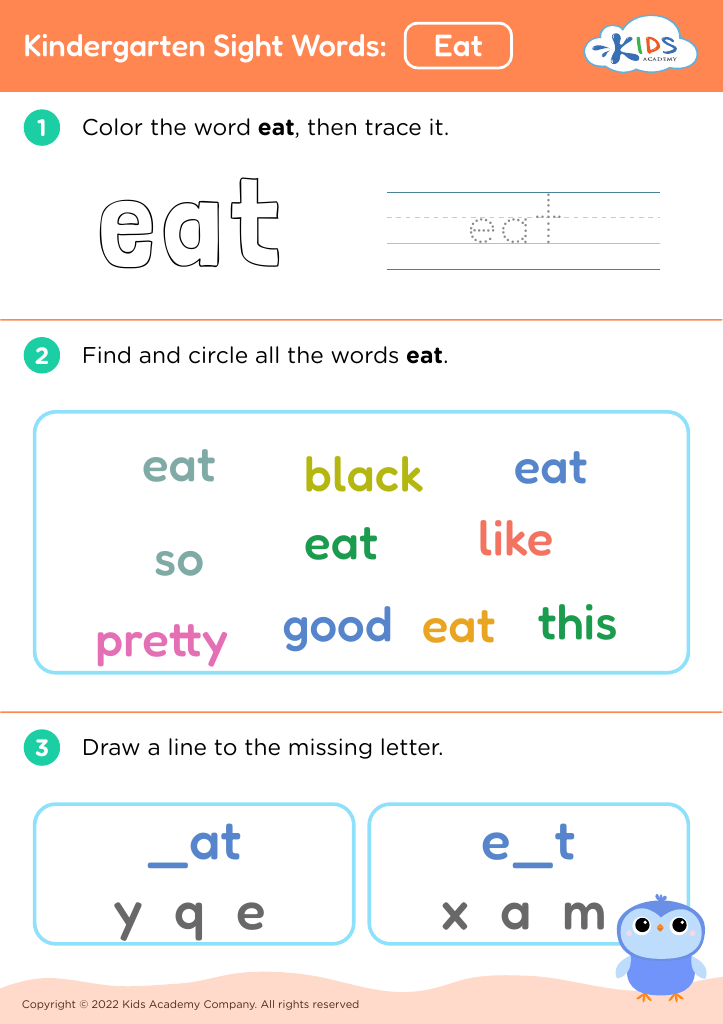
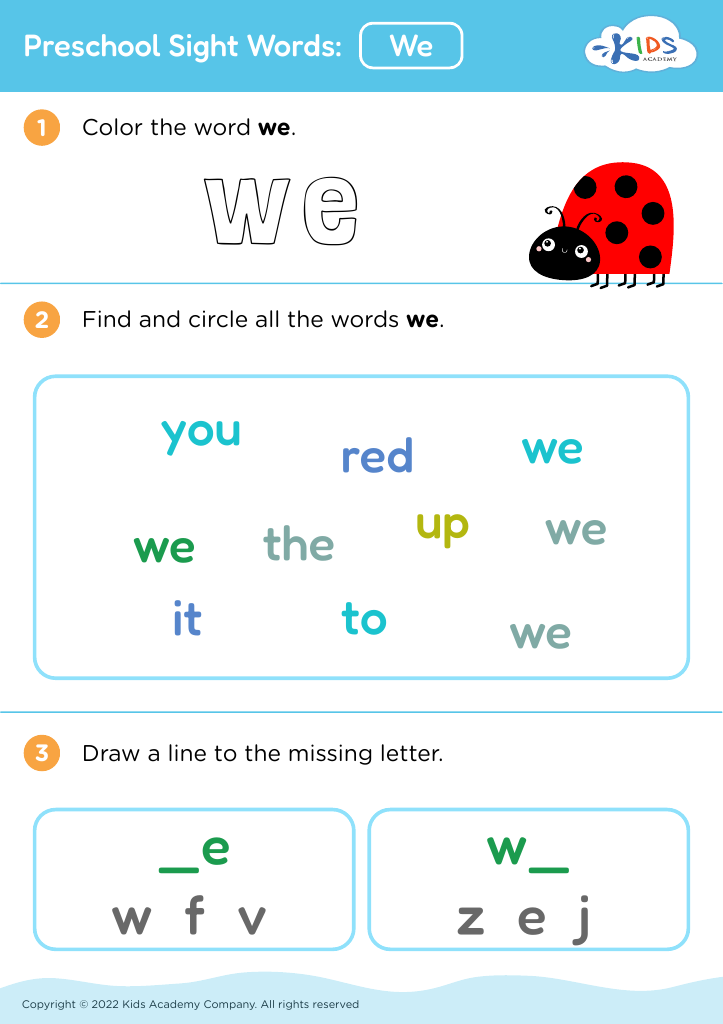
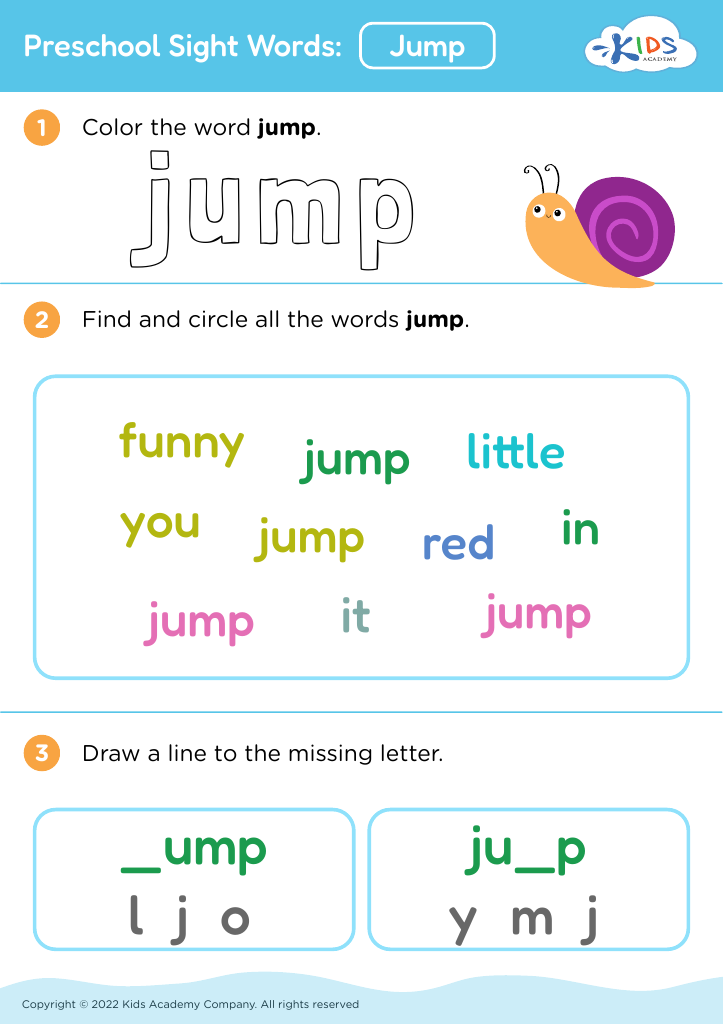
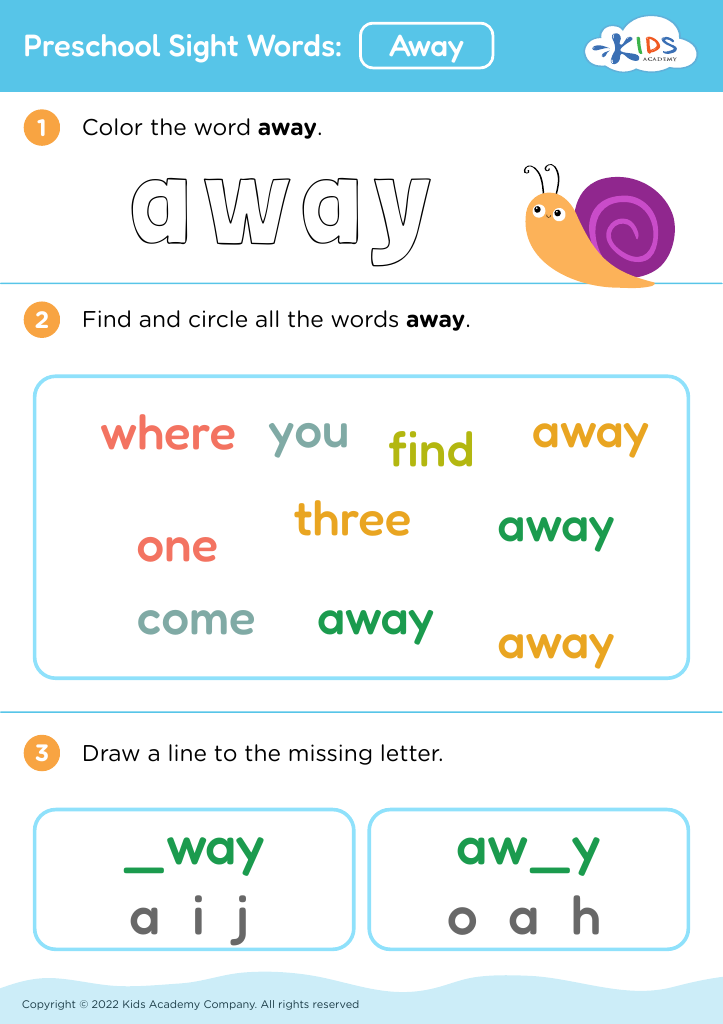








Parents and teachers should pay close attention to fine motor skills development in children aged 4-5 because these skills are foundational for various learning processes, including reading and writing. Fine motor skills involve the coordination of small muscle movements, primarily in the hands and fingers. At this age, children start to engage in writing, drawing, and manipulating small objects, all of which require proficient fine motor abilities.
Improved fine motor skills enhance a child’s ability to hold a pencil correctly, control its movements, and form letters effectively. These skills directly correlate with reading readiness, as children need to track words on a page and point to pictures or letters. Engaging in activities like cutting, coloring, and playing with building blocks can strengthen these skills, leading to better concentration and attention span.
Moreover, fine motor skills are critical for self-efficacy and independence. Children who master these skills gain confidence in their abilities, fostering a more positive attitude towards learning. Consequently, understanding the importance of fine motor skill development encourages parents and teachers to incorporate targeted activities into daily routines, ensuring children are equipped to succeed academically and beyond.








