Critical Thinking Science Worksheets for Ages 4-5
7 filtered results
-
From - To
Explore our engaging Critical Thinking Science Worksheets designed for children aged 4-5! These worksheets are perfect for little learners to develop their critical thinking skills while exploring the wonders of science. Through fun activities and colorful illustrations, kids will enhance their problem-solving abilities, learn to ask questions, and think creatively. Our worksheets feature hands-on experiments, observational exercises, and interactive prompts that make science exciting and accessible. Encourage your child’s curiosity and help them build a strong foundation for future learning with our thoughtfully crafted resources. Perfect for home or classroom use, these worksheets will inspire a love for learning and discovery!
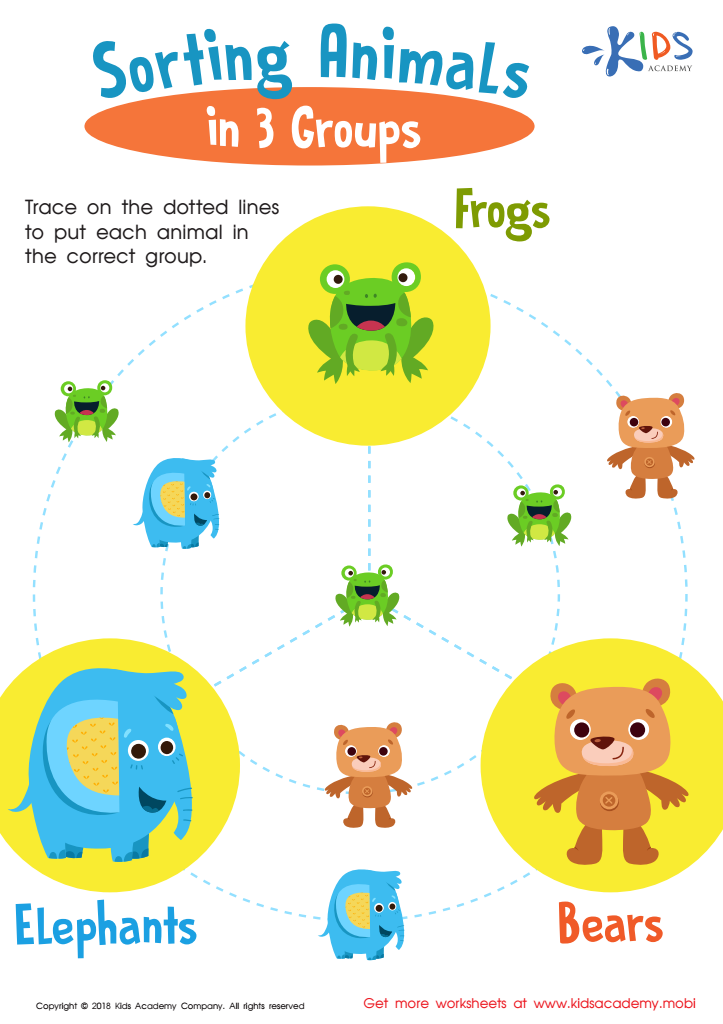
Sorting Animals in 3 Groups Worksheet
 Assign to My Students
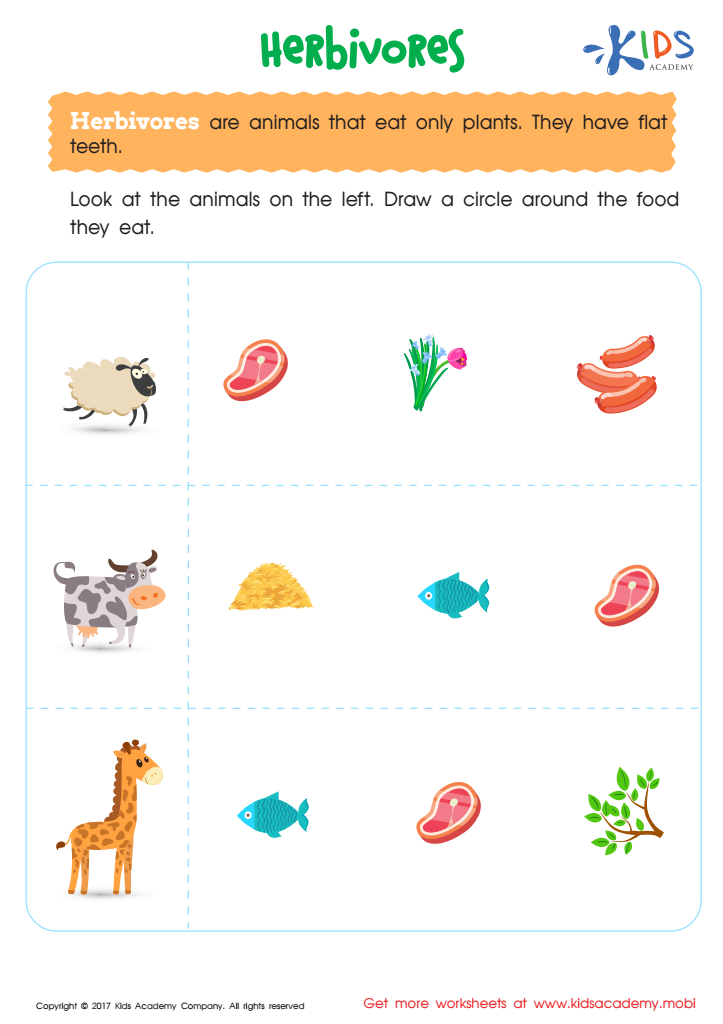
Herbivores Printable
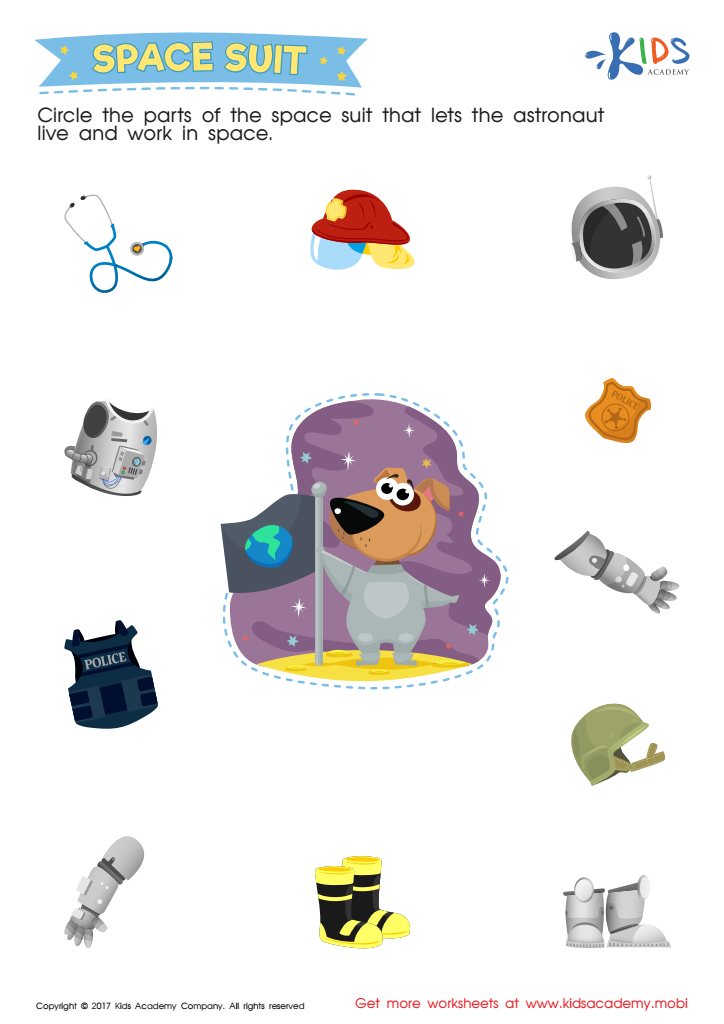
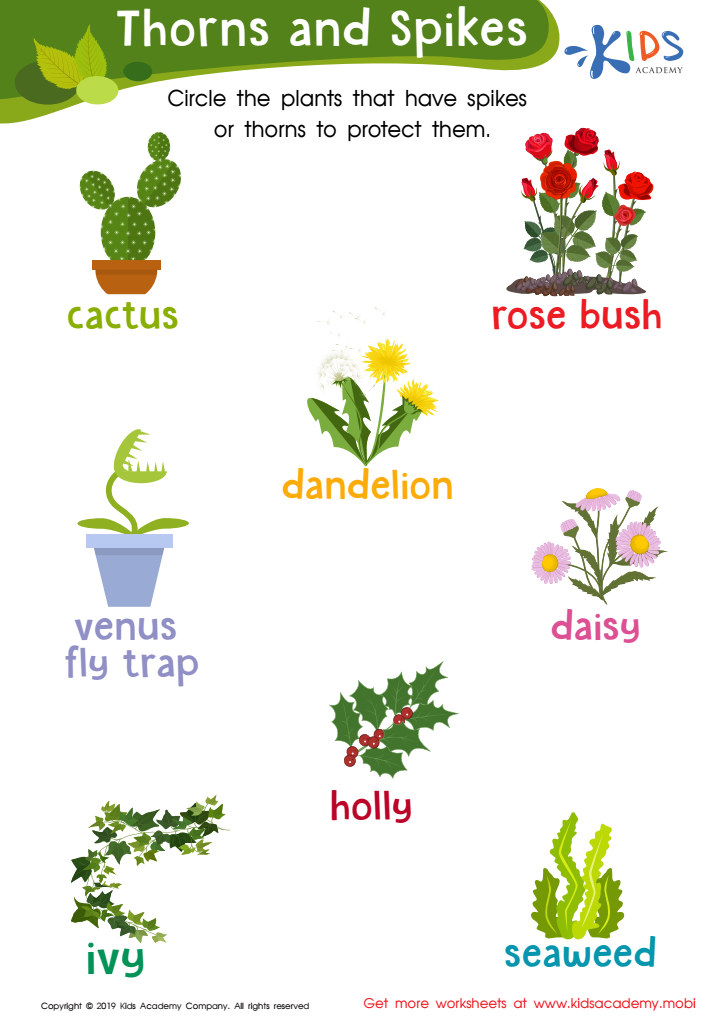
Thorns and Spikes Worksheet
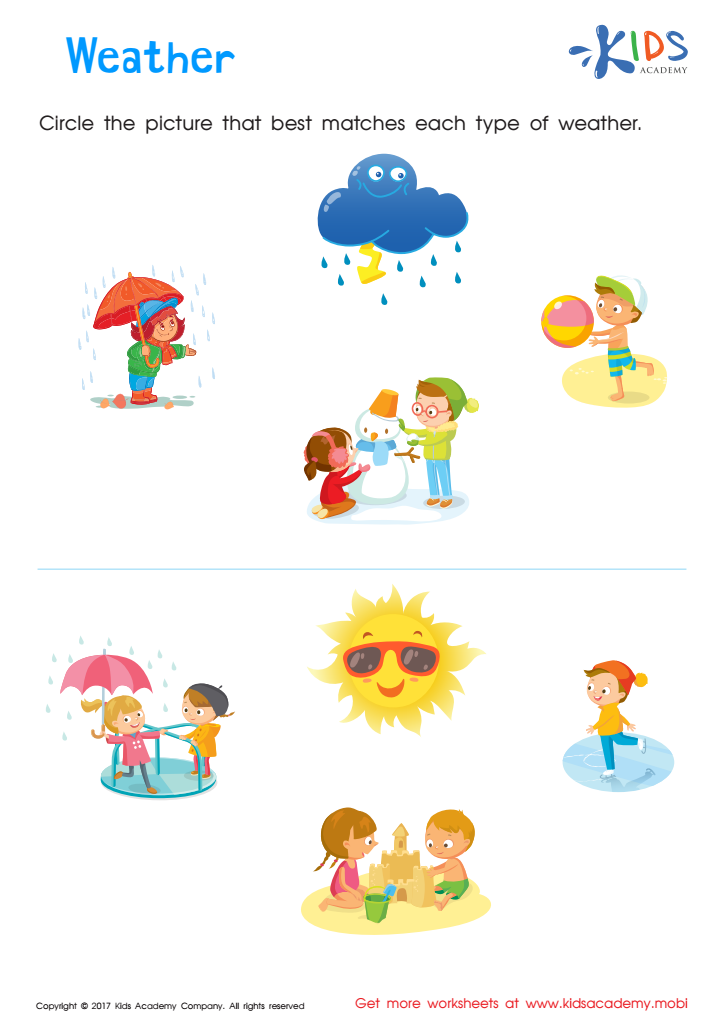
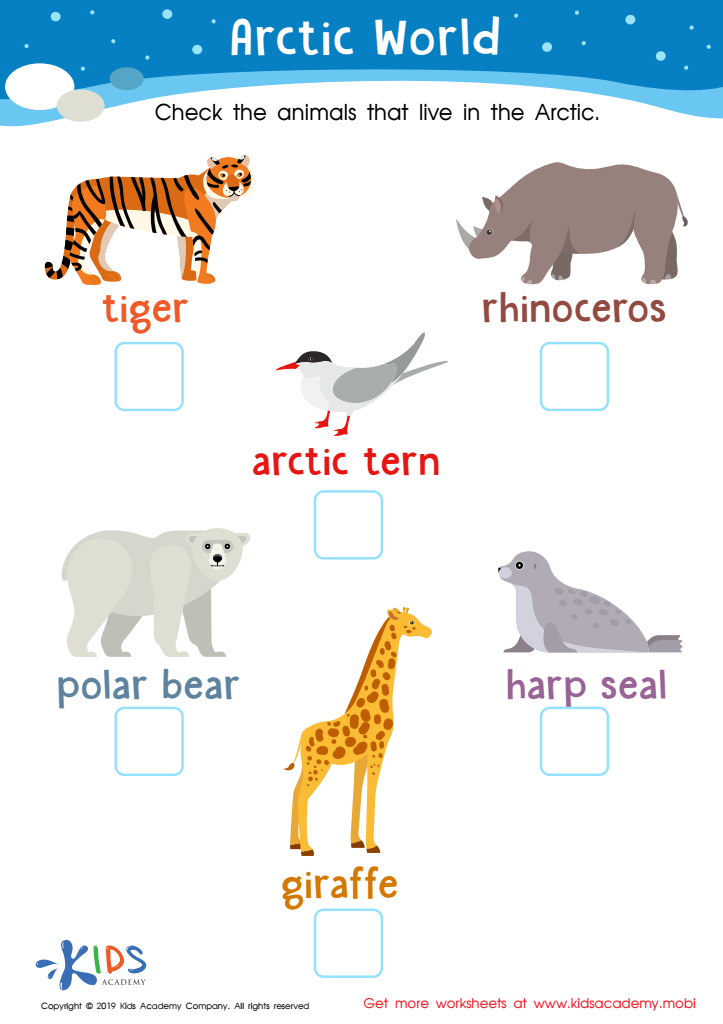
Arctic World Worksheet
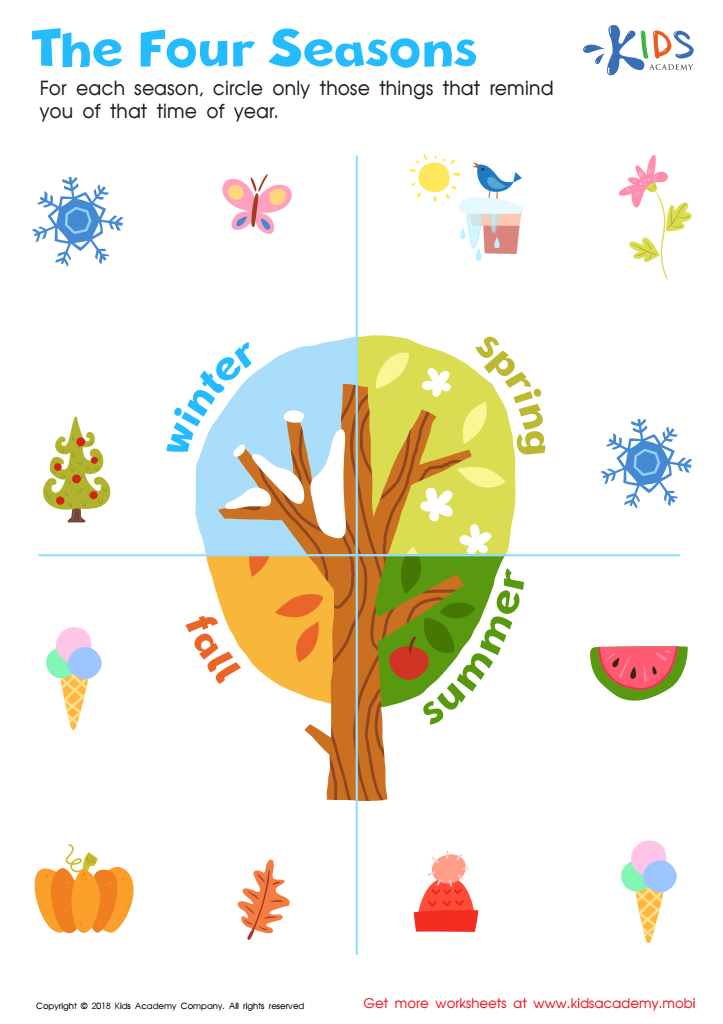
The Four Seasons Worksheet







Critical thinking skills are essential for young children, especially in the context of science education for ages 4-5. At this developmental stage, children are naturally curious and eager to explore the world around them. Encouraging critical thinking through science helps them learn to ask questions, make observations, and draw conclusions based on their experiences. This foundational approach fosters a sense of wonder and enthusiasm for learning, which is crucial during these formative years.
Parents and teachers should care about nurturing critical thinking in science because it cultivates problem-solving skills that children will rely on throughout their lives. By engaging in simple scientific inquiries, such as experimenting with materials or observing nature, children begin to develop analytical skills that enable them to evaluate information and choices effectively.
Furthermore, critical thinking in science promotes creativity and innovation, which are vital for success in the 21st century. Children learn to approach challenges with an open mind and to think flexibly. This early education in science not only prepares them for academic achievements but also teaches them how to make informed decisions in everyday life. By prioritizing critical thinking, parents and teachers help lay the groundwork for a lifetime of inquiry and independent thinking.







