Vocabulary expansion Science Worksheets for Ages 4-5
7 filtered results
-
From - To
Introduce your little learners to the wonders of science with our Vocabulary Expansion Science Worksheets for Ages 4-5! Tailored to spark curiosity and develop essential vocabulary skills, these engaging worksheets are designed to make learning fun and effective. Each worksheet features captivating images, simple words, and interactive activities that promote understanding of scientific concepts. From nature and weather to basic biology, your child will explore new terms while enhancing critical thinking. Perfect for at-home learning or classroom use, these resources lay a strong foundation for lifelong science enthusiasts. Boost your child’s language skills and scientific knowledge with Kids Academy’s expertly crafted worksheets!
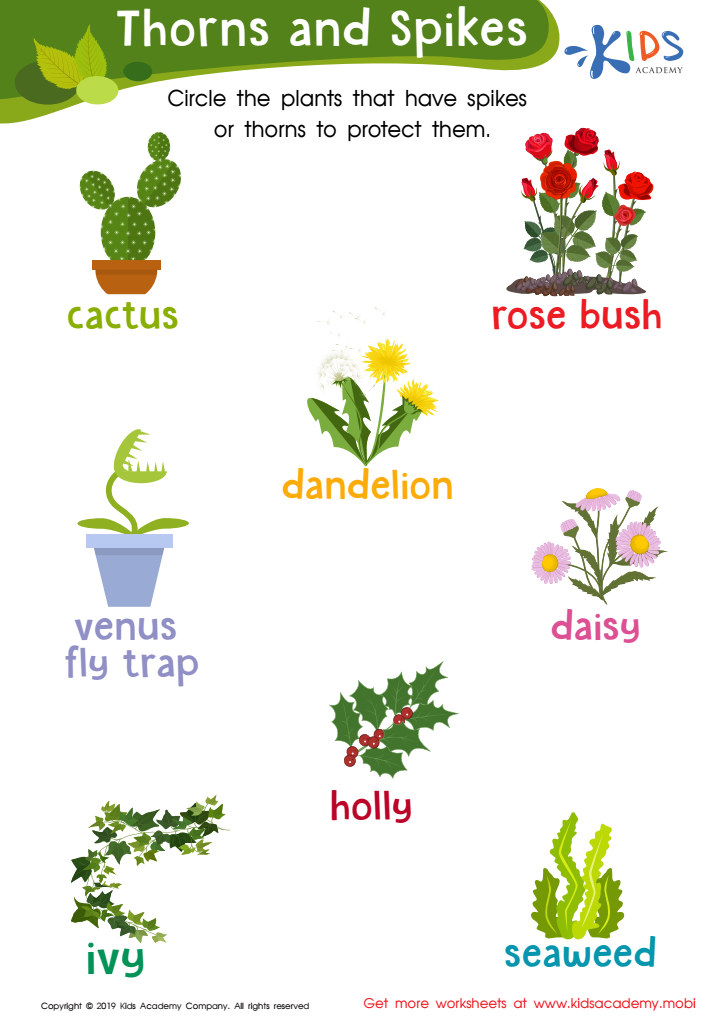
Thorns and Spikes Worksheet
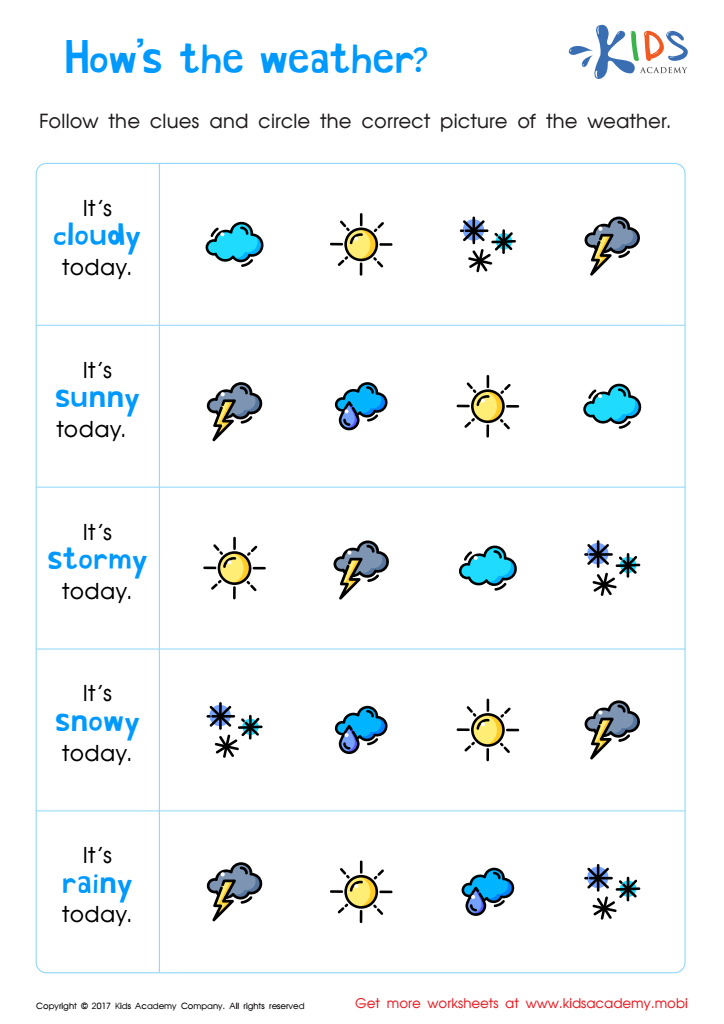
Hows the Weather Worksheet
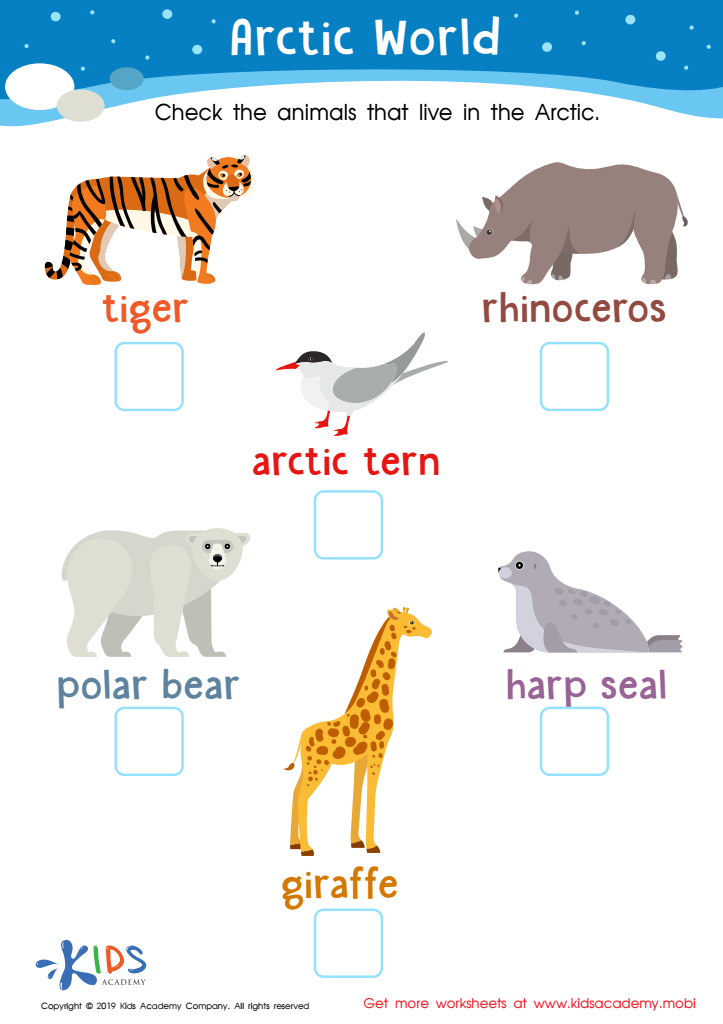
Arctic World Worksheet
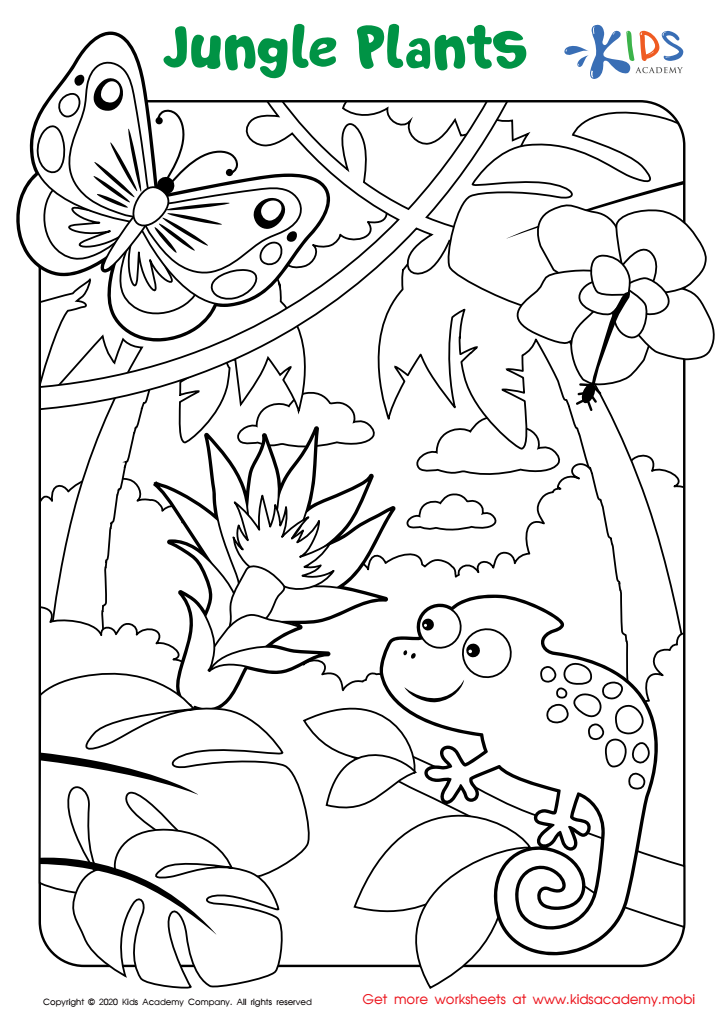
Jungle Plants Worksheet
 Assign to My Students
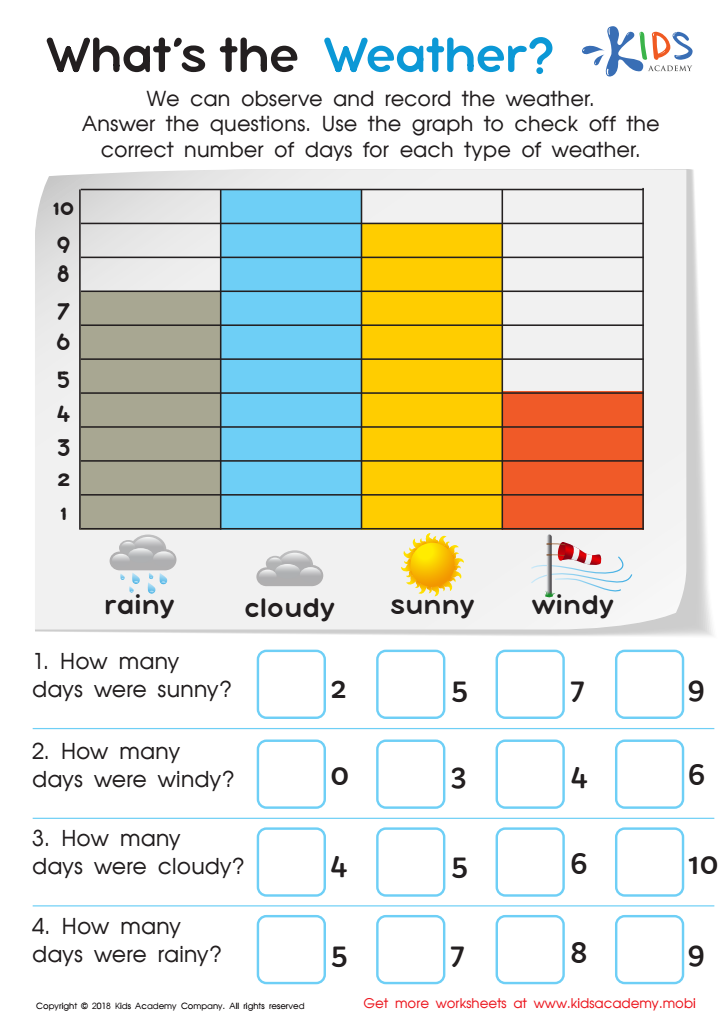
What's the Weather? Worksheet








Vocabulary expansion is a crucial component of early childhood development, particularly for children aged 4-5. At this stage, their brains are highly receptive, absorbing new information at a remarkable rate. A rich vocabulary forms the foundation for literacy skills, enhancing both reading and writing abilities. When children learn new words, they also learn to understand and describe the world around them more accurately, which boosts their cognitive development and critical thinking.
Parents and teachers play a vital role in this process. Engaging in conversations, reading stories, and playing word games can significantly expand a child's vocabulary. Additionally, a strong vocabulary aids in social-emotional development by enabling children to express their feelings and needs more effectively. This can reduce frustration, improve interactions with peers, and promote better problem-solving skills.
Caring about vocabulary expansion is not just about teaching words; it's about creating an environment rich in language. Whether it's through structured activities or casual daily interactions, prioritizing vocabulary helps set children on a path of lifelong learning. Ultimately, a well-developed vocabulary facilitates academic success, enhances communication skills, and provides the tools needed to navigate an increasingly complex world. Therefore, it’s imperative for parents and teachers to actively support and nurture this aspect of early education.







