Critical Thinking Plants and Animals Worksheets for Ages 4-5
3 filtered results
-
From - To
Discover a delightful range of Critical Thinking Plants and Animals Worksheets designed for children ages 4-5. Our engaging and interactive activities are crafted to nurture young minds, fostering essential critical thinking skills while exploring the fascinating world of plants and animals. Each worksheet encourages children to observe, analyze, and reason, making learning a fun and enriching experience. Suitable for home or classroom use, these worksheets promote creativity and curiosity, helping little learners to connect with nature while developing problem-solving skills. Dive into this educational adventure and watch your child's confidence and understanding grow! Perfect for early science exploration!
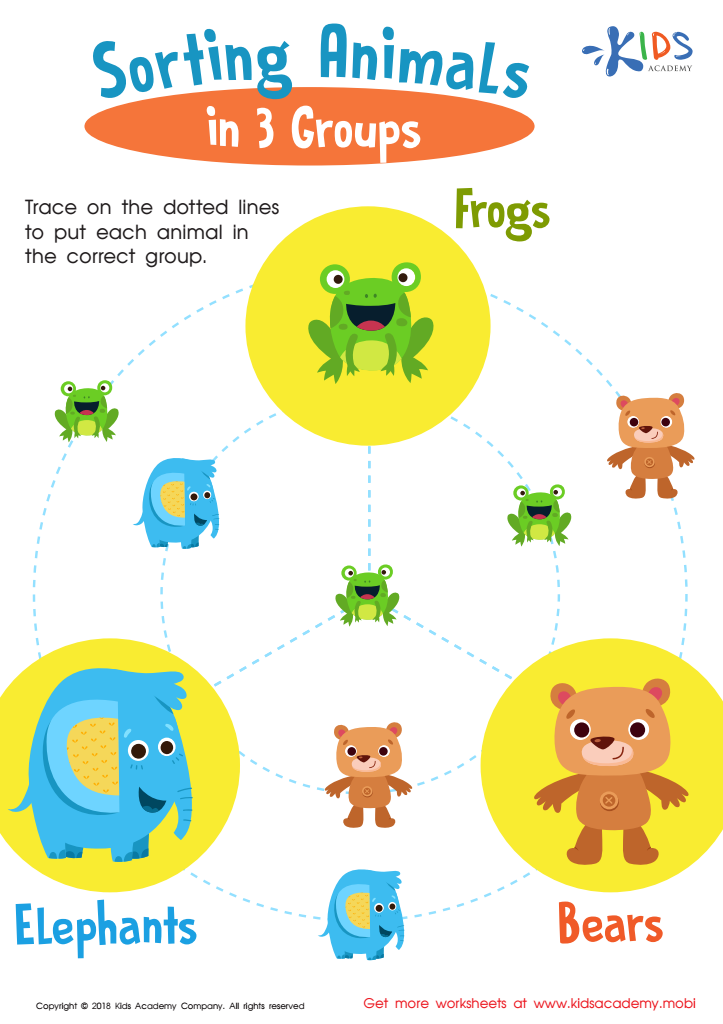
Sorting Animals in 3 Groups Worksheet
 Assign to My Students











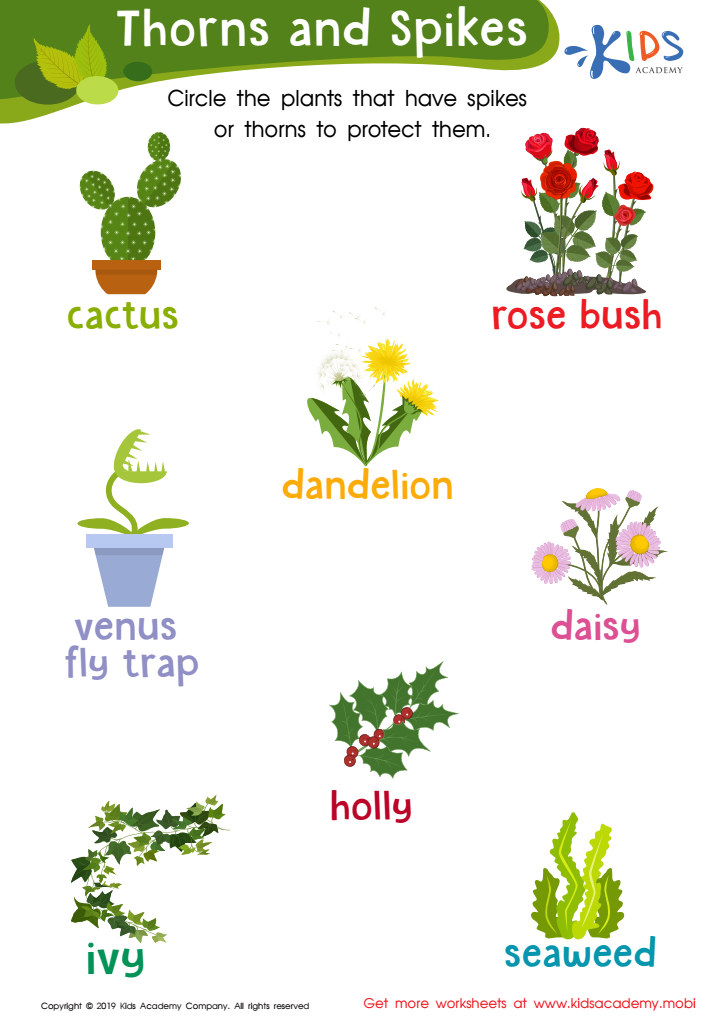
Thorns and Spikes Worksheet
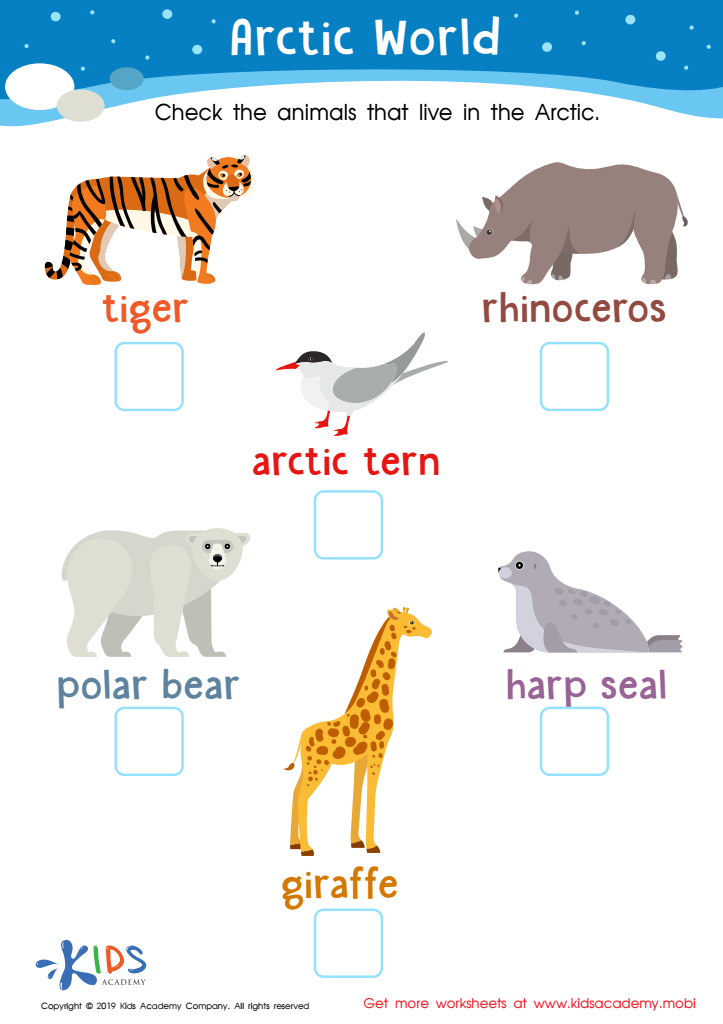
Arctic World Worksheet






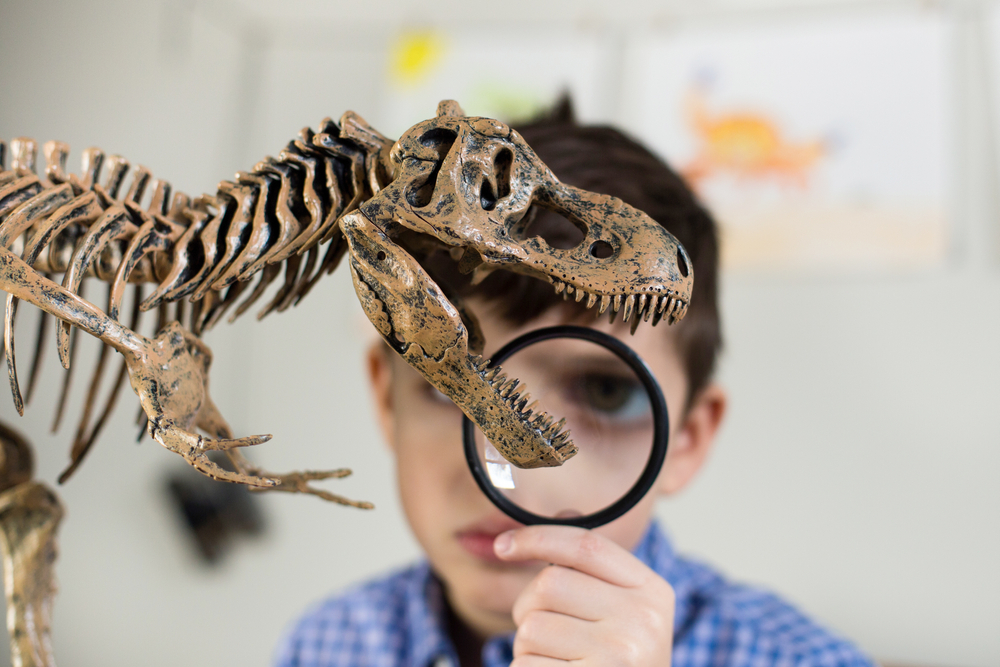

Critical thinking is a foundational skill that nurtures a child's ability to analyze, evaluate, and apply knowledge in real-world situations. For children aged 4-5, engaging with plants and animals fosters critical thinking because it encourages curiosity about the natural world. This age group is naturally inclined to explore their environment, and introducing them to the concepts of plants and animals can enhance their observational skills.
When parents and teachers promote activities centered on plants and animals, such as gardening or observing local wildlife, they provide opportunities for children to ask questions and make connections. For example, why do certain plants grow better in sunlight? What does a caterpillar need to thrive? These inquiries inspire children to think critically and explore scientific reasoning.
Furthermore, understanding ecosystems encourages empathy and respect for all living things. By discussing the importance of biodiversity and the roles different organisms play, children cultivate values of cooperation and interdependence.
Lastly, stimulating critical thinking through interactive and hands-on experiences lays the groundwork for lifelong learning. Engaging with the natural world not only enhances cognitive development at this crucial stage but also promotes social skills, emotional well-being, and an appreciation for their environment—all vital aspects of holistic education.








