Understanding ecosystems Plants and Animals Worksheets for Ages 4-5
4 filtered results
-
From - To
Explore the wonders of nature with our "Understanding Ecosystems: Plants and Animals" worksheets, designed for ages 4-5. These engaging printables from Kids Academy help young learners discover the intricate relationships between plants, animals, and their ecosystems. Through fun activities, children will develop fundamental science skills, gain a basic understanding of habitats, food chains, and the roles of various organisms. Perfect for early learners, teachers, and parents, these worksheets foster curiosity and a love for the environment while supporting essential learning milestones. Equip your child with the knowledge to appreciate and protect our natural world!
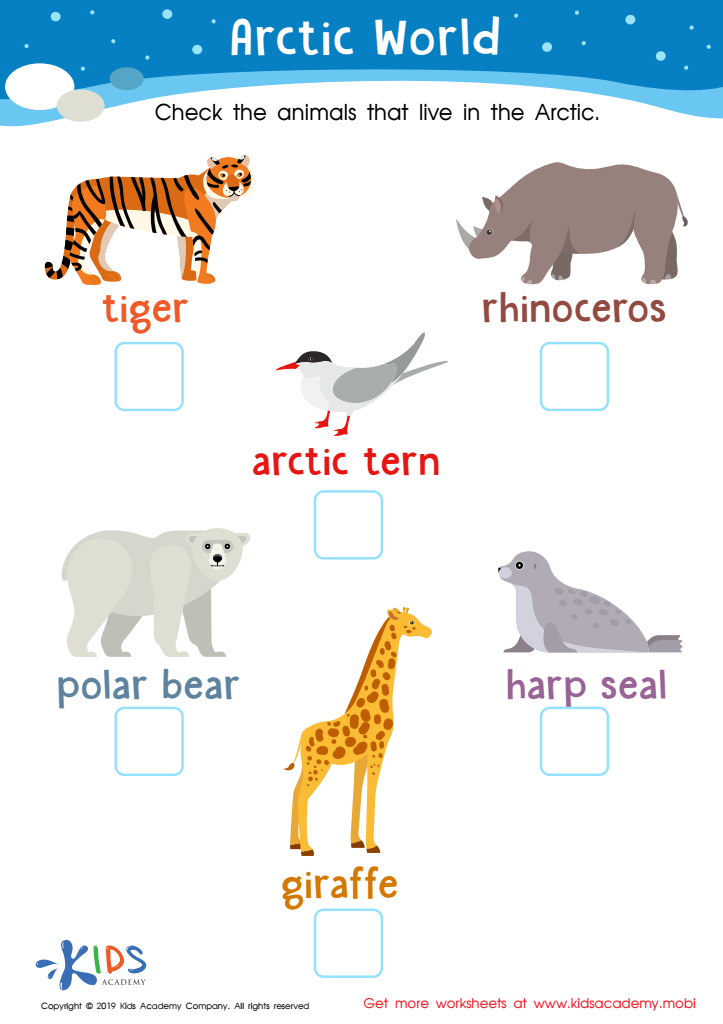
Arctic World Worksheet
 Assign to My Students
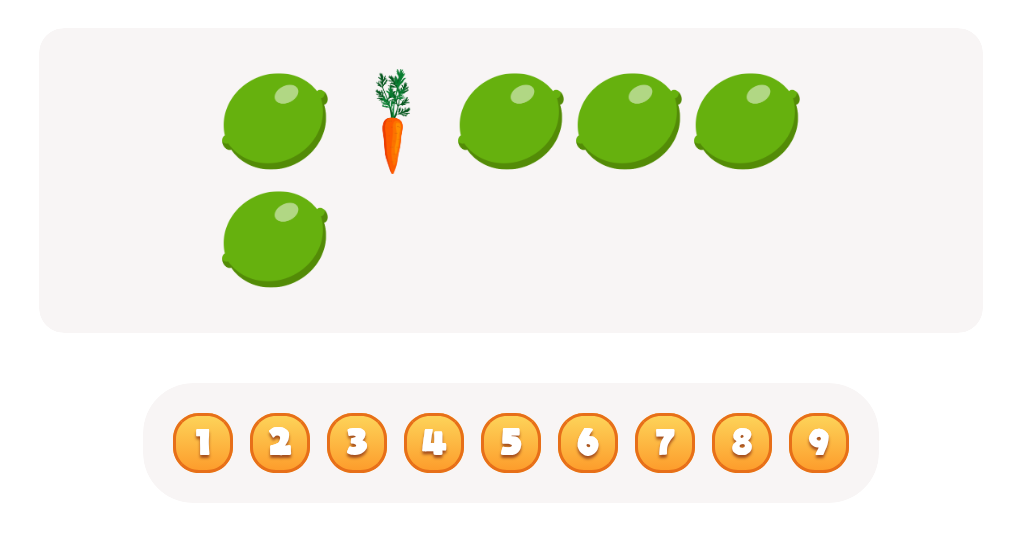

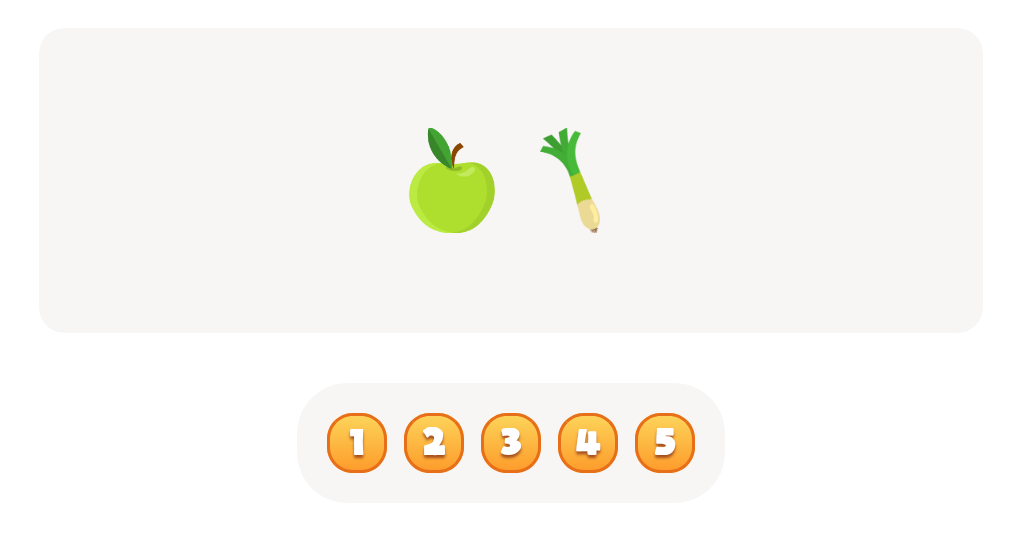
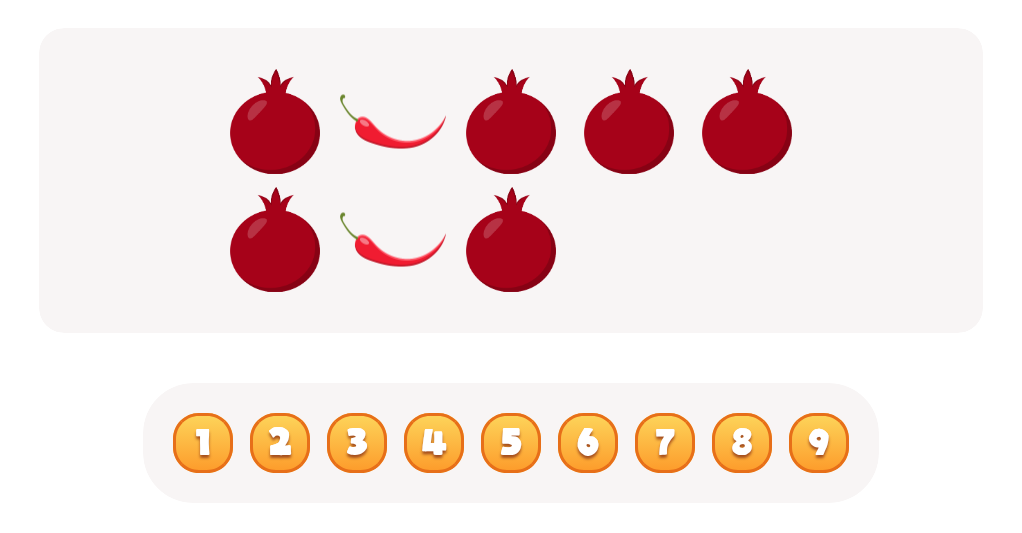
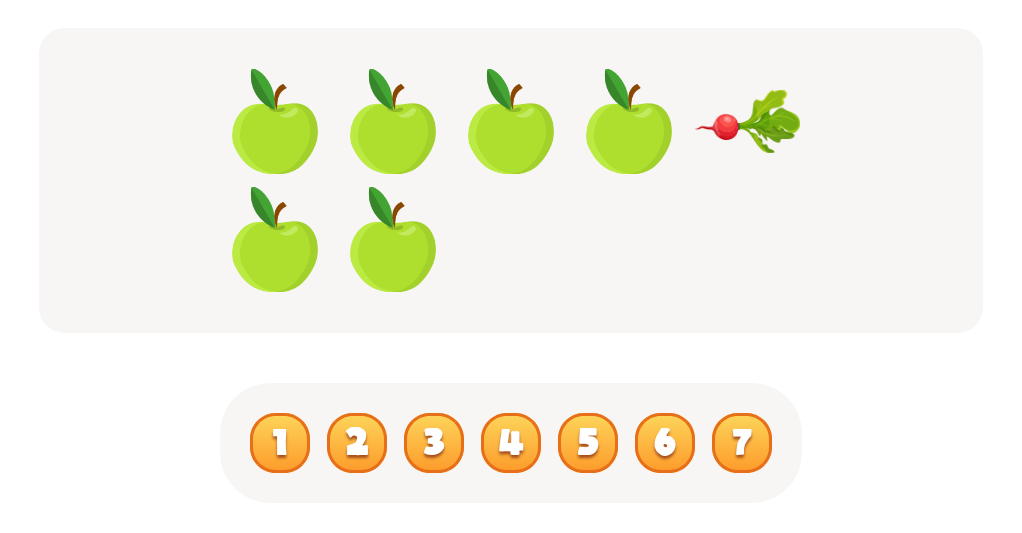
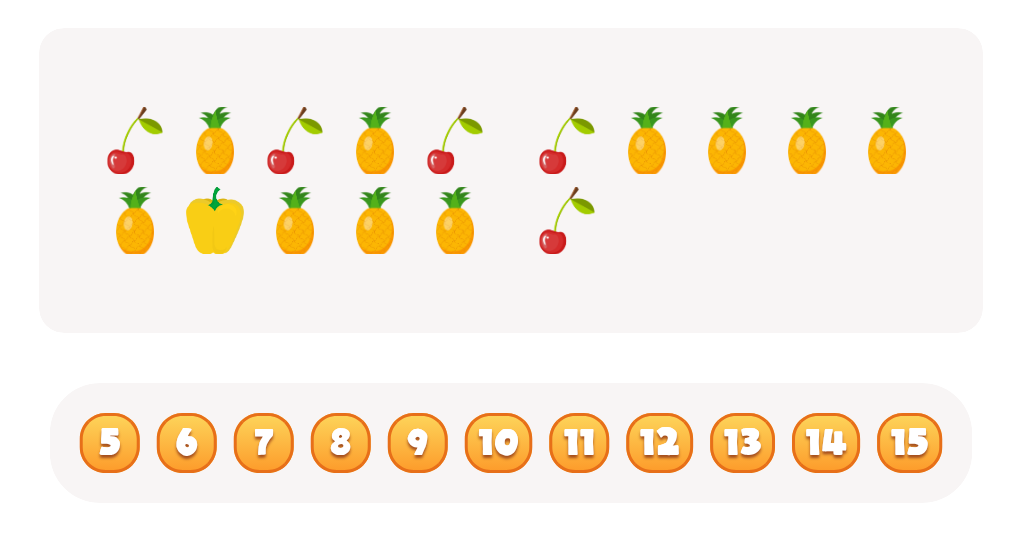
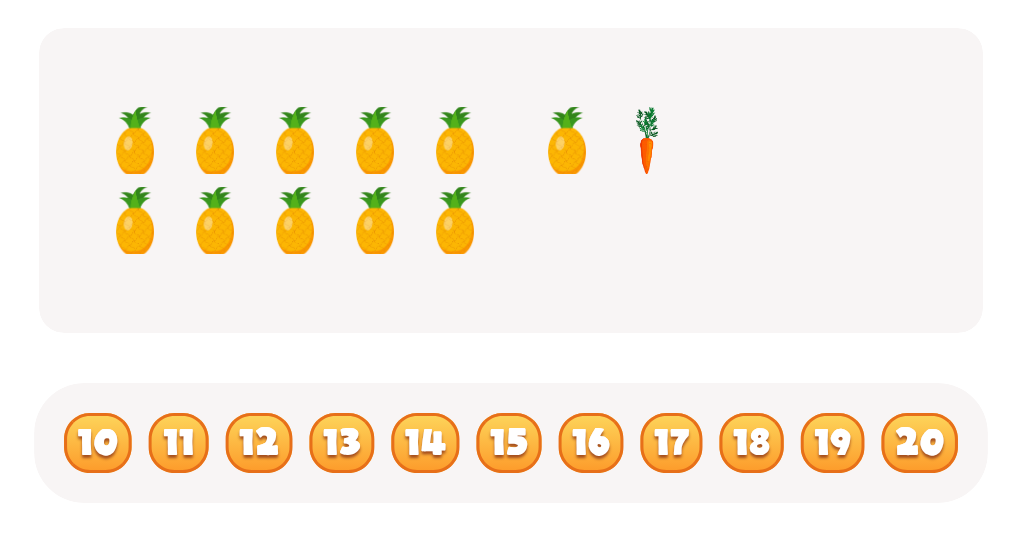
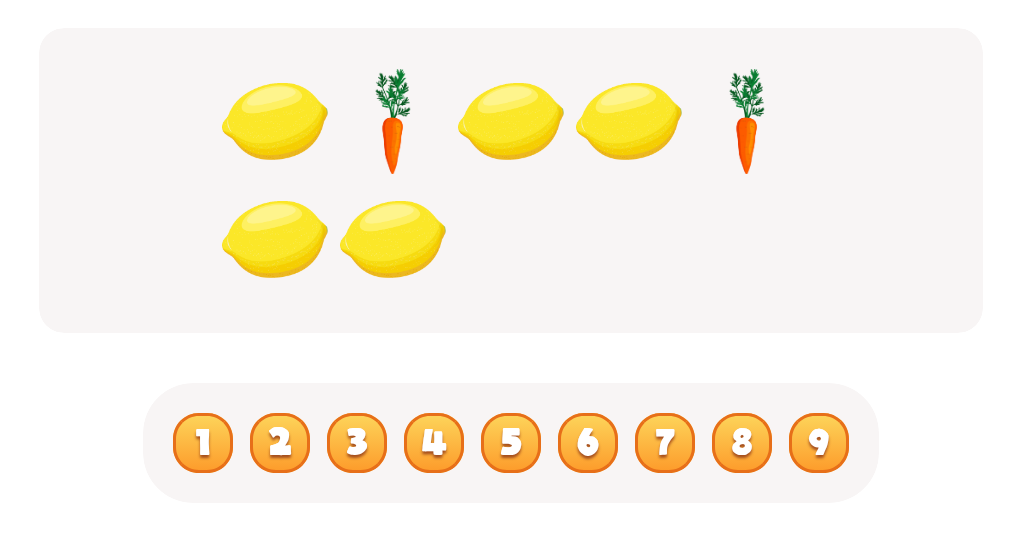
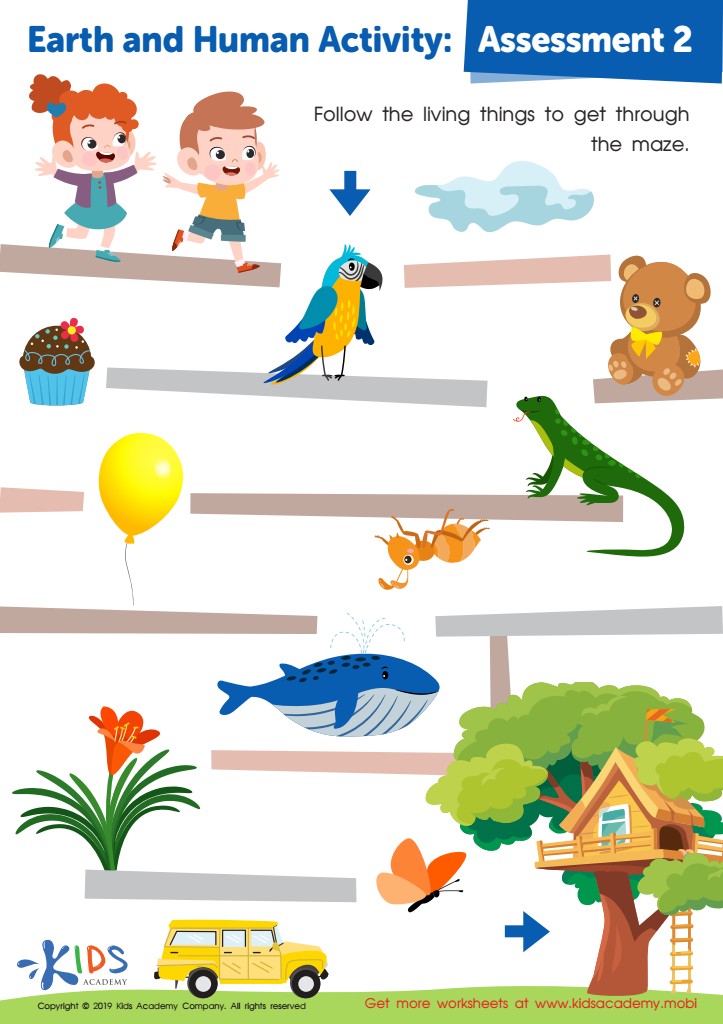
Earth and Human Activity: Assessment 2 Worksheet
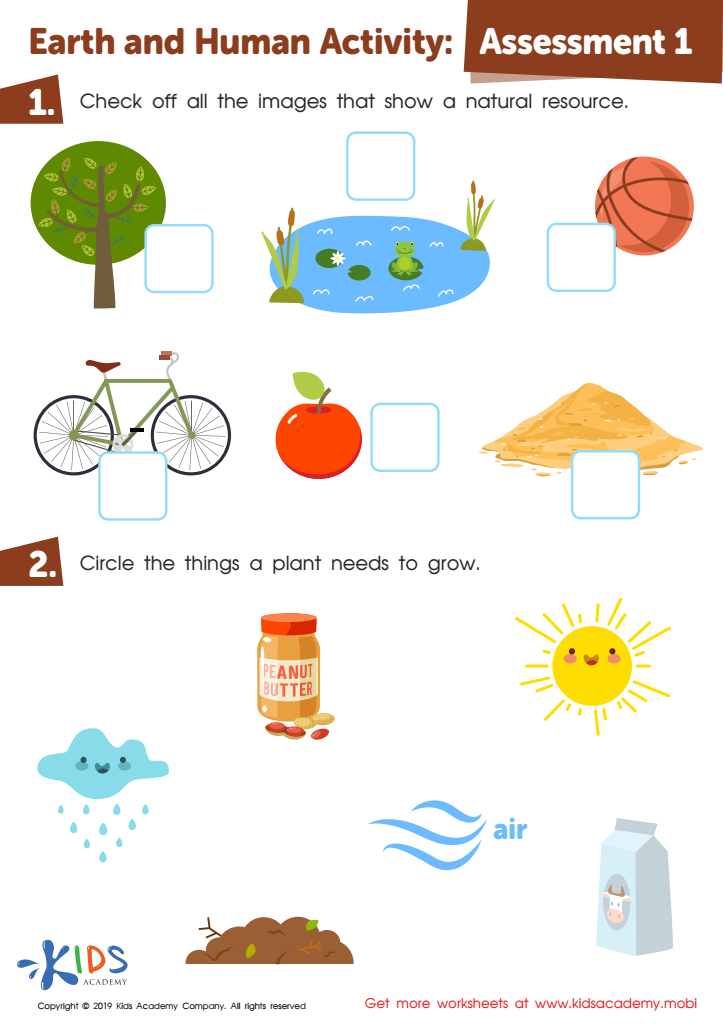
Earth and Human Activity: Assessment 1 Worksheet
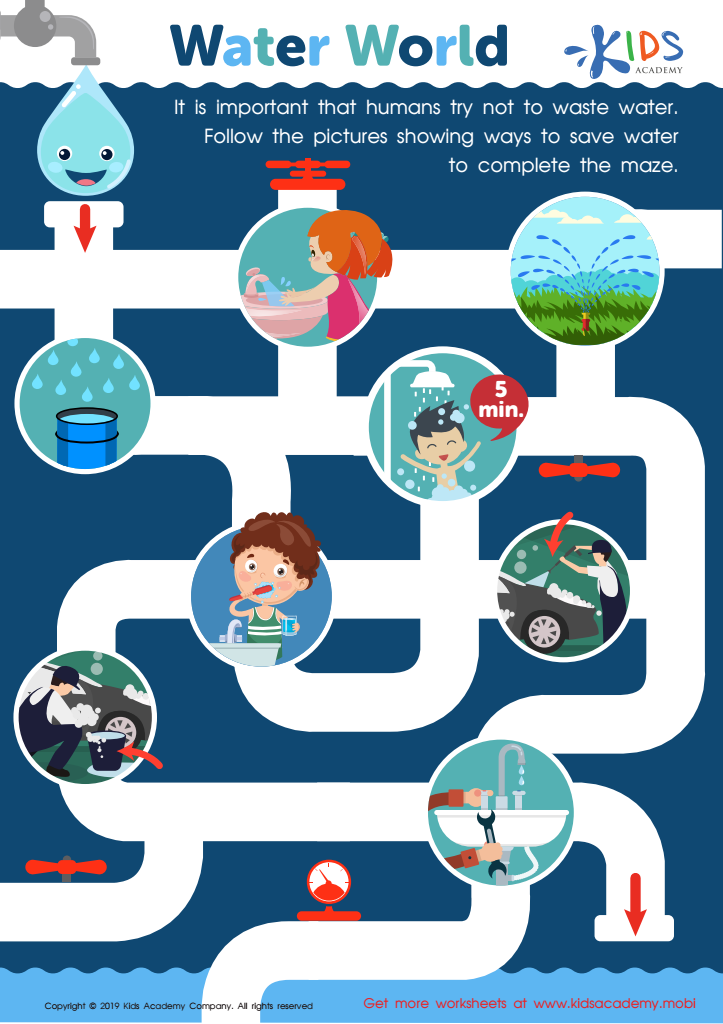
Water World Worksheet








Understanding ecosystems at a young age is vital for developing curiosity, empathy, and environmental stewardship in children. When ages 4-5 learn about ecosystems, plants, and animals, they cultivate a lifelong respect for nature. Early exposure to these concepts makes complex scientific ideas like interdependence and biodiversity accessible and engaging.
By teaching children about ecosystems, parents and teachers help them appreciate the interconnectedness of all living things. Children start to understand that plants provide food and oxygen, animals contribute to various ecological roles, and insects assist in pollination and decomposition. Grasping these relationships fosters a sense of responsibility to care for the planet.
Moreover, engaging with nature encourages observational skills, critical thinking, and problem-solving abilities. Children become more aware of their environment, learning to ask questions and seek answers about the world around them. This foundational knowledge is essential for future scientific learning and environmental awareness.
For young children, learning about plants and animals also enriches their emotional growth. They learn empathy by understanding that other beings have needs and feelings. This emotional connection can positively influence their behavior towards animals and plants, promoting principles of kindness and conservation early on.
In sum, understanding ecosystems builds a strong, informed, and compassionate foundation in children, preparing them to become thoughtful and responsible stewards of the Earth.








