Pattern recognition Worksheets for Ages 4-6
25 filtered results
-
From - To
Discover fun and engaging Pattern Recognition Worksheets designed for ages 4-6. At Kids Academy, we focus on enhancing your child's critical thinking and problem-solving skills through beautifully illustrated activities that teach children to identify and complete patterns. Perfect for preschool and kindergarten levels, these worksheets help little learners differentiate shapes, colors, and sizes, building a strong foundation for math and logic. Boosting attention to detail, these age-appropriate exercises foster learning in an enjoyable manner. Explore our variety of printable worksheets today and set your child on the path to learning success with Kids Academy.
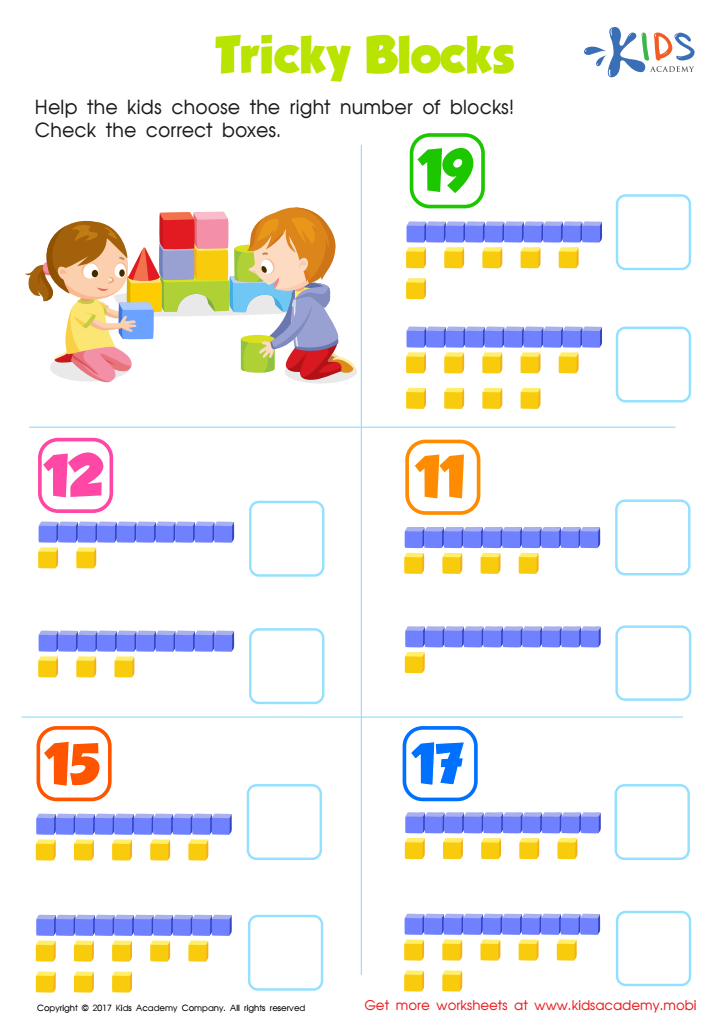
Tricky Blocks Worksheet
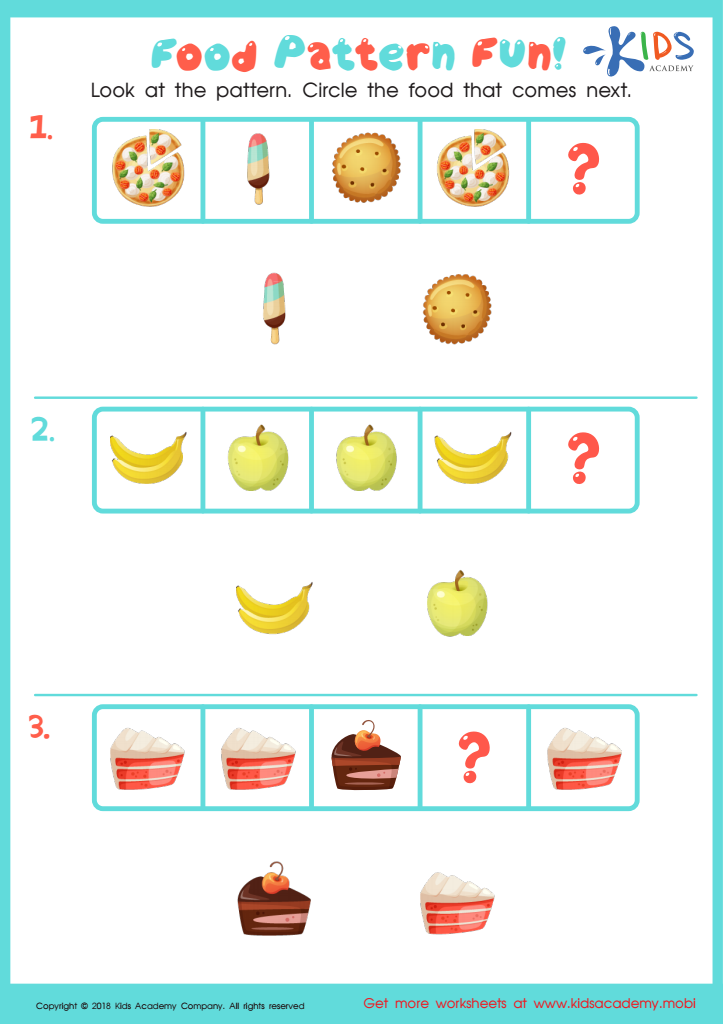
Food Pattern Fun Worksheet
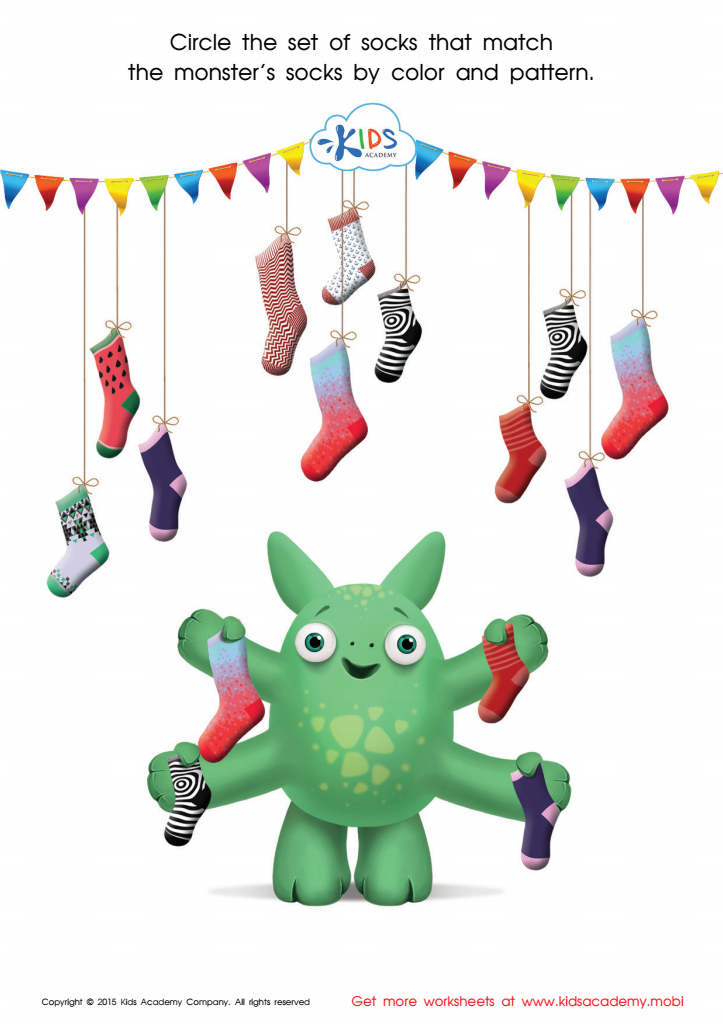
Sort the Monster's Socks Worksheet
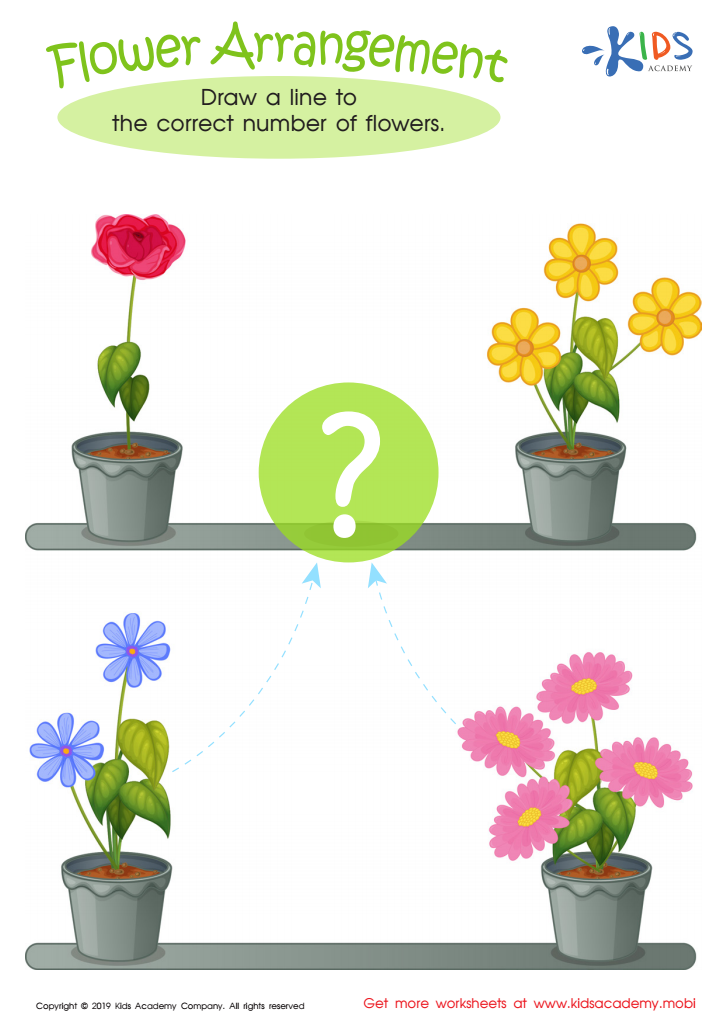
Flower Arrangement Worksheet
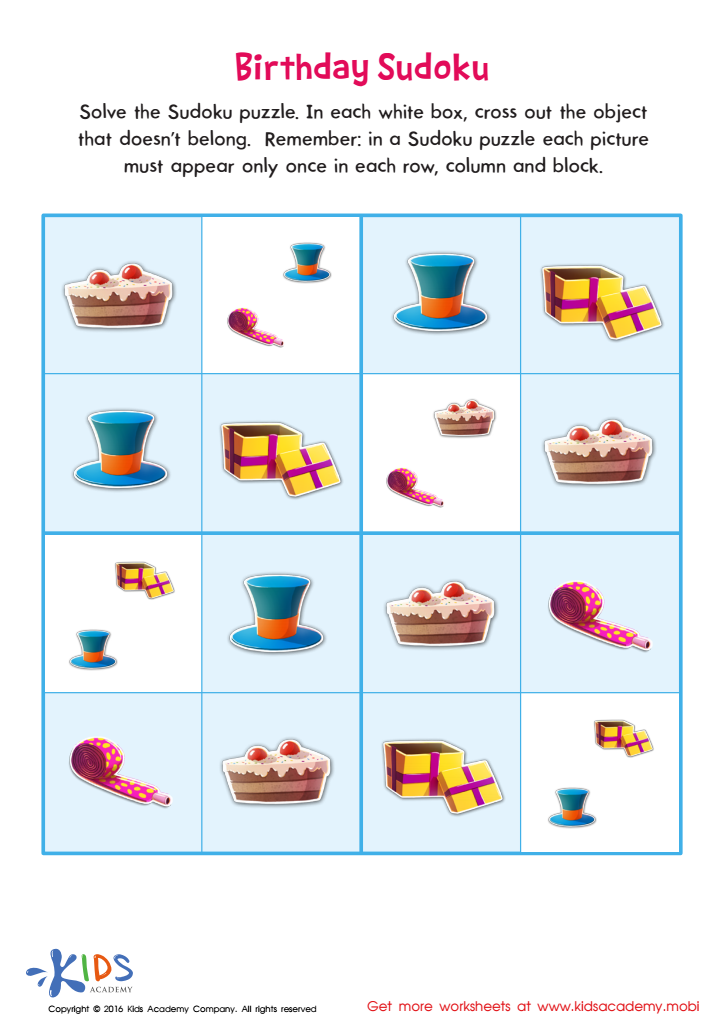
Birthday Sudoku Sorting Worksheet
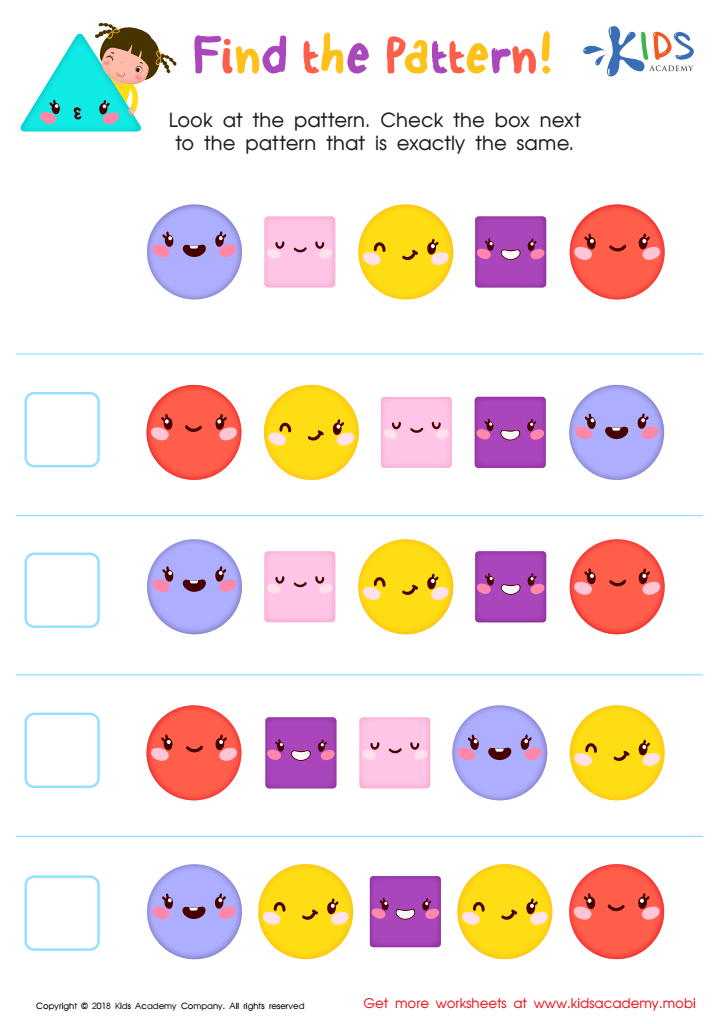
Find the Pattern Worksheet
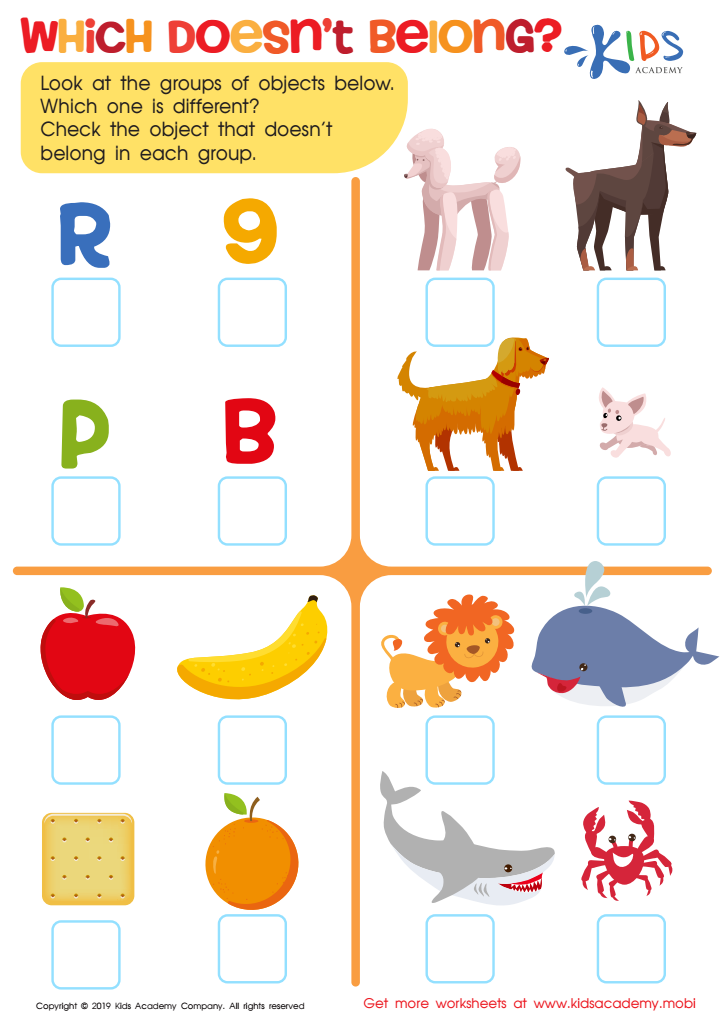
Which Doesn't Belong? Worksheet
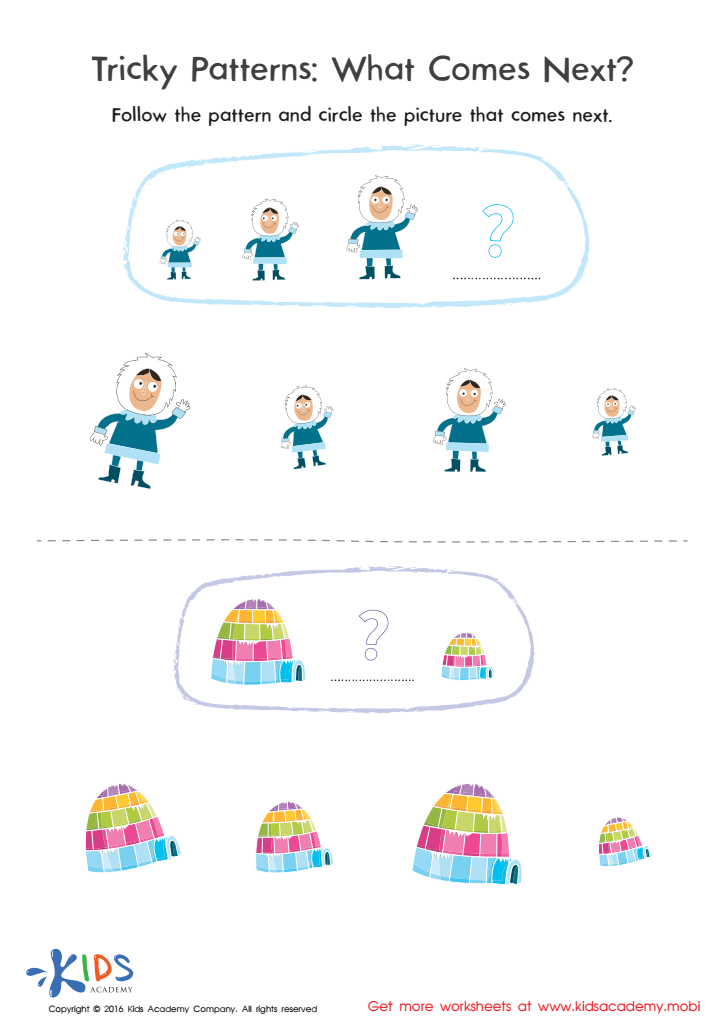
Tricky Patterns Size Worksheet
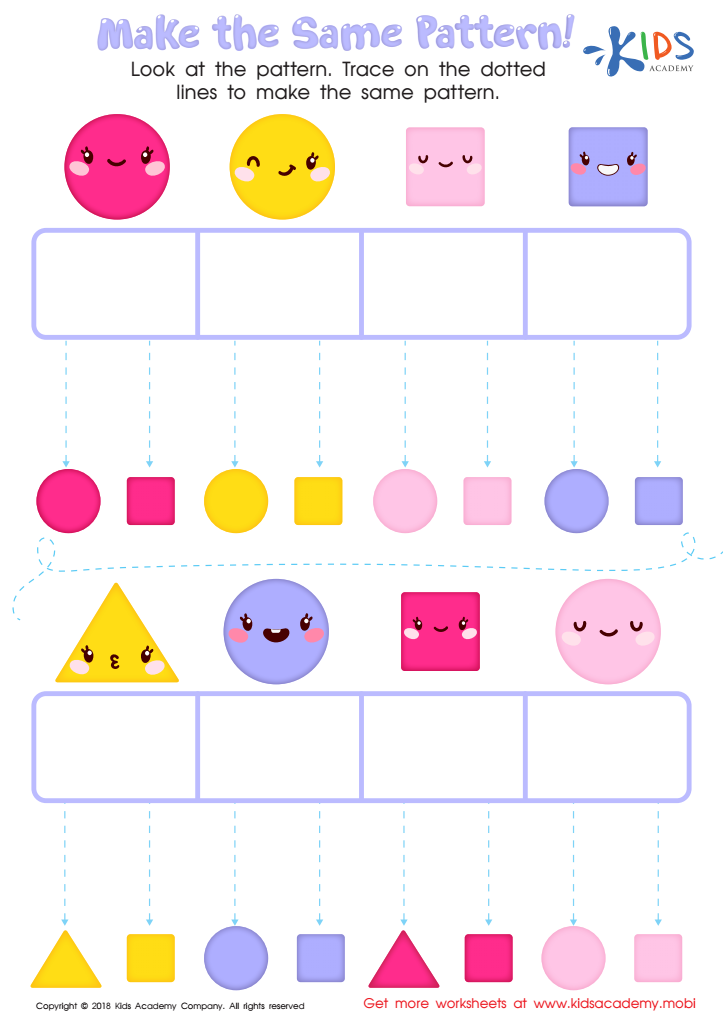
Make the Same Pattern Worksheet
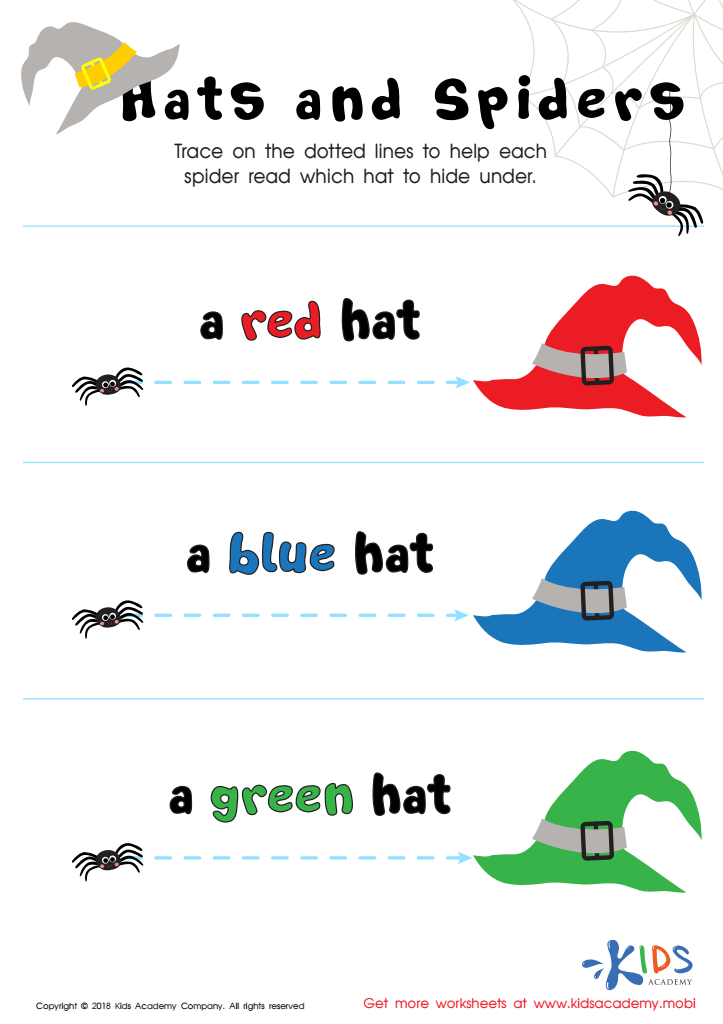
Read from Left to Right: Hats and Spiders Worksheet
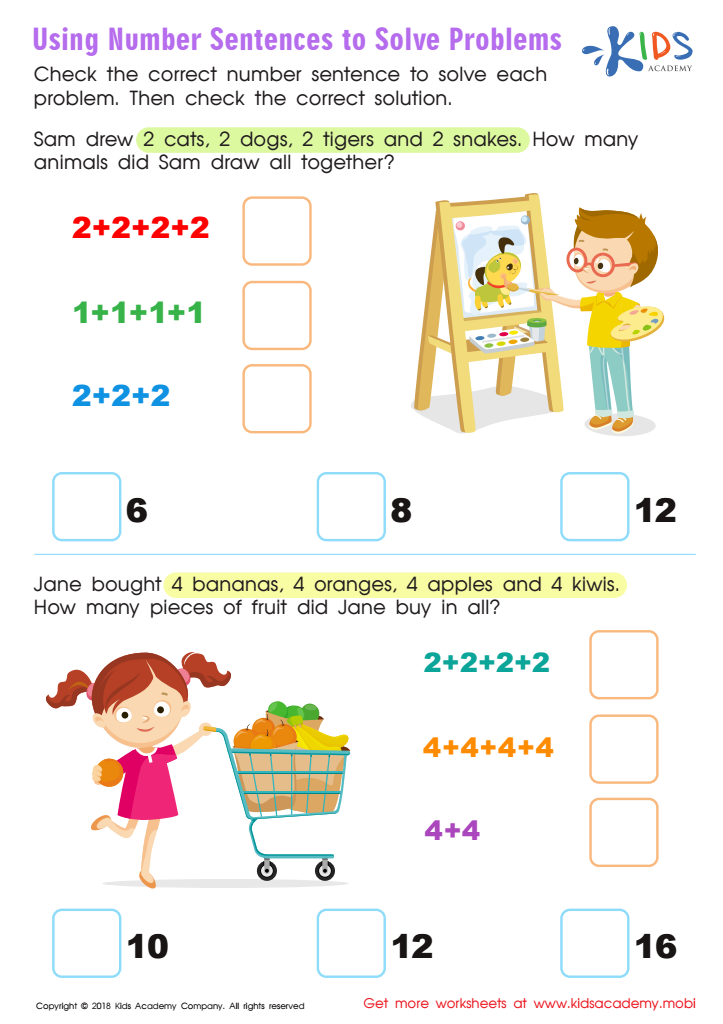
Using Number Sentences to Solve Problems Worksheet
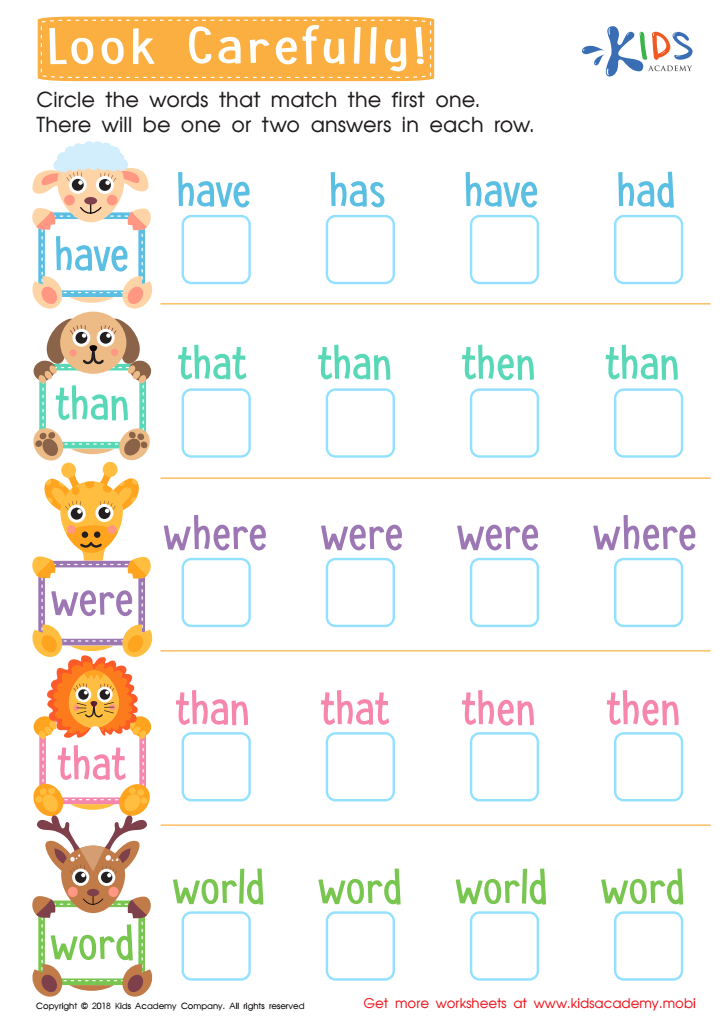
Look Carefully Worksheet
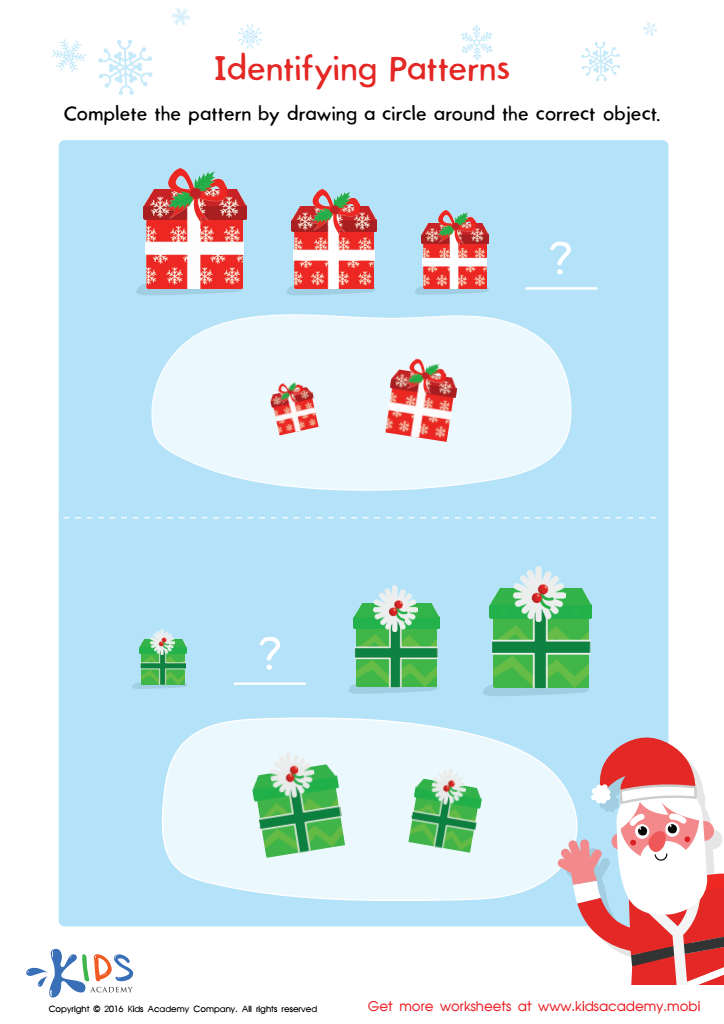
Identifying Patterns Worksheet
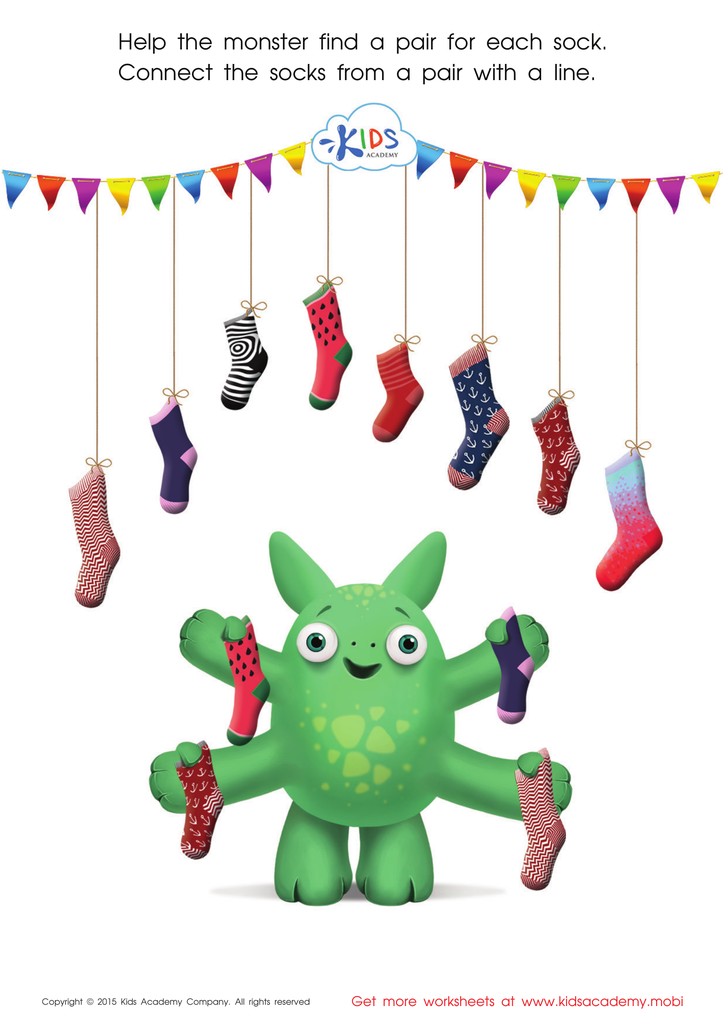
Math Matching Game: Monsterв's Socks Worksheet
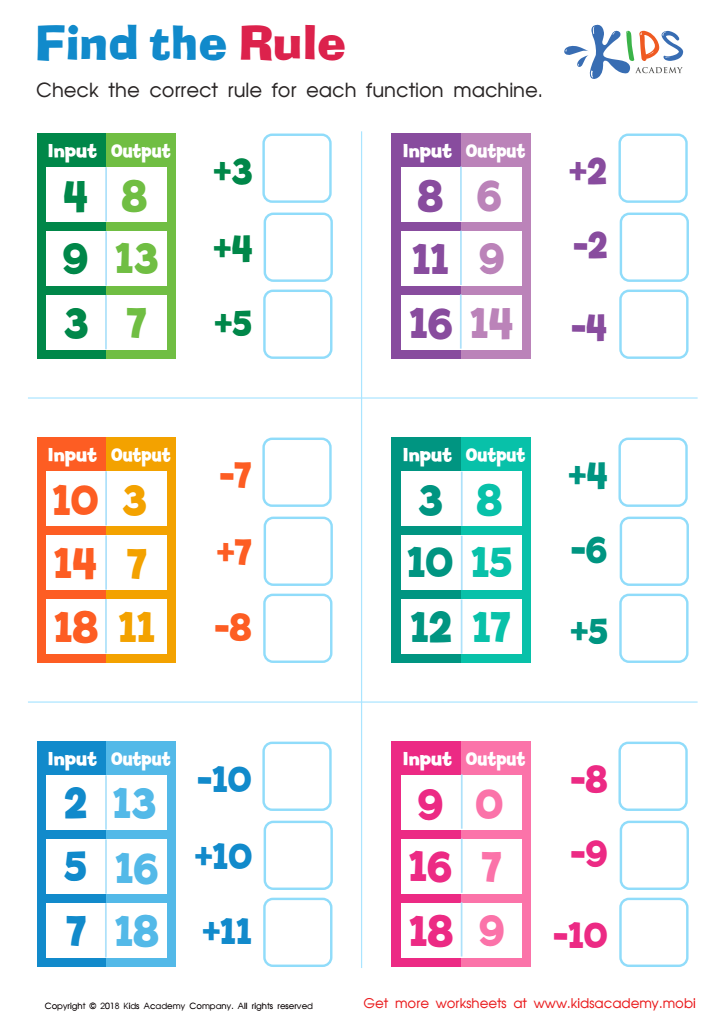
Find the Rule Worksheet
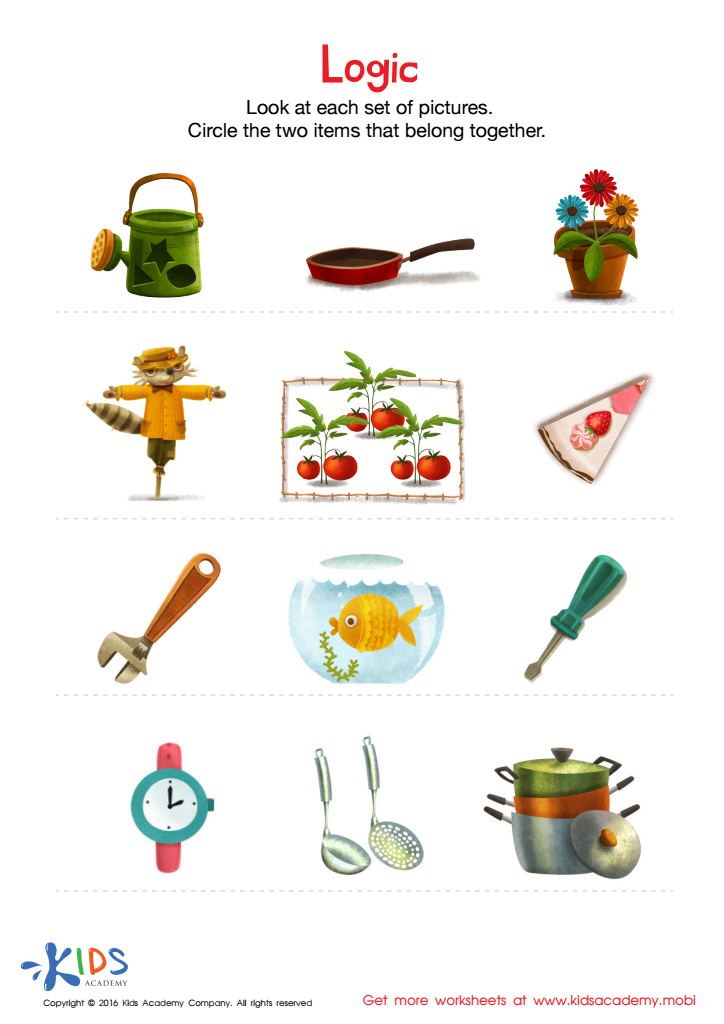
Logic Game Sorting Worksheet
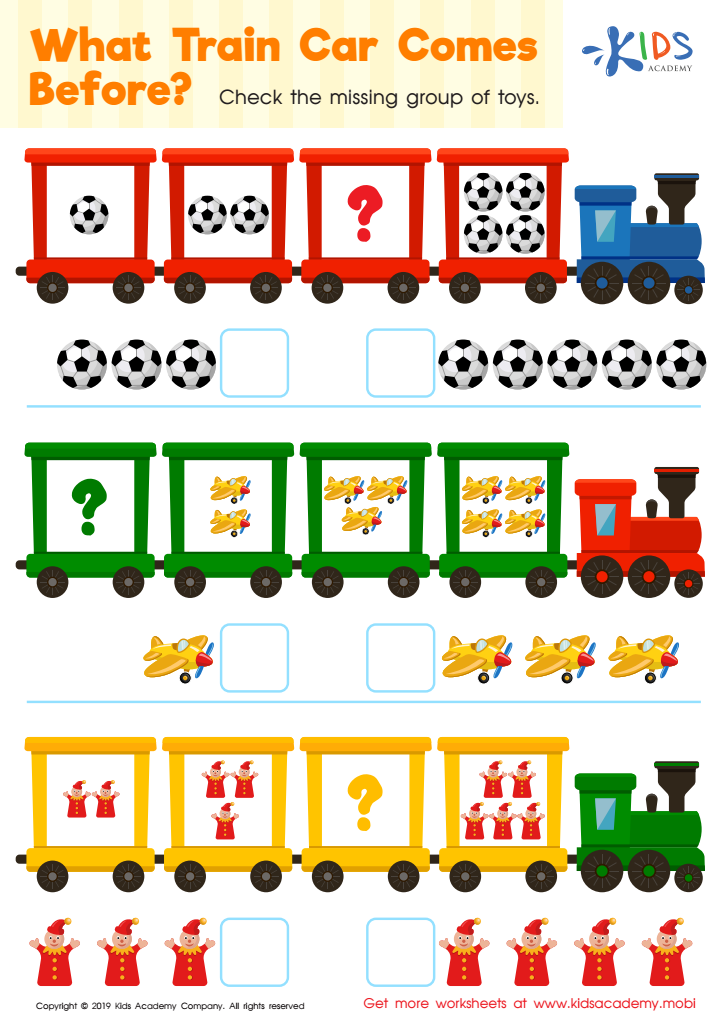
What Train Car Comes Before? Worksheet
Christmas: Christmas Tree Printable
 Assign to My Students
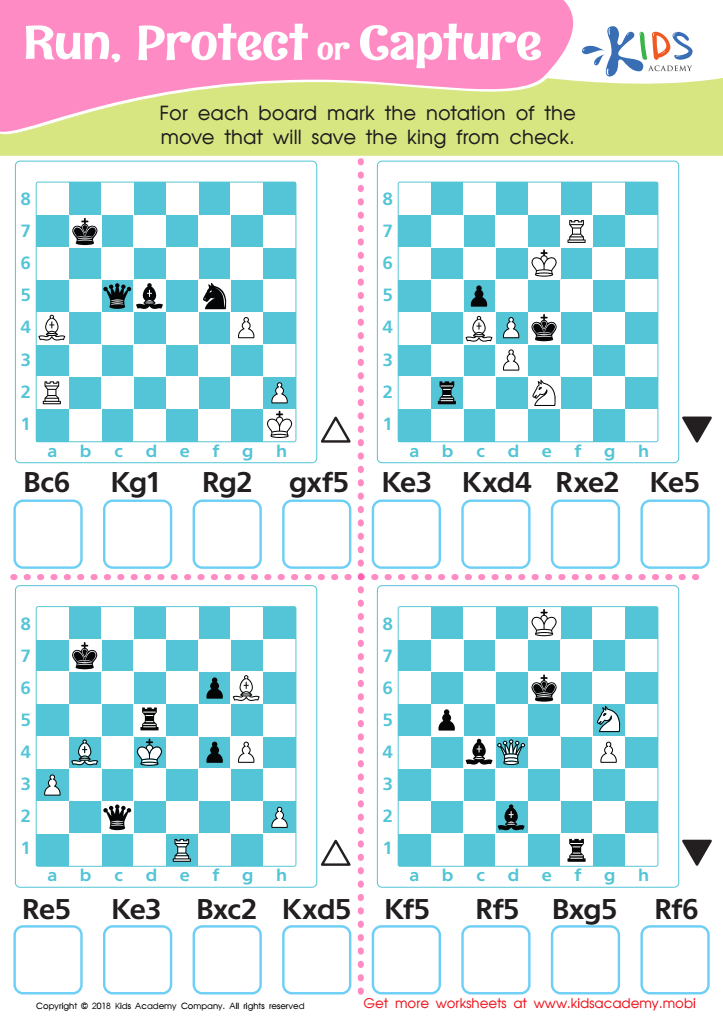
Run, Protect or Capture Worksheet
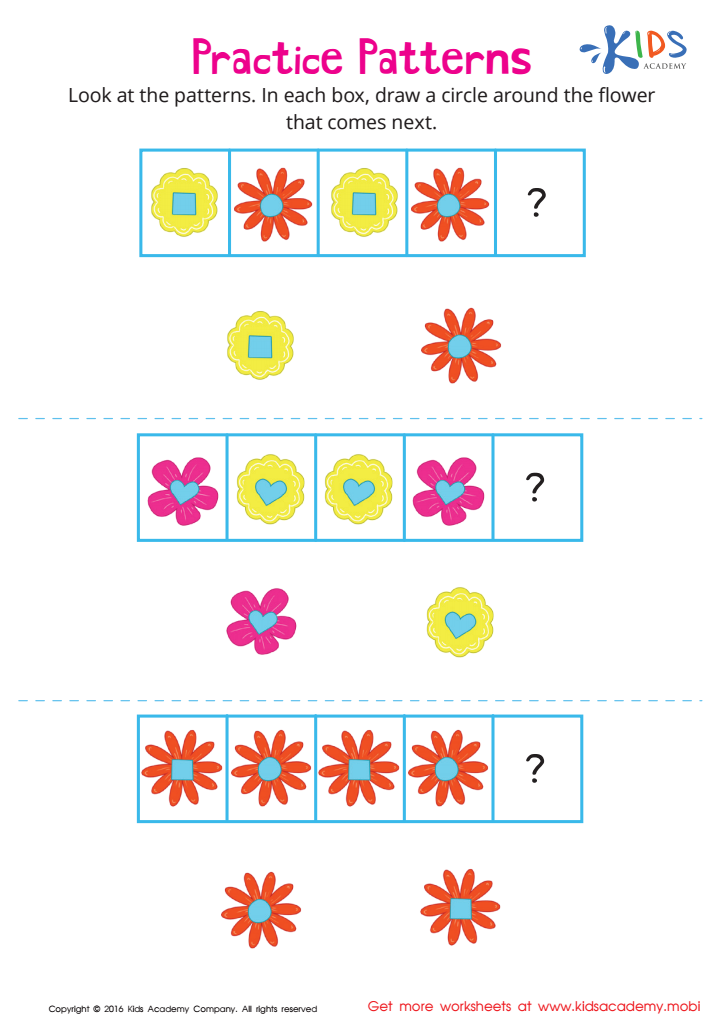
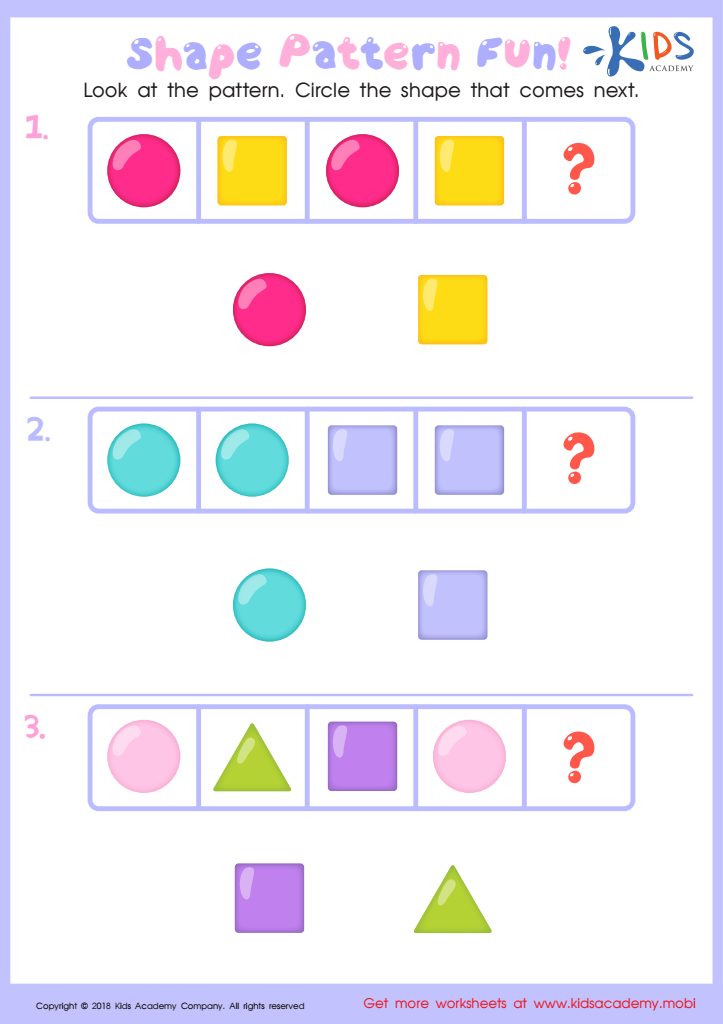
Shape Pattern Fun Worksheet
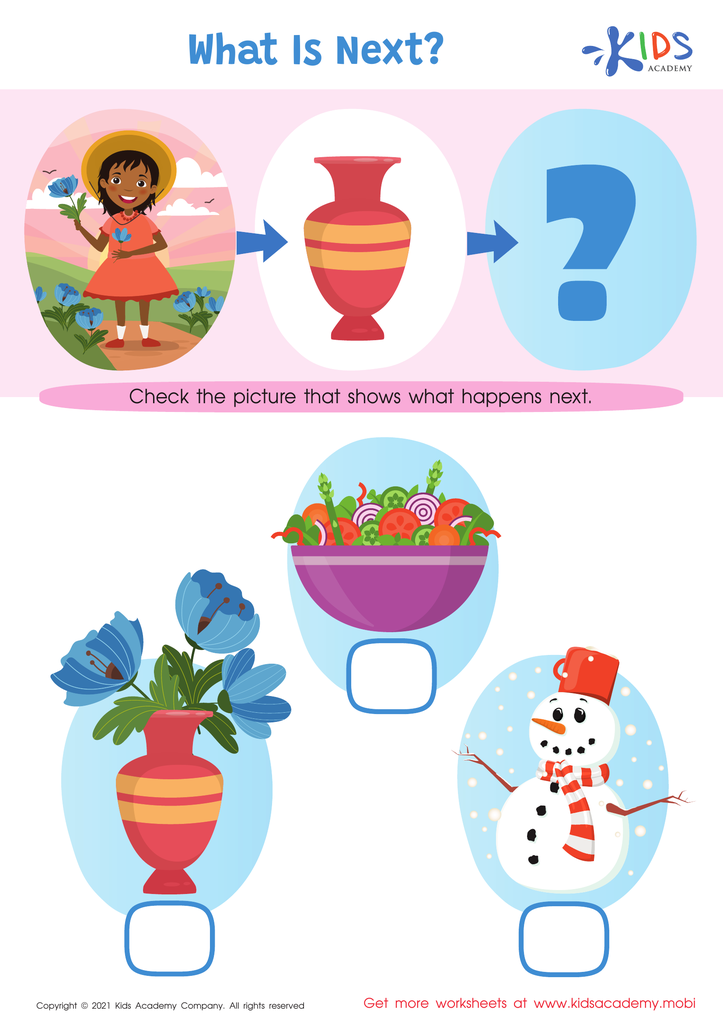
What is Next? Worksheet
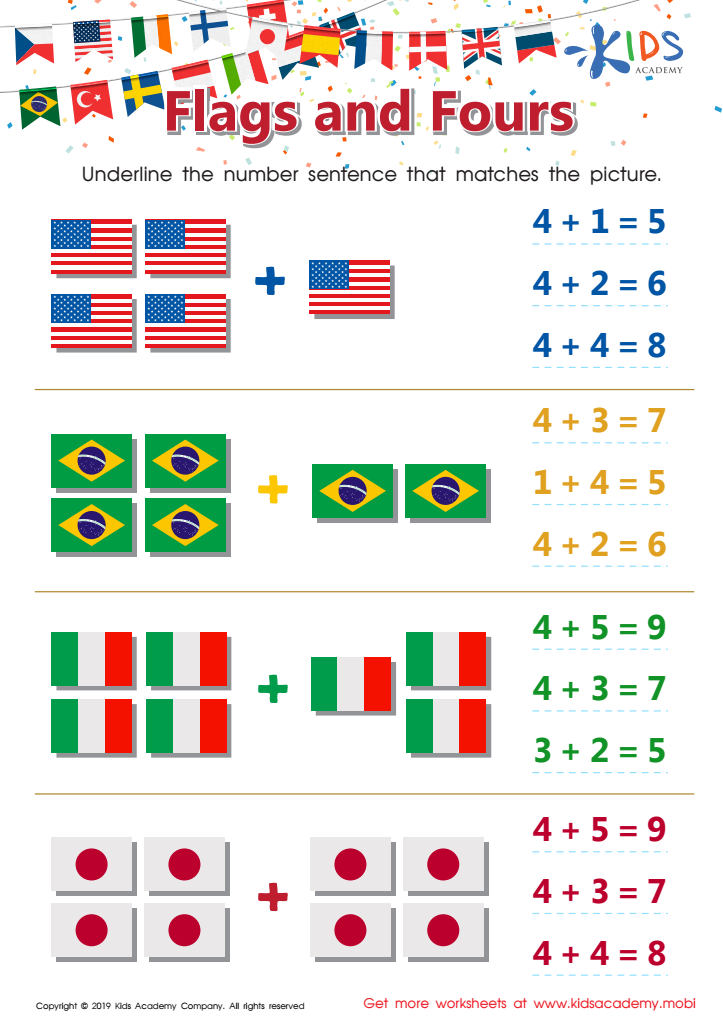
Flags and Fours Worksheet
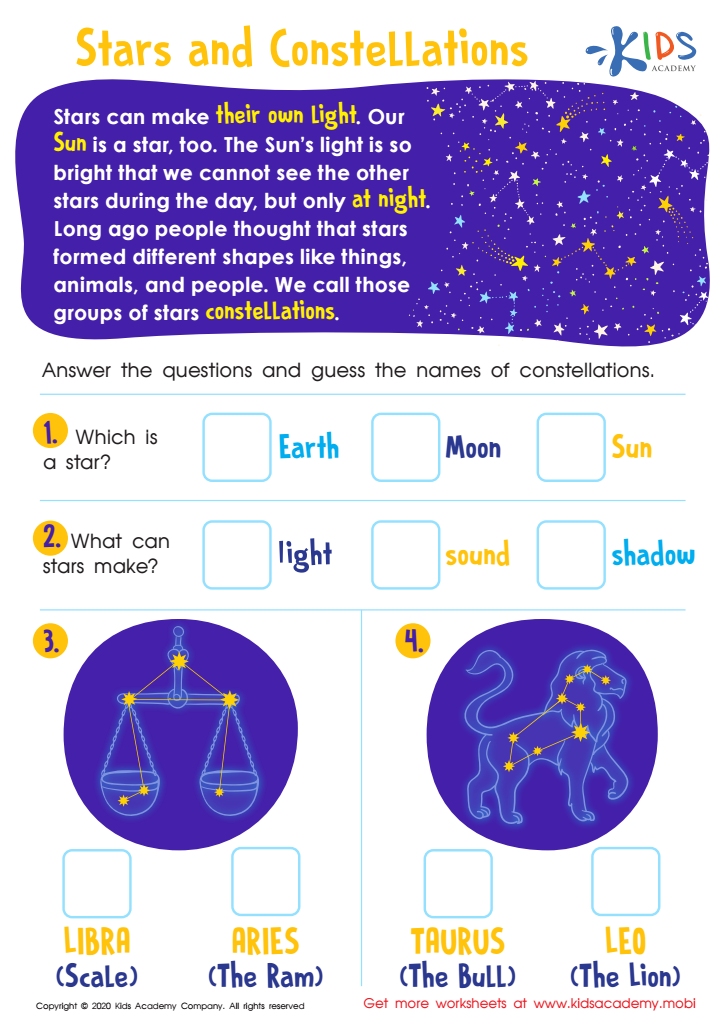
Stars and Constellations Worksheet








Pattern recognition is a fundamental cognitive skill that lays the groundwork for a variety of higher-order thinking abilities and future learning success. For children aged 4-6, engaging in activities that promote pattern recognition is crucial because it directly contributes to their overall cognitive development.
Firstly, pattern recognition is integral to mathematical abilities. By identifying and understanding patterns, children begin to build a foundation for arithmetic, geometry, and algebraic thinking. This early exposure helps them develop the ability to predict, extrapolate, and solve problems effectively.
Additionally, pattern recognition enhances language skills. As children recognize patterns in rhymes, rhythms, and phonetic sequences, they become more adept at understanding the structure of words and sentences. This skill is pivotal for early reading and writing development.
Moreover, pattern recognition activities foster critical thinking and problem-solving skills. When children identify patterns, they learn to make predictions, establish connections, and approach tasks methodically. These skills are essential for academic and everyday challenges.
Finally, engaging with patterns can boost children’s creativity and interest in learning. Through activities like sorting, pairing, and sequencing, children enjoy a hands-on, interactive learning process that enhances their engagement and motivation.
In summary, parents and teachers should prioritize pattern recognition for young learners as it supports mathematical learning, language development, critical thinking, and overall cognitive growth while keeping the learning process enjoyable and stimulating.








