Problem-Solving Skills Math Worksheets for Ages 4-6 - Page 3
165 filtered results
-
From - To
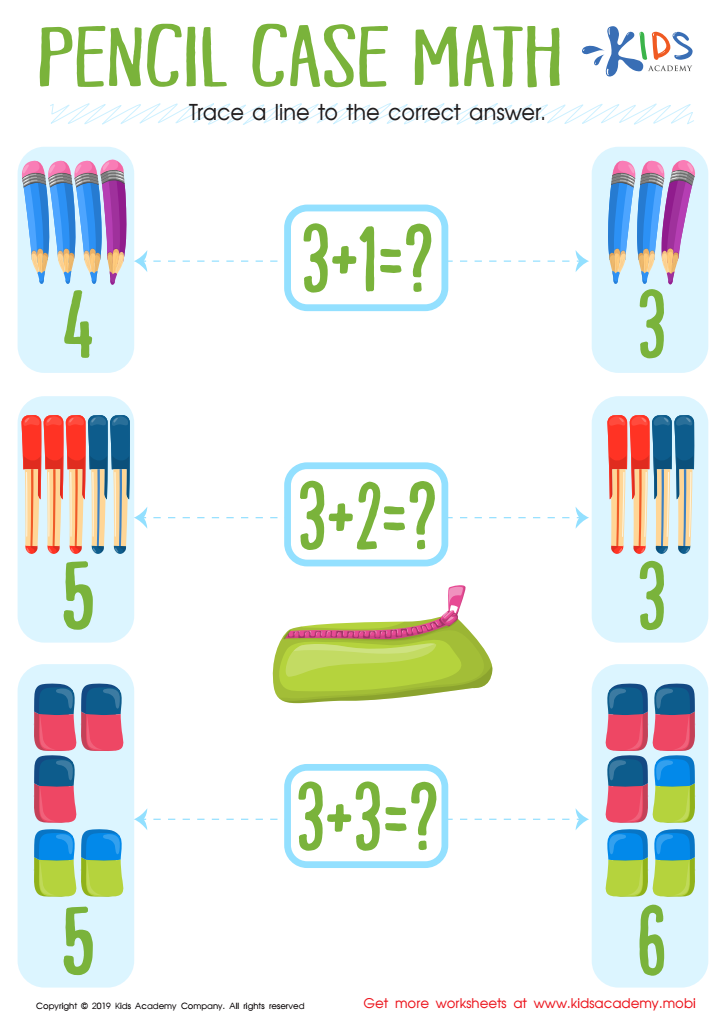
Pencil Case Math Worksheet
 Assign to My Students
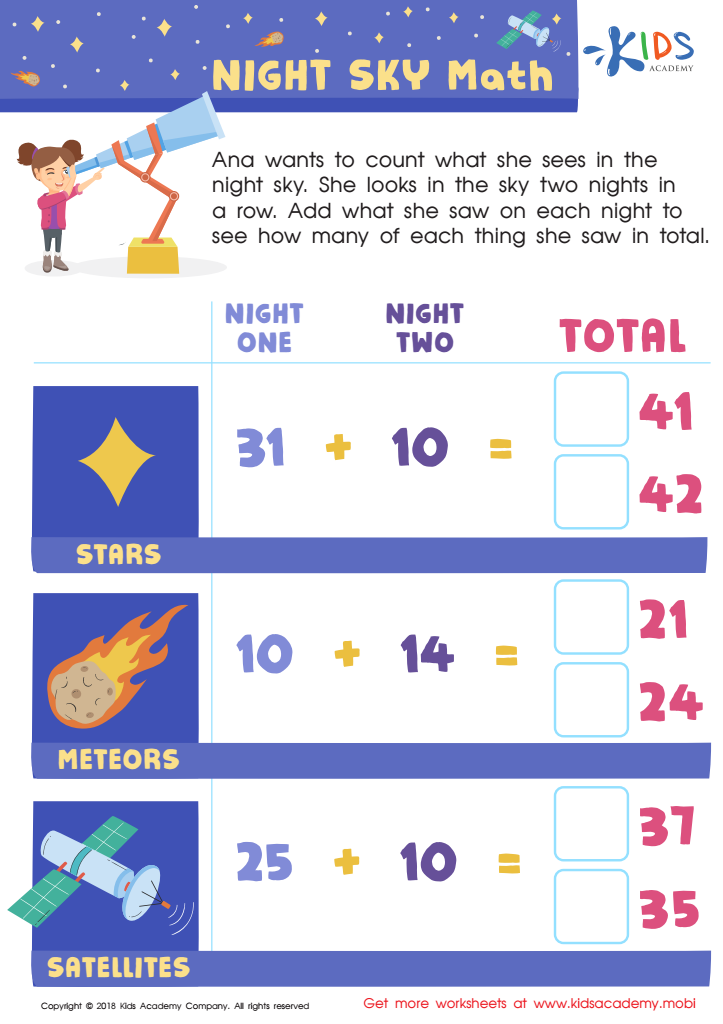
Night Sky Math Worksheet
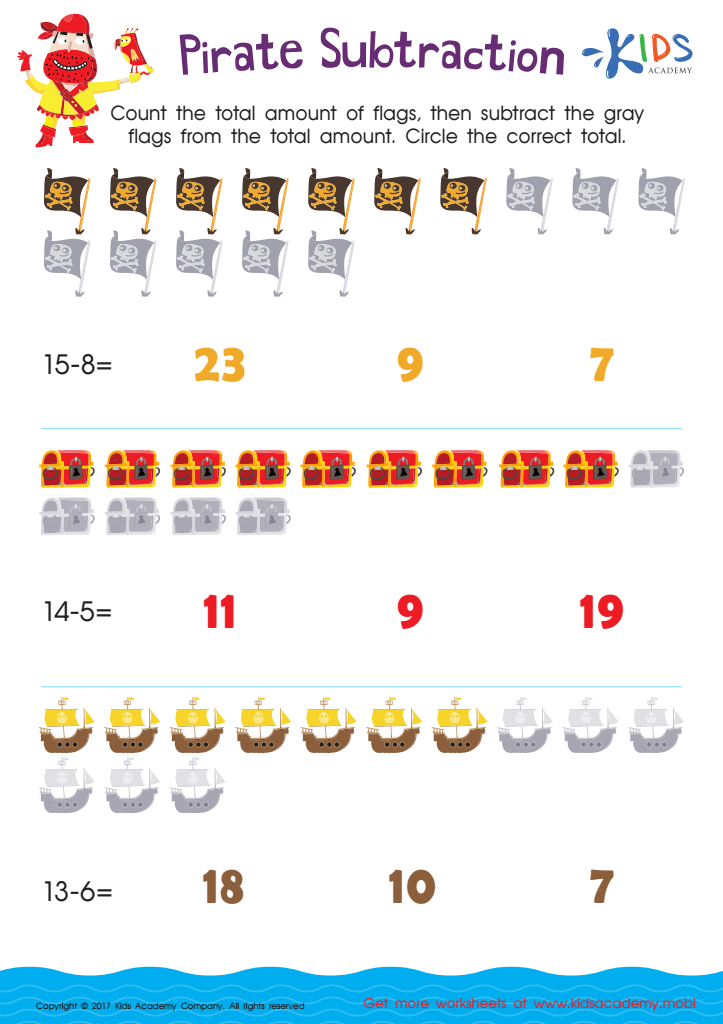
Pirate Subtraction Substraction Worksheet
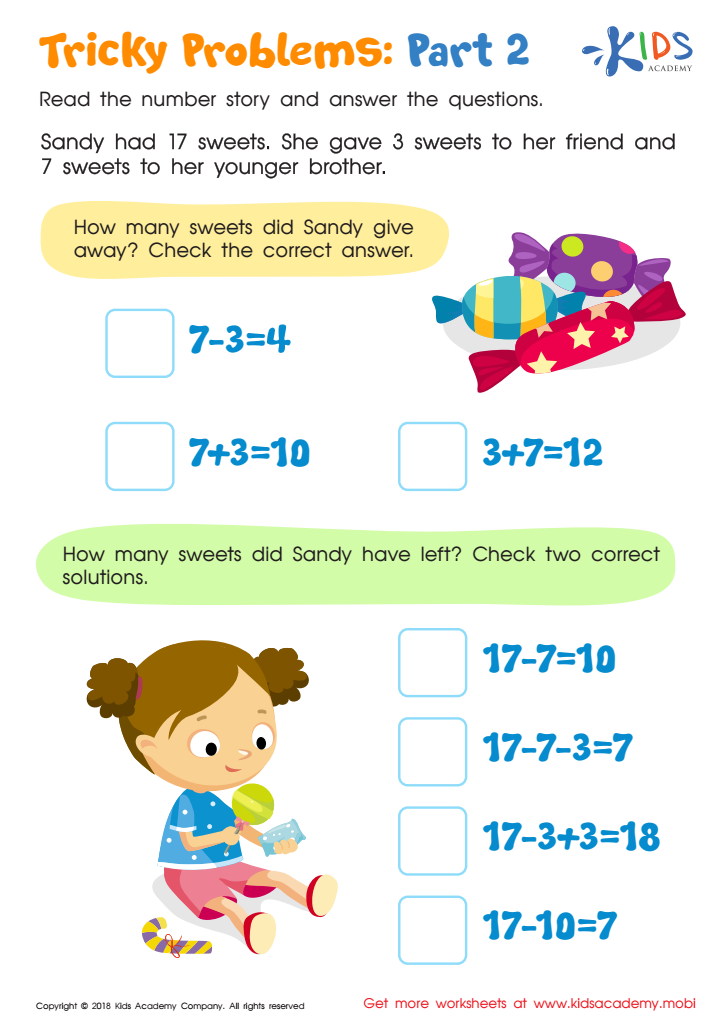
Tricky Problems Worksheet: Part 2
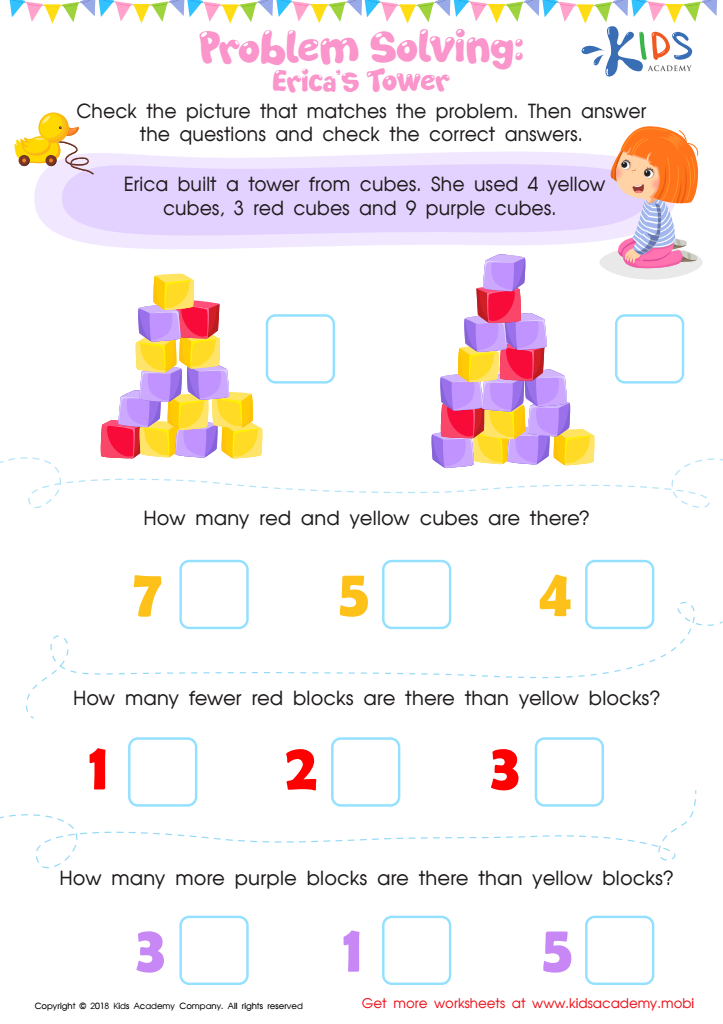
Problem Solving: Erica's Tower Worksheet
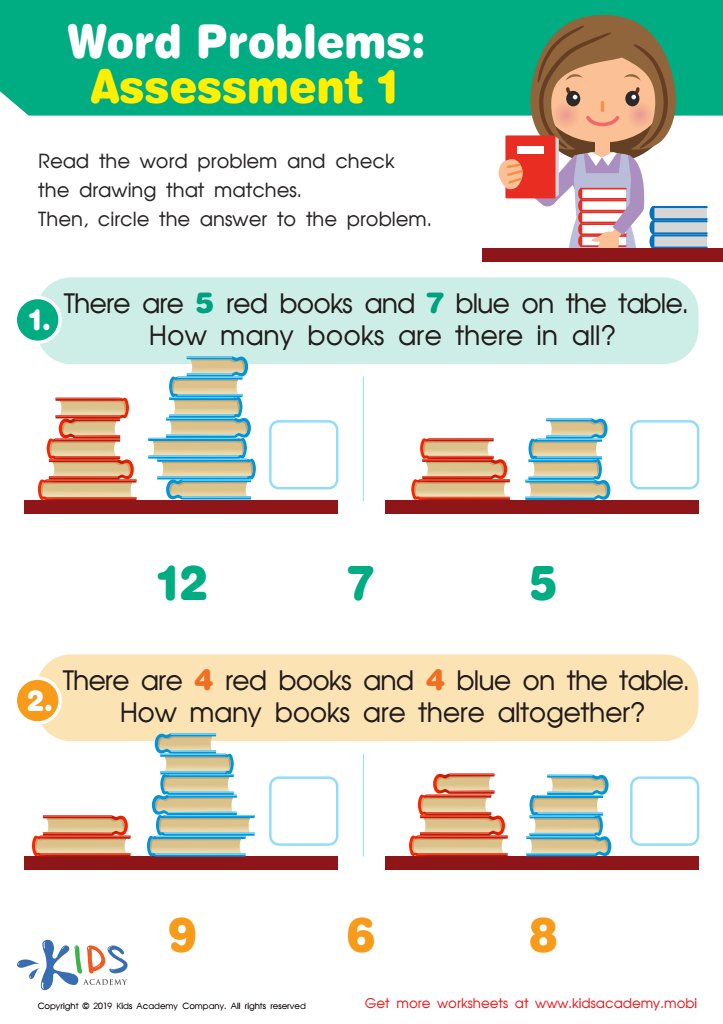
Word Problems: Assessment 1 Worksheet
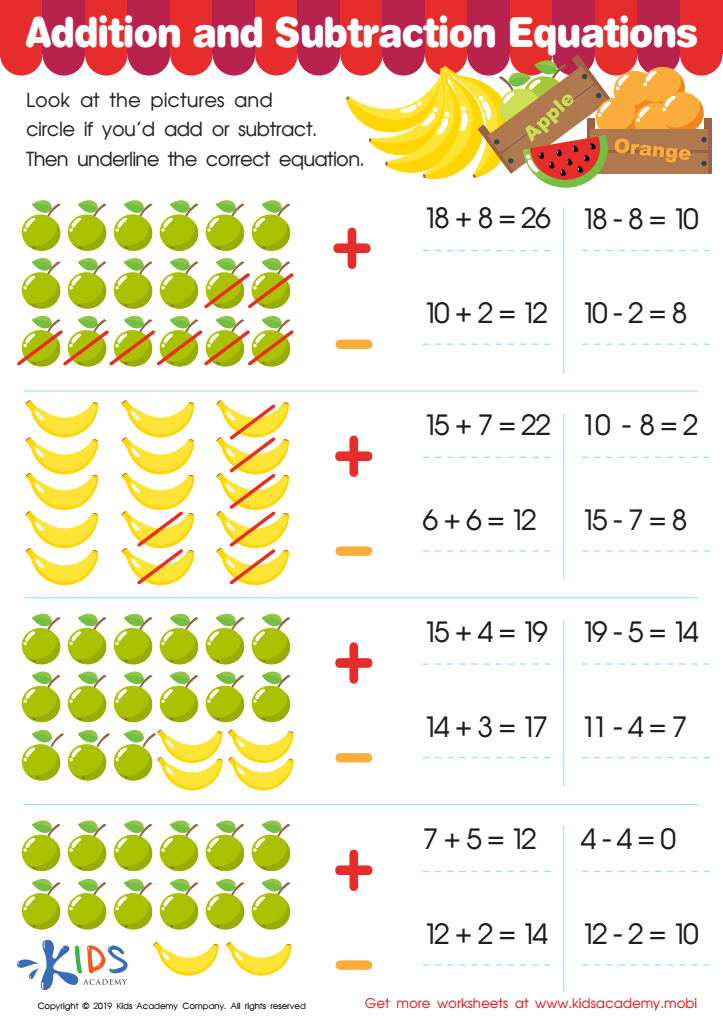
Addition and Subtraction: Equations Worksheet
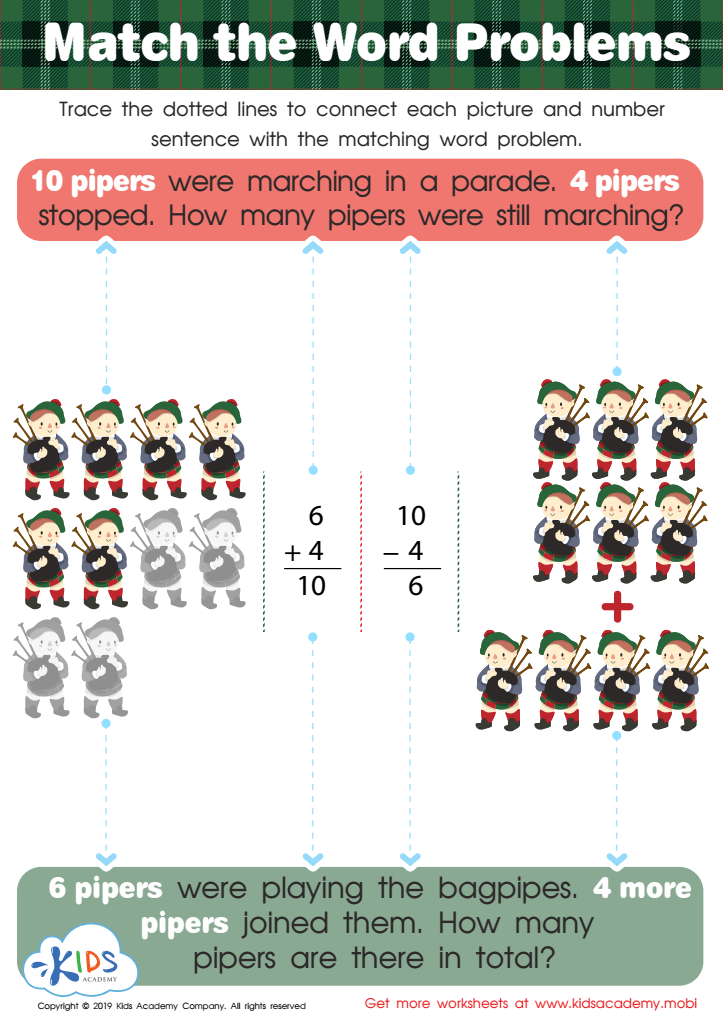
Match the Word Problems Worksheet
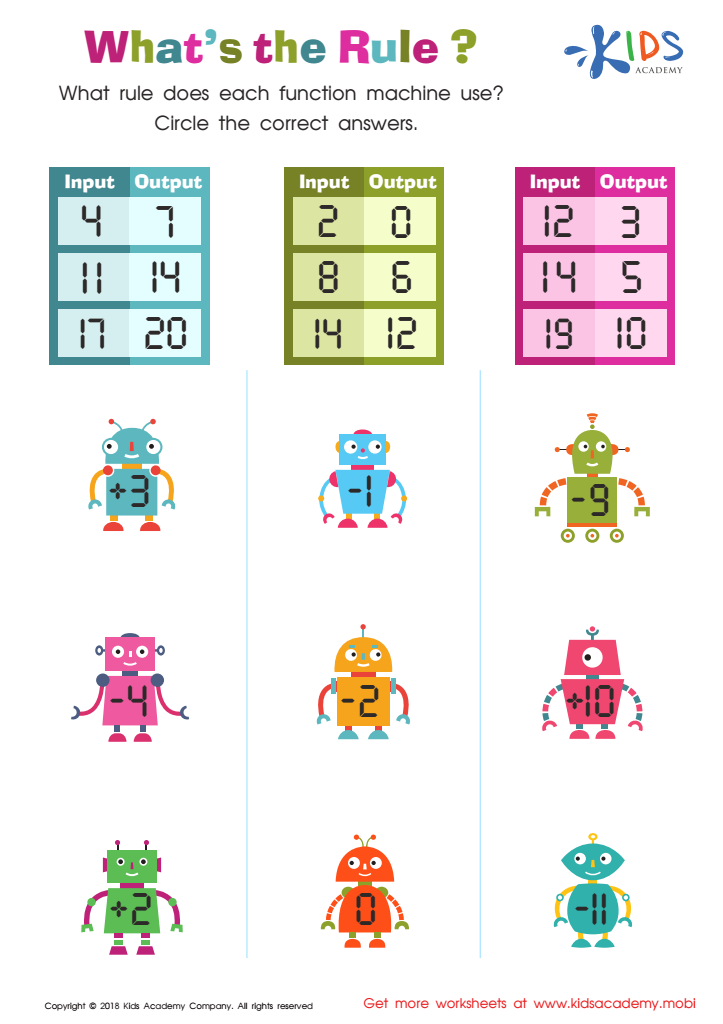
What's the Rule Worksheet
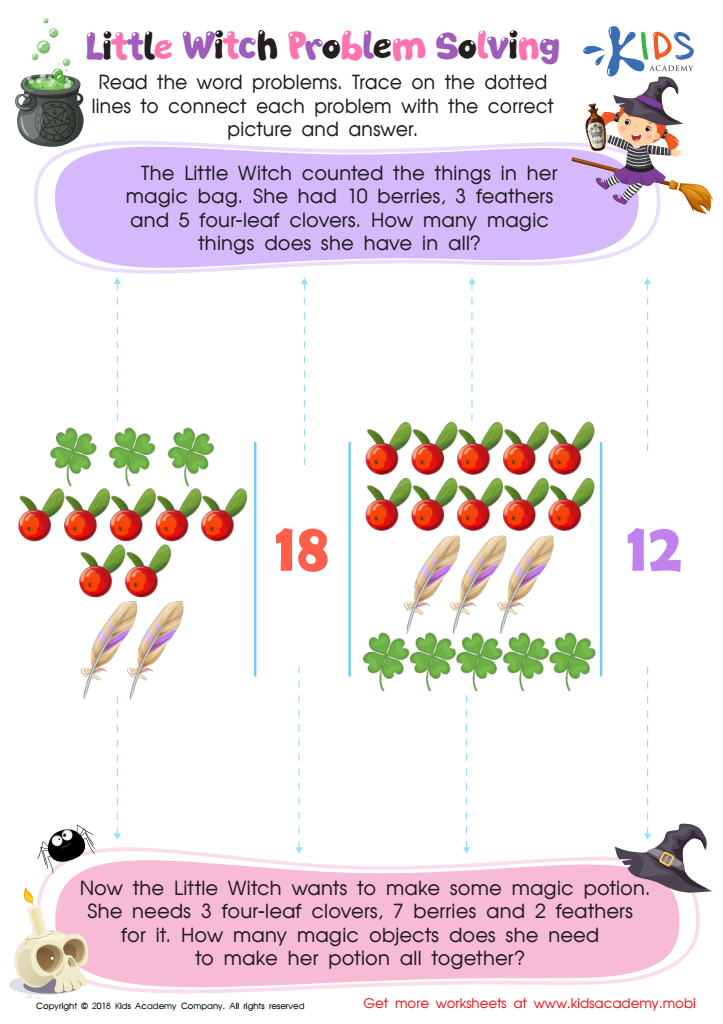
Little Witch Problem Solving Worksheet

Tricky Patterns Size Worksheet
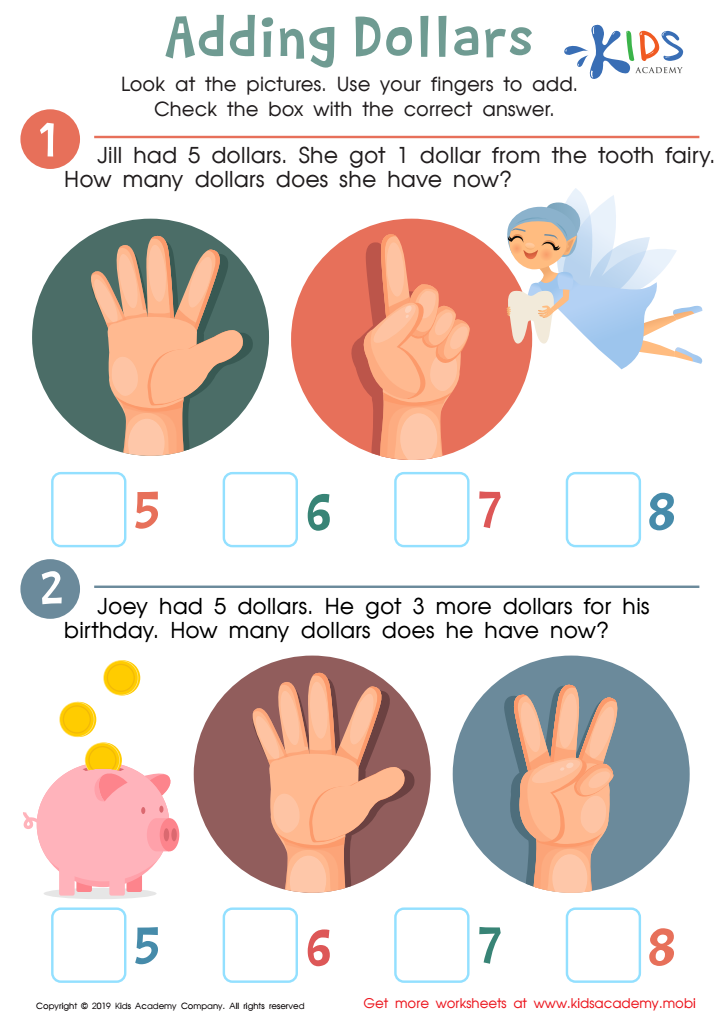
Tooth Fairy Addition Worksheet
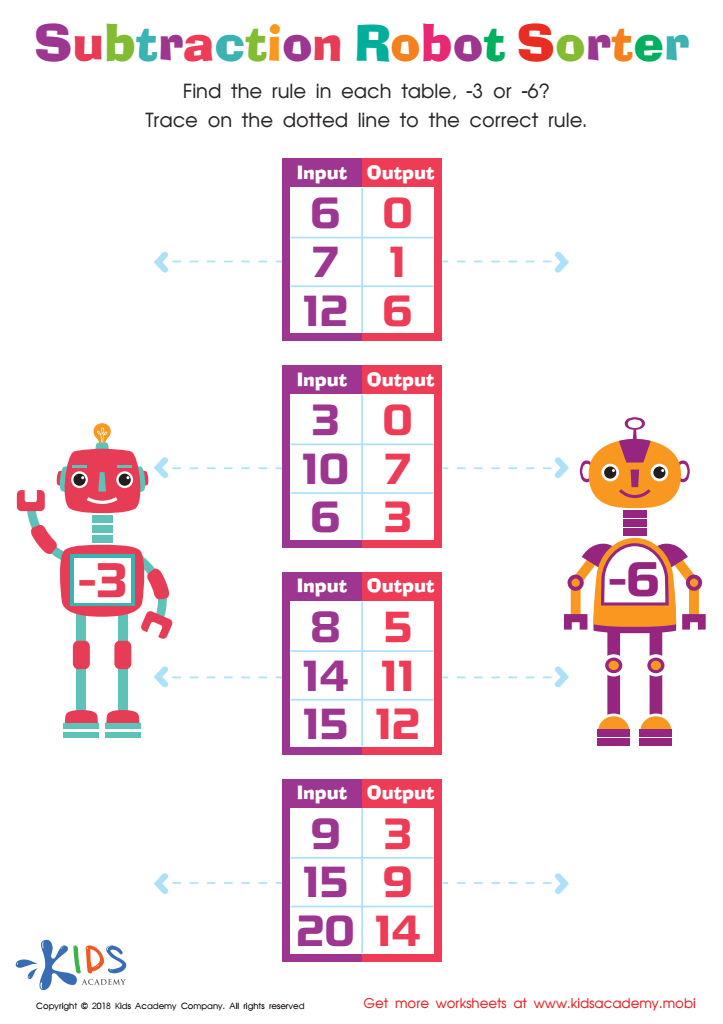
Subtraction Robot Sorter Worksheet
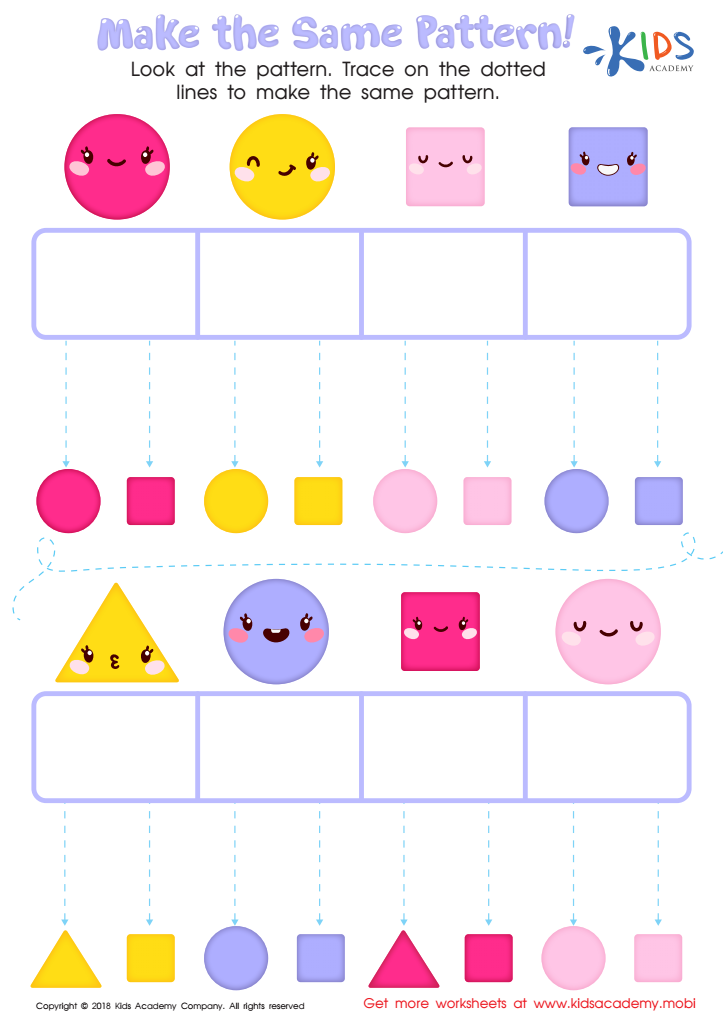
Make the Same Pattern Worksheet
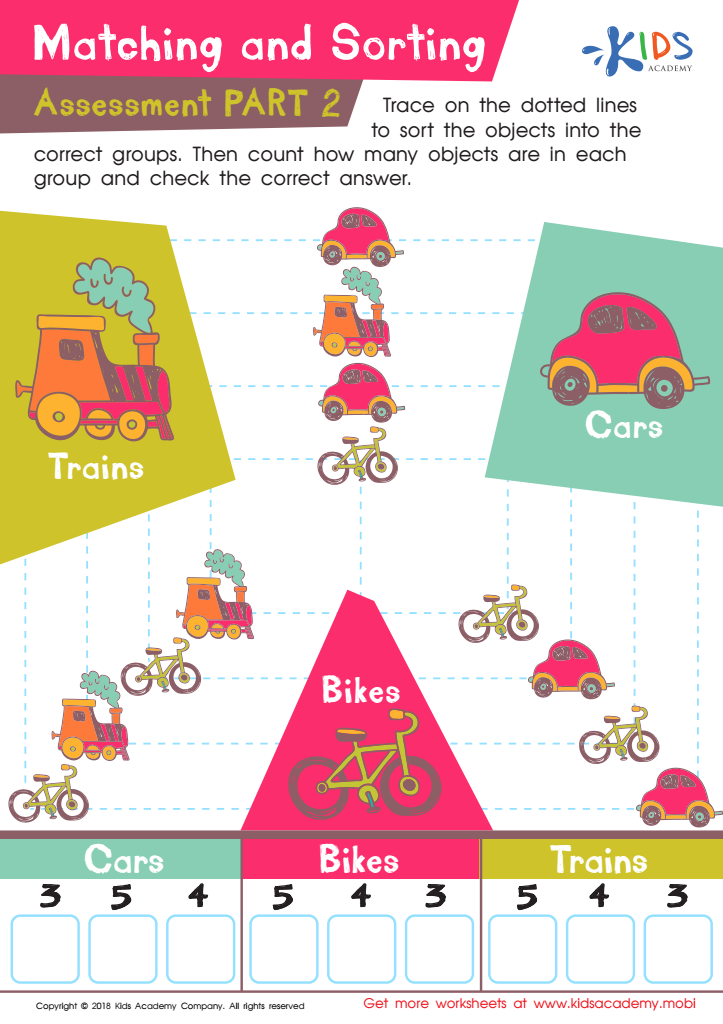
Matching and Sorting for Kindergarten: Assessment 2 Worksheet
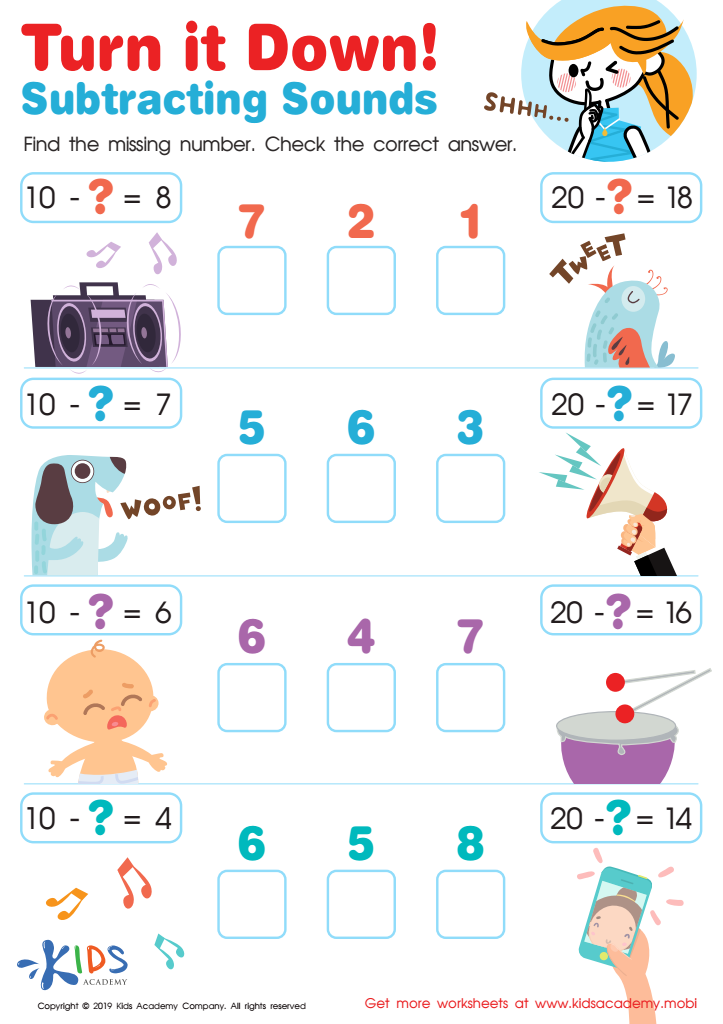
Turn It down! Subtracting Sounds Worksheet
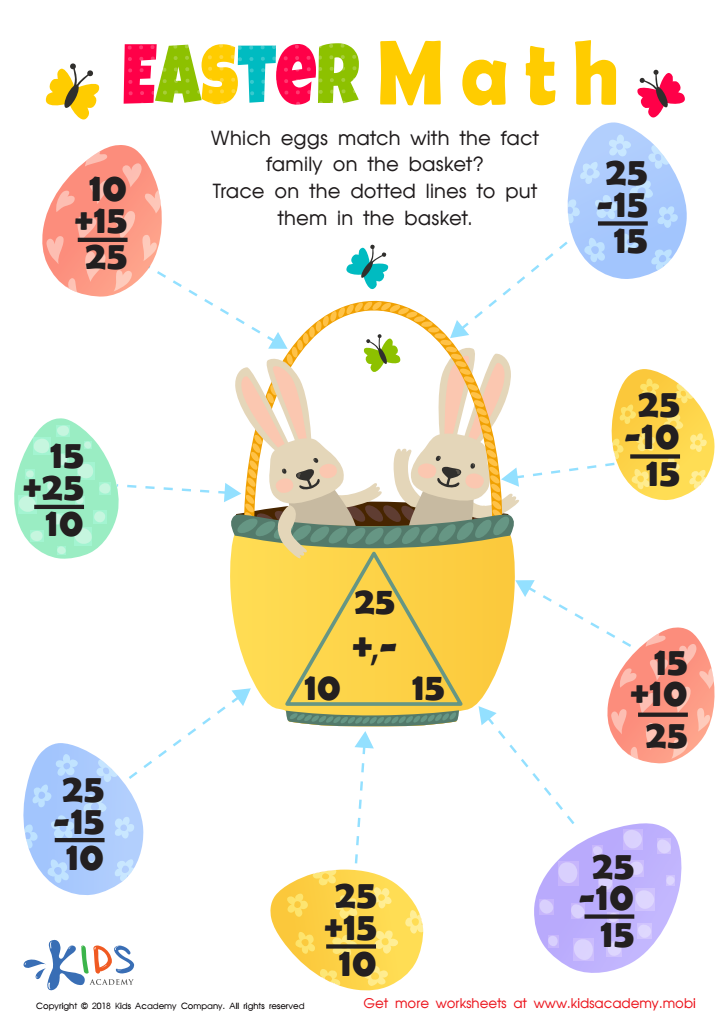
Fact Families: Easter Math Worksheet
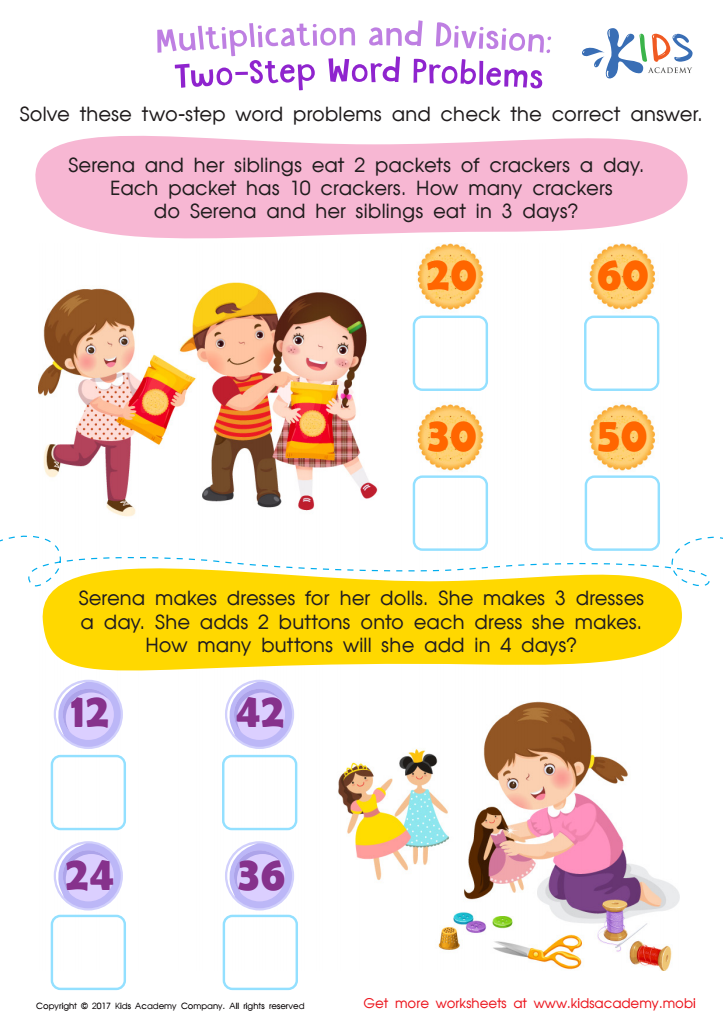
Two Step Word Problems Worksheet
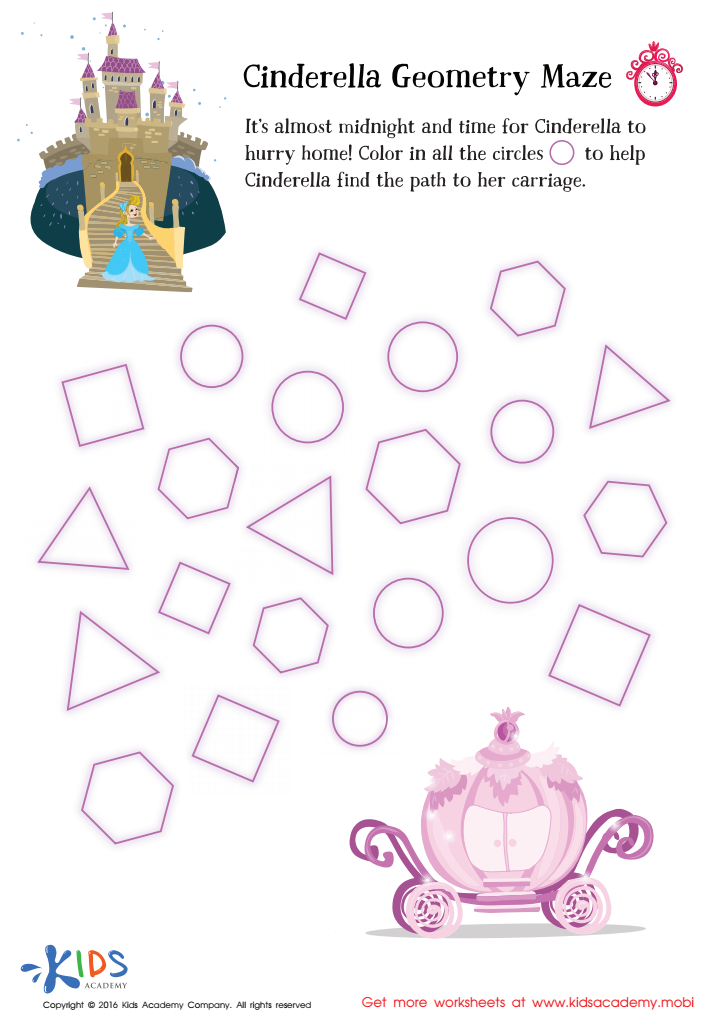
Cinderella Geometry Maze Worksheet
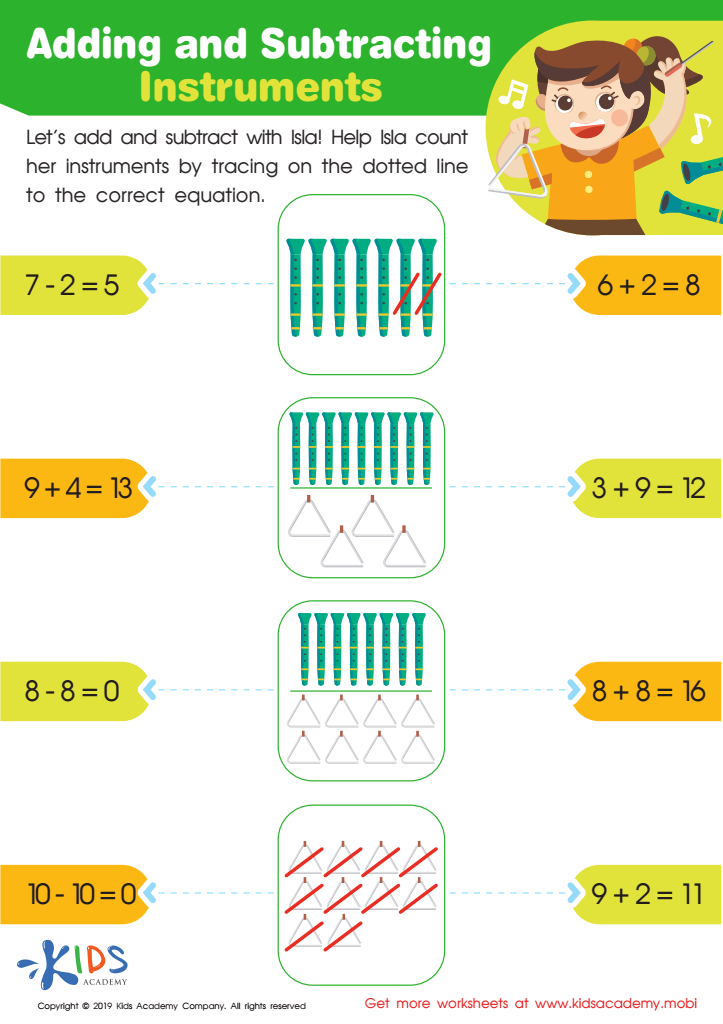
Adding and Subtracting: Instruments Worksheet
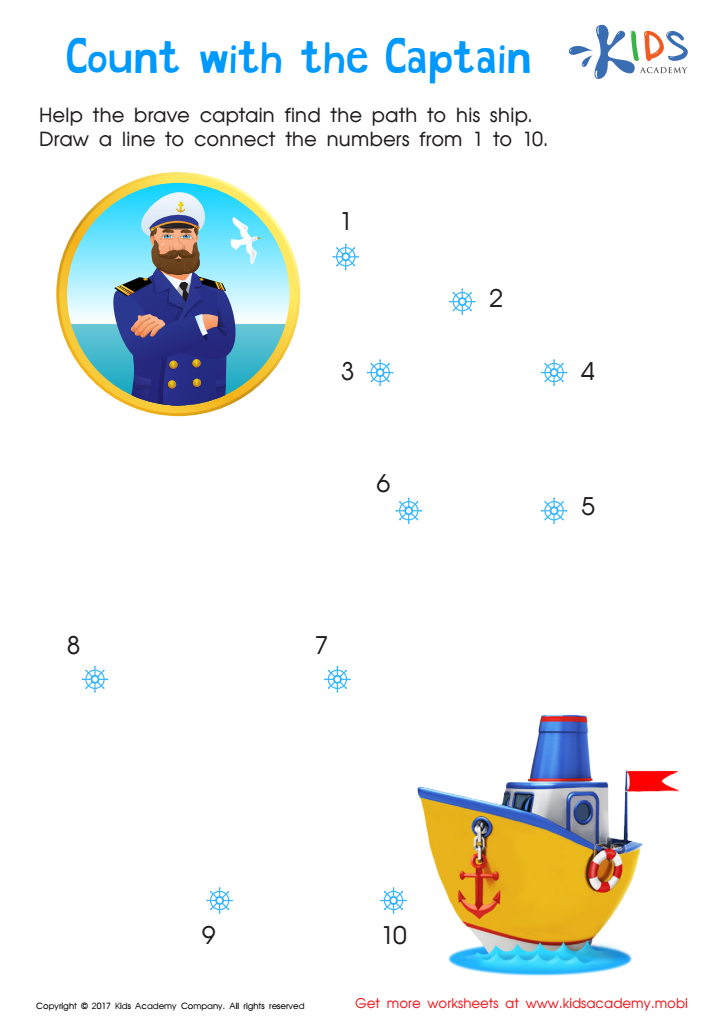
Count with the Captain Connect Dots Worksheet
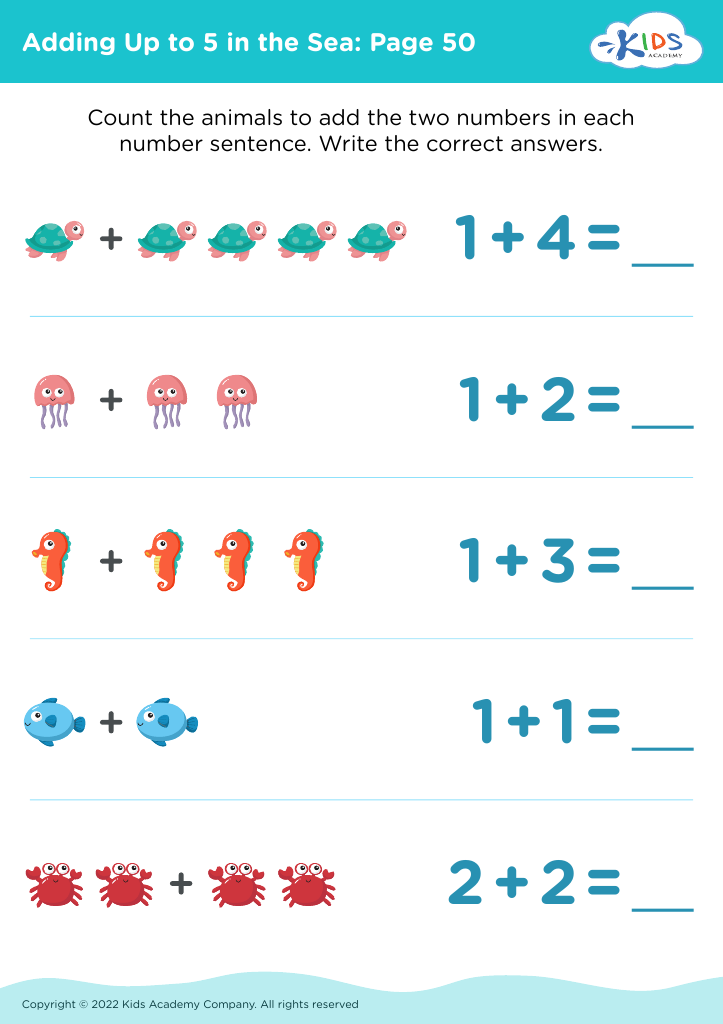







Problem-solving skills in math for ages 4-6 lay a critical foundation for both academic success and essential life abilities. Parents and teachers should pay close attention to nurturing these skills because they instill a strong sense of logical thinking and creativity at an early age. Engaging children in problem-solving helps them develop critical thinking, enabling them to approach challenges logically and systematically.
Children in this age group are in a pivotal stage of cognitive development. When they tackle math problems, they learn to identify patterns, recognize relationships, and use reasoning to arrive at solutions. This not only prepares them for more complex mathematical concepts but also enhances their overall intellectual development.
Furthermore, problem-solving activities boost confidence and resilience. When young children solve math problems, they experience the satisfaction of overcoming obstacles, fostering a positive attitude towards learning and persisting through difficulties. Additionally, these skills are translatable; problem-solving in math indirectly contributes to problem-solving in everyday life, such as resolving conflicts and making decisions.
Lastly, early math proficiency often predicts future academic achievements. By prioritizing problem-solving skills now, parents and teachers set children on a path toward long-term success in various subjects. Therefore, fostering problem-solving skills in young math learners is essential for their immediate and future educational growth and personal development.








