Problem-Solving Skills Science Worksheets for Ages 4-6
14 filtered results
-
From - To
Discover our engaging Problem-Solving Skills Science Worksheets, designed specifically for ages 4-6! These worksheets foster critical thinking and analytical skills through fun, interactive activities centered around science concepts. Your little learners will explore the world around them by identifying patterns, testing hypotheses, and solving age-appropriate challenges. With colorful illustrations and hands-on tasks, our worksheets make learning enjoyable and impactful. Perfect for reinforcing classroom knowledge or encouraging at-home exploration, these resources will help children develop essential problem-solving abilities while nurturing a love for science. Equip your budding scientists with the tools they need for success—start your adventure in learning today!
 Assign to My Students
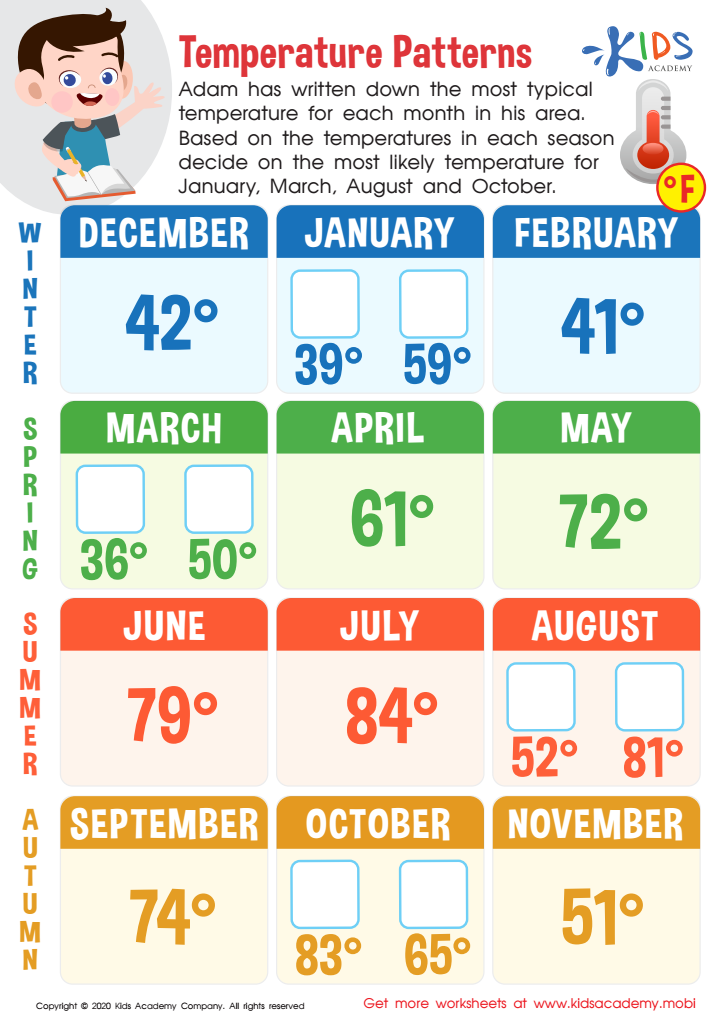
Temperature Patterns Worksheet
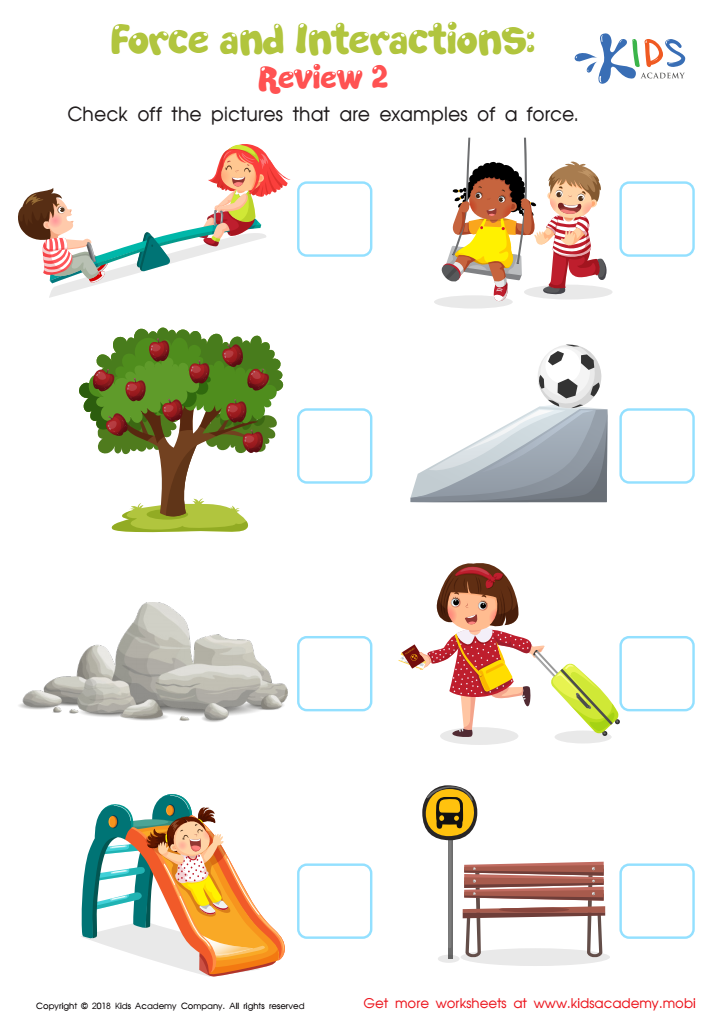
Force and Interactions: Review 2 Worksheet
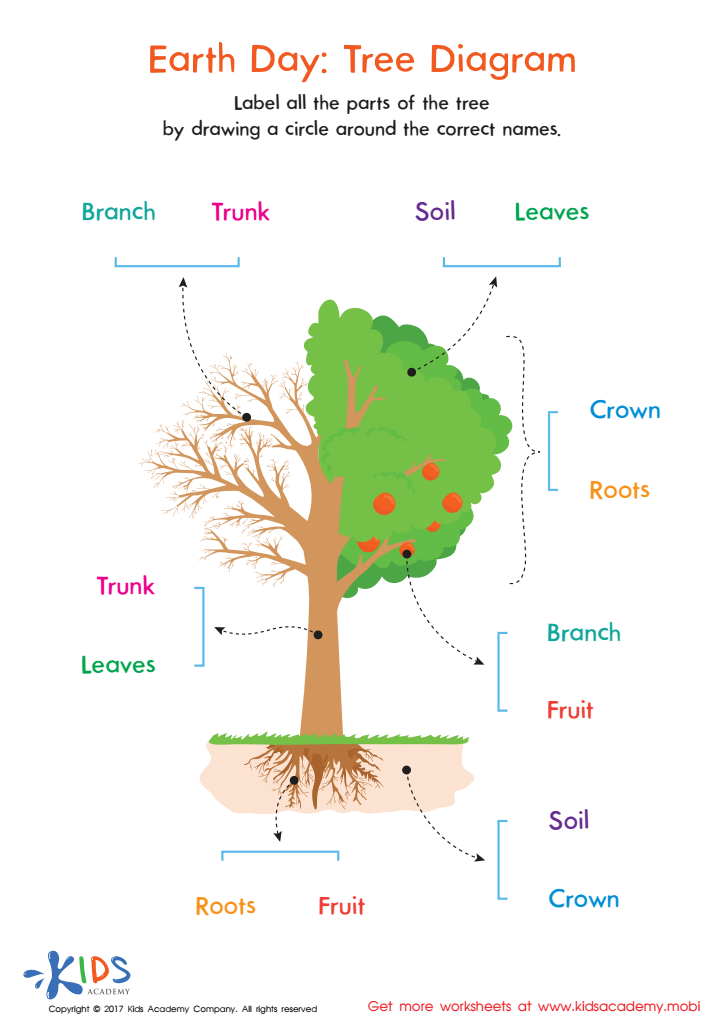
Earth Day: Tree Diagram Worksheet
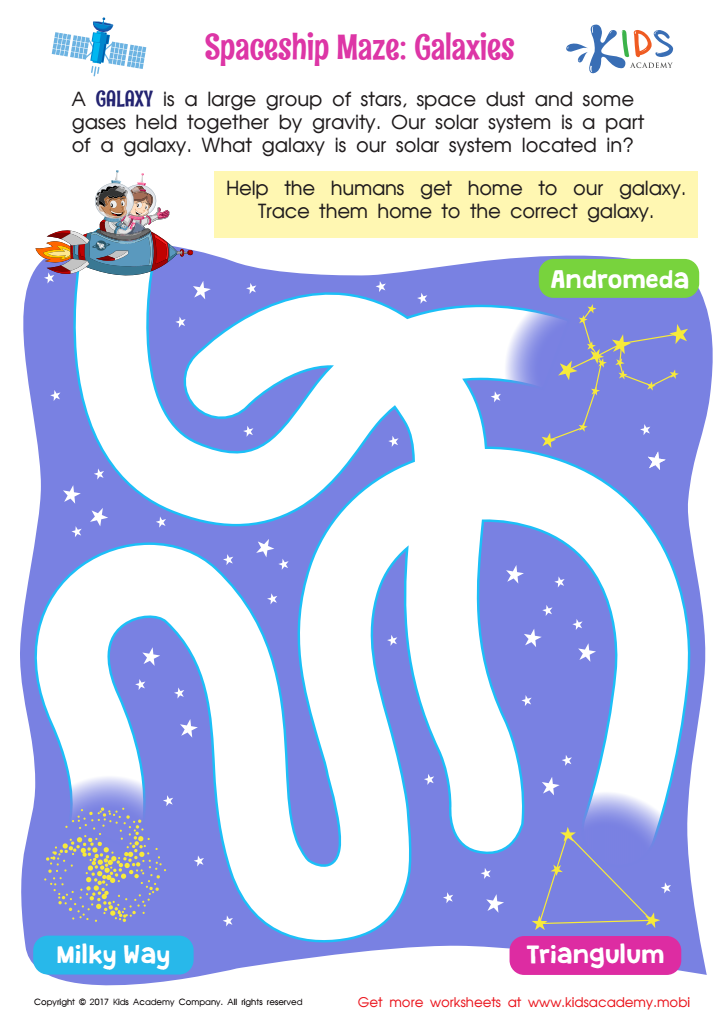
Spaceship Maze: Galaxies Worksheet
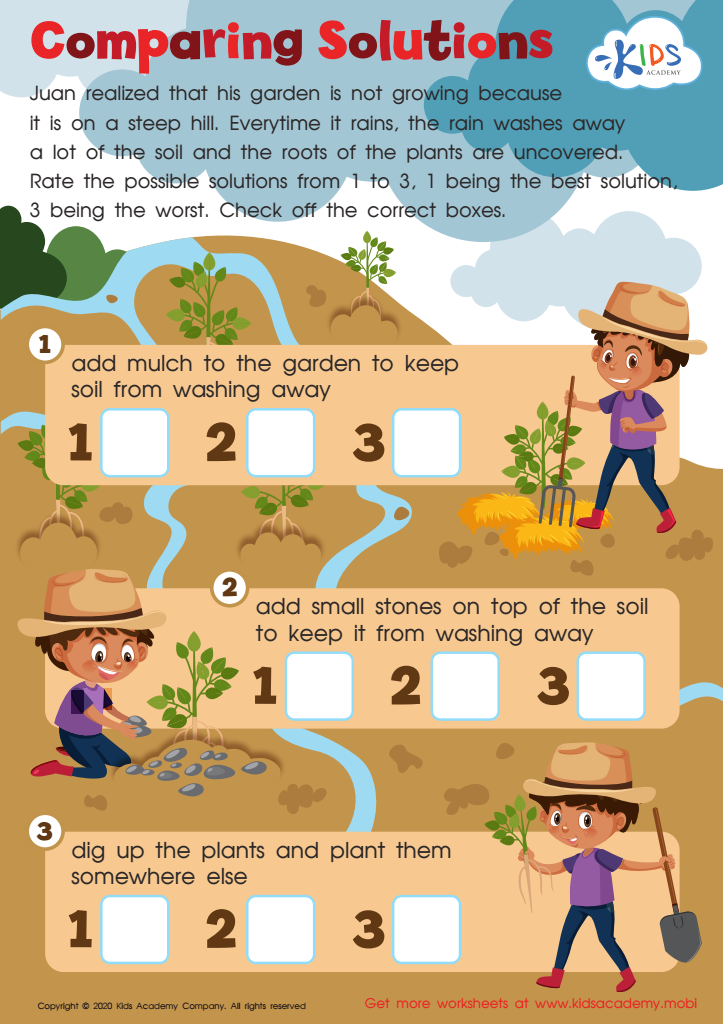
Comparing Solutions Worksheet
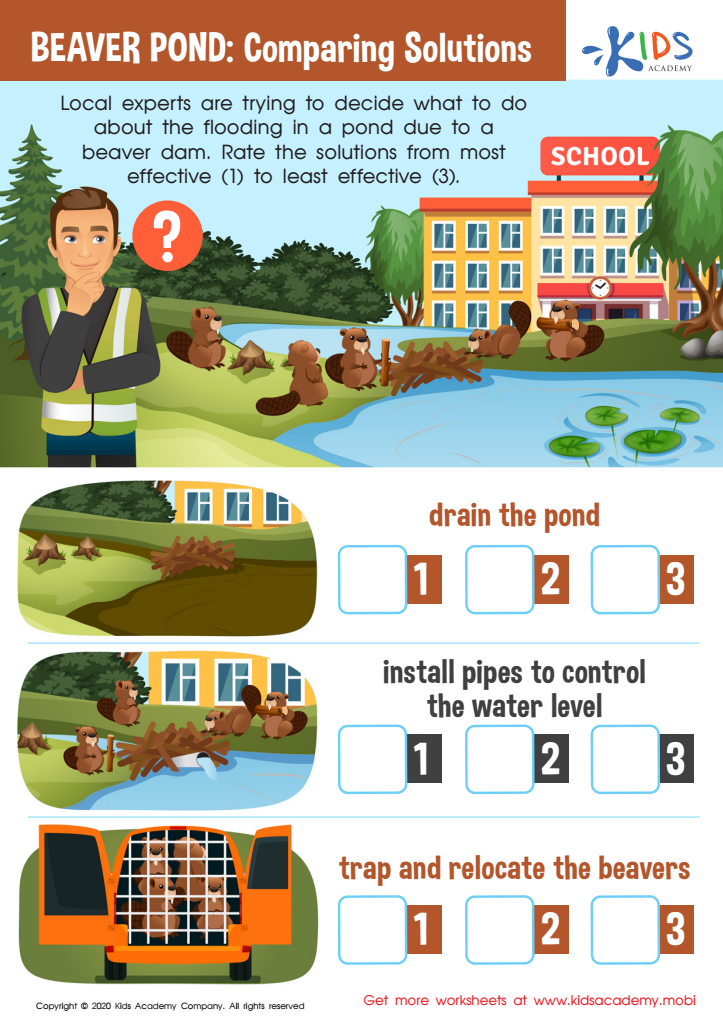
Beaver Pond: Comparing Solutions Worksheet
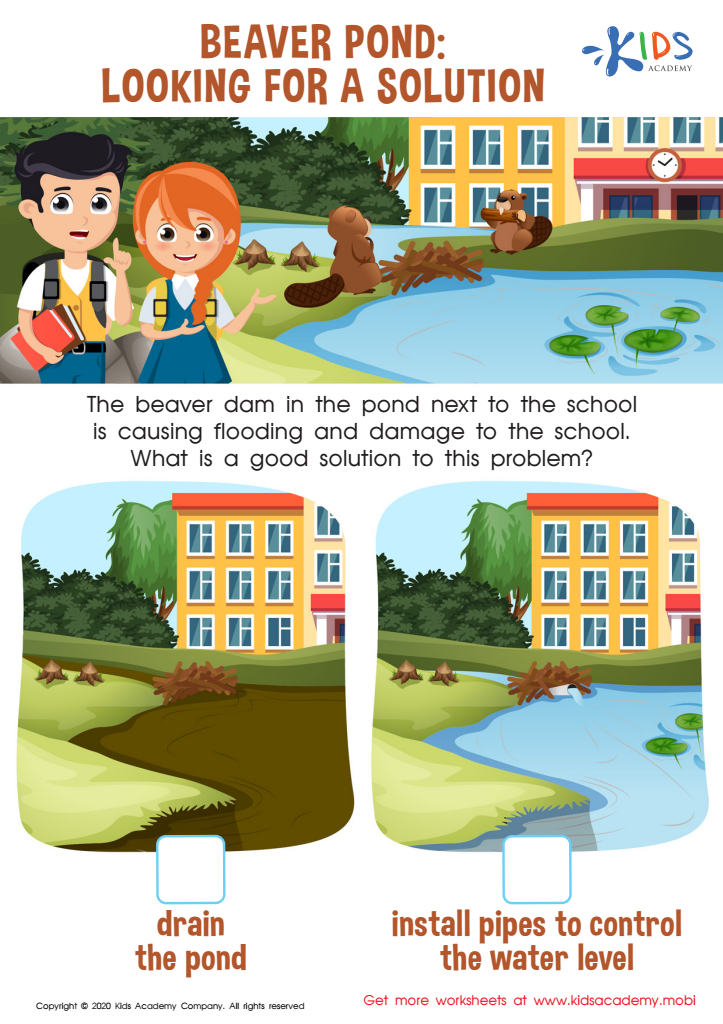
Beaver Pond: Looking for a Solution Worksheet
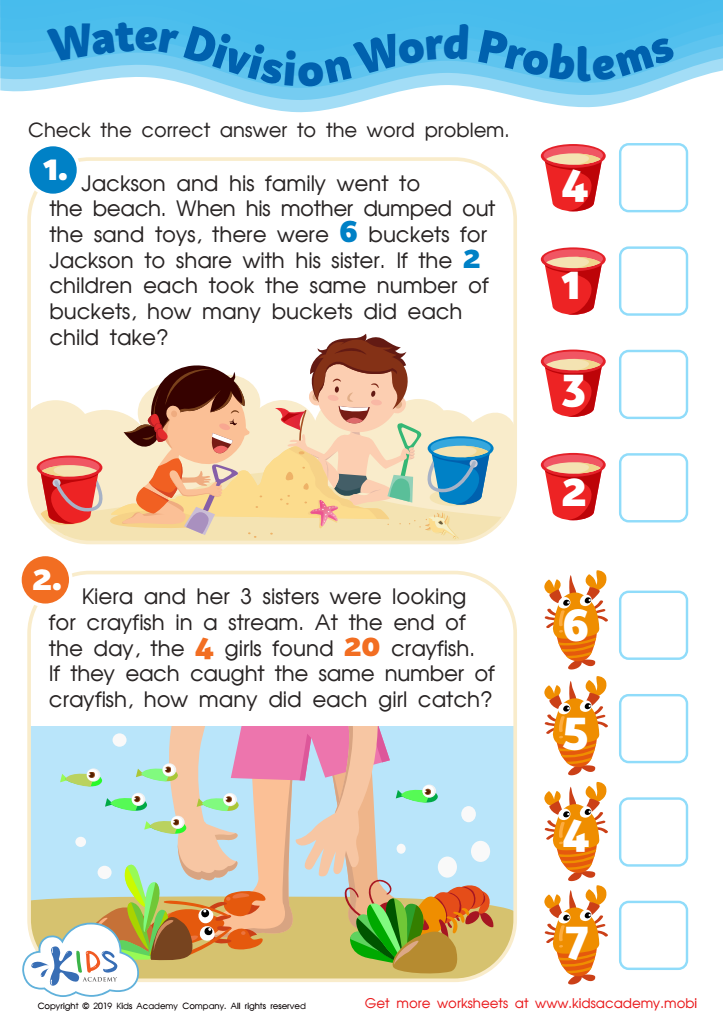
Water Division Word Problems Worksheet
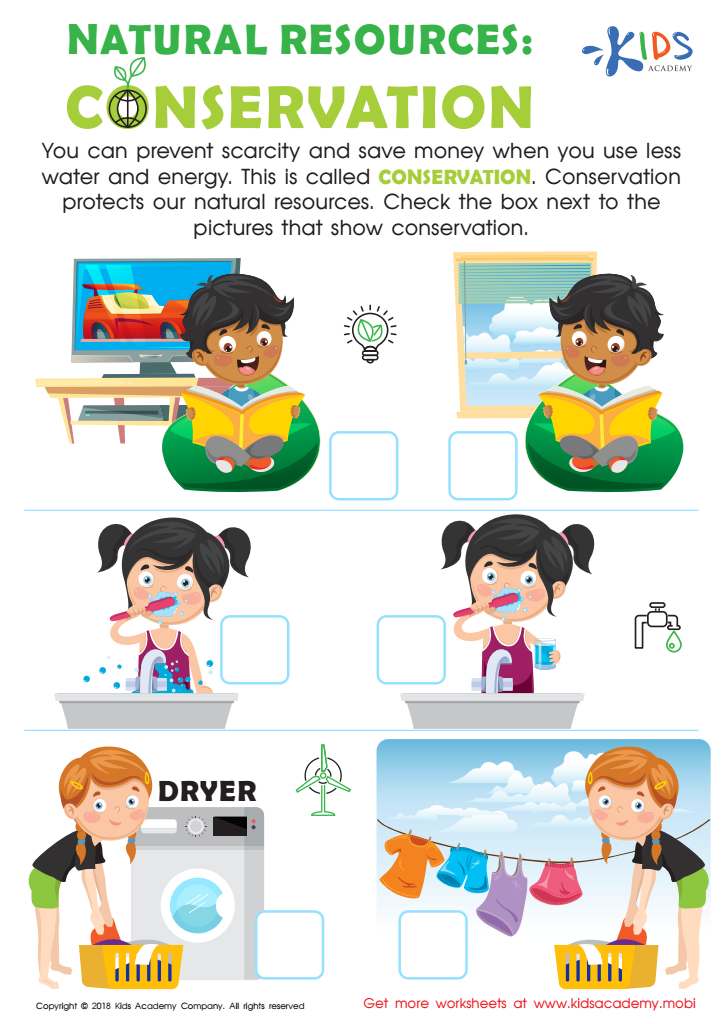
Natural Resources: Conservation Worksheet
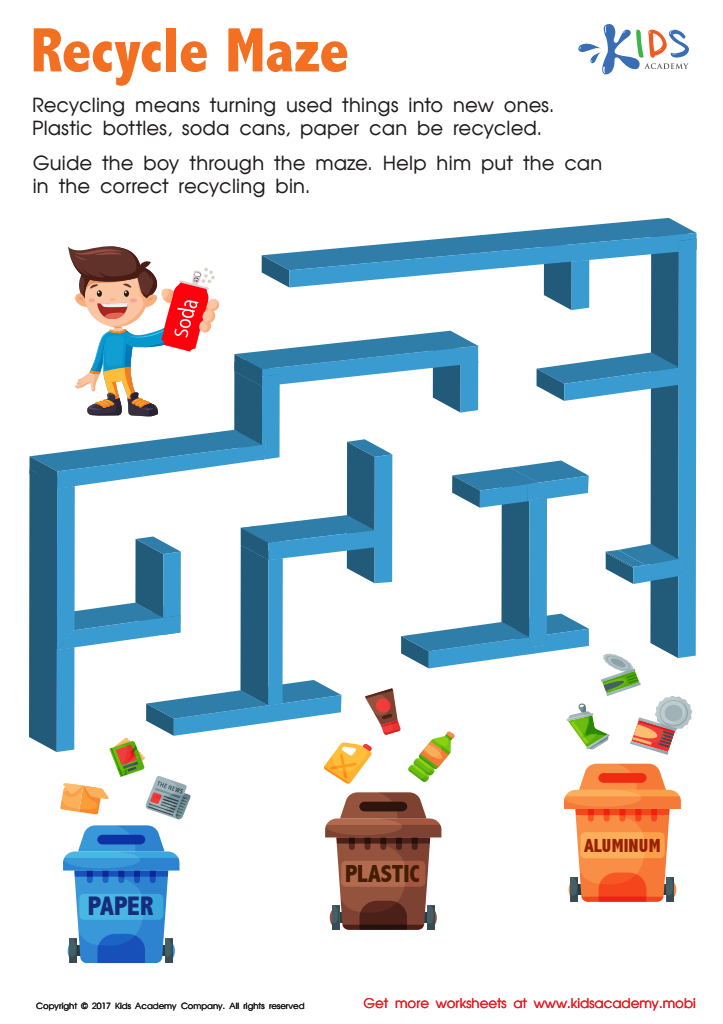
Recycle Maze Worksheet
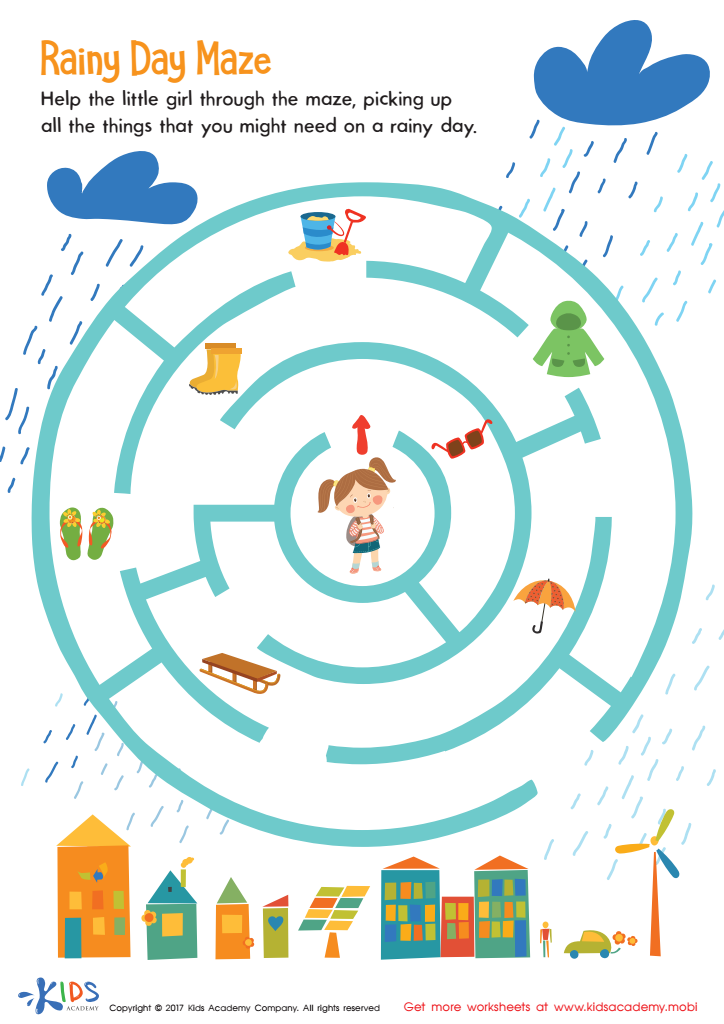
Rainy Day Maze Worksheet
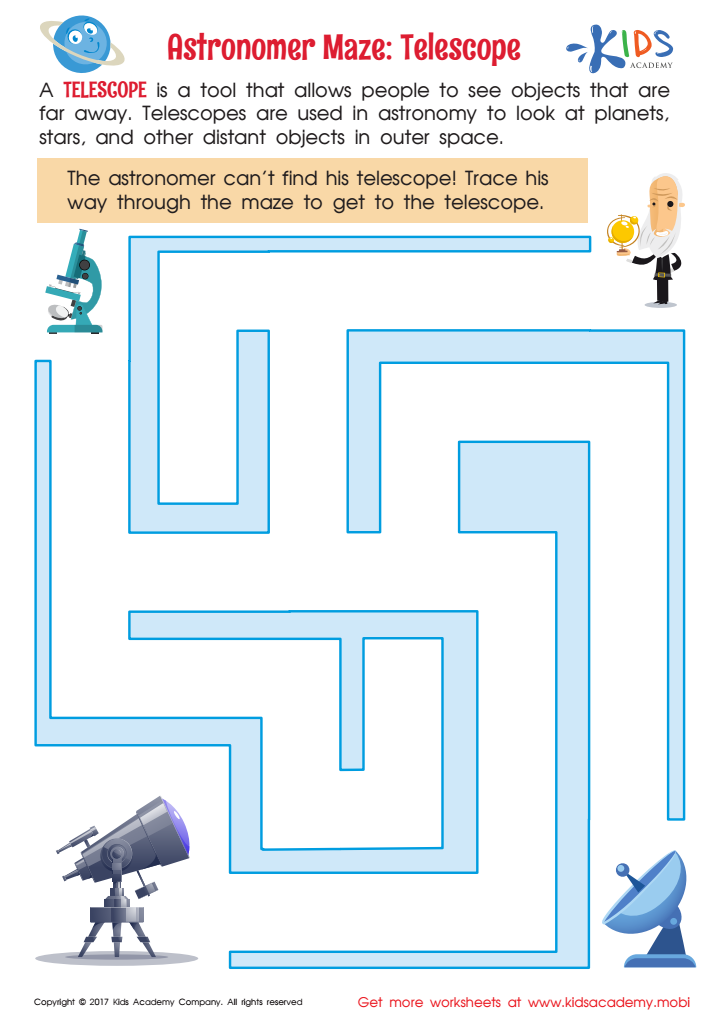
Astronomer Maze: Telescope Worksheet
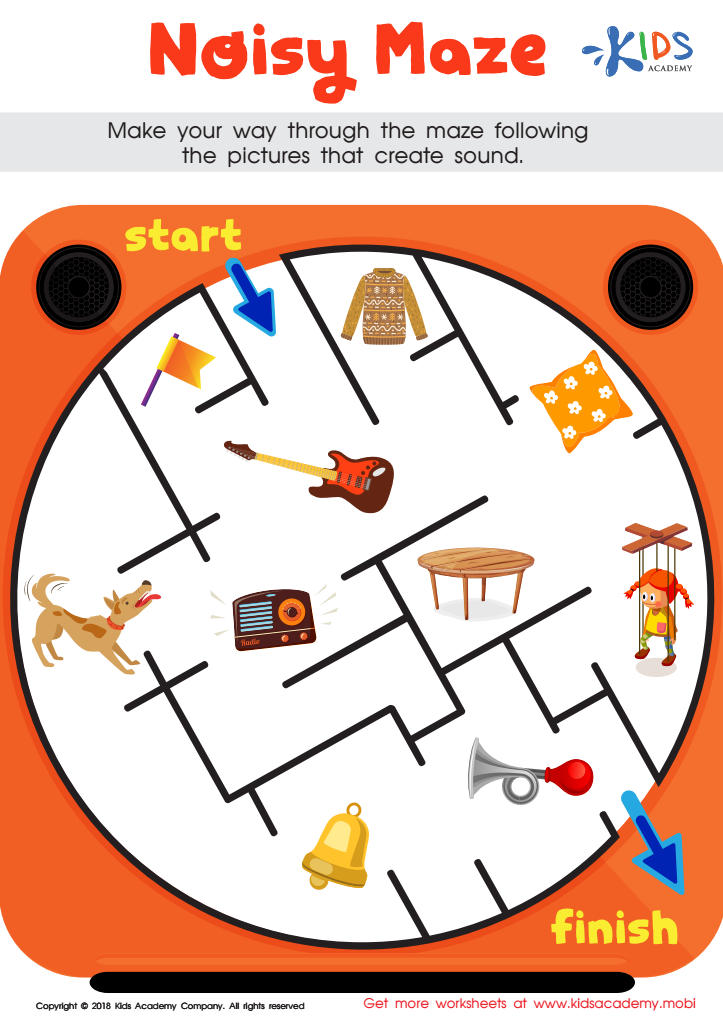
Noisy Maze Worksheet







Problem-solving skills are foundational for children ages 4-6, making it essential for parents and teachers to prioritize their development. At this early stage, children are naturally curious and eager to explore the world around them. Teaching problem-solving through science nurtures this curiosity by encouraging critical thinking and creativity. When children are engaged in scientific investigation, they learn to ask questions, make observations, and develop hypotheses, laying the groundwork for logical reasoning.
Moreover, problem-solving skills encourage resilience. Children often face challenges during experiments or explorations, and through practice, they learn how to approach obstacles, adapt their strategies, and persist in finding solutions. This resilience extends beyond science into other areas of learning and daily life, equipping them with the tools to tackle future challenges.
Collaborative problem-solving also fosters social skills, as children learn to communicate, listen, and work together effectively. These interactions help build a sense of community and improve emotional intelligence.
Ultimately, prioritizing problem-solving skills through early science education empowers young learners to think independently and take initiative, contributing to their overall cognitive and personal development. For a well-rounded education, parents and teachers must embrace science as a dynamic and engaging venue for skill development in our youngest learners.







