Vowels Worksheets for Ages 4-7 - Page 2
96 filtered results
-
From - To
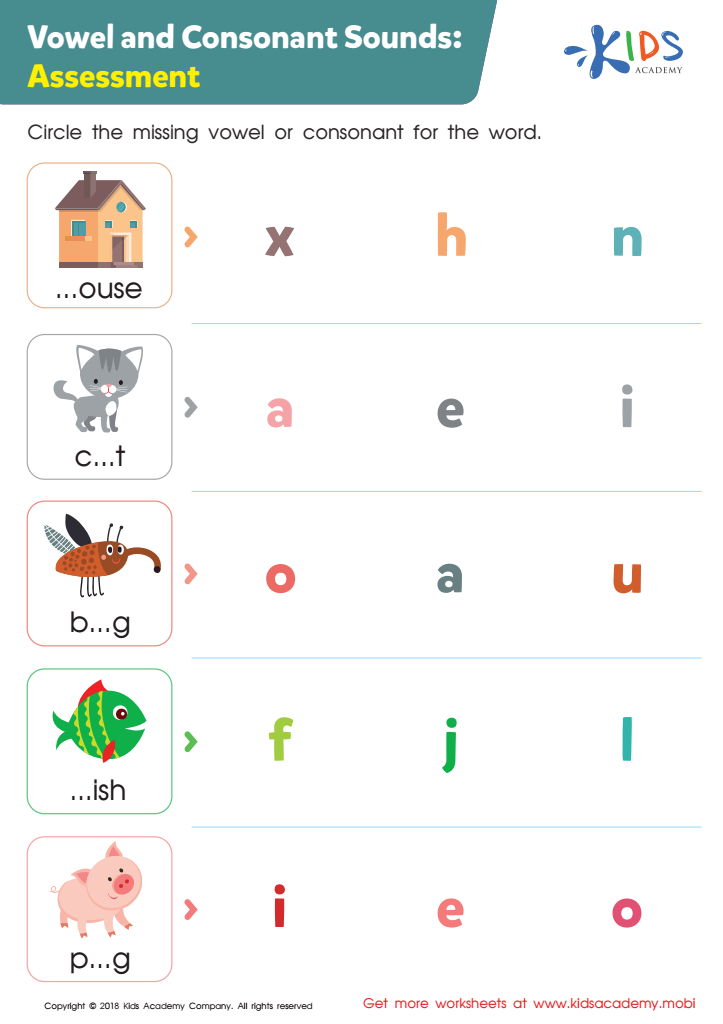
Vowel and Consonant Sounds: Assessment Worksheet
 Assign to My Students
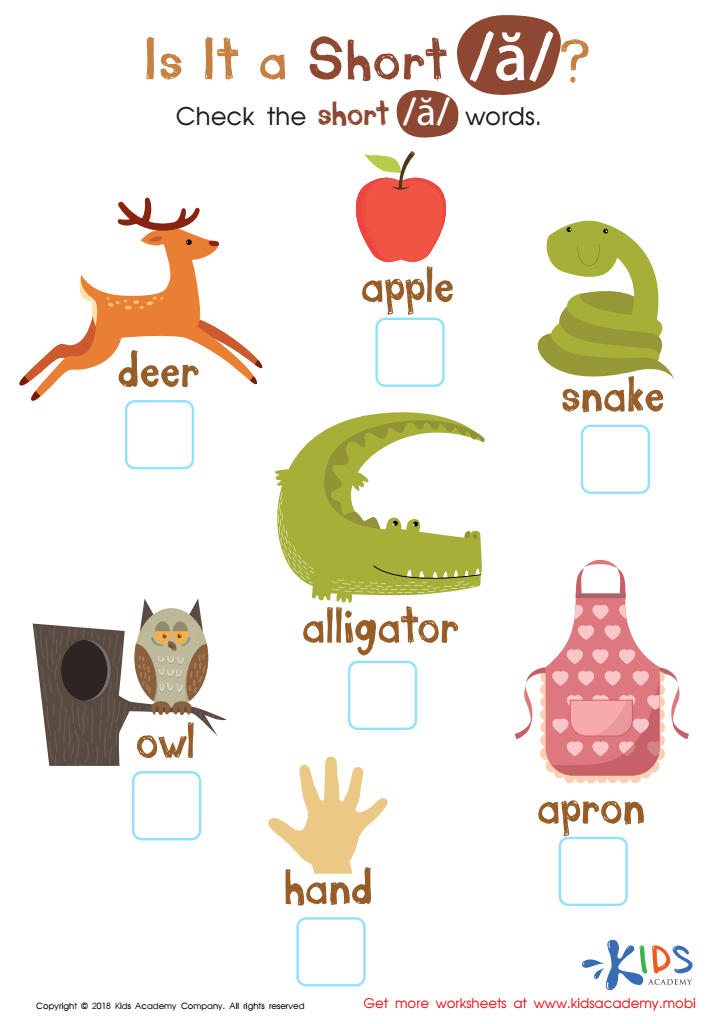
Is It Short A? Reading Worksheet
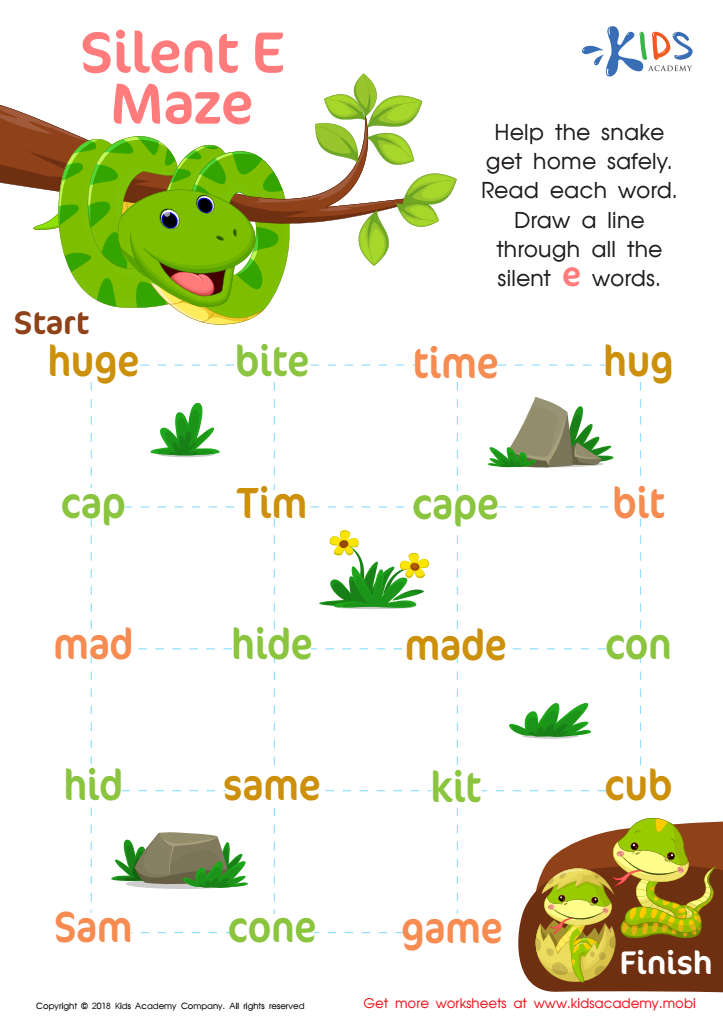
Silent E Maze Worksheet
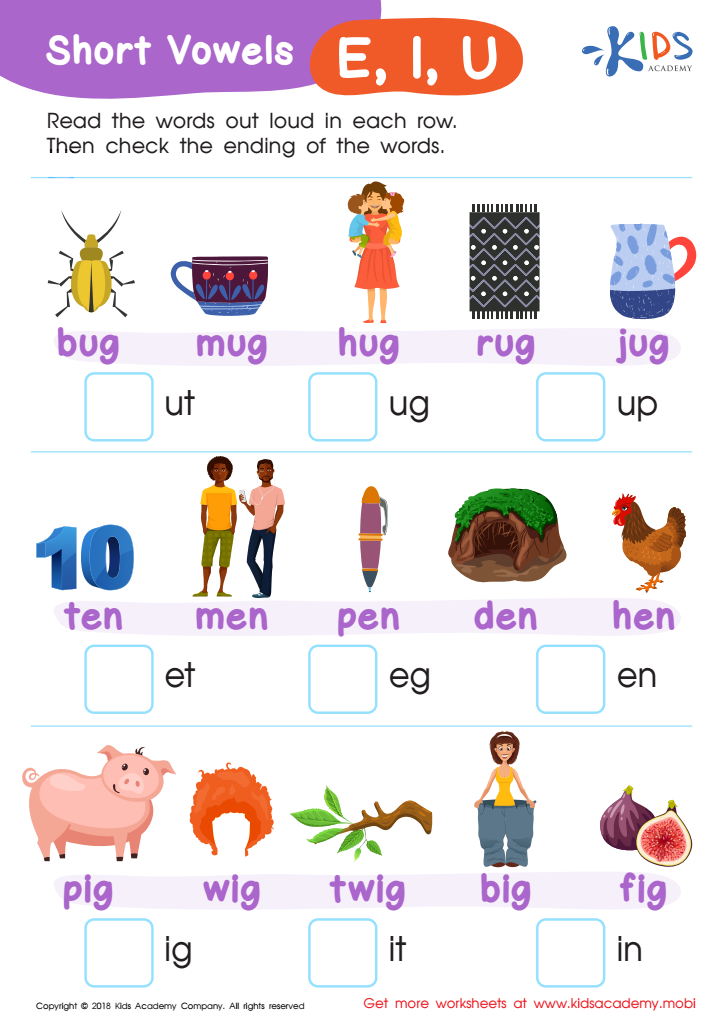
Short Vowels /e/, /i/, and /u/ Worksheet
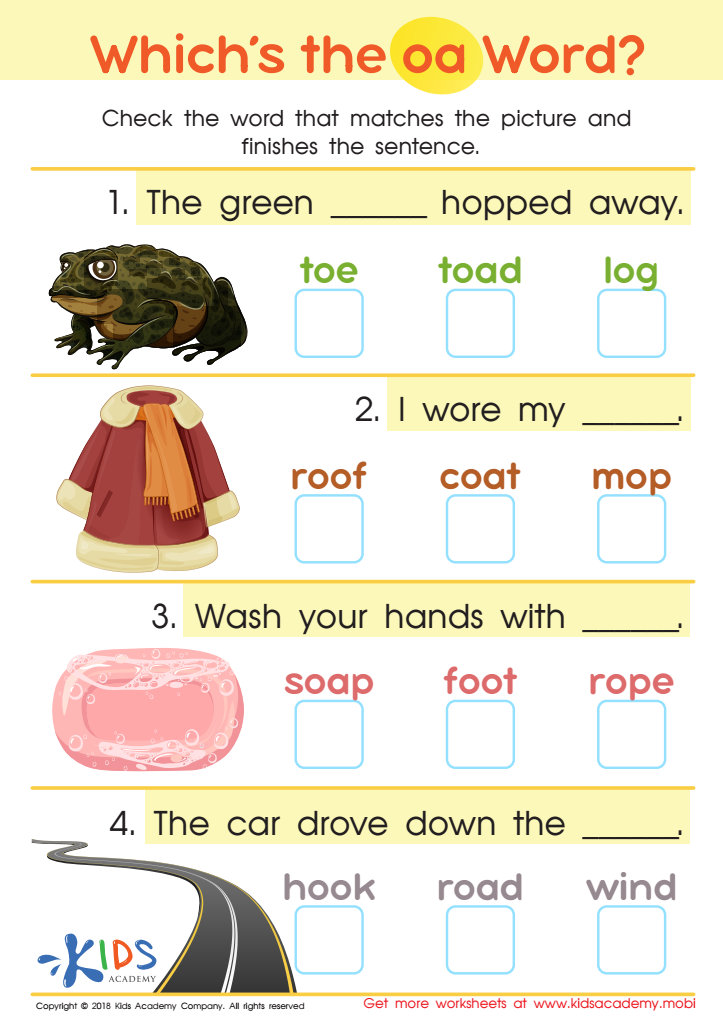
Which's the OA Word? Worksheet
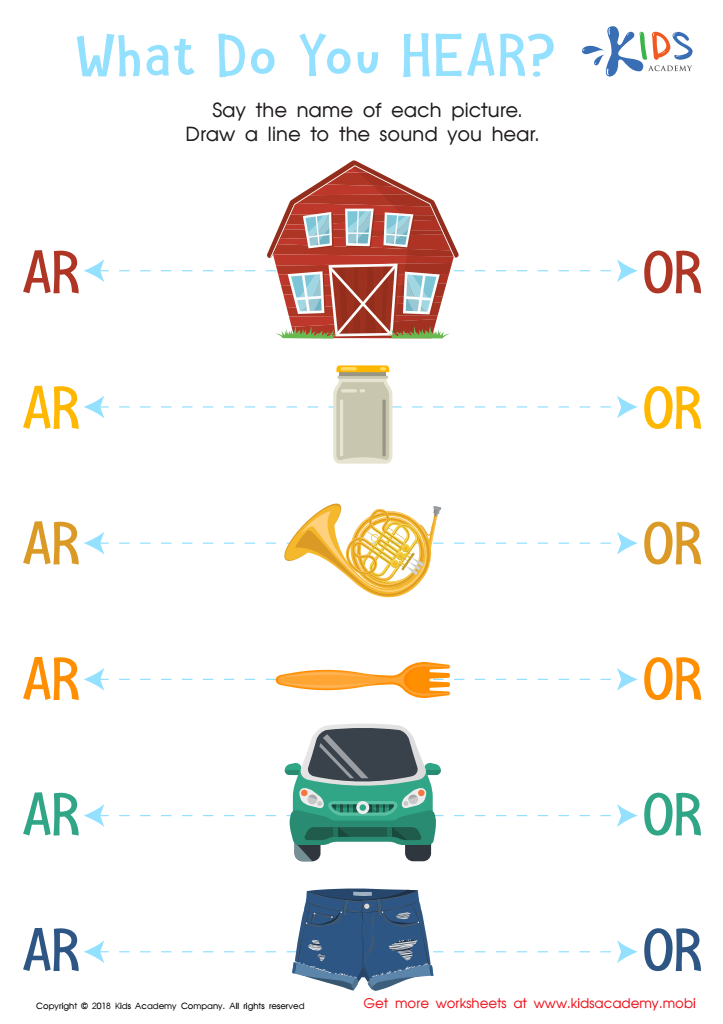
What do you hear Worksheet
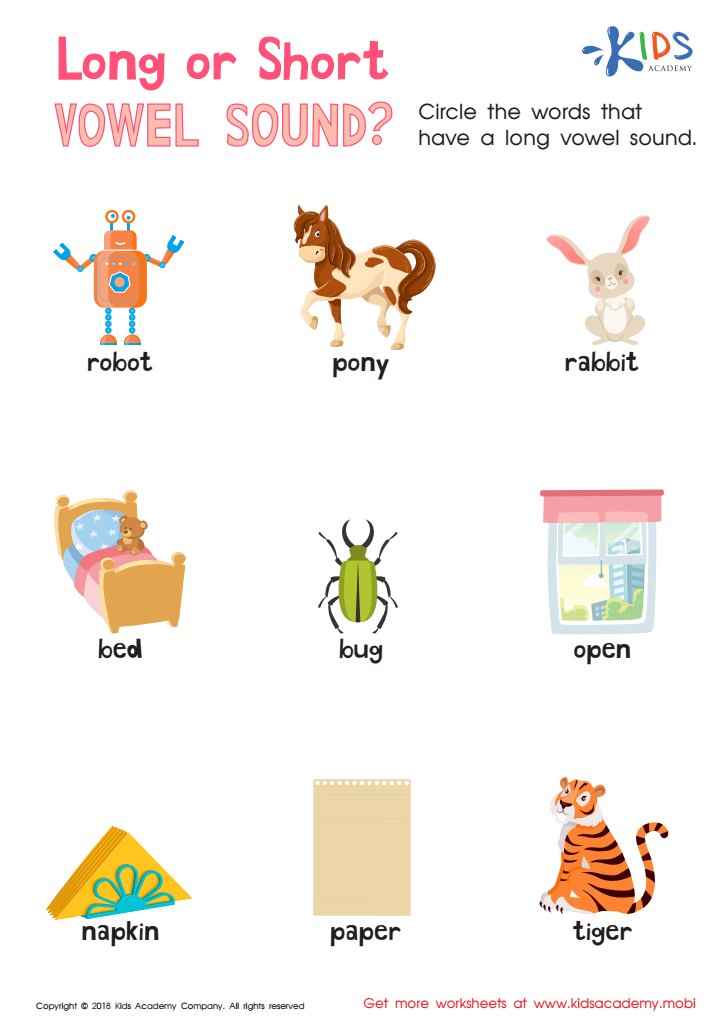
Long or Short Vowel Sound? Worksheet
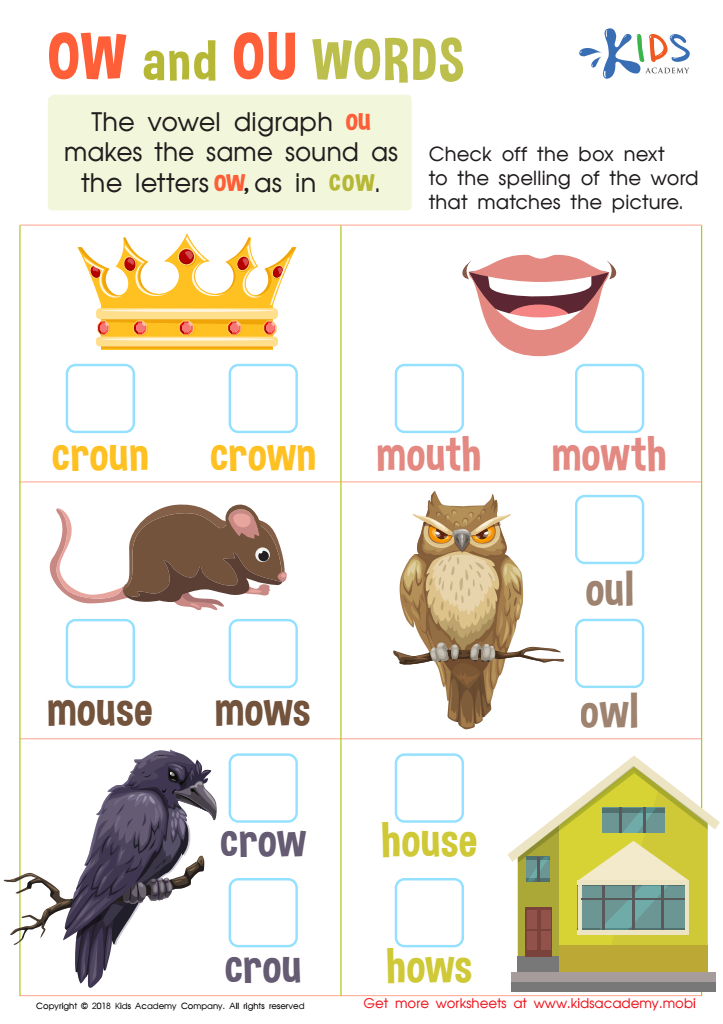
Reading: OW and OU Words Worksheet
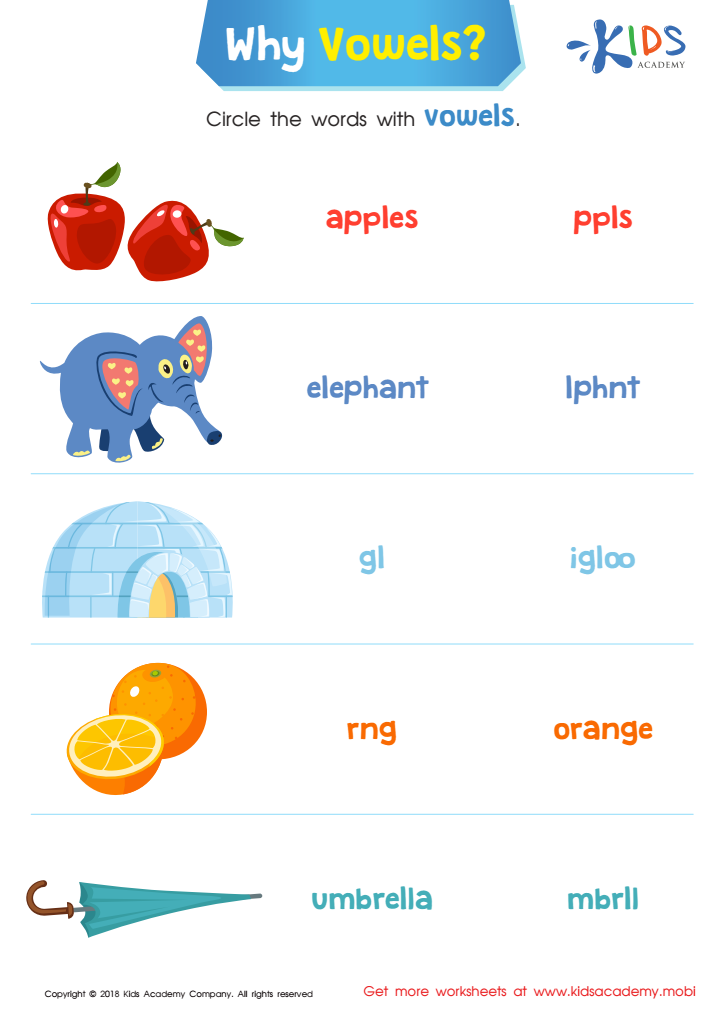
Why Vowels? Reading Worksheet
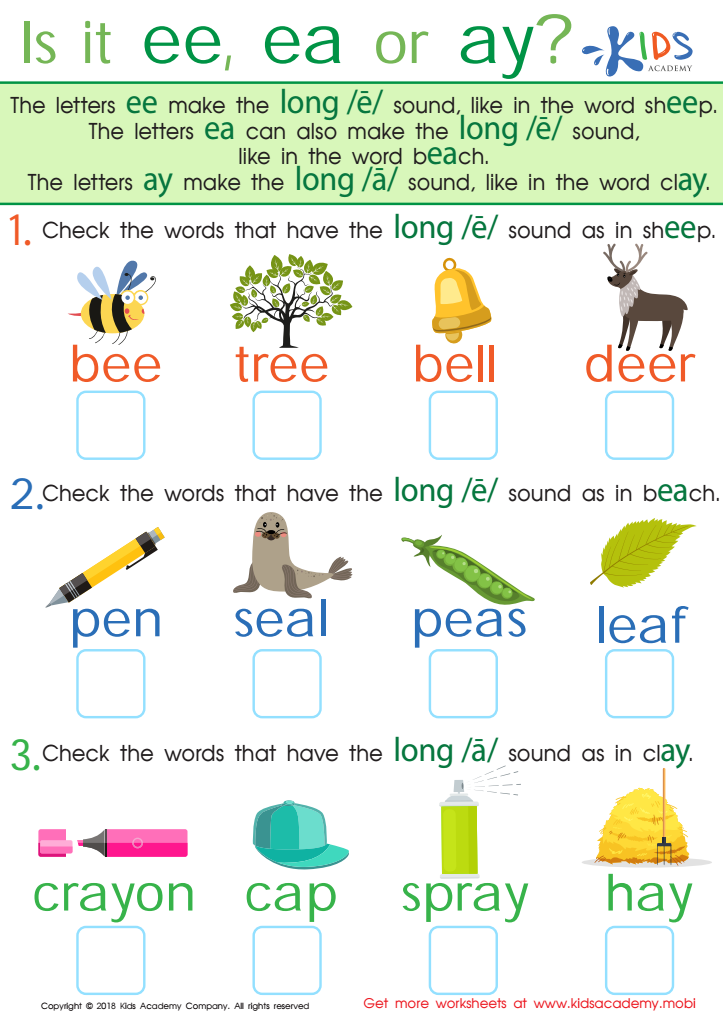
Is It EE, EA, or AY? Worksheet
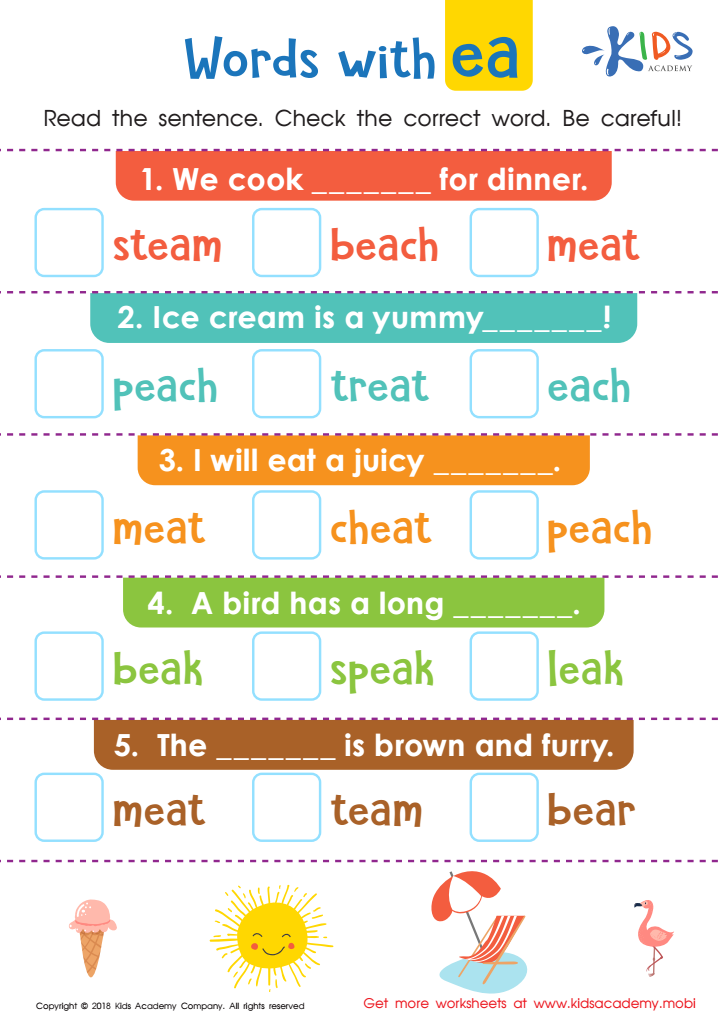
Words with ea Worksheet
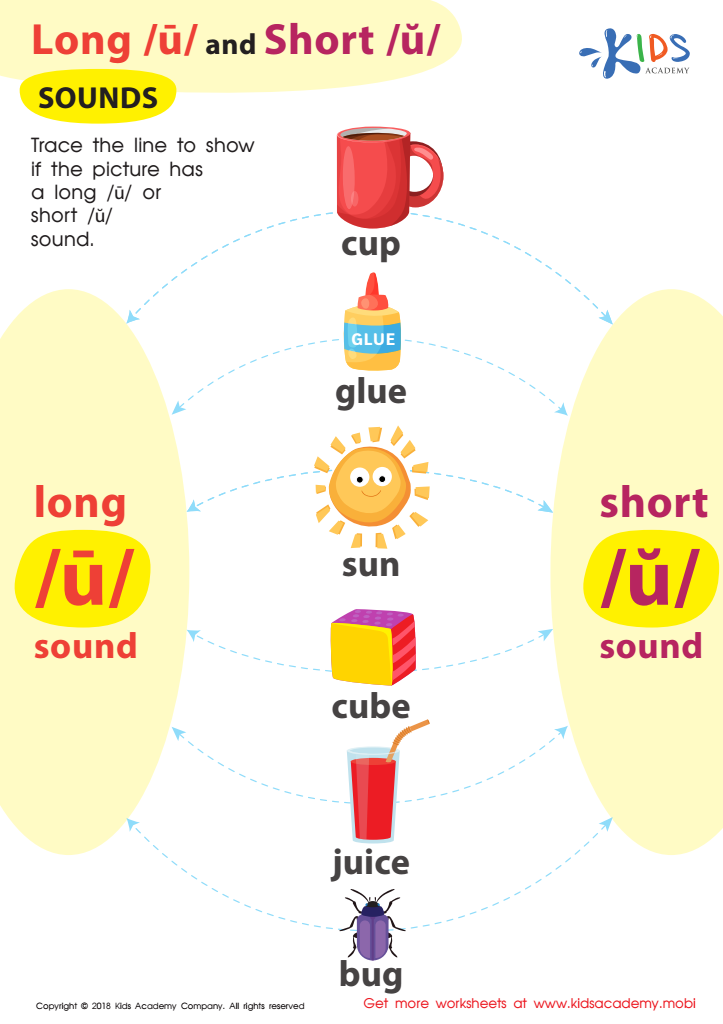
Reading: Long U and Short U Sounds Worksheet
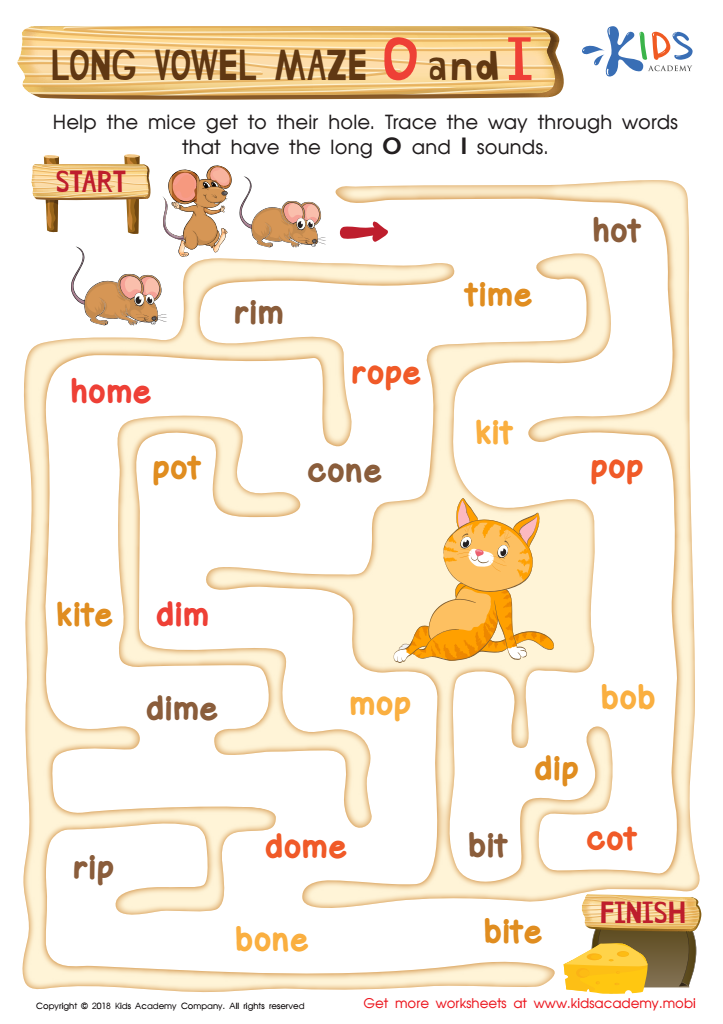
Long Vowel Maze /o/ and /i/ Worksheet
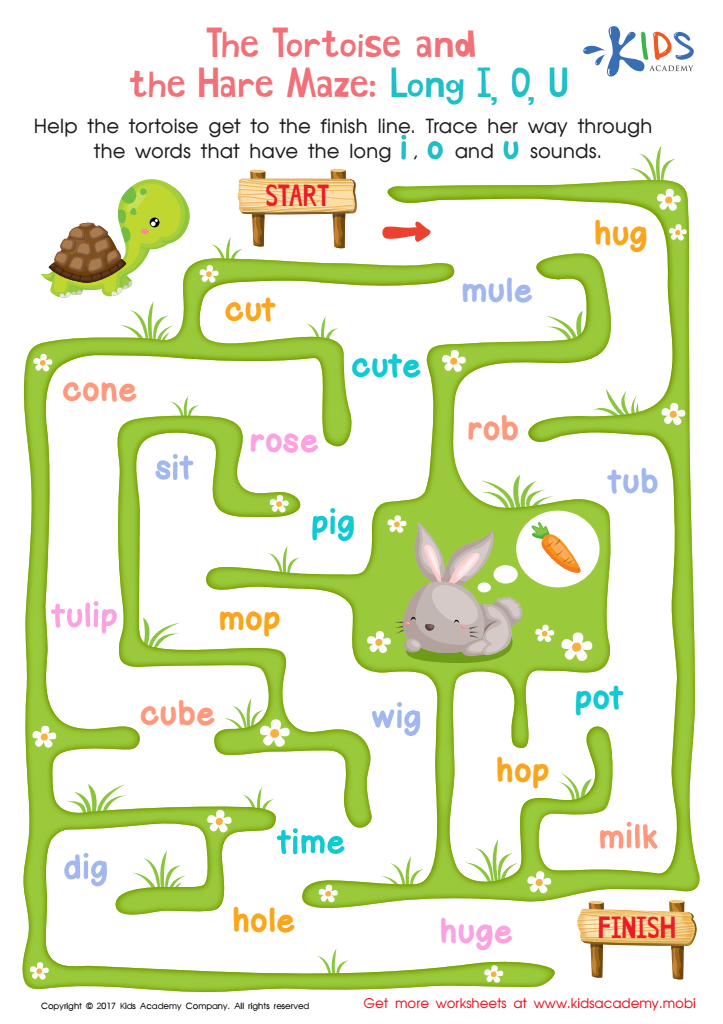
Long I, O, U Words Worksheet
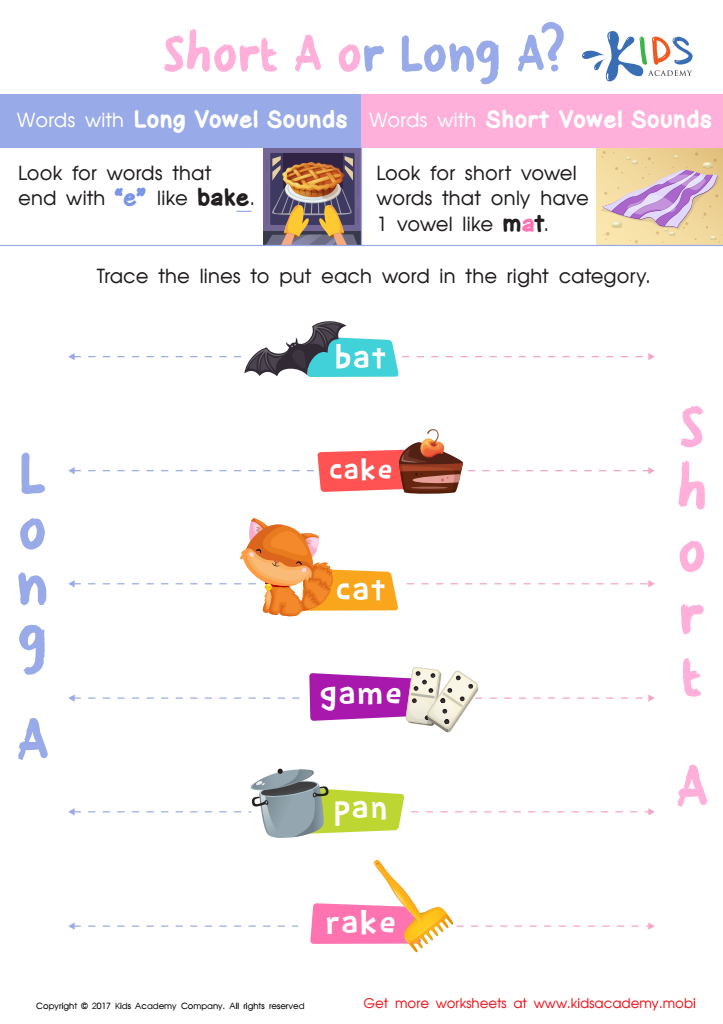
Short /a/ or Long /a/? Worksheet
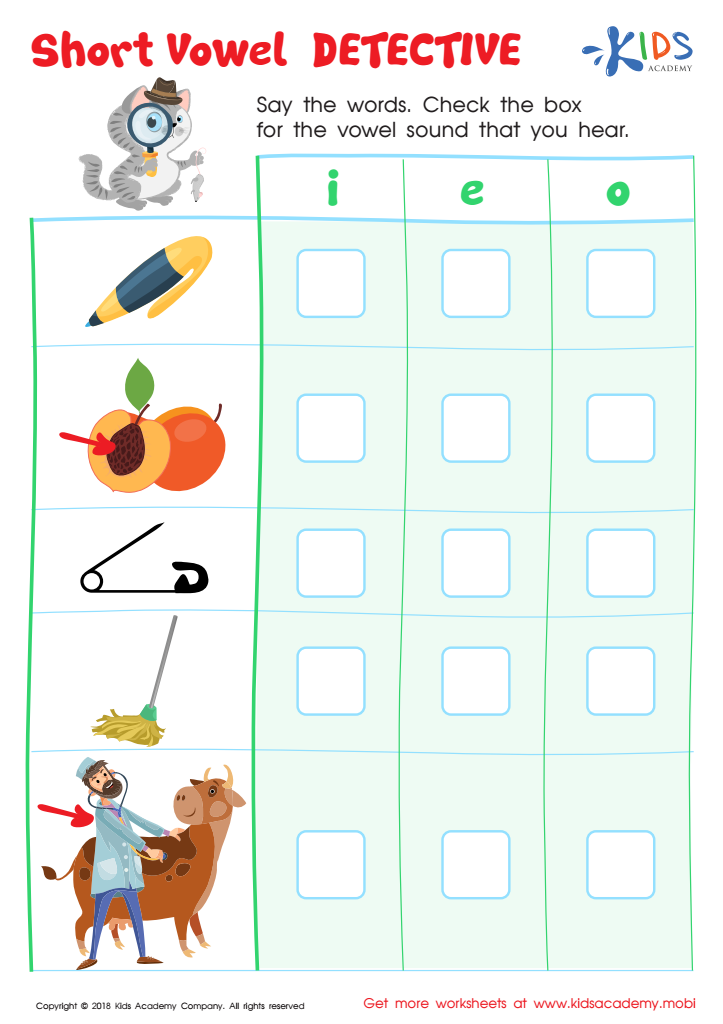
Short Vowel Detective Worksheet
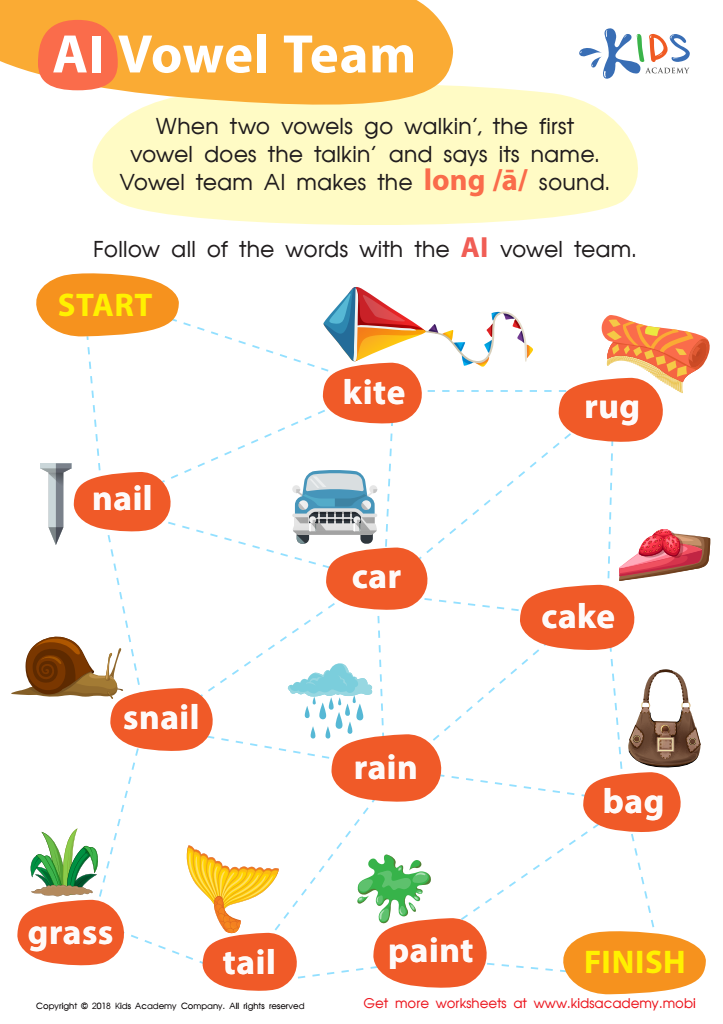
Reading: AI Vowel Team Worksheet
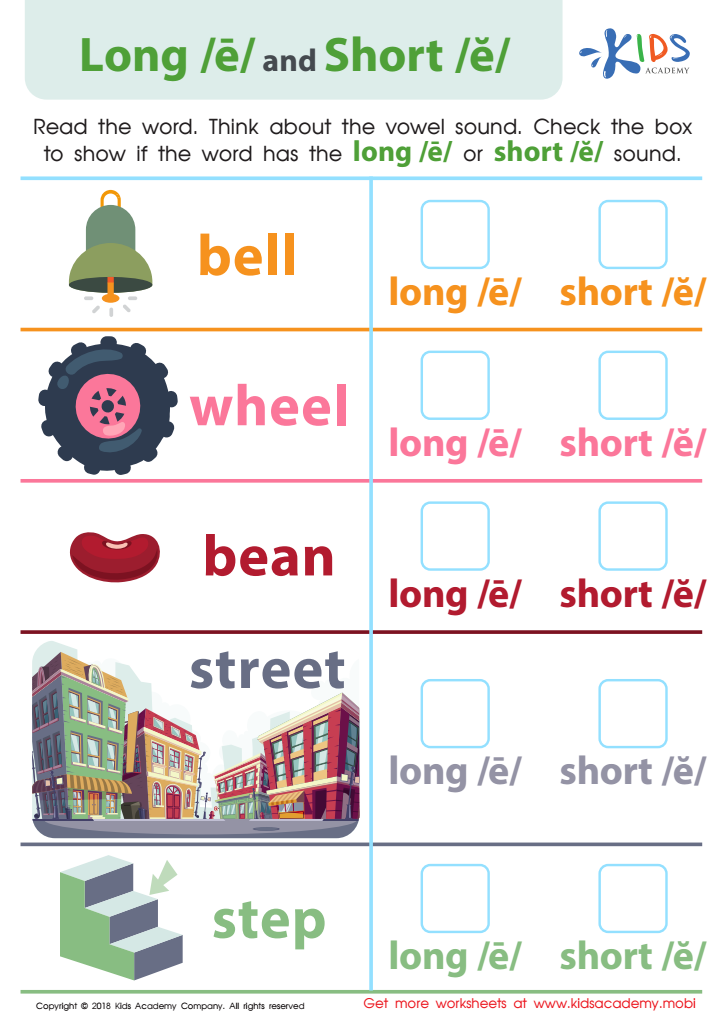
Reading: Long E and Short E Worksheet
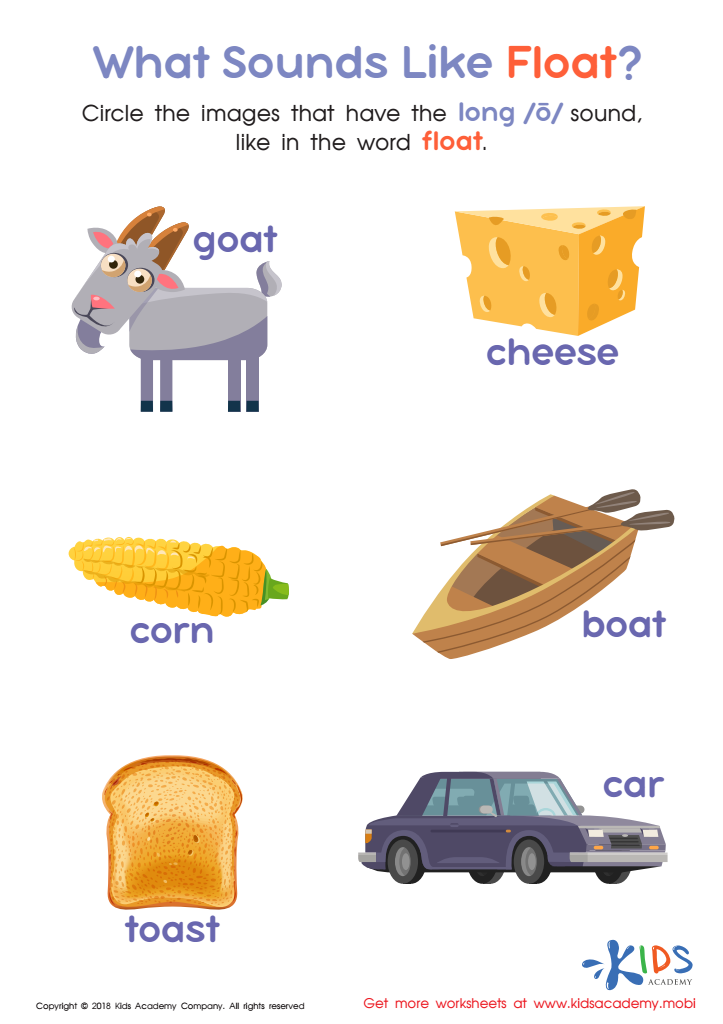
What Sounds Like Float? Worksheet
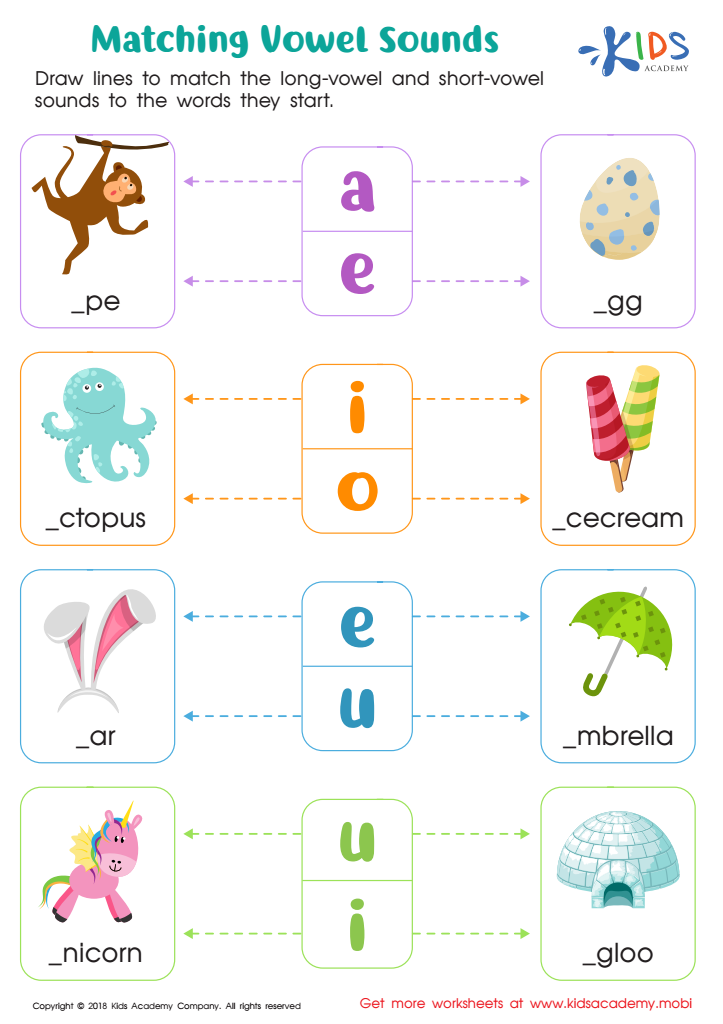
Matching Vowel Sounds Worksheet
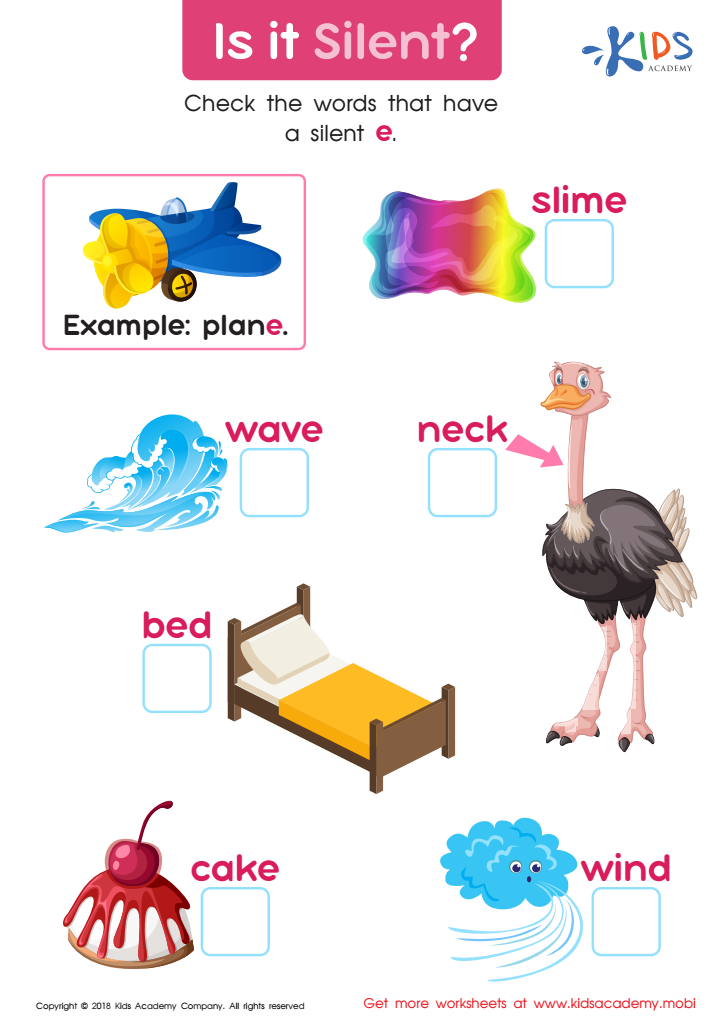
Is It Silent? Worksheet
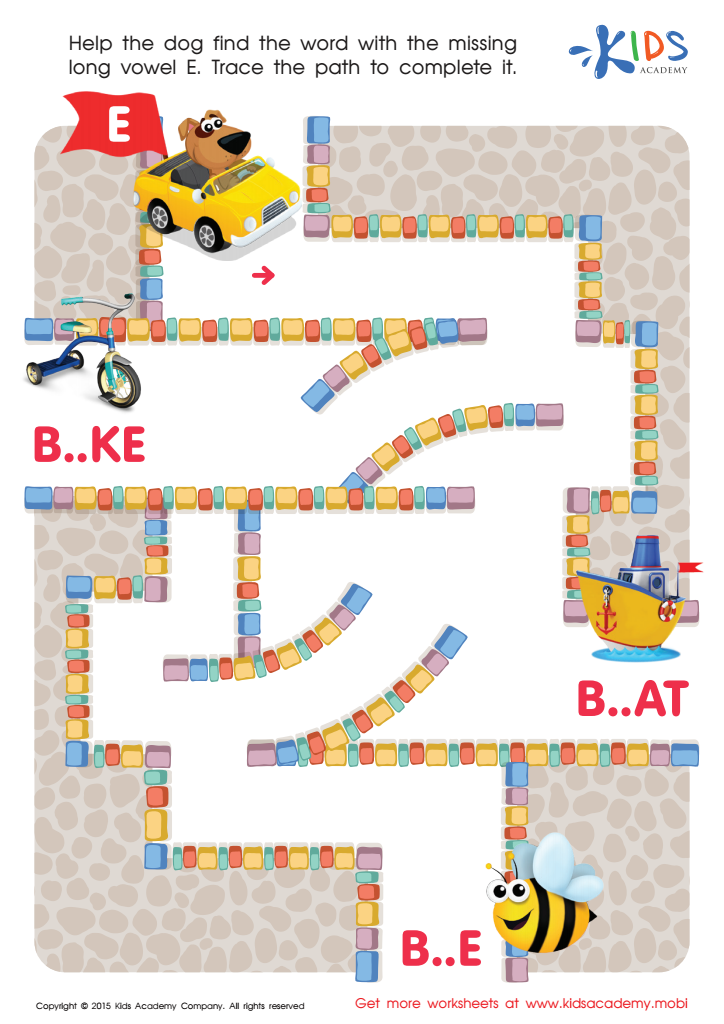
Long Vowel Sound E Worksheet
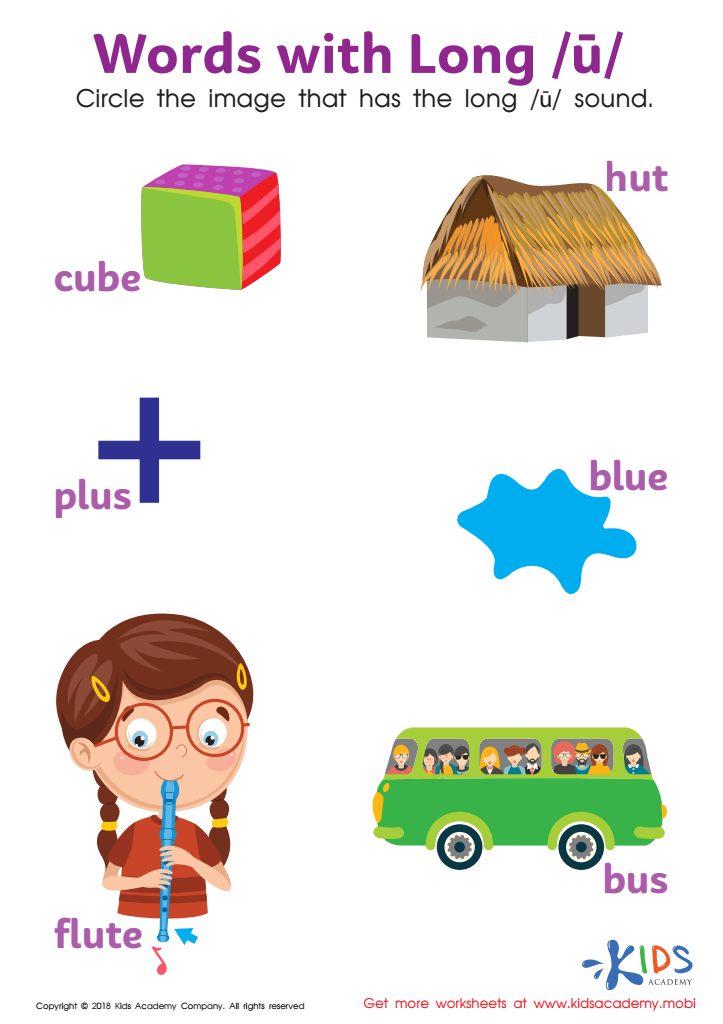
Words with Long U Reading Worksheet
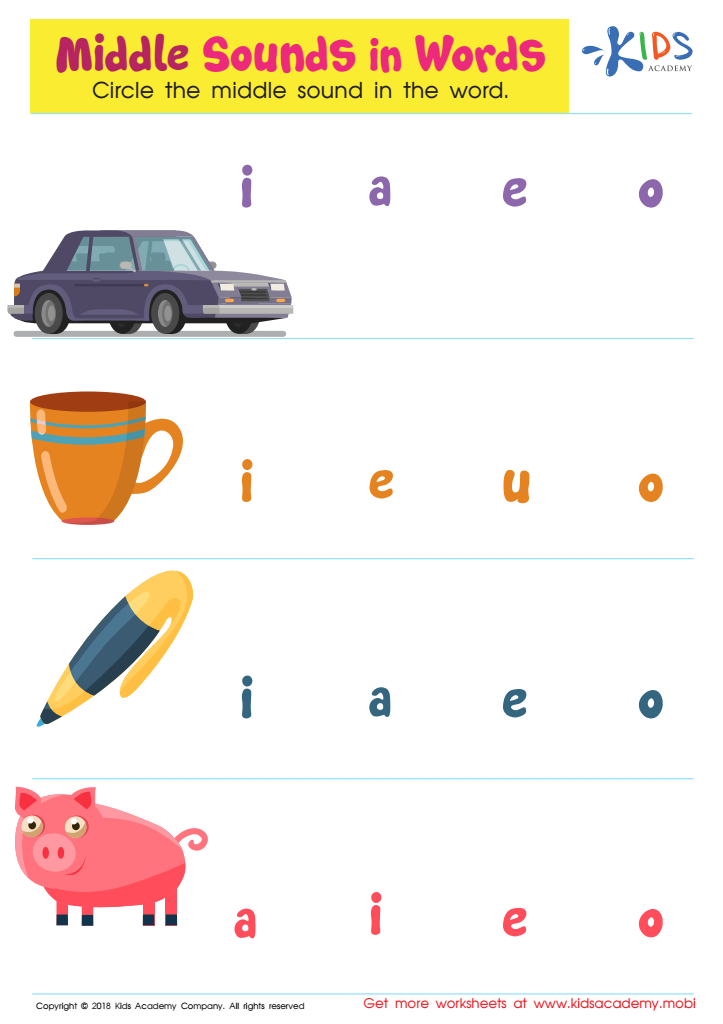
Middle Sounds in Words Worksheet





Vowels are fundamental to early literacy, and their mastery is crucial for young learners aged 4-7. At this stage, children's brains are exceptionally receptive to language acquisition, making it the ideal time to introduce foundational concepts. Vowels—A, E, I, O, and U—are the building blocks of English words, appearing in almost every word we speak and read. Understanding their sounds prepares children to decode new words, enhancing their reading fluency.
Recognizing and pronouncing vowel sounds also supports spelling and writing skills, as children learn to differentiate between long and short vowel sounds and see patterns in how words are constructed. For example, knowing that "cat" and "cake" have different vowel sounds helps young learners spell words correctly.
Moreover, vowels are essential for clear communication. Accurate vowel pronunciation aids in speaking properly and being understood by others. Early familiarity with vowels can significantly reduce future struggles with reading and speaking, fostering confidence and setting a solid academic foundation. Therefore, parents or teachers should prioritize teaching vowels, integrating engaging activities like songs, games, and phonics exercises to make learning enjoyable and effective for young children. Prioritizing vowels paves the way for lifelong literacy and communication skills.