Basic geometry understanding Worksheets for Ages 4-7
13 filtered results
-
From - To
Our Basic Geometry Understanding Worksheets for Ages 4-7 are designed to make learning fun and engaging for young children. These carefully crafted activities help kids grasp essential geometry concepts like shapes, sizes, patterns, and spatial awareness in an interactive way. With colorful illustrations and easy-to-follow instructions, our worksheets promote critical thinking, problem-solving, and fine motor skills. Ideal for both classroom settings and home practice, these printables offer a playful approach to foundational math education, setting the stage for future academic success. Download today for a fun, educational experience that nurtures a love for learning in every child!
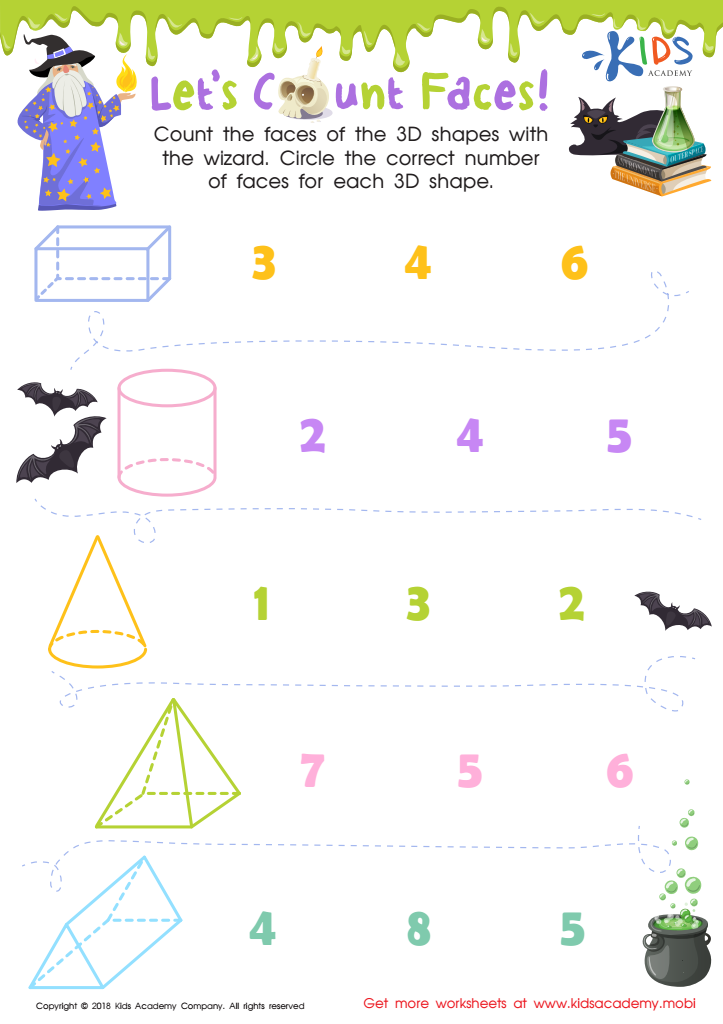
Let's Count Faces! Worksheet
 Assign to My Students
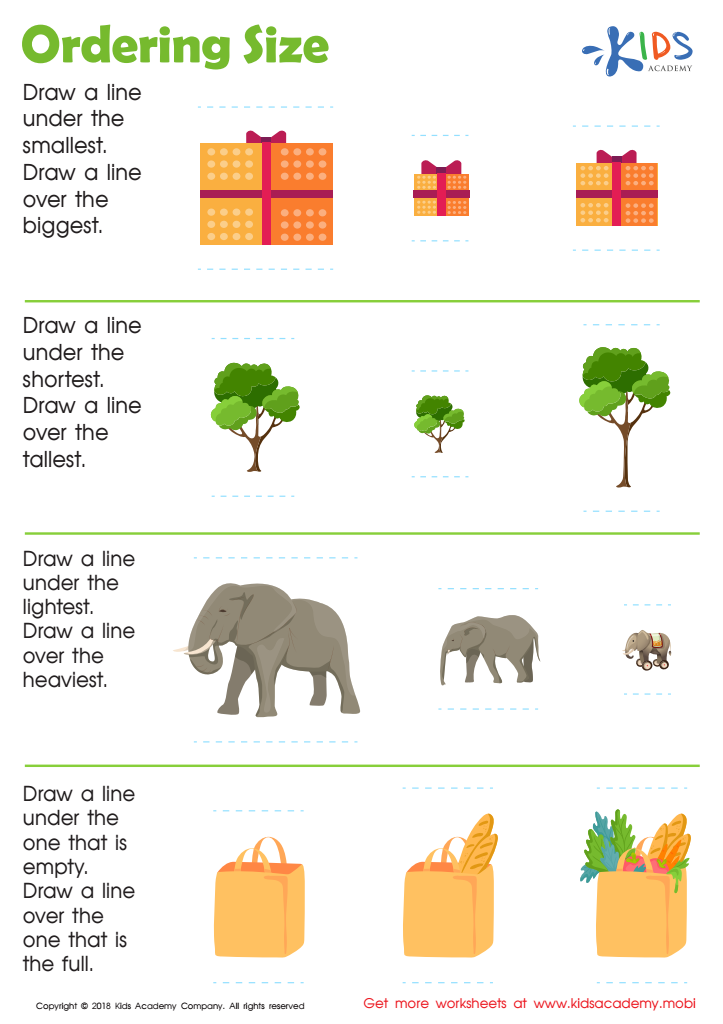
Ordering Size Worksheet
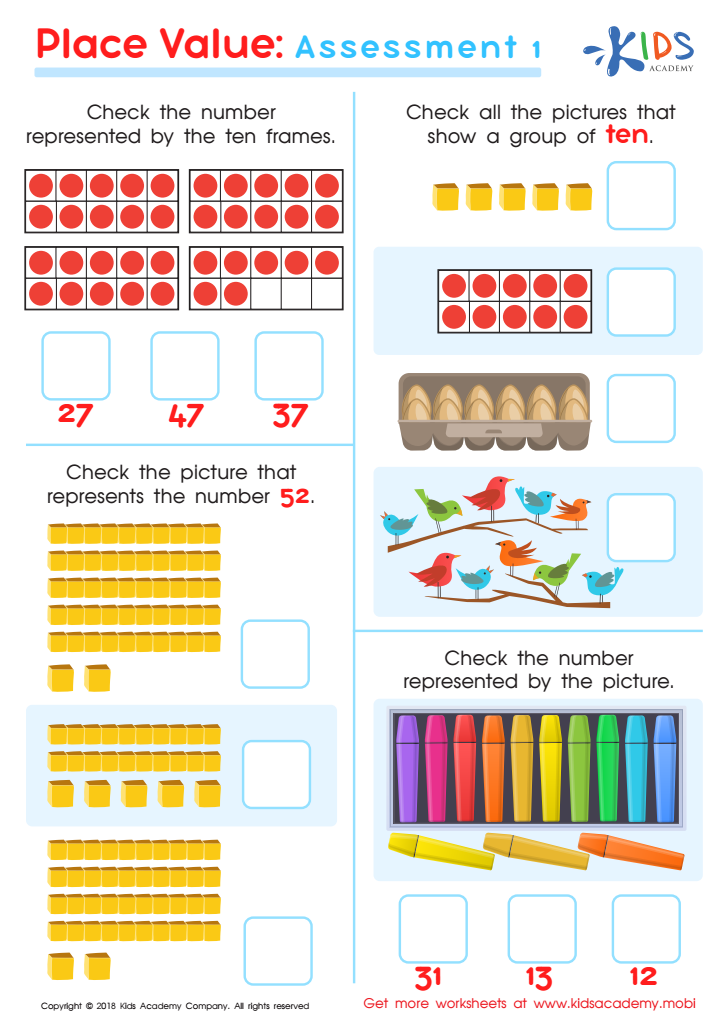
Place Value: Assessment 1 Worksheet
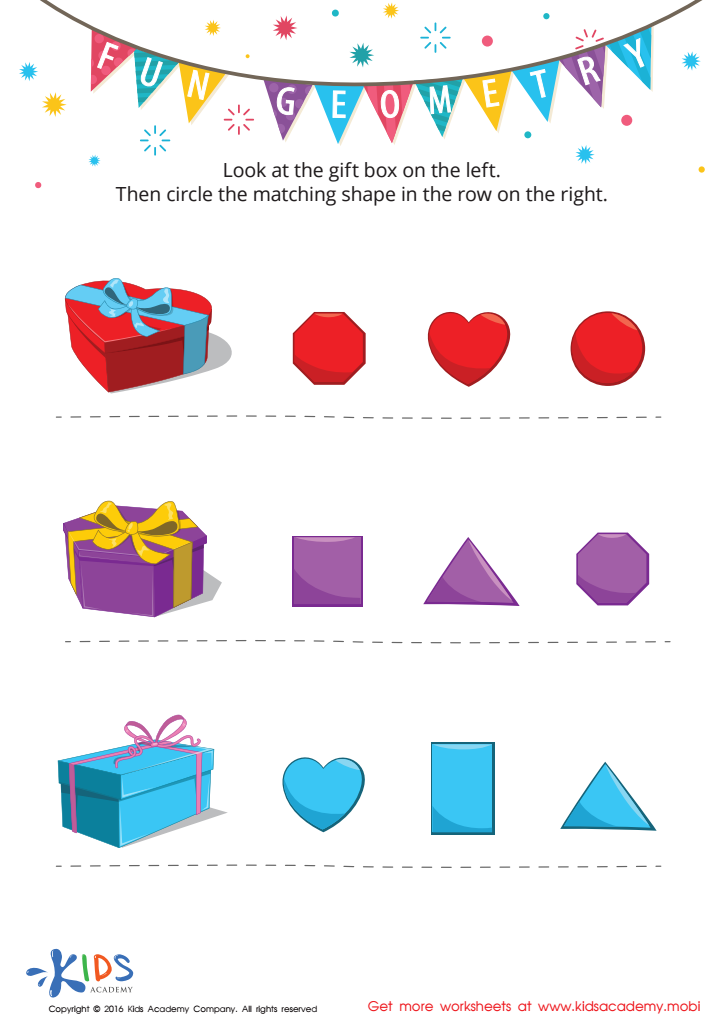
Fun Geometry Worksheet
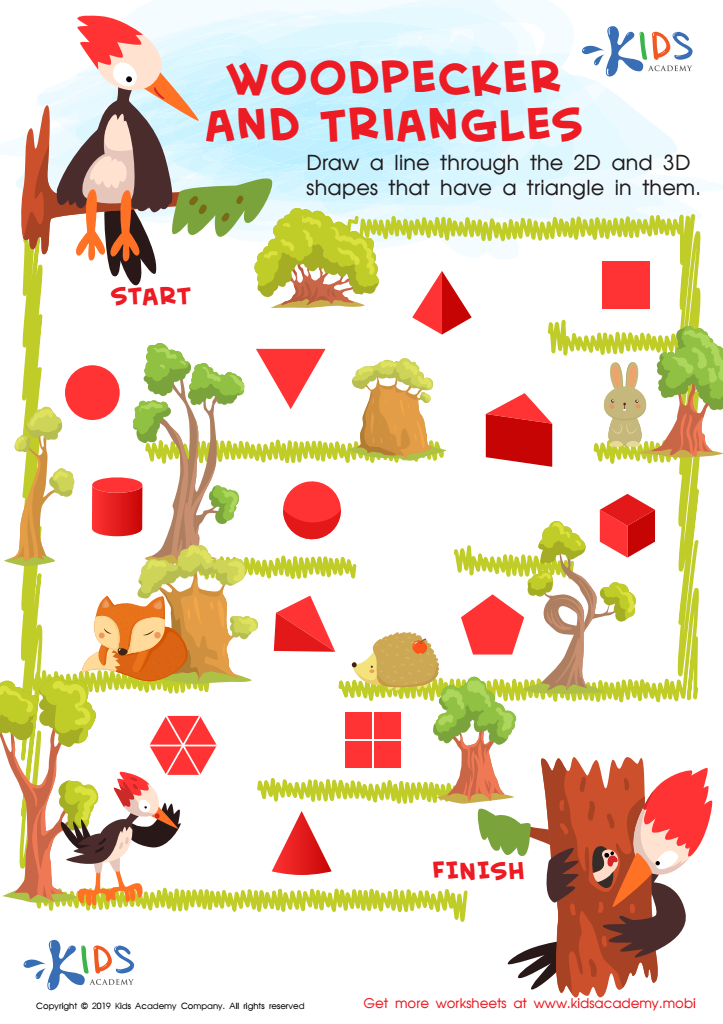
Woodpecker and Triangles Worksheet
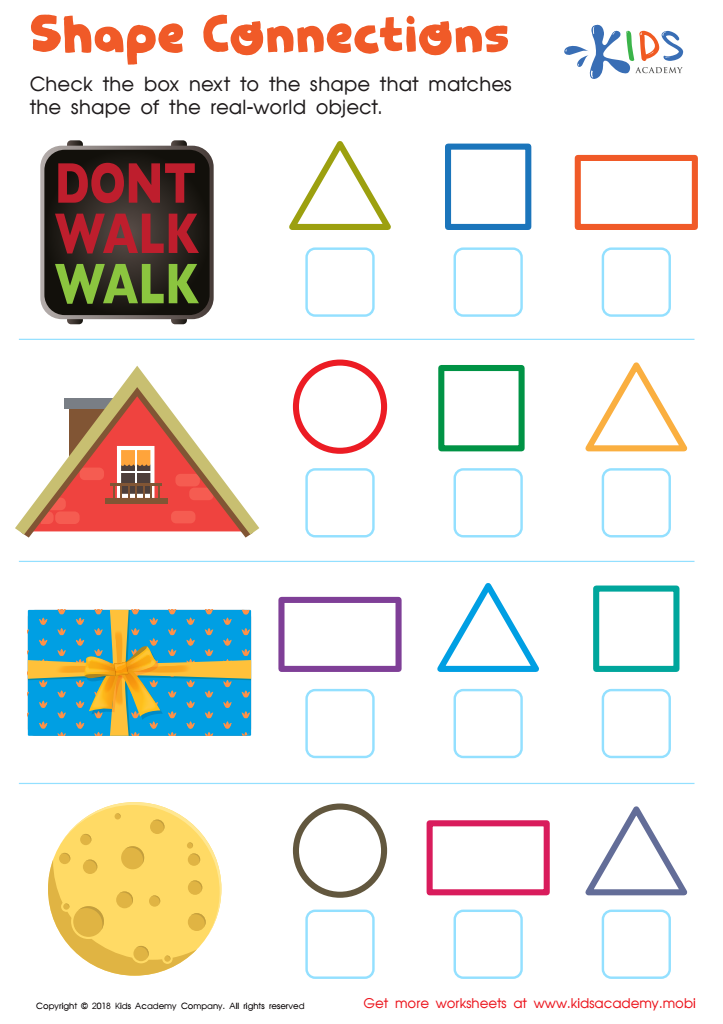
Shape Connections Worksheet
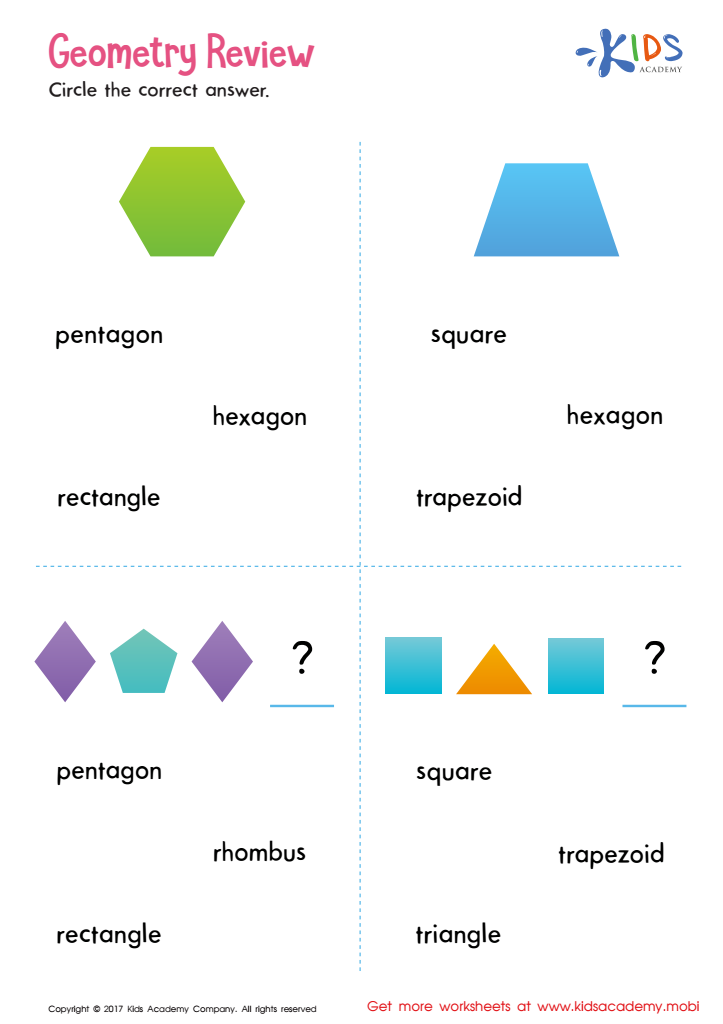
Geometry Review Printable
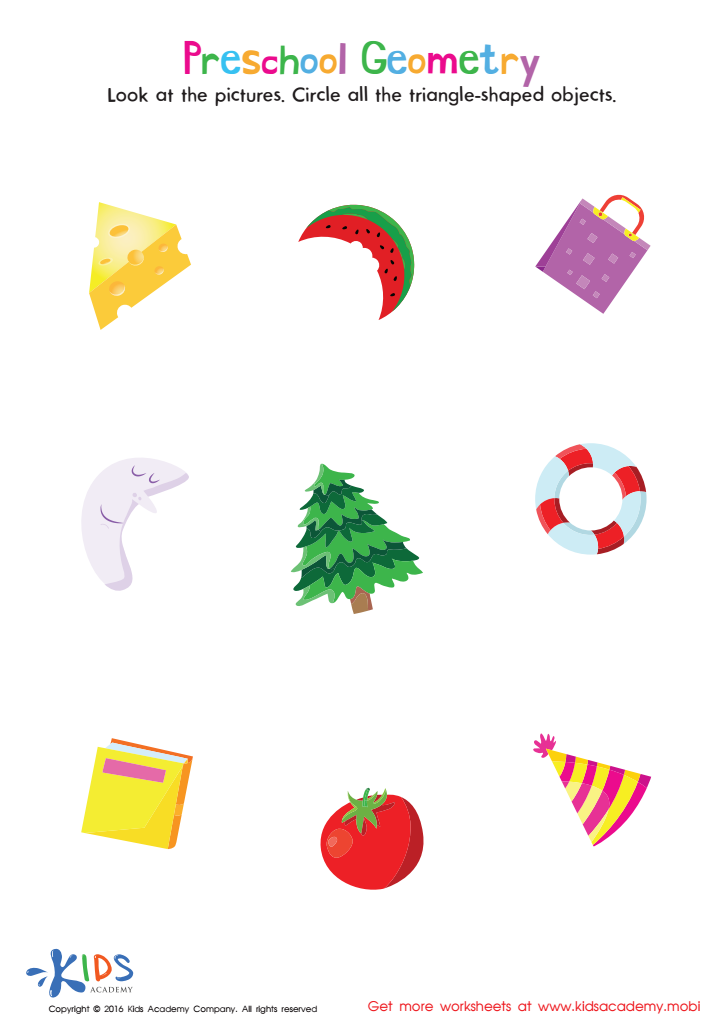
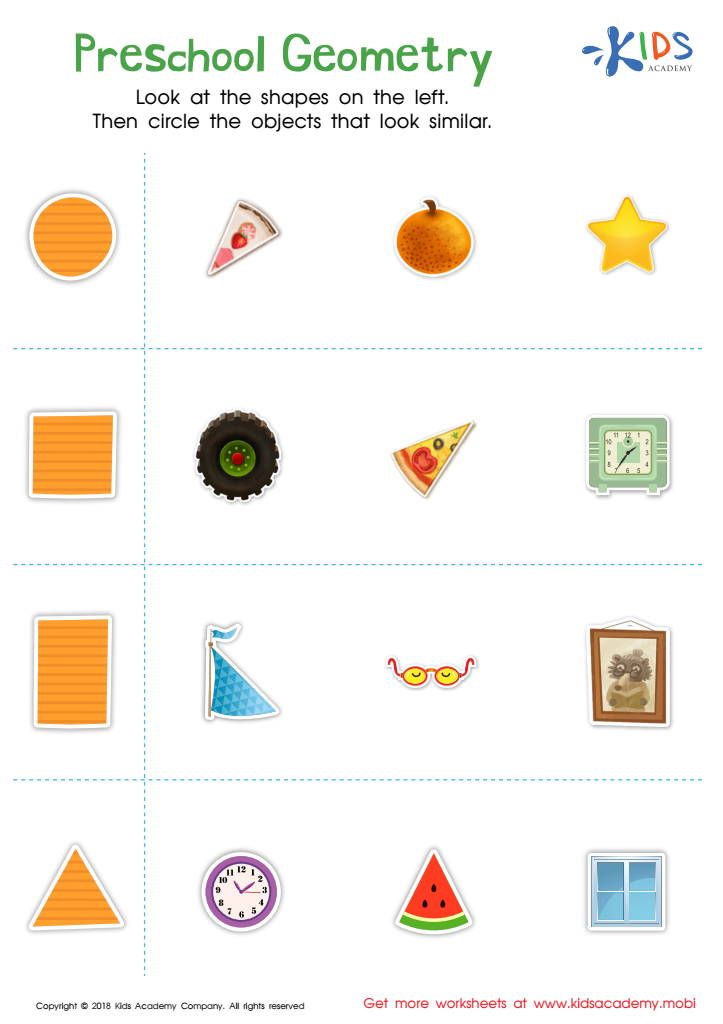
Preschool Geometry Worksheet
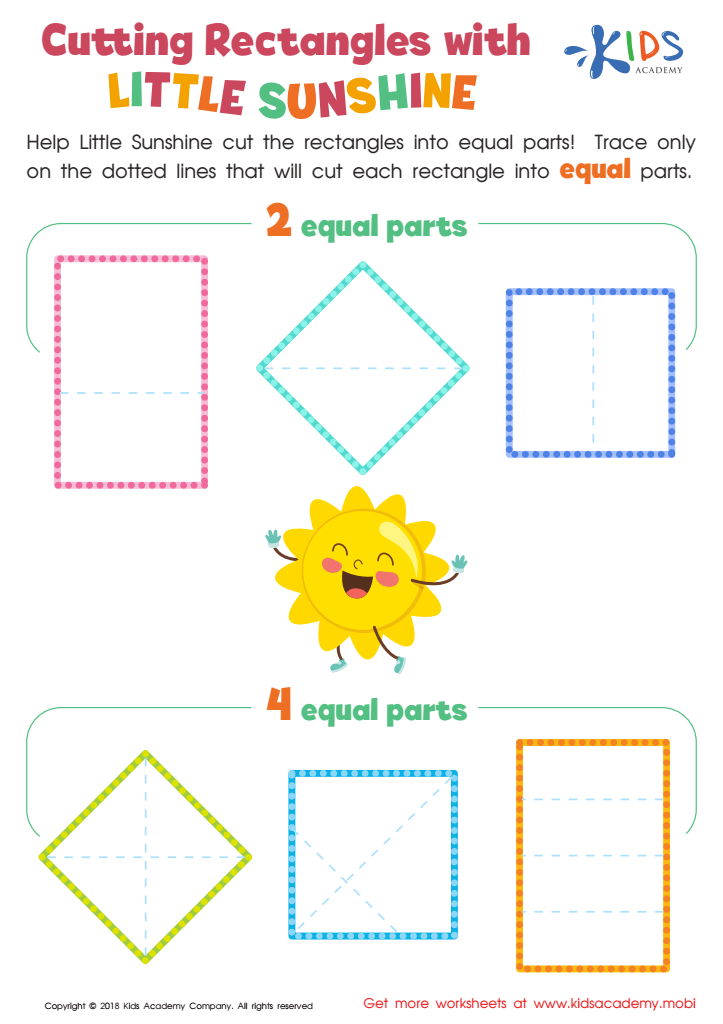
Cutting Rectangles with Little Sunshine Worksheet
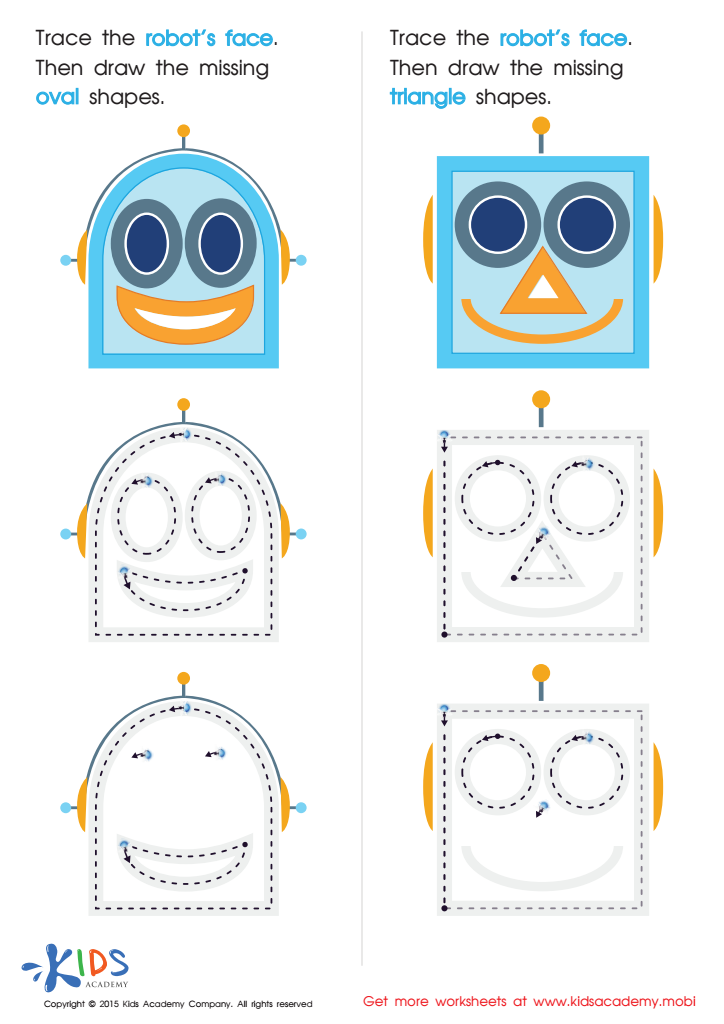
Drawing Ovals And Triangles with Fun Printable
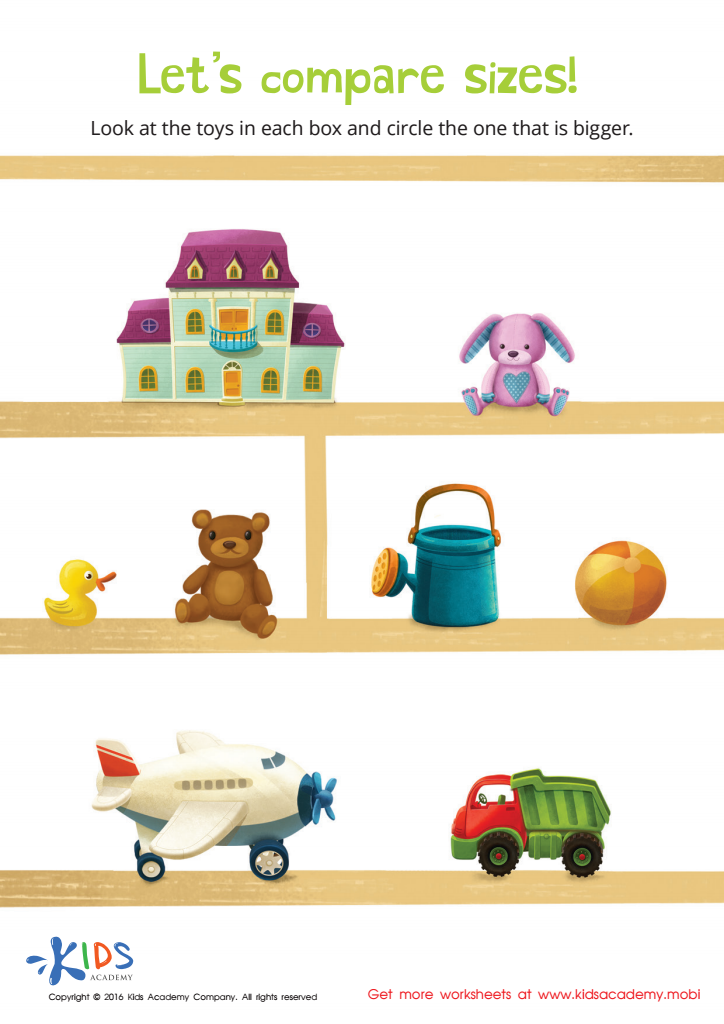
Classifying by Size Sorting Worksheet







Basic geometry understanding for ages 4-7 is crucial as it lays the foundation for more advanced mathematical concepts. Parents and teachers should care about fostering this foundation because it enhances spatial reasoning skills, essential for everyday problem-solving. Understanding shapes, sizes, and spatial relationships aids in activities such as reading and writing, as children recognize and differentiate between letters and numbers.
Learning geometry at an early age also supports the development of fine motor skills. Activities like drawing shapes or building with blocks improve hand-eye coordination and dexterity. Engaging with geometric concepts can be fun and stimulating, encouraging curiosity and a love for learning.
Moreover, early exposure to geometry helps in developing broader cognitive skills. It enhances pattern recognition, logical thinking, and organization skills, which are important across all areas of learning, including science and technology. Understanding basic geometry also provides children with vocabulary to describe the world around them, improving their communication skills.
Most importantly, grasping basic geometry builds confidence in tackling mathematical tasks. When children succeed in understanding simple concepts, they are more likely to approach complex problems with a positive mindset, fostering academic growth and resilience. Thus, focusing on basic geometry is an investment in a child’s overall intellectual development.








