Filters

1235 filtered results

Clear all filters
Favorites
With answer key
Interactive

1235 filtered results

Difficulty Level

Grade


Subject

    Check out this FREE Trial Lesson on Addition for age 4-7!

    My Family

    Favorites
    With answer key
    Interactive
    • 4-7
    • Addition
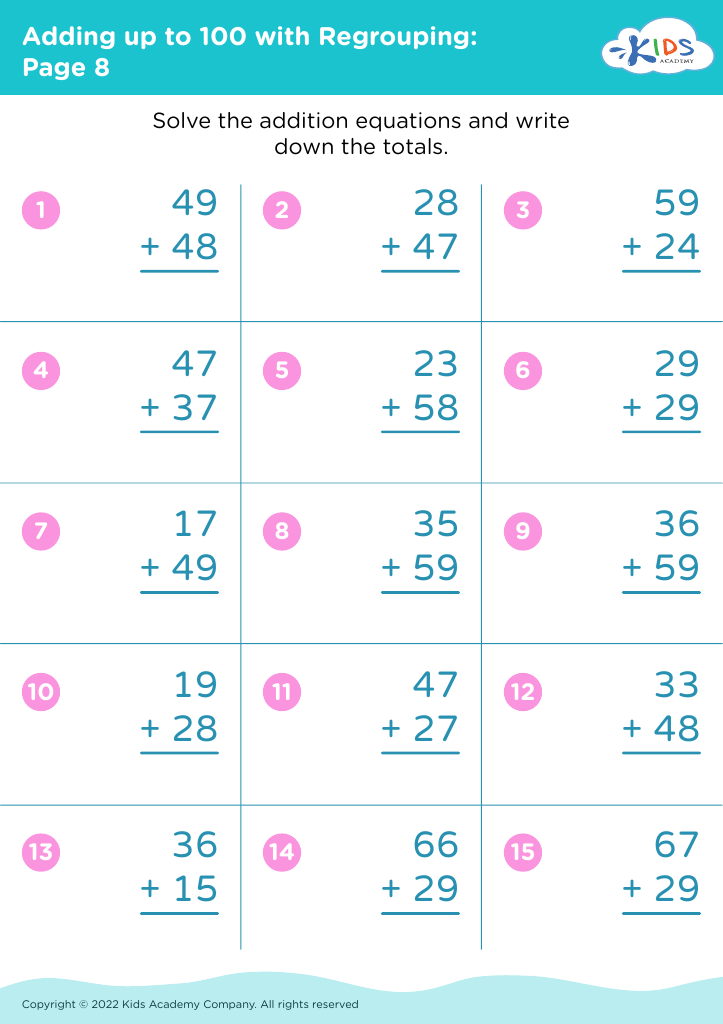
    Adding up to 100 with Regrouping: Page 8
    Adding up to 100 with Regrouping: Page 8
    Adding up to 100 with Regrouping: Page 8
    Worksheet
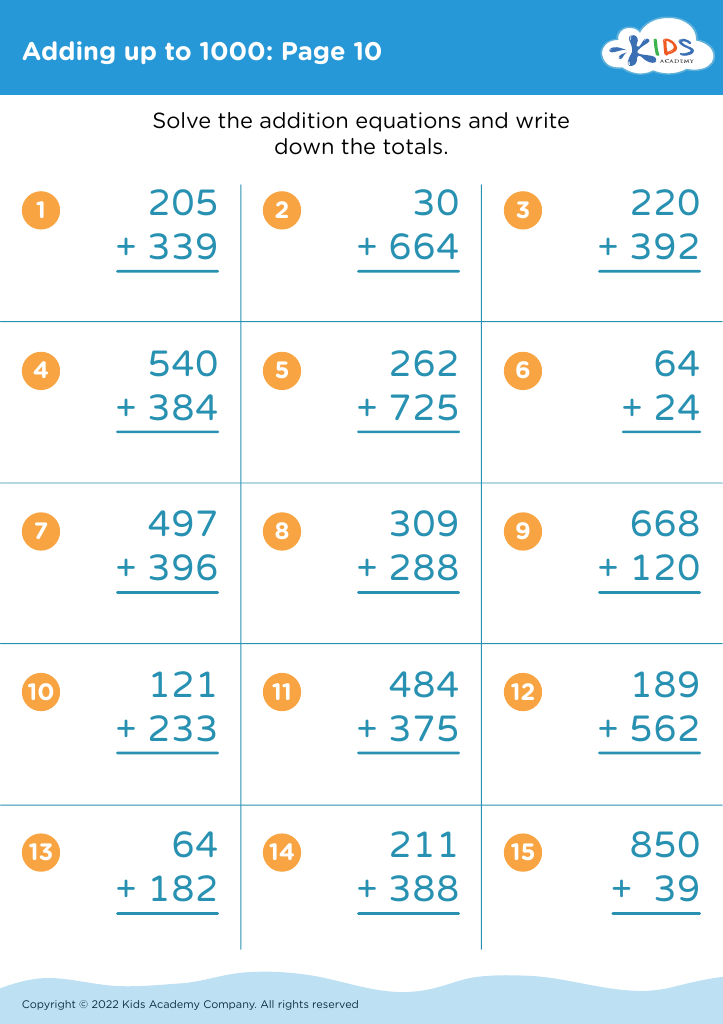
    Adding up to 1000: Page 10
    Adding up to 1000: Page 10

    Adding up to 1000: Page 10

    Adding up to 1000: Page 10
    Worksheet
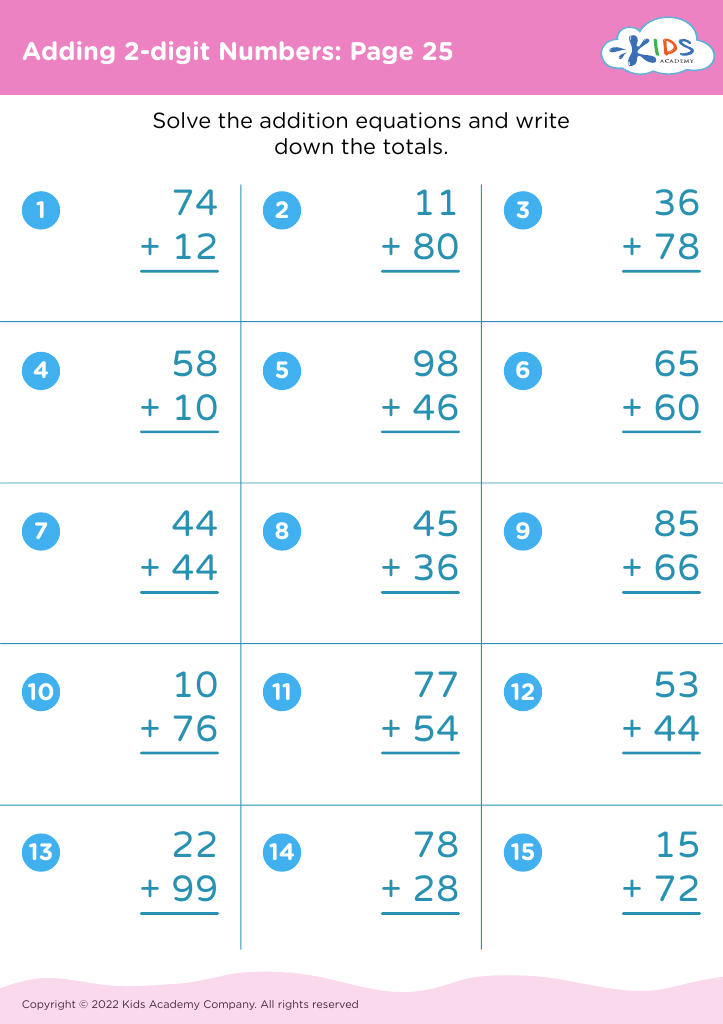
    Adding 2-digit Numbers: Page 25
    Adding 2-digit Numbers: Page 25

    Adding 2-digit Numbers: Page 25

    Adding 2-digit Numbers: Page 25
    Worksheet
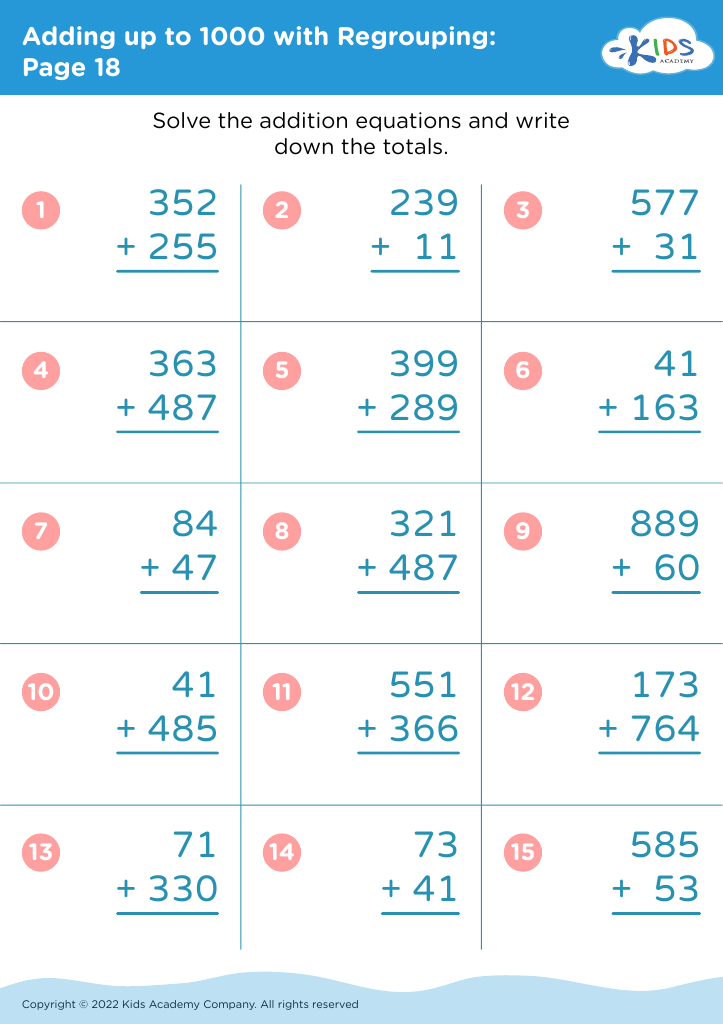
    Adding up to 1000 with Regrouping: Page 18
    Adding up to 1000 with Regrouping: Page 18
    Adding up to 1000 with Regrouping: Page 18
    Worksheet
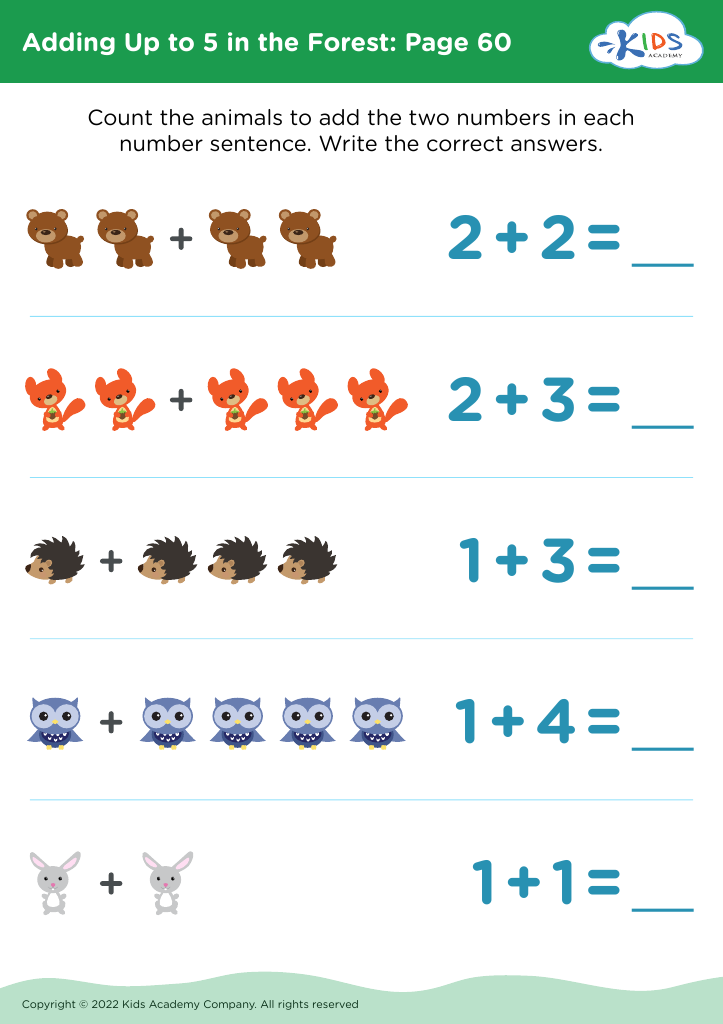
    Adding Up to 5 in the Forest: Page 60
    Adding Up to 5 in the Forest: Page 60
    Adding Up to 5 in the Forest: Page 60
    Worksheet
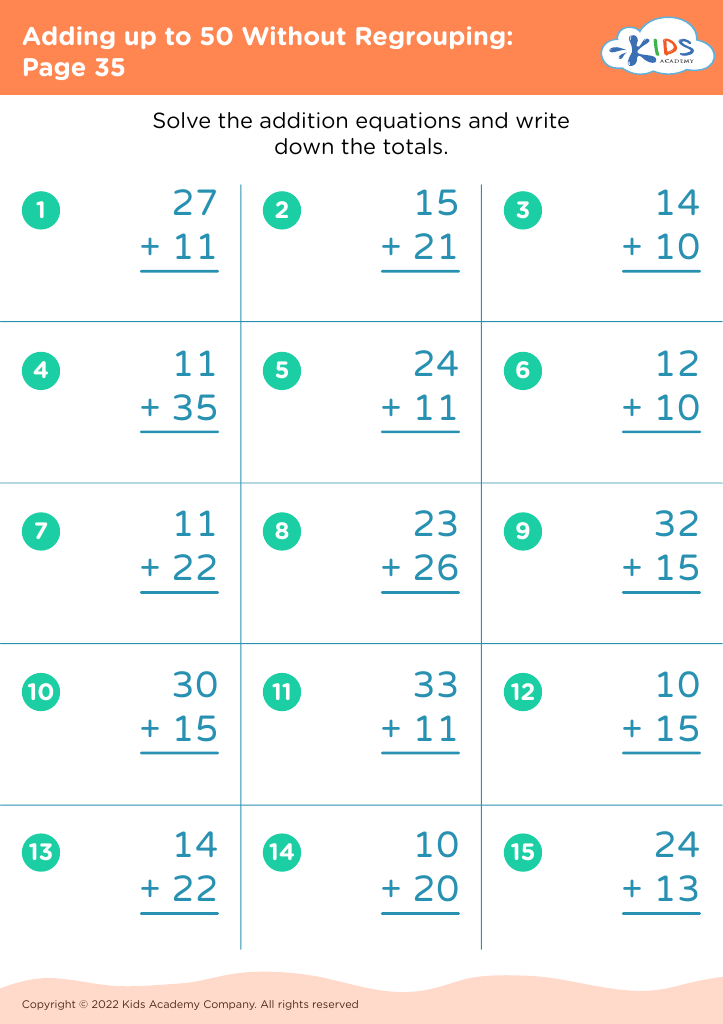
    Adding up to 50 Without Regrouping: Page 35
    Adding up to 50 Without Regrouping: Page 35
    Adding up to 50 Without Regrouping: Page 35
    Worksheet
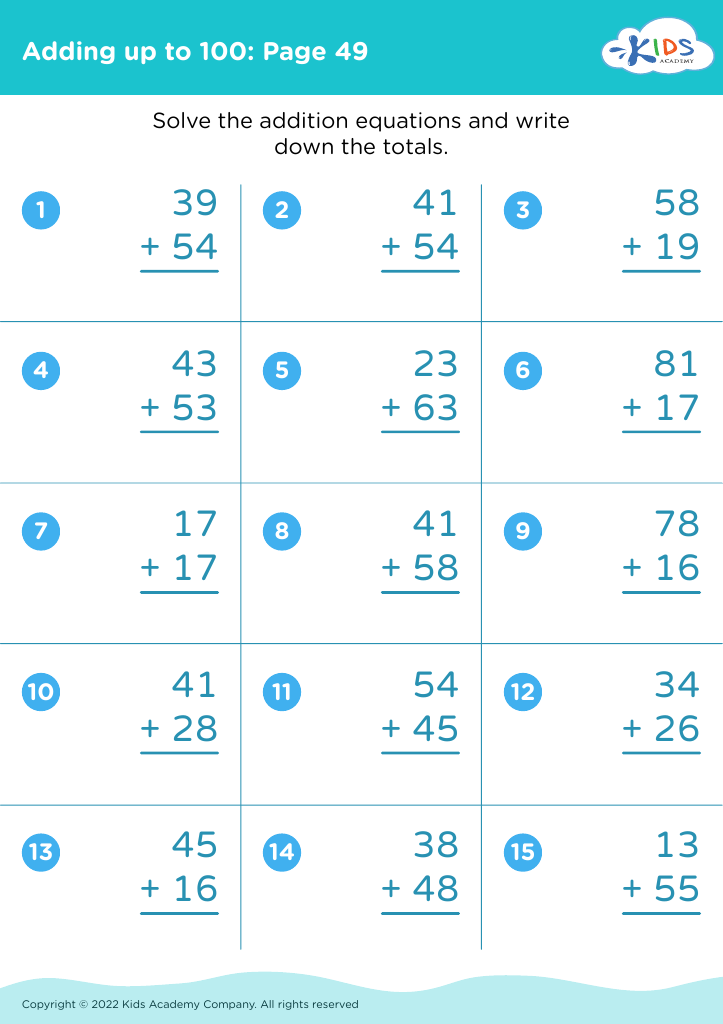
    Adding up to 100: Page 49
    Adding up to 100: Page 49

    Adding up to 100: Page 49

    Adding up to 100: Page 49
    Worksheet
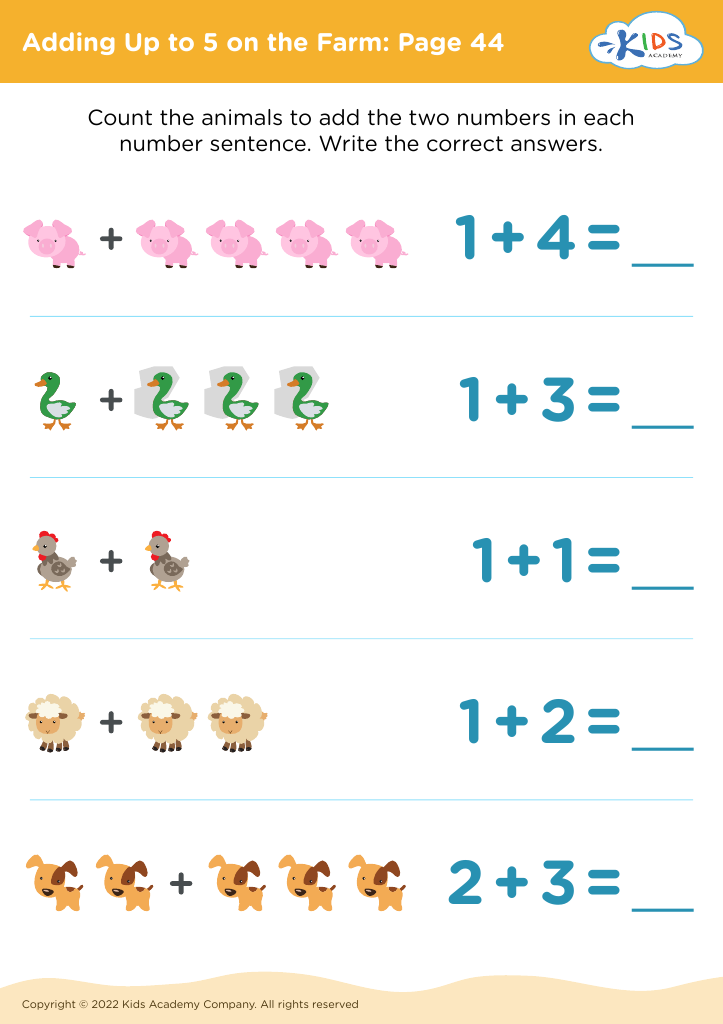
    Adding Up to 5 on the Farm: Page 44
    Adding Up to 5 on the Farm: Page 44
    Adding Up to 5 on the Farm: Page 44
    Worksheet
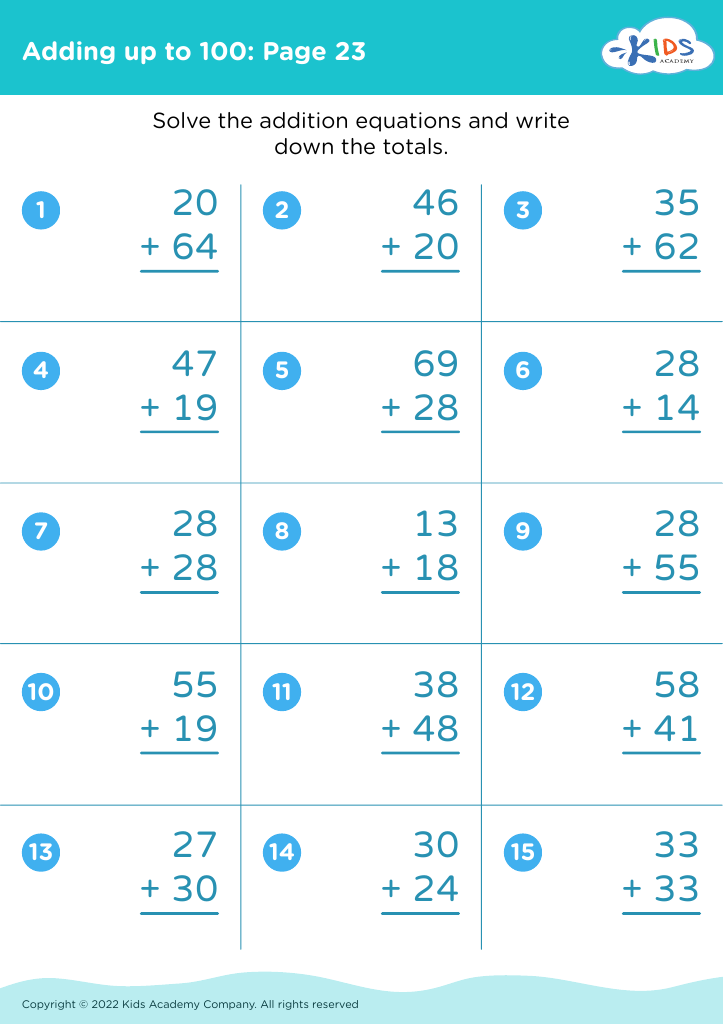
    Adding up to 100: Page 23
    Adding up to 100: Page 23

    Adding up to 100: Page 23

    Adding up to 100: Page 23
    Worksheet
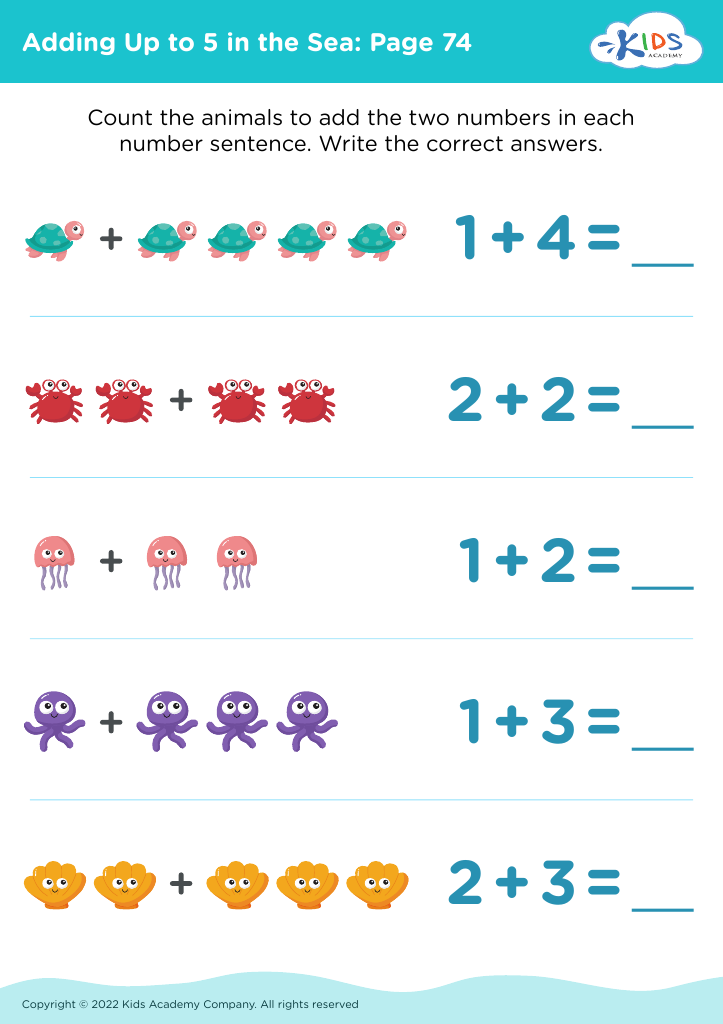
    Adding Up to 5 in the Sea: Page 74
    Adding Up to 5 in the Sea: Page 74
    Adding Up to 5 in the Sea: Page 74
    Worksheet
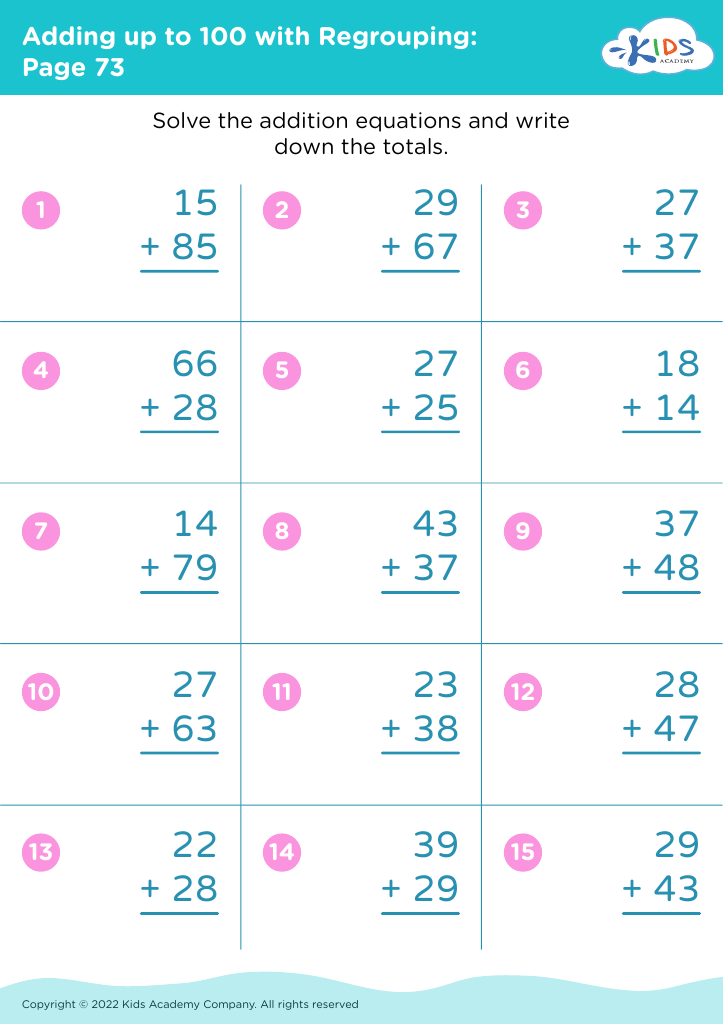
    Adding up to 100 with Regrouping: Page 73
    Adding up to 100 with Regrouping: Page 73
    Adding up to 100 with Regrouping: Page 73
    Worksheet
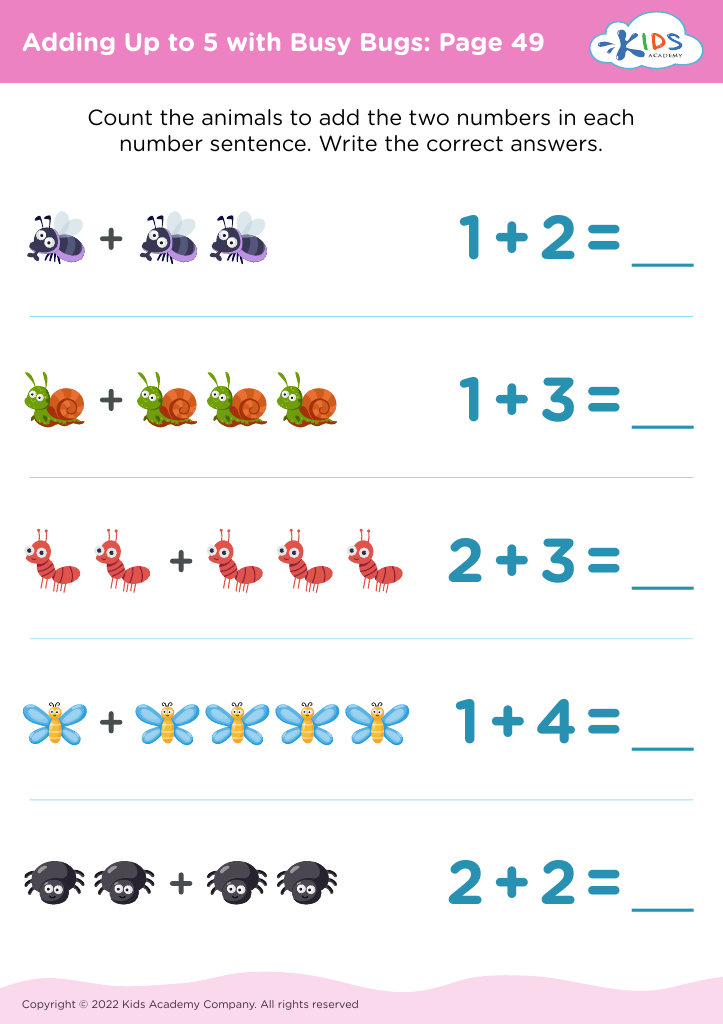
    Adding Up to 5 with Busy Bugs: Page 49
    Adding Up to 5 with Busy Bugs: Page 49
    Adding Up to 5 with Busy Bugs: Page 49
    Worksheet
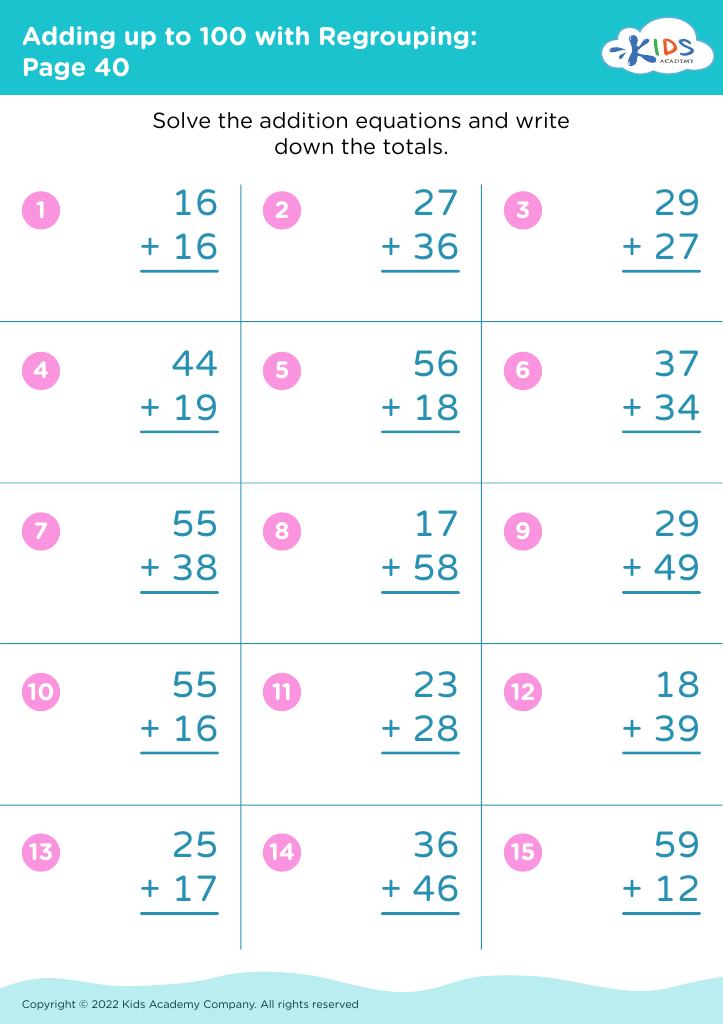
    Adding up to 100 with Regrouping: Page 40
    Adding up to 100 with Regrouping: Page 40
    Adding up to 100 with Regrouping: Page 40
    Worksheet
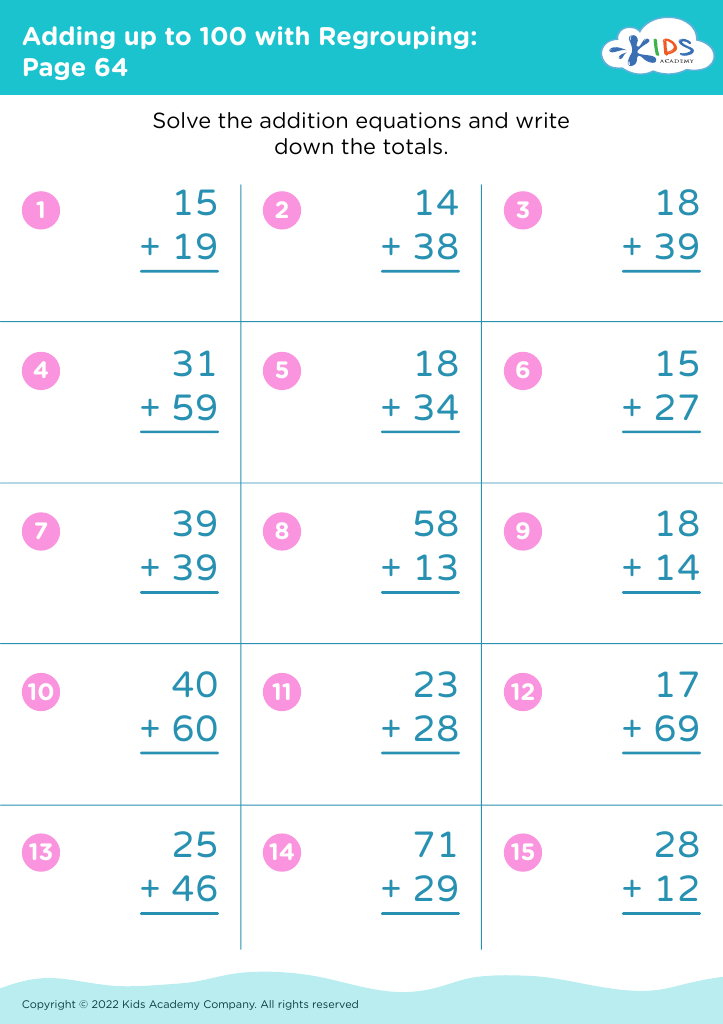
    Adding up to 100 with Regrouping: Page 64
    Adding up to 100 with Regrouping: Page 64
    Adding up to 100 with Regrouping: Page 64
    Worksheet
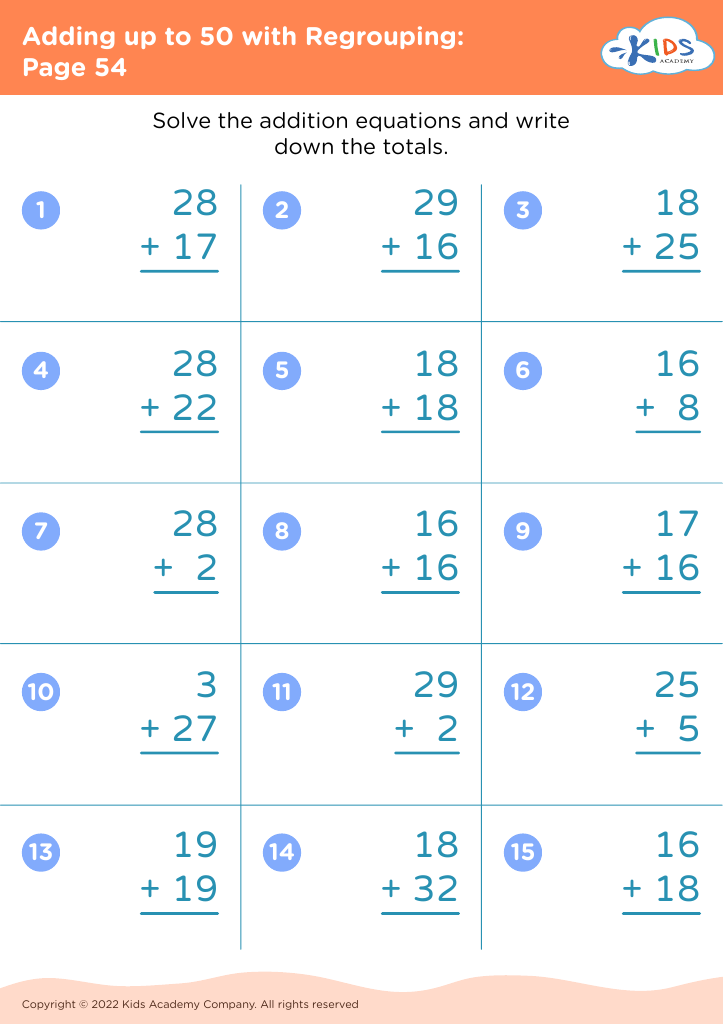
    Adding up to 50 with Regrouping: Page 54
    Adding up to 50 with Regrouping: Page 54
    Adding up to 50 with Regrouping: Page 54
    Worksheet
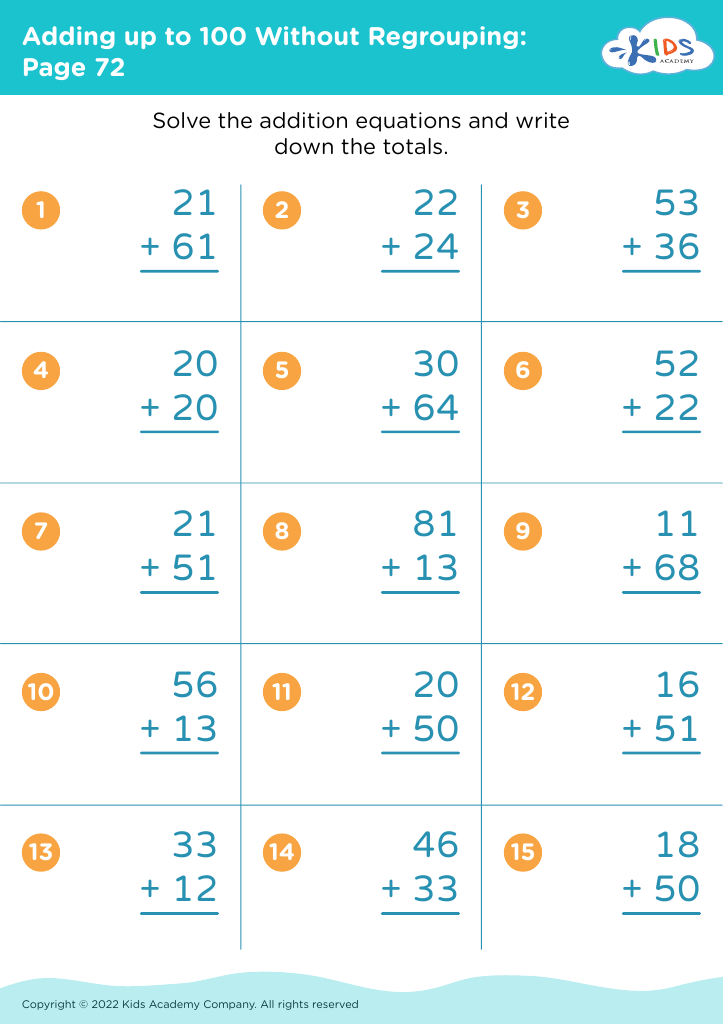
    Adding up to 100 Without Regrouping: Page 72
    Adding up to 100 Without Regrouping: Page 72
    Adding up to 100 Without Regrouping: Page 72
    Worksheet
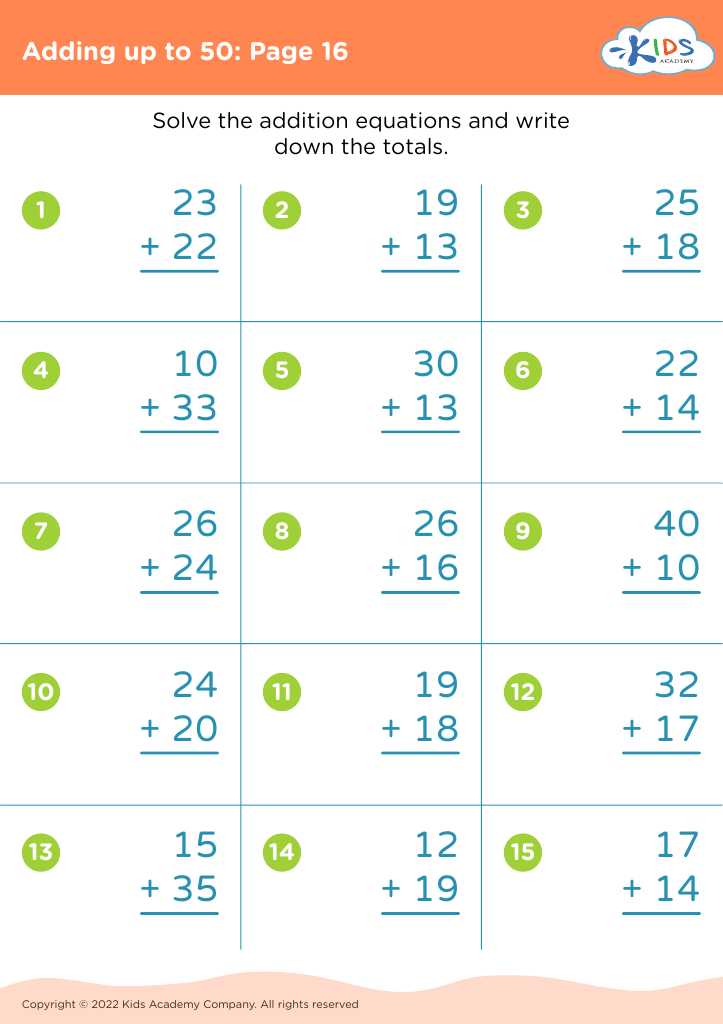
    Adding up to 50: Page 16
    Adding up to 50: Page 16

    Adding up to 50: Page 16

    Adding up to 50: Page 16
    Worksheet
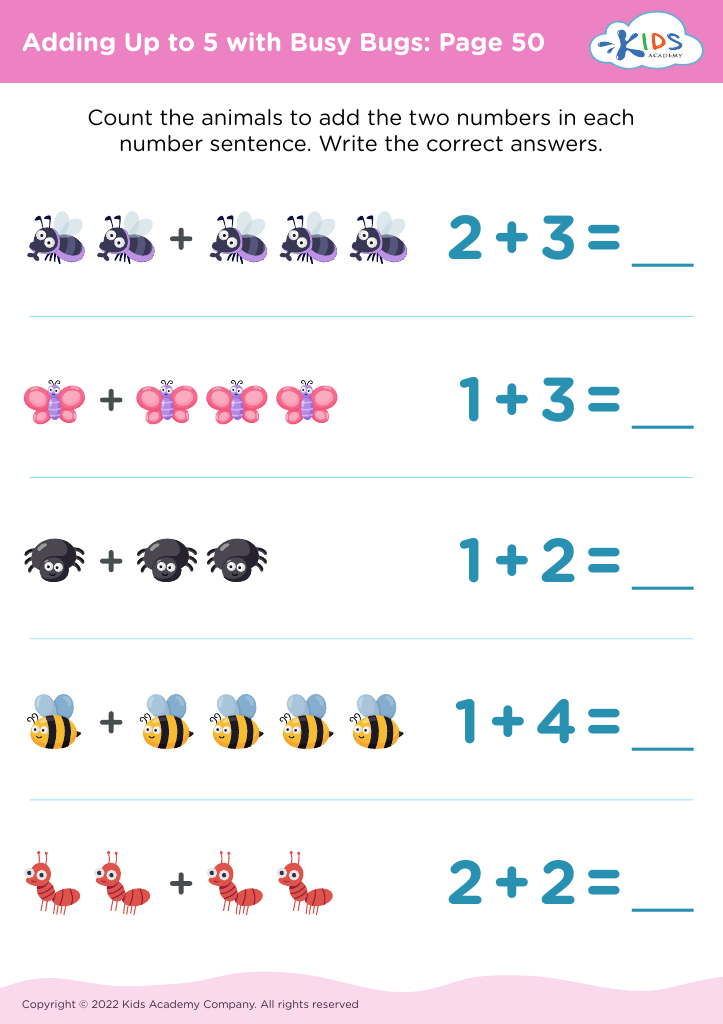
    Adding Up to 5 with Busy Bugs: Page 50
    Adding Up to 5 with Busy Bugs: Page 50
    Adding Up to 5 with Busy Bugs: Page 50
    Worksheet
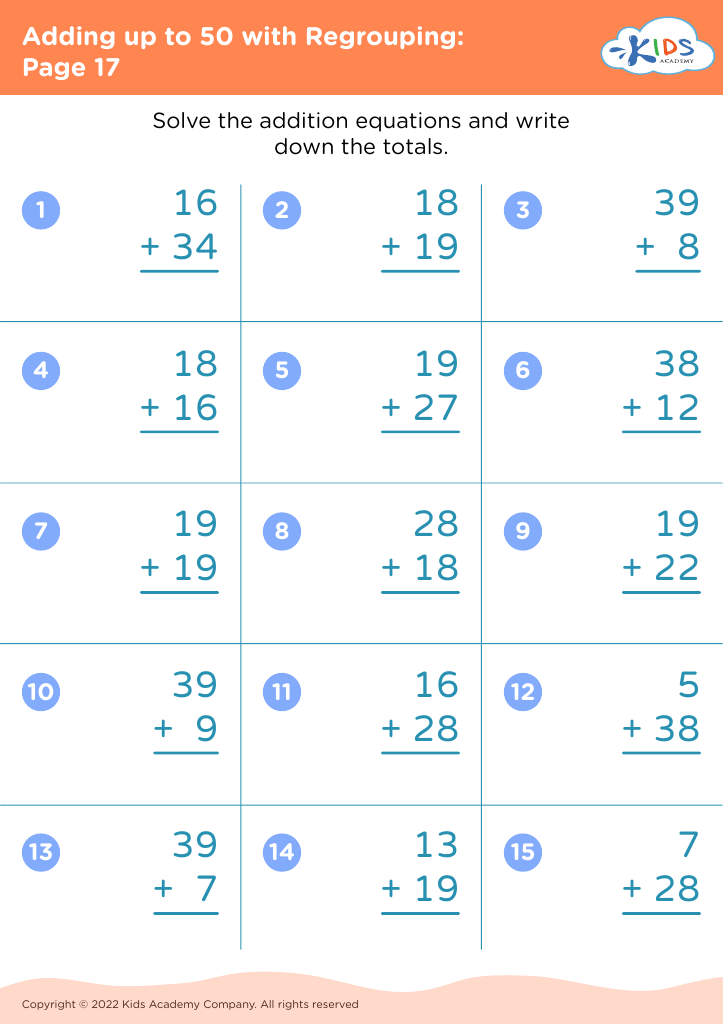
    Adding up to 50 with Regrouping: Page 17
    Adding up to 50 with Regrouping: Page 17
    Adding up to 50 with Regrouping: Page 17
    Worksheet
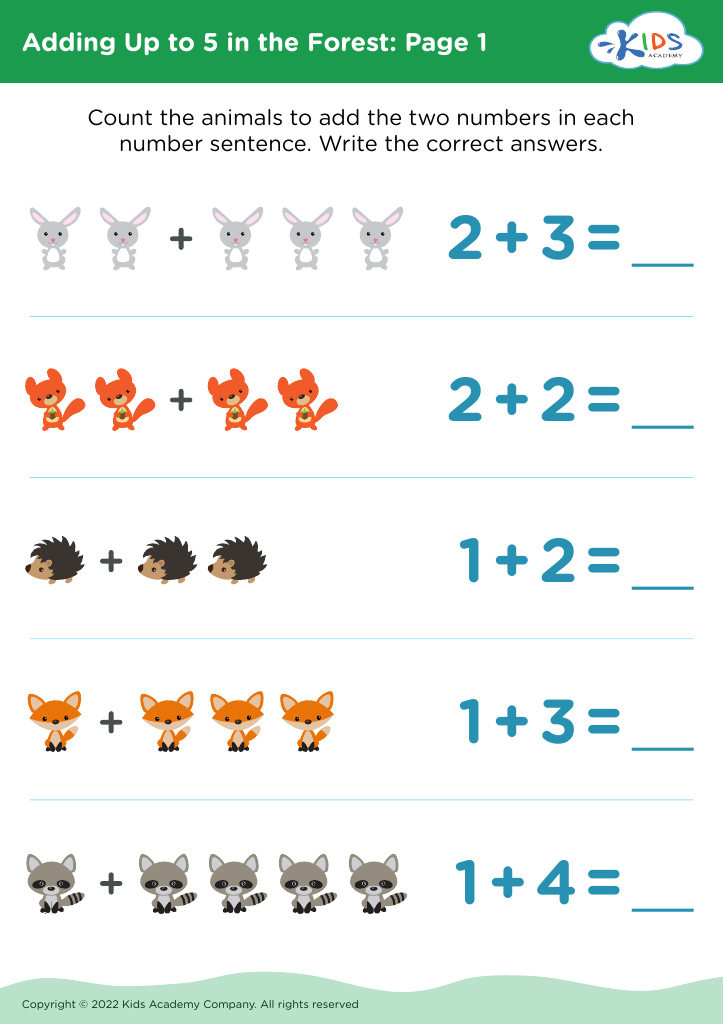
    Adding Up to 5 in the Forest: Page 1
    Adding Up to 5 in the Forest: Page 1
    Adding Up to 5 in the Forest: Page 1
    Worksheet
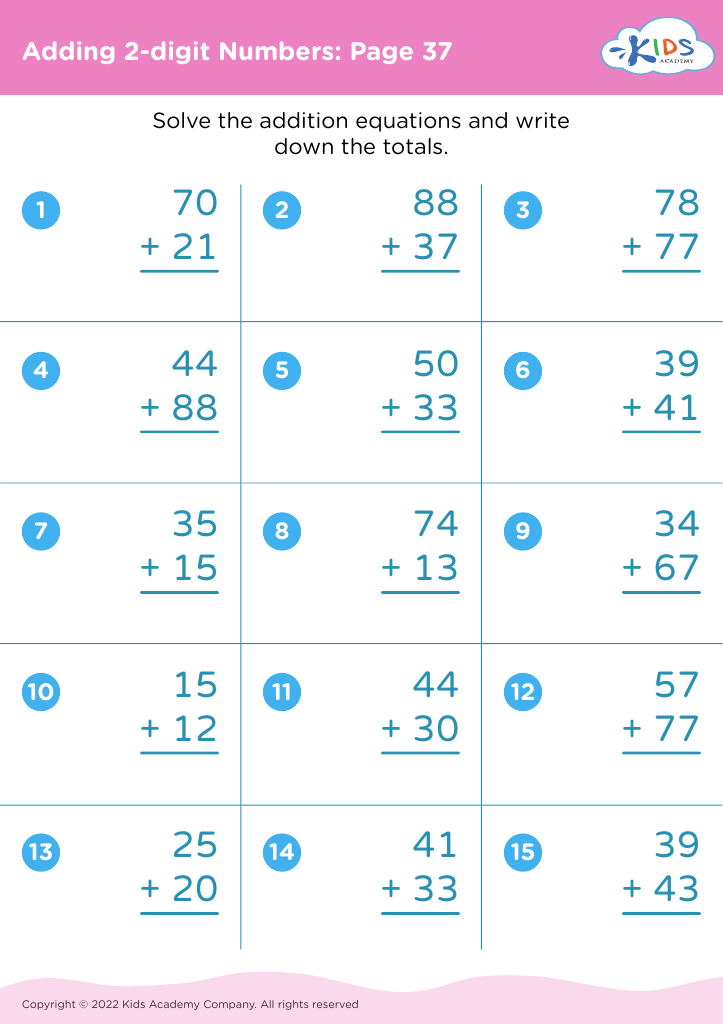
    Adding 2-digit Numbers: Page 37
    Adding 2-digit Numbers: Page 37

    Adding 2-digit Numbers: Page 37

    Adding 2-digit Numbers: Page 37
    Worksheet
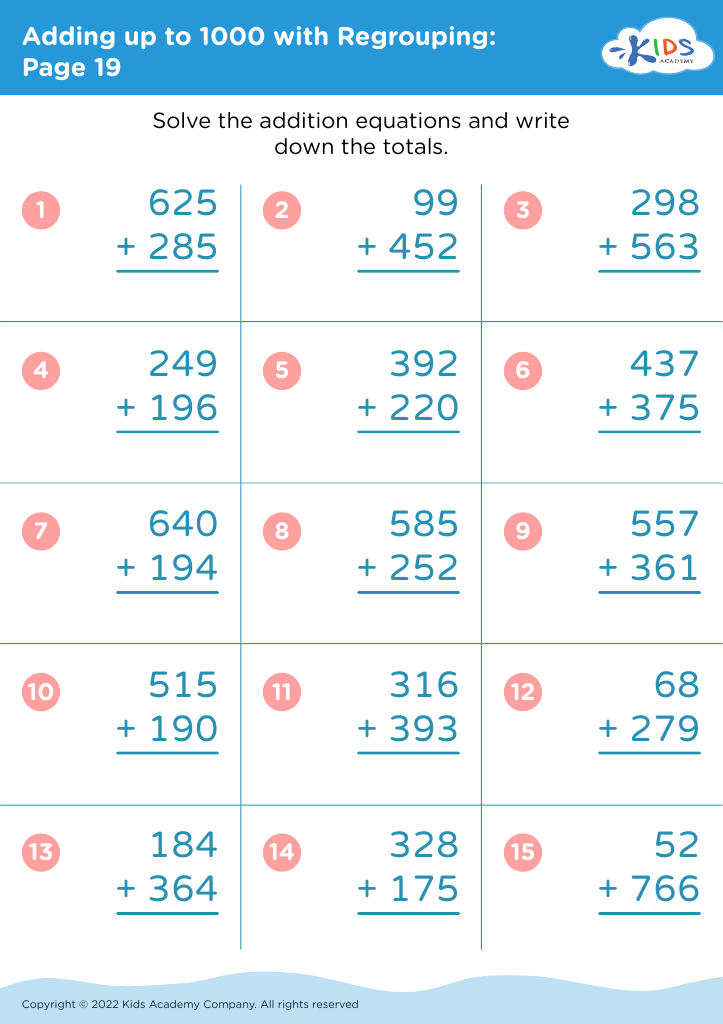
    Adding up to 1000 with Regrouping: Page 19
    Adding up to 1000 with Regrouping: Page 19
    Adding up to 1000 with Regrouping: Page 19
    Worksheet
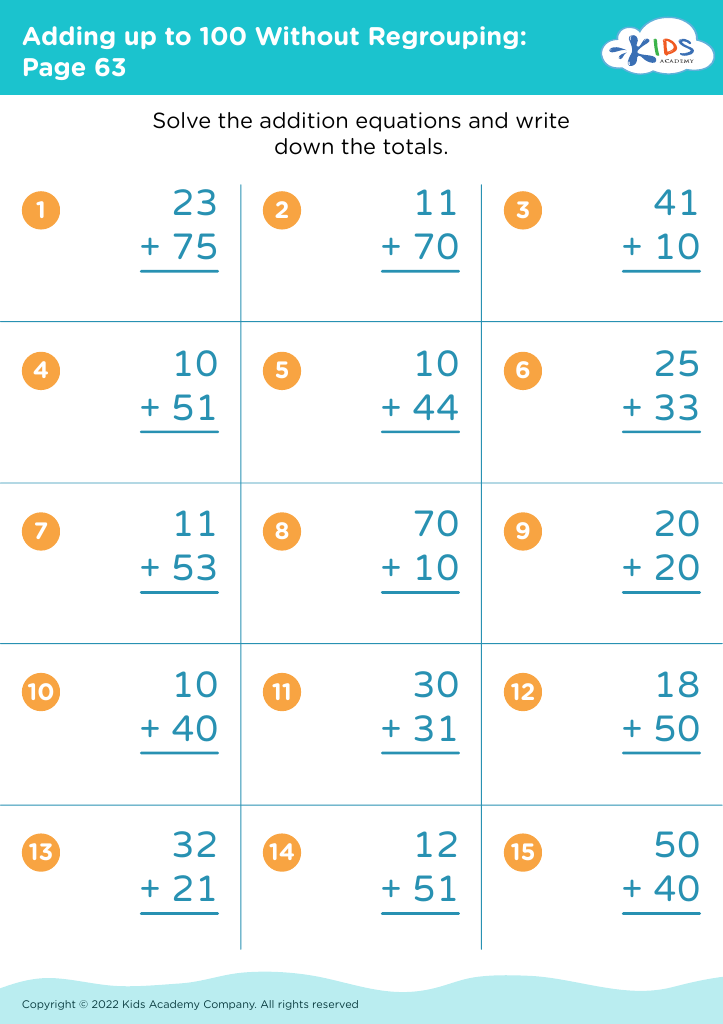
    Adding up to 100 Without Regrouping: Page 63
    Adding up to 100 Without Regrouping: Page 63
    Adding up to 100 Without Regrouping: Page 63
    Worksheet
    Adding up to 100 with Regrouping: Page 37
    Adding up to 100 with Regrouping: Page 37
    Adding up to 100 with Regrouping: Page 37
    Worksheet


    Addition is a foundational skill that is essential for early mathematics understanding and everyday problem-solving. For children aged 4-7, developing a strong grasp of addition not only enhances their mathematical abilities but also boosts their confidence and critical thinking skills. Early exposure to addition promotes number sense—the ability to recognize, understand, and manipulate numbers—which is vital for more advanced math concepts later on.

    Parents and teachers play a crucial role in nurturing these skills. Engaging young learners with addition through games, visual aids, and hands-on activities makes learning enjoyable and effective. By integrating addition into daily life, such as counting objects or combining snacks, children see the relevance of math in their world.

    Understanding addition also lays the groundwork for essential life skills, such as budgeting and time management. Additionally, children who master basic addition are more likely to succeed in future math and science education, tackling more abstract concepts with ease. Ultimately, fostering a love for mathematics at an early age instills a positive attitude towards learning and opens doors to future academic success. Thus, it is vital for parents and teachers to prioritize teaching addition to empower and equip young learners for lifelong mathematical proficiency.