Critical Thinking Reading Comprehension Worksheets for Ages 4-7 - Page 2
45 filtered results
-
From - To
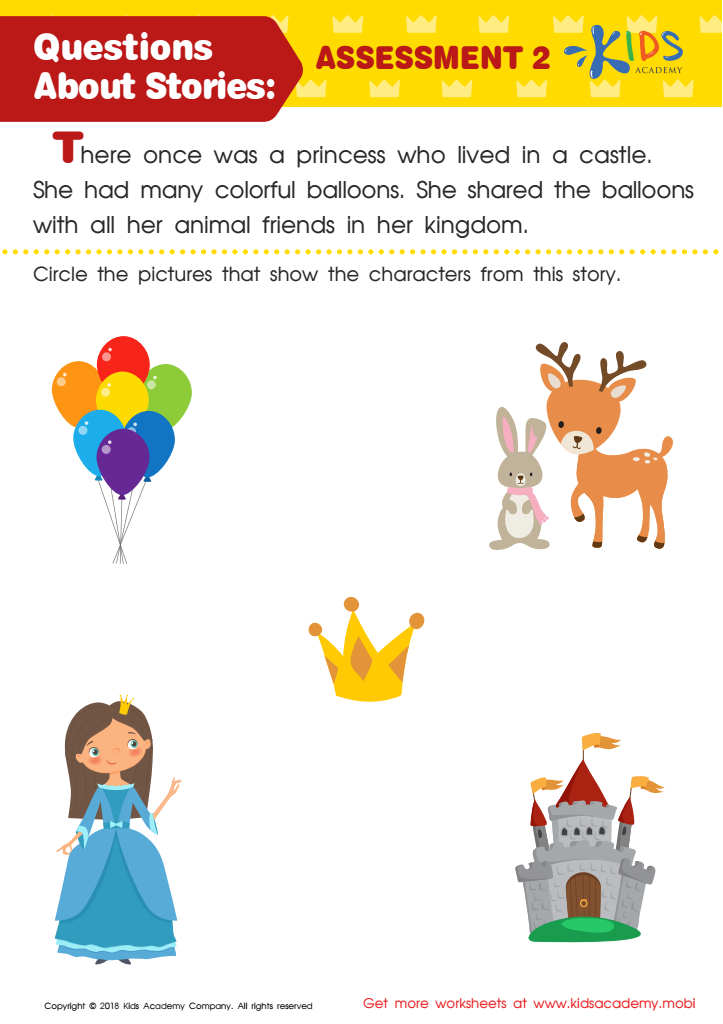
Questions About Stories: Assessment 2 Worksheet
 Assign to My Students
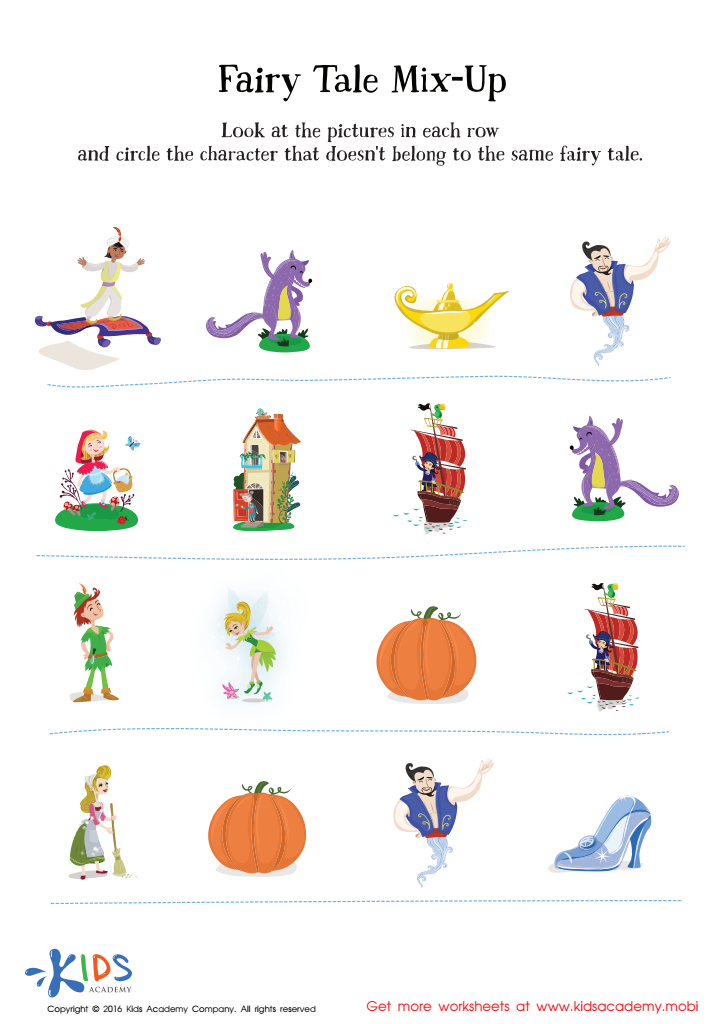
Fairy Tale Worksheet: Story Mix Up
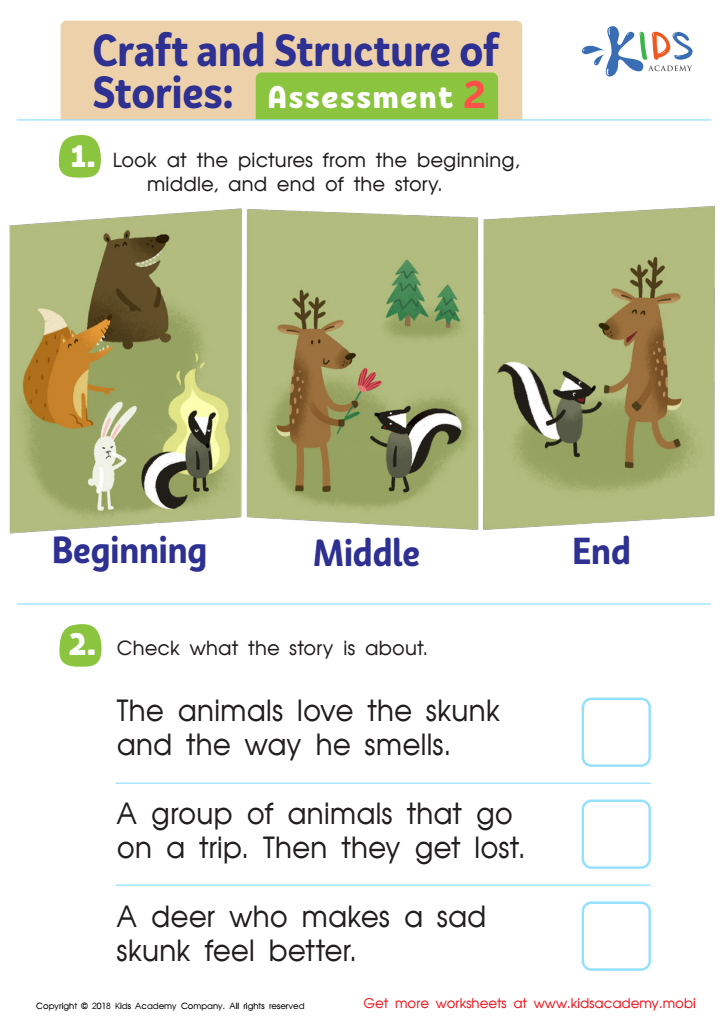
Craft and Structure of Stories: Assessment 2 Worksheet
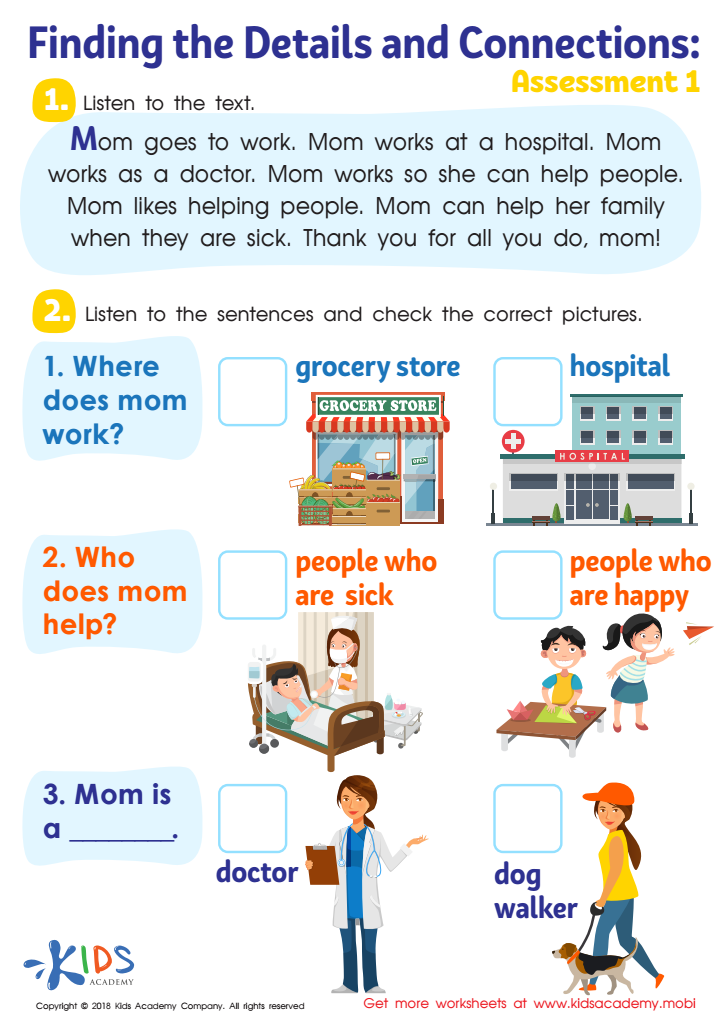
Finding the Details and Connections: Assessment 1 Worksheet
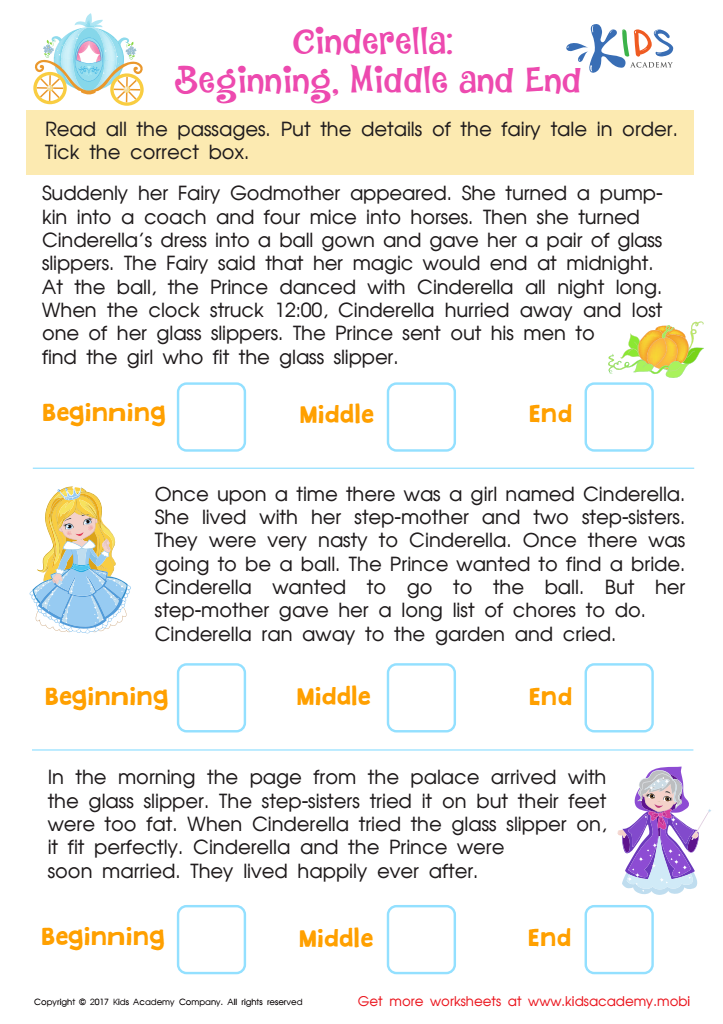
Cinderella: Beginning, Middle and End Worksheet
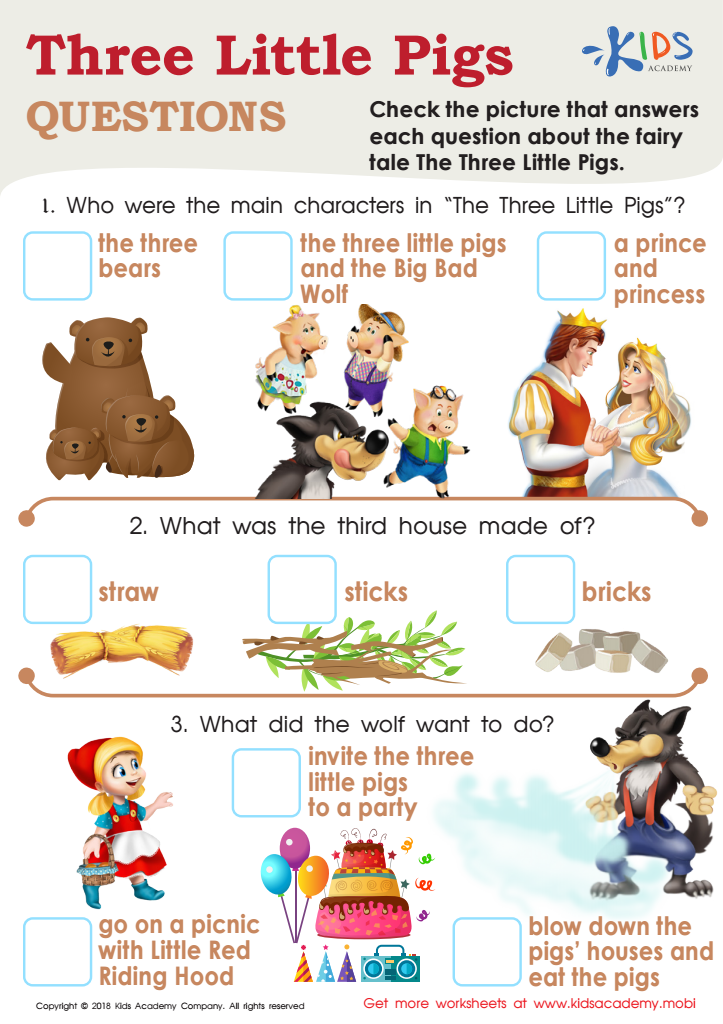
Three Little Pigs Questions Worksheet
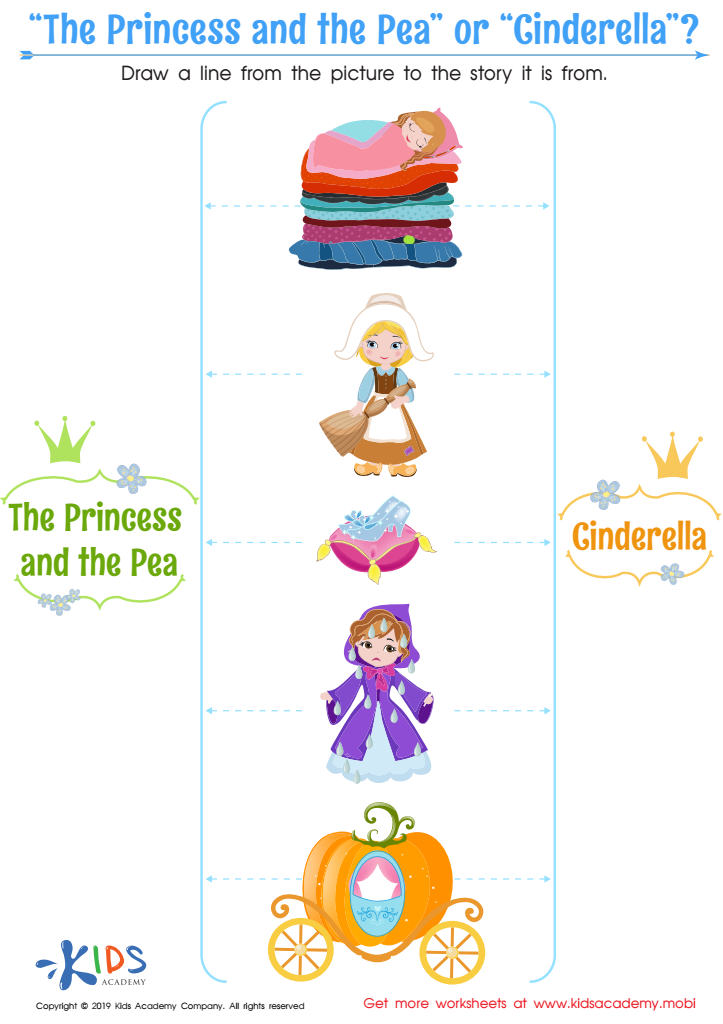
“The Princess and the Pea” or “Cinderella” Worksheet
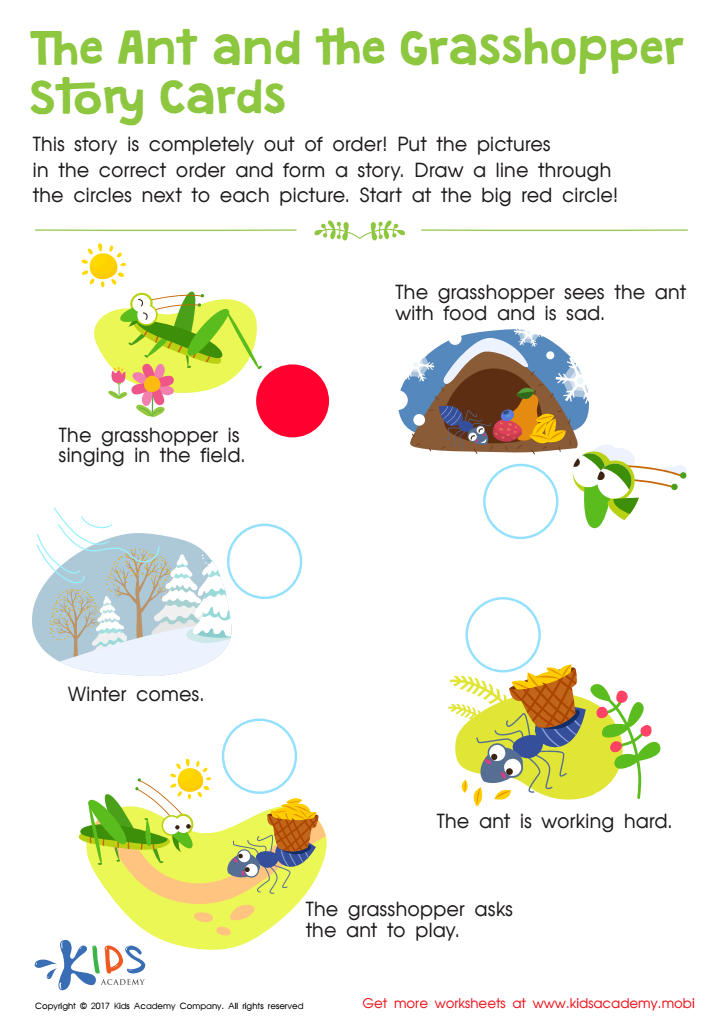
The Ant and The Grasshopper Worksheet

Questions About Stories: Assessment 1 Worksheet
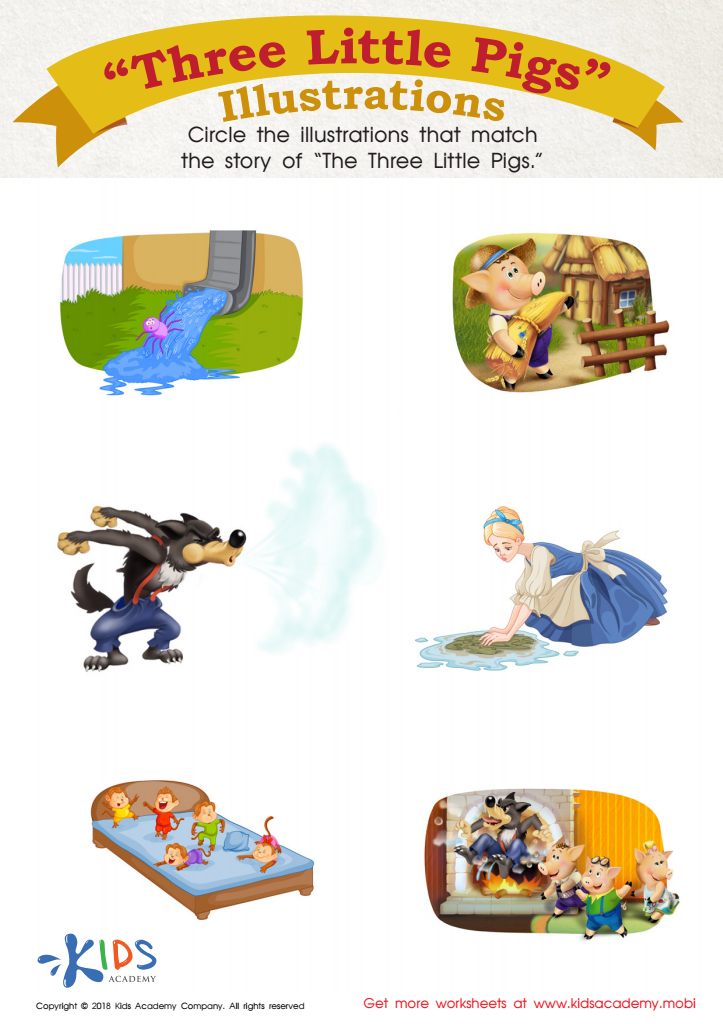
Three Little Pigs: Illustrations Worksheet
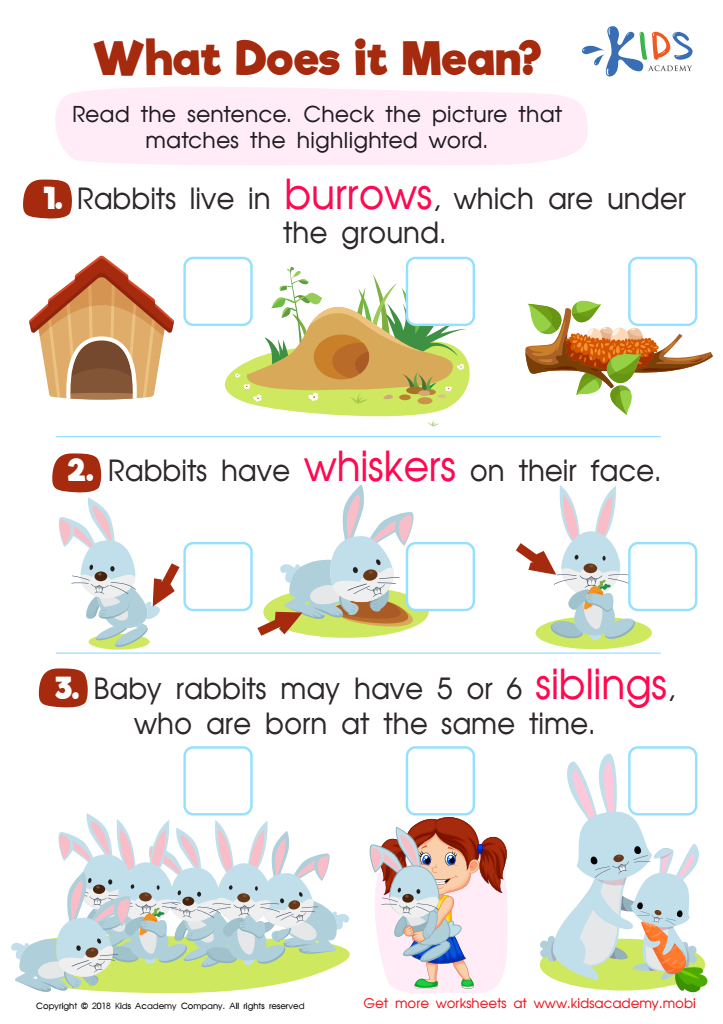
What Does It Mean? Worksheet
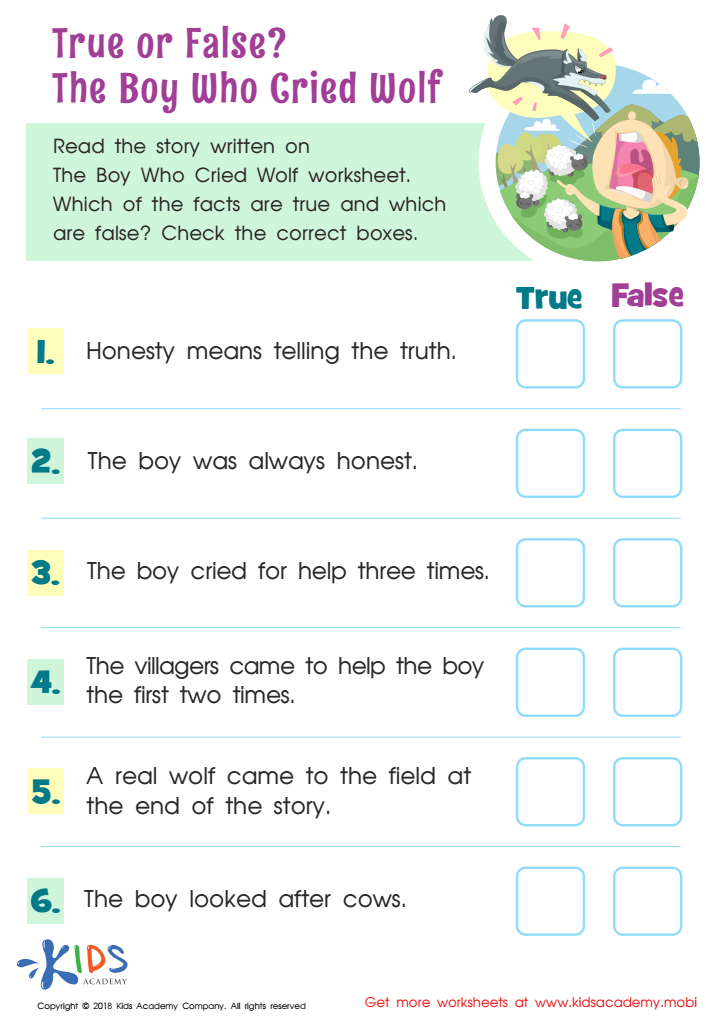
True or False? The Boy Who Cried Wolf Worksheet
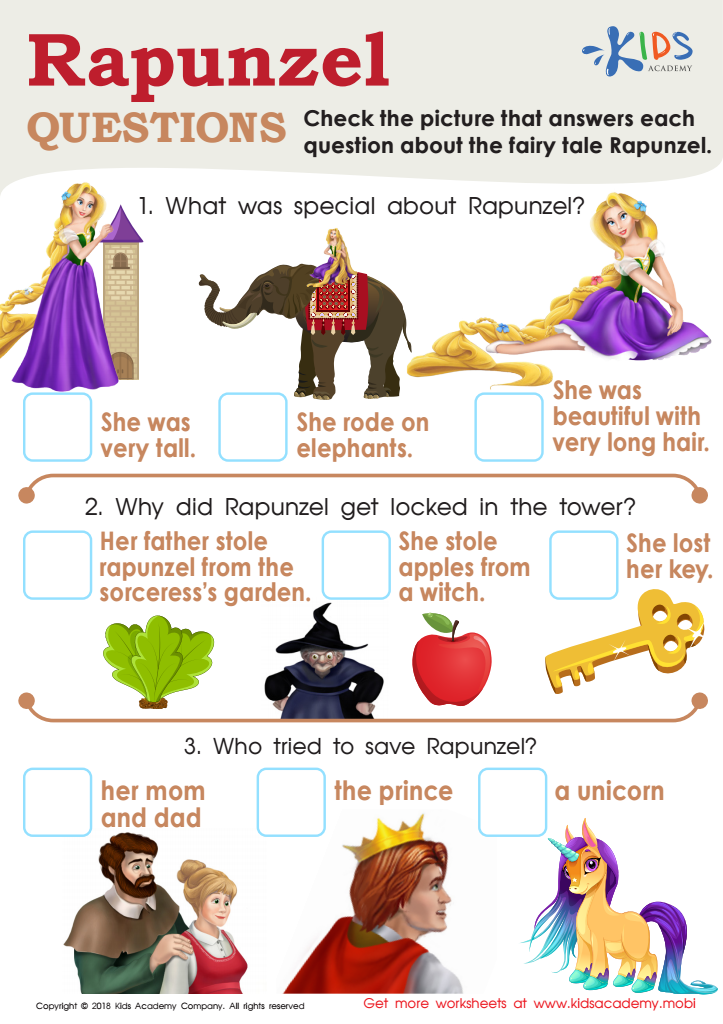
Rapunzel Questions Worksheet
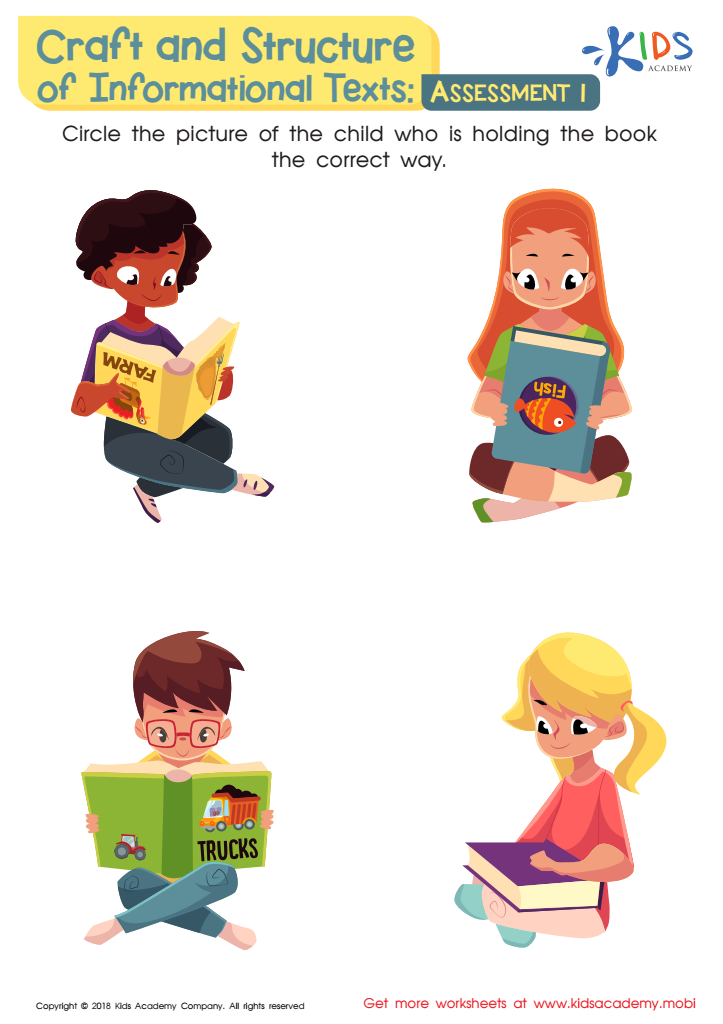
Craft and Structure of Informational Texts: Assessment 1 Worksheet
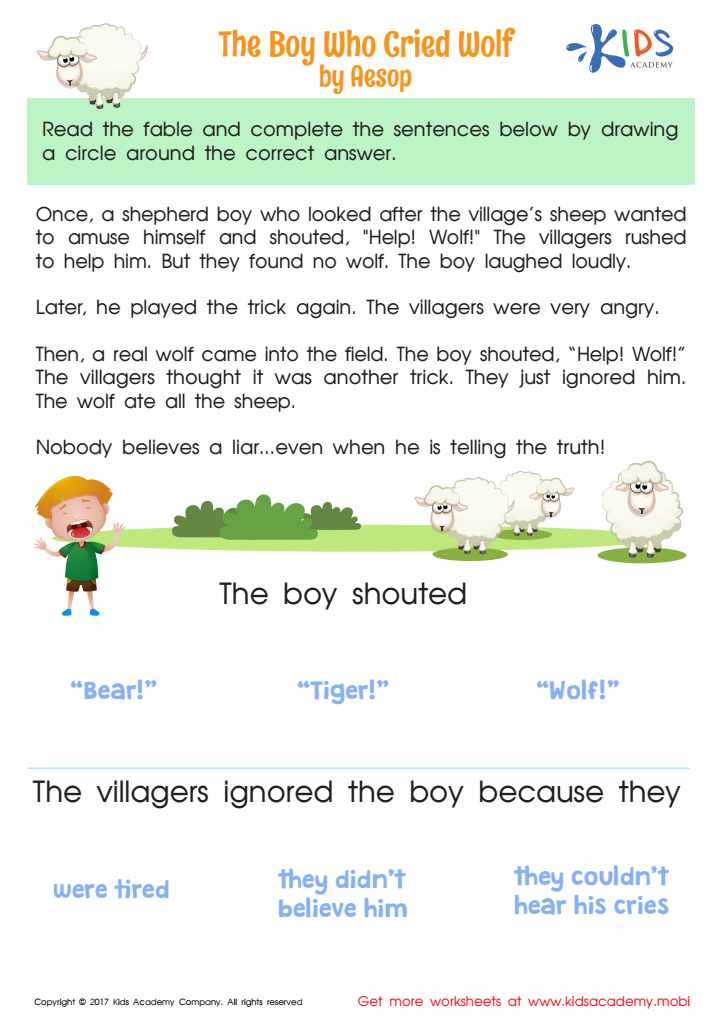
The Boy Who Cried Wolf Worksheet
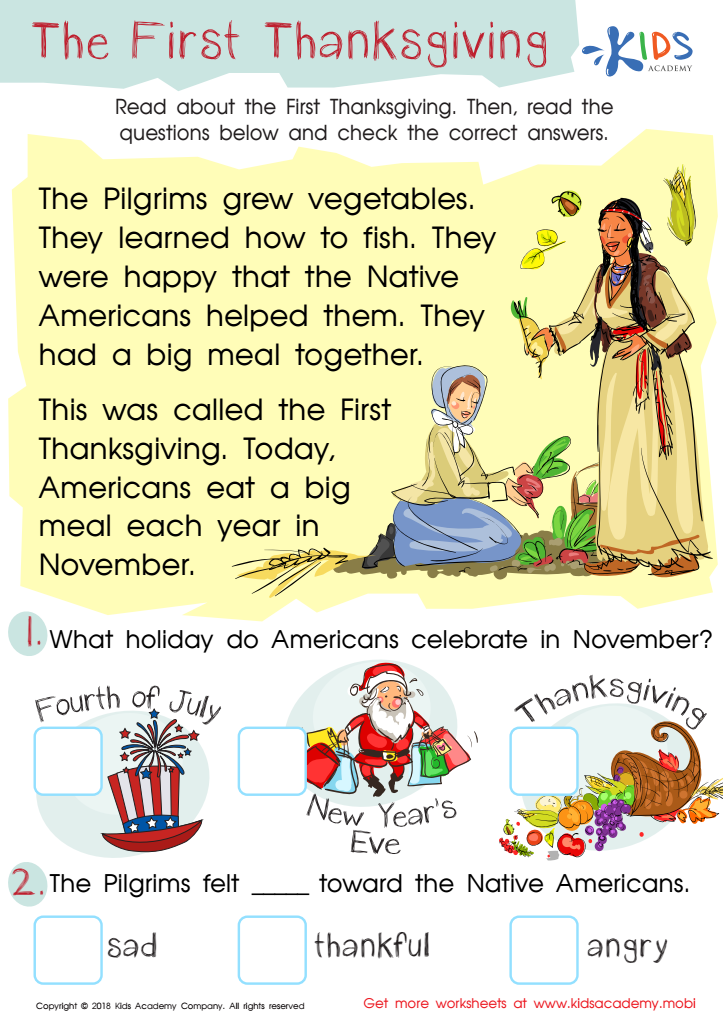
Assessment: First Thanksgiving Worksheet
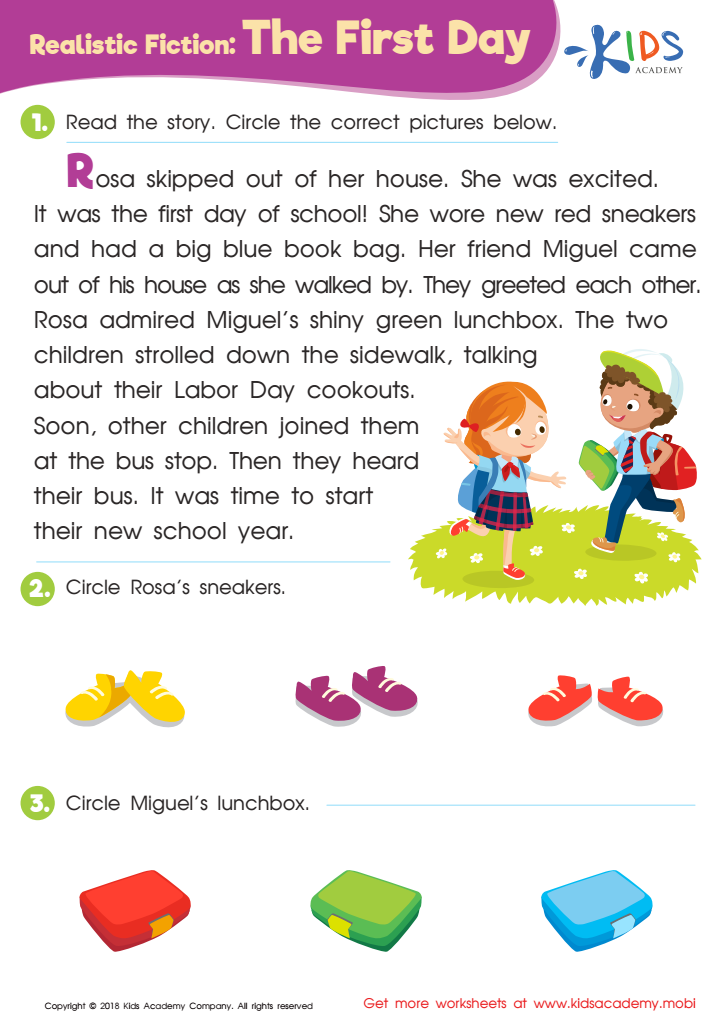
Realistic Fiction: The First Day Worksheet
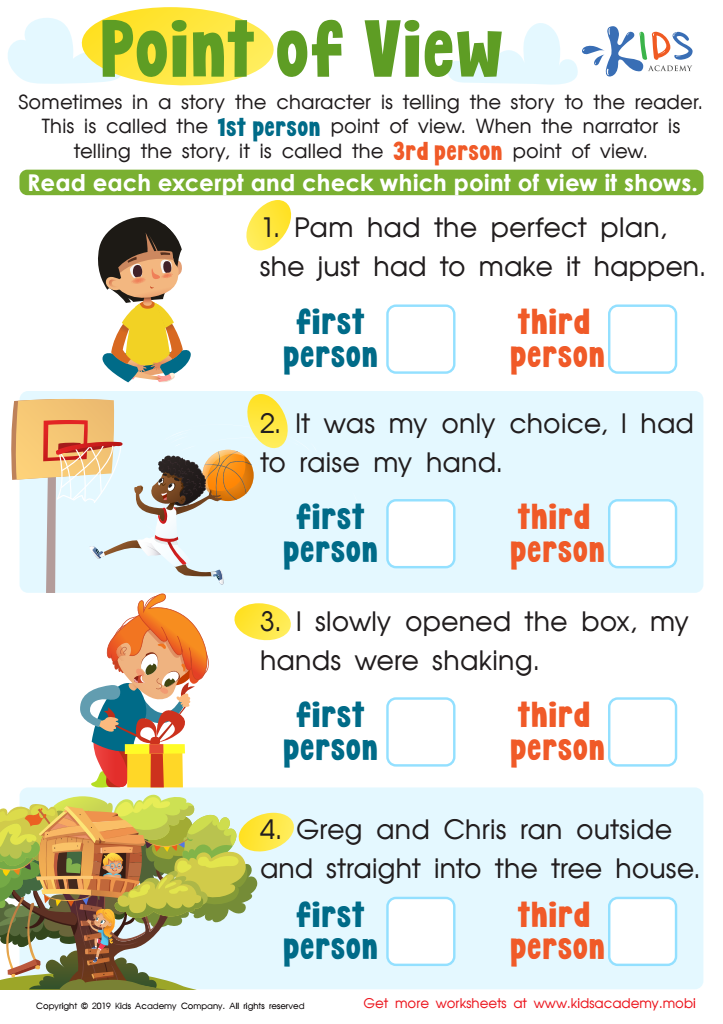
Point of View Printable
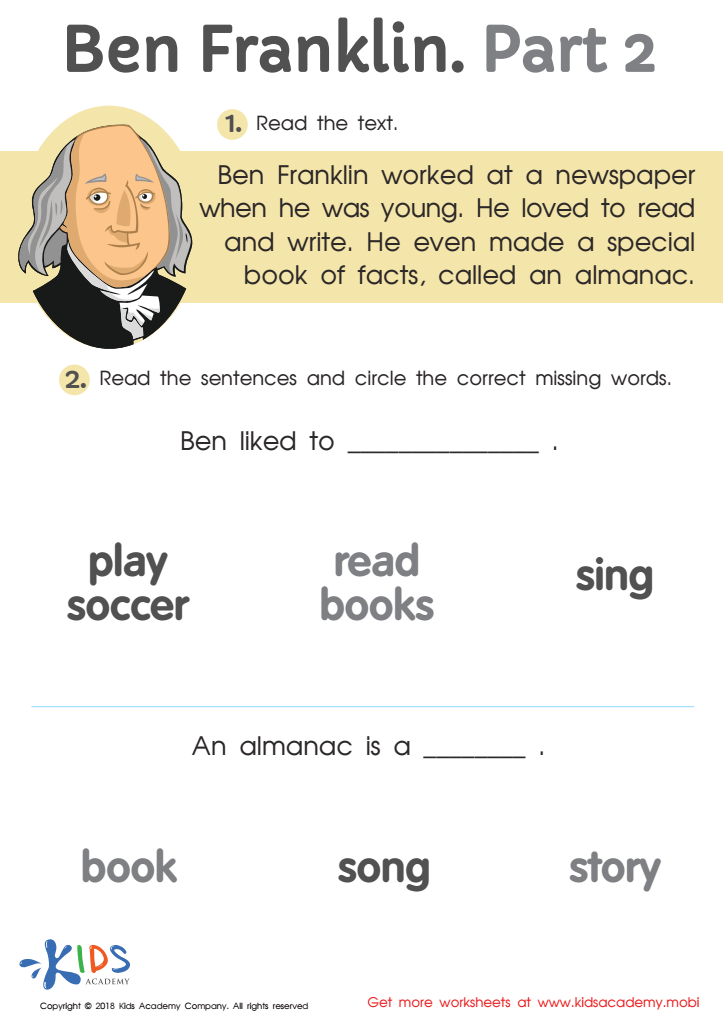
Ben Franklin Part 2 Worksheet
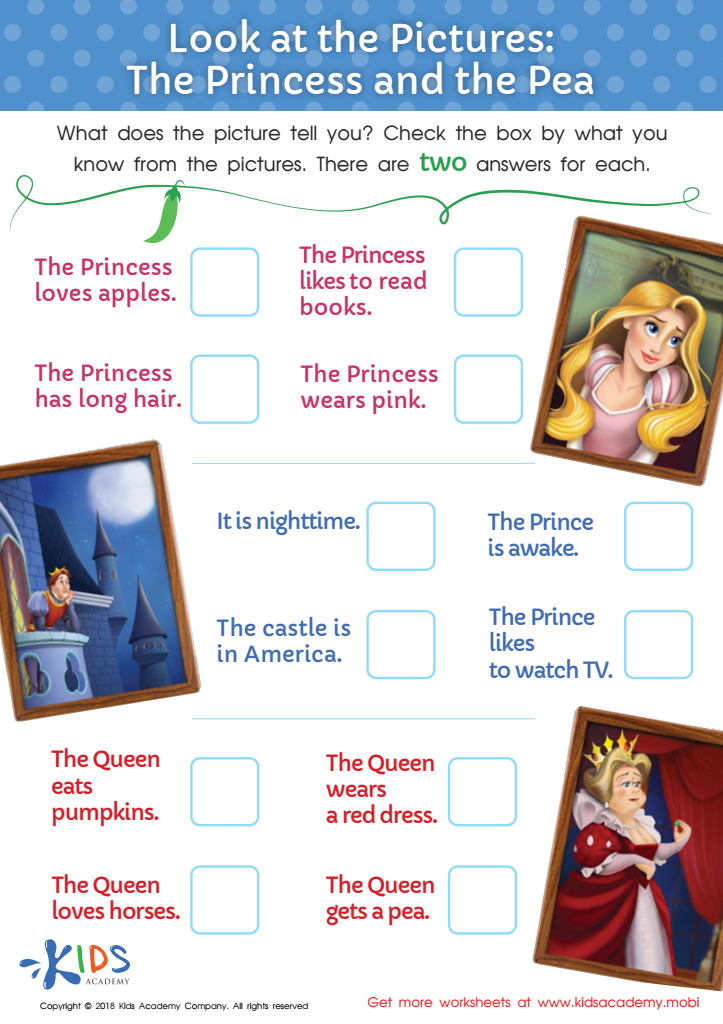
Look at the Pictures: The Princess and the Pea Worksheet
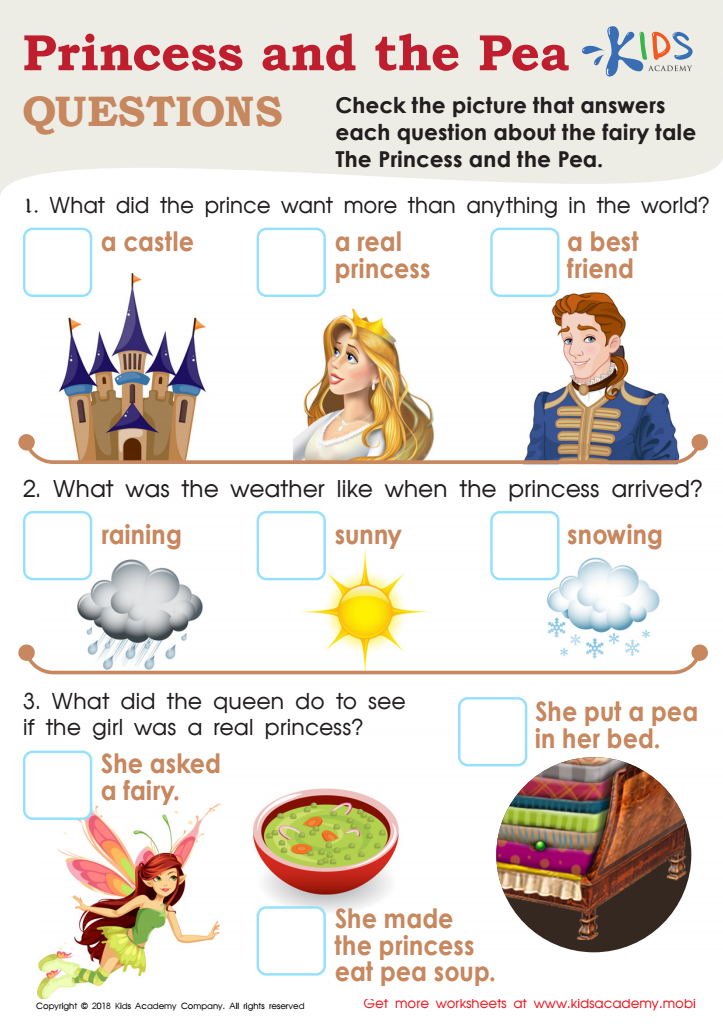
Princess and the Pea Questions Worksheet


.jpg)



.jpg)

Critical thinking reading comprehension is essential for children aged 4-7 because it lays the foundation for lifelong learning and problem-solving skills. At this developmental stage, young learners are beginning to grasp the relationship between text and meaning. Encouraging them to engage critically with reading materials helps them analyze, question, and connect ideas, fostering a deeper understanding of the content.
Moreover, critical thinking supports creative thinking and helps children make inferences, leading to better retention of information. Teachers and parents should care about this skill since it promotes independent learning, enabling children to approach challenges with confidence and resilience.
In an age where information is abundant, equipping children with the ability to discern credible sources, understand different perspectives, and think logically is paramount. It prepares them not only for academic success but also for informed citizenship and empowered decision-making in their everyday lives. By incorporating critical thinking into reading activities—such as asking open-ended questions or encouraging discussions about stories—adults can enhance children's engagement and comprehension skills. Ultimately, fostering critical thinking during these formative years sets the stage for a brighter, more analytical future for every child.








