History Worksheets for Ages 4-7 - Page 2
39 filtered results
-
From - To
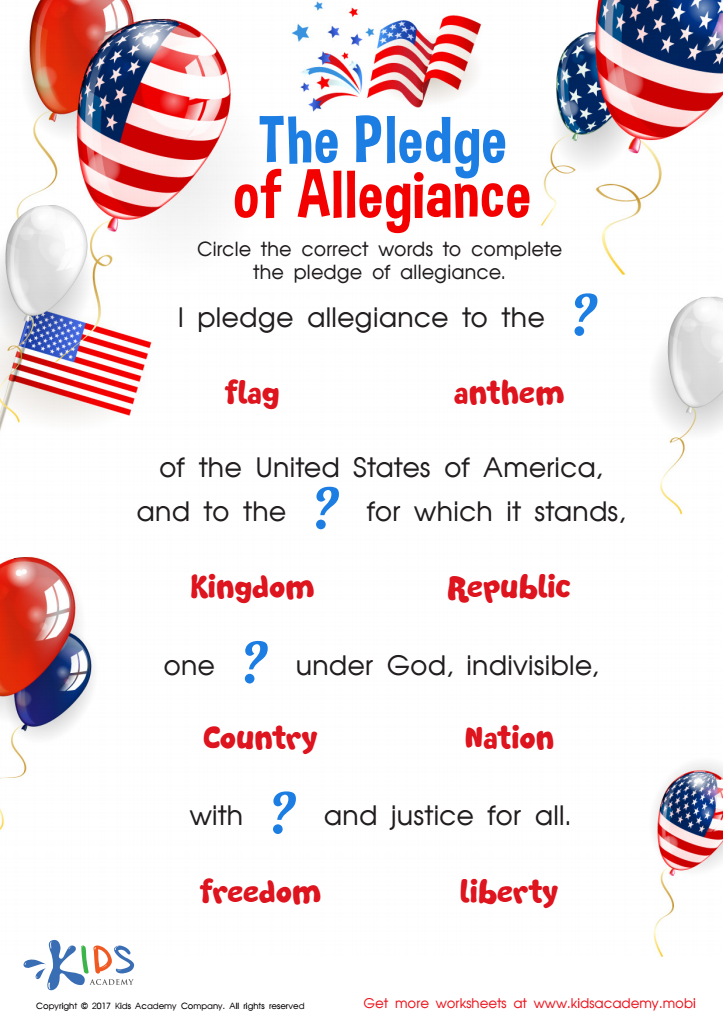
The Pledge of Allegiance Worksheet
 Assign to My Students
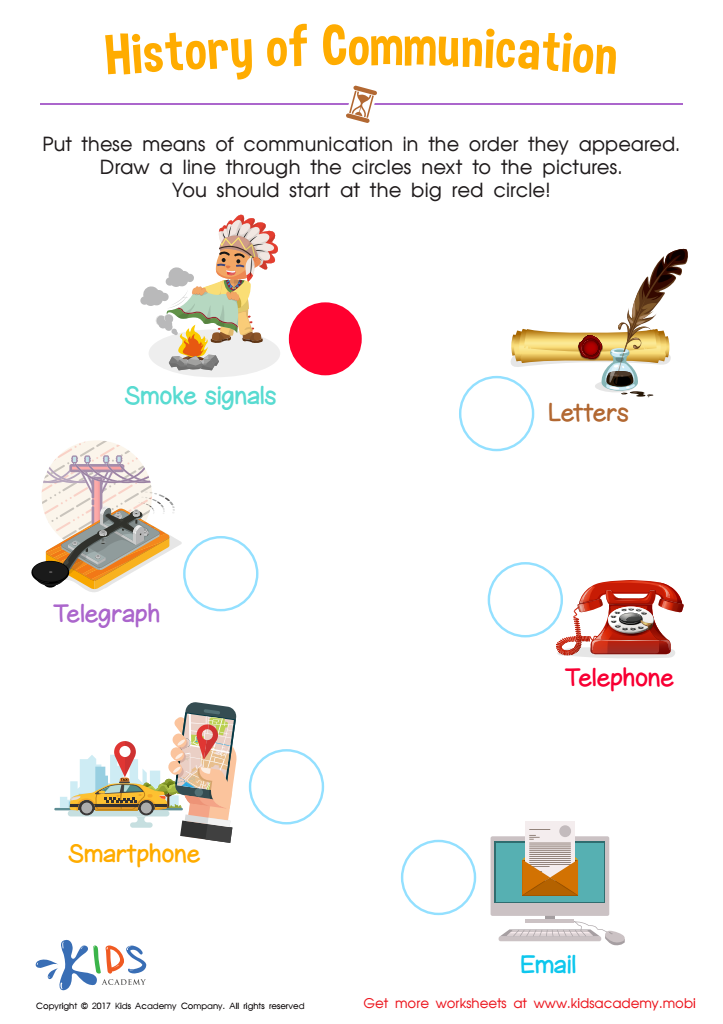
History of Communication Worksheet

Christmas Holiday Worksheet
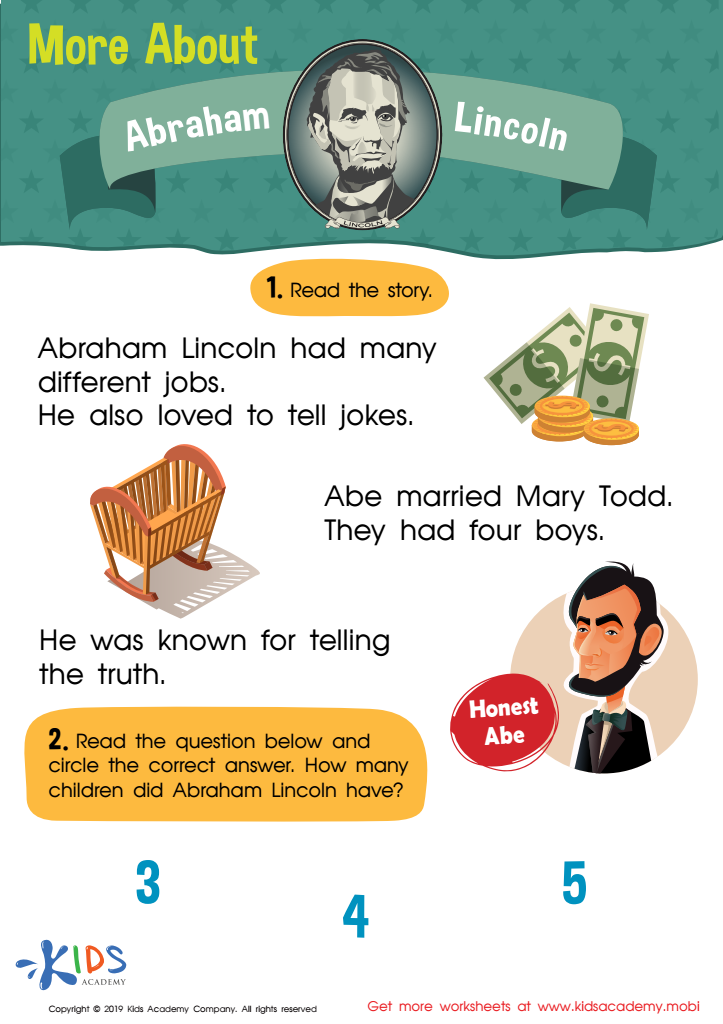
More About Abraham Lincoln Worksheet
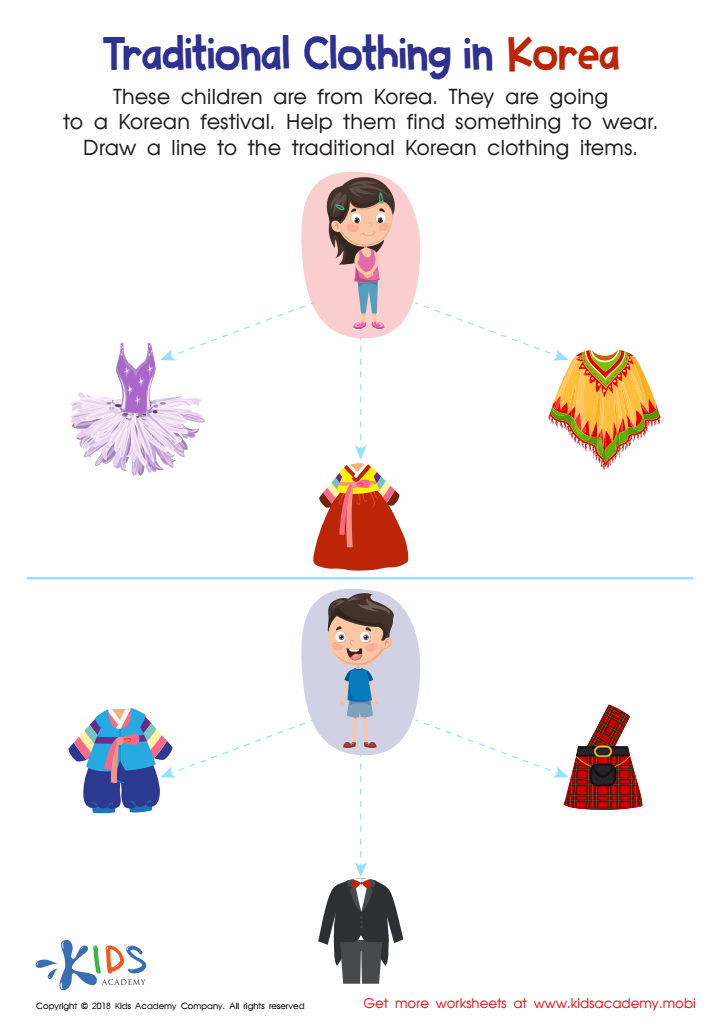
Traditional Clothing in Korea Worksheet
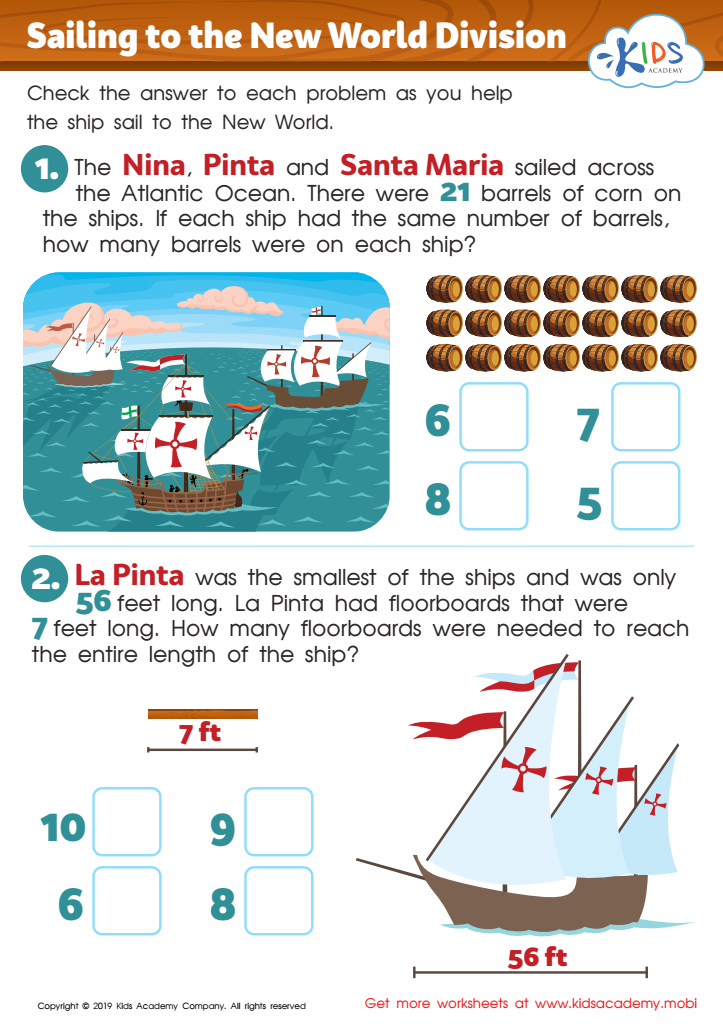
Sailing to the New World Division Worksheet

Greek Mythology Worksheet
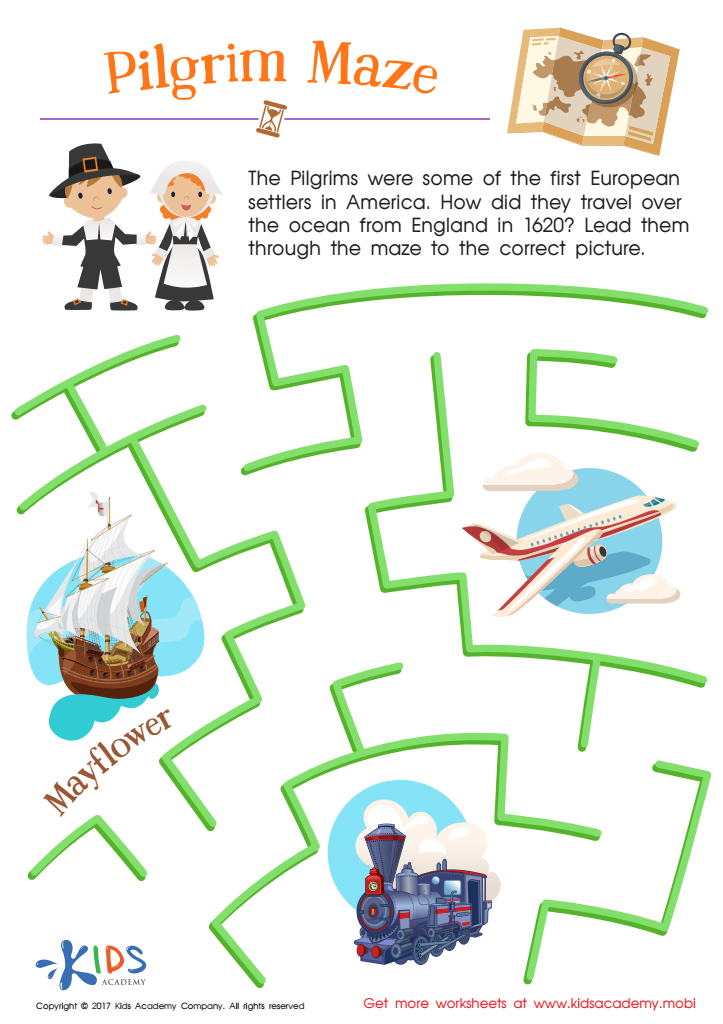
Pilgrim Maze Worksheet
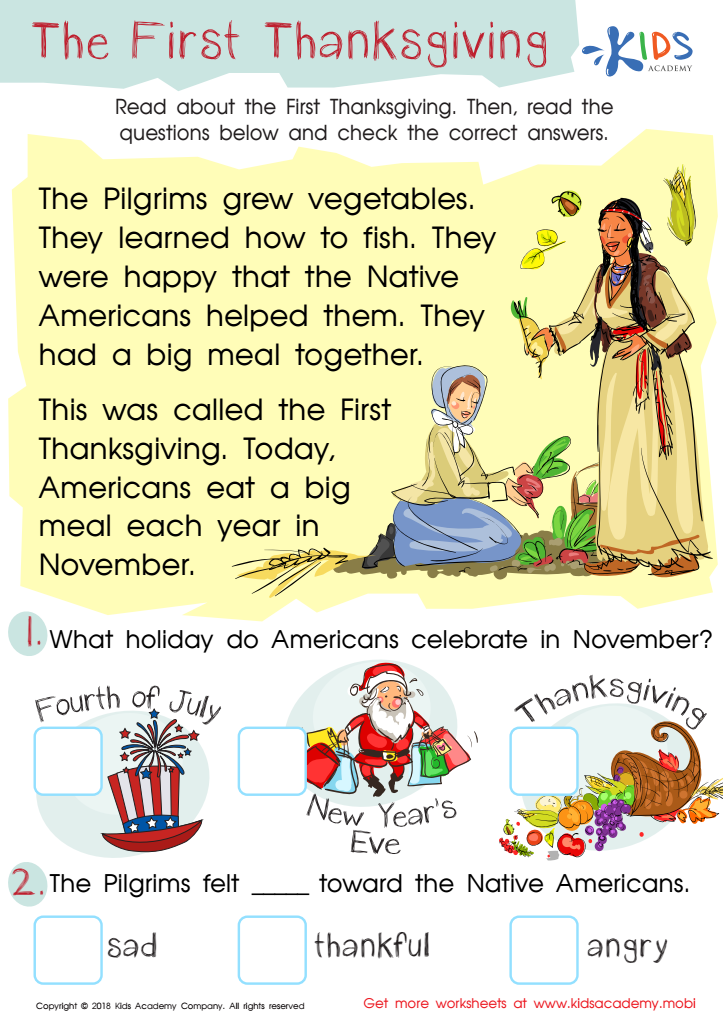
Assessment: First Thanksgiving Worksheet
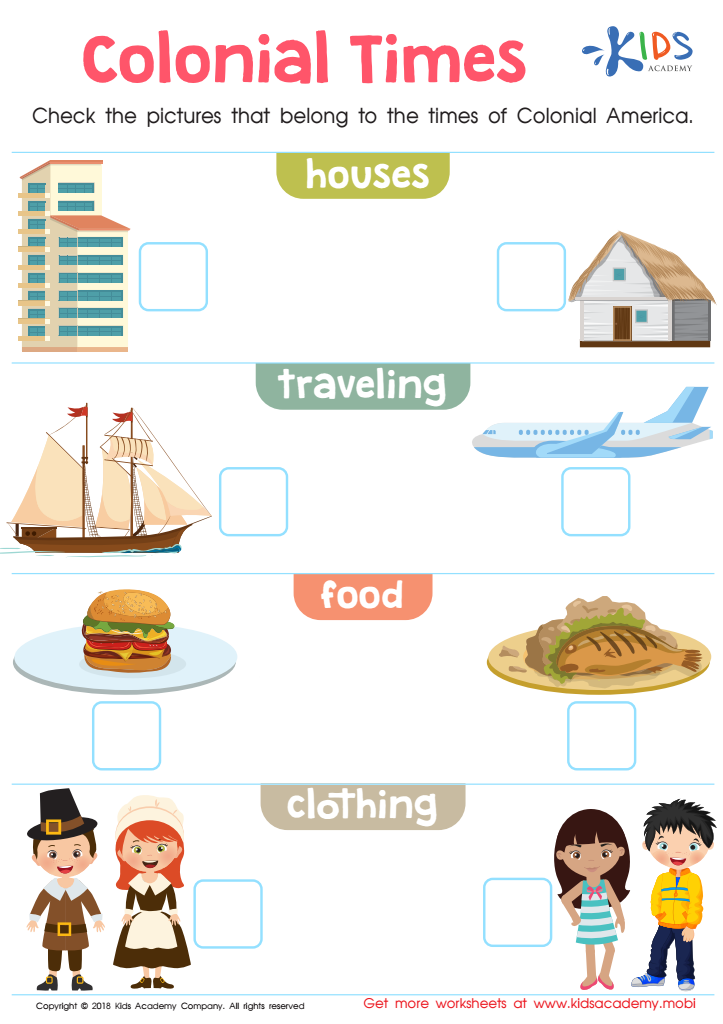
Colonial Times Worksheet
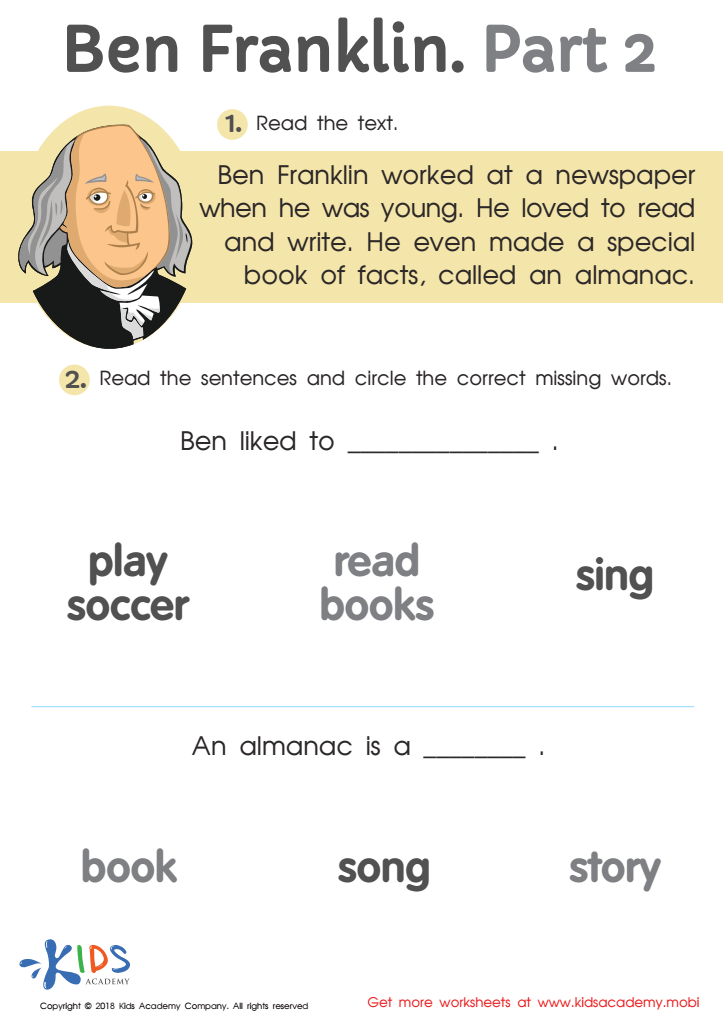
Ben Franklin Part 2 Worksheet
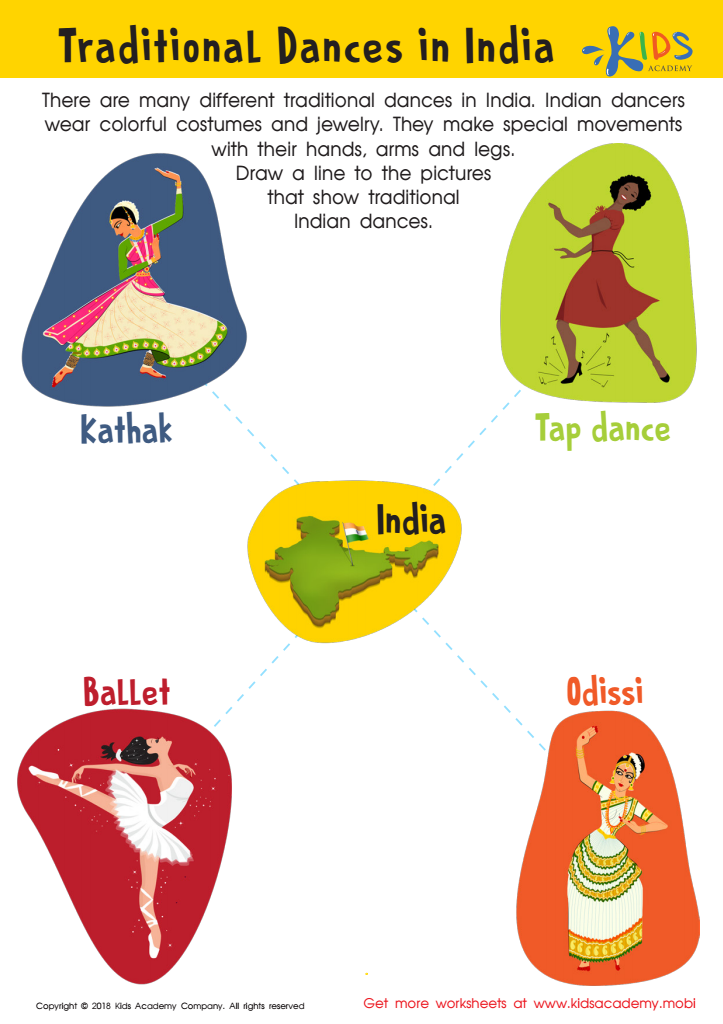
Traditional Dances in India Worksheet
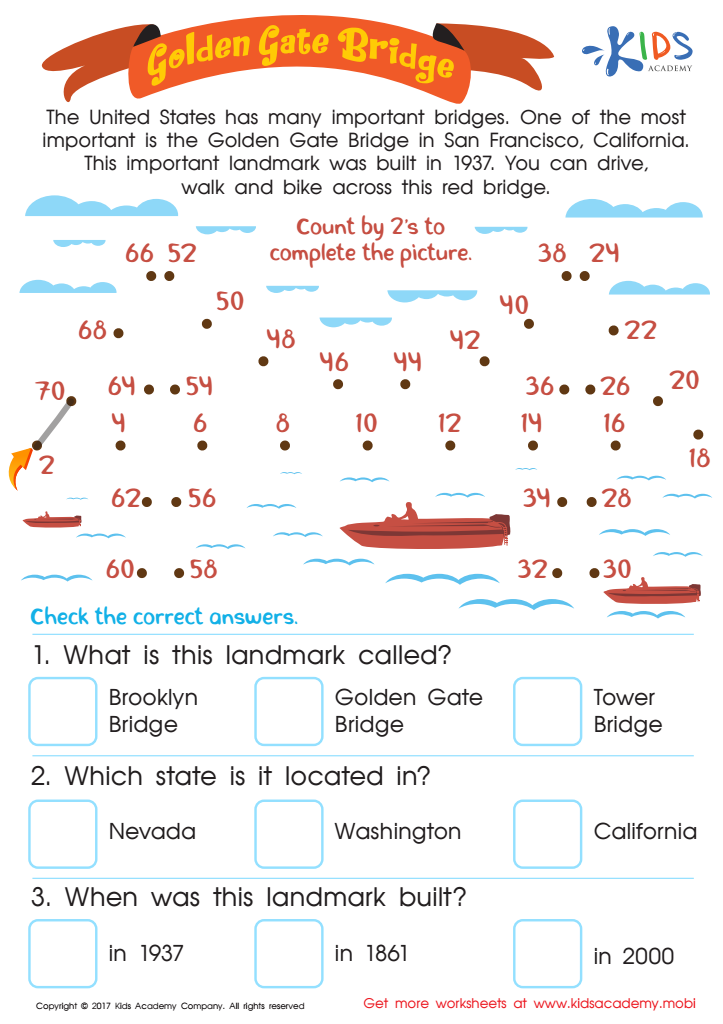
Golden Gate Bridge Worksheet
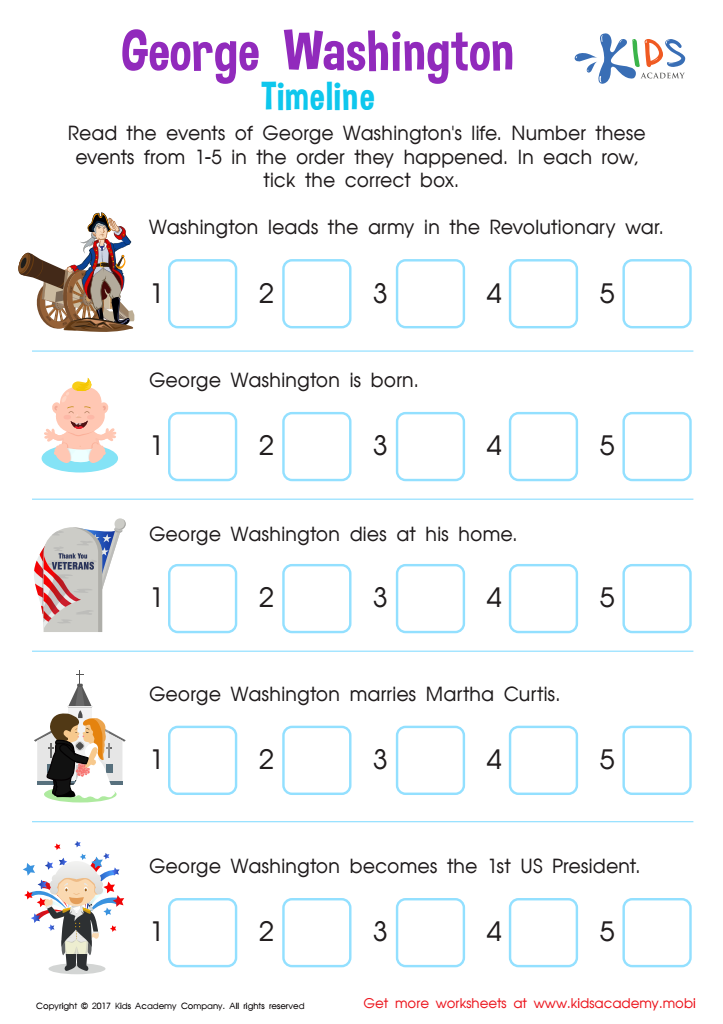
George Washington Timeline Worksheet
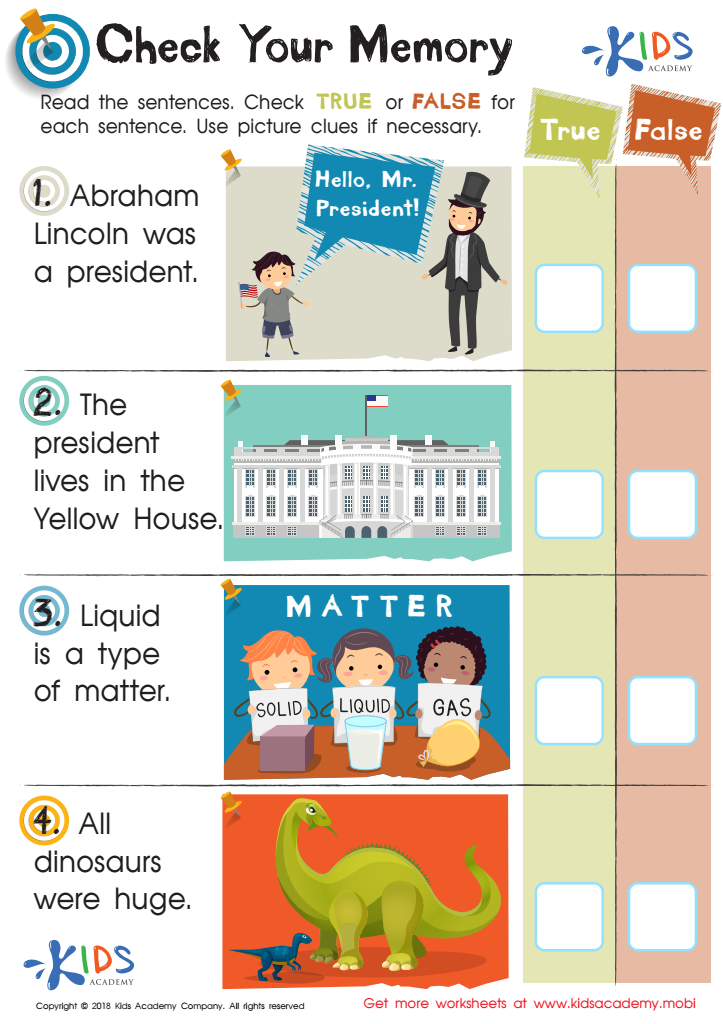
Check Memory Worksheet








Teaching history to children aged 4-7 is vital for several reasons. First, it helps cultivate a sense of identity. Understanding their own history and the stories of their community fosters a sense of belonging and aids in developing self-awareness. Children begin to see how their lives connect to broader events, which enriches their understanding of the world around them.
Furthermore, history encourages critical thinking. As young learners explore past events, they start to ask questions, make connections, and recognize different perspectives. This skill is essential not only for academic success but also for developing empathetic individuals who can appreciate diversity in experiences and backgrounds.
Introducing historical narratives through stories and play allows young minds to grasp complex ideas in an age-appropriate manner. Engaging with history can also spark curiosity and imagination, motivating children to explore and learn more about the world.
Lastly, a foundational understanding of history helps children understand the importance of values such as respect, justice, and equality, setting the stage for responsible citizenship. By supporting history education, parents and teachers empower children to become informed, thoughtful, and compassionate individuals.








