Consonants Worksheets for Ages 4-8
34 filtered results
-
From - To
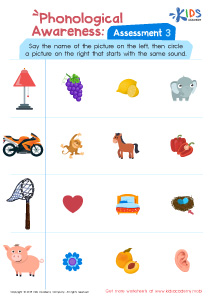
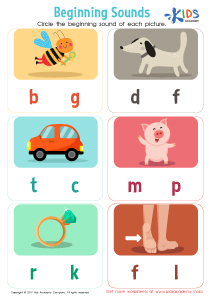
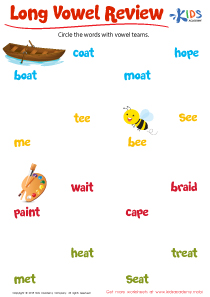
Explore our engaging Consonants Worksheets designed for children ages 4-8! These fun and interactive resources help young learners master consonant sounds and improve their phonetic skills. Our comprehensive collection includes a variety of activities such as tracing, matching, and identifying consonants through delightful illustrations and word exercises. Each worksheet is crafted to enhance alphabet recognition and boost early reading proficiency. Perfect for teachers and parents, these printable materials are ideal for classroom use or home learning. Watch your child build confidence in their literacy skills while enjoying the exciting world of consonants! Start their learning journey today!
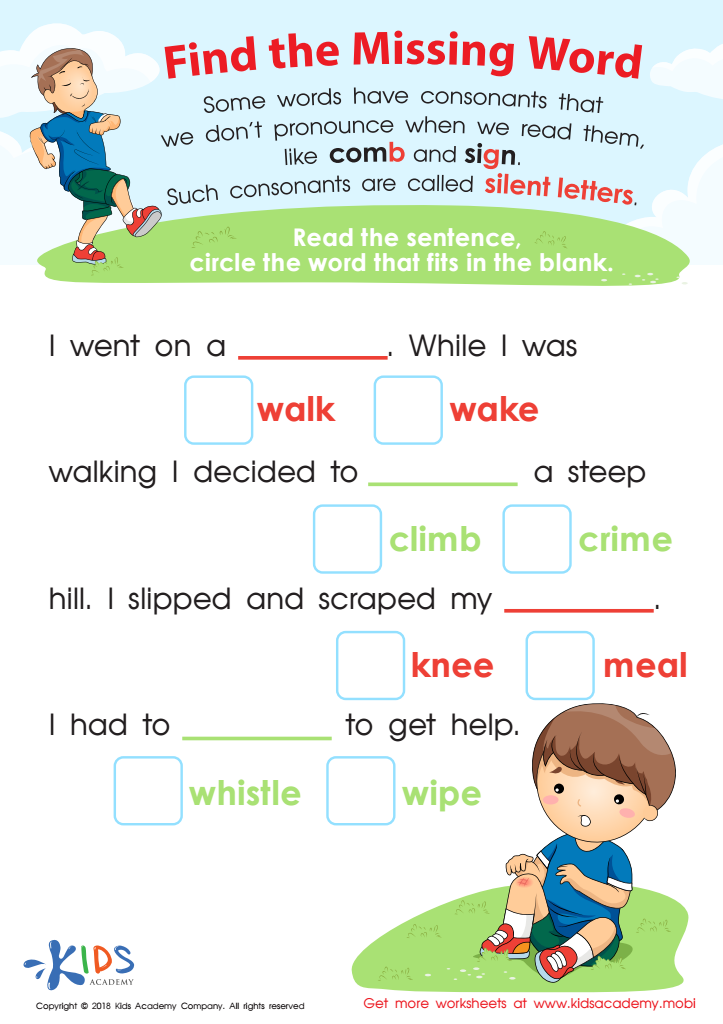
Find The Missing Word Worksheet
 Assign to My Students
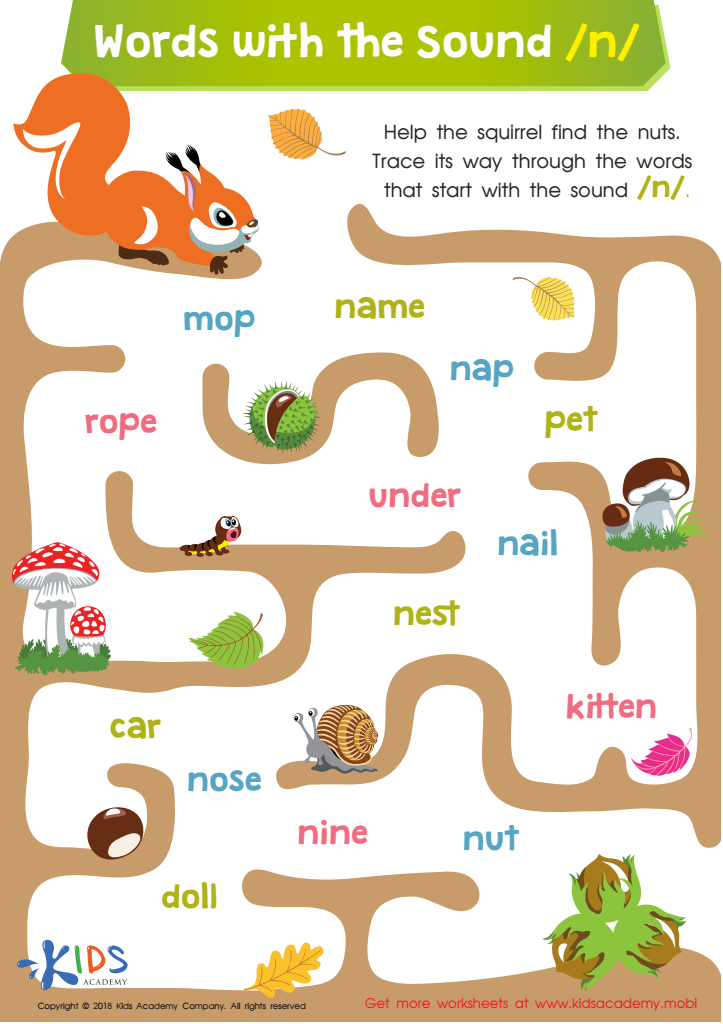
Words with Sound N Reading Worksheet
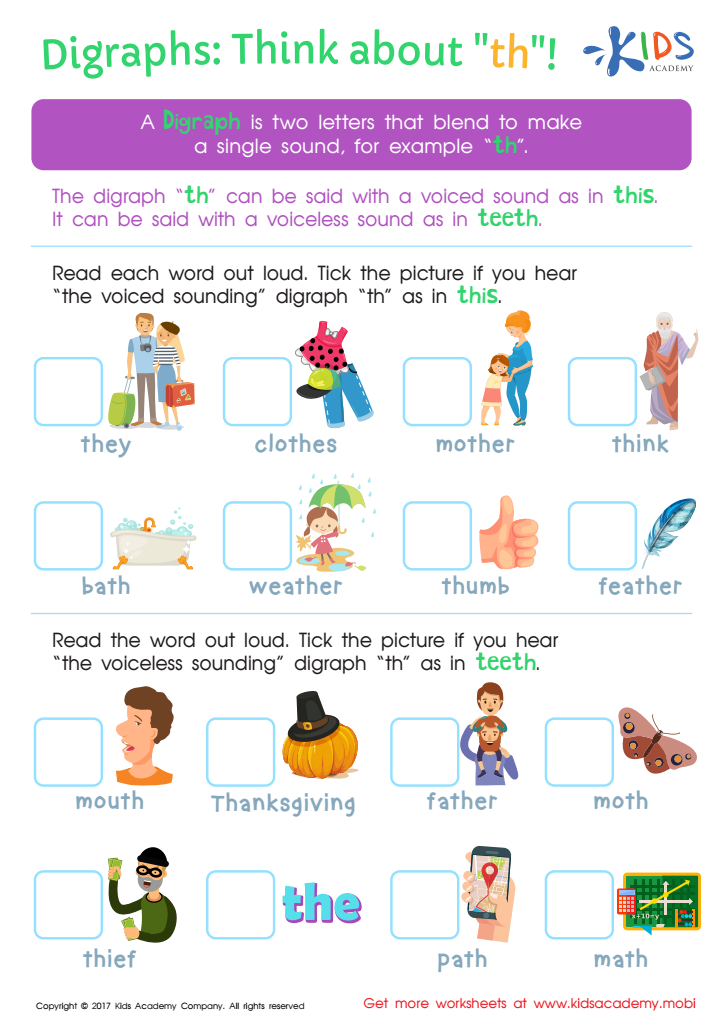
Digraphs: Think About "th" Worksheet
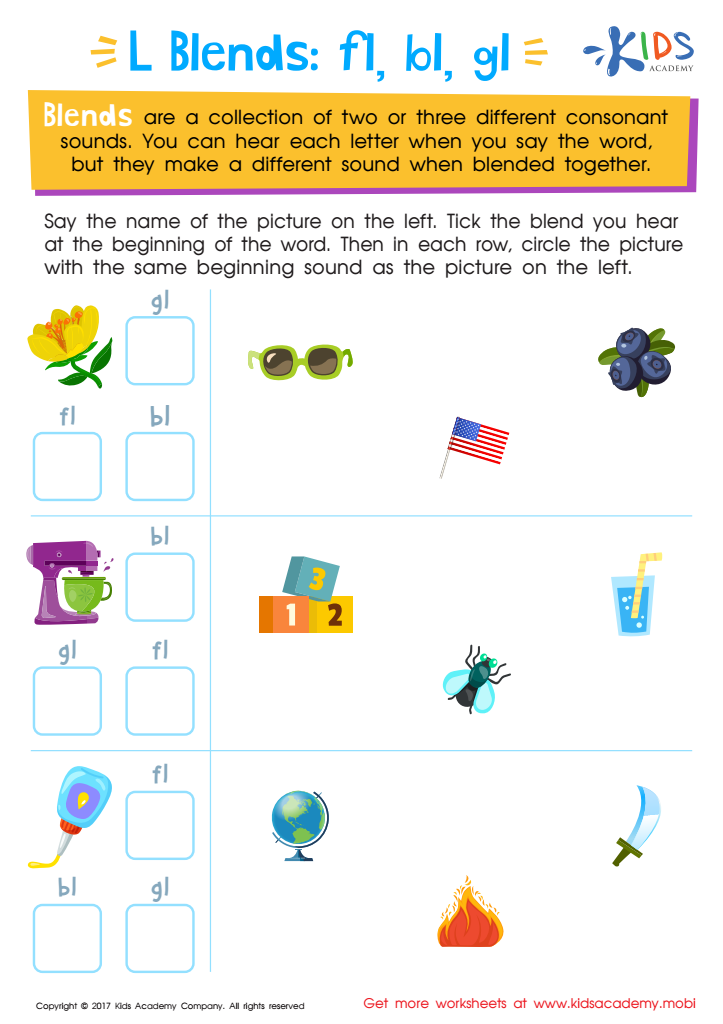
Blending Consonants: "Fl", "Bl" and "Gl" Printable
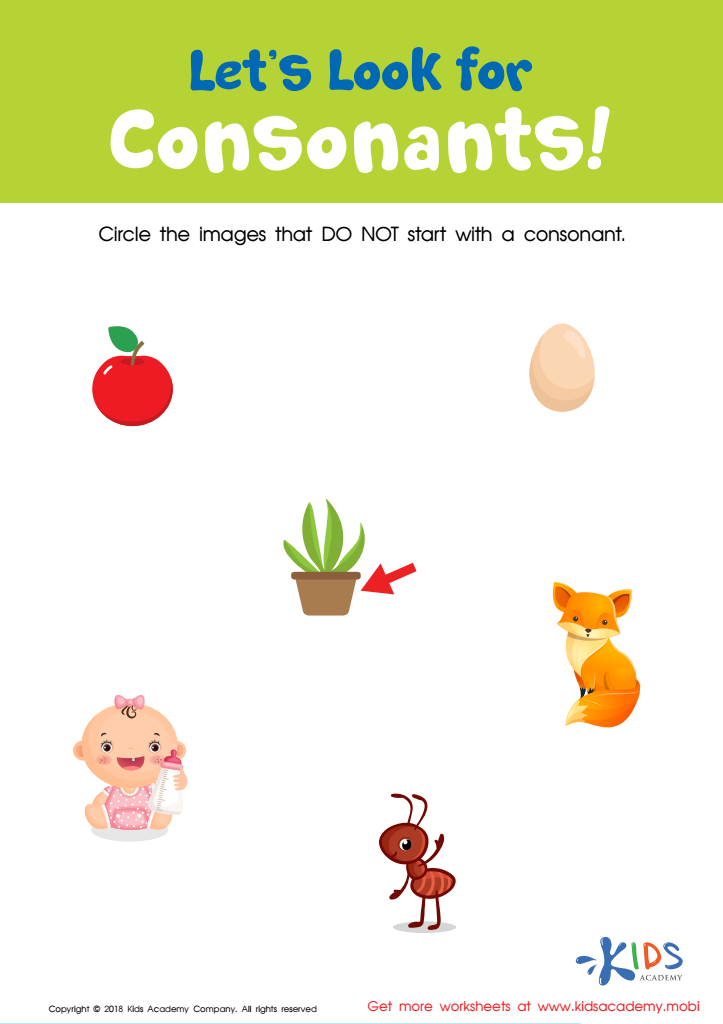
Let's Look for Consonants Worksheet
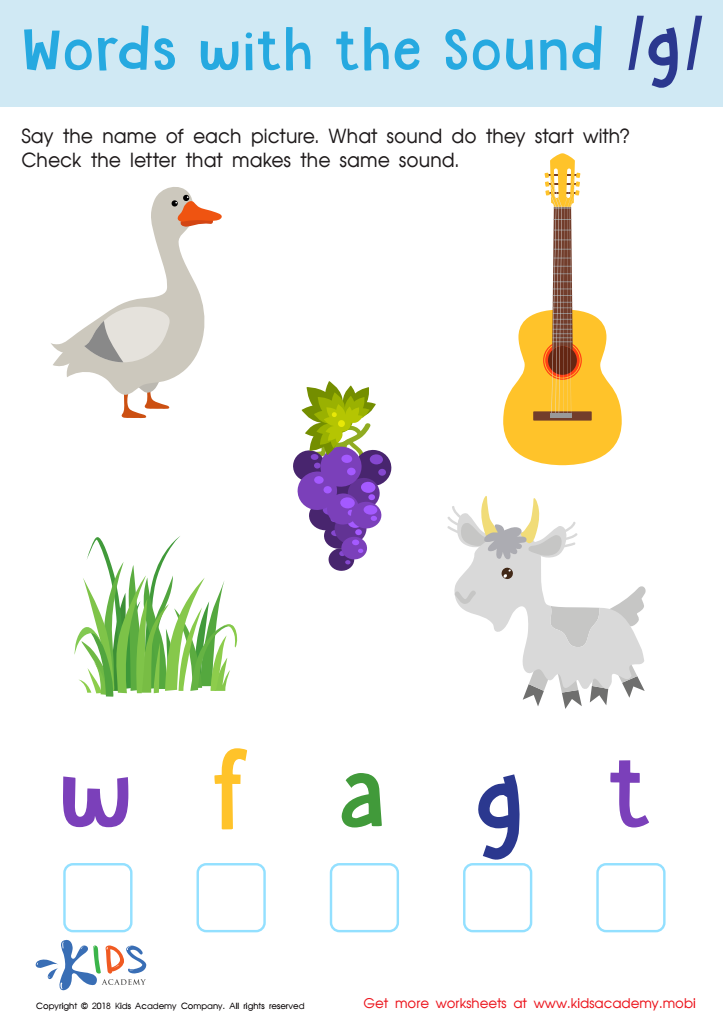
Words with sound g Reading Worksheet
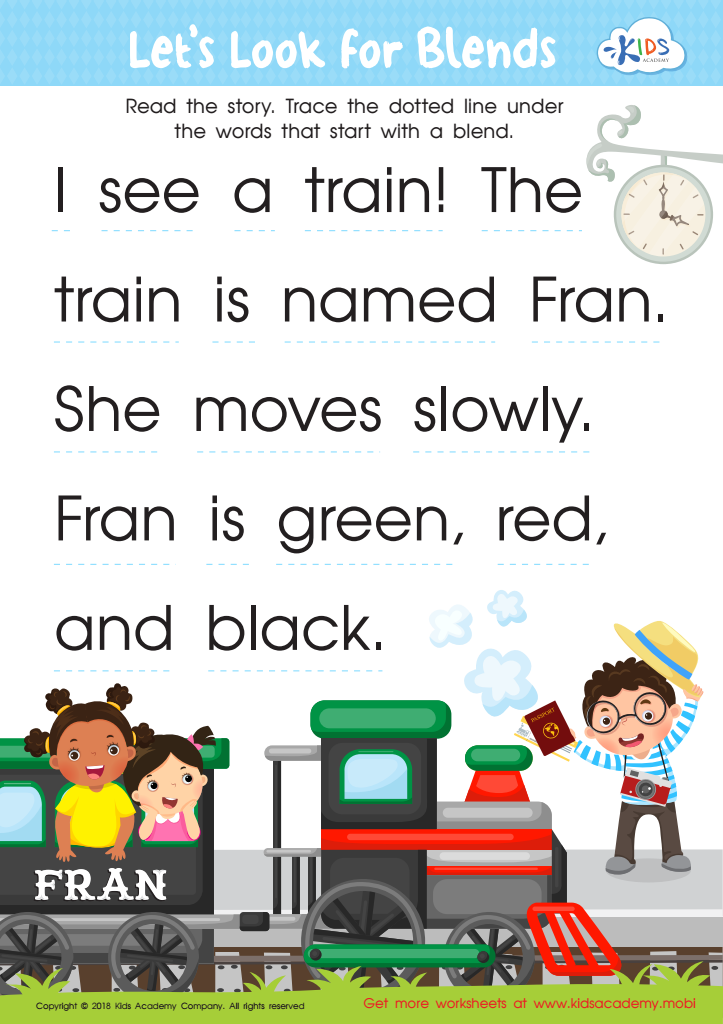
Let's Look for Blends Worksheet
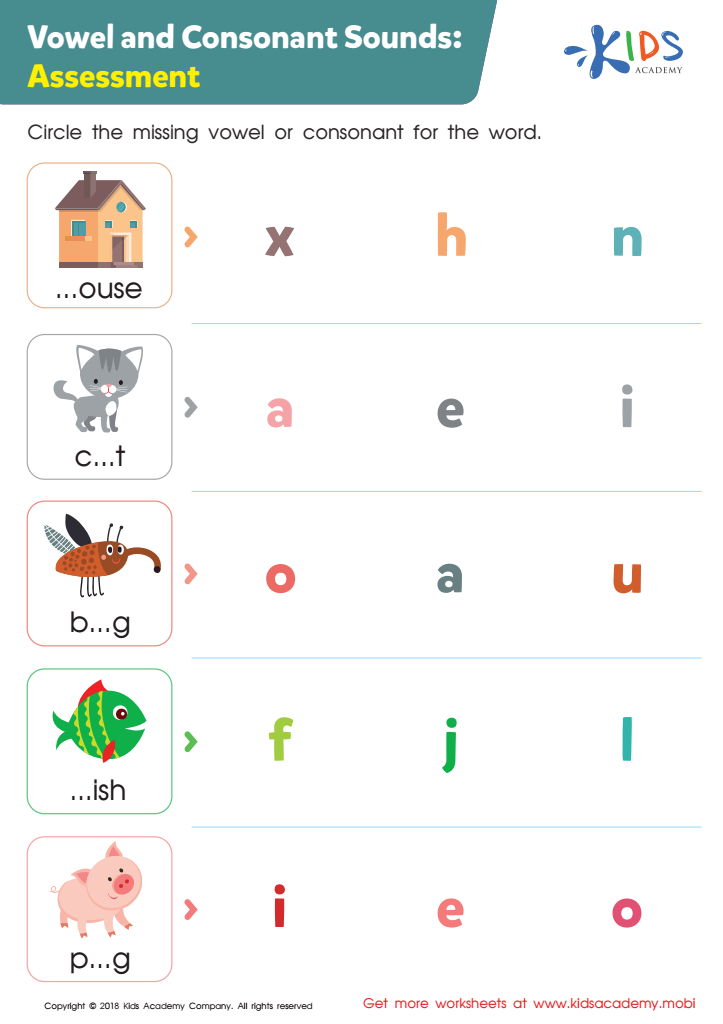
Vowel and Consonant Sounds: Assessment Worksheet
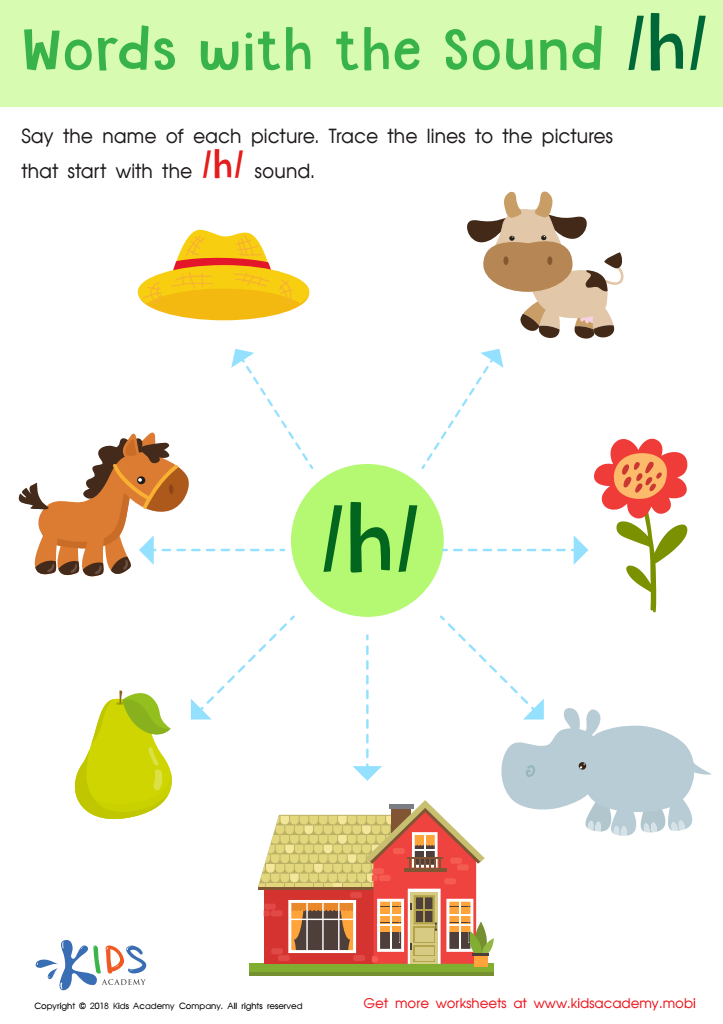
Words with sound h Reading Worksheet
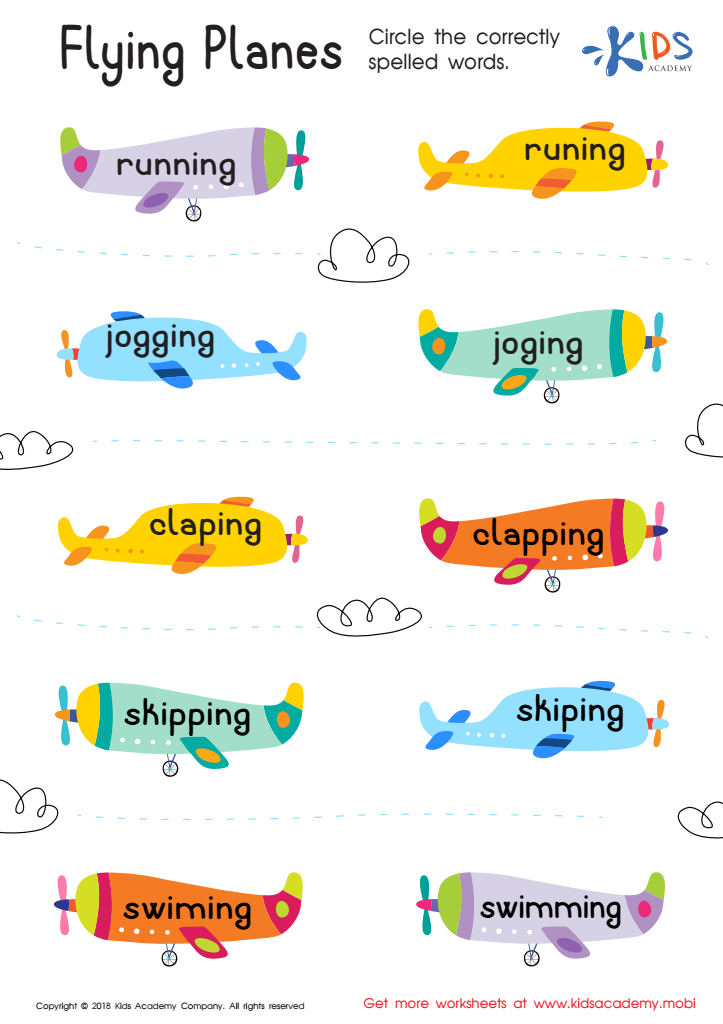
Flying Planes Worksheet
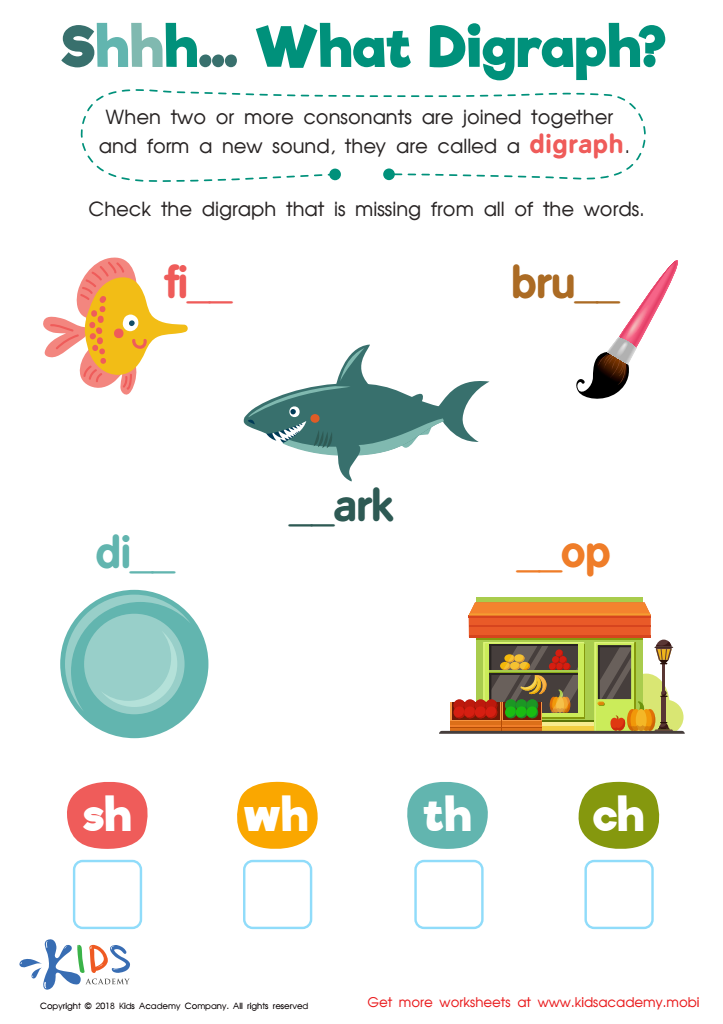
Shhh... What Digraph? Worksheet
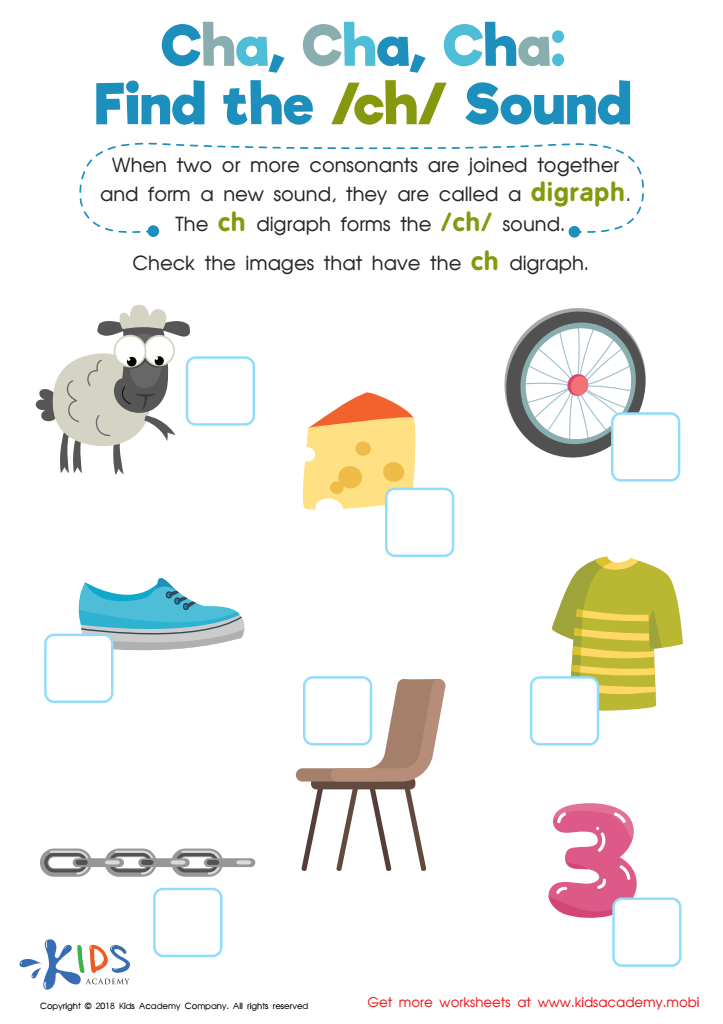
Cha, Cha, Cha: Find the /Ch/ Sound Worksheet
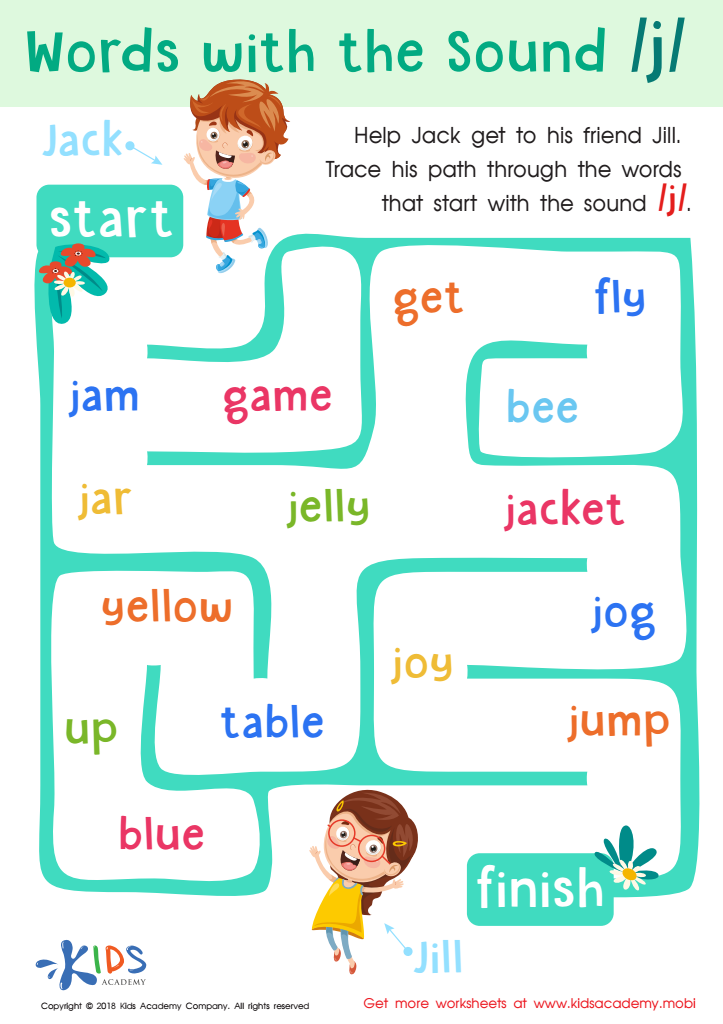
Words with sound j Reading Worksheet
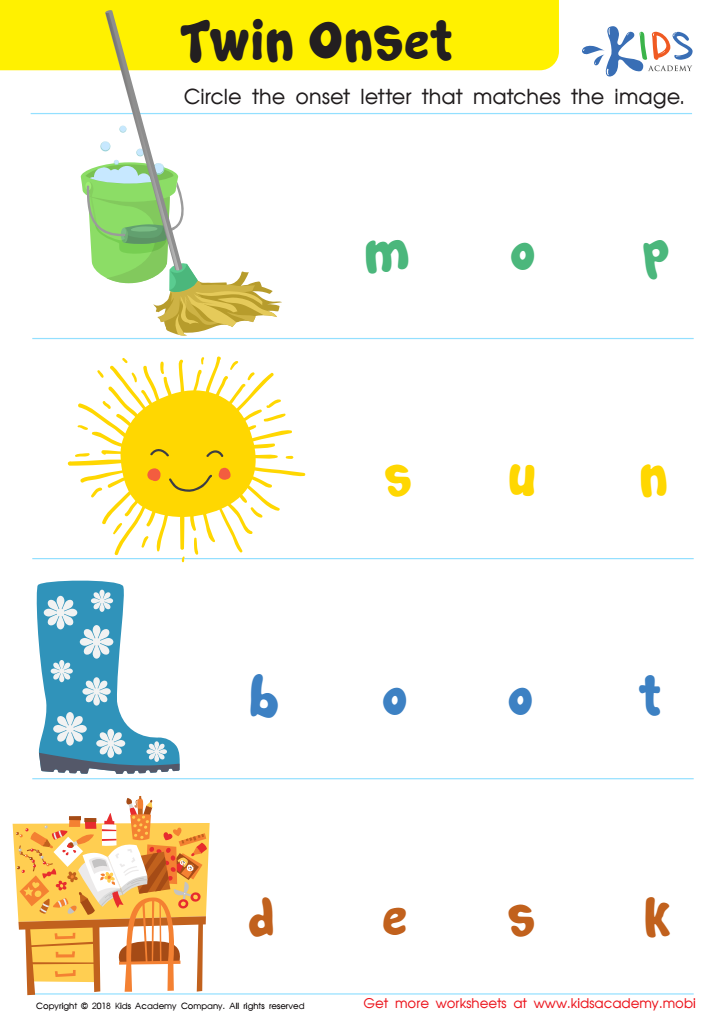
Twin Onset Worksheet
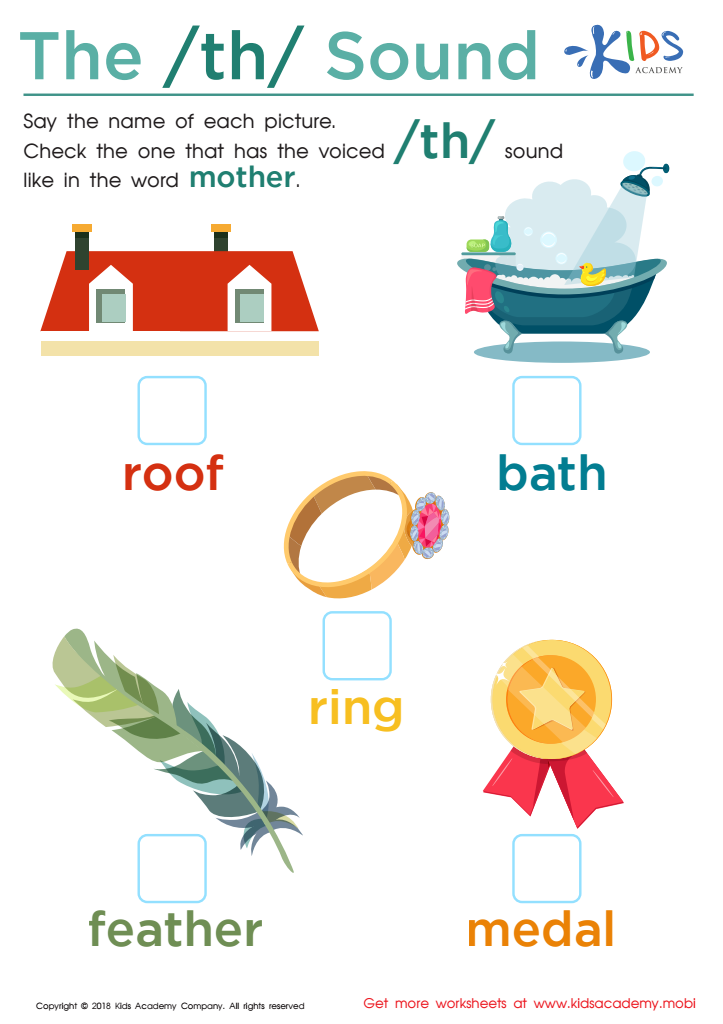
The /th/ Sound Worksheet
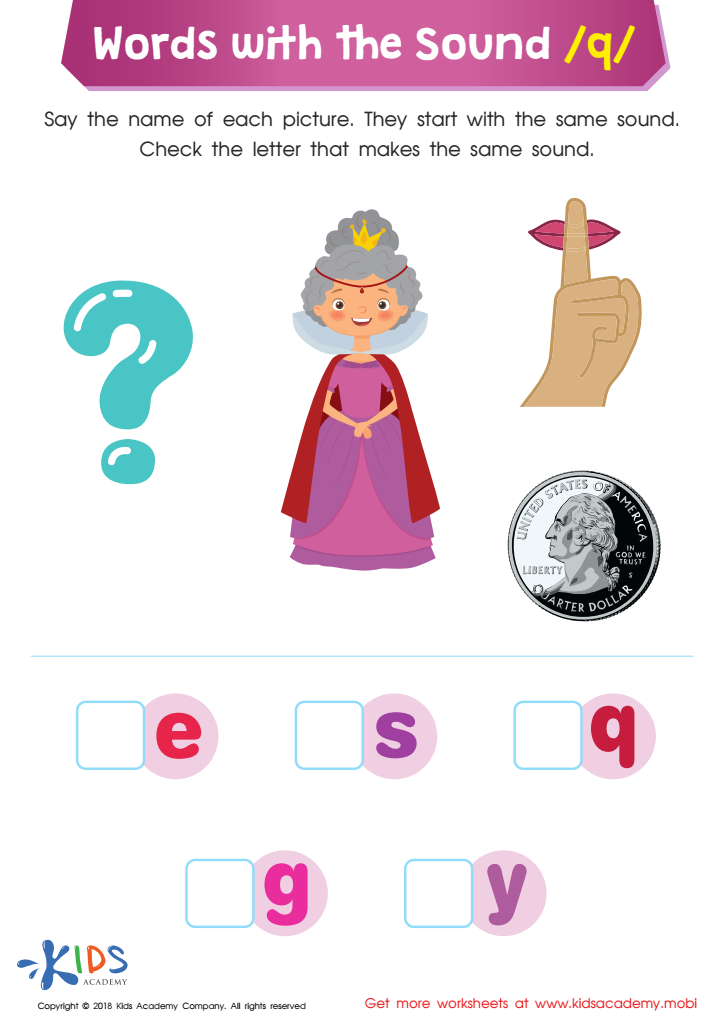
Words with Sound Q Reading Worksheet
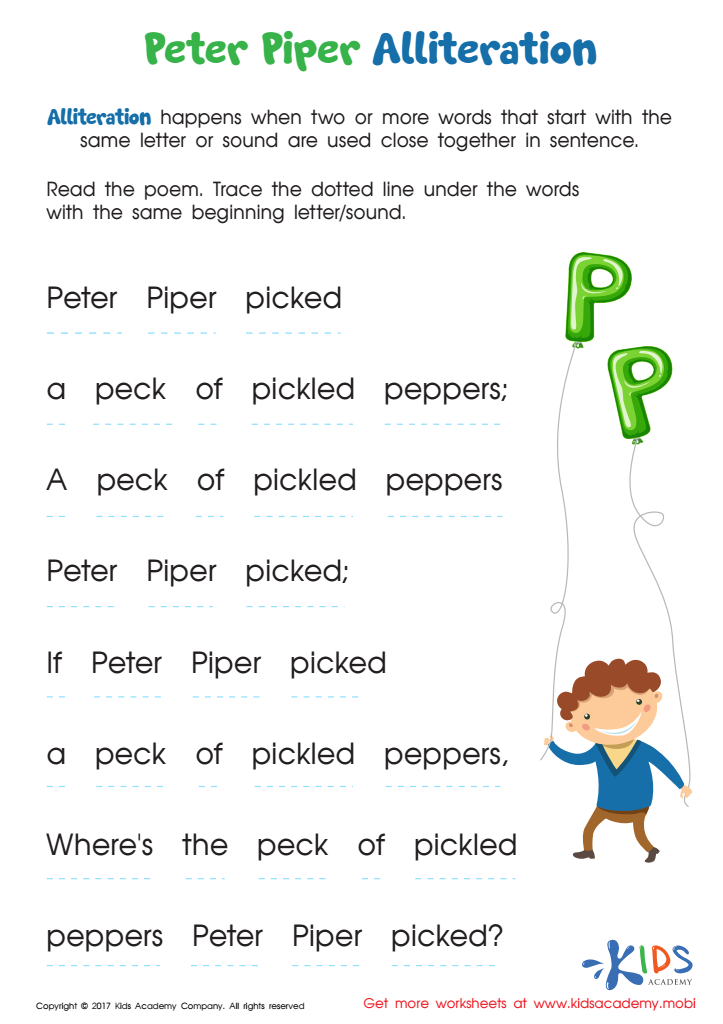
Peter Piper Alliteration Worksheet
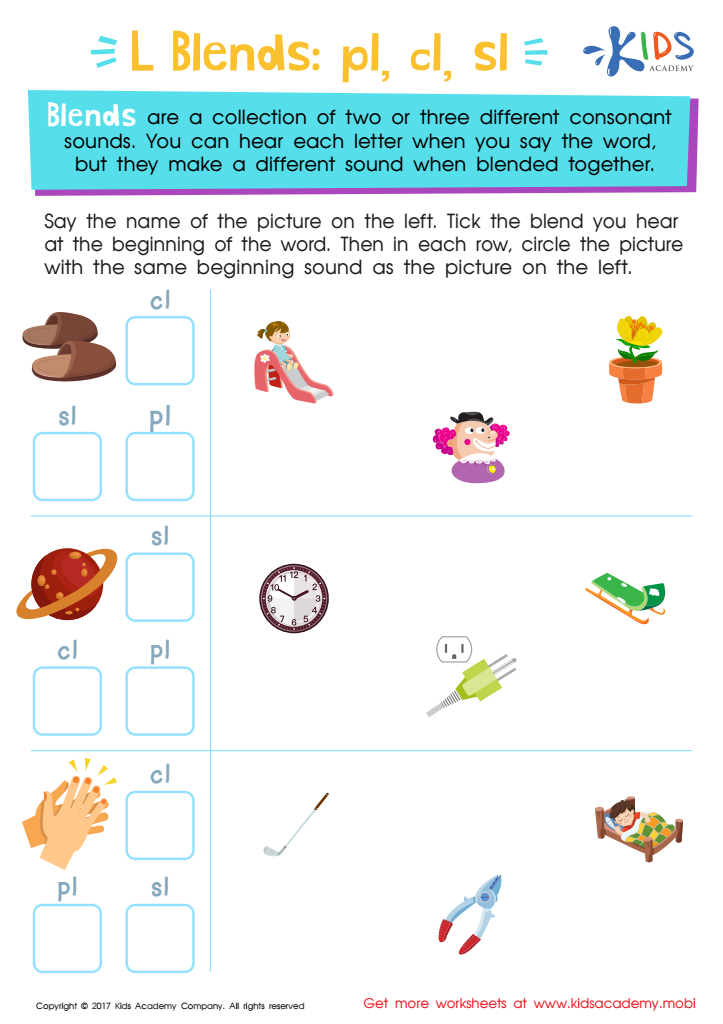
L Blends: "Pl", "Cl" and "Sl" Printable
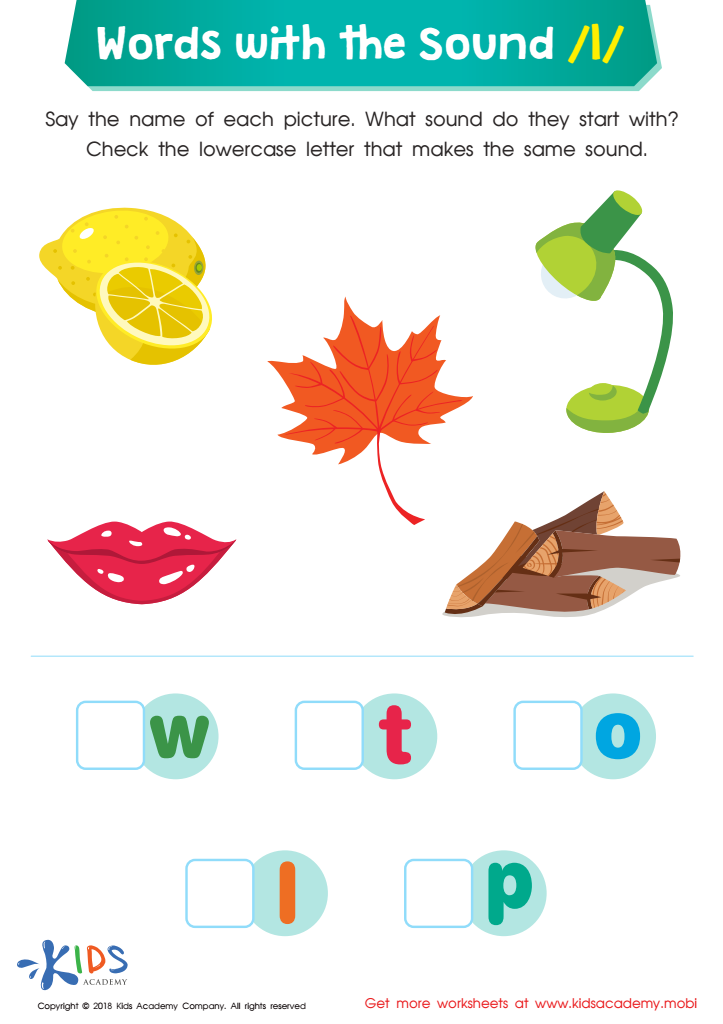
Words with Sound L Reading Worksheet
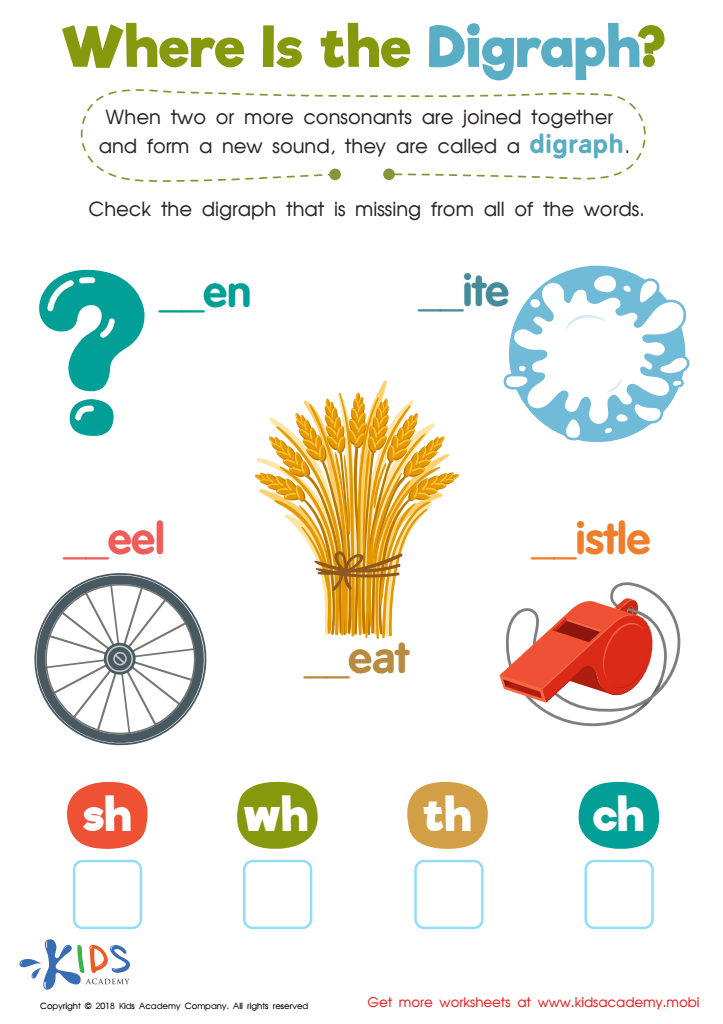
Where Is the Digraph? Worksheet
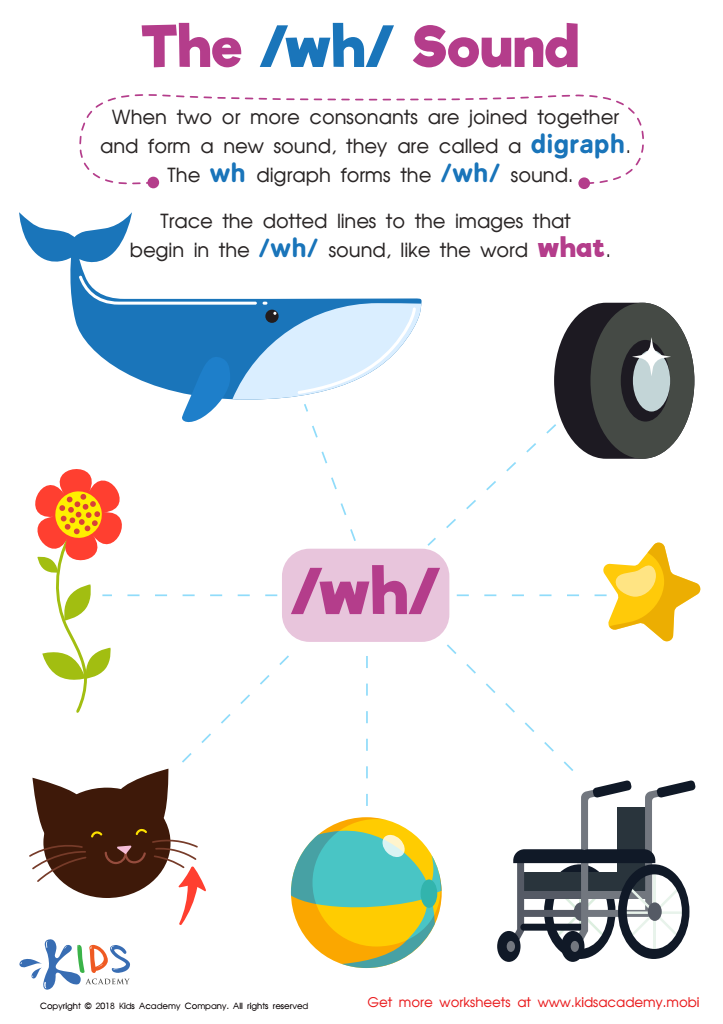
The /wh/ Sound Worksheet
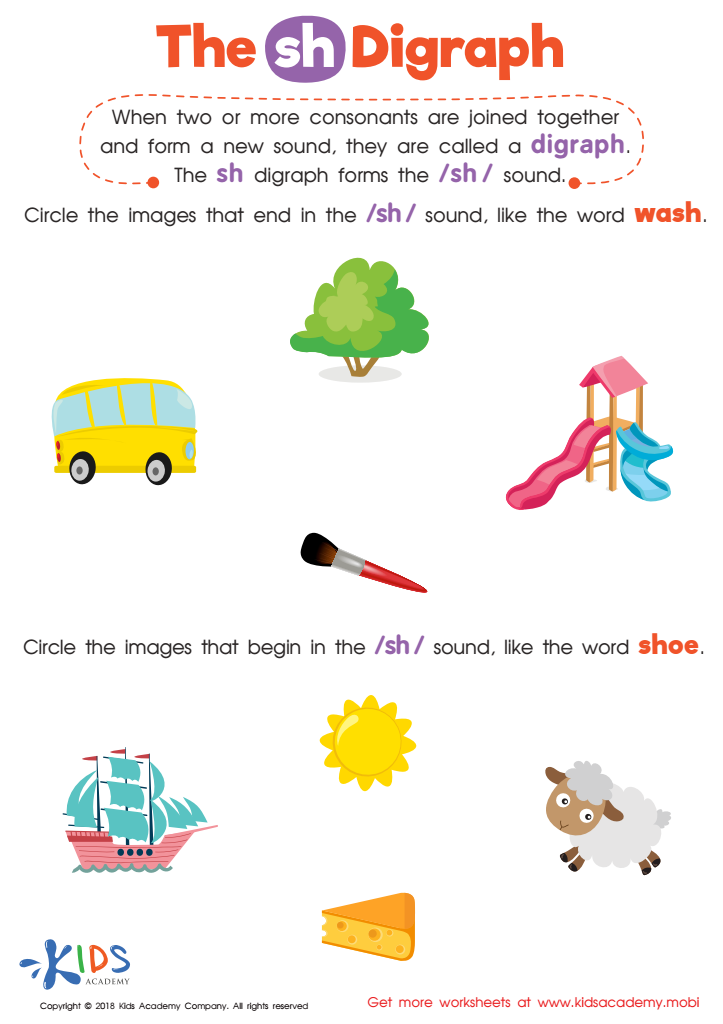
The SH Digraph Worksheet
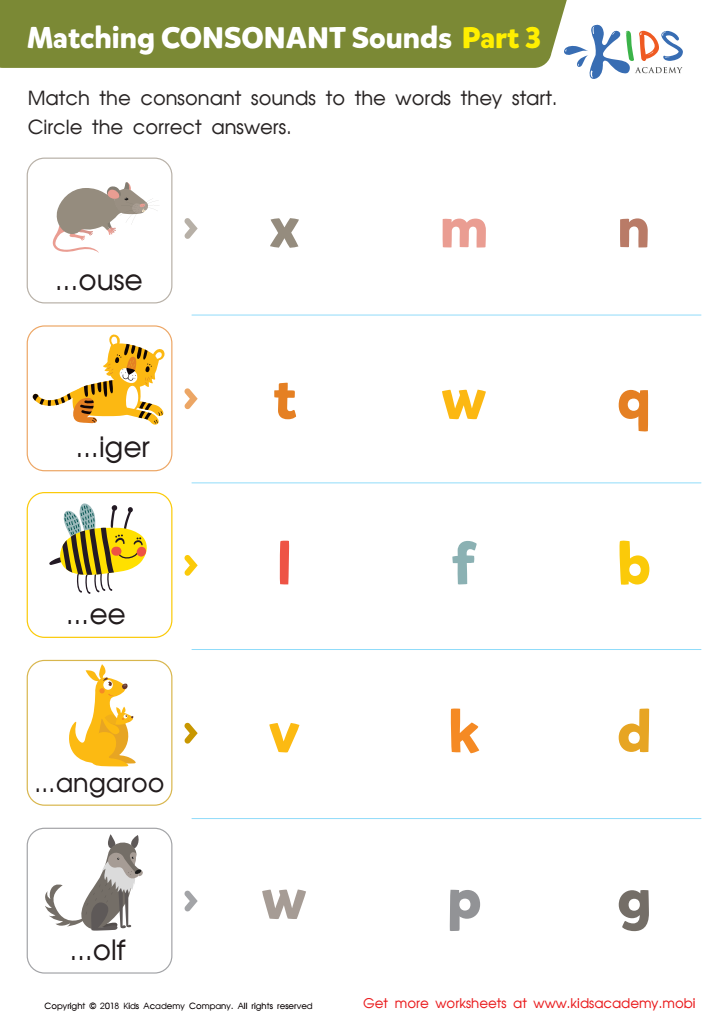
Matching Consonant Sounds: Part 3 Worksheet
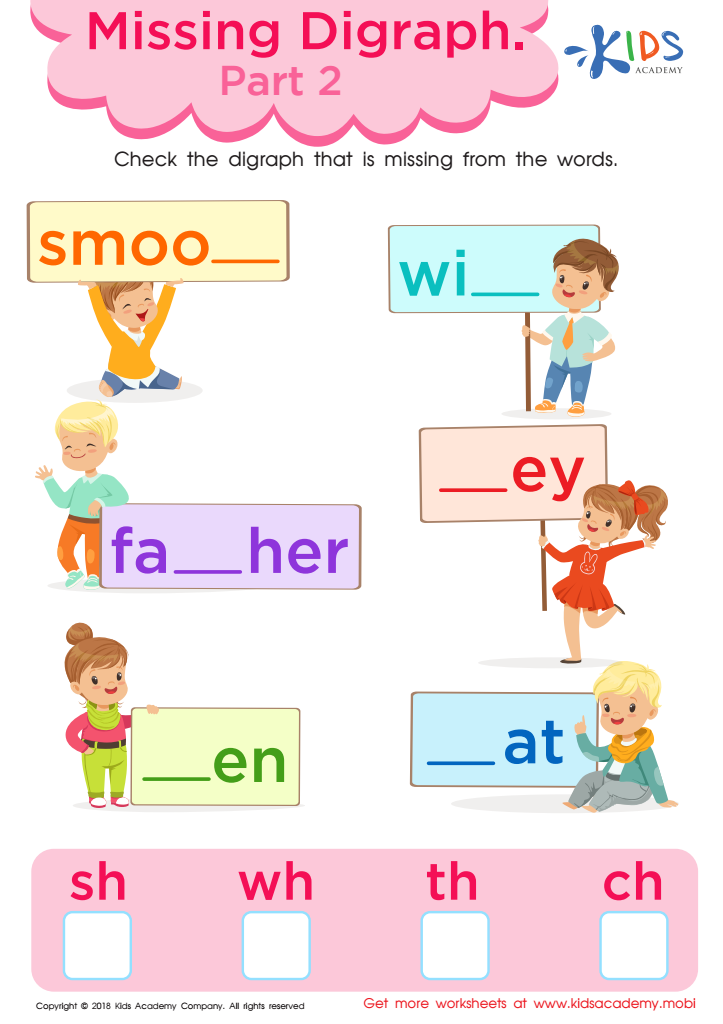
Missing Digraph: Part 2 Worksheet



Consonants play a crucial role in early literacy development, making it essential for parents and teachers of children aged 4-8 to focus on them. Understanding consonants helps young readers decode words, improving their reading fluency and comprehension. Consonants form the backbone of phonetic structures, serving as building blocks for words.
In this age group, children typically begin to develop phonemic awareness, the ability to hear, identify, and manipulate individual sounds in spoken words. Familiarity with consonants aids in developing this skill, as it allows children to segment words into sounds, enhancing their ability to blend sounds into recognizable words.
Moreover, strong consonant recognition fosters spelling skills. As children learn to write, they rely on their understanding of consonants to spell words accurately, paving the way for effective communication.
Additionally, early exposure to consonants can instill a love for language and literature in young learners. Engaging activities that include consonant recognition can make learning enjoyable, encouraging children to explore reading and writing further.
In sum, attention to consonants is fundamental to literacy and communication skills, and it's a shared responsibility of both parents and teachers to cultivate this foundational knowledge in young children.