Phonics Skills Alphabet Worksheets for Ages 4-8 - Page 3
67 filtered results
-
From - To
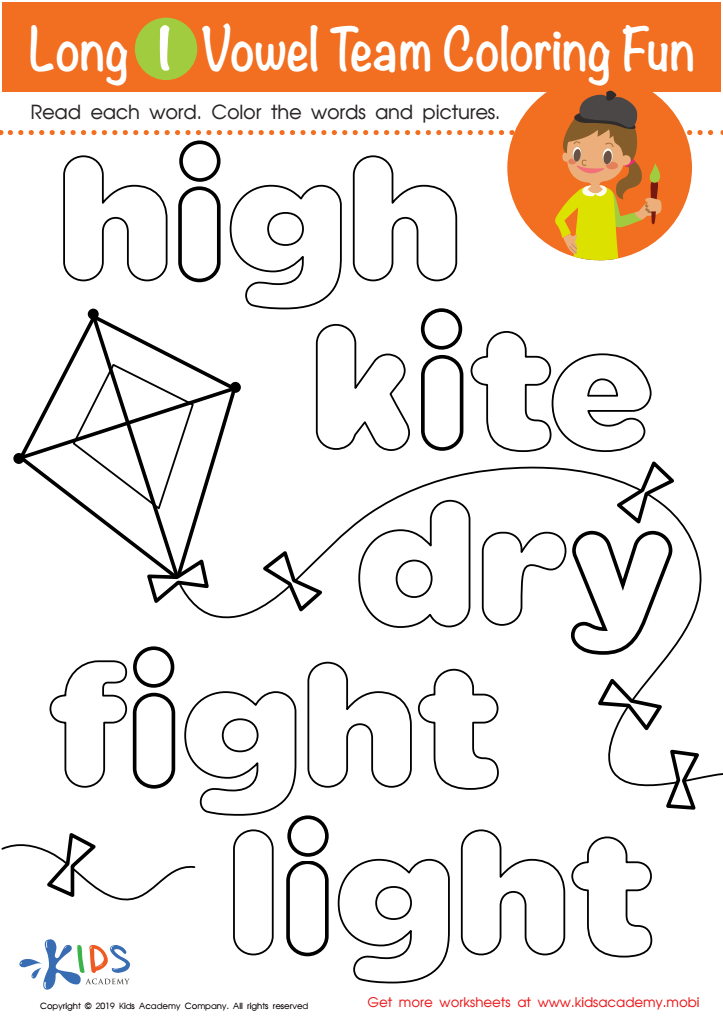
Long I Vowel Team Coloring Worksheet
 Assign to My Students
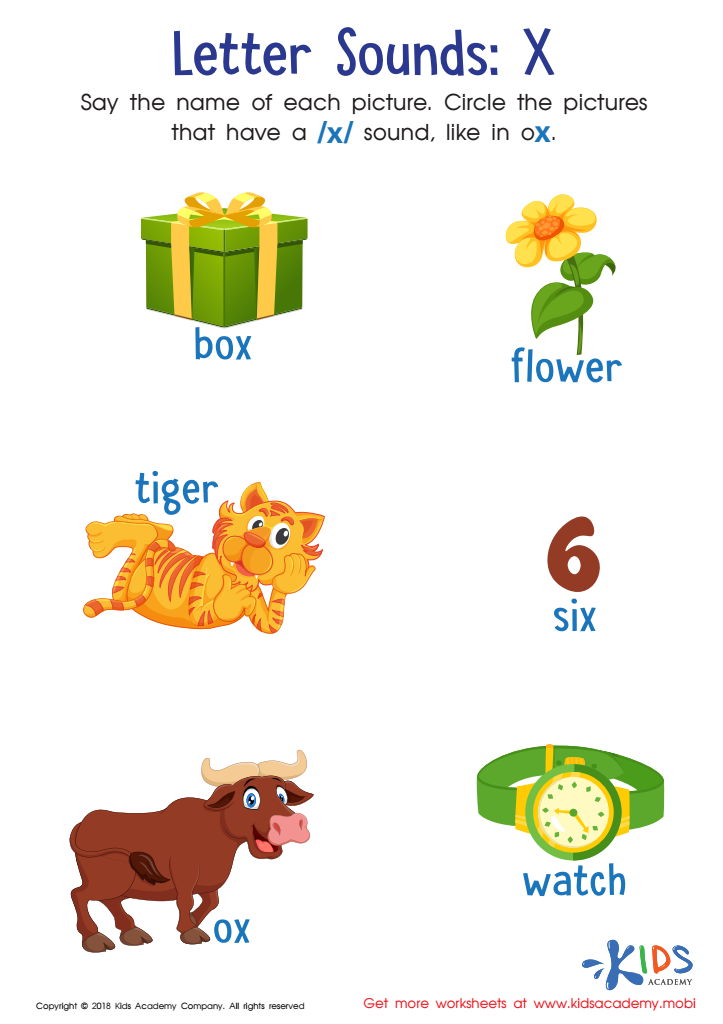
Letter X Sounds Worksheet
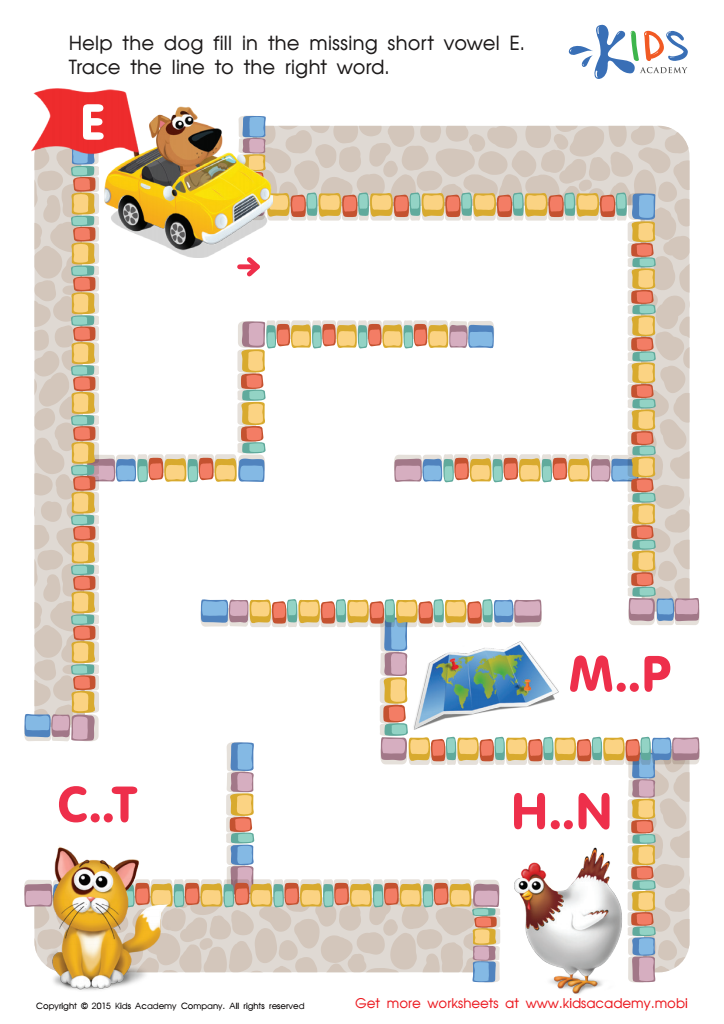
Short Vowel Sound E Worksheet
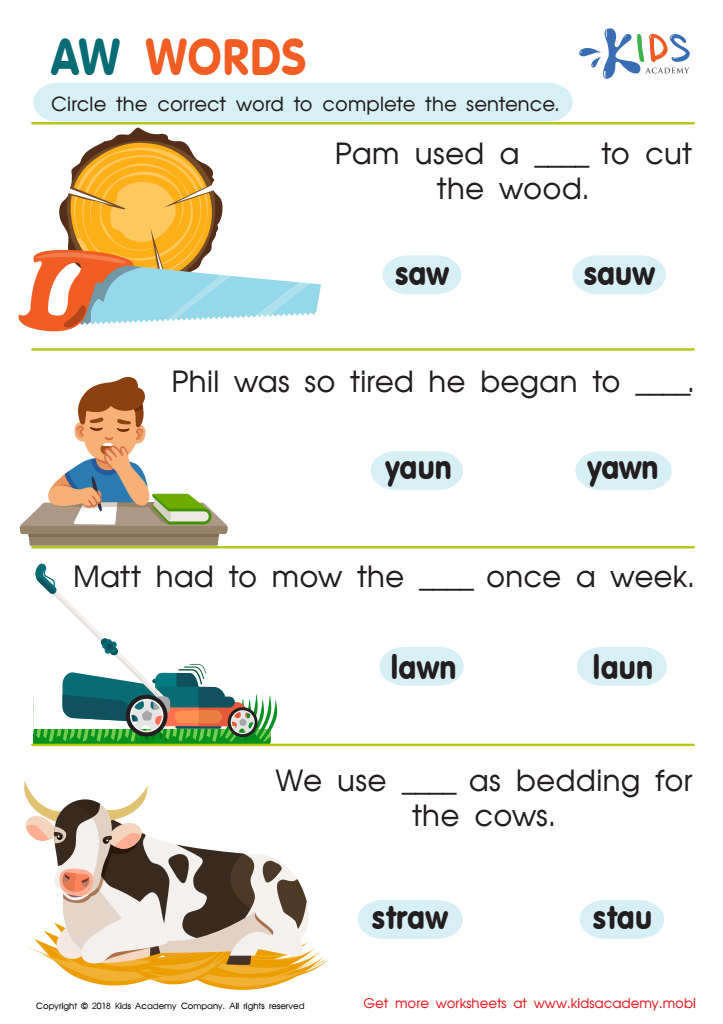
Reading: AW Words Worksheet
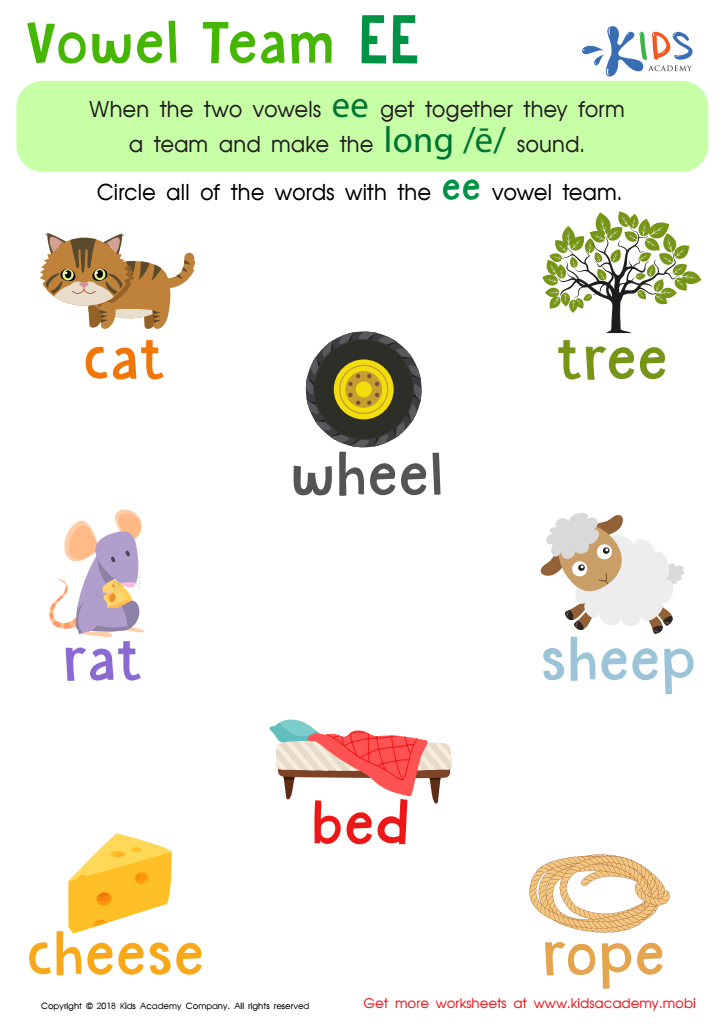
Reading: Vowel Team EE Worksheet
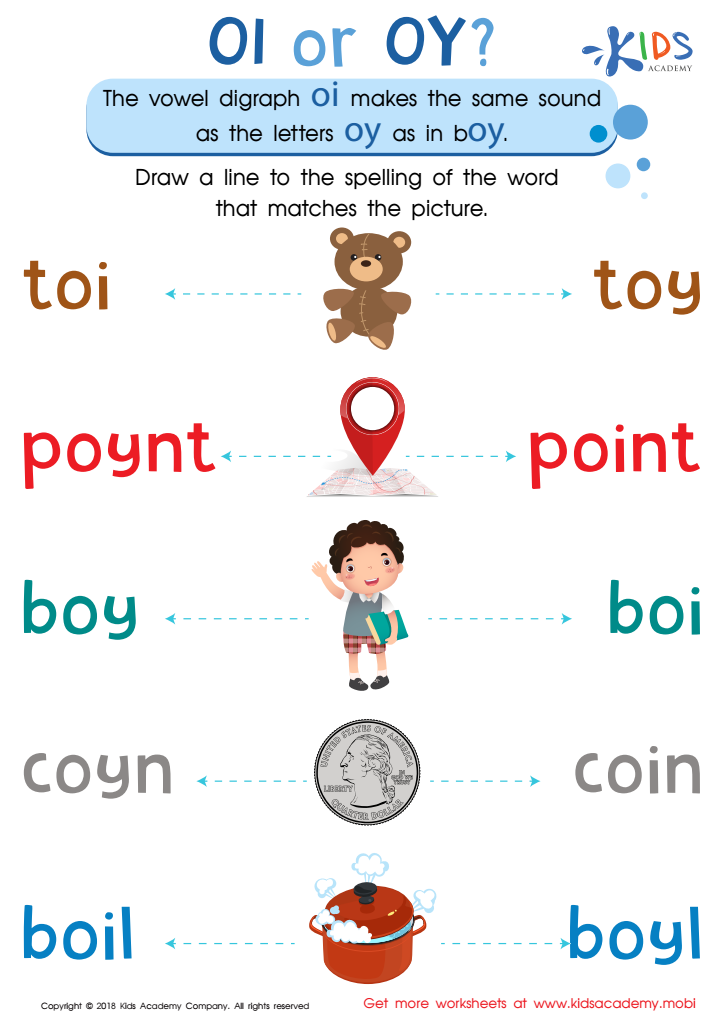
Reading: OI and OY Worksheet
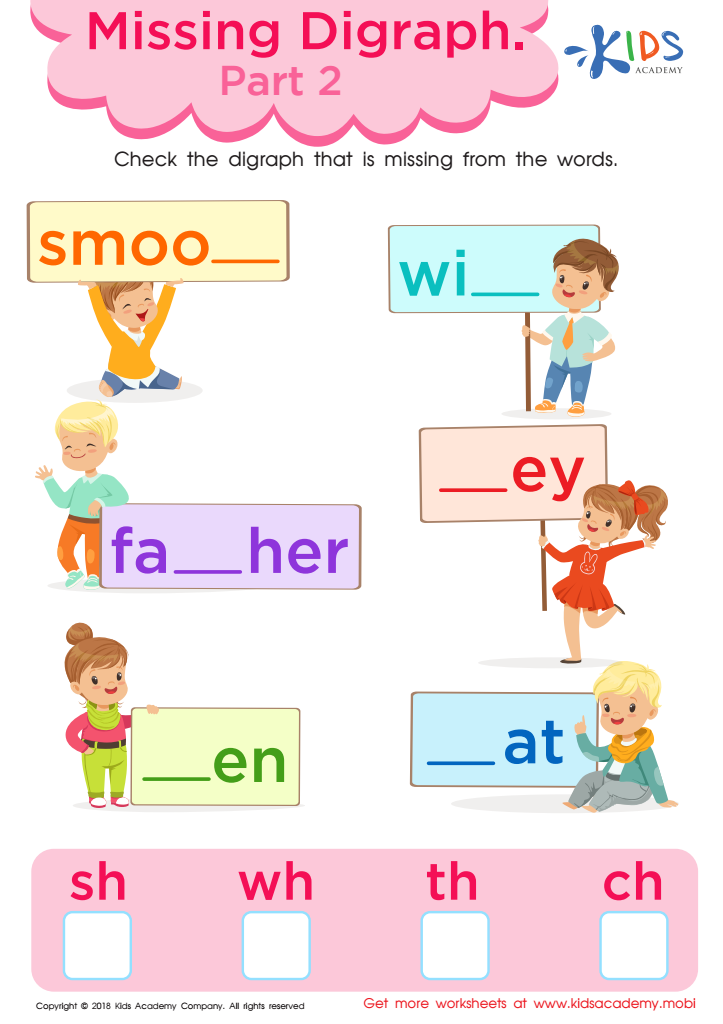
Missing Digraph: Part 2 Worksheet
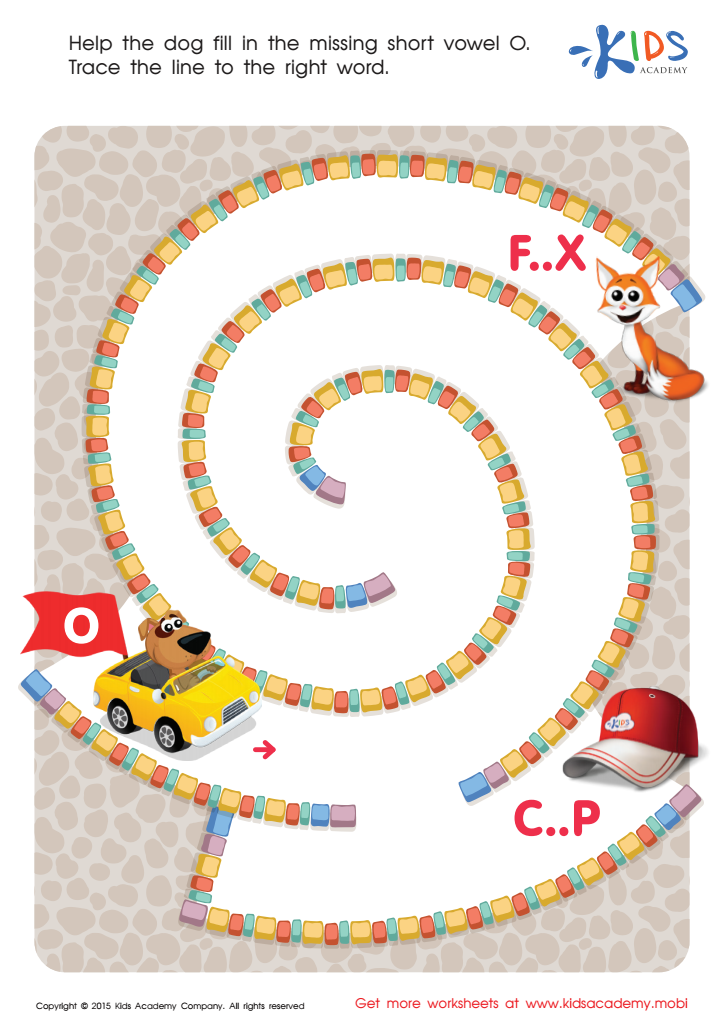
Short Vowel Sound O Worksheet
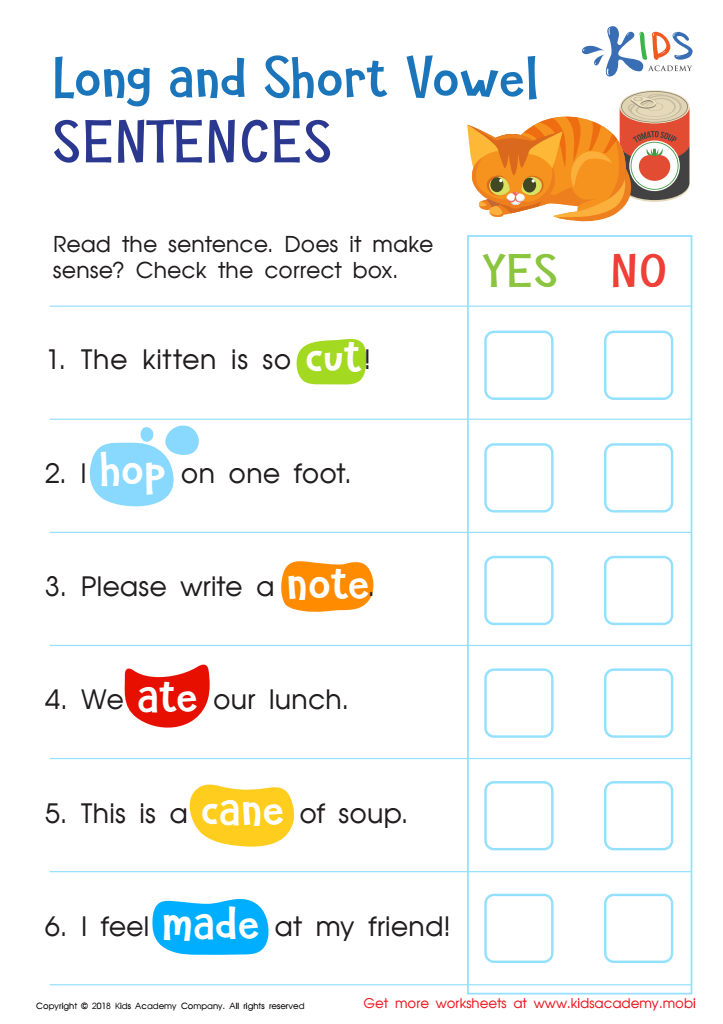
Long and Short Vowel Sentences: Assessment Worksheet
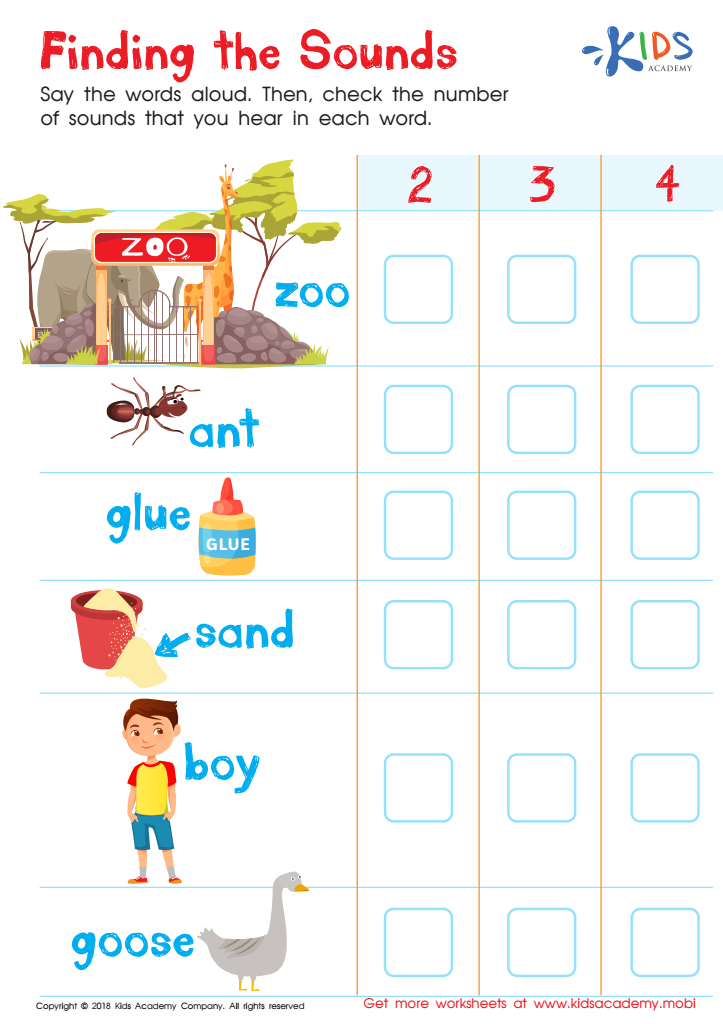
Finding the Sounds Worksheet
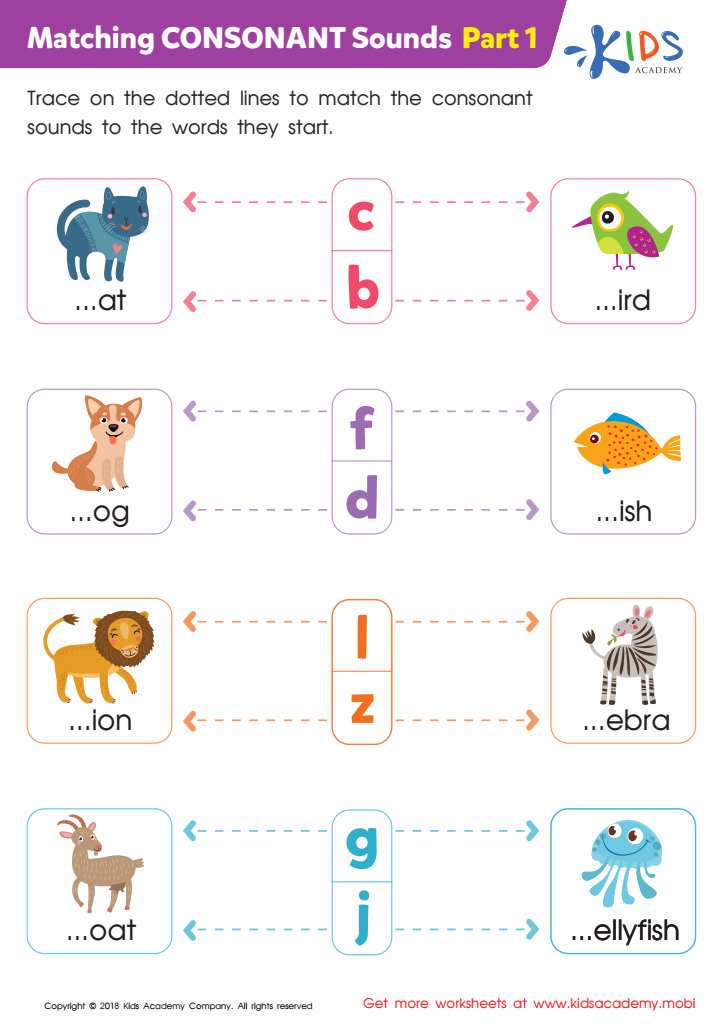
Matching Consonant Sounds: Part 1 Worksheet
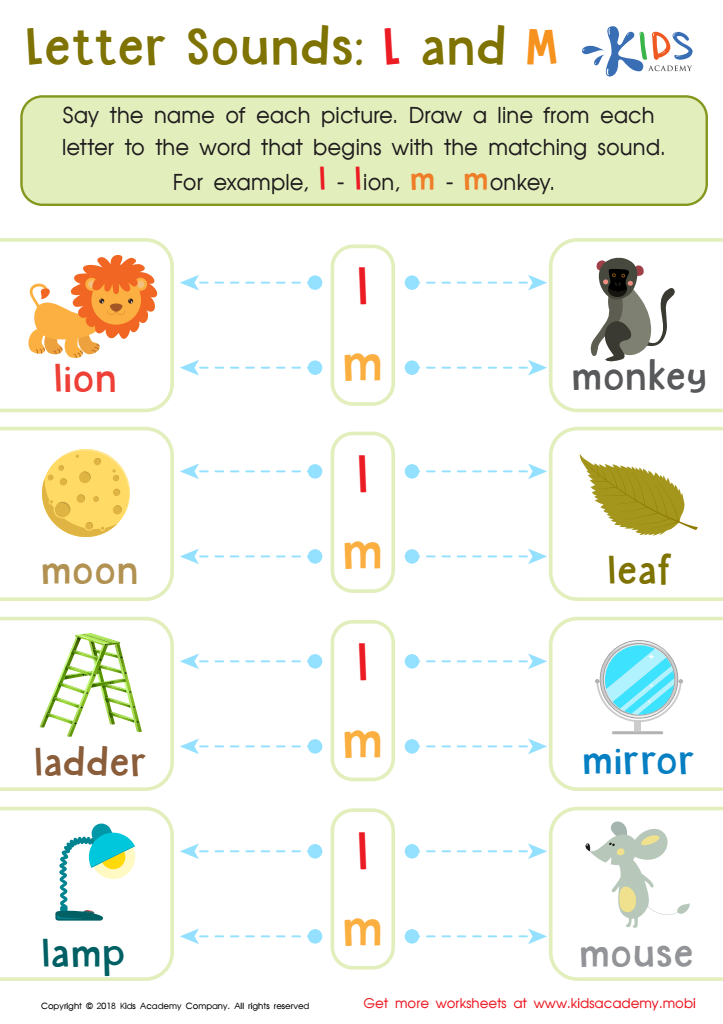
Letter l and M Sounds Worksheet
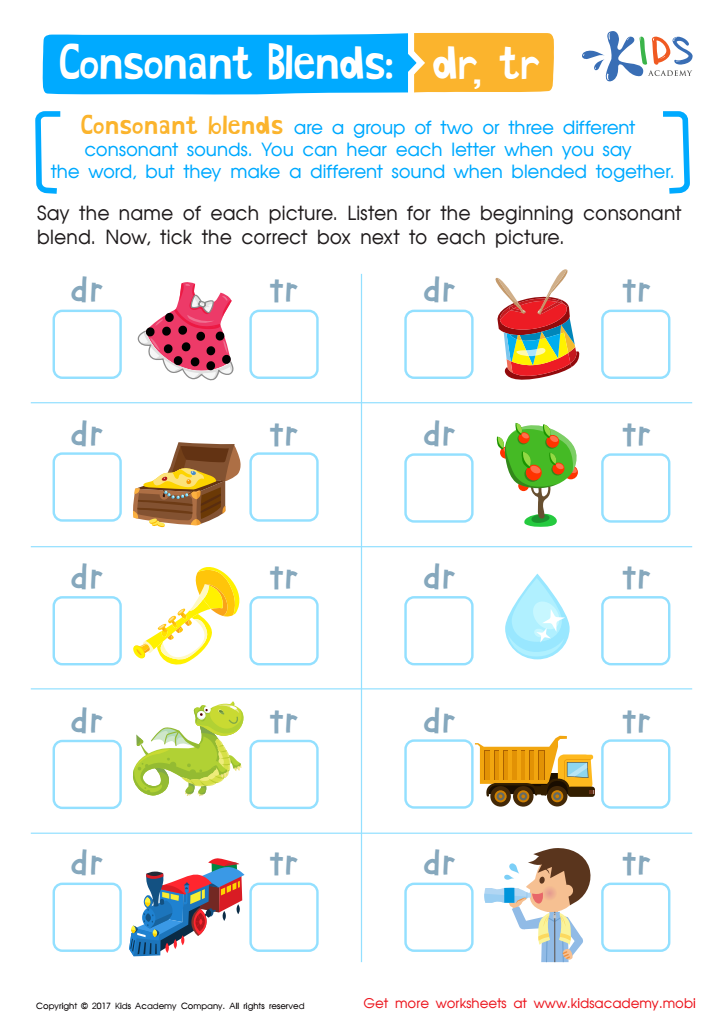
Consonant Blends: "Dr" and "Tr" Printable

Long and Short E Worksheet
Assign to My Students
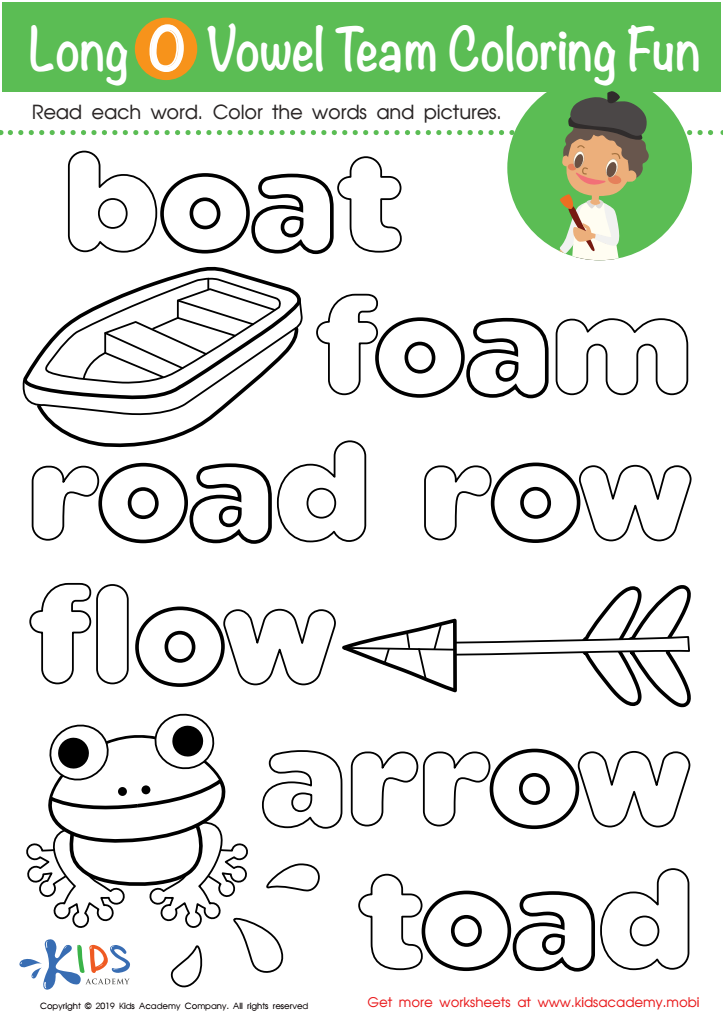
Long O Vowel Team Coloring Worksheet
Assign to My Students
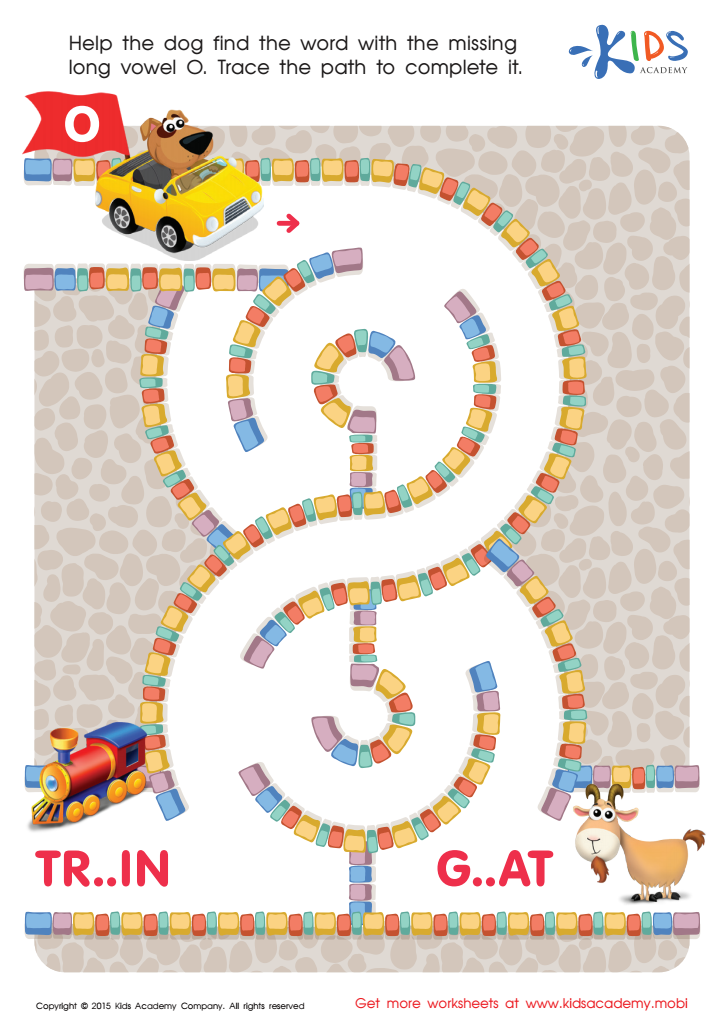
Long Vowel Sound O Worksheet
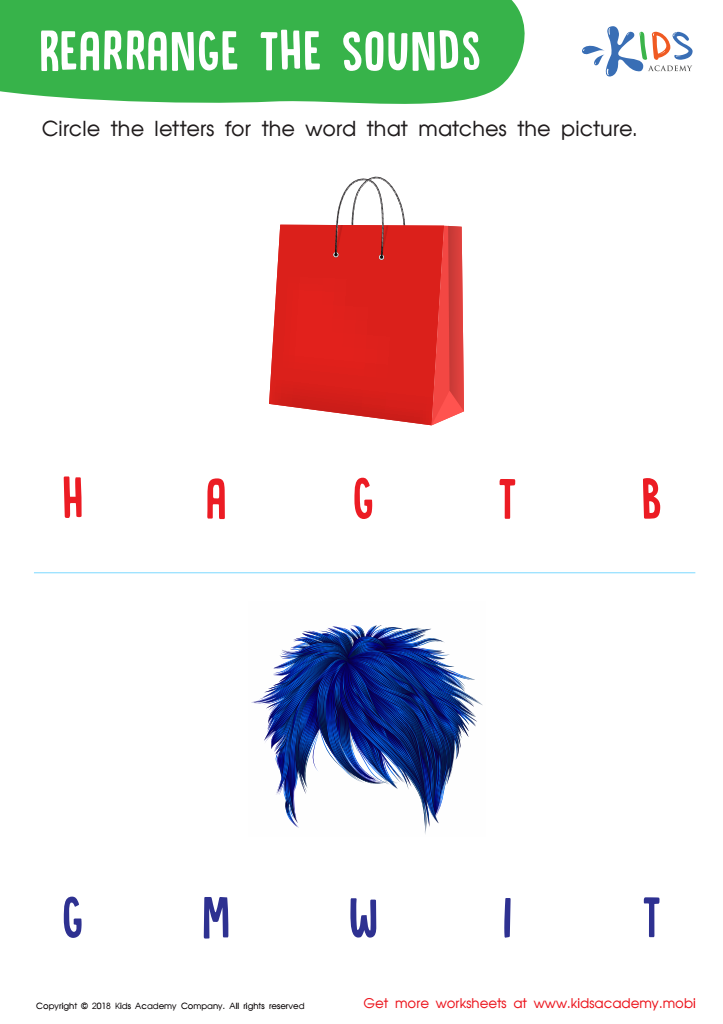
Rearrange the Sounds Worksheet
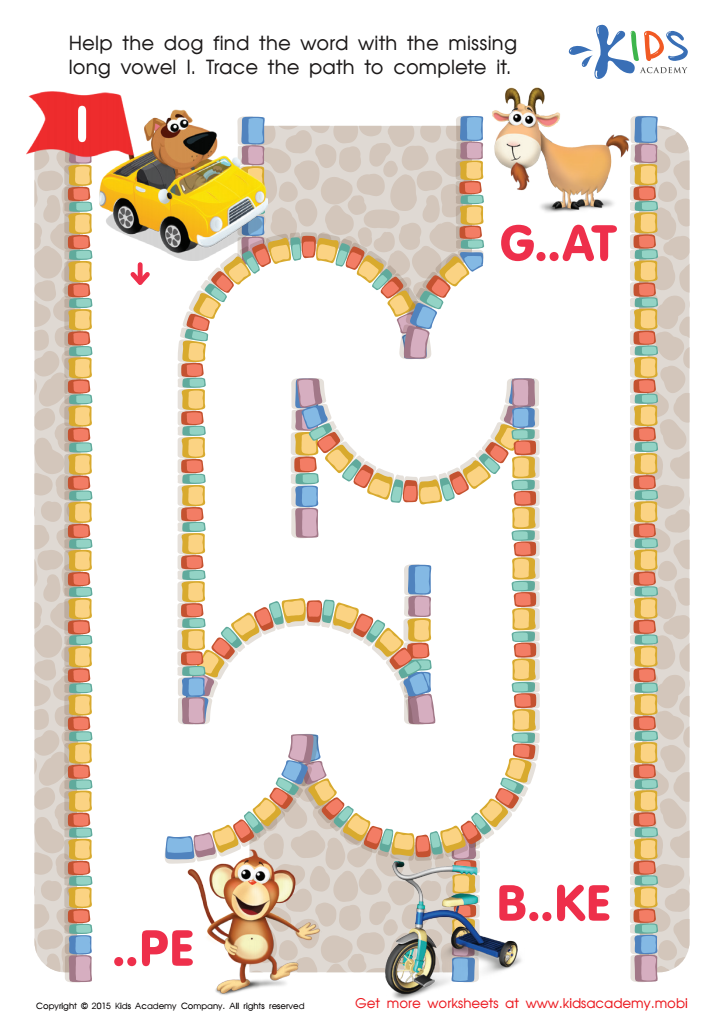
Long Vowel Sound I Worksheet
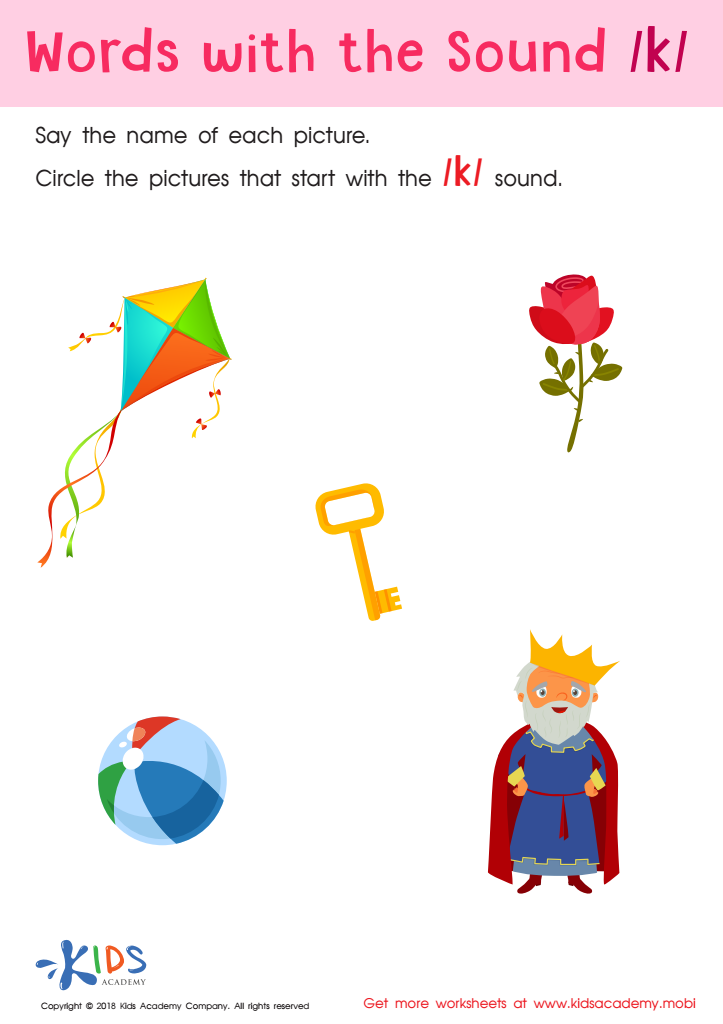
Words with sound k Reading Worksheet







Phonics skills are fundamental to early literacy development, making it crucial for parents and teachers to prioritize them for children aged 4-8. During this formative period, children are learning to decode words, a skill essential for reading fluency and comprehension. Phonics instruction helps children understand the relationship between letters and sounds, enabling them to blend sounds to read new words independently.
Moreover, strong phonics skills lay the groundwork for essential reading strategies. Children who grasp these skills are more likely to become confident readers, capable of tackling more complex texts as they progress. This confidence not only enhances academic performance but also fosters a love for reading, which can shape their lifelong learning habits.
Additionally, phonics learning supports spelling and writing skills, empowering children to express their thoughts effectively. Programs focusing on phonics have been shown to yield significant improvements in literacy outcomes, particularly for struggling readers.
As partners in education, parents and teachers sharing a commitment to phonics instruction creates a collaborative environment conducive to learning. Ensuring children develop these foundational skills sets them on a path to success, both in school and beyond, ultimately influencing their future academic and career opportunities.







