Categorization skills Worksheets for Ages 4-8
34 filtered results
-
From - To
Enhance your child's learning journey with our engaging Categorization Skills Worksheets designed for ages 4-8. These printable resources provide fun and interactive activities that help young learners develop essential skills in grouping and organizing objects. By identifying similarities and differences, children will improve their critical thinking and boost their cognitive development. Our worksheets are designed to cater to various learning styles, ensuring every child can explore categorization through vibrant graphics and engaging challenges. Perfect for preschool and early elementary classrooms or at home, these worksheets make learning enjoyable while laying the foundation for future academic success. Start downloading today!
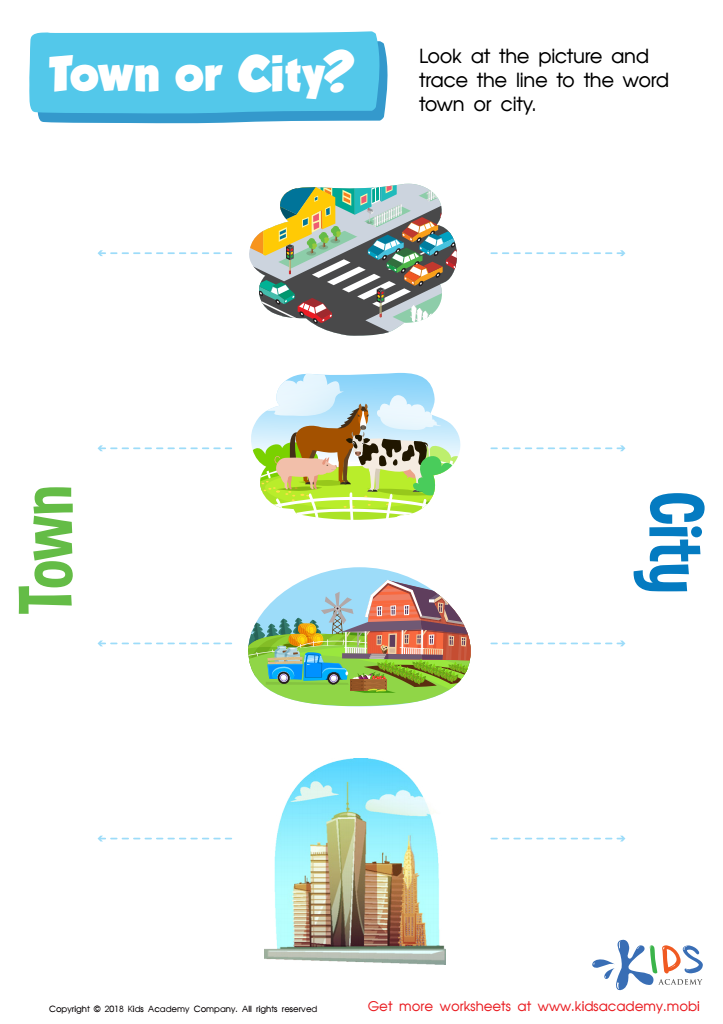
Town or City? Worksheet
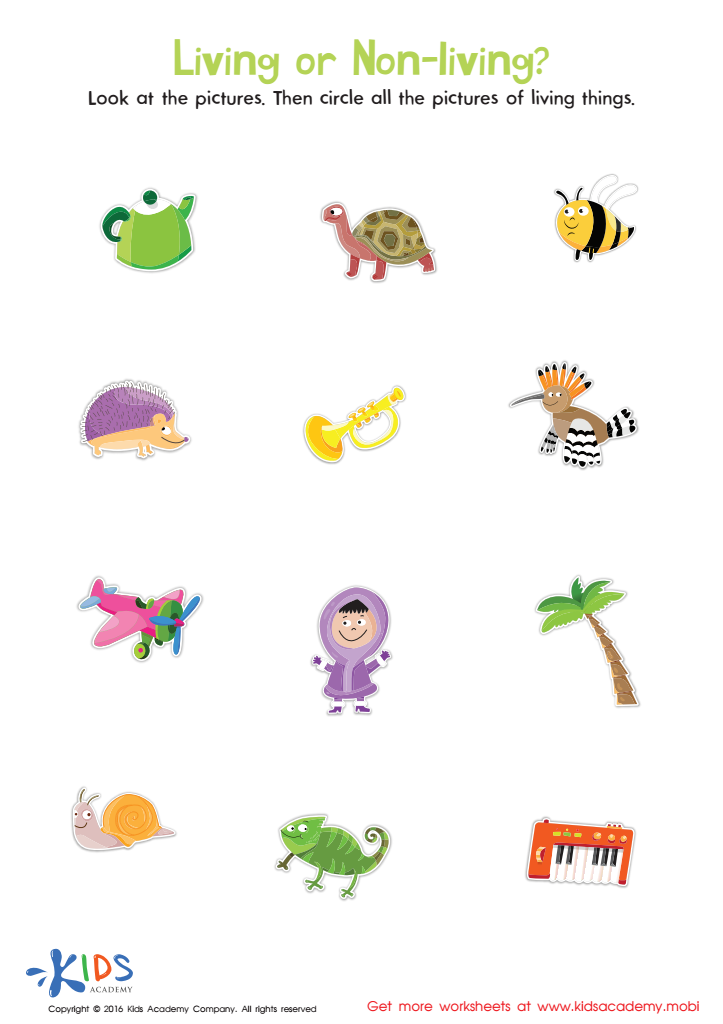
Identifying Living and Non–living Things Sorting Worksheet
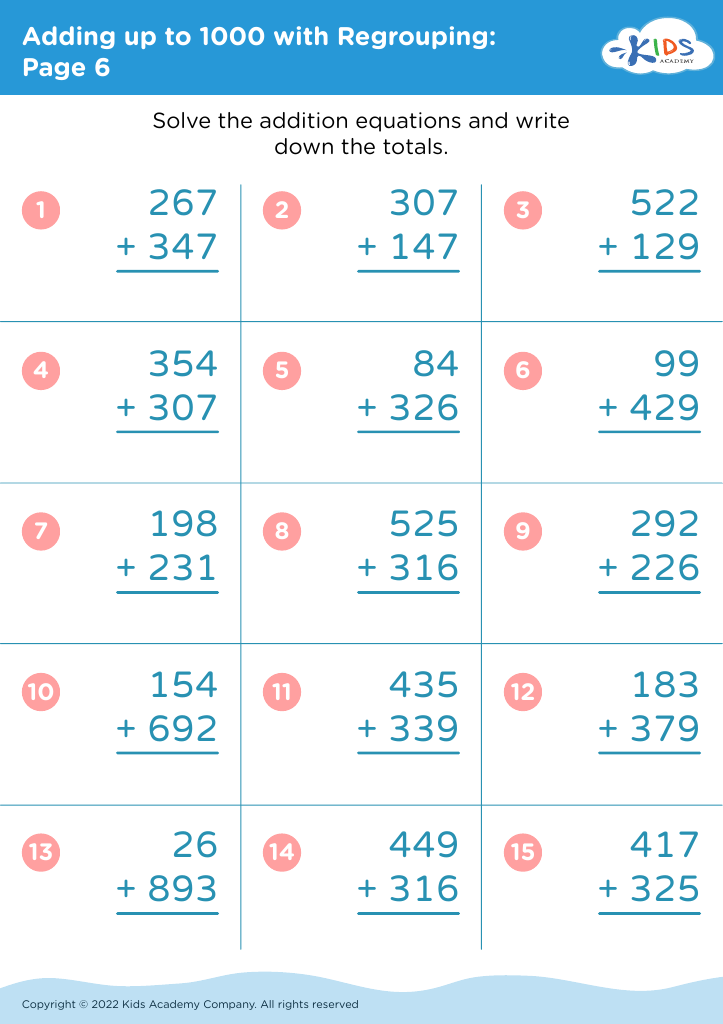
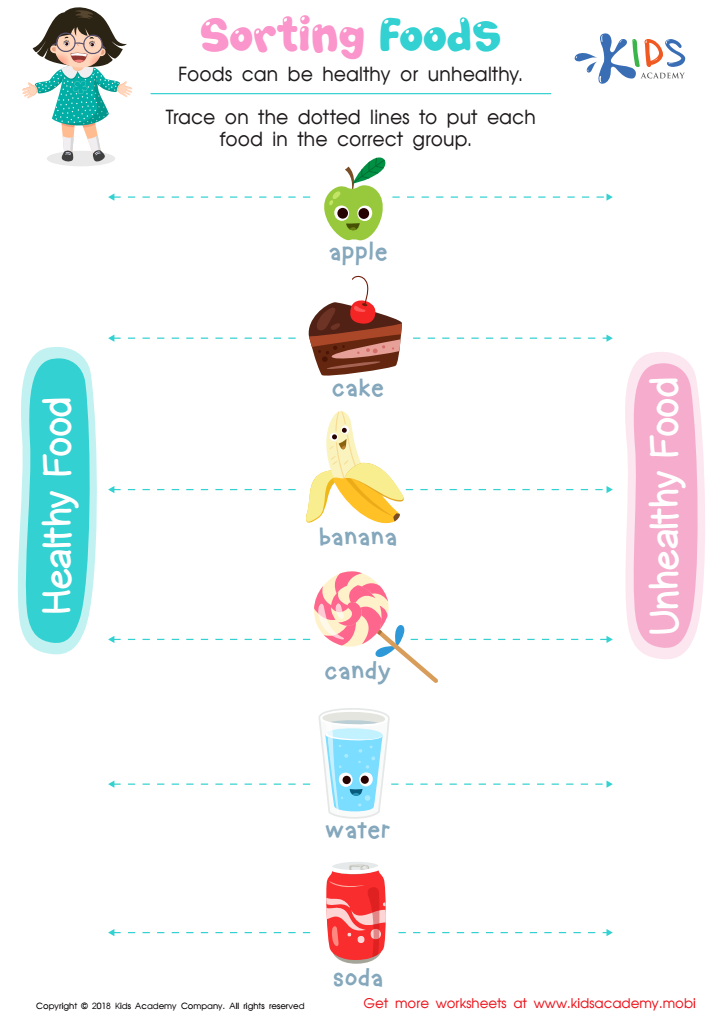
Sorting Food Worksheet
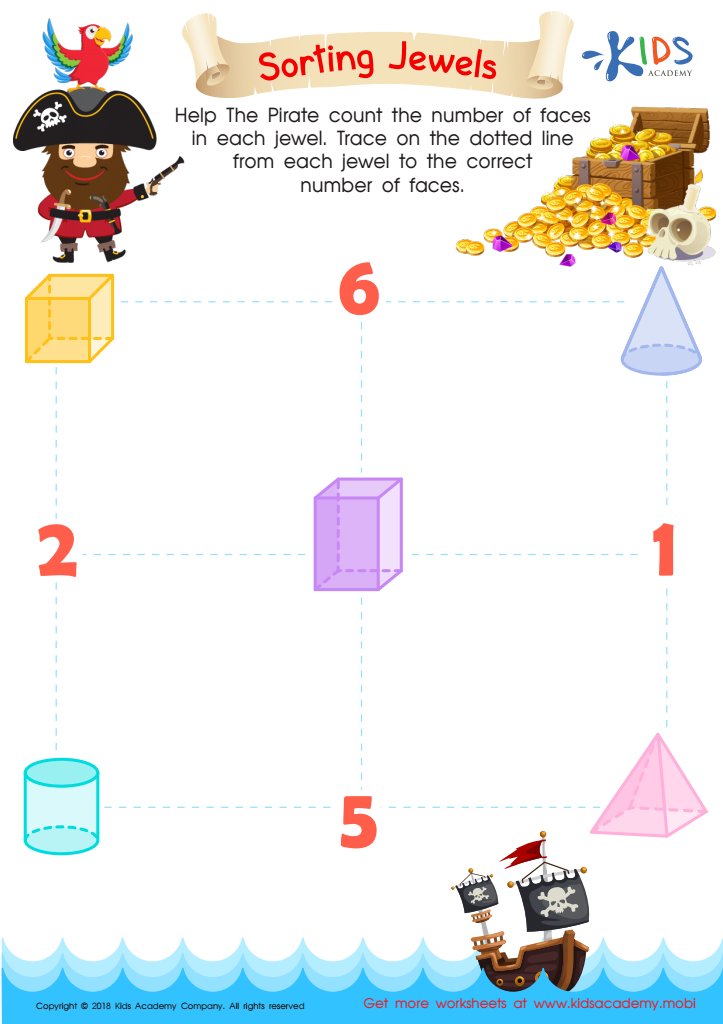
Sorting Jewels Worksheet
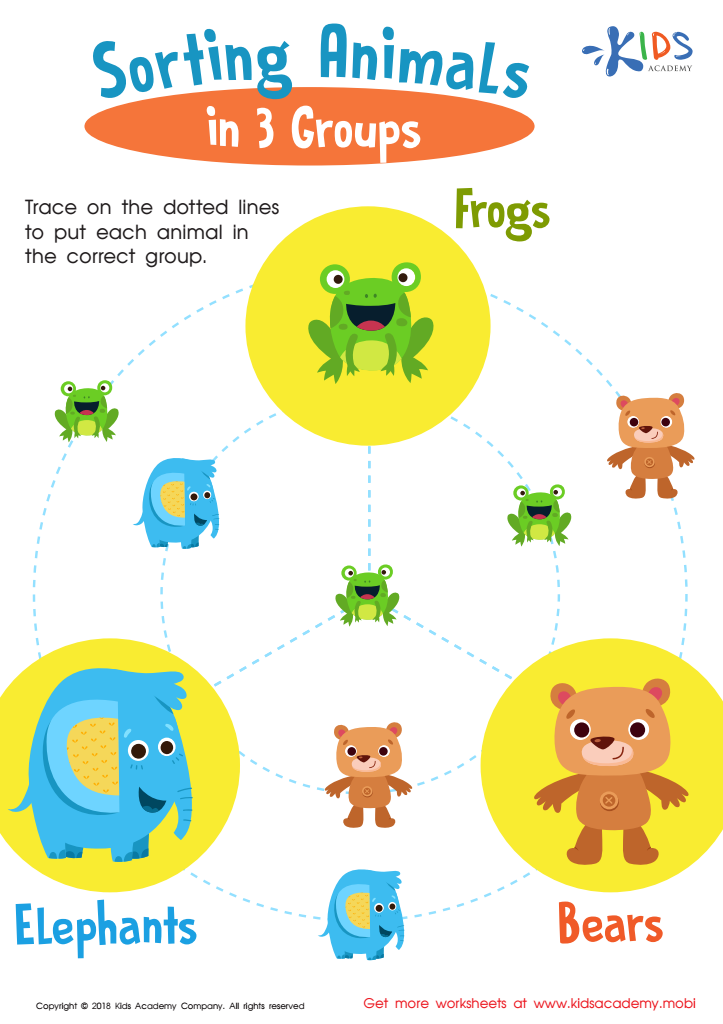
Sorting Animals in 3 Groups Worksheet
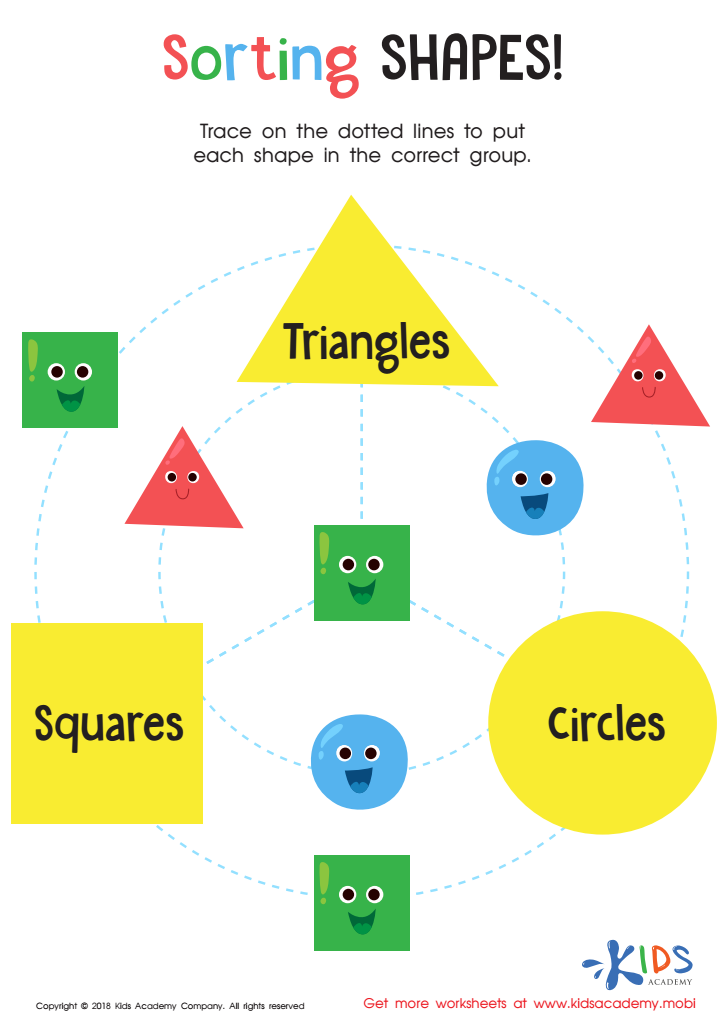
Sorting Shapes - Part 3 Worksheet
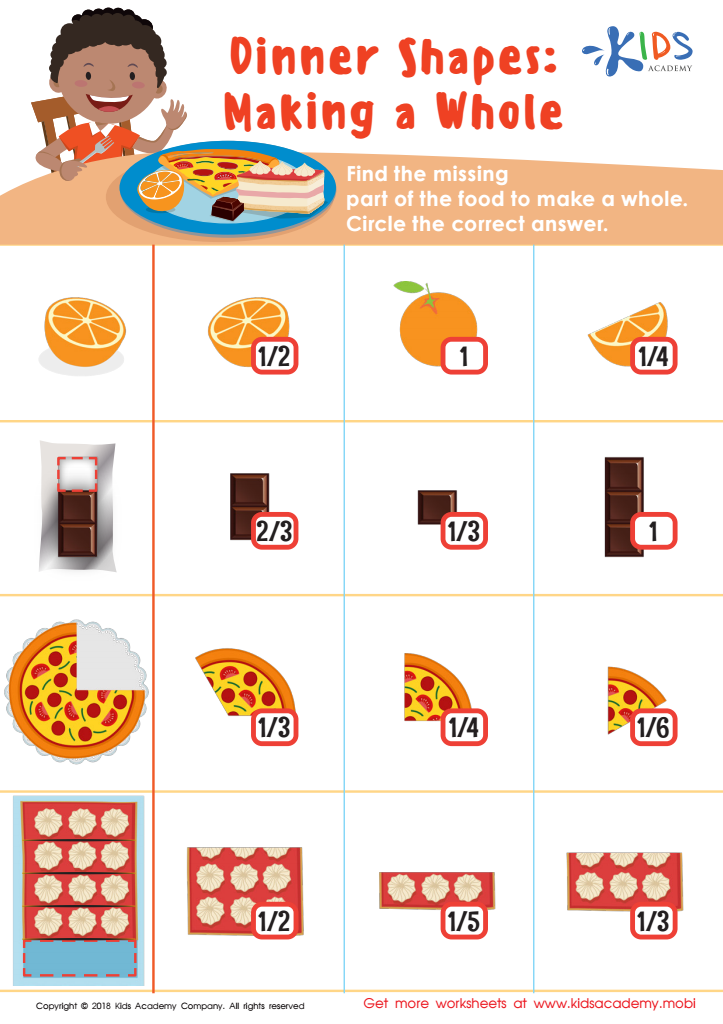
Dinner Shapes: Making a Whole Worksheet
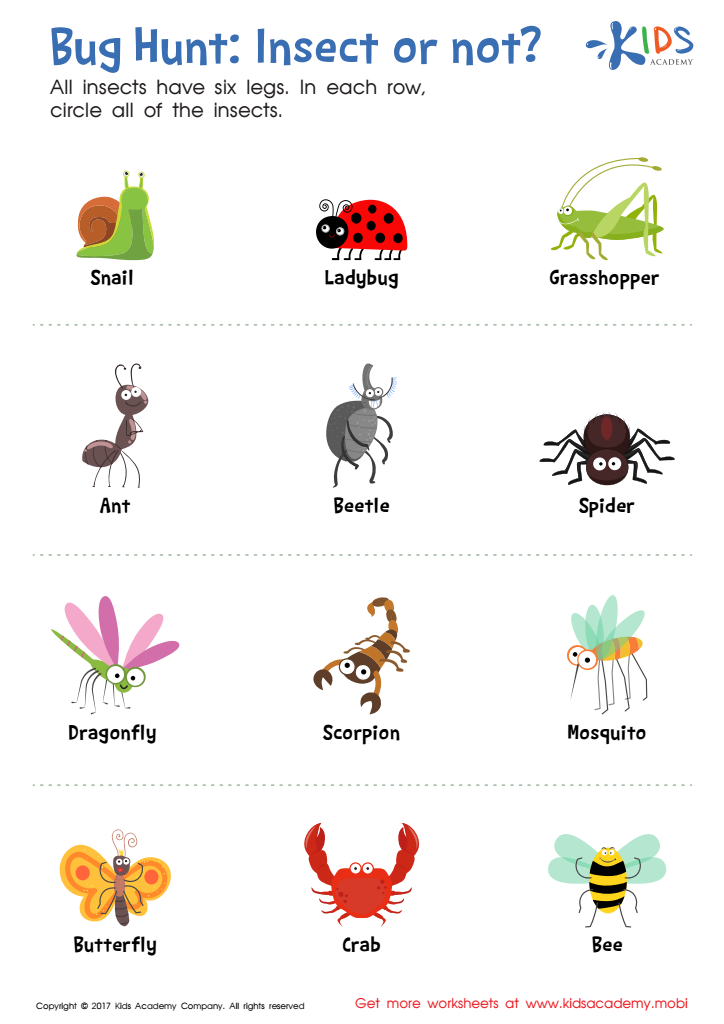
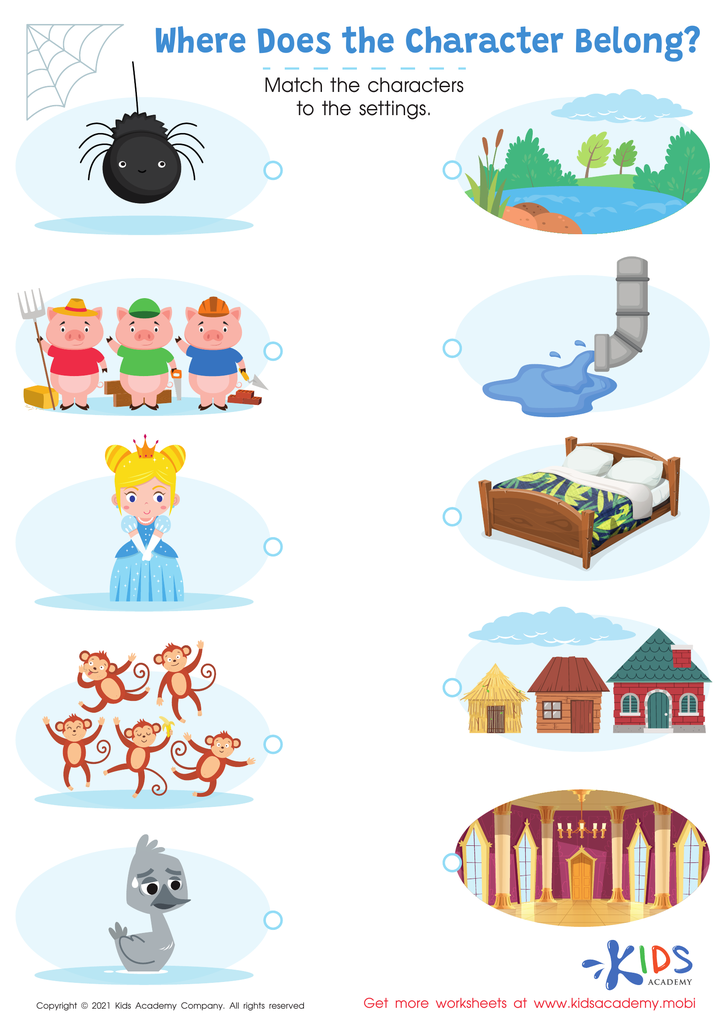
Where Does the Character Belong? Worksheet
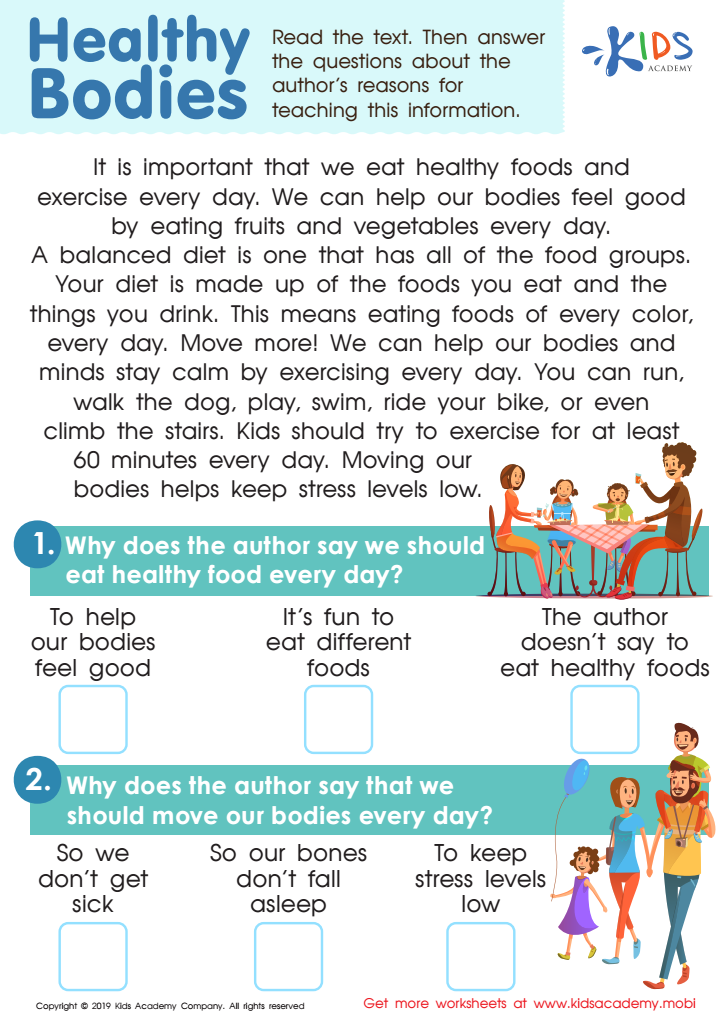
Healthy Bodies Worksheet
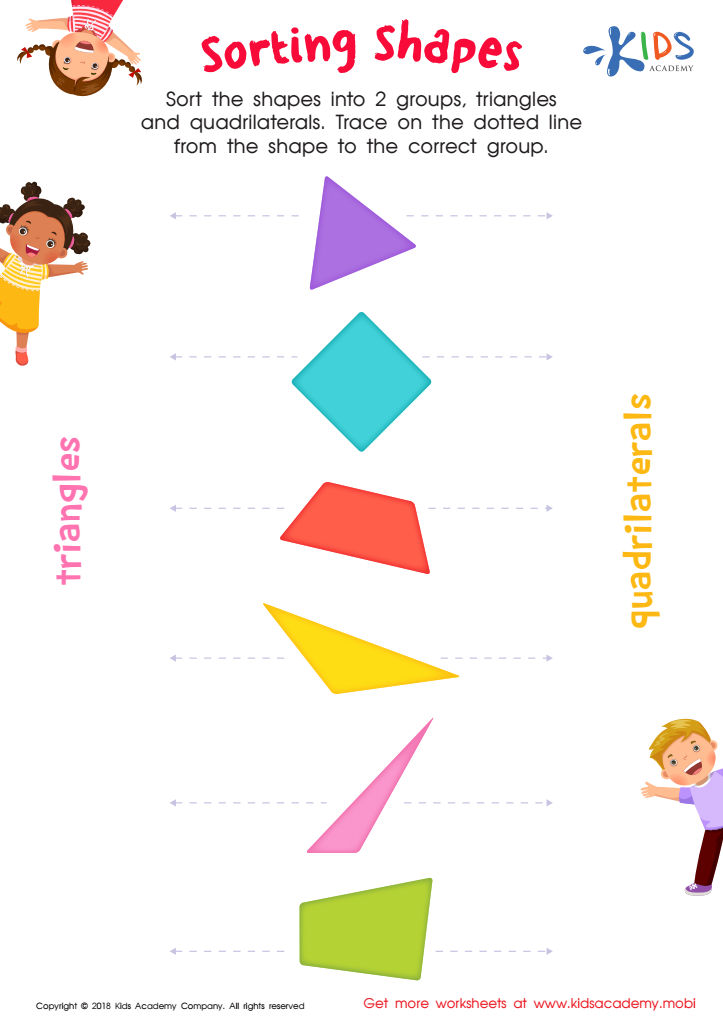
Sorting Shapes Worksheet
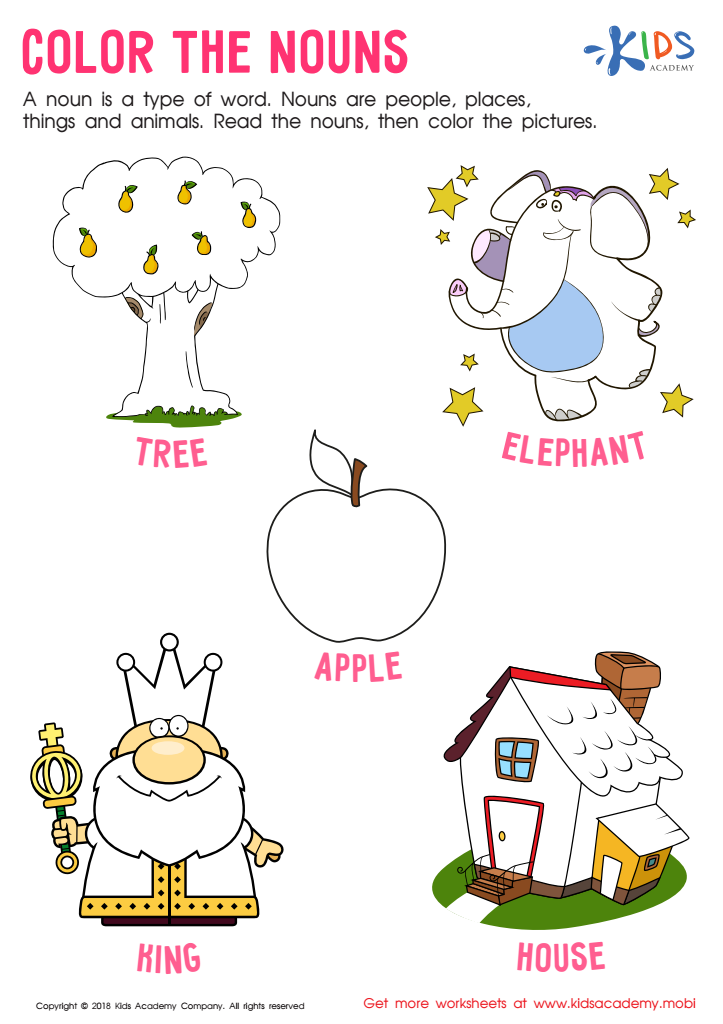
Color the Nouns Worksheet
 Assign to My Students
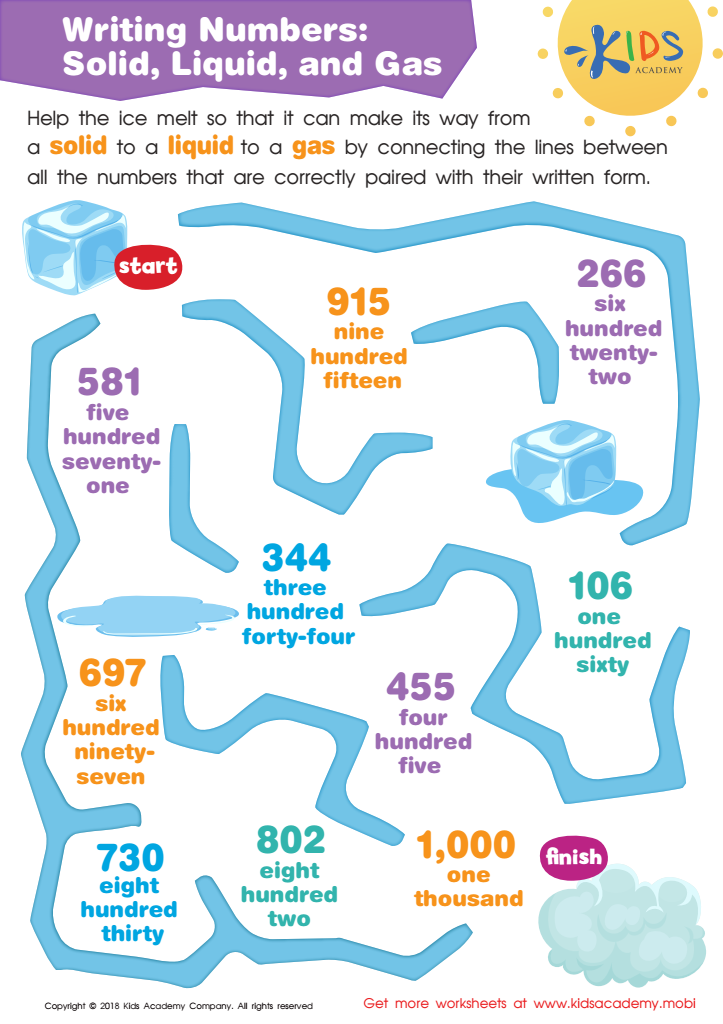
Solid, Liquid, and Gas Writing Numbers Worksheet
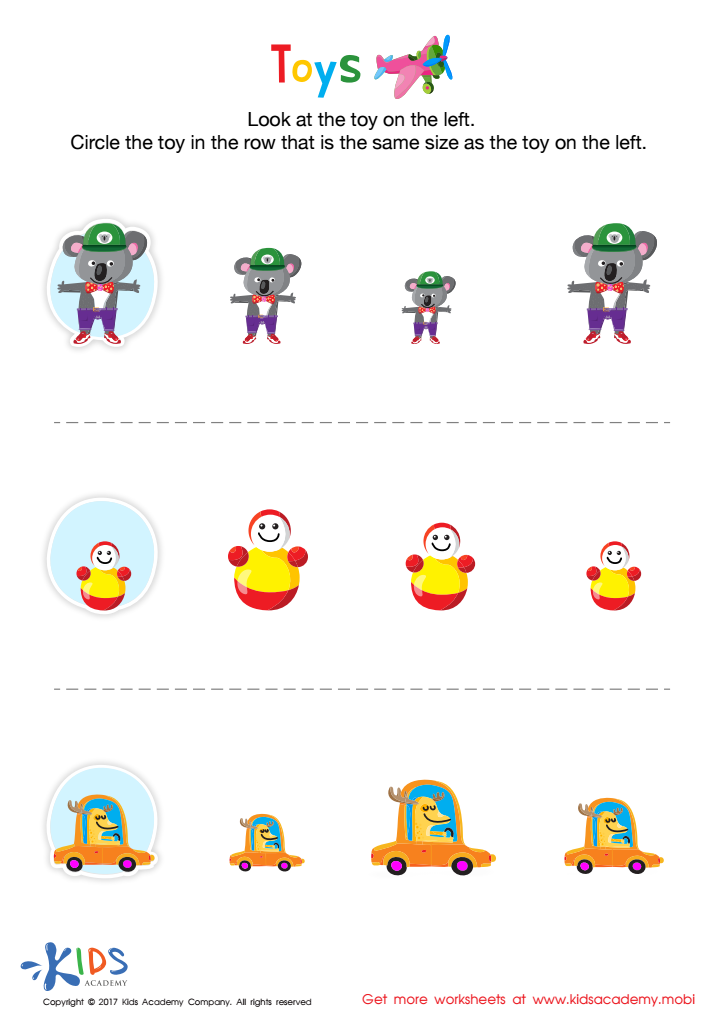
Matching: Classifying Toys by Size Worksheet
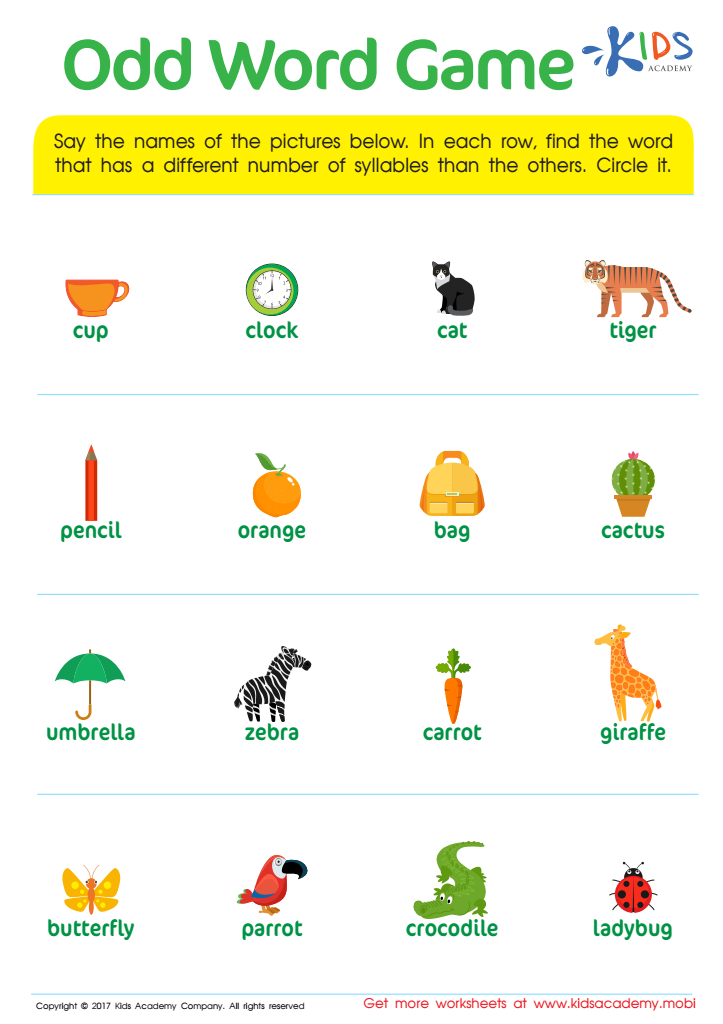
Count Syllables: Odd Word Game Worksheet
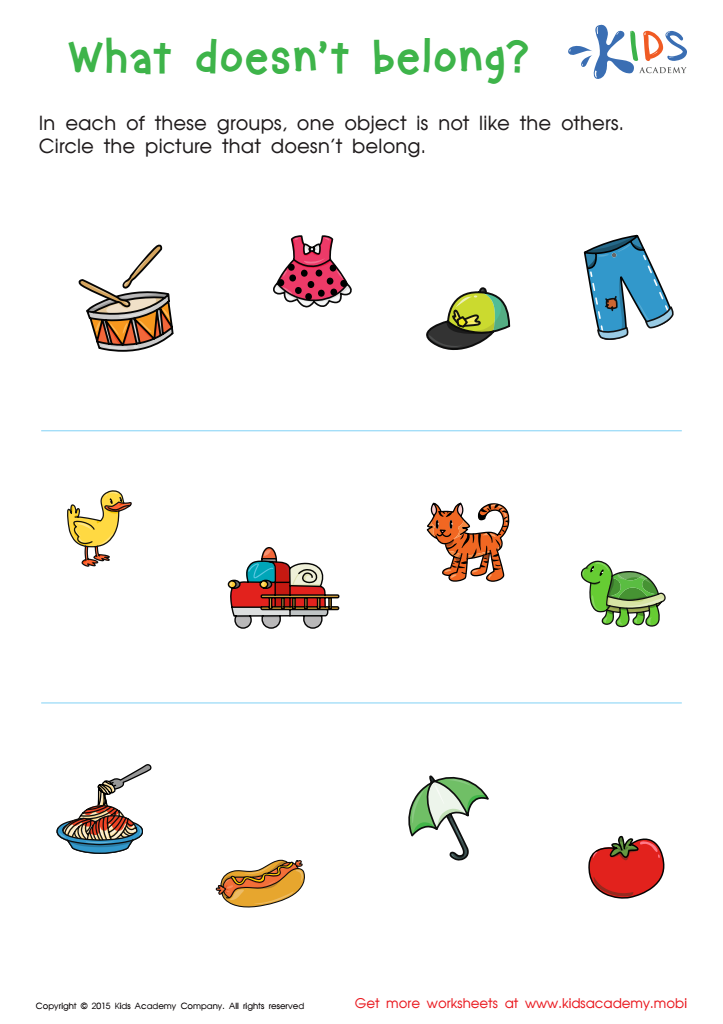
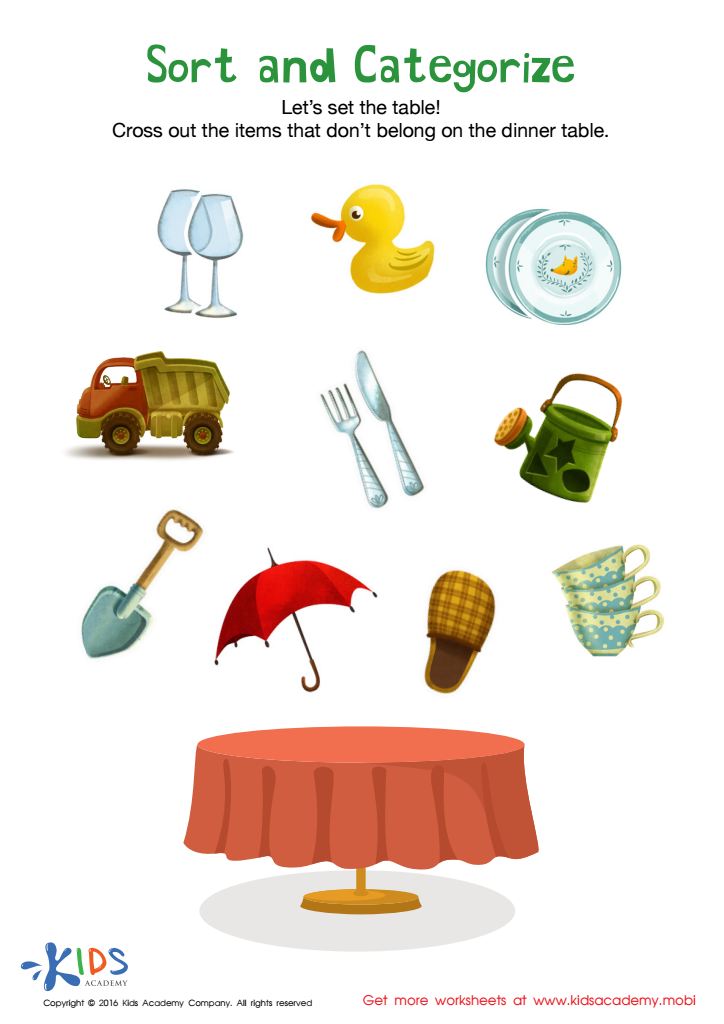
First Words: What Doesn't Belong Worksheet
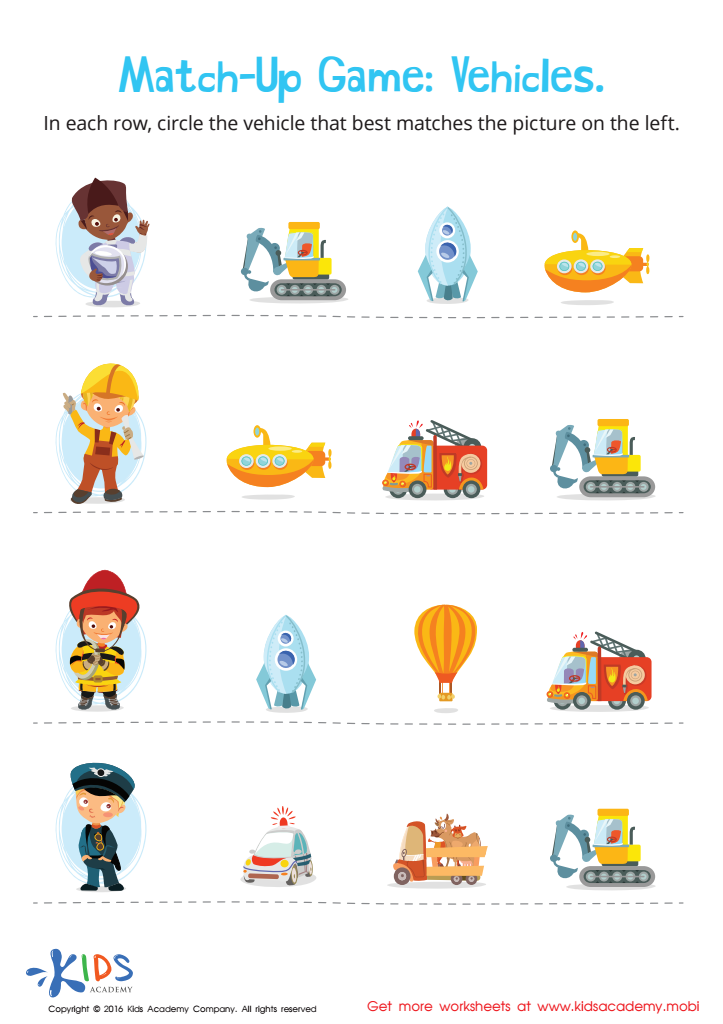
Vehicles Worksheet
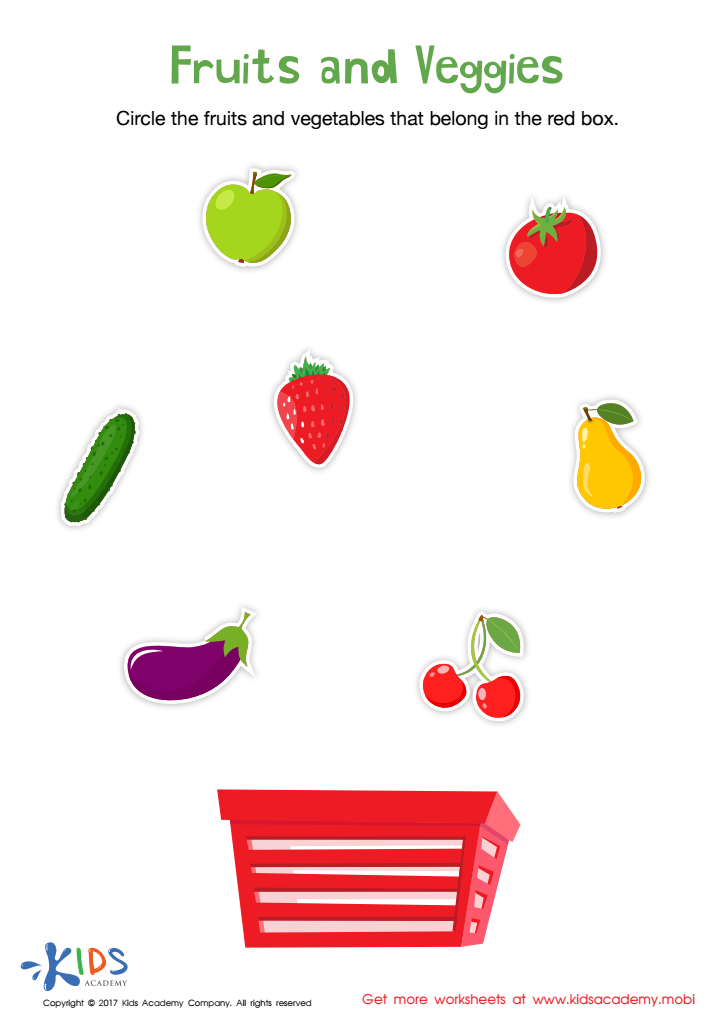
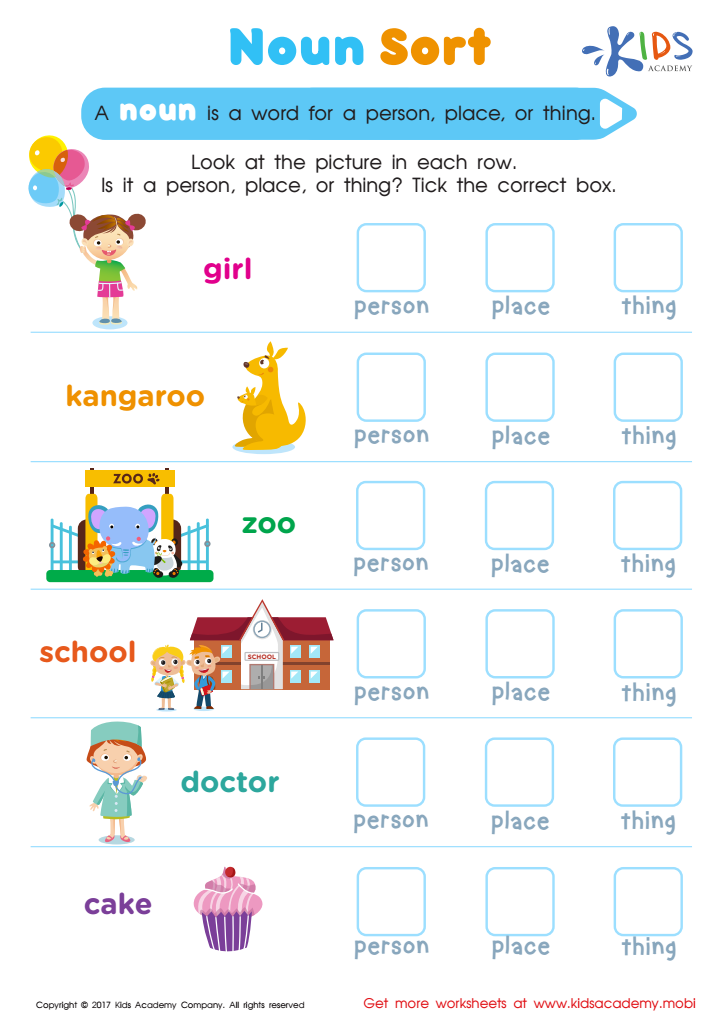
Noun Sort Printable
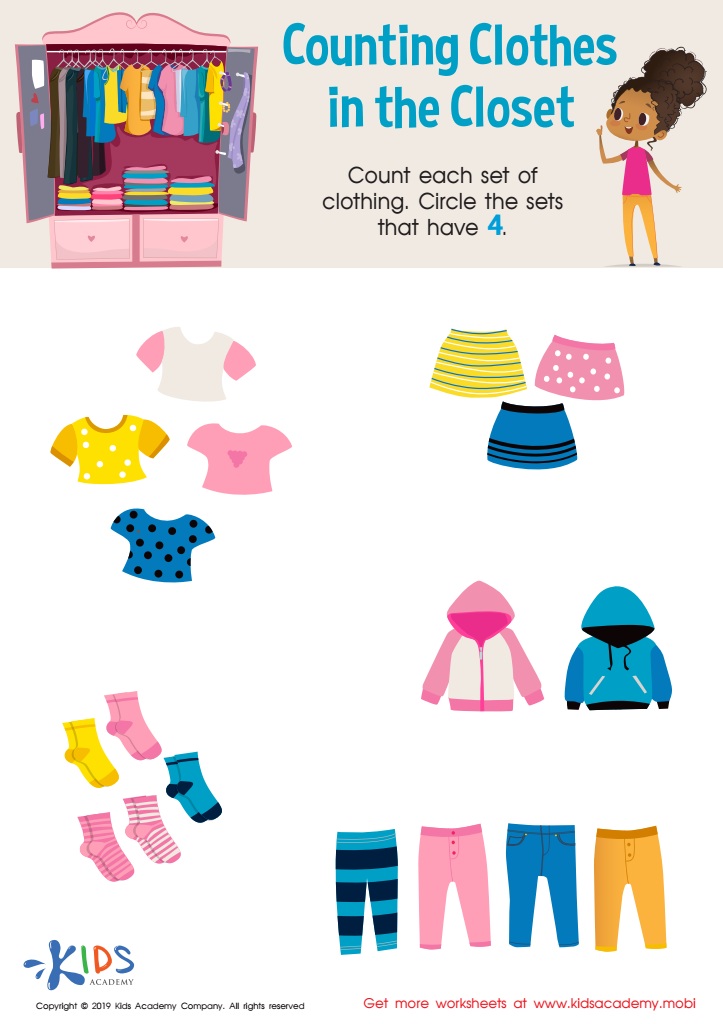
Counting Clothes Worksheet
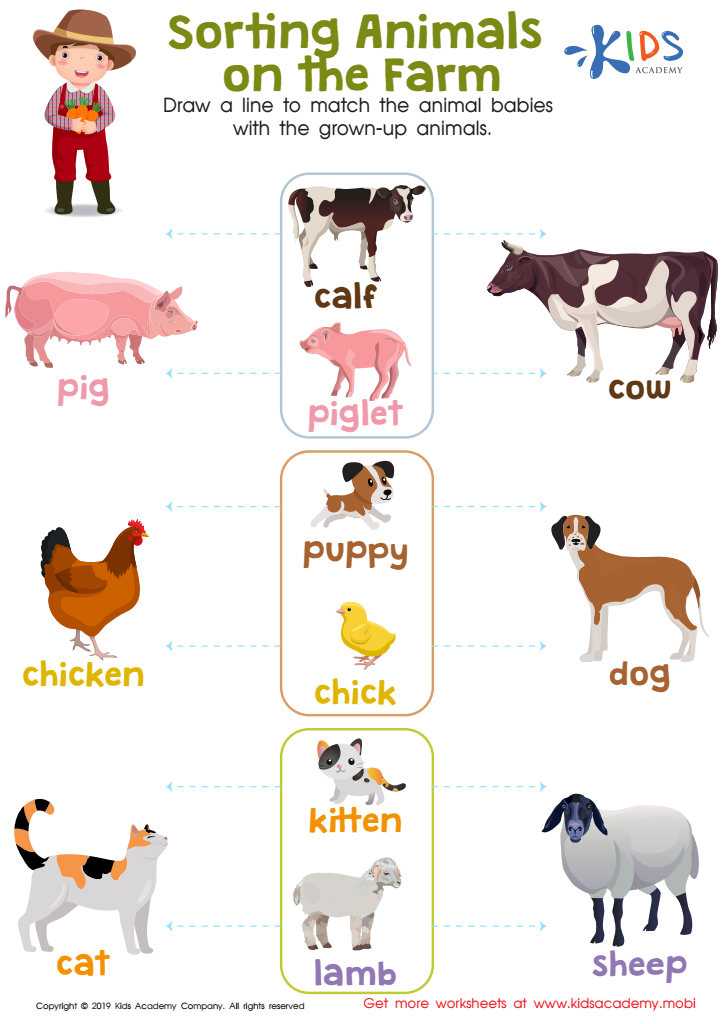
Sorting Animals on the Farm Worksheet
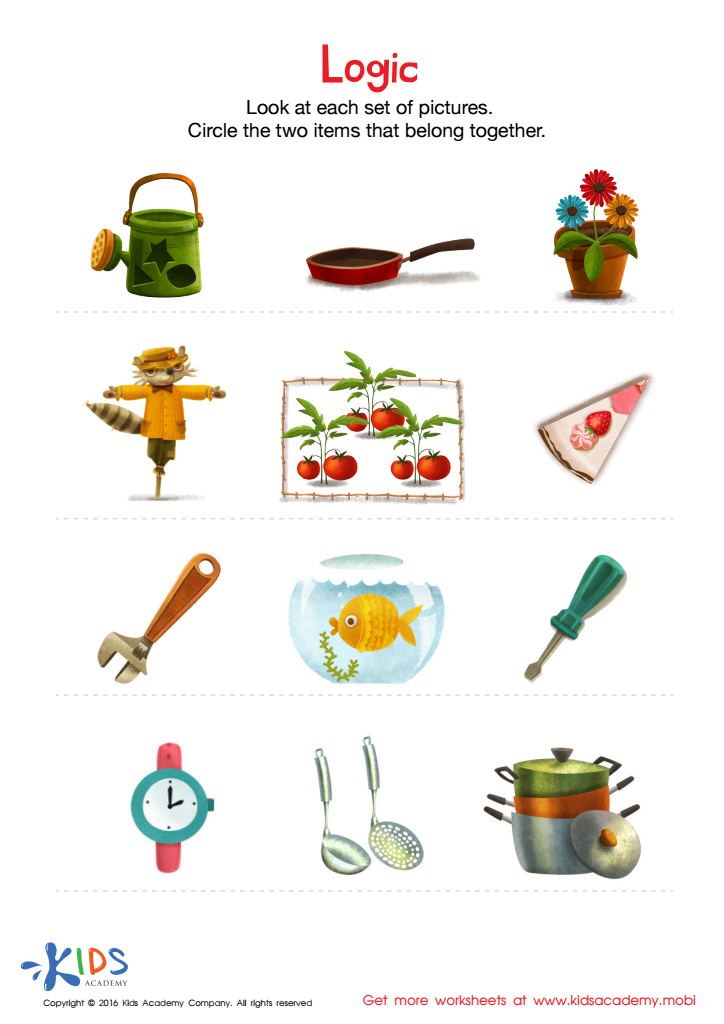
Logic Game Sorting Worksheet



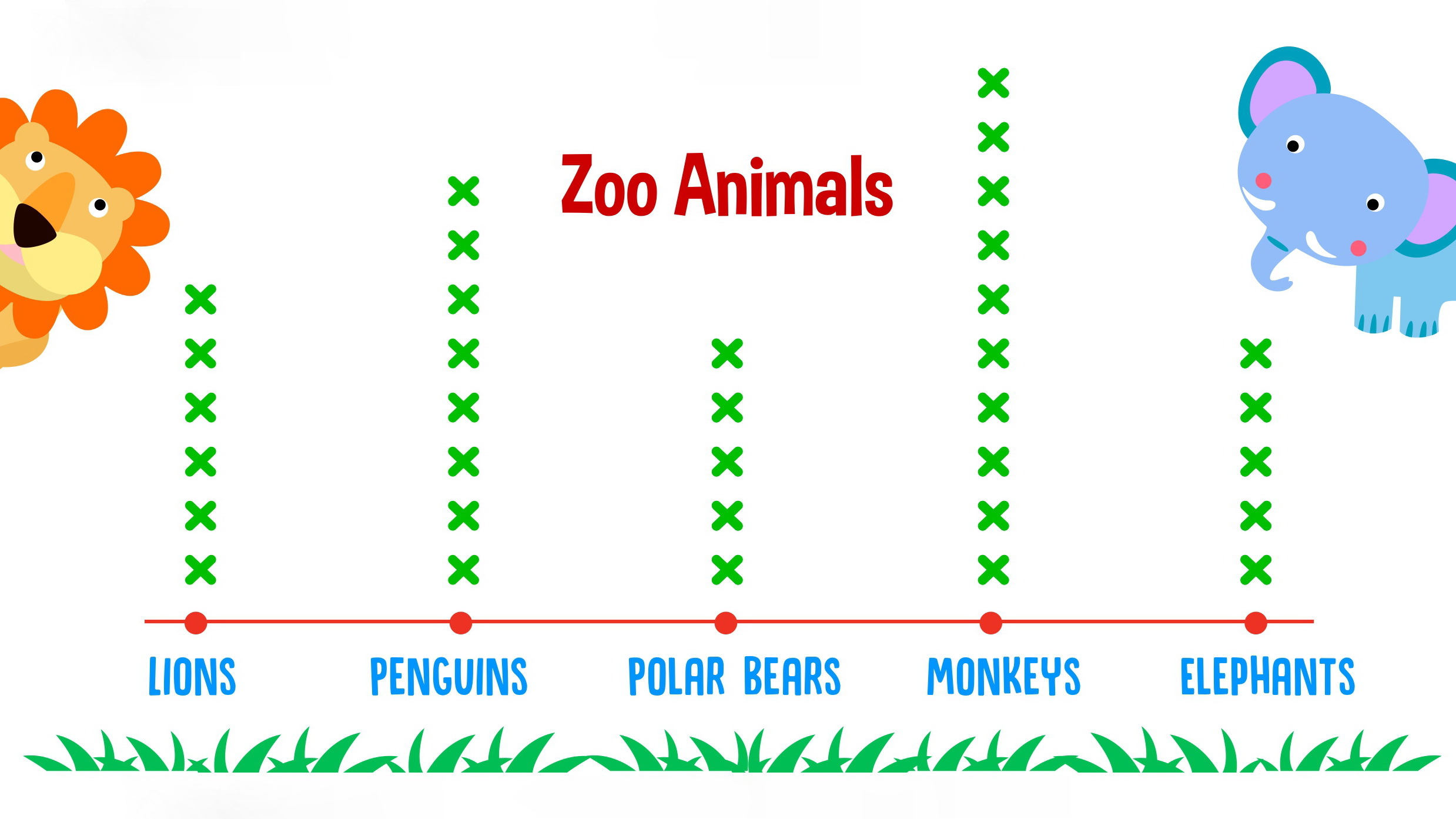




Categorization skills are crucial for children aged 4 to 8 as they form the foundation for critical thinking and problem-solving abilities. By learning to categorize, children develop the ability to identify similarities and differences among objects, which enhances their cognitive development. This skill aids in language acquisition, as they learn to group words and concepts, thereby expanding their vocabulary and comprehension.
For teachers and parents, fostering categorization skills in this age group encourages a deeper understanding of the world. When children can classify animals, colors, shapes, or feelings, they gain a better grasp of their environment, helping them make connections and draw conclusions essential for academic success. Moreover, these skills support mathematical understanding, as categorization is fundamental in sorting, counting, and recognizing patterns.
Encouraging categorization through playful activities—like sorting toys, organizing books by themes, or engaging in group games—makes learning enjoyable and meaningful. Parents and teachers play a vital role by providing the right environments and resources to stimulate these skills. Ultimately, a strong foundation in categorization not only equips children with essential educational tools but also enhances their social skills, fostering cooperation and collaboration during peer interactions. This holistic development prepares children for future academic and life challenges.








