Critical Thinking Worksheets for Ages 4-8 - Page 3
162 filtered results
-
From - To
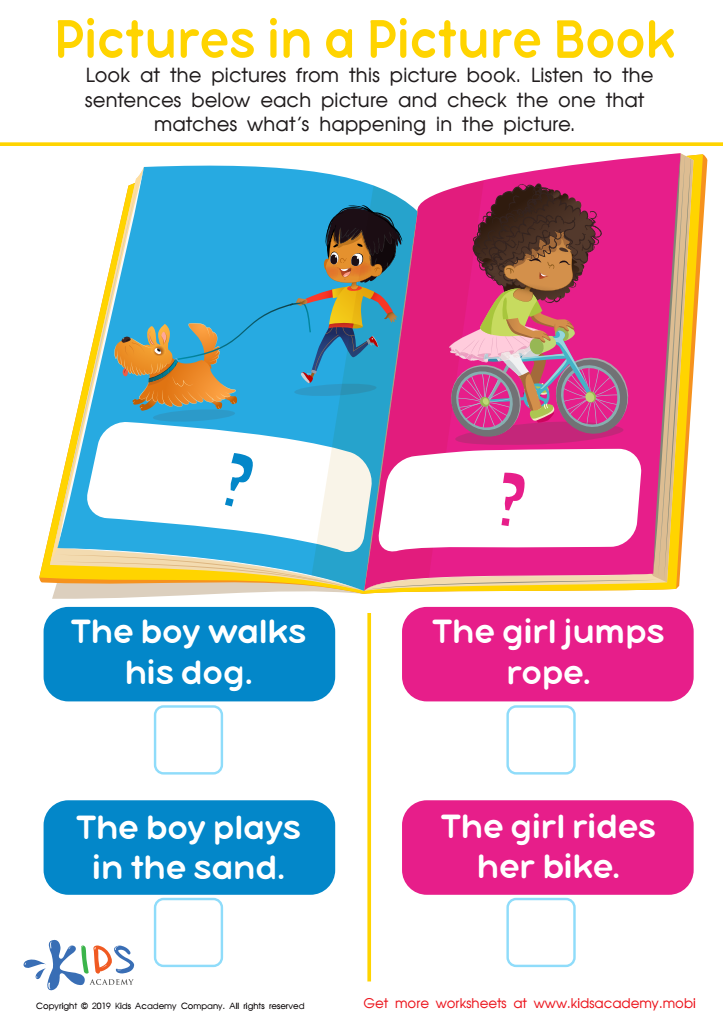
Picture in Books Worksheet
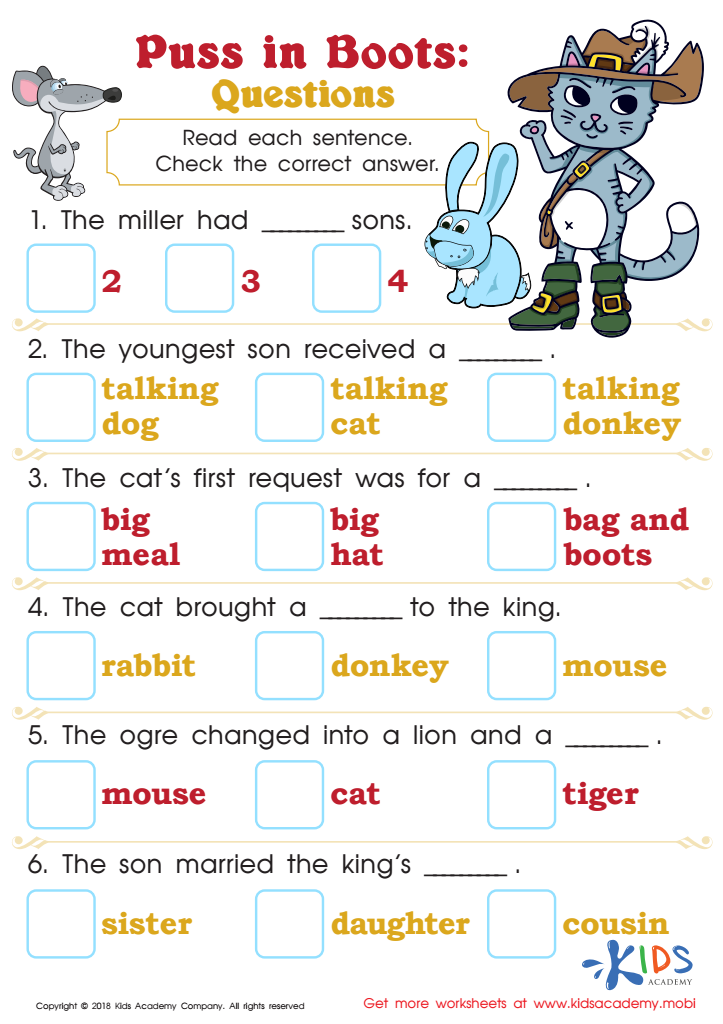
Puss in Boots: Questions Worksheet
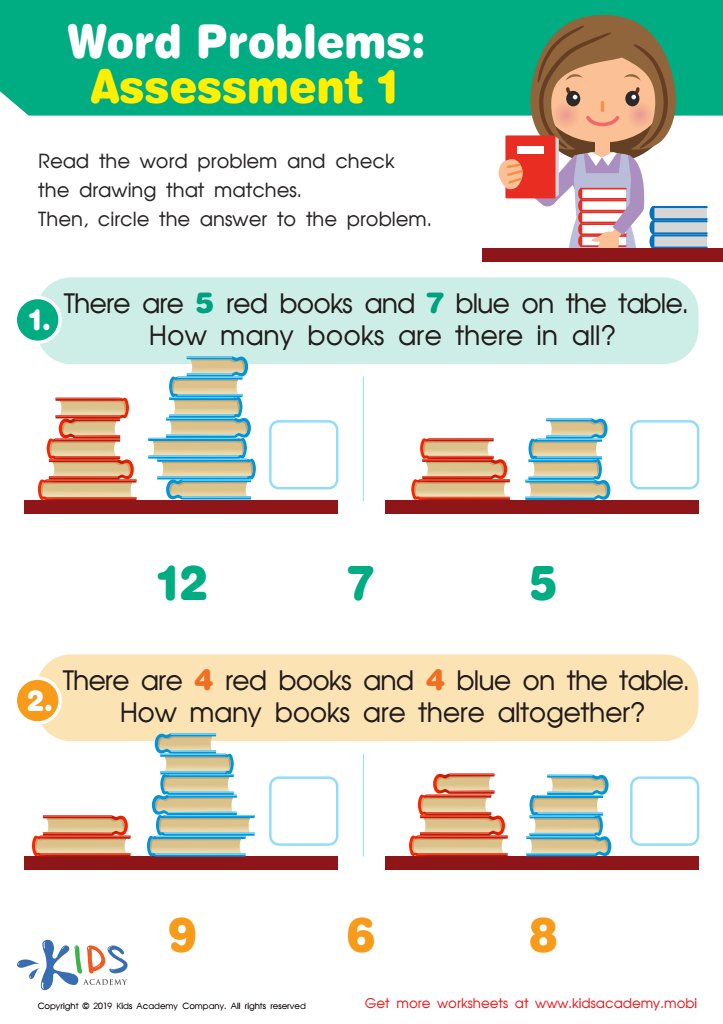
Word Problems: Assessment 1 Worksheet
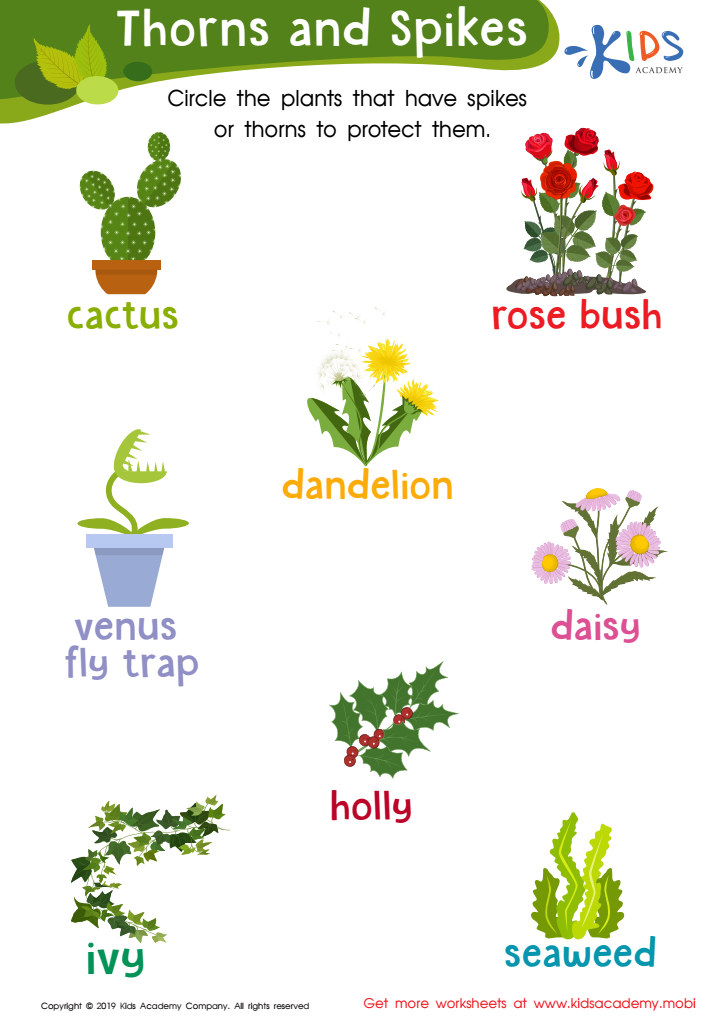
Thorns and Spikes Worksheet
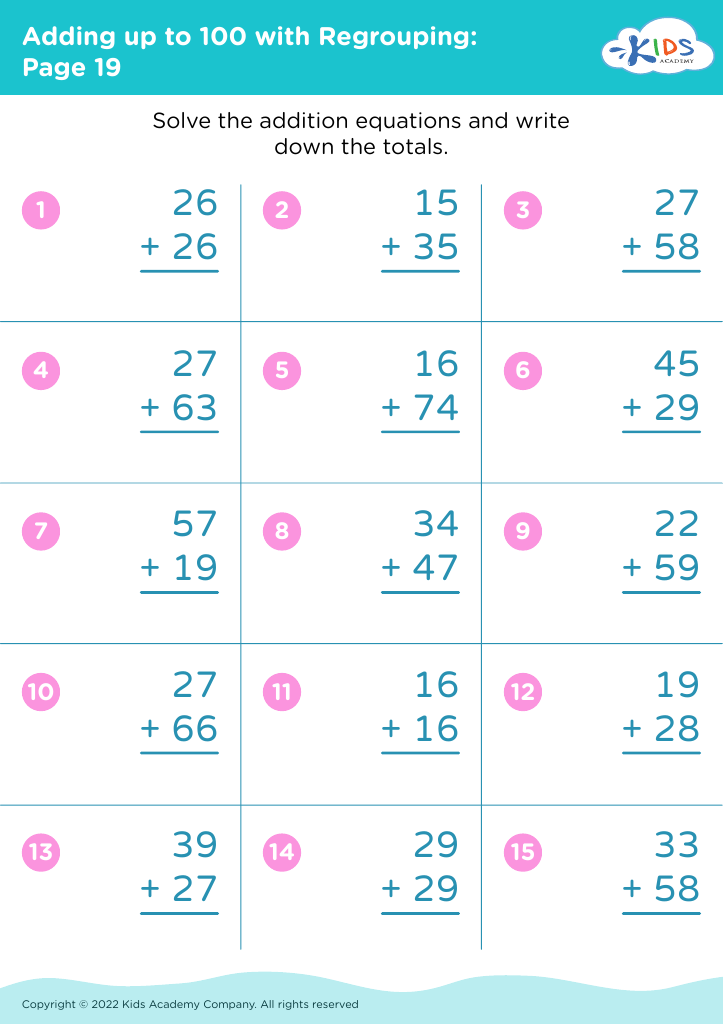
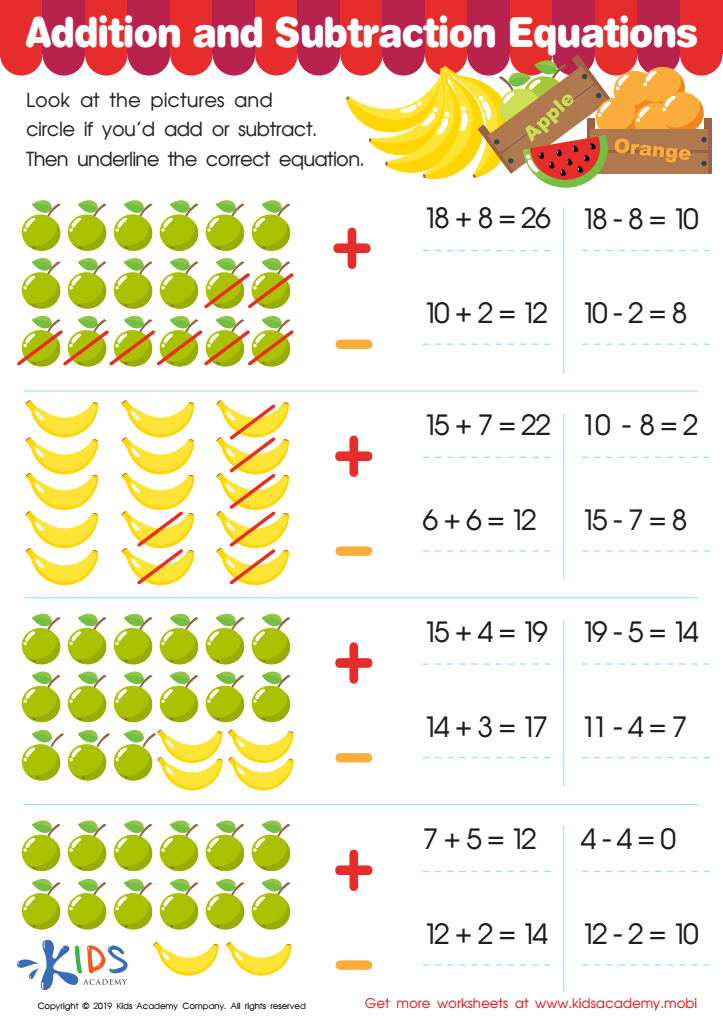
Addition and Subtraction: Equations Worksheet
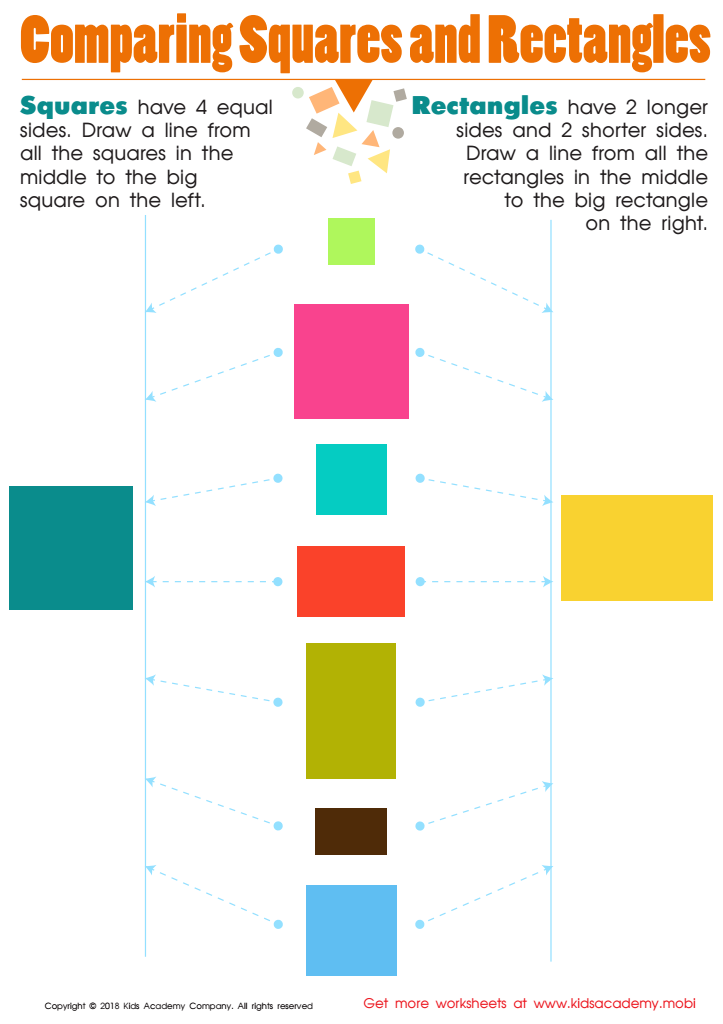
Comparing Squares Rectangles Worksheet
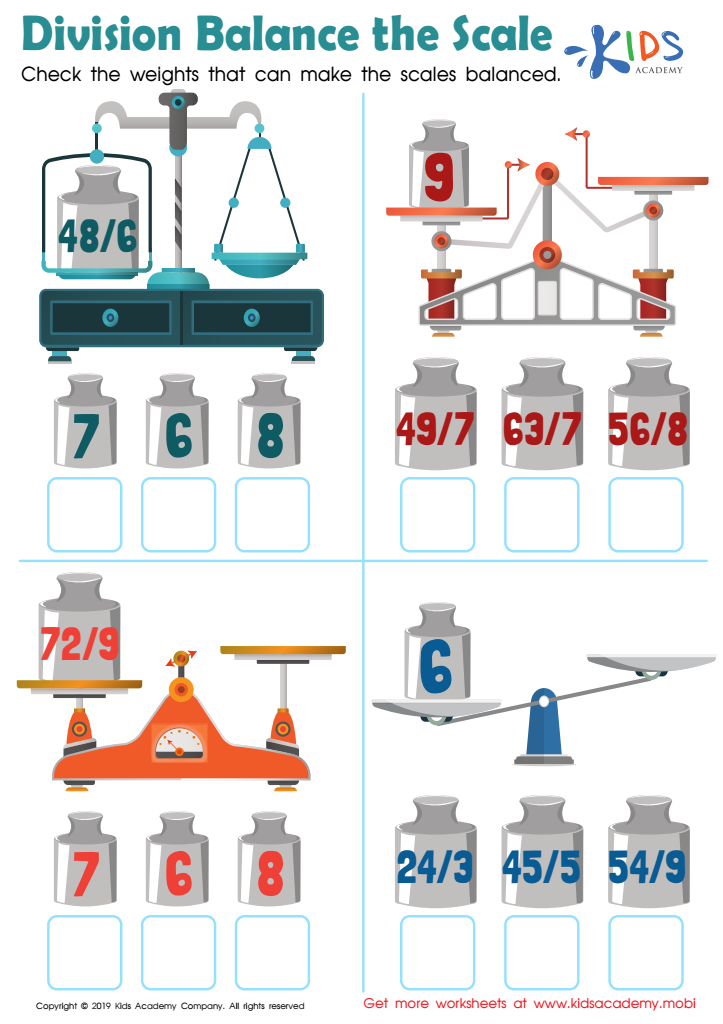
Division Balance the Scale Worksheet
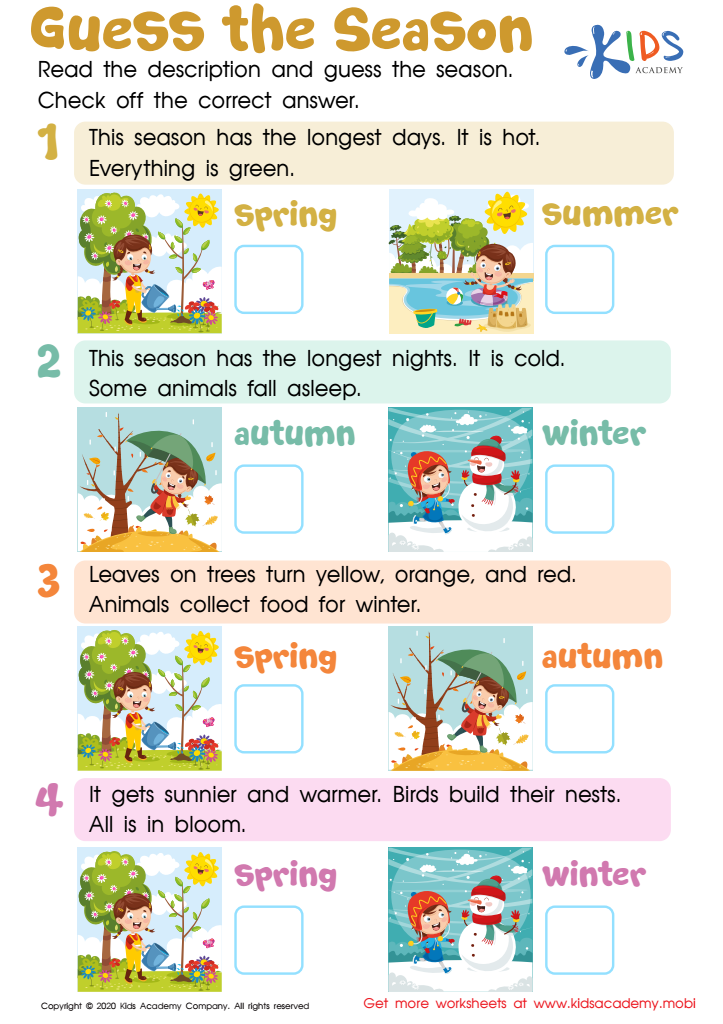
Guess the Season Worksheet
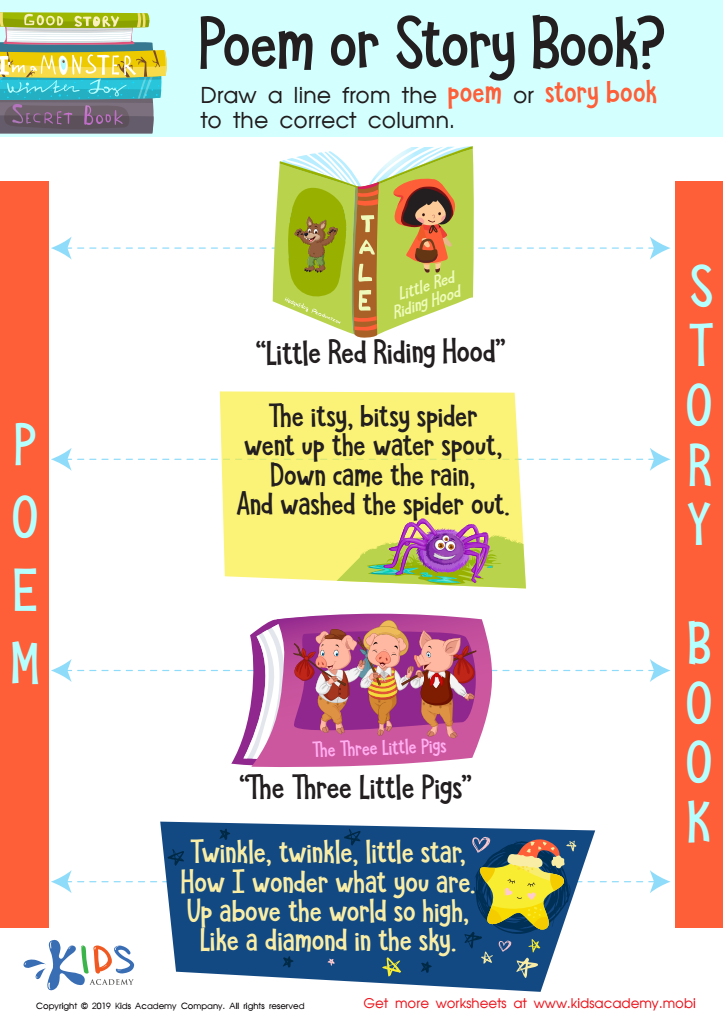
Poem or Story Book? Worksheet
Easter: a Bunny and a Lamb Worksheet
 Assign to My Students
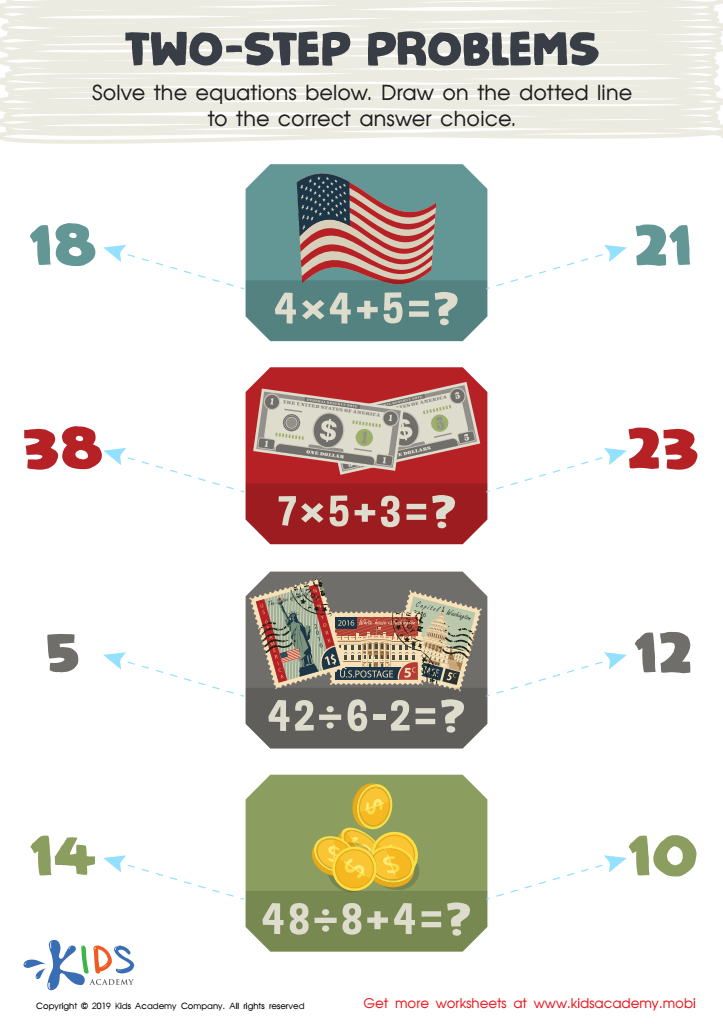
Two-Step Problems Worksheet
Make the Same Pattern Worksheet
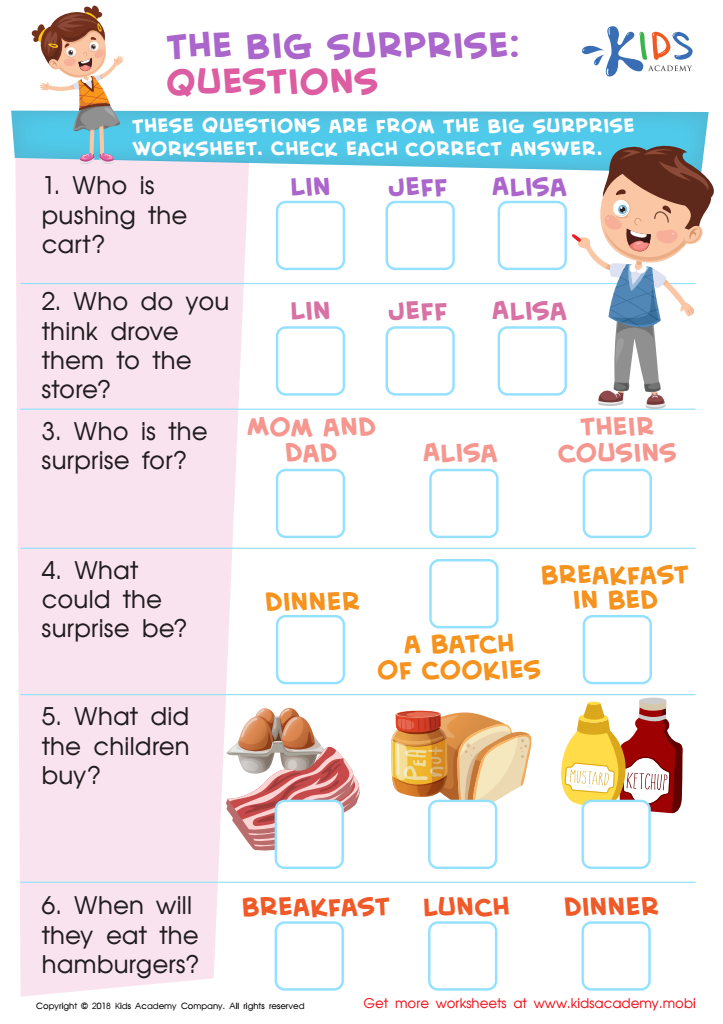
The Big Surprise: Questions Worksheet
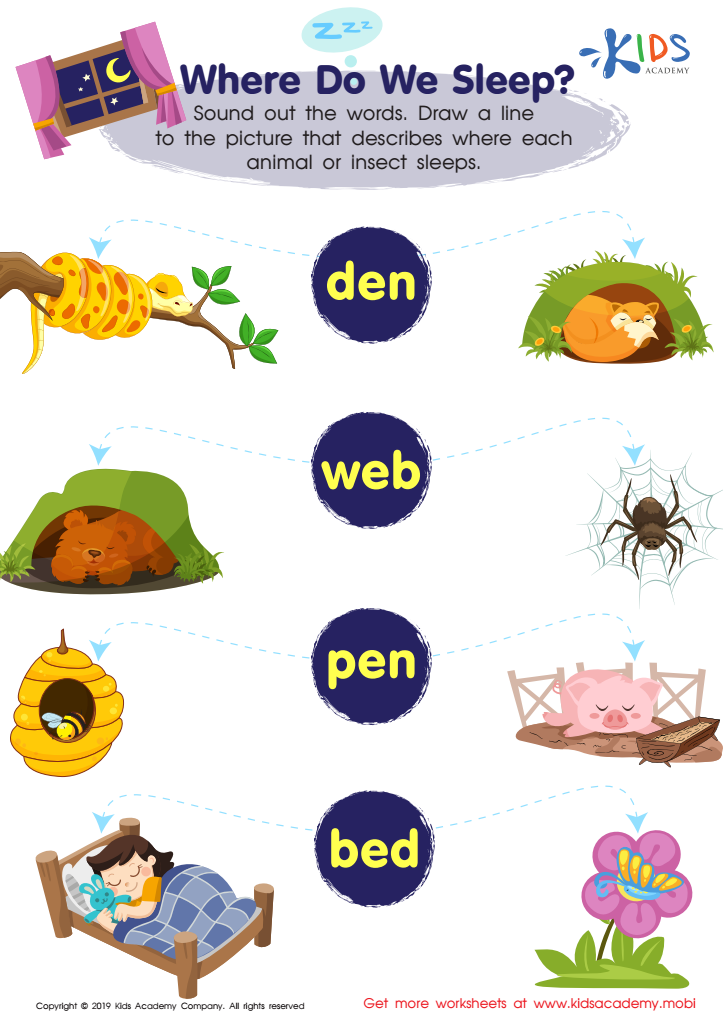
Where Do We Sleep Worksheet
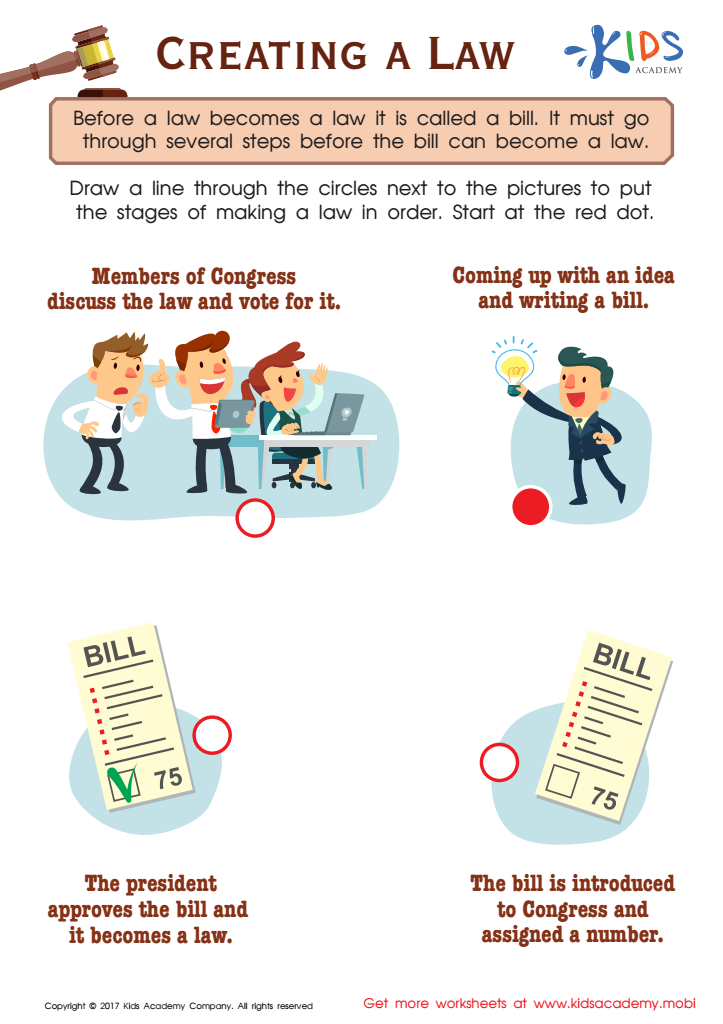
Creating a Law Worksheet
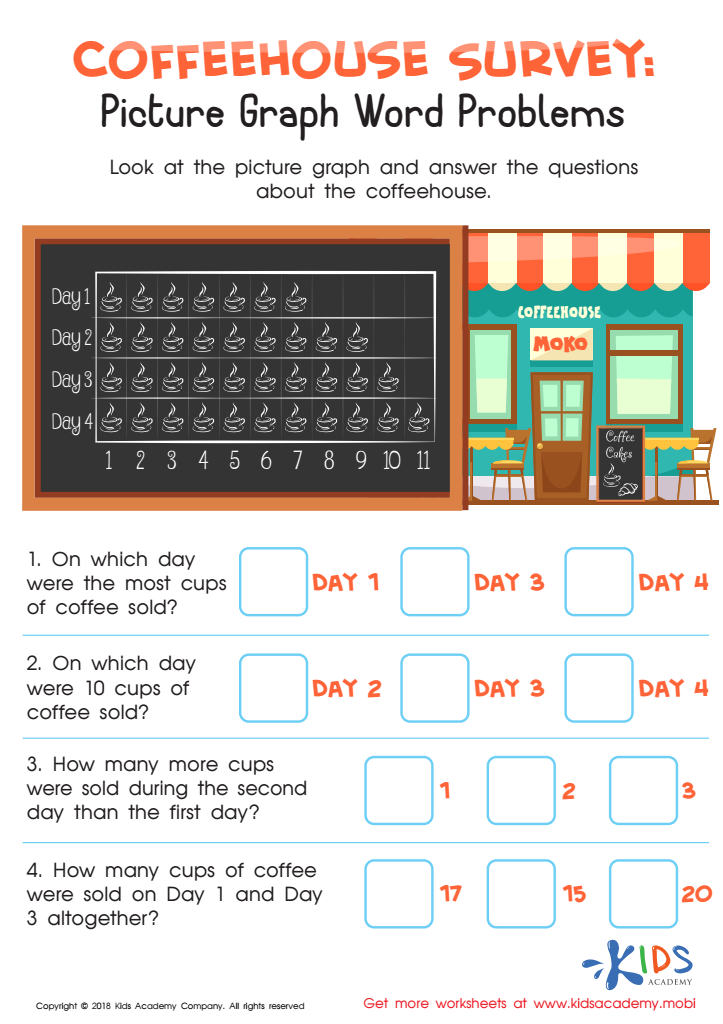
Coffeehouse Survey: Picture Graph Word Problems Worksheet
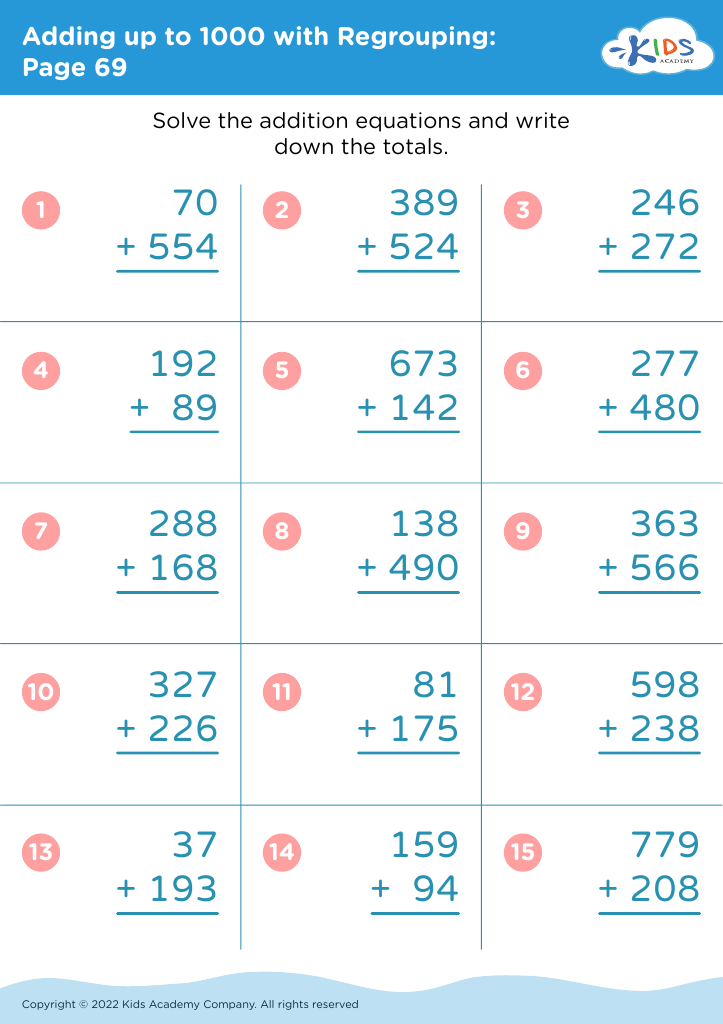
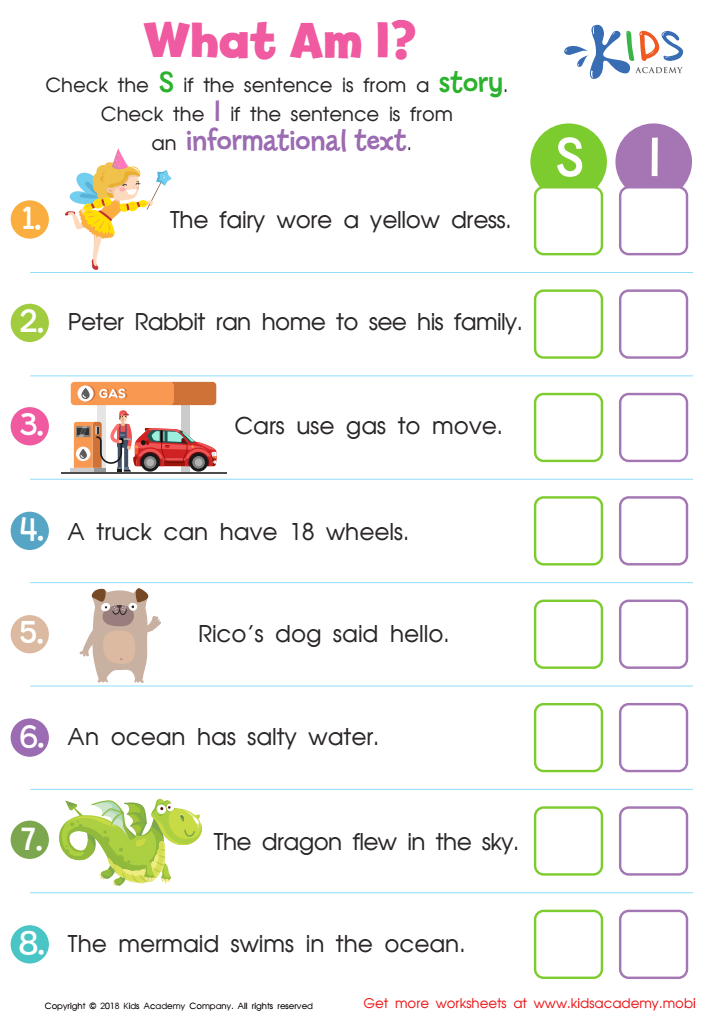
What Am I? Worksheet
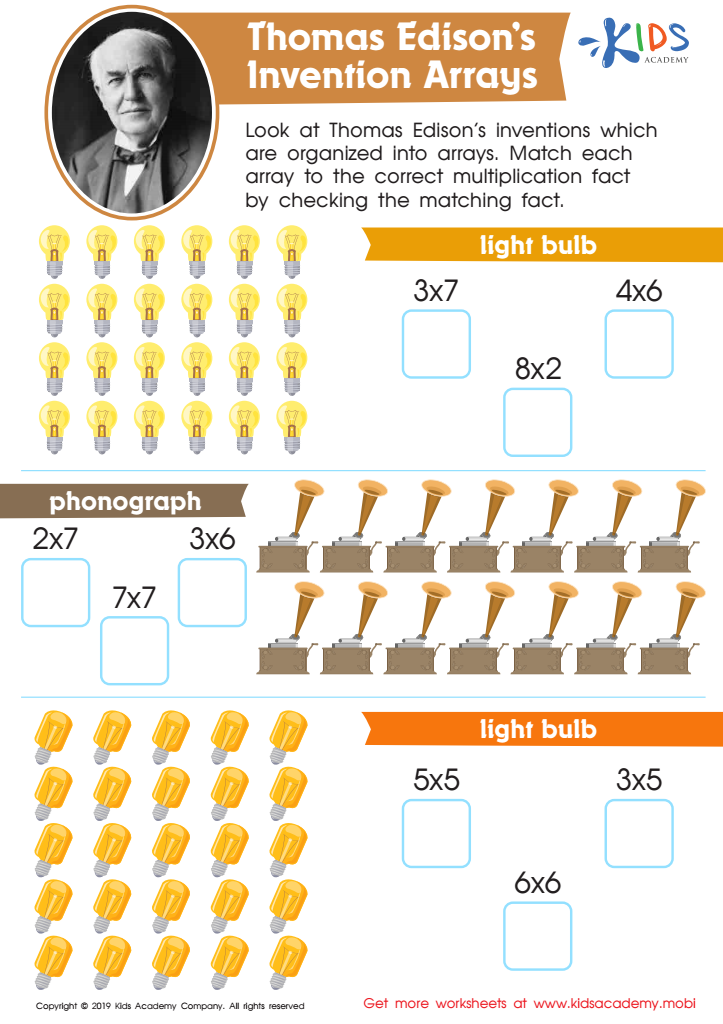
Thomas Edison’s Invention Arrays Worksheet








Critical thinking is a vital skill that parents and teachers should nurture in children aged 4-8 because it lays the groundwork for lifelong learning and problem-solving abilities. At this early stage, children's brains are incredibly receptive and adaptable, making it the perfect time to introduce critical thinking. By fostering skills such as observation, analysis, and reasoning, we empower young minds to think independently and make informed decisions.
Critical thinking helps children understand the world around them more deeply, aiding in both academic and social settings. For instance, when kids learn to reason through problems, whether it's a math puzzle or a social conflict with peers, they build confidence and resilience. These skills also translate into better academic performance, as critical thinkers tend to excel in understanding complex concepts and applying knowledge in diverse situations.
Moreover, early critical thinking fosters creativity and curiosity. When children are encouraged to ask questions and seek answers, they develop a love for learning that can last a lifetime. They become proactive learners rather than passive recipients of information. In essence, teaching critical thinking equips children with crucial tools for navigating life's challenges, making it an essential component of early childhood education.








