Filters

2519 filtered results

Clear all filters
Favorites
With answer key
Interactive

2519 filtered results

Difficulty Level

Grade


Subject

    Check out this FREE Trial Lesson on Math for age 4-8!

    A

    Favorites
    With answer key
    Interactive
    • 4-8
    • Math
    3 Times Table: Level 1
    3 Times Table: Level 1

    x3 Multiplication Chart

    x3 Multiplication Chart
    Worksheet
    Patterns with Numbers: Page 1
    Patterns with Numbers: Page 1

    Patterns with Numbers: Page 1

    Patterns with Numbers: Page 1
    Worksheet
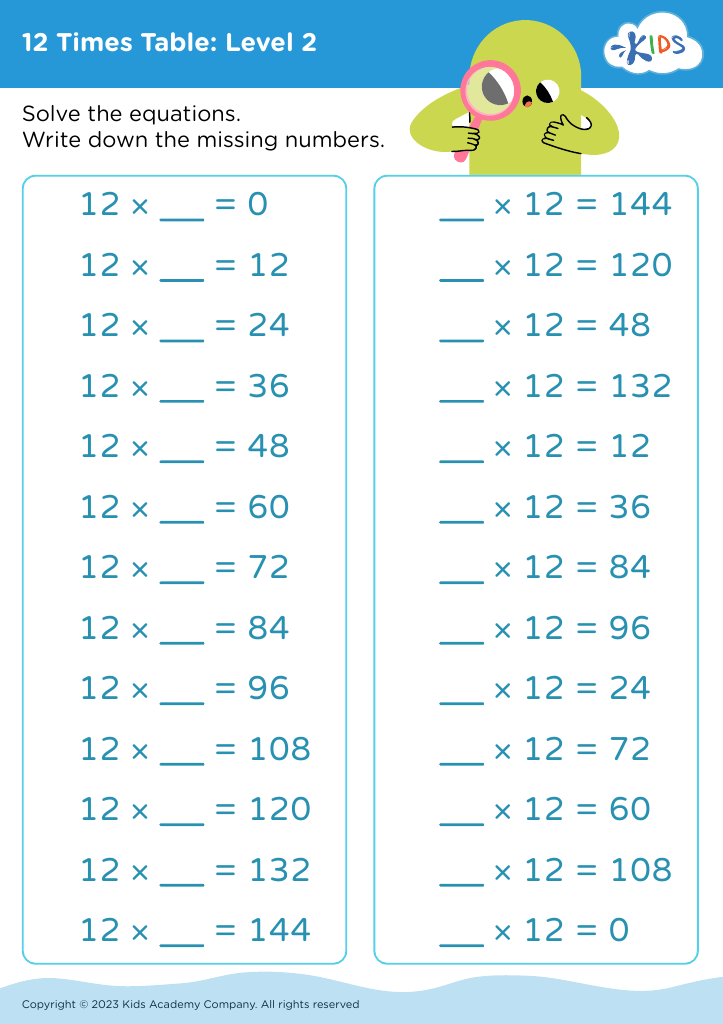
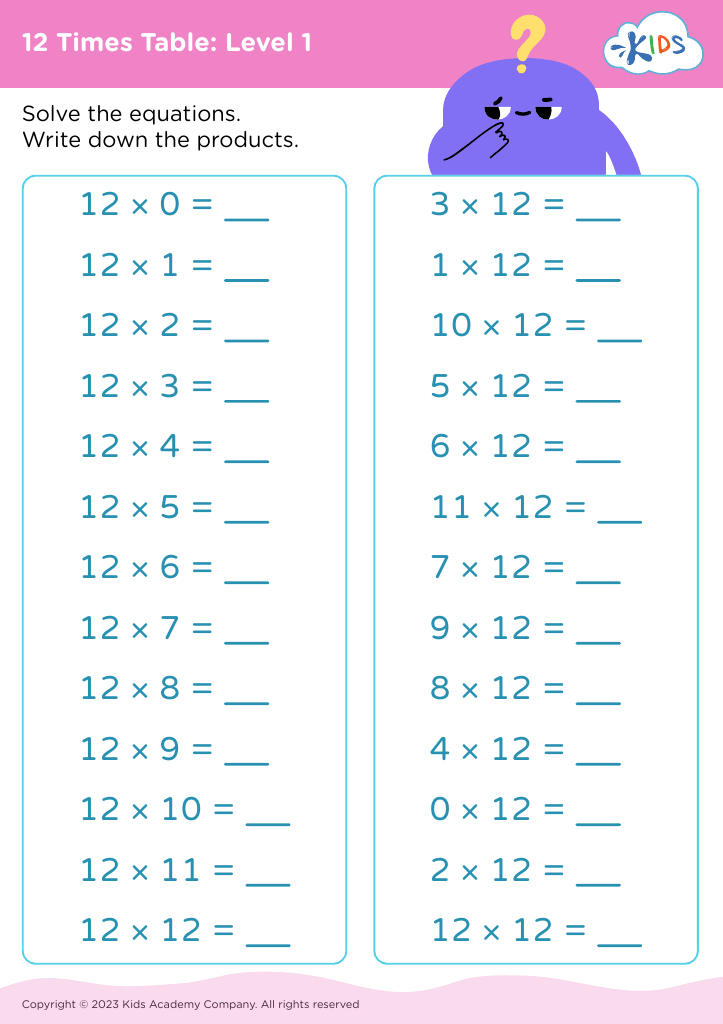
    12 Times Table: Level 2
    12 Times Table: Level 2

    12 Times Table: Level 2

    12 Times Table: Level 2
    Worksheet
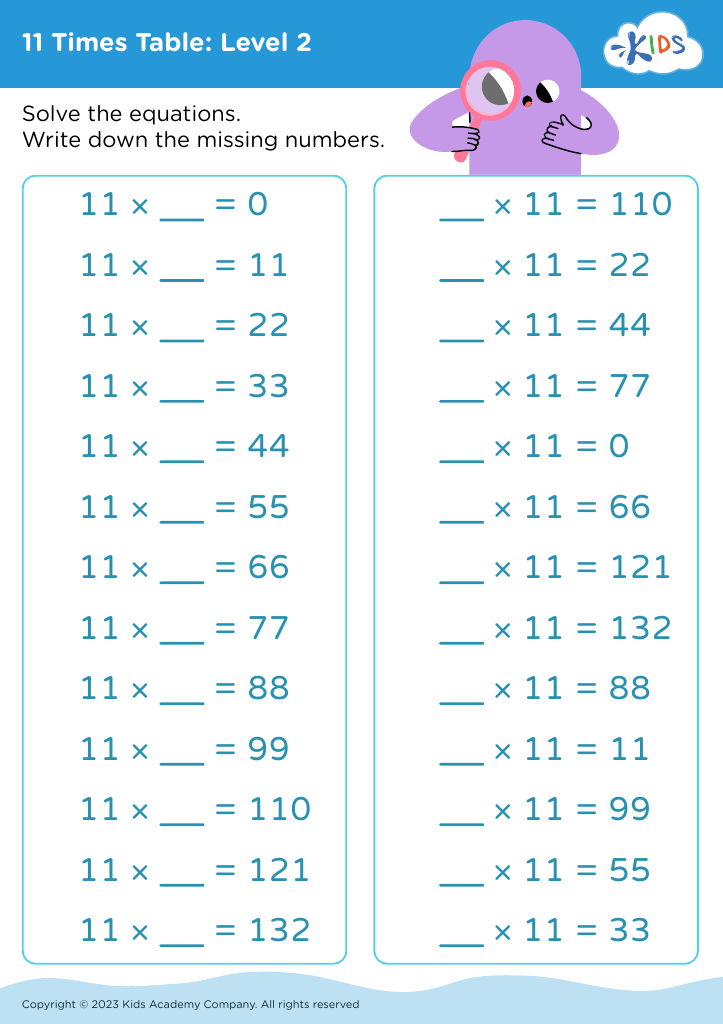
    11 Times Table: Level 2
    11 Times Table: Level 2

    11 Times Table: Level 2

    11 Times Table: Level 2
    Worksheet
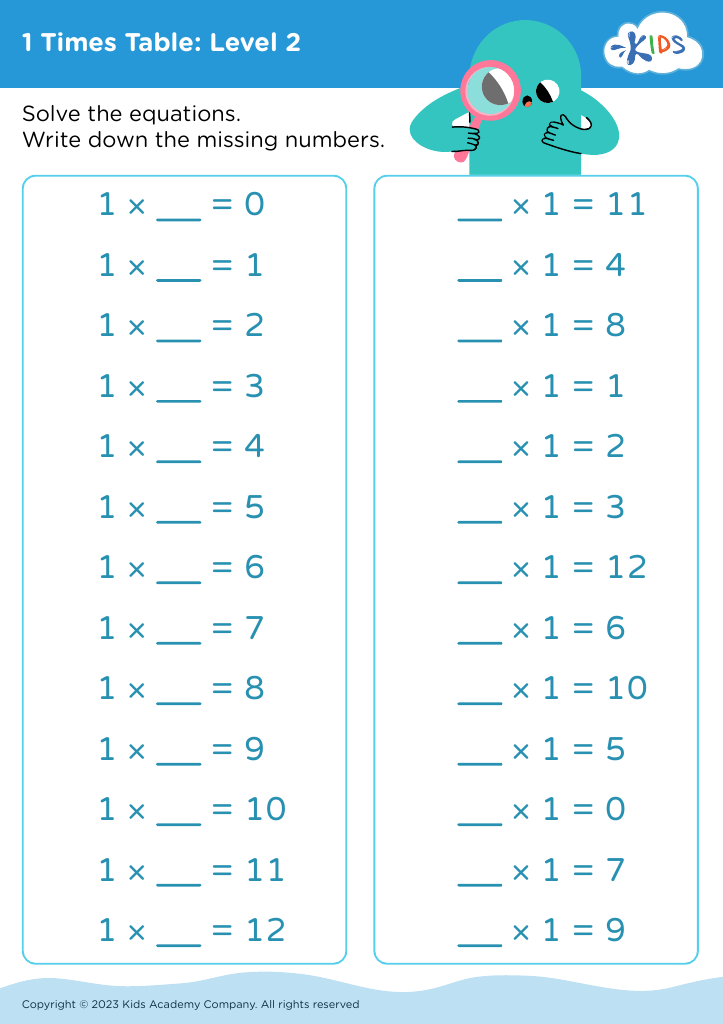
    1 Times Table: Level 2
    1 Times Table: Level 2

    1 Times Table: Level 2

    1 Times Table: Level 2
    Worksheet
    Sea Animals Patterns: Page 3
    Sea Animals Patterns: Page 3

    Sea Animals Patterns: Page 3

    Sea Animals Patterns: Page 3
    Worksheet
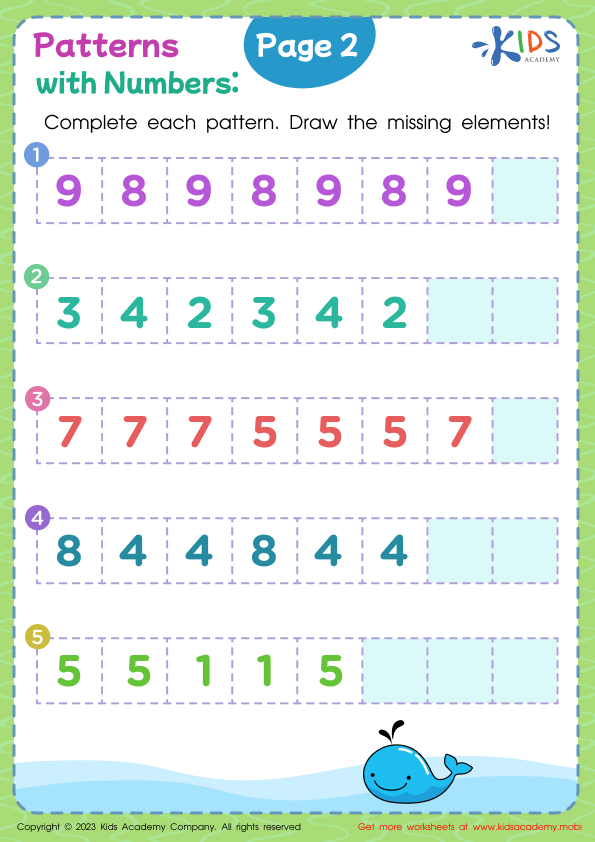
    Patterns with Numbers: Page 2
    Patterns with Numbers: Page 2

    Patterns with Numbers: Page 2

    Patterns with Numbers: Page 2
    Worksheet
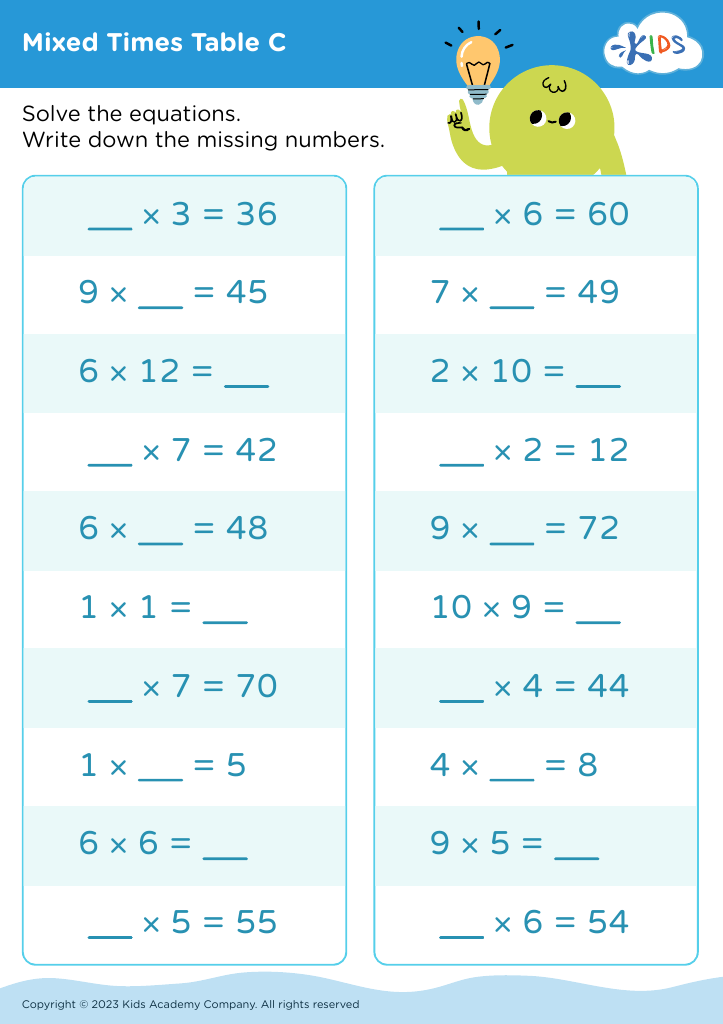
    Mixed Times Table H
    Mixed Times Table H

    Mixed Times Table H

    Mixed Times Table H
    Worksheet
    Patterns with Shapes: Page 3
    Patterns with Shapes: Page 3

    Patterns with Shapes: Page 3

    Patterns with Shapes: Page 3
    Worksheet
    Patterns with Shapes: Page 1
    Patterns with Shapes: Page 1

    Patterns with Shapes: Page 1

    Patterns with Shapes: Page 1
    Worksheet
    8 Times Table: Level 2
    8 Times Table: Level 2

    8 Times Table: Level 2

    8 Times Table: Level 2
    Worksheet
    Mixed Times Table E
    Mixed Times Table E

    Mixed Times Table E

    Mixed Times Table E
    Worksheet
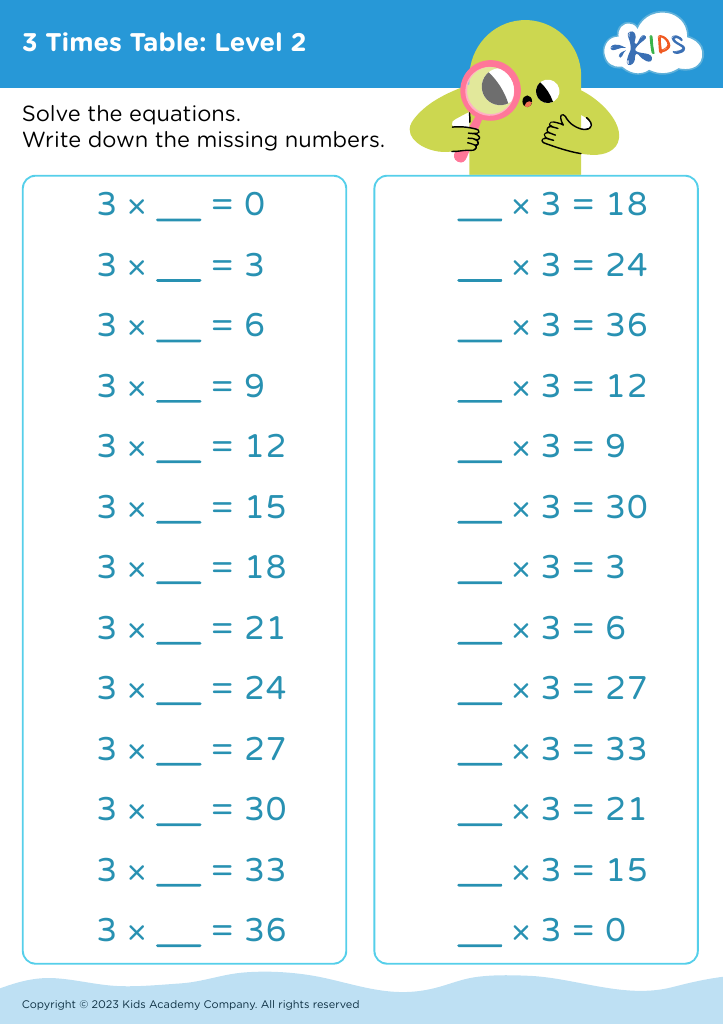
    3 Times Table: Level 2
    3 Times Table: Level 2

    3 Times Table: Level 2

    3 Times Table: Level 2
    Worksheet
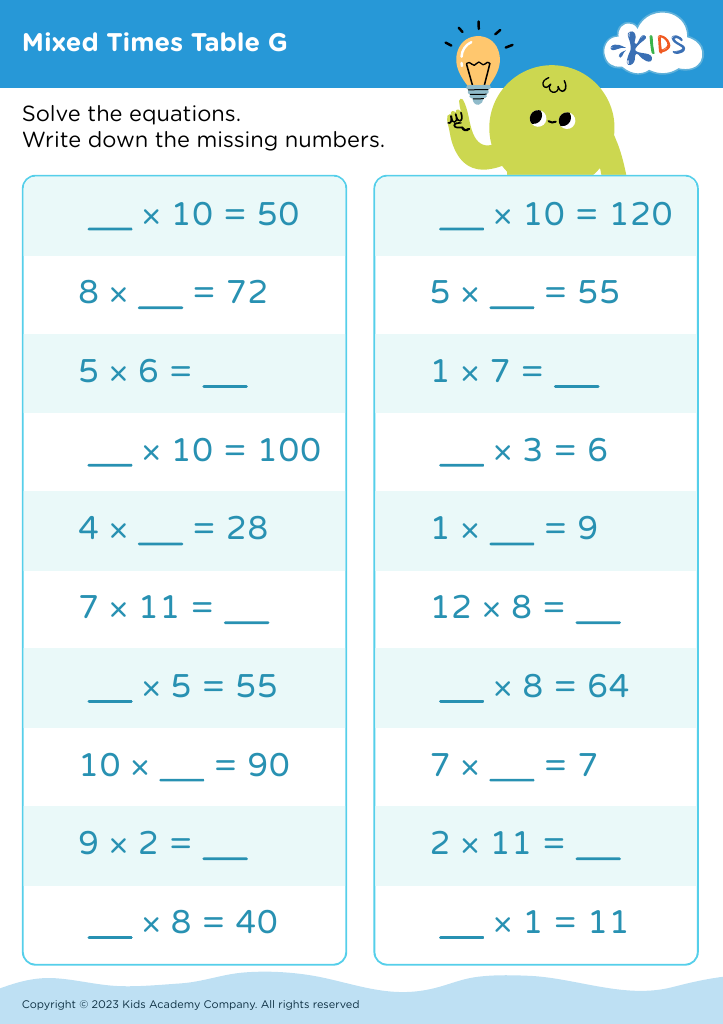
    Mixed Times Table G
    Mixed Times Table G

    Mixed Times Table G

    Mixed Times Table G
    Worksheet
    2 Times Table: Level 2
    2 Times Table: Level 2

    2 Times Table: Level 2

    2 Times Table: Level 2
    Worksheet
    11 Times Table: Level 1
    11 Times Table: Level 1

    x11 Multiplication Chart

    x11 Multiplication Chart
    Worksheet
    Mixed Times Table B
    Mixed Times Table B

    Mixed Times Table B

    Mixed Times Table B
    Worksheet
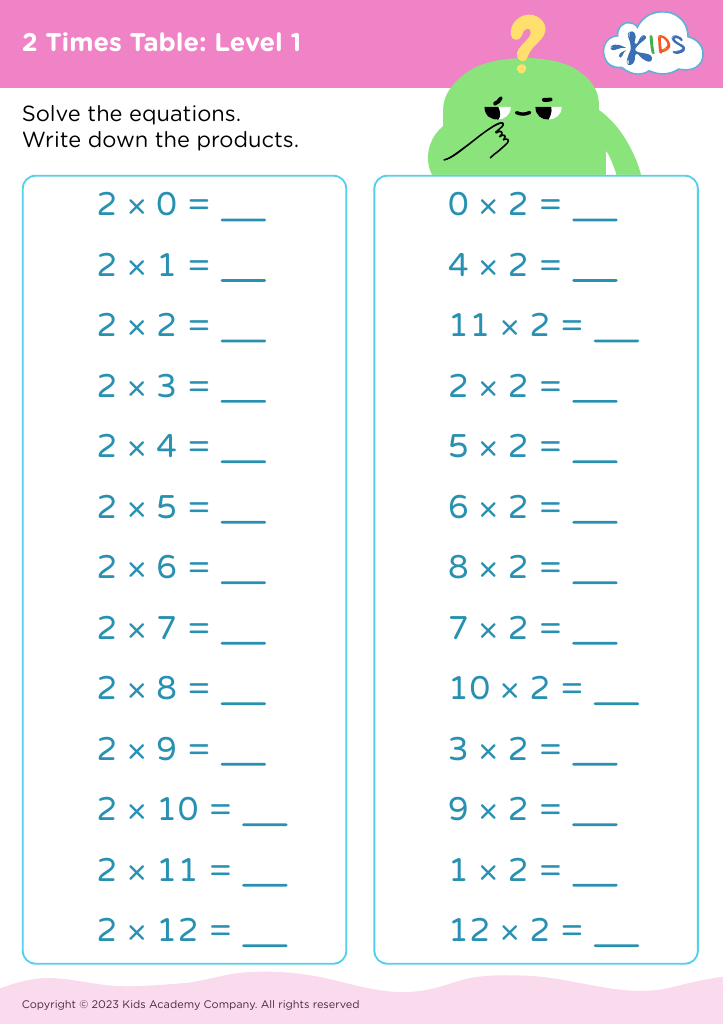
    2 Times Table: Level 1
    2 Times Table: Level 1

    x2 Multiplication Chart

    x2 Multiplication Chart
    Worksheet
    1 Times Table: Level 1
    1 Times Table: Level 1

    Multiplication Chart Worksheet

    Multiplication Chart Worksheet
    Worksheet
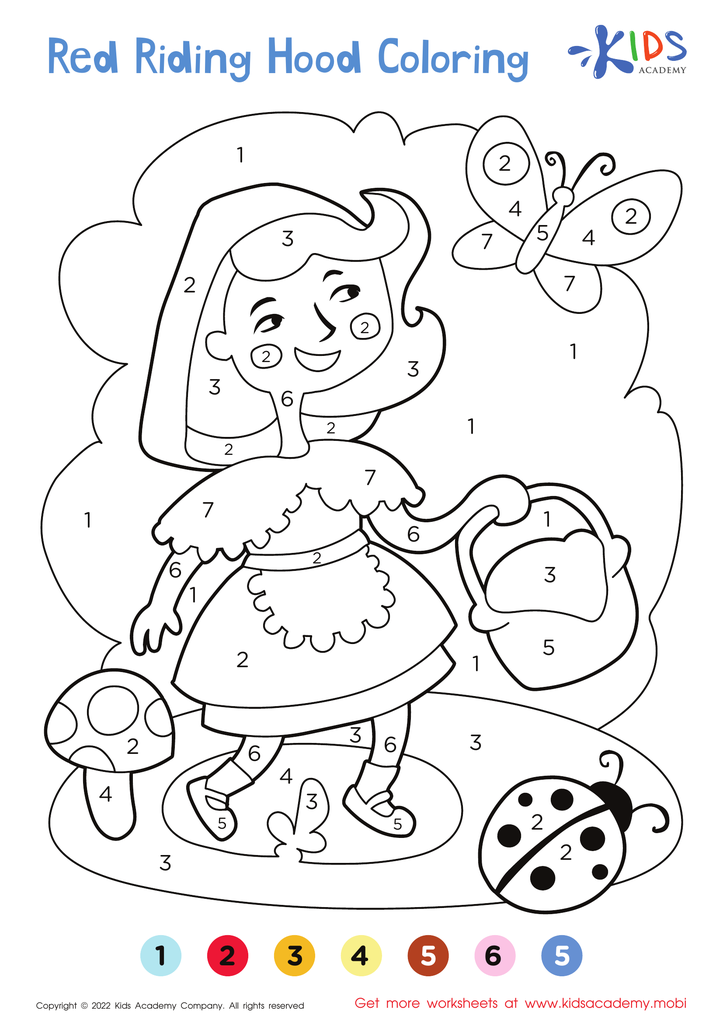
    In the Garden – Coloring by Numbers
    In the Garden – Coloring by Numbers

    In the Garden – Coloring by Numbers

    Download a free PDF page with a beautiful garden scene, perfect for coloring by numbers. Enjoy hours of creative fun and relaxation with this vibrant page.
    In the Garden – Coloring by Numbers
    Worksheet
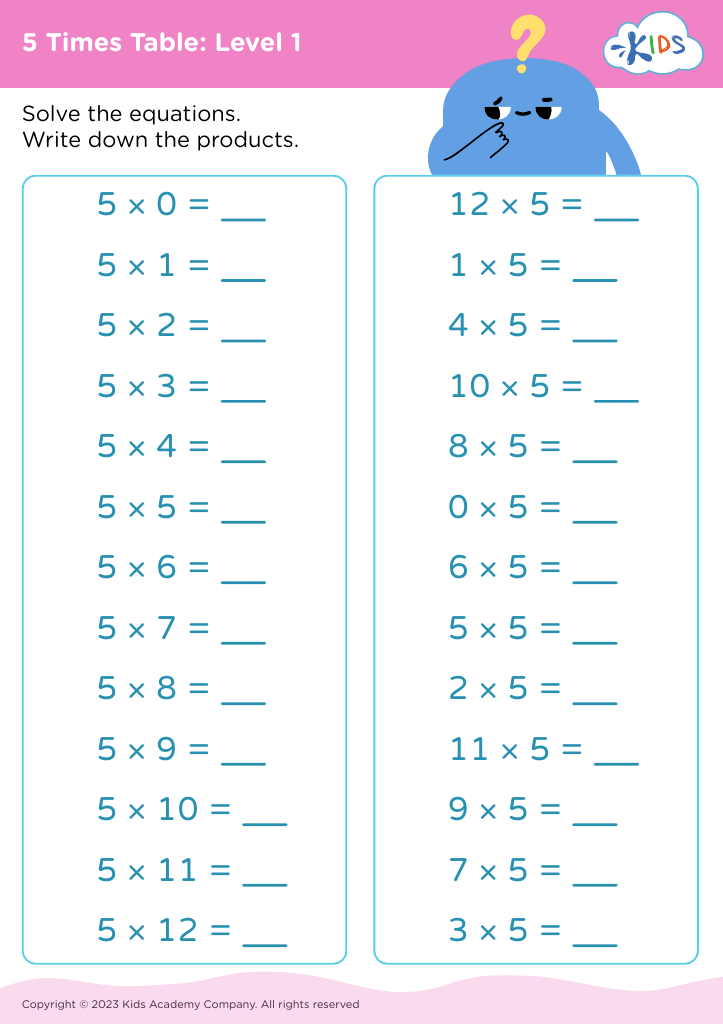
    5 Times Table: Level 1
    5 Times Table: Level 1

    x5 Multiplication Chart

    x5 Multiplication Chart
    Worksheet
    7 Times Table: Level 2
    7 Times Table: Level 2

    7 Times Table: Level 2

    7 Times Table: Level 2
    Worksheet
    8 Times Table: Level 1
    8 Times Table: Level 1

    x8 Multiplication Chart

    x8 Multiplication Chart
    Worksheet


    ... 104 105

    Introducing math to children ages 4-8 lays a crucial foundation for their academic development and everyday problem-solving abilities. At this early stage, children naturally exhibit curiosity and a capacity for learning that parents and teachers can nurture effectively. By integrating basic math concepts—such as counting, recognizing numbers, understanding shapes, and simple addition and subtraction—adults can spark a lifelong interest in mathematics.

    Math education in these formative years is not just about numbers and equations; it also fosters critical thinking and analytical skills. Children learn how to approach problems systematically and develop the ability to reason logically. Activities like sorting objects by size or pattern recognition can enhance cognitive skills, while group activities and math games support social development and cooperative learning.

    Additionally, early math competence is often a predictor of future academic success. Children who develop strong math skills early are better equipped to tackle complex subjects later on, which boosts their confidence and academic self-concept.

    Lastly, math in everyday contexts helps children understand its real-world applications, from telling time to handling money. Encouraging a positive attitude towards math can prevent anxiety around the subject in later years, making it a vital component of a well-rounded early education.