
Vocabulary Building Math Worksheets for Ages 4-8
17 filtered results
Difficulty Level
Grade
Age
-
From - To
Subject
Activity
Standards
Enhance your child's math skills while expanding their vocabulary with our engaging Vocabulary Building Math Worksheets designed for ages 4-8. These worksheets seamlessly integrate mathematical concepts with language development, encouraging young learners to identify and use key math terms. Each activity is crafted to make learning fun, utilizing colorful visuals and interactive exercises that captivate young minds. Compatible with various learning styles, these worksheets support both independent work and guided practice. Perfect for parents and educators alike, our resource will help children develop confidence in their math abilities while boosting their language skills. Start your child’s educational journey today!
Favorites
With answer key
Interactive
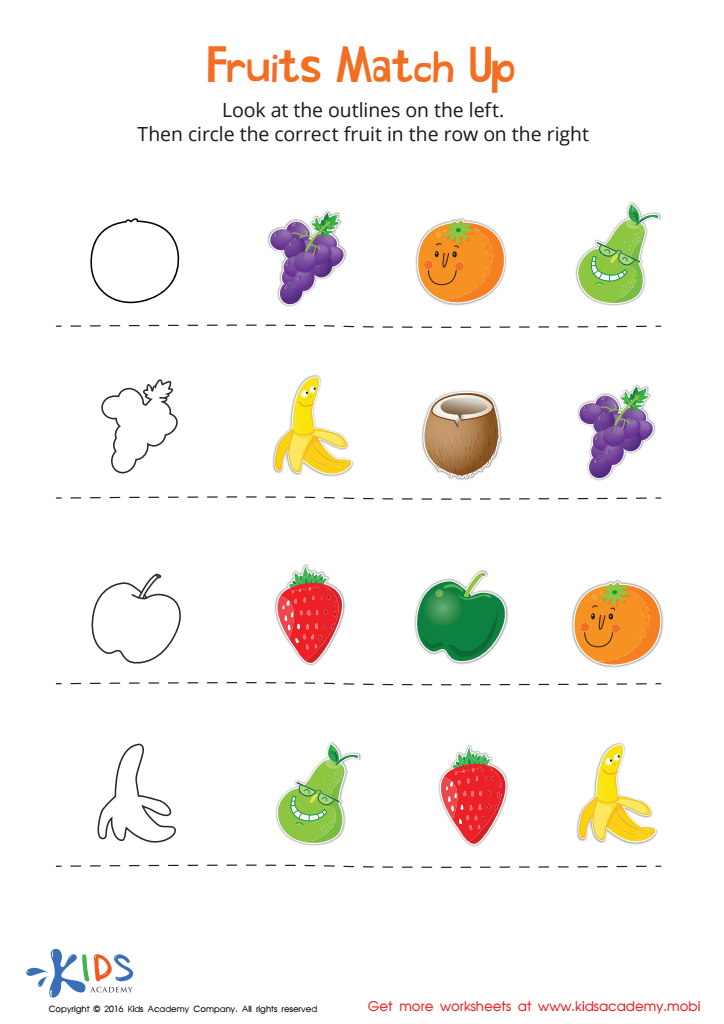
Fruits Match Up Worksheet
Motivate your child to count and sharpen their spatial reasoning skills with this vivid fruit worksheet.
 Assign to My Students
Fruits Match Up Worksheet
Worksheet
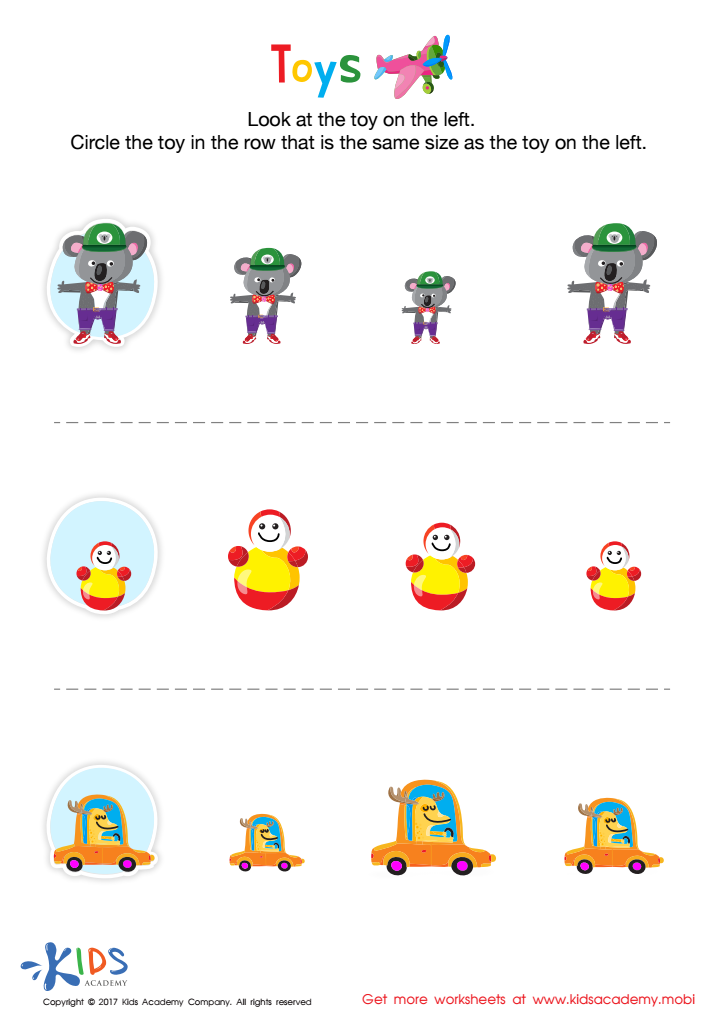
Matching: Classifying Toys by Size Worksheet
Sorting worksheets are an effective way to help your preschooler learn life and educational skills. Spatial awareness, direction recognition, and reading directions all help build a strong foundation for future educational success.
Matching: Classifying Toys by Size Worksheet
Worksheet
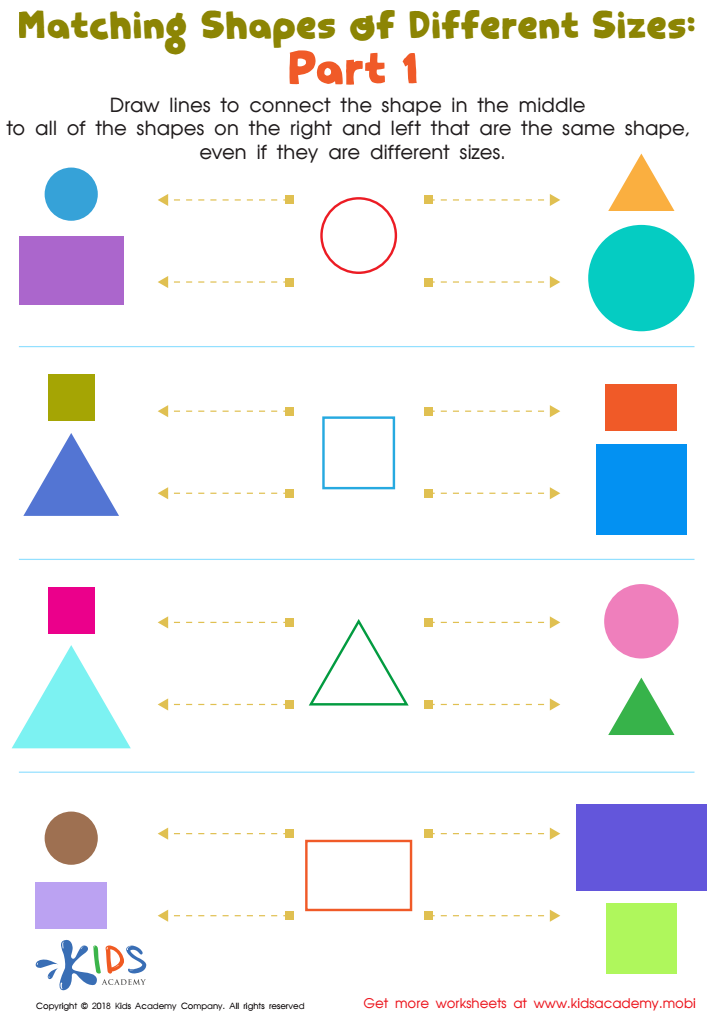
Geometry: part 1 Worksheet
Test your student's shape knowledge with this beginner-level geometry worksheet. This fun, challenging printable PDF will sharpen spacial recognition skills as they match shapes of different sizes. Get started now!
Geometry: part 1 Worksheet
Worksheet
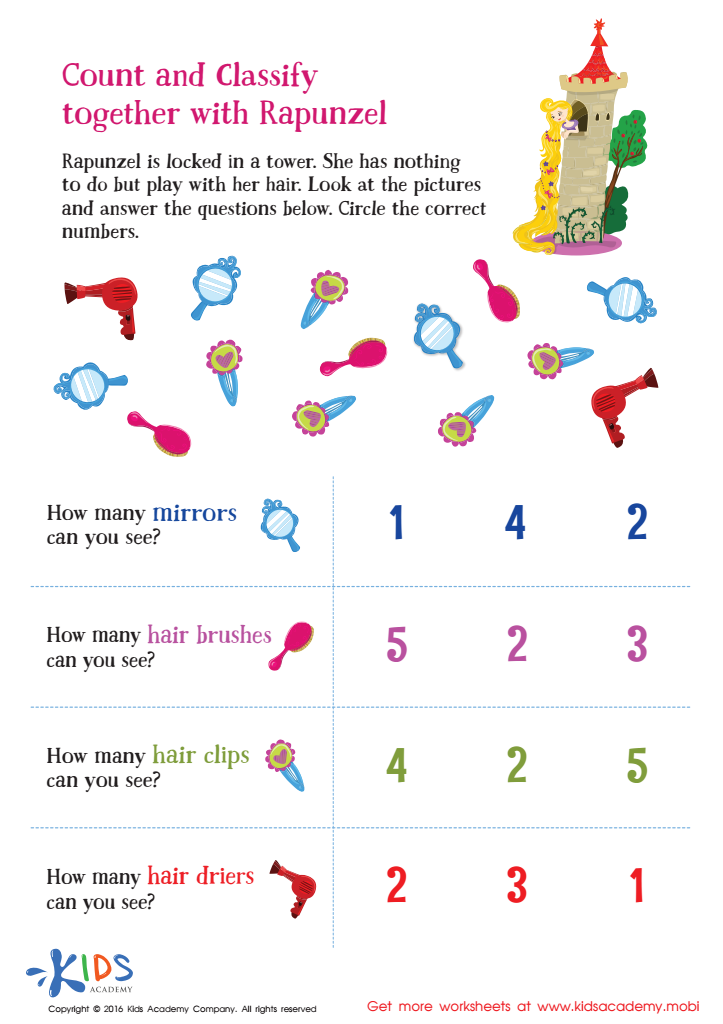
Fairy Tale Worksheet: Count and Classify with Rapunzel
Get printing and shine a light on your pre-math skills!
Fairy Tale Worksheet: Count and Classify with Rapunzel
Worksheet
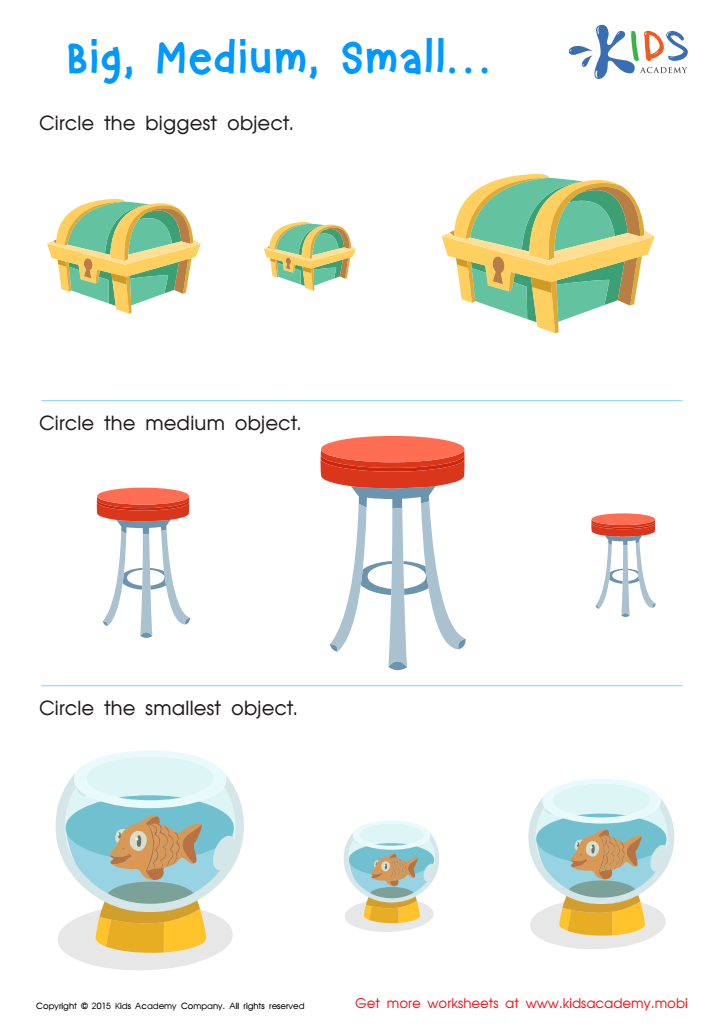
Big Medium Small Worksheet
Kids practice size words as they spot big, medium, and small objects. It's an entertaining way to help children describe the world around them.
Big Medium Small Worksheet
Worksheet
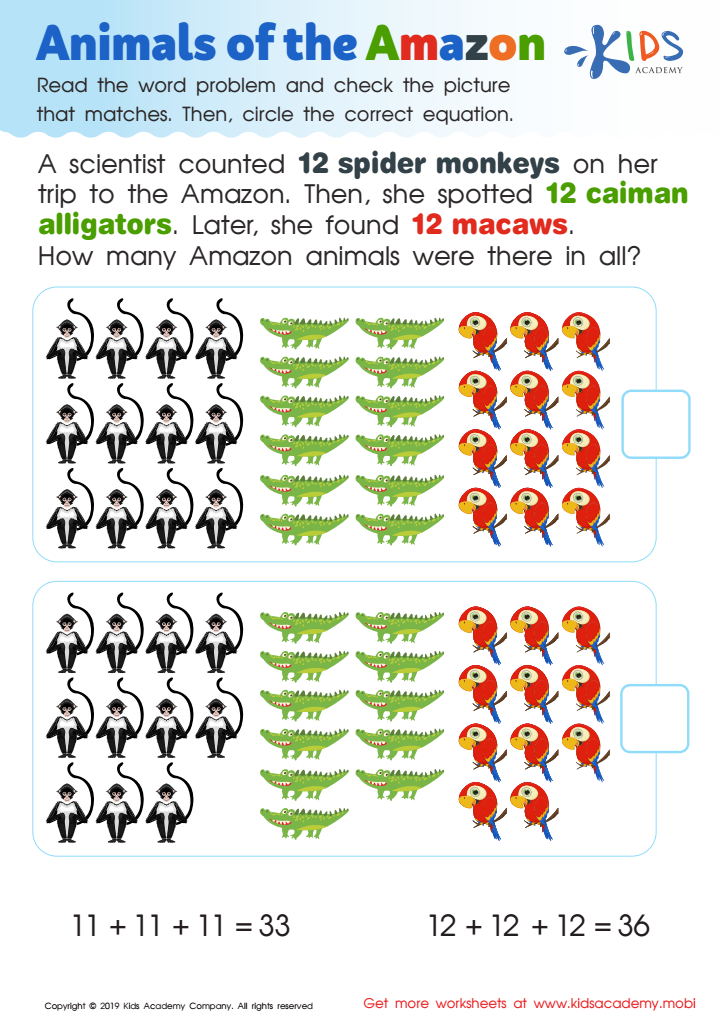
Animals of Amazon Worksheet
Kids will love exploring the Amazon while solving addition problems on this colorful PDF worksheet. They need to pay attention to the bolded info in each word problem to figure out the equation picture that matches. It's an exciting way to learn about the Amazon and practice adding multiple numbers!
Animals of Amazon Worksheet
Worksheet
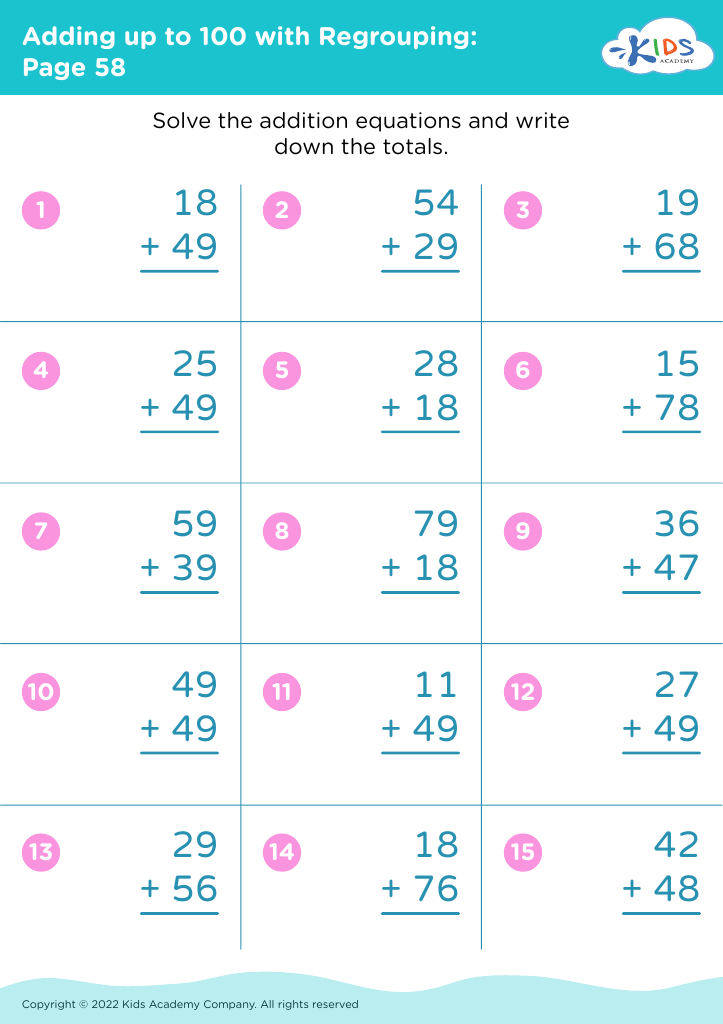
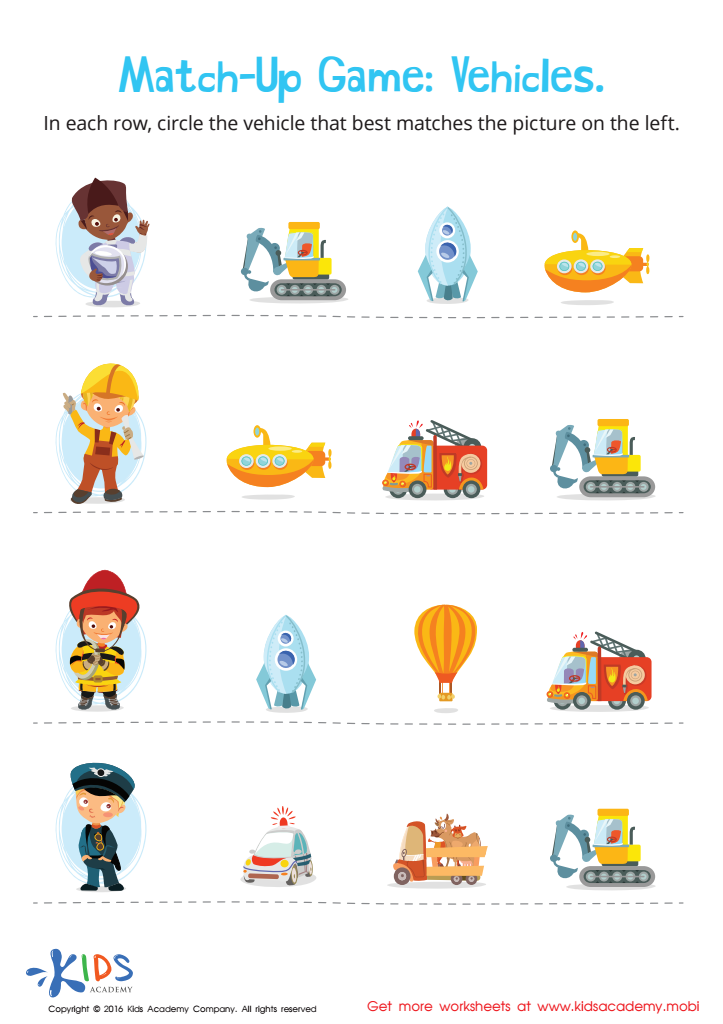
Vehicles Worksheet
Beep, beep! Your little driver will love this matching game! Matching vehicles with their drivers can help your child discover new jobs and practice problem-solving skills. It can even start a conversation about different careers. Don’t be surprised if they start playing with more cars and trucks! Use this and other sorting activities to practice with colors, shapes and patterns.
Vehicles Worksheet
Worksheet
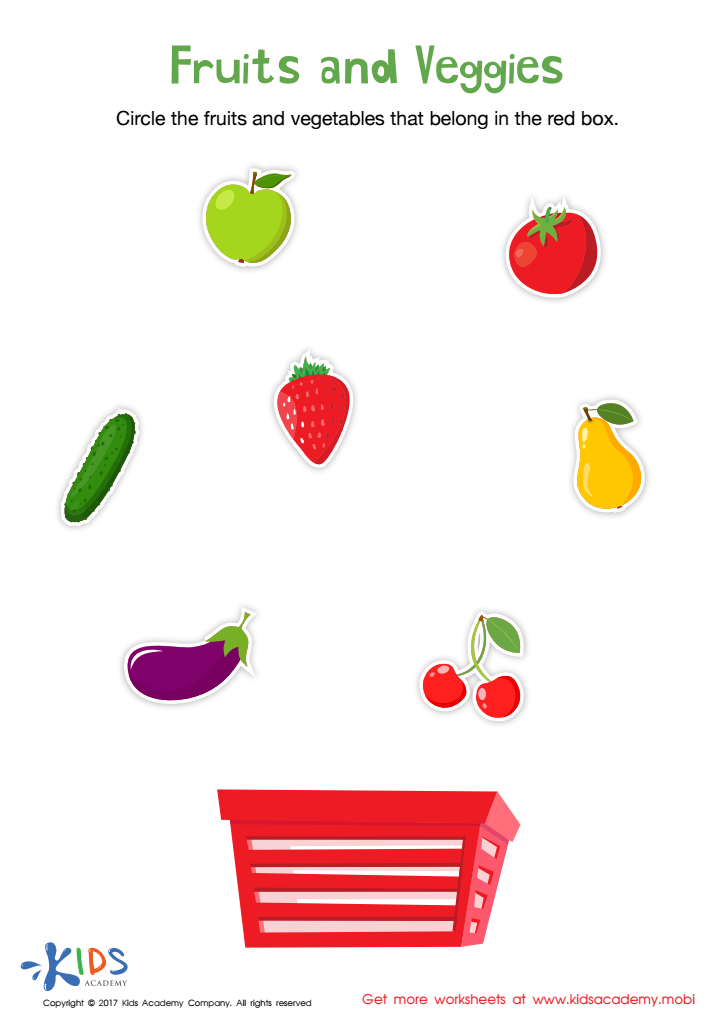
Classifying Fruits and Veggies by Color Sorting Worksheet
Worksheet
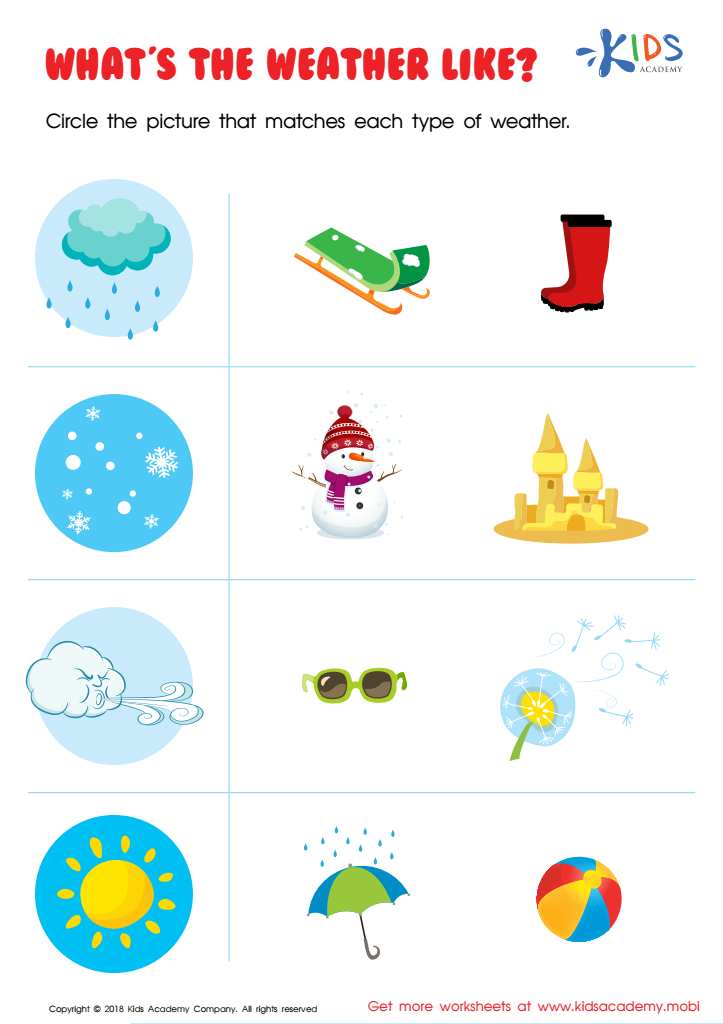
What's the Weather Like? Worksheet
Help budding meteorologists practice matching weather to seasons with this PDF worksheet. Picture clues help identify seasons and fine motor skills are practiced circling the correct weather patterns. Bright and engaging characters make learning fun and reinforce weather knowledge.
What's the Weather Like? Worksheet
Worksheet
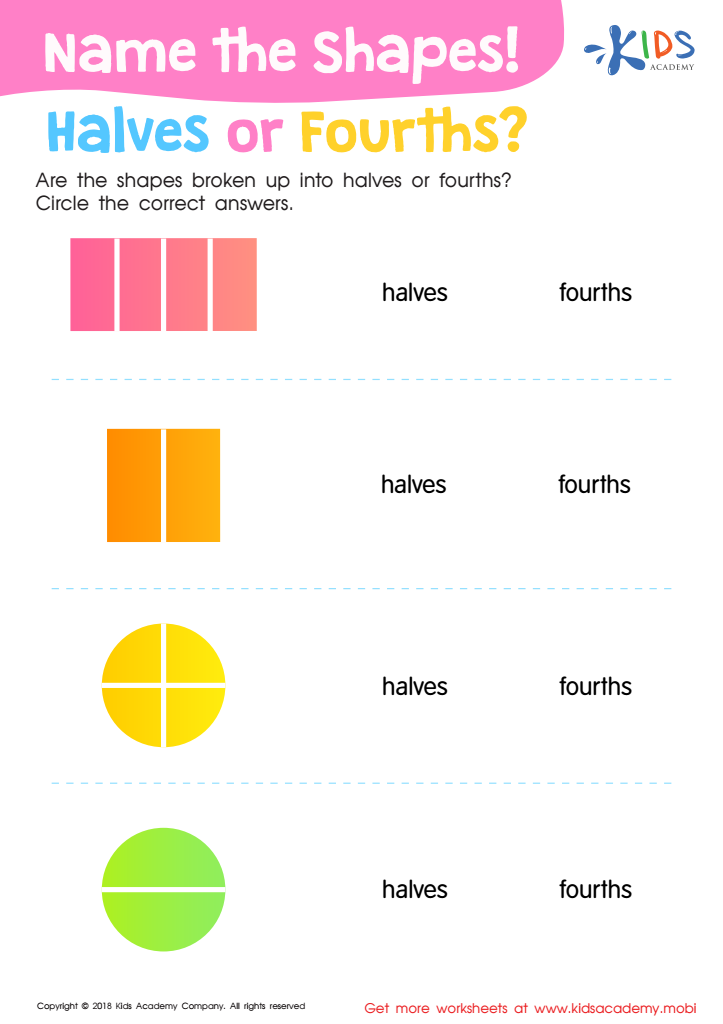
Name the Shapes Halves or Fourths? Worksheet
Before starting, ask your child if they understand what halves and fourths are. If they can answer correctly, move on with the worksheet. Help them circle the right option beside each shape, showing if it's split into halves or fourths.
Name the Shapes Halves or Fourths? Worksheet
Worksheet
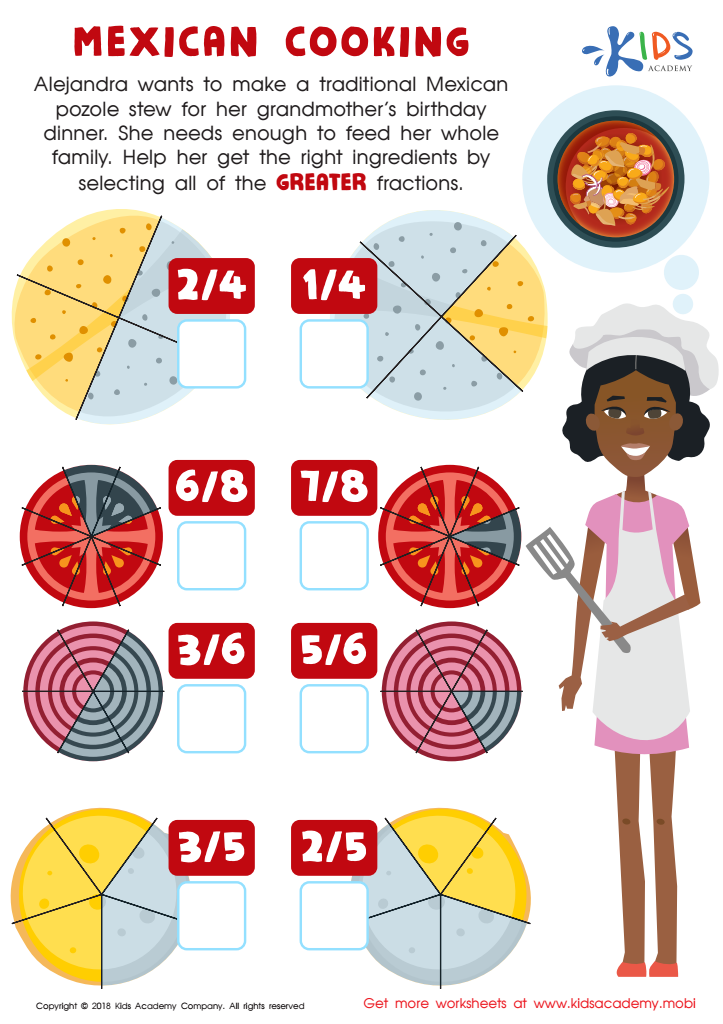
Mexican Cooking Worksheet
Alejandra needs to make a traditional Mexican pazole stew that will feed her whole family. Help her select the right ingredients by choosing the greater fractions in this worksheet. Mexicans have an amazing culture with many unique holidays, customs and dishes - explore it with your kids in your local neighbourhood!
Mexican Cooking Worksheet
Worksheet
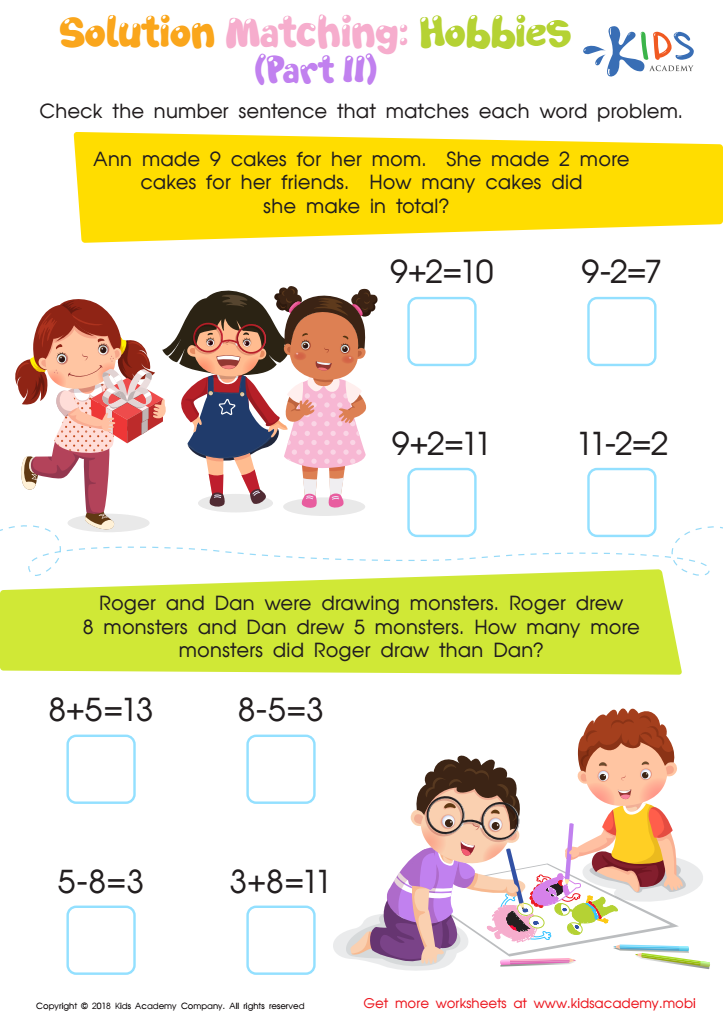
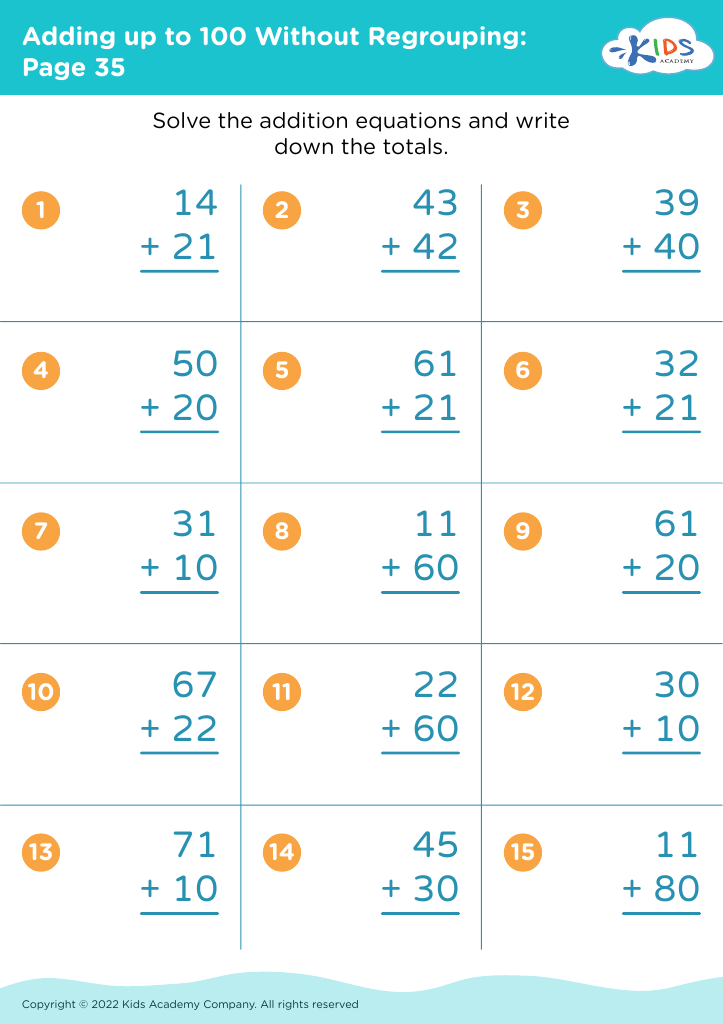
Solution Matching: Hobbies. Part 2 Worksheet
This fun printable worksheet has word problems featuring hobbies your children enjoy! With your child, read through each problem, understanding the numbers and key phrases indicating addition or subtraction. Then, match the correct equation with the solution by checking the box. Math problems are more enjoyable to solve when they’re realistic and engaging!
Solution Matching: Hobbies. Part 2 Worksheet
Worksheet
Join Kids Academy for Free
Who is primarily going to use this learning content?








Vocabulary building in math for children ages 4-8 is crucial for their overall academic development. At this early stage, children are not just learning numbers and equations; they're also developing language skills that help them articulate mathematical concepts. Enriching a child's math vocabulary improves their comprehension and problem-solving abilities, making it easier for them to grasp complex topics as they progress in their education.
Parents and teachers should care about math vocabulary because it lays the foundational understanding necessary for future math success. For instance, words like "sum," "difference," "greater than," and "pattern" help children not only learn math operations but also apply these concepts in real-life situations. Additionally, a rich vocabulary enhances their capacity to communicate their thought processes, fostering critical thinking and collaboration during group activities.
Engaging in vocabulary building also promotes a positive attitude toward math, reducing anxiety and building confidence. When children can express themselves clearly in math, they're more likely to participate actively in classroom discussions and enjoy problem-solving. For these reasons, prioritizing vocabulary building in mathematics is essential for nurturing well-rounded, mathematically literate individuals who are prepared for future academic challenges.








