Matching Worksheets for Ages 4-8 - Page 4
82 filtered results
-
From - To
 Assign to My Students
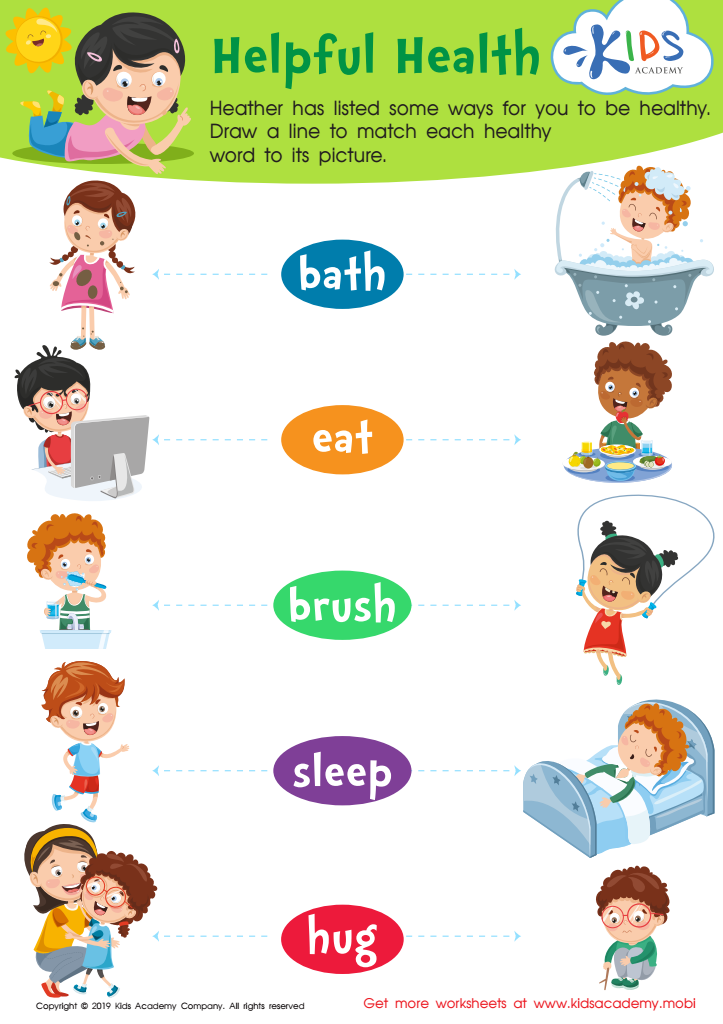
Helpful Health Worksheet
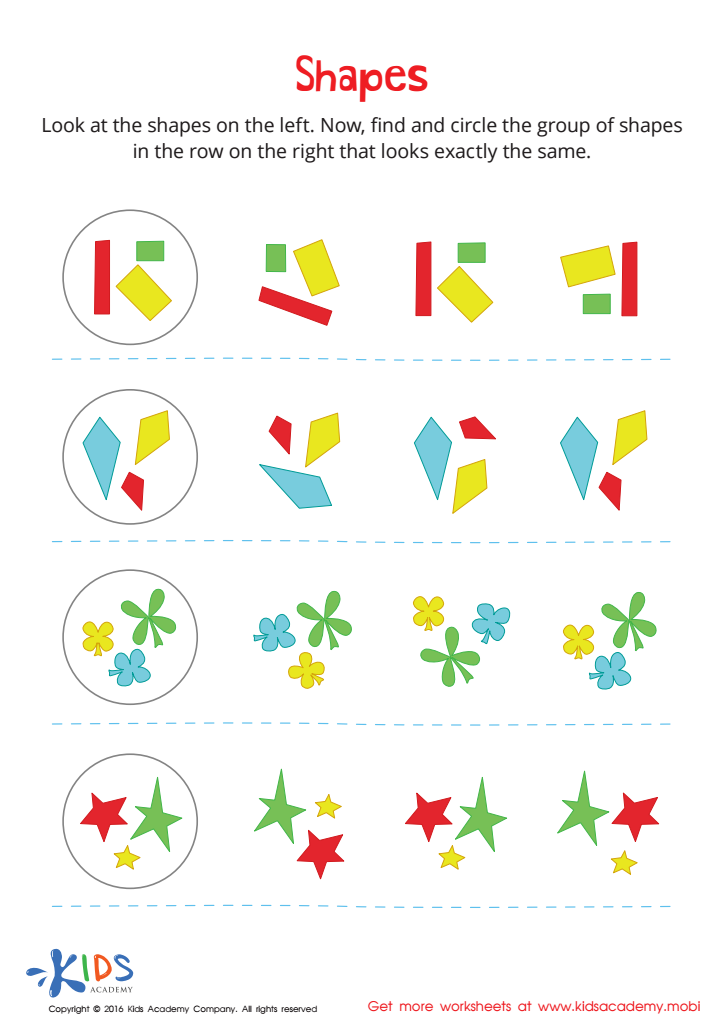
Shapes Worksheet
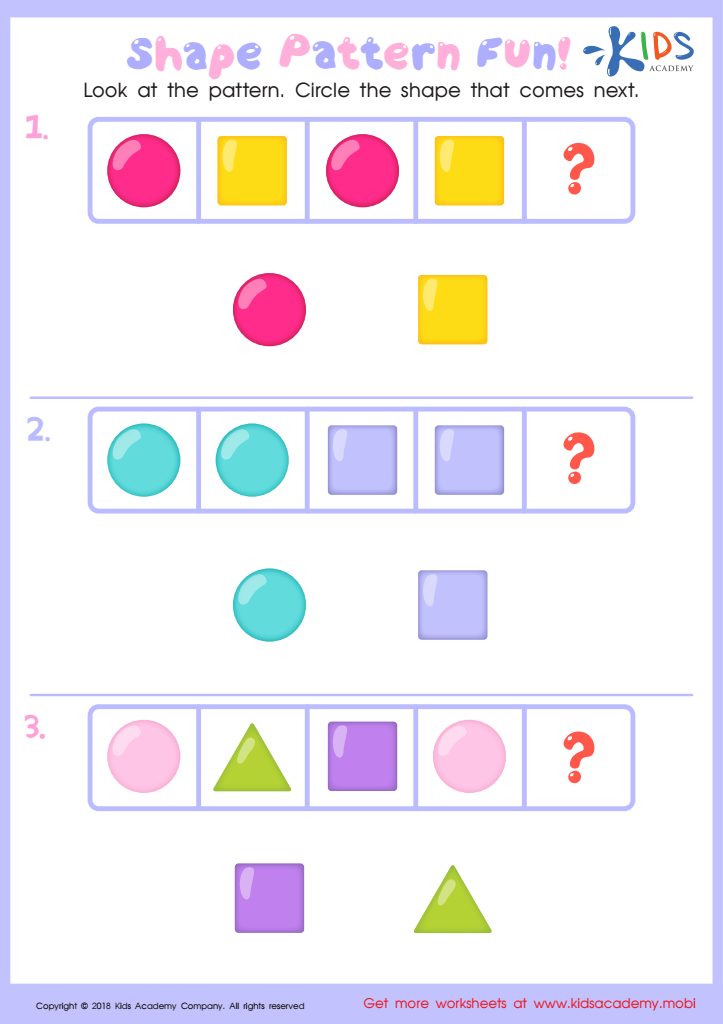
Shape Pattern Fun Worksheet
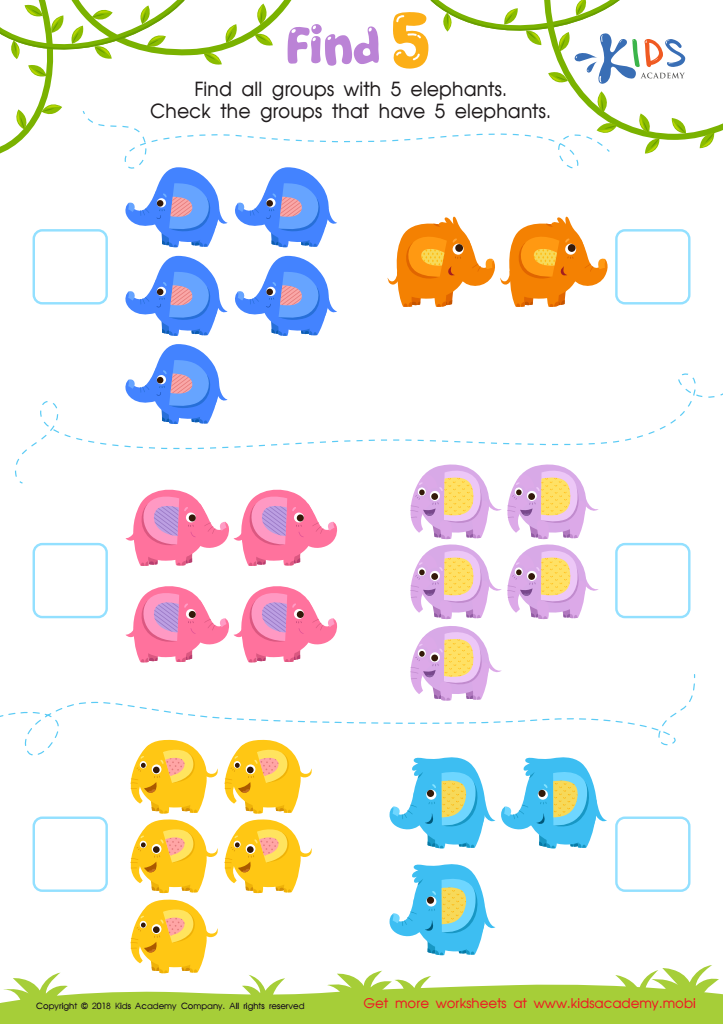
Find 5 Worksheet
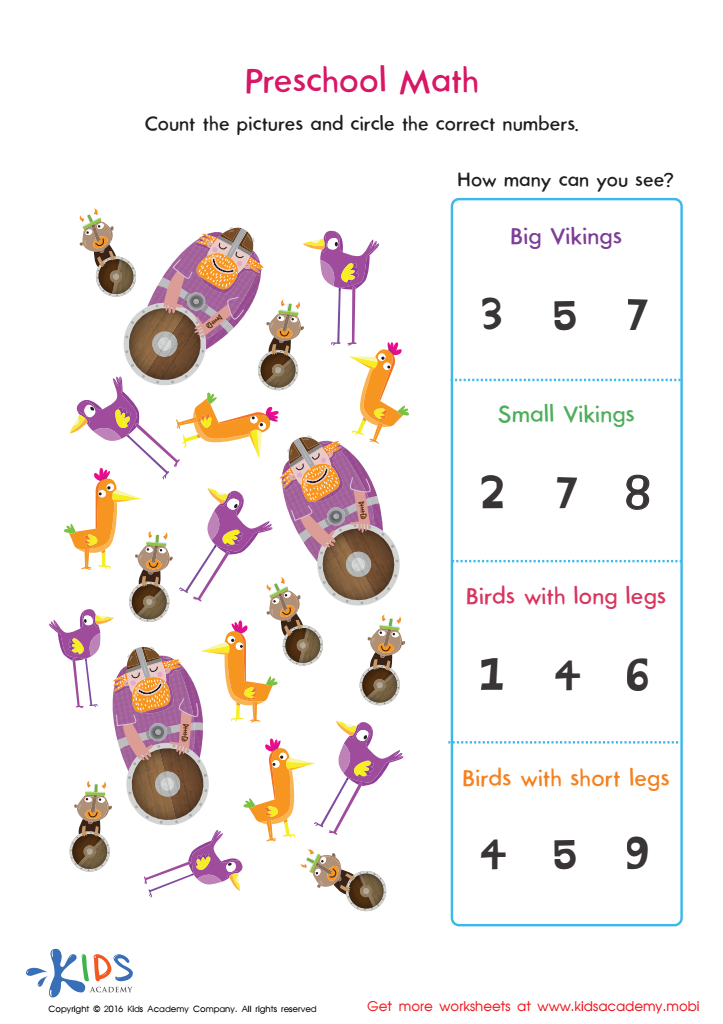
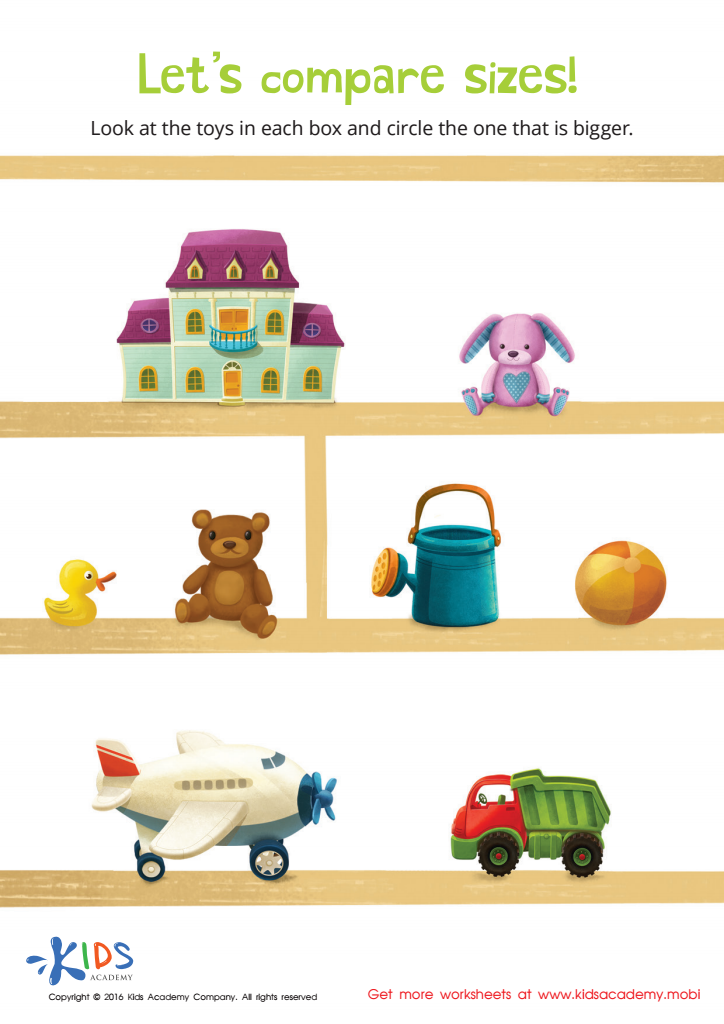
Classifying by Size Sorting Worksheet
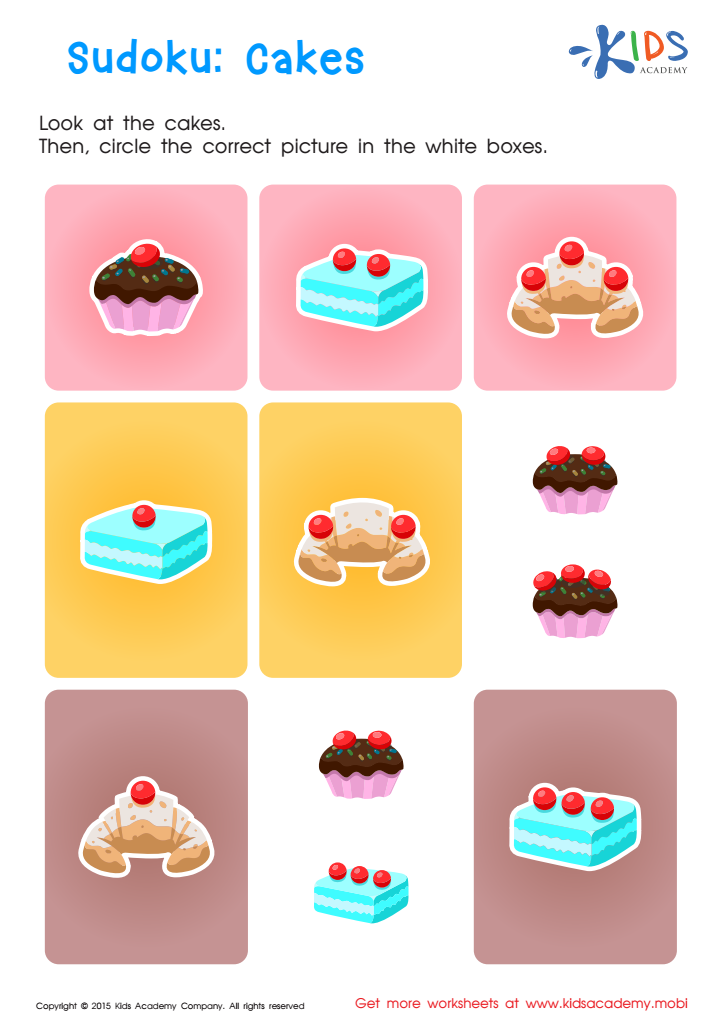
Sudoku Worksheet
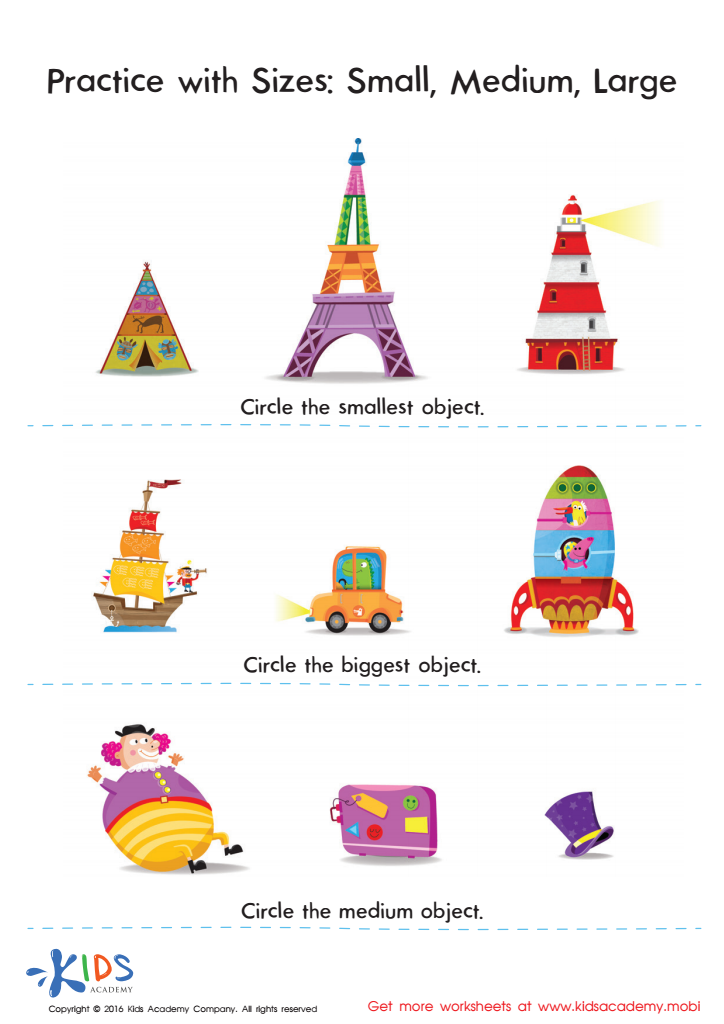








Matching for Ages 4-8 is a crucial developmental activity that holds significant importance for both parents and teachers. During this age range, children are rapidly developing cognitive skills, including memory, visual discrimination, and attention span. Engaging in matching activities helps to sharpen these skills, laying a strong foundation for future learning.
Moreover, matching games promote social skills, as they often involve cooperation and interaction with peers or caregivers. When children engage in these activities collaboratively, they learn to communicate, resolve conflicts, and share instructions, fostering teamwork and empathy.
From an academic perspective, matching supports early literacy and numeracy skills. For example, matching letters to sounds or numbers to quantities enhances recognition and comprehension, which are vital for reading and math abilities.
Parents and teachers should also recognize that these activities can be tailored to each child’s interests, making learning more relevant and engaging. By caring about and encouraging matching activities, they can contribute significantly to a child’s growth in a fun and interactive manner. Overall, investing time in matching activities ensures a well-rounded developmental experience that benefits children academically, socially, and emotionally.








