Categorization skills Matching Worksheets for Ages 4-8
6 filtered results
-
From - To
Introducing our "Categorization Skills Matching Worksheets" designed for children aged 4 to 8! These engaging worksheets provide young learners with fun activities that enhance their categorization abilities. By matching items and sorting them into groups based on color, shape, size, or type, kids will develop critical thinking and organizational skills while enjoying interactive learning. Perfect for preschool and early grade classrooms, these worksheets promote cognitive development and provide essential practice in identifying similarities and differences. Boost your child’s learning experience with our easy-to-use printable resources, ensuring they build a strong foundation for future academic success! Explore and download now!
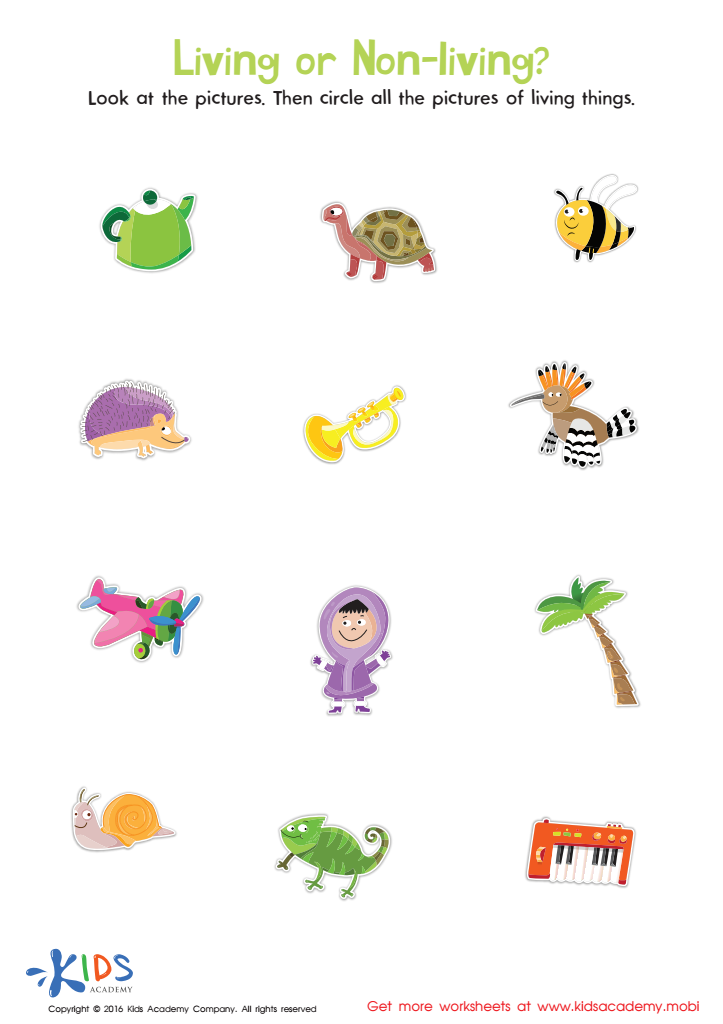
Identifying Living and Non–living Things Sorting Worksheet
 Assign to My Students
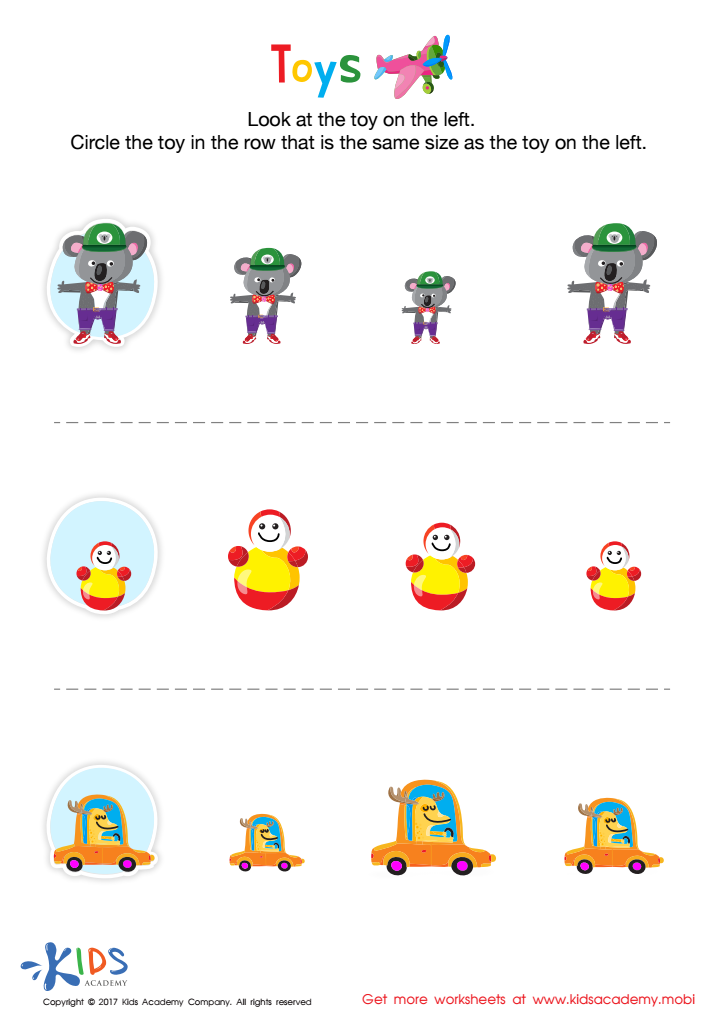
Matching: Classifying Toys by Size Worksheet
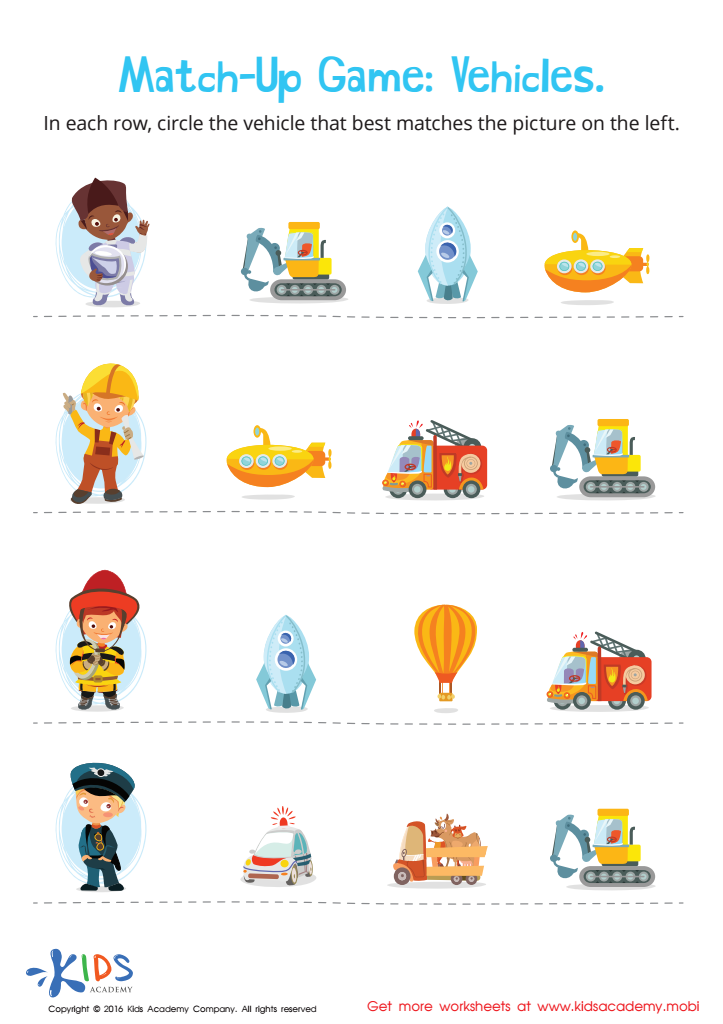
Vehicles Worksheet
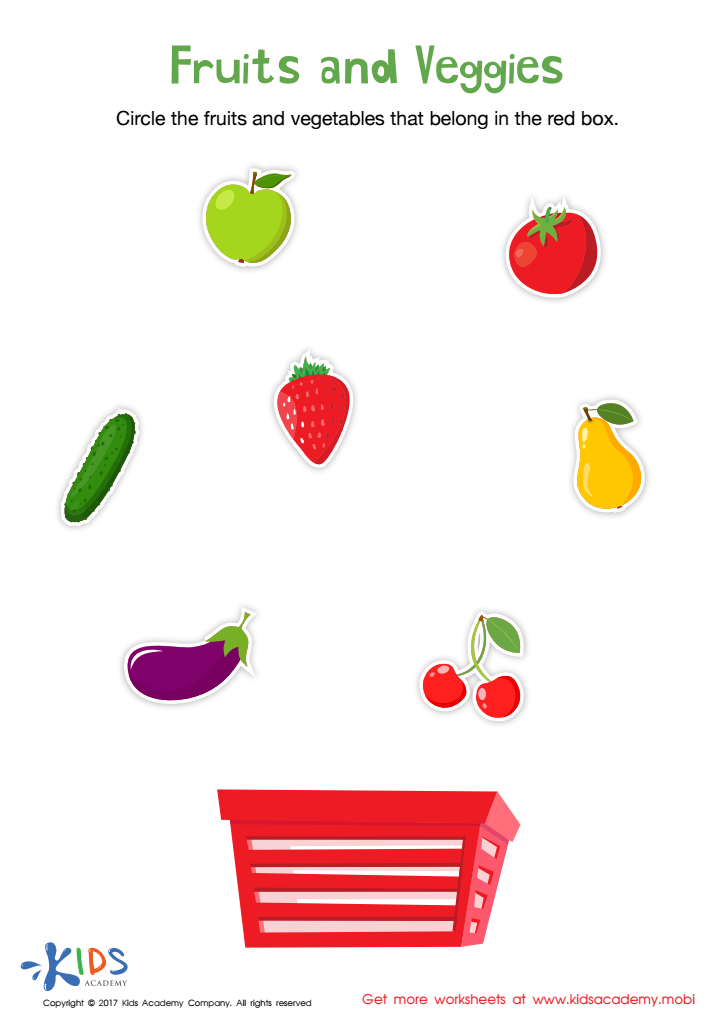
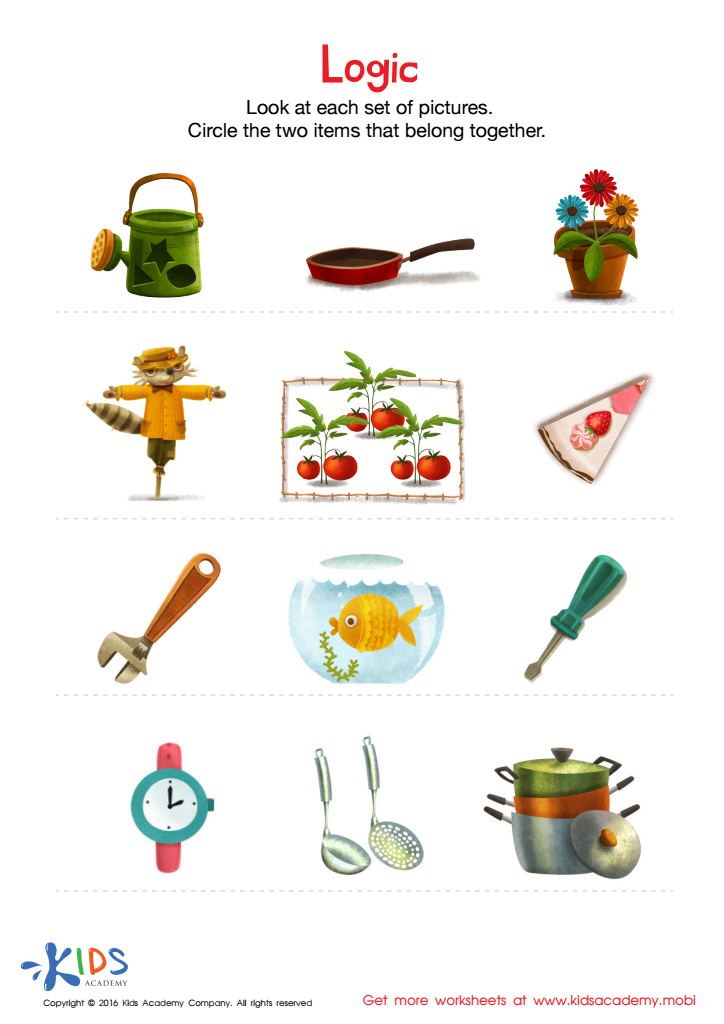
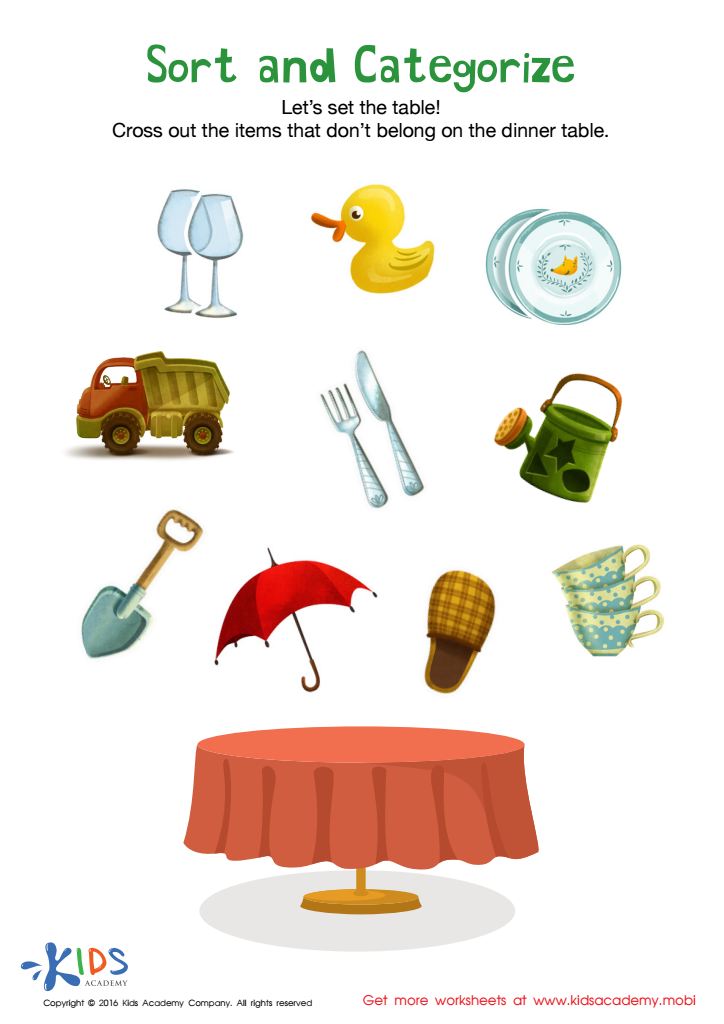
Logic Game Sorting Worksheet








Categorization skills are crucial for children aged 4 to 8, as they form the foundation for cognitive development and critical thinking. When children learn to categorize, they begin to identify similarities and differences among objects, ideas, and concepts, which fosters their ability to sort information efficiently. This skill is essential for early math and literacy learning, enabling children to recognize patterns, develop vocabulary, and comprehend more complex concepts later on.
Furthermore, matching activities enhance cognitive flexibility by encouraging children to group items based on various criteria, such as color, shape, or size. These activities also promote fine motor skills and hand-eye coordination, critical for overall development.
Parents and teachers should care about this skill because it plays a vital role in academic success and everyday problem-solving. By nurturing categorization and matching abilities, educators and caregivers can create a strong foundation for lifelong learning and comprehension.
Fostering these skills through engaging activities motivates children, making learning enjoyable. In this way, caregivers not only contribute to cognitive and academic growth but also instill a love for learning early on, which is a significant predictor of success in school and beyond. Investing in these skills sets the stage for future achievements.








