Number Recognition Numbers up to 100 Worksheets for Ages 4-8
27 filtered results
-
From - To
Enhance your child's number skills with our Number Recognition Numbers up to 100 Worksheets, specially designed for ages 4-8! These engaging, educational worksheets help young learners identify, write, and count numbers up to 100, developing a solid mathematical foundation. Colorful themes and interactive exercises make learning fun and exciting. Each worksheet focuses on number recognition through varied activities like matching, counting objects, and filling in missing numbers. Ideal for at-home learning or classroom practice, our worksheets foster confidence and improve numeracy skills, ensuring your child’s growth in early mathematics. Download now and watch them excel!
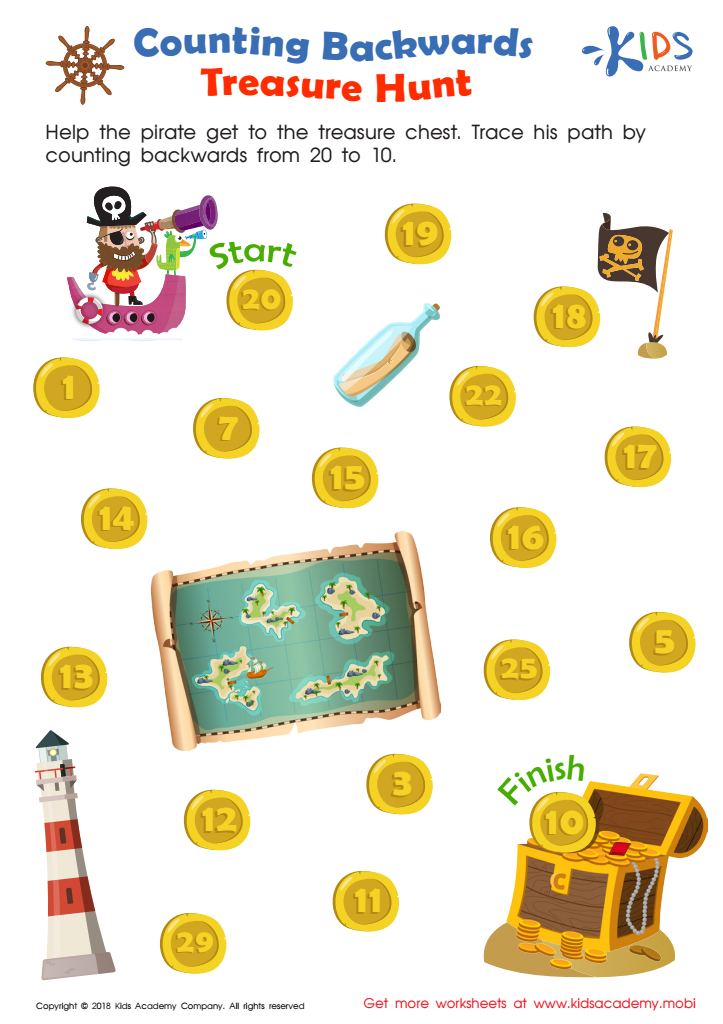
Counting Backwards: Treasure Hunt Worksheet
 Assign to My Students
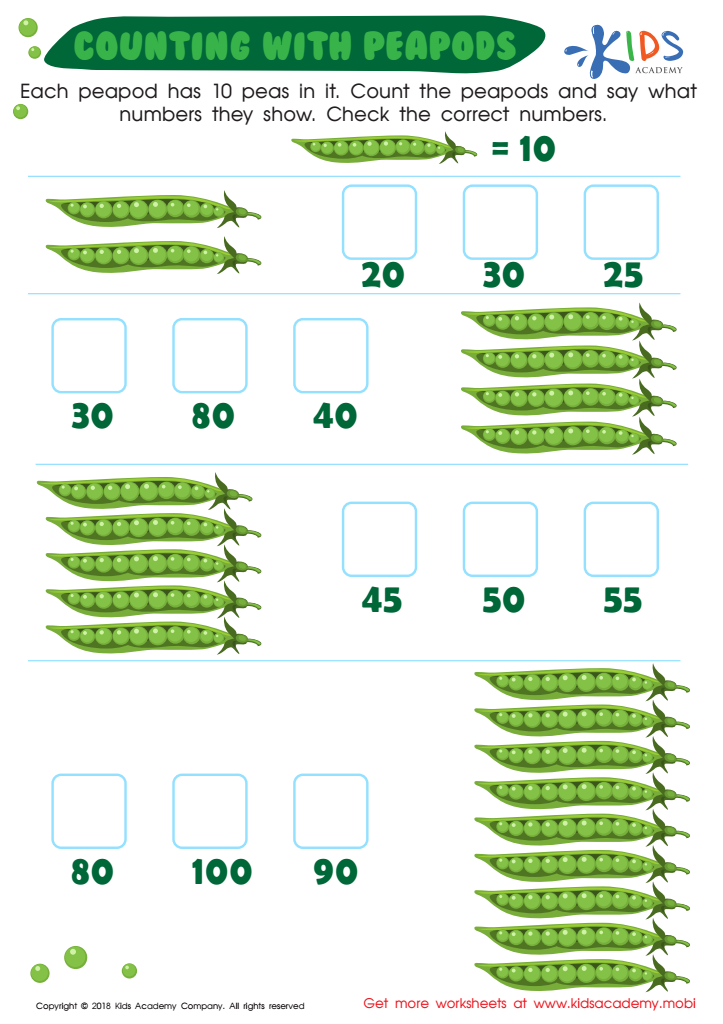
Number Worksheet: Counting With Peapods
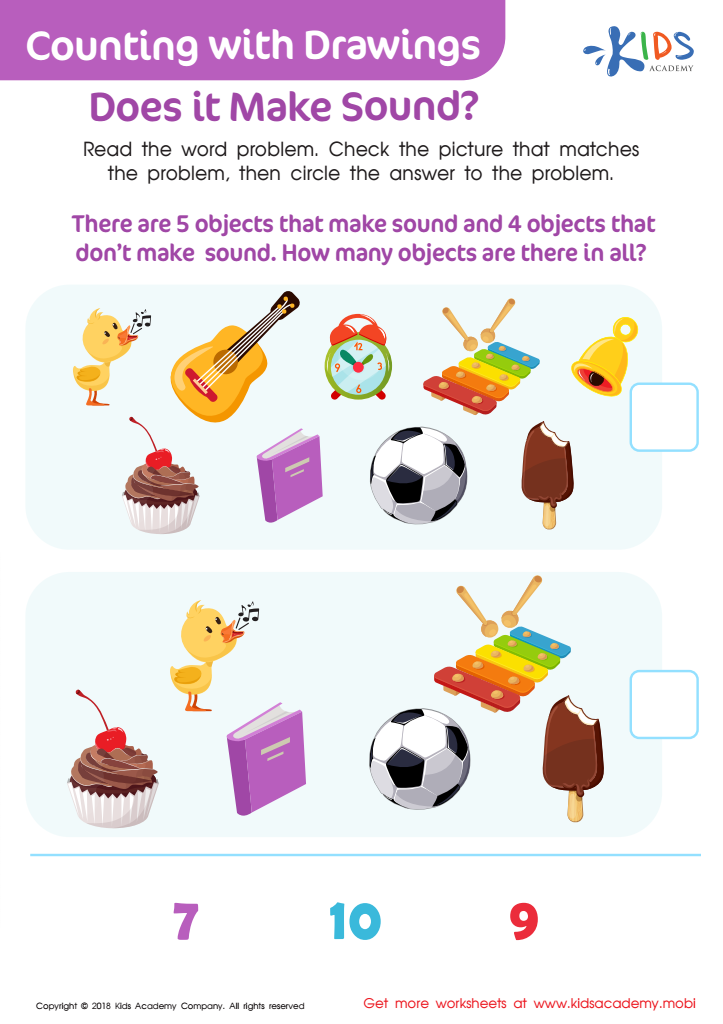
Counting With Drawings. Does It Make Sound? Worksheet
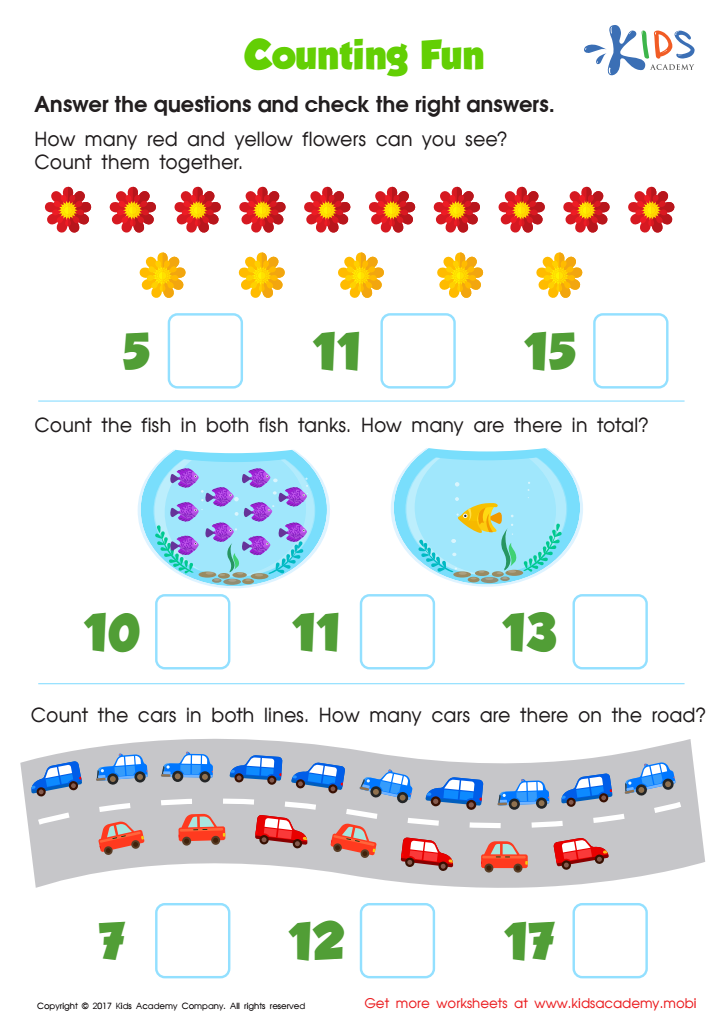
Counting Fun Worksheet
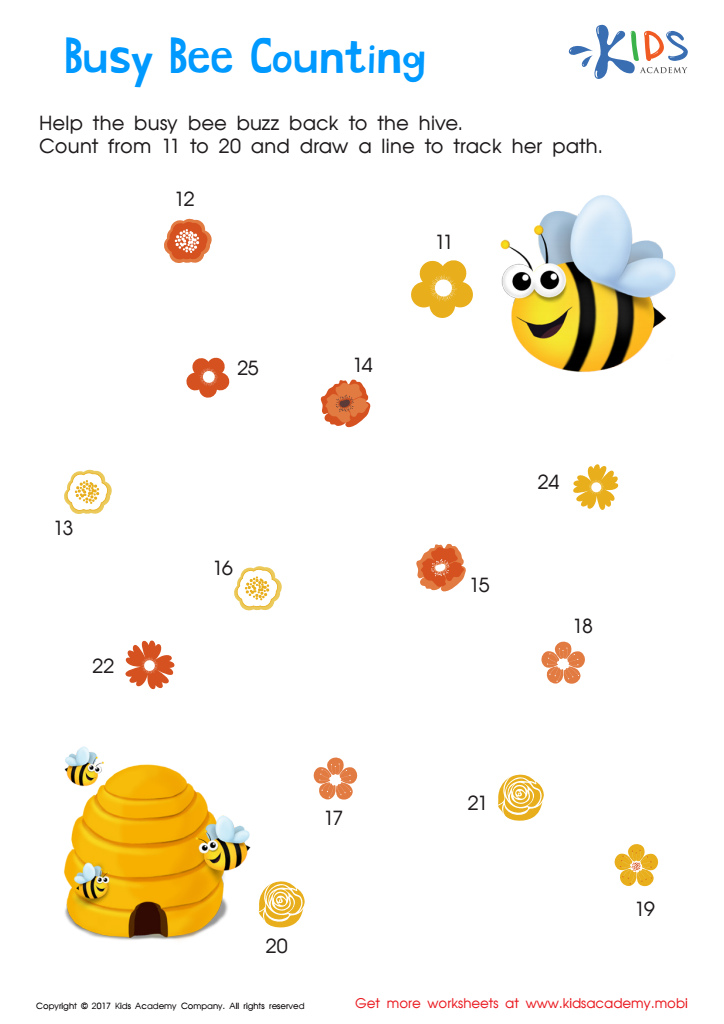
Ordering 11–20: Busy Bee Counting Worksheet
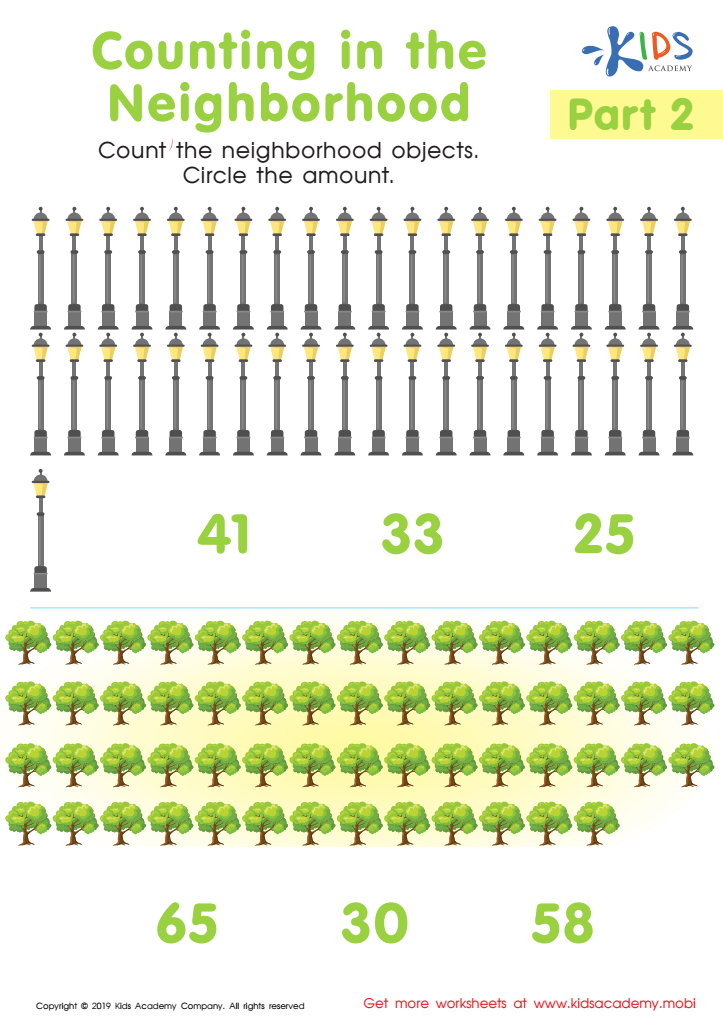
Counting In The Neighborhood Part 2 Worksheet
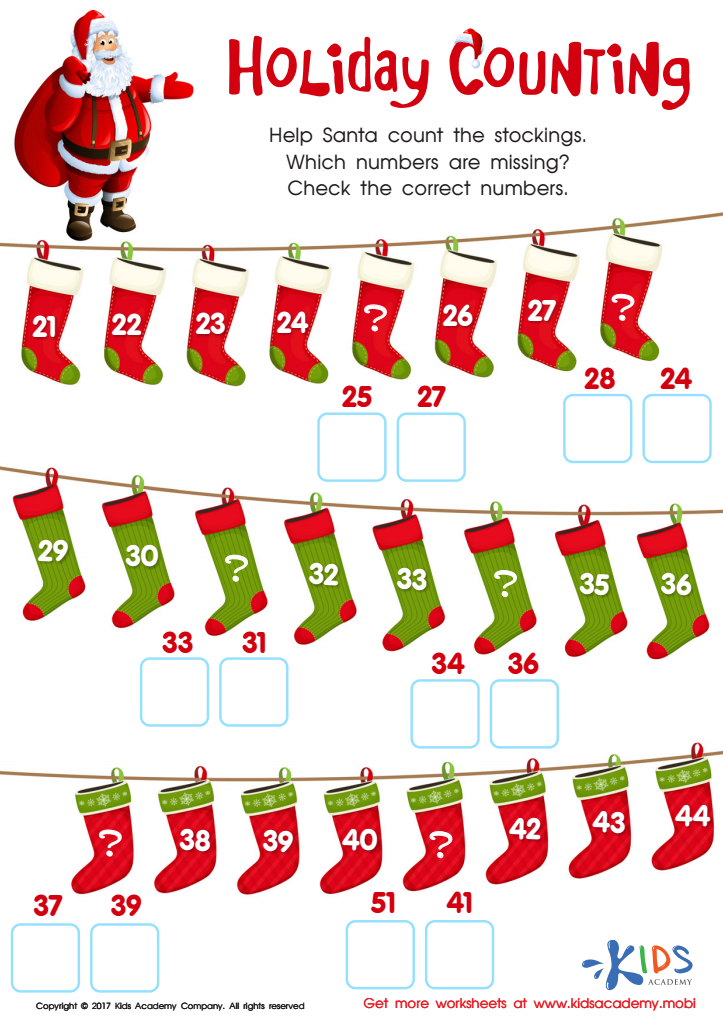
Holiday Counting Worksheet
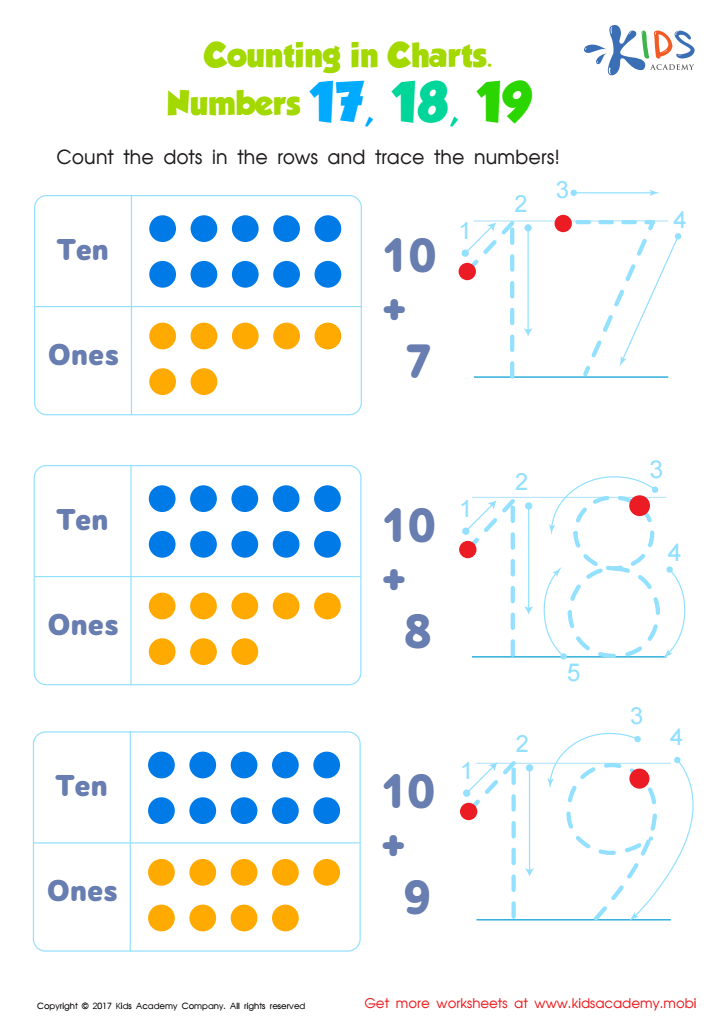
Kindergarten Number Tracing: Counting in Charts Worksheet
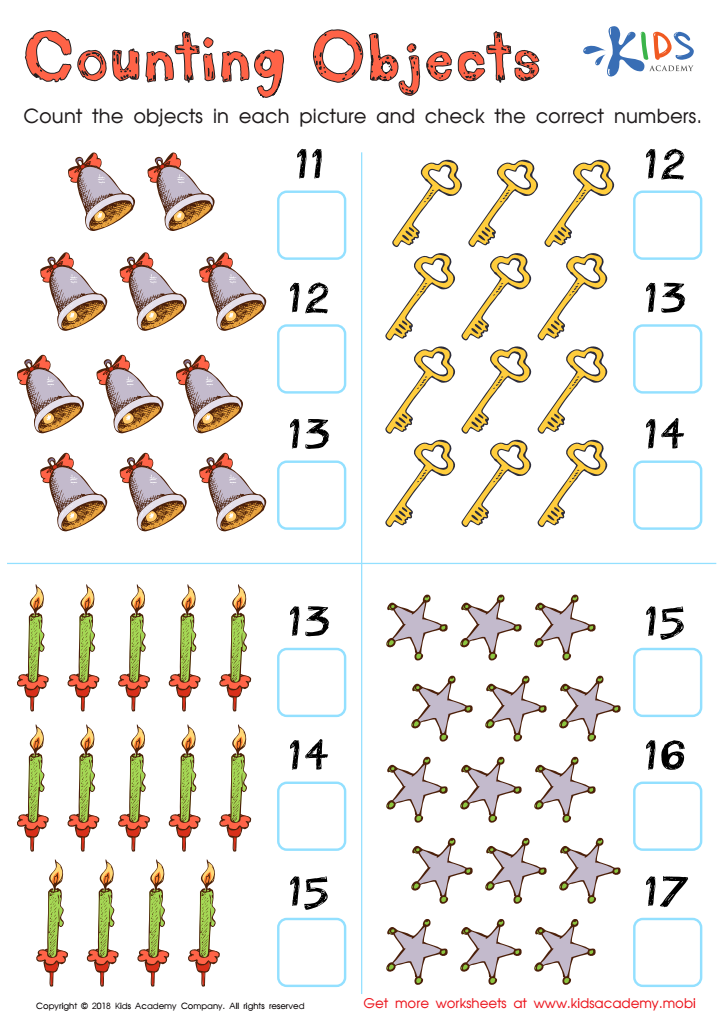
Counting Numbers Worksheet For Kindergarten
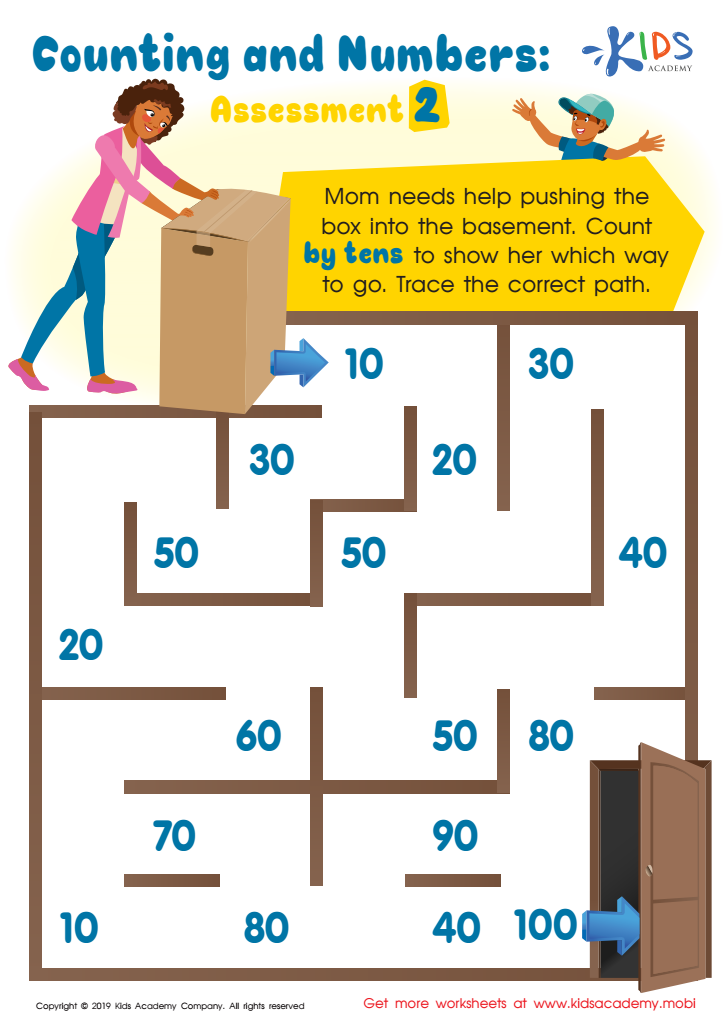
Counting and Numbers: Assessment 2 Worksheet
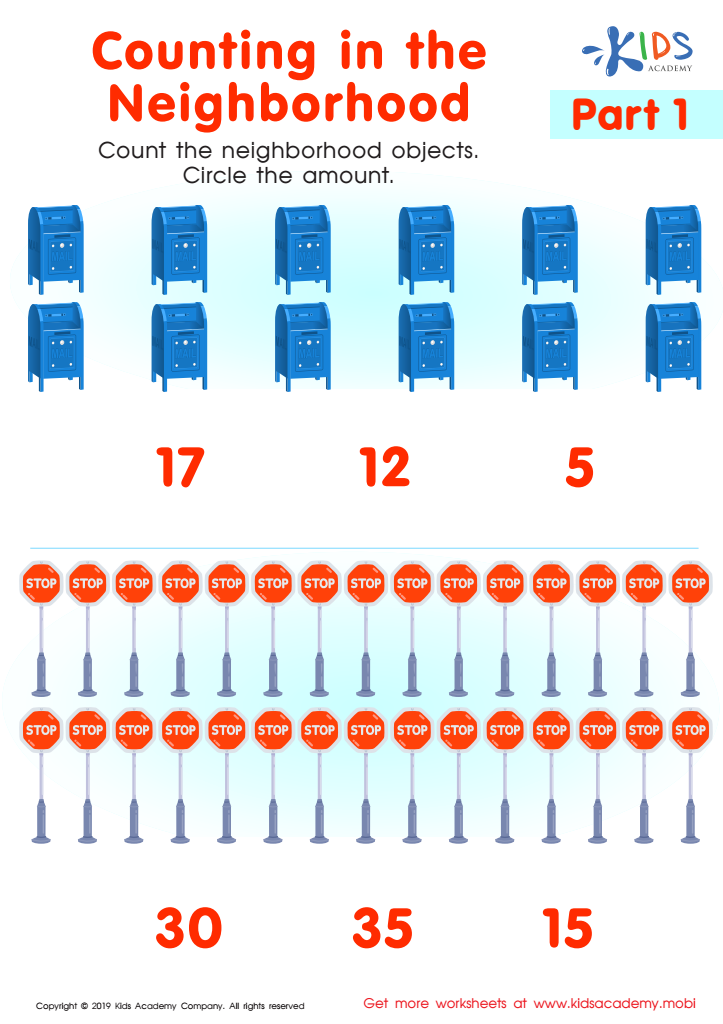
Counting in the Neighborhood Part1 Worksheet
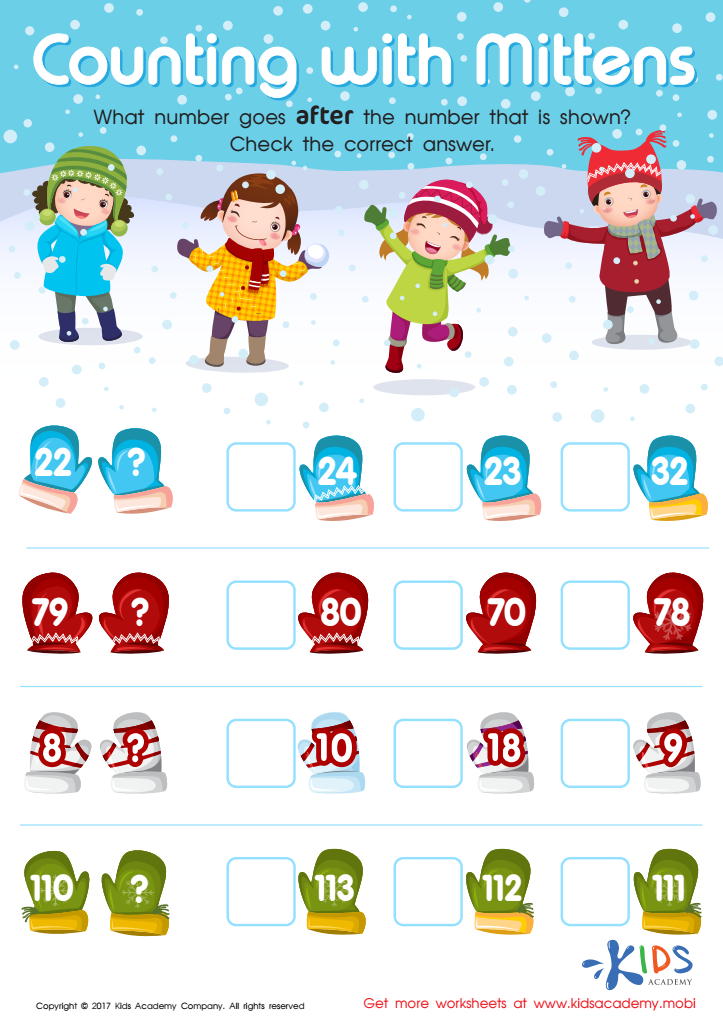
Counting with Mittens Worksheet
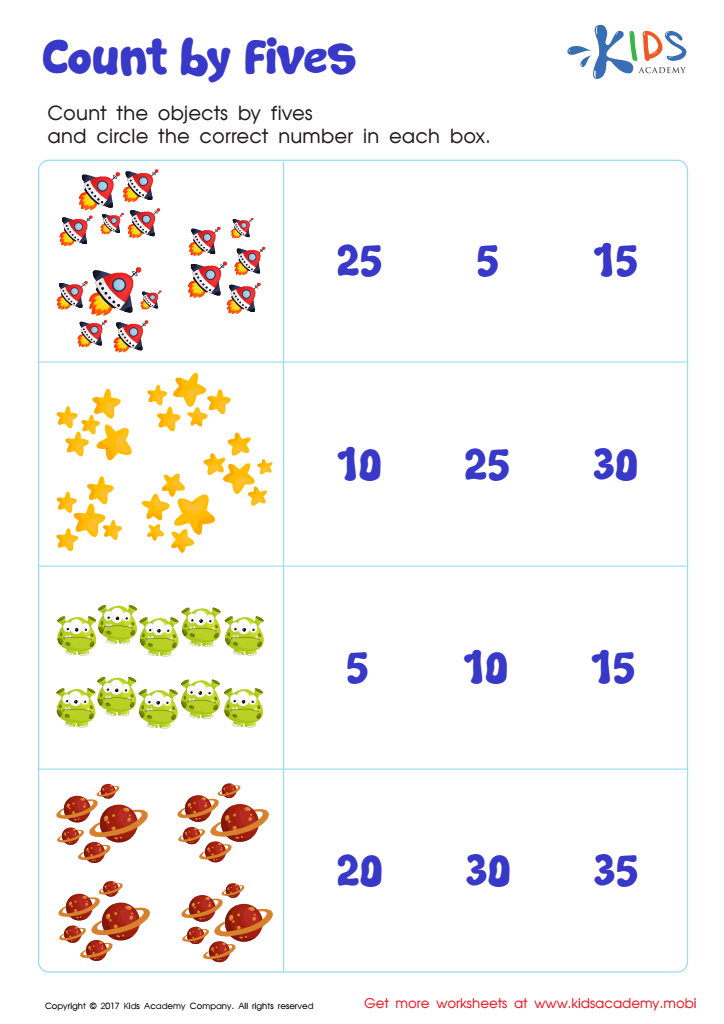
Skip Counting by 5s: Space Math Printable
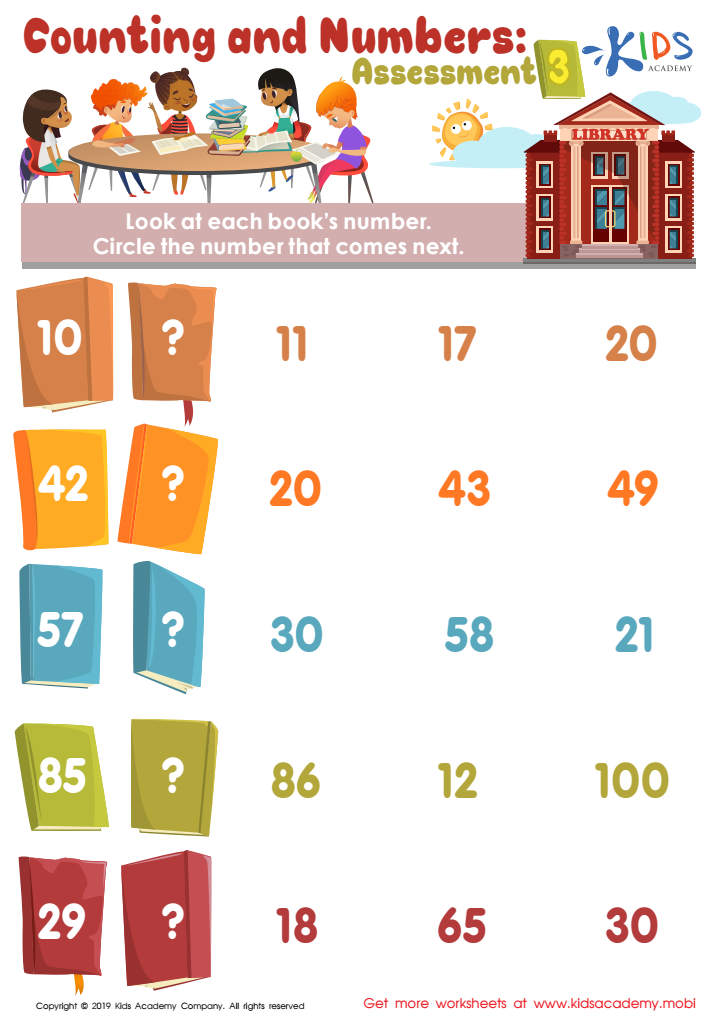
Counting and Numbers: Assessment Worksheet
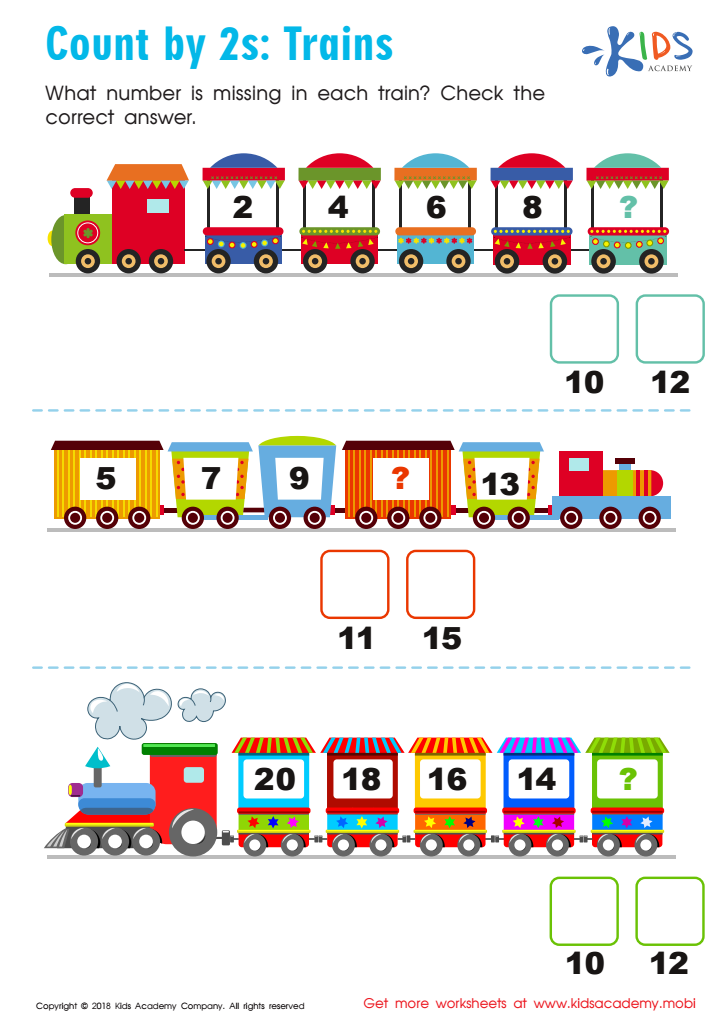
Count by 2's: Trains Worksheet
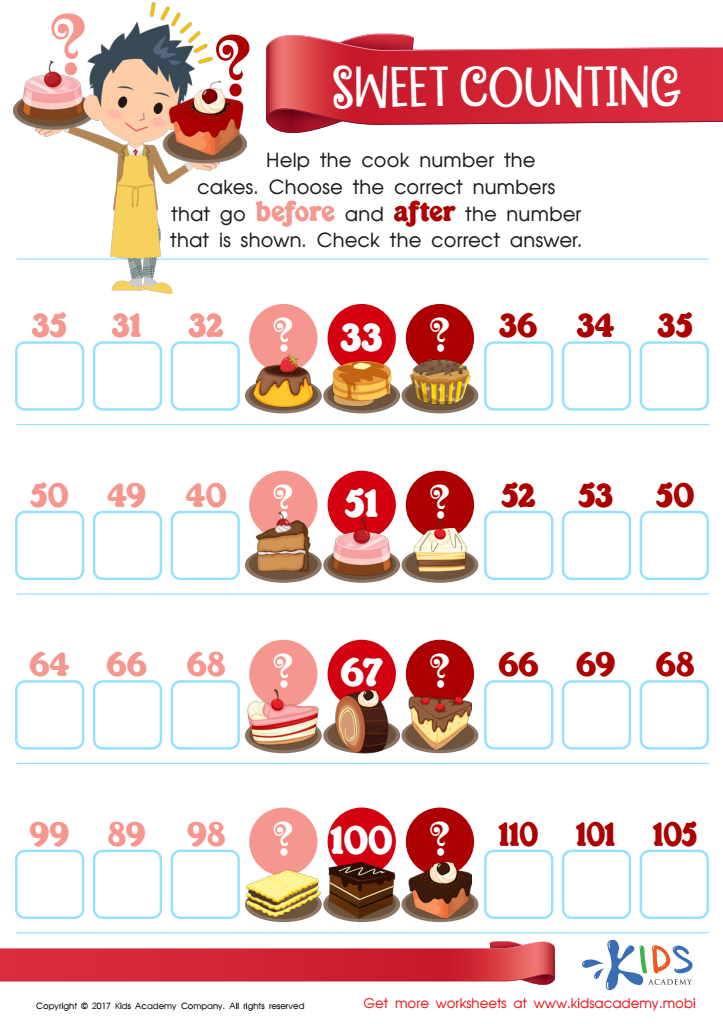
Sweet Counting - Part 1 Worksheet
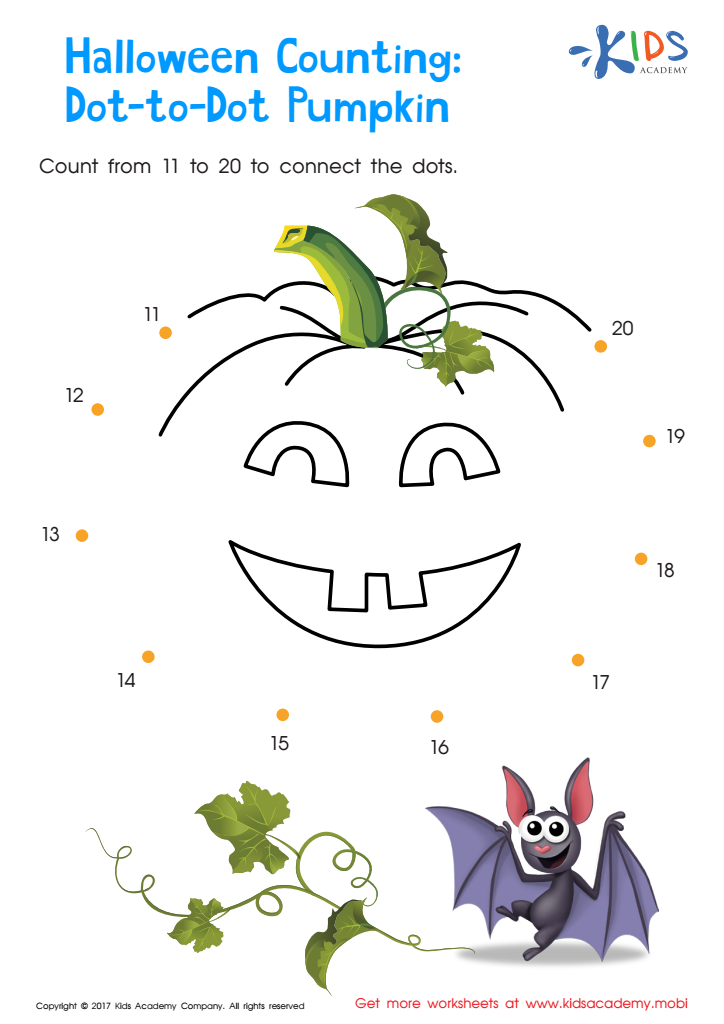
Ordering 11–20: Halloween Counting Worksheet
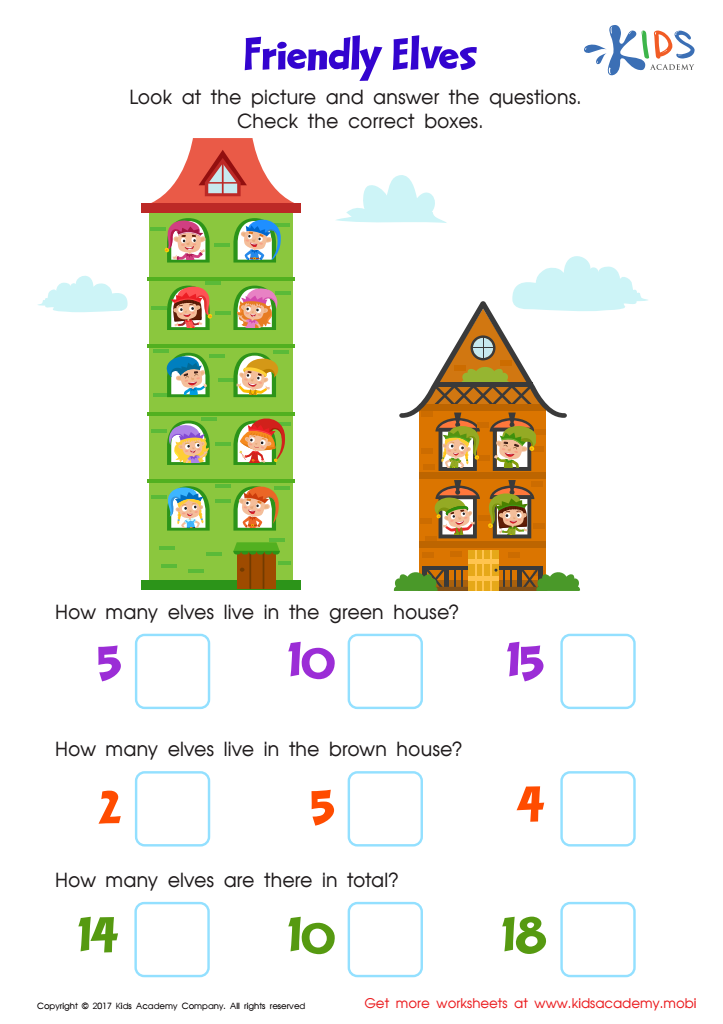
Place Value: Friendly Elves Worksheet
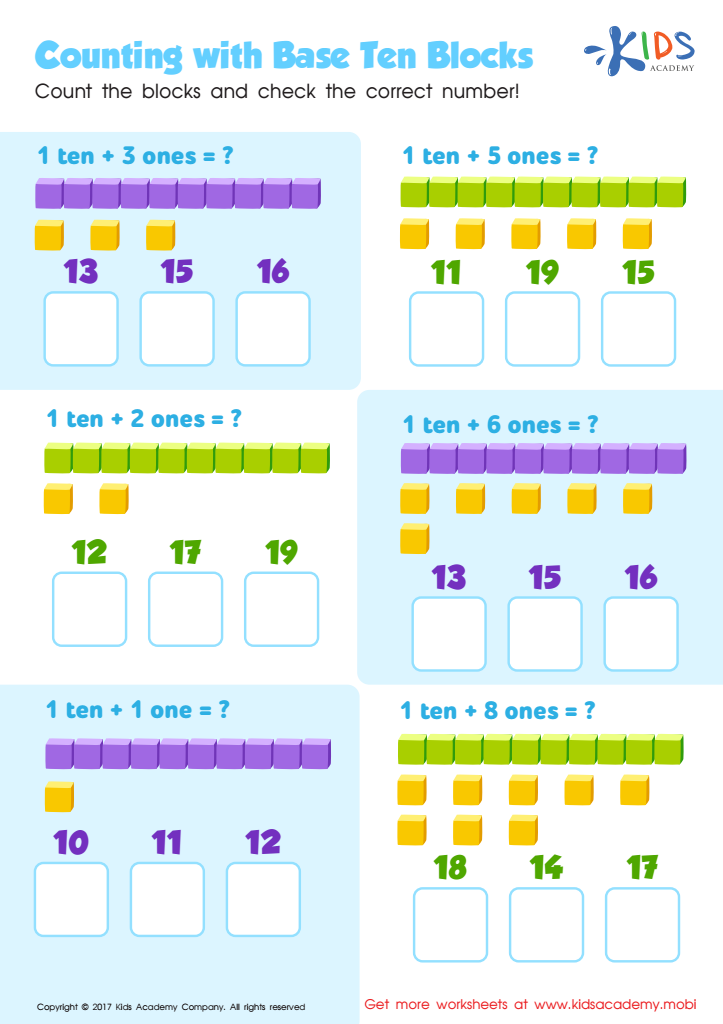
Counting with Base Ten Blocks Worksheet
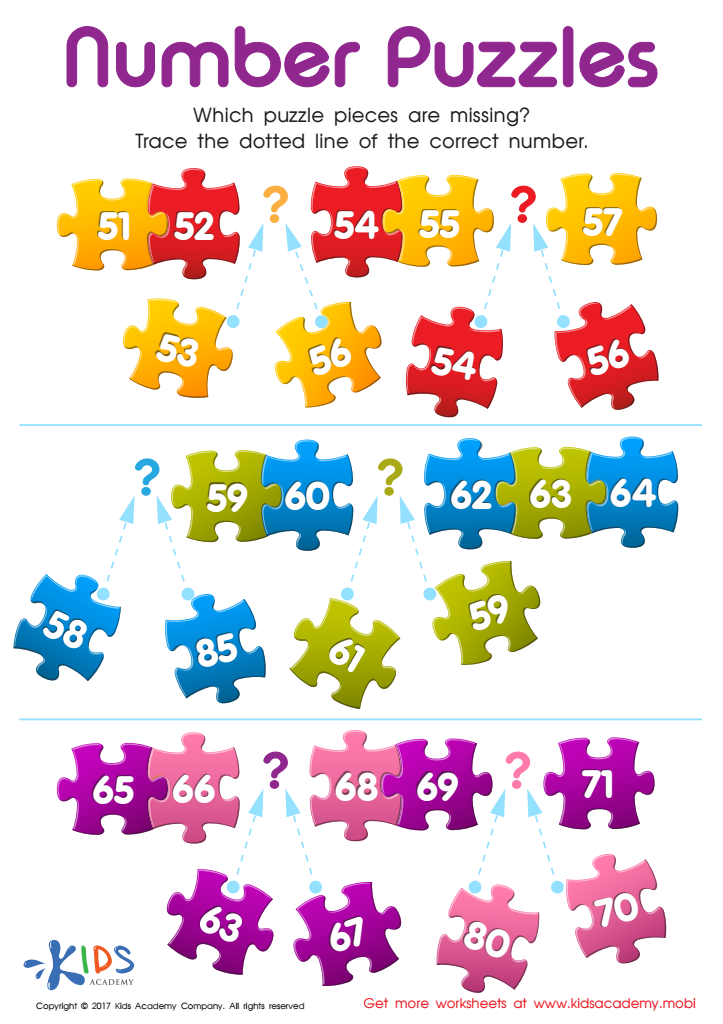
Number Puzzles Worksheet
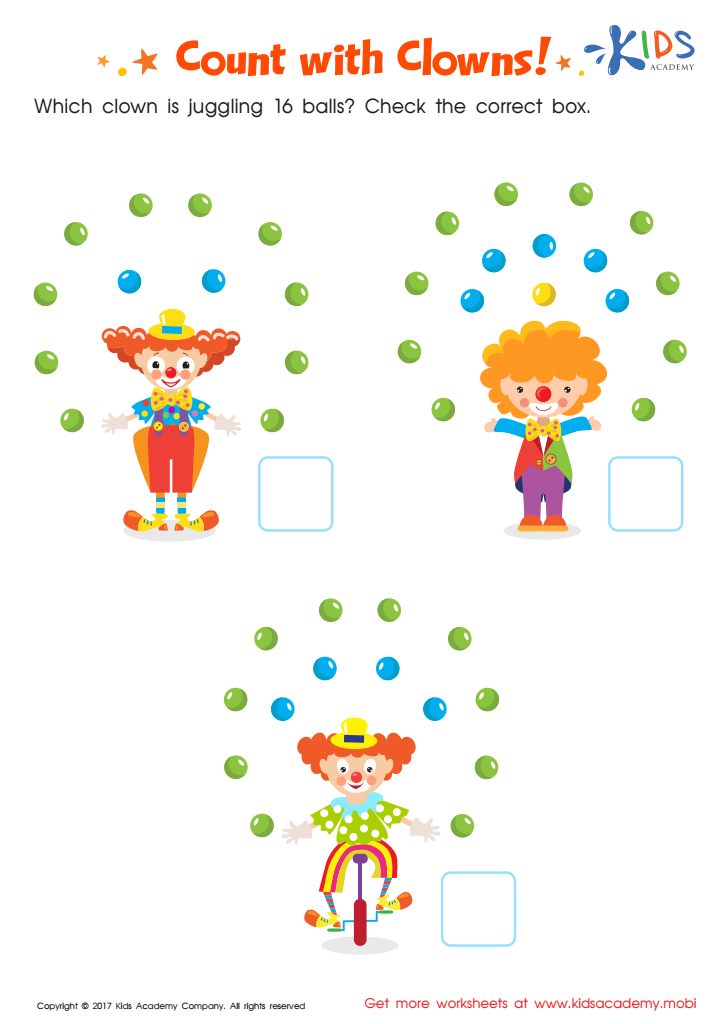
Count with Clowns Worksheet
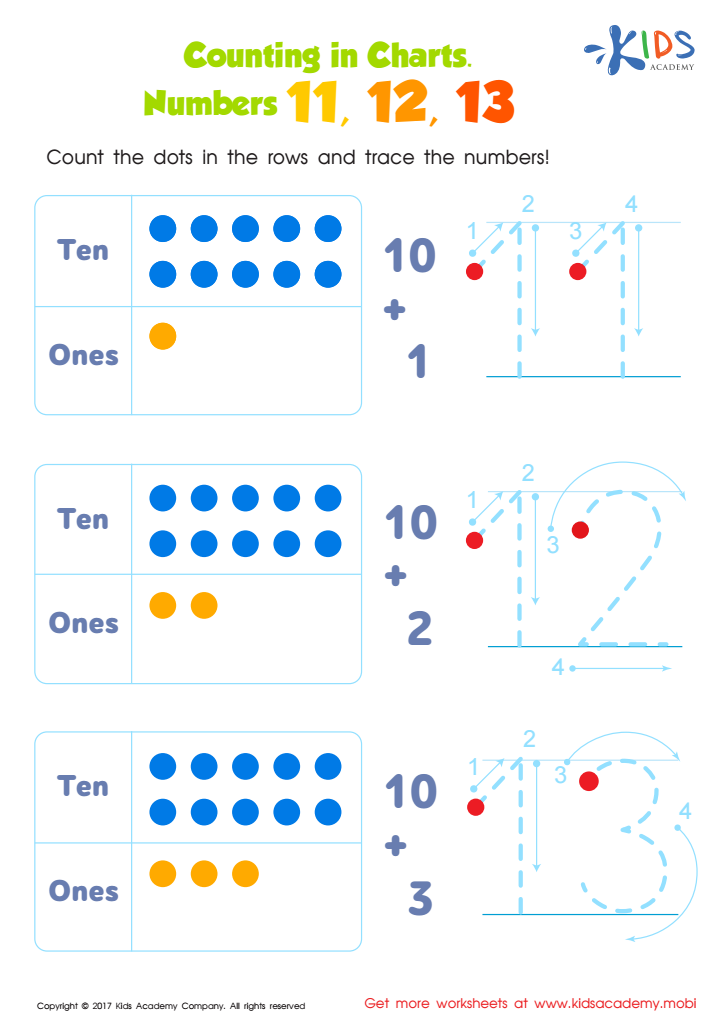
Number Tracing Worksheet For Kindergarten
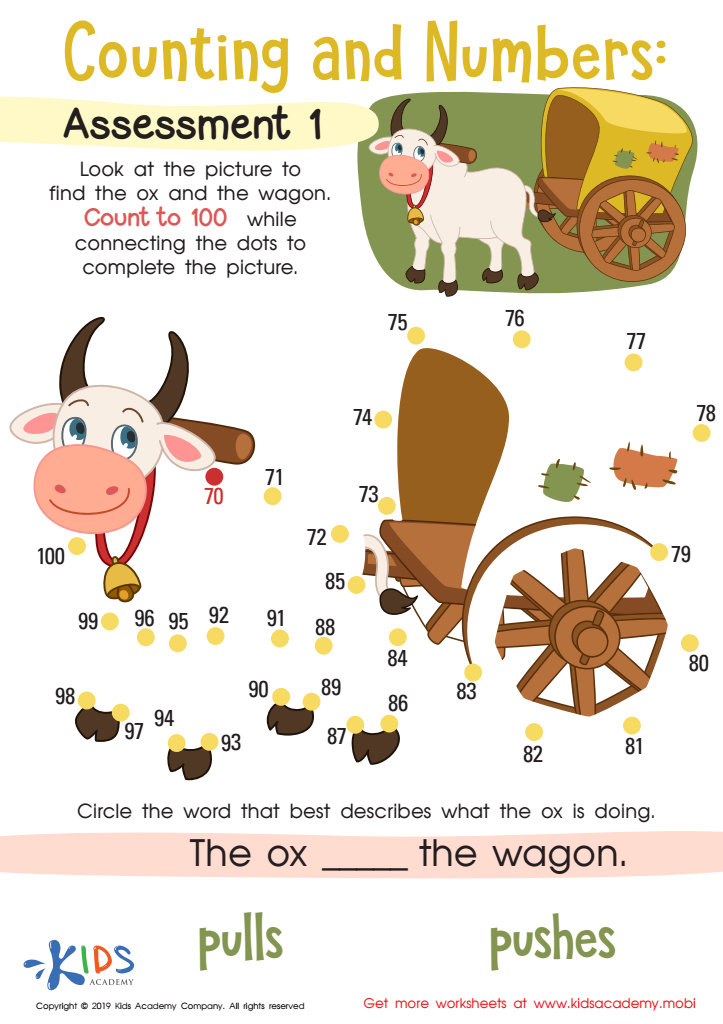
Counting and Numbers: Assessment 1 Worksheet
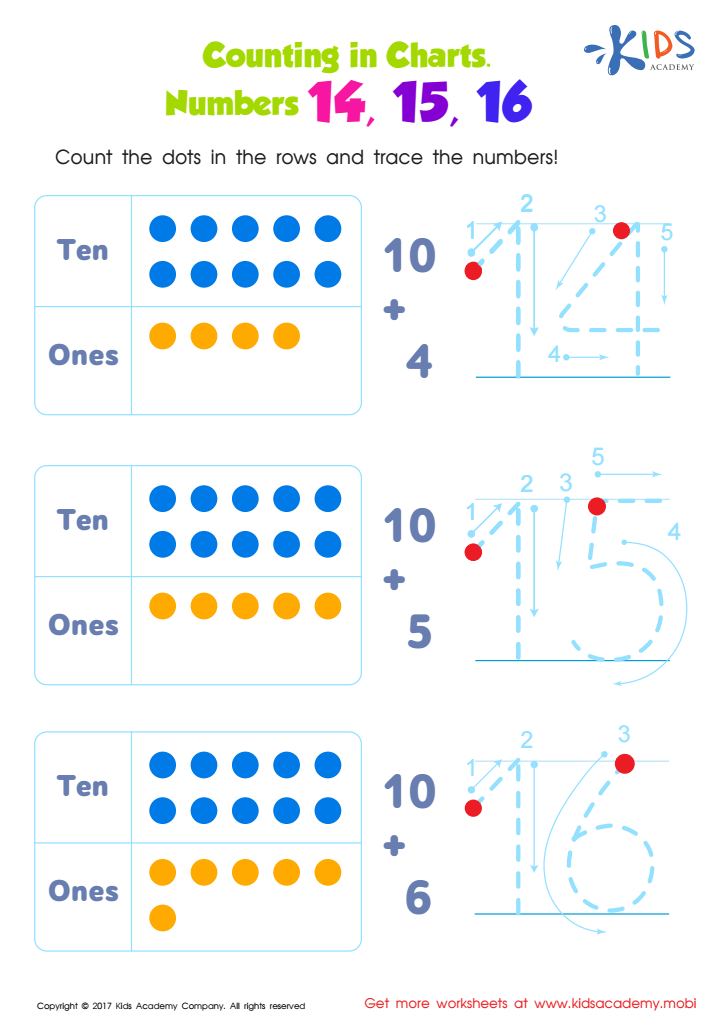
Number Tracing Worksheet







Number recognition, especially up to 100, is a fundamental skill for children aged 4-8 that serves as the cornerstone for future mathematical learning. During these formative years, young learners are developing the cognitive abilities to understand and engage with the world around them, and numeracy is a key part of that process. Recognizing numbers up to 100 lays the groundwork for more complex mathematical activities such as addition, subtraction, counting, and pattern recognition.
For parents, fostering number recognition can enhance everyday activities like counting objects, reading addresses, telling time, and understanding prices, thereby making children more confident and independent in practical scenarios. For teachers, instilling strong number recognition skills at an early age can ease the transition to the more sophisticated mathematical concepts students will encounter in later grades, resulting in a smoother academic progression.
Moreover, proficiencies in number recognition are closely linked to improvements in not just mathematics but also broader cognitive skills, including problem-solving, logical reasoning, and spatial awareness. Consequently, investing time in teaching children numbers up to 100 sets the stage for their future academic success, boosts their confidence, and provides them with critical life skills, making it an indispensable aspect of early education.