Basic Addition Reading Worksheets for Ages 4-8
6 filtered results
-
From - To
Enhance your child's early math skills with our engaging Basic Addition Reading Worksheets, specially designed for ages 4-8. These printable worksheets offer a fun and interactive approach to learning addition concepts, helping children develop essential math literacy while boosting their confidence. Each worksheet features bright colors and captivating designs, making practice enjoyable. Kids will practice number recognition, counting, and basic addition through exciting exercises and illustrations. Ideal for classroom settings or home learning, our resources support young learners on their educational journey. Encourage a love for mathematics today with our comprehensive collection of basic addition worksheets that spark curiosity and understanding!
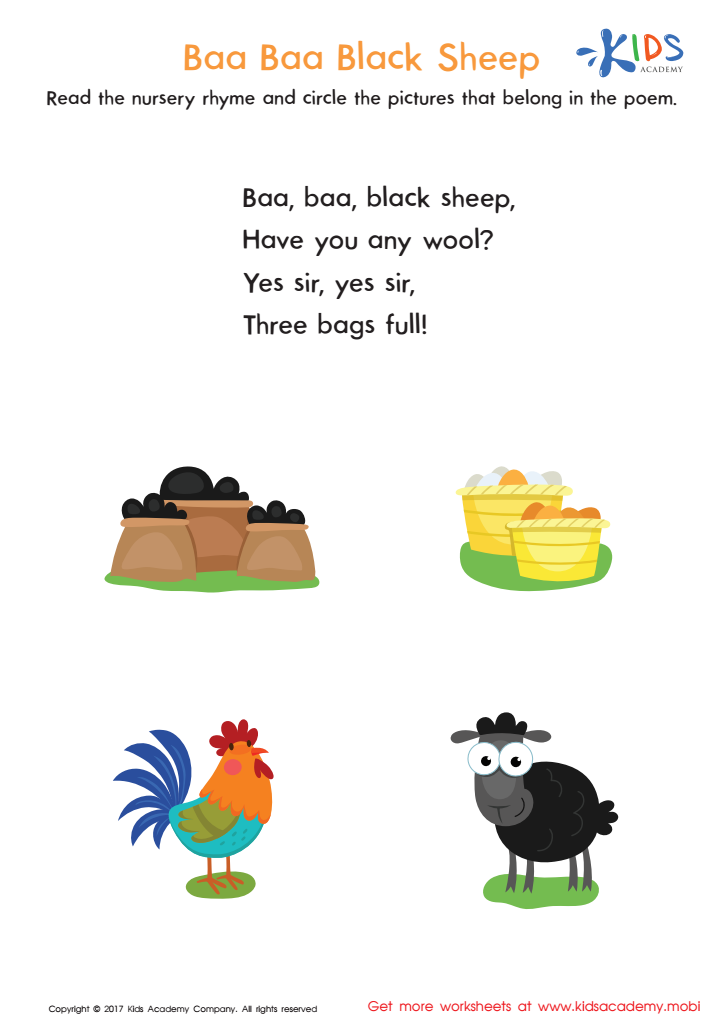
Baa Baa Black Sheep Printable
 Assign to My Students
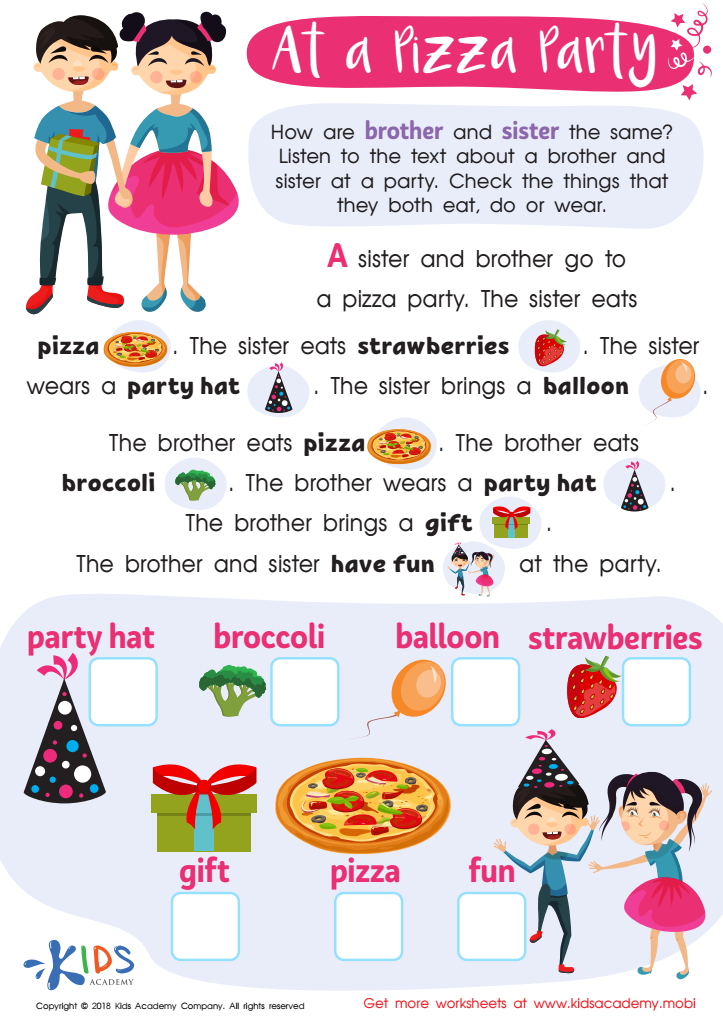
At a Pizza Party Worksheet
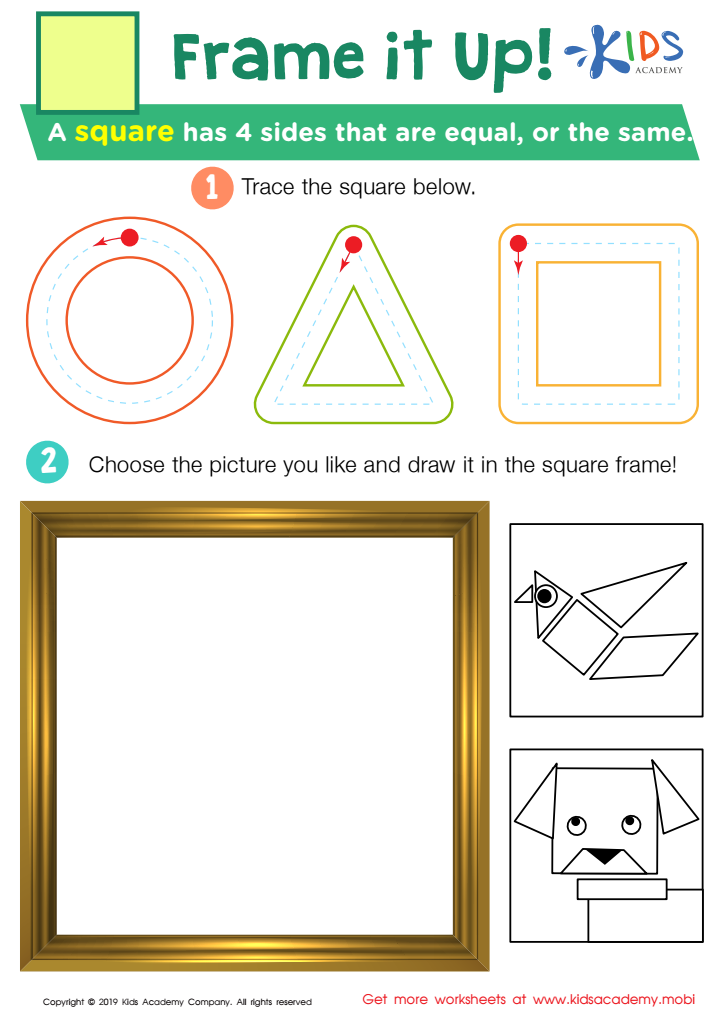
Frame it Up Worksheet
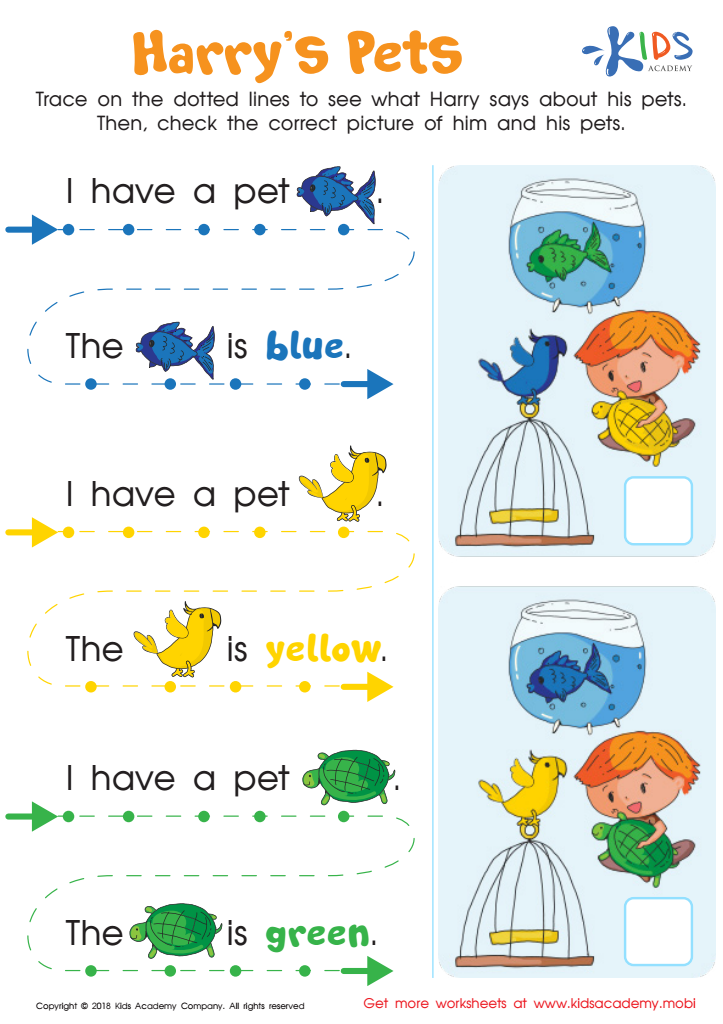
Read from Left to Right: Harry's Pets Worksheet
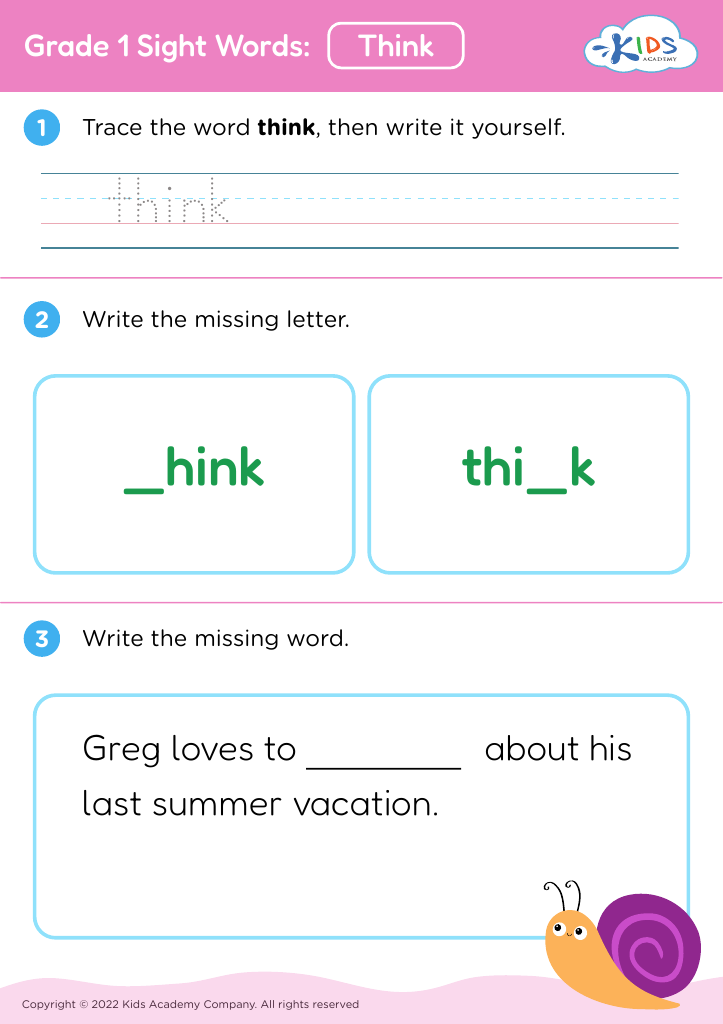
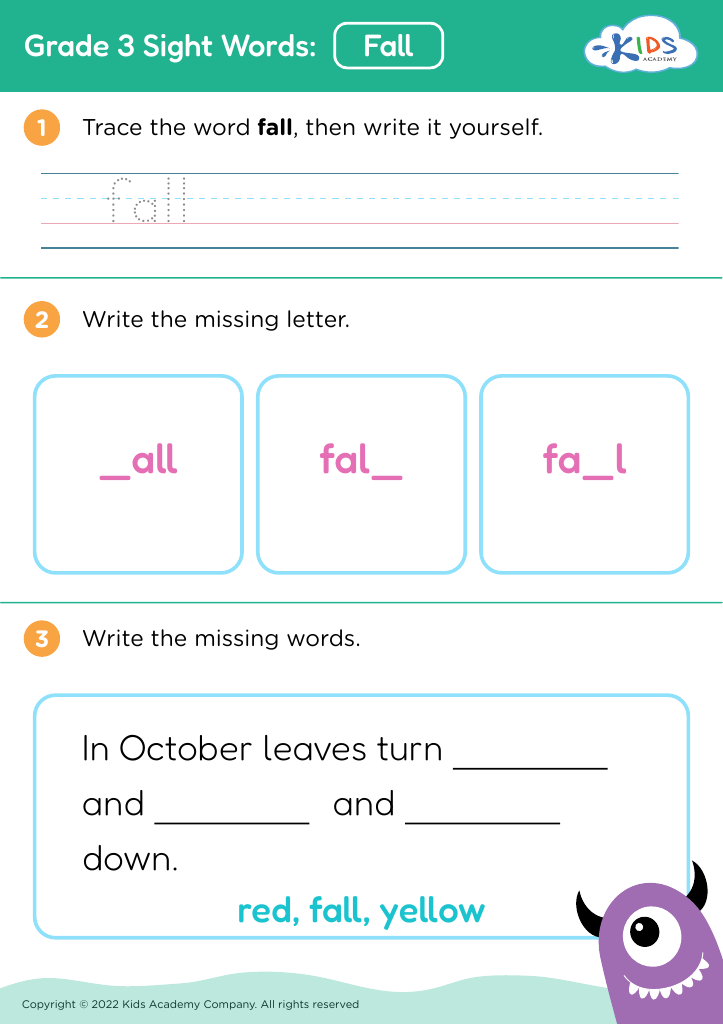








Basic addition reading for children aged 4-8 is crucial as it lays the foundational skills for future math literacy and overall academic success. During these formative years, children are naturally inquisitive, and introducing them to addition concepts helps cultivate a positive attitude towards math. Engaging young learners in addition activities not only enhances their numerical skills but also improves their cognitive development, reasoning abilities, and problem-solving skills.
Parents and teachers should prioritize this learning because early mathematical proficiency is linked to greater achievement in higher grades. At this age, students develop essential socio-emotional skills, such as persistence and resilience, through engaging math activities. Moreover, incorporating addition into play-based or interactive activities makes learning enjoyable and motivates children to embrace challenges.
Additionally, supporting children in their addition reading also promotes language development; discussing numbers and quantities builds their vocabulary and comprehension skills. Thus, parents and teachers play a pivotal role in fostering self-confidence and enthusiasm for learning in children, ensuring that they are well-equipped for the academic challenges ahead. By investing time in basic addition reading, families and educators contribute significantly to laying a strong educational foundation for lifelong learning.








