Reading comprehension Plants and Animals Worksheets for Ages 4-8 - Page 2
39 filtered results
-
From - To
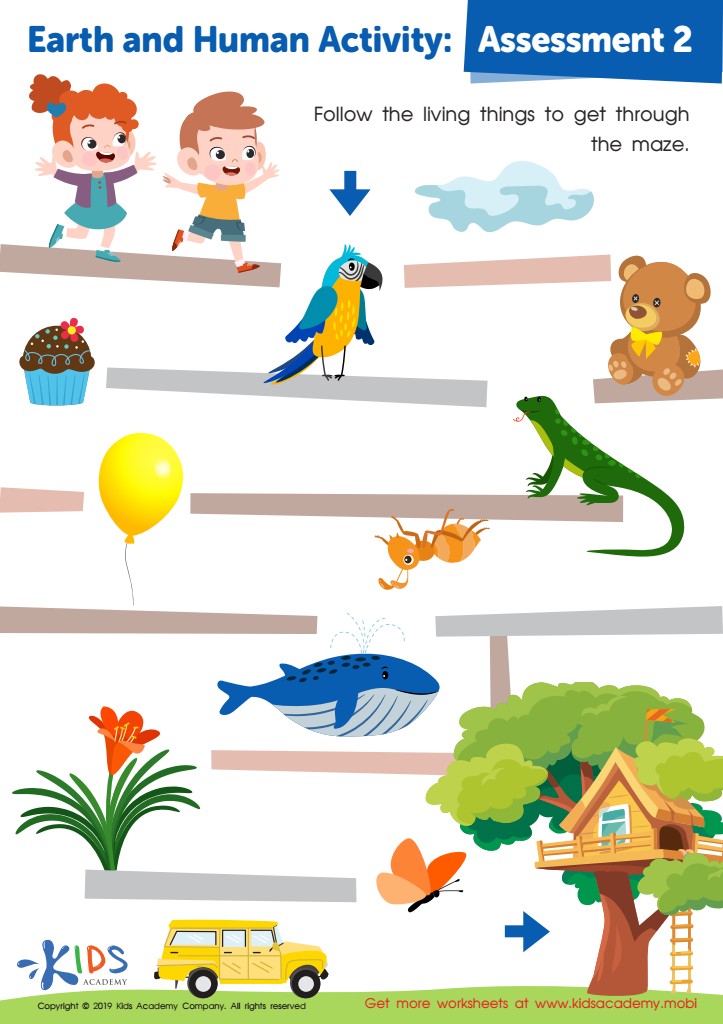
Earth and Human Activity: Assessment 2 Worksheet
 Assign to My Students

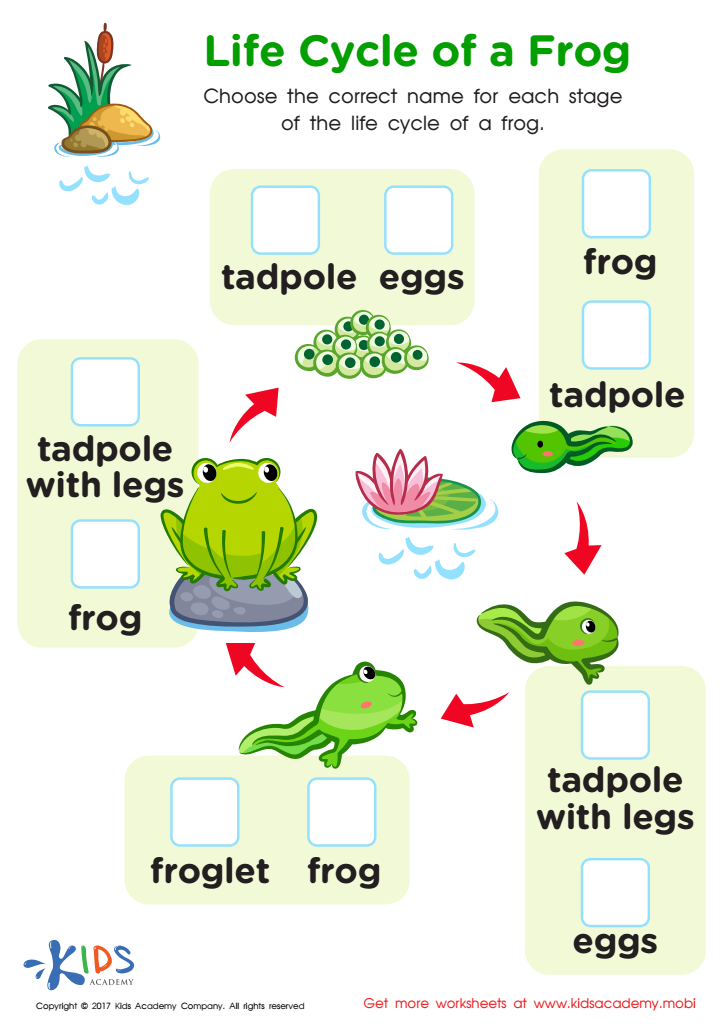
Life Cycle Frog Printable
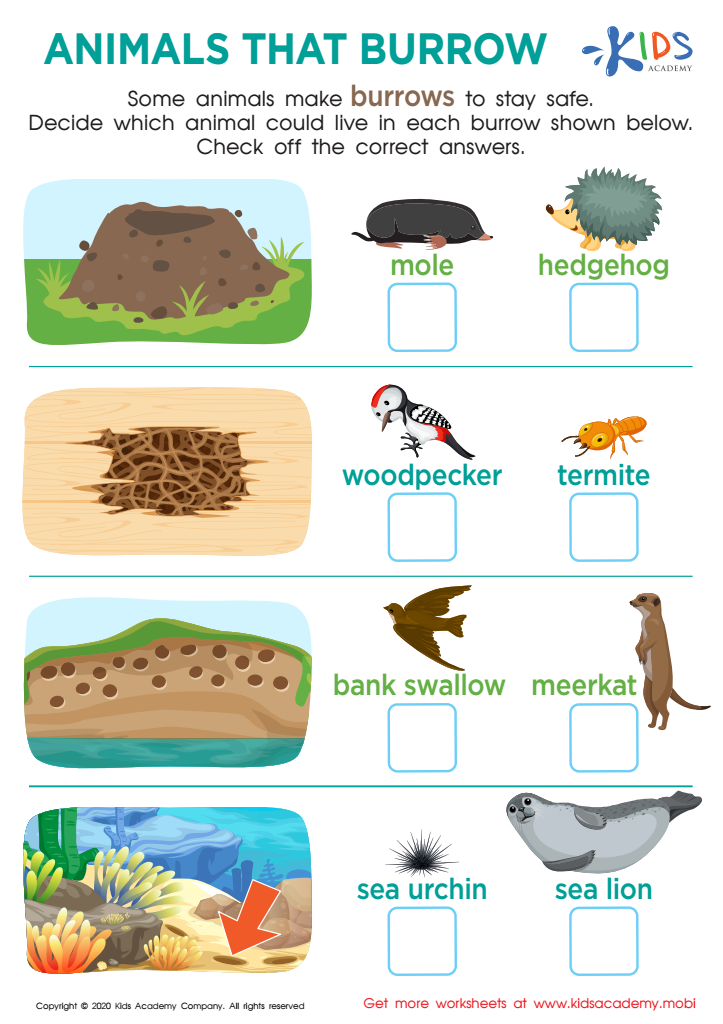
Animals That Burrow Worksheet
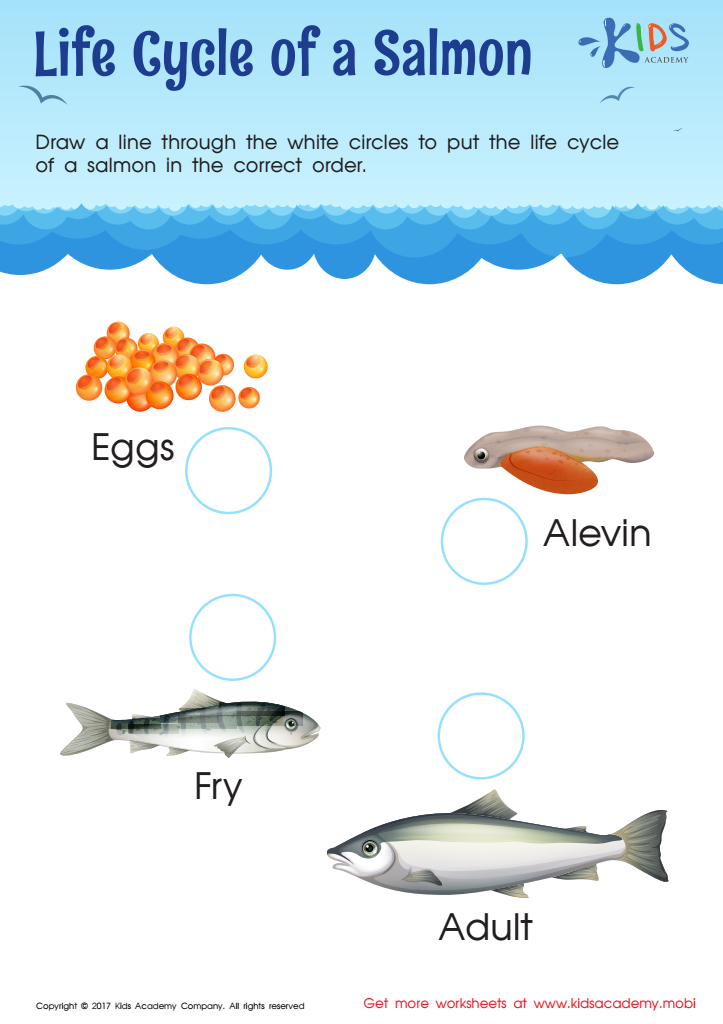
Cycle Of Salmon Worksheet
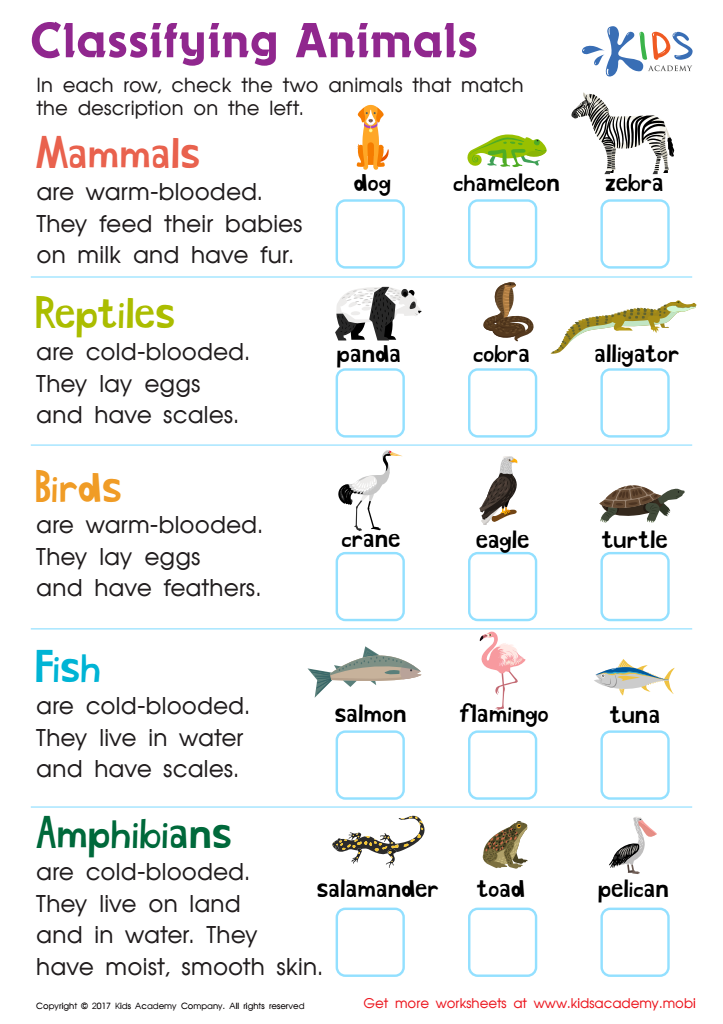
Classifying Animals Worksheet
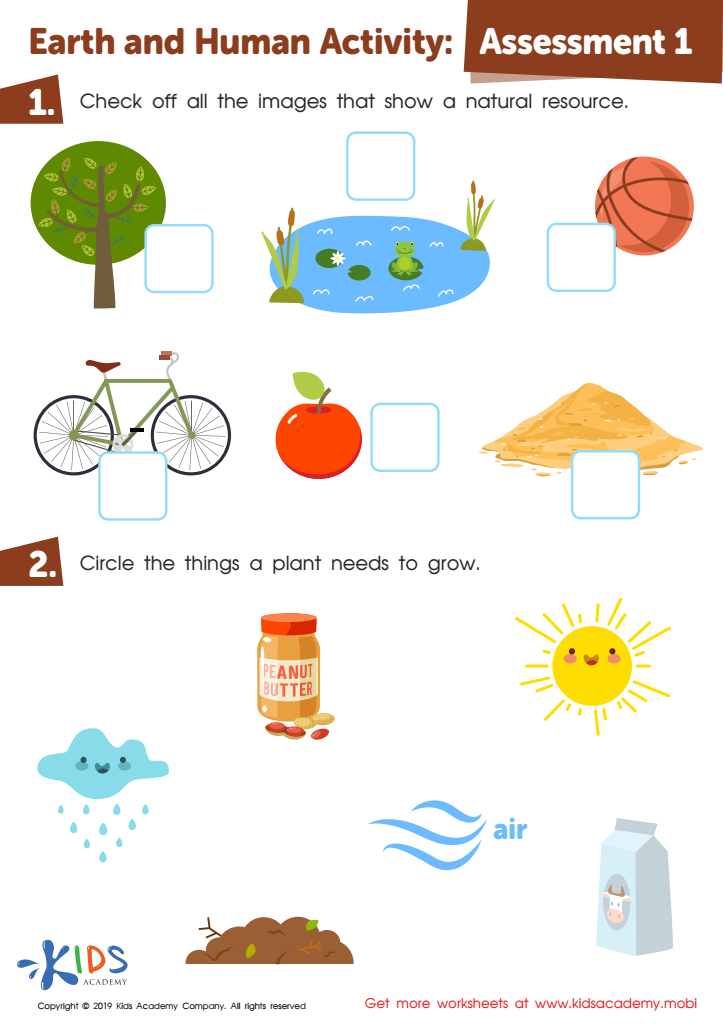
Earth and Human Activity: Assessment 1 Worksheet
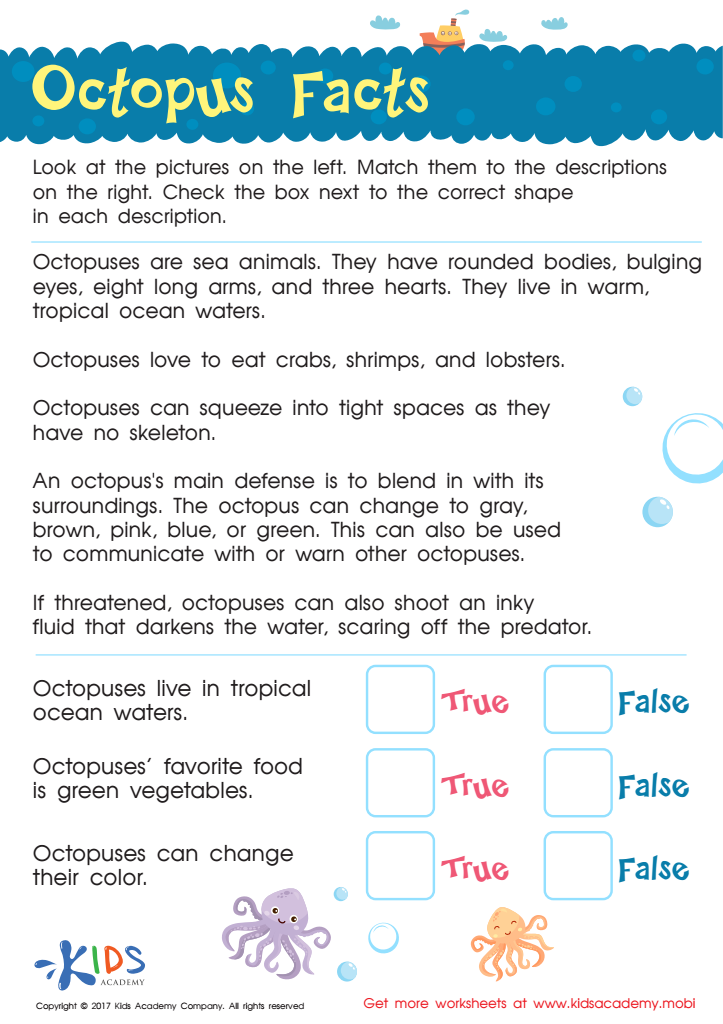
Octopus Facts Worksheet For Kids
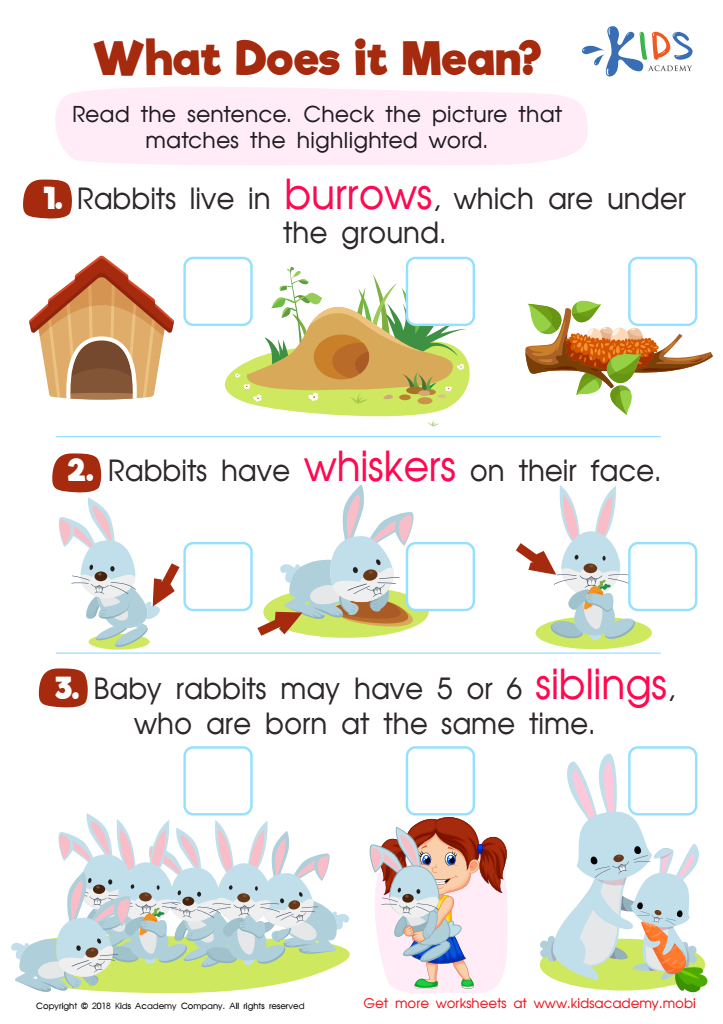
What Does It Mean? Worksheet
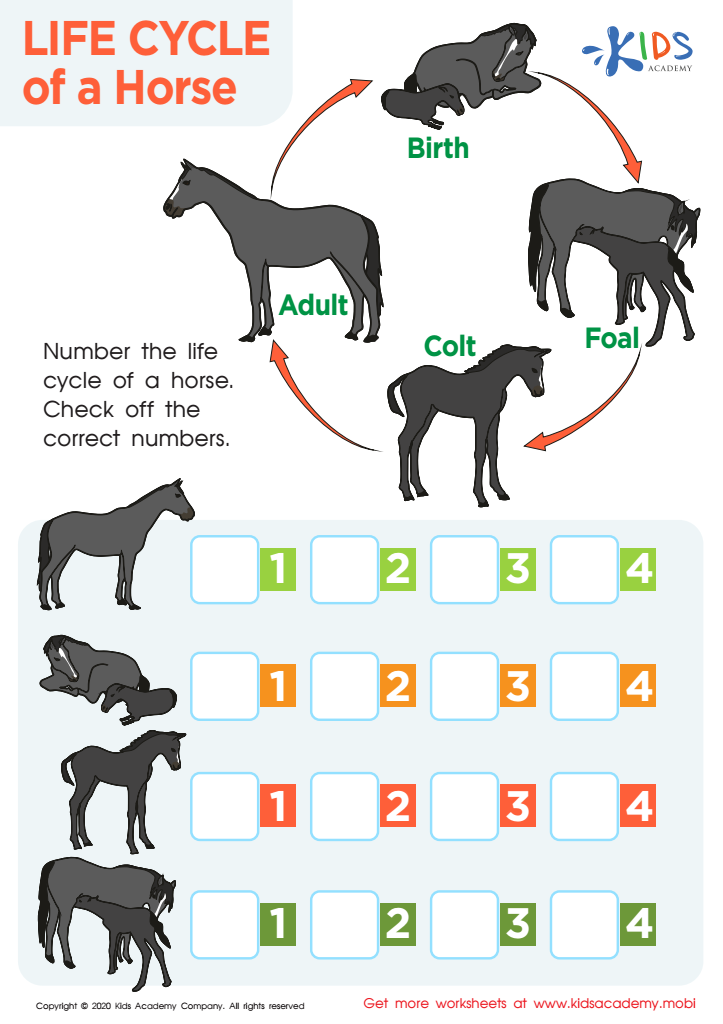
Life Cycle of a Horse Worksheet
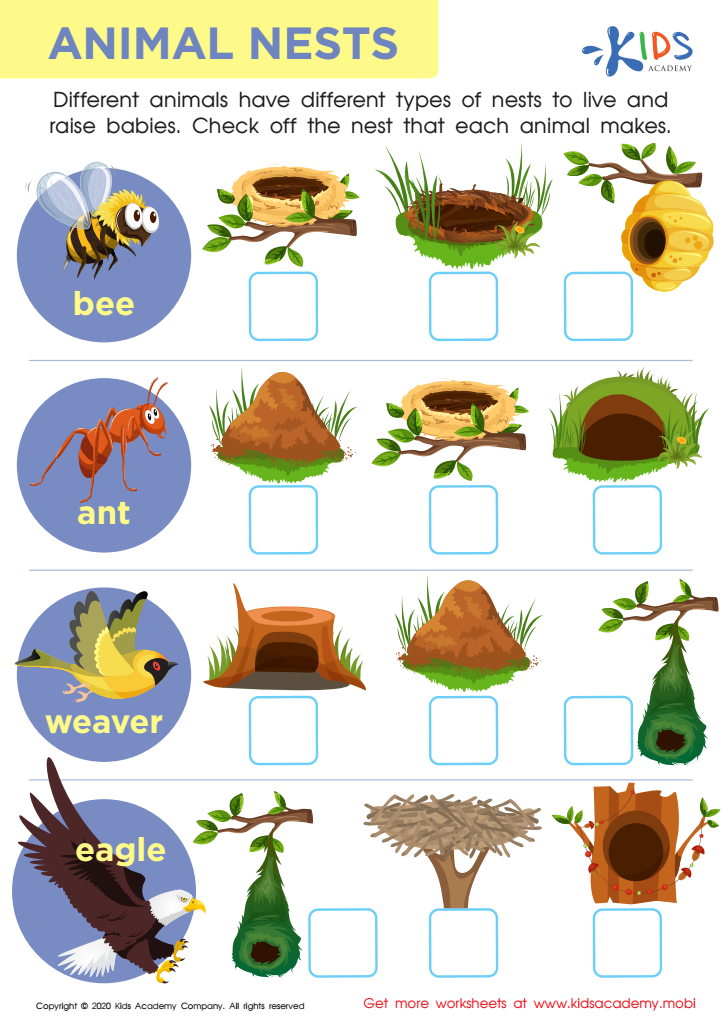
Animal Nests Worksheet
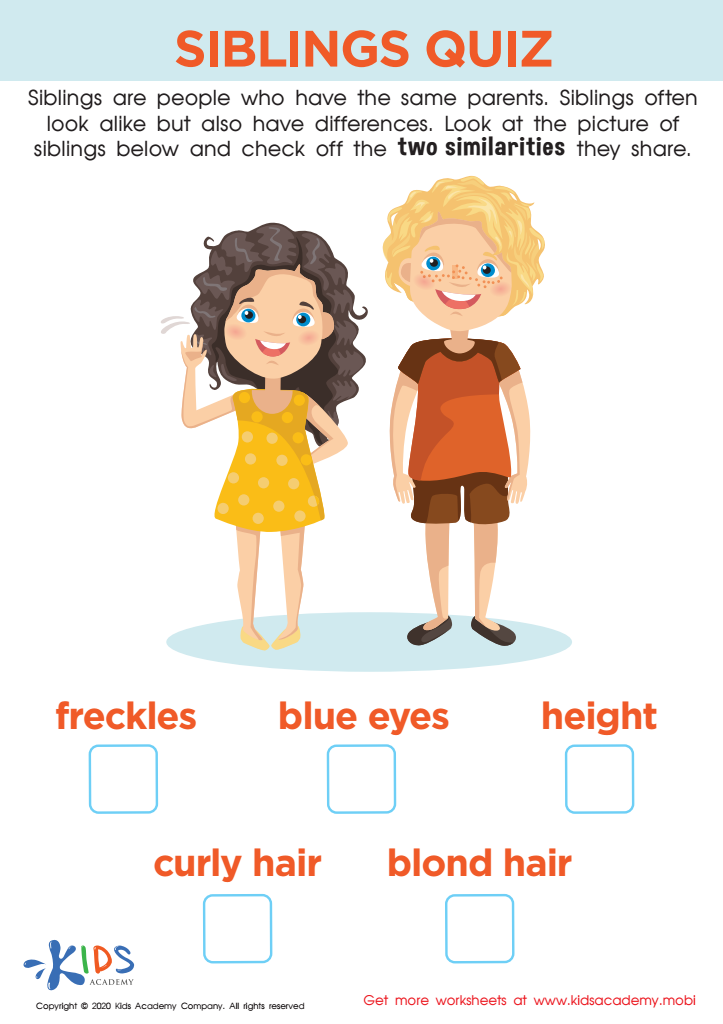
Siblings Quiz Worksheet
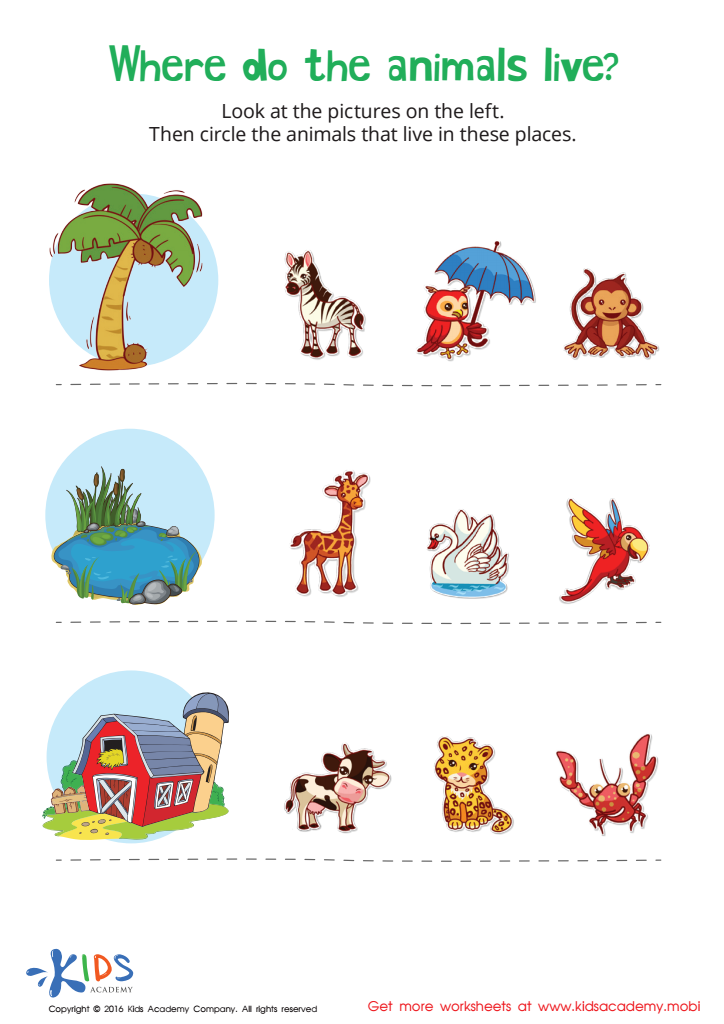
Where Animals Live Worksheet
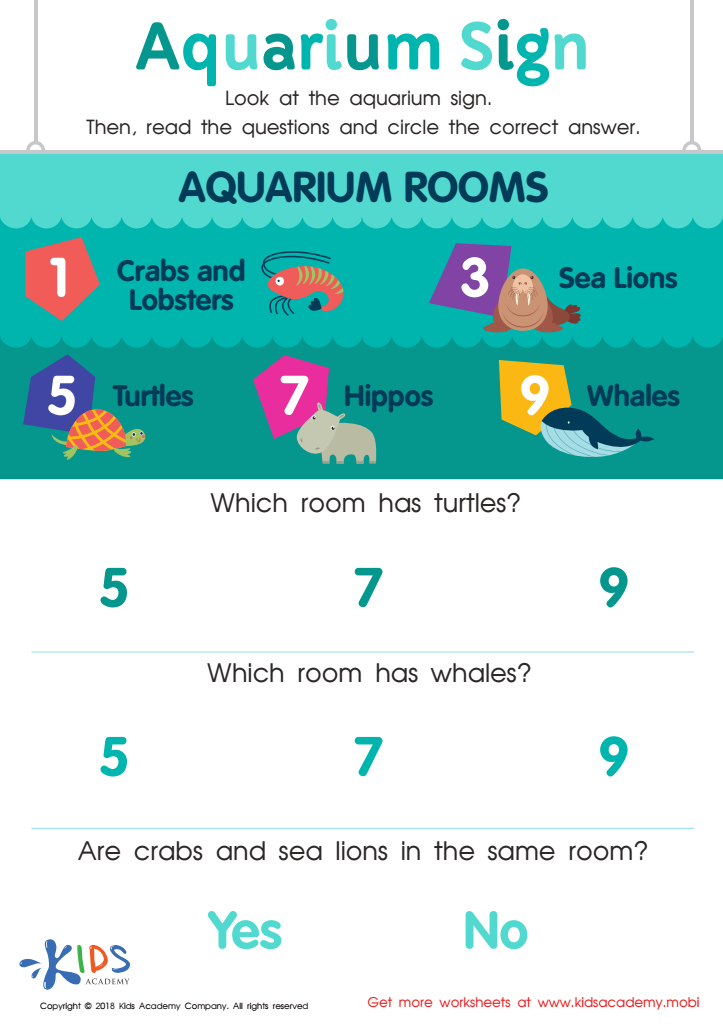
Assessment: Aquarium Sign Worksheet
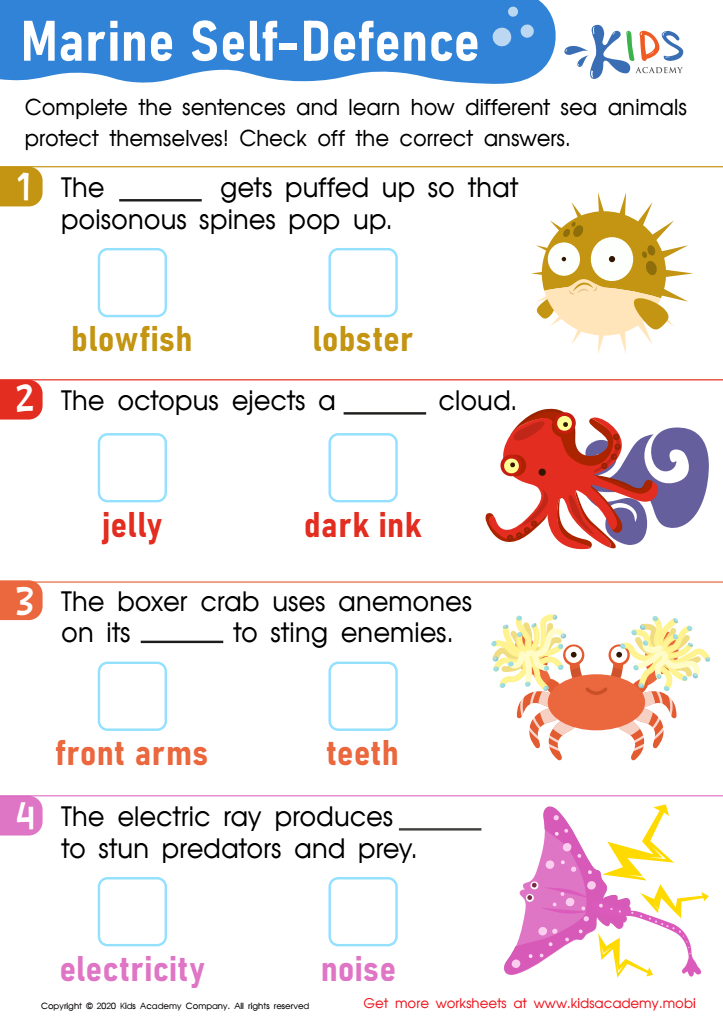
Marine Self-Defence Worksheet
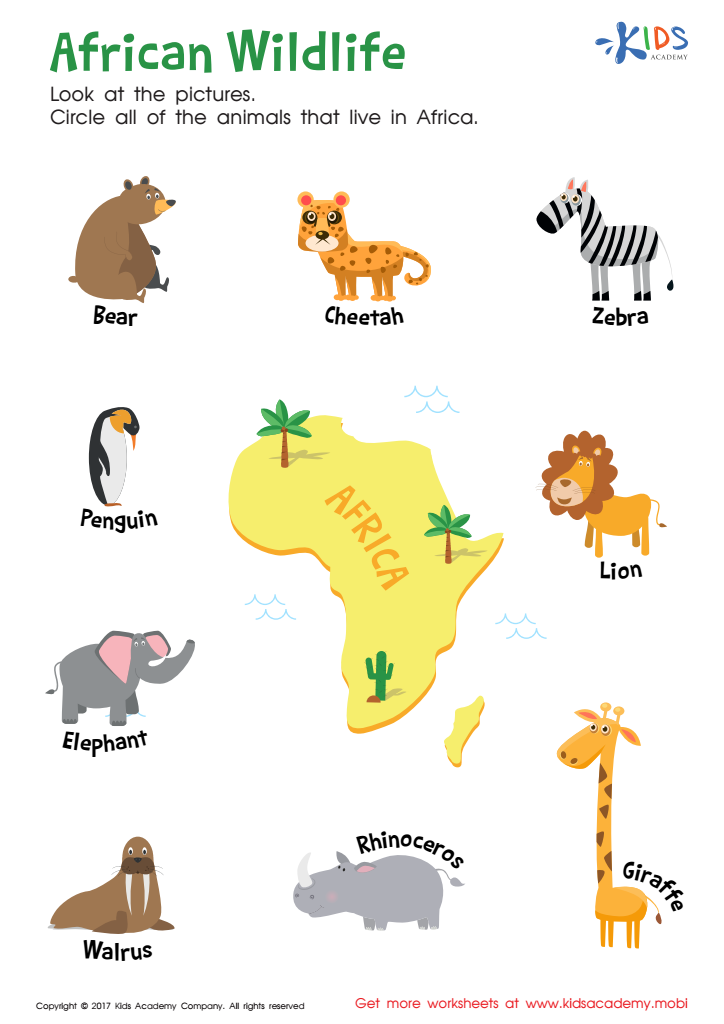







Reading comprehension is foundational for young children's lifelong learning, and incorporating topics like plants and animals makes it engaging and meaningful. For ages 4-8, children are naturally curious about the world around them, and themes involving plants and animals can captivate their attention. This intrinsic interest promotes a willingness to read and understand text, which is critical for building literacy skills.
Understanding plants and animals also fulfills educational benchmarks for early science education. By integrating reading comprehension with these topics, we foster children's cognitive skills, such as analysis, critical thinking, and memory. When children read stories about how plants grow or animals behave, they make connections to real-world concepts, enhancing both their retention and comprehension.
For teachers, this approach offers a cohesive method to blend literacy with science, creating a multidisciplinary learning experience. For parents, it provides a valuable opportunity to reinforce learning at home through discussions, trips to zoos or parks, and related activities.
Moreover, reading about plants and animals nurtures an appreciation for nature, encouraging environmental stewardship from a young age. This dual function of developing literacy skills and fostering a love for nature makes reading comprehension of such topics essential.
Therefore, focusing on reading comprehension related to plants and animals not only builds vital literacy skills but also broadens children's knowledge of the natural world, setting a strong foundation for lifelong learning.








