Social Studies Worksheets for Ages 4-8 - Page 14
314 filtered results
-
From - To
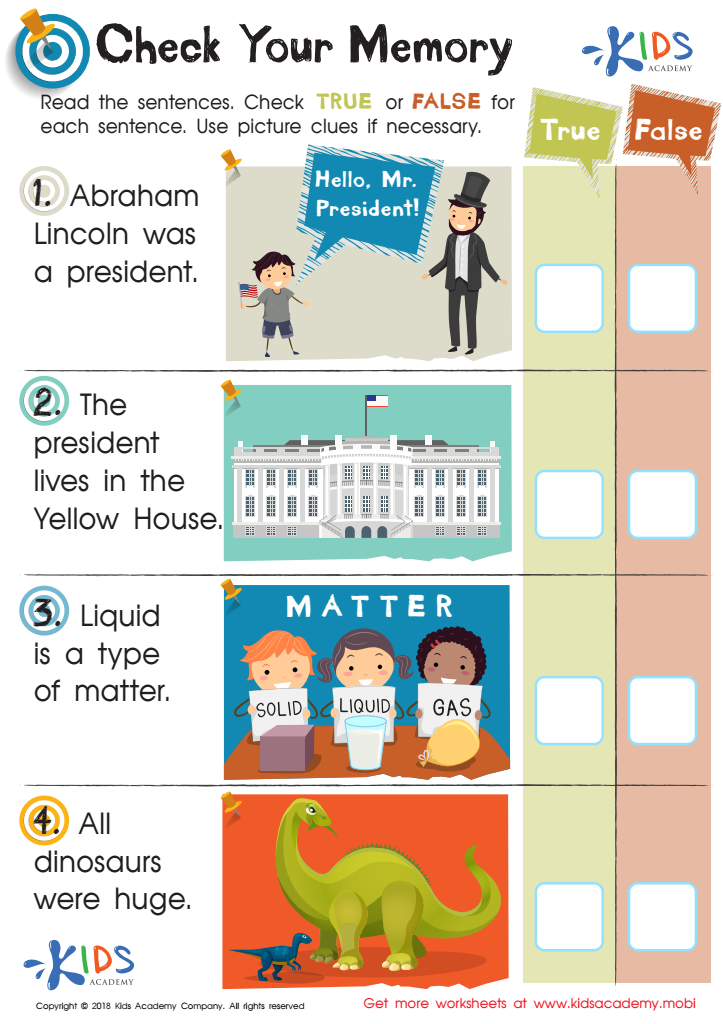
Check Memory Worksheet
 Assign to My Students
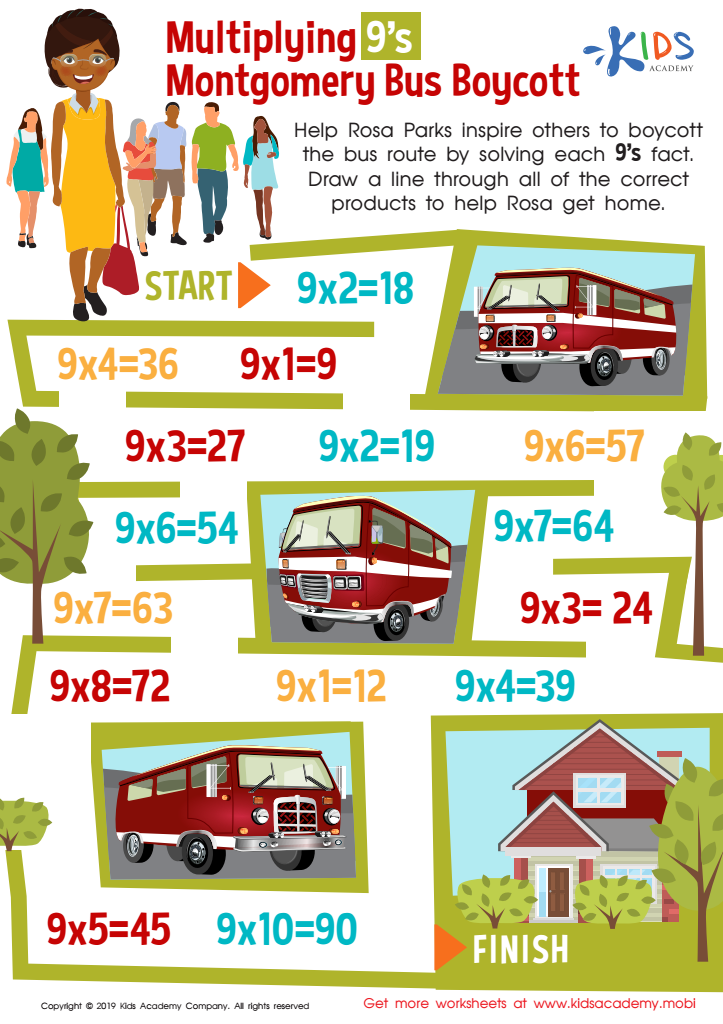
Multiplying 9’s Montgomery Bus Boycott Worksheet







Social studies is essential for children ages 4-8 as it lays the groundwork for understanding the world around them. At this formative stage, children begin to cultivate their identities, understand diverse cultures, and develop crucial social skills. By engaging in social studies, young learners explore their communities, history, geography, and relationships, instilling a sense of belonging and awareness of their surroundings.
Parents and teachers should prioritize social studies because it promotes critical thinking and empathy. Children learn to appreciate varying perspectives and cultural backgrounds, fostering respect and inclusion. Lessons tied to narratives, traditions, and local events enable children to make connections, enhancing their communication skills and enabling them to express their thoughts more clearly.
Additionally, social studies introduces civic responsibility at a young age, teaching kids about fairness, justice, and the importance of contributing to society. It encourages curiosity and motivates learners to ask questions about the world. Overall, integrating social studies into early education cultivates informed, compassionate future citizens who understand their role in the community, fostering a more interconnected and empathetic society. Thus, supporting this area of study is crucial for holistic child development.