Community Worksheets for Ages 4-8 - Page 6
126 filtered results
-
From - To
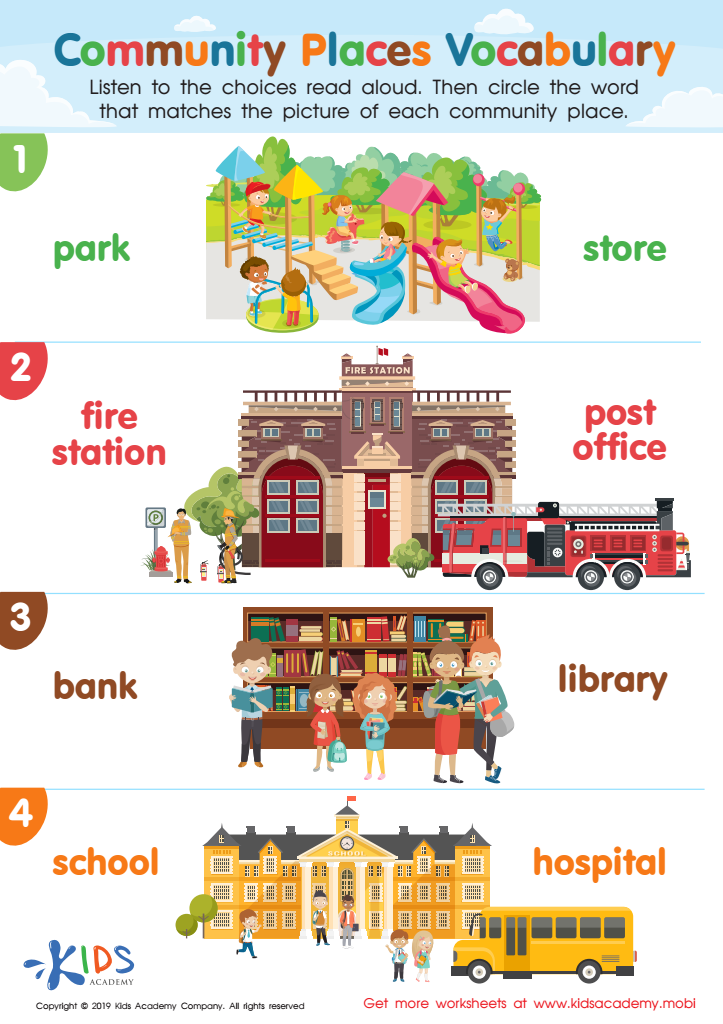
Community Places Vocabulary Worksheet
 Assign to My Students
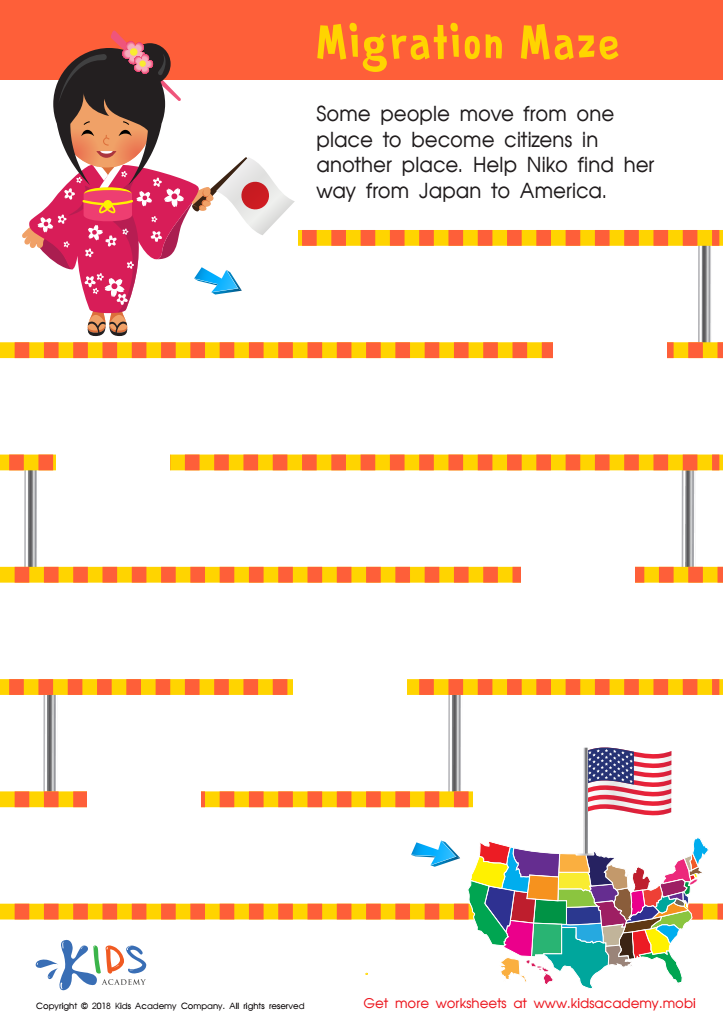
Migration Maze Worksheet
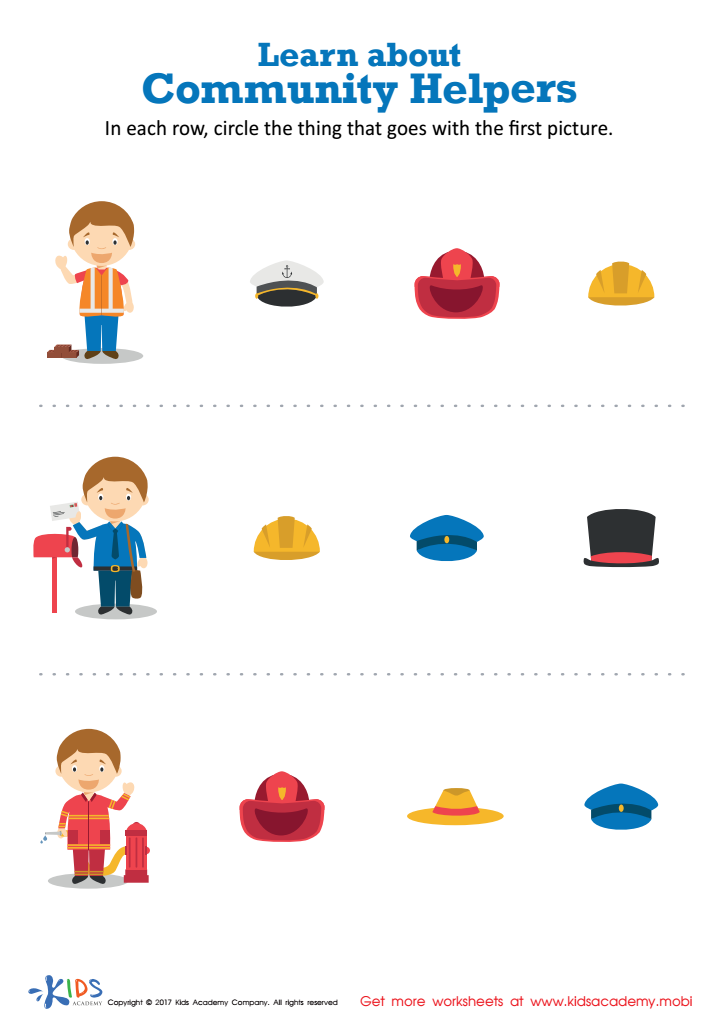
Learn about Community Helpers Printable
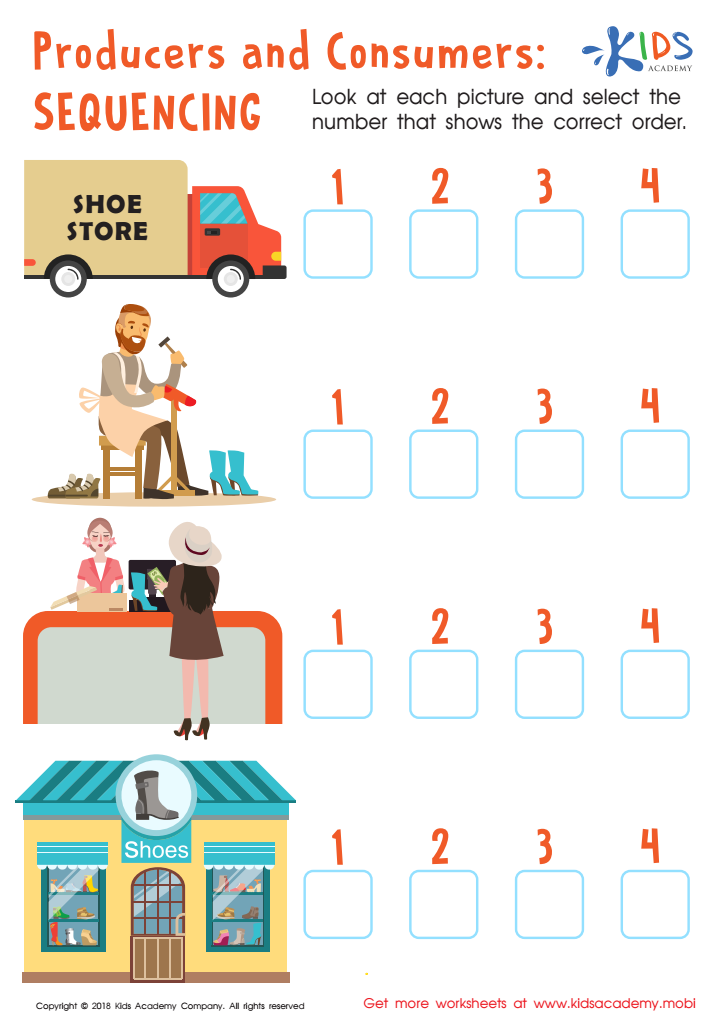
Producers and Consumers: Sequencing Worksheet
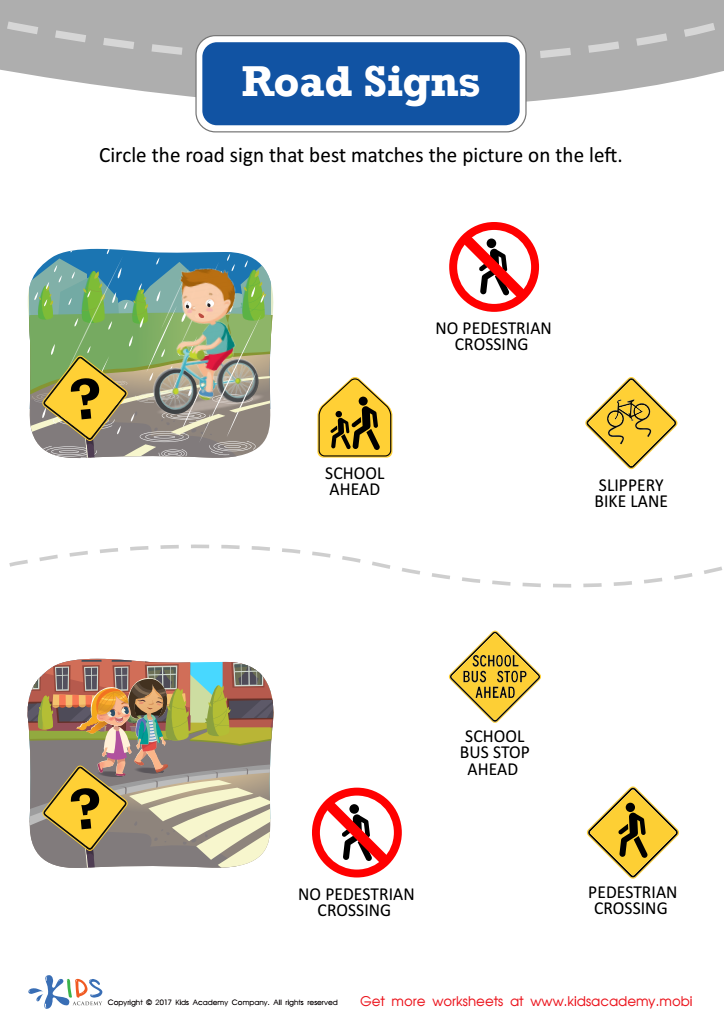
Road Signs (Part 2) Printable
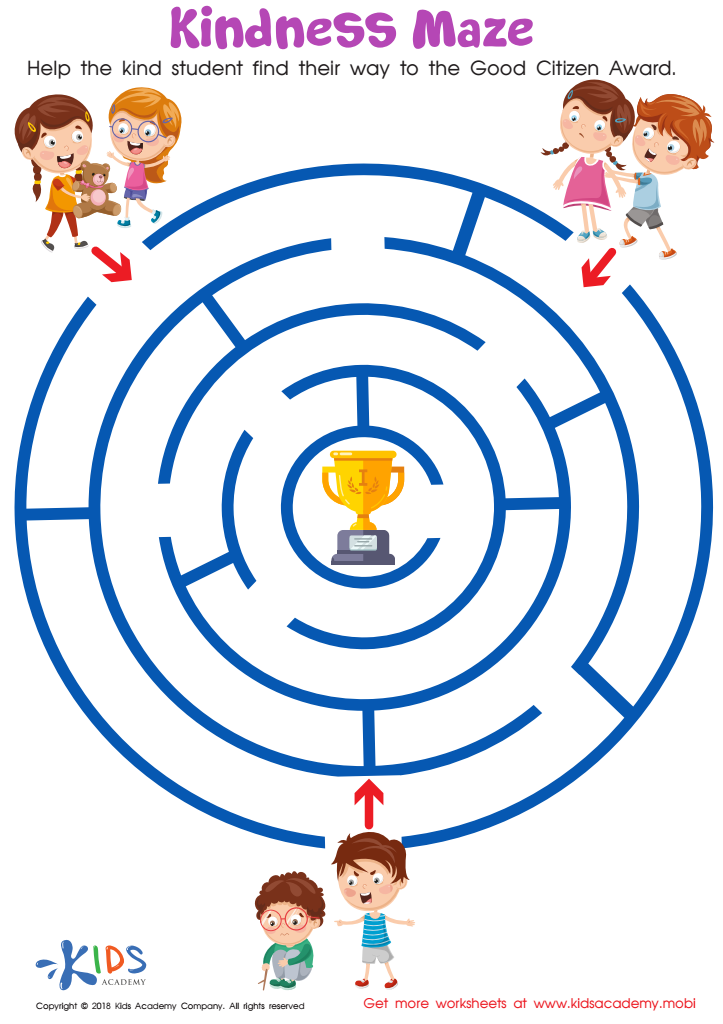
Kindness Maze Worksheet







Parents and teachers should care about community for children ages 4-8 because it plays a crucial role in their social, emotional, and cognitive development. At this young age, children are beginning to form their identities and understand their place in the world. A strong community provides a sense of belonging, which is essential for building confidence and self-esteem.
Moreover, interactions within a community foster essential social skills such as communication, cooperation, and empathy. Children learn to share, negotiate, and resolve conflicts through play and activities with their peers, aiding their emotional regulation and understanding of diverse perspectives.
Community also enhances learning. When parents and teachers collaborate with local resources—like libraries, parks, and cultural centers—they create enriching educational experiences that extend beyond the classroom. This exposure not only enhances knowledge but also sparks curiosity and creativity in young learners.
Additionally, a supportive community encourages after-school involvement and mentorship, which are beneficial for fostering lifelong learning habits. By prioritizing community engagement, parents and teachers can instill values of citizenship and kindness, helping to cultivate responsible, caring individuals who acknowledge their roles within the broader society.








