Tracing Letters Worksheets for Ages 4-9 - Page 3
58 filtered results
-
From - To
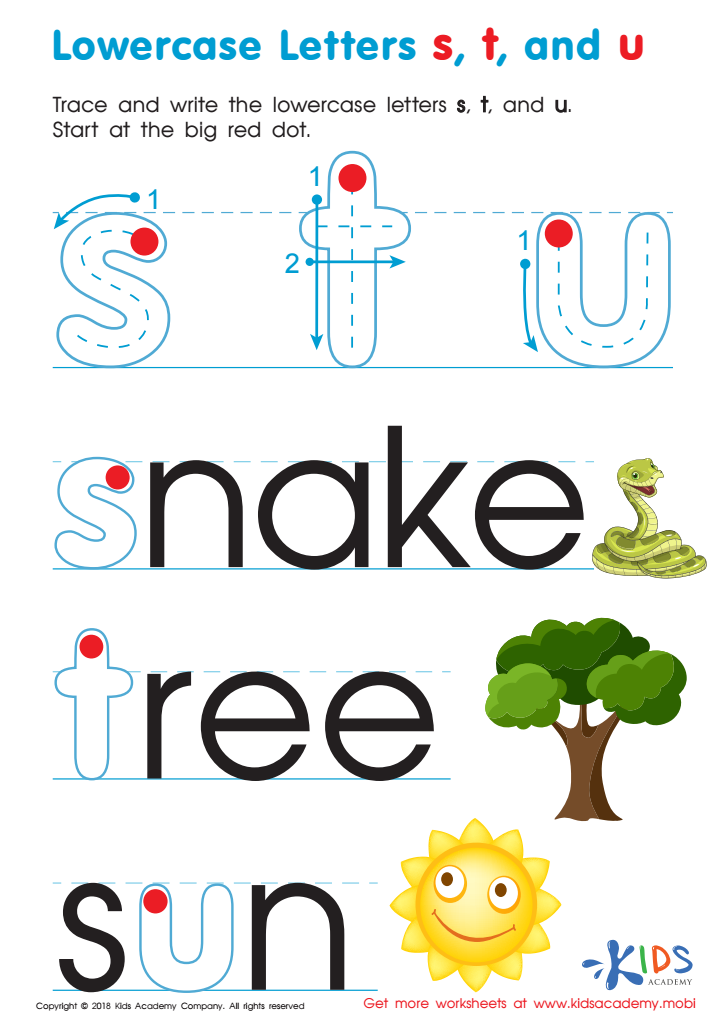
Lowercase Letters s t u Worksheet
 Assign to My Students
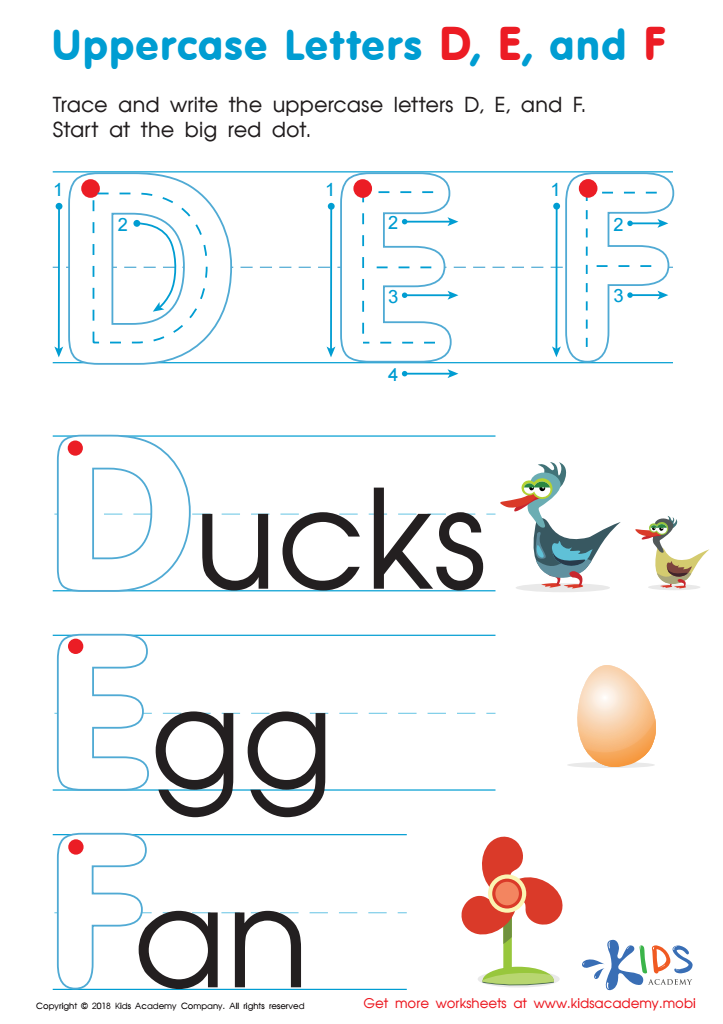
Uppercase Letters D, E, and F Worksheet
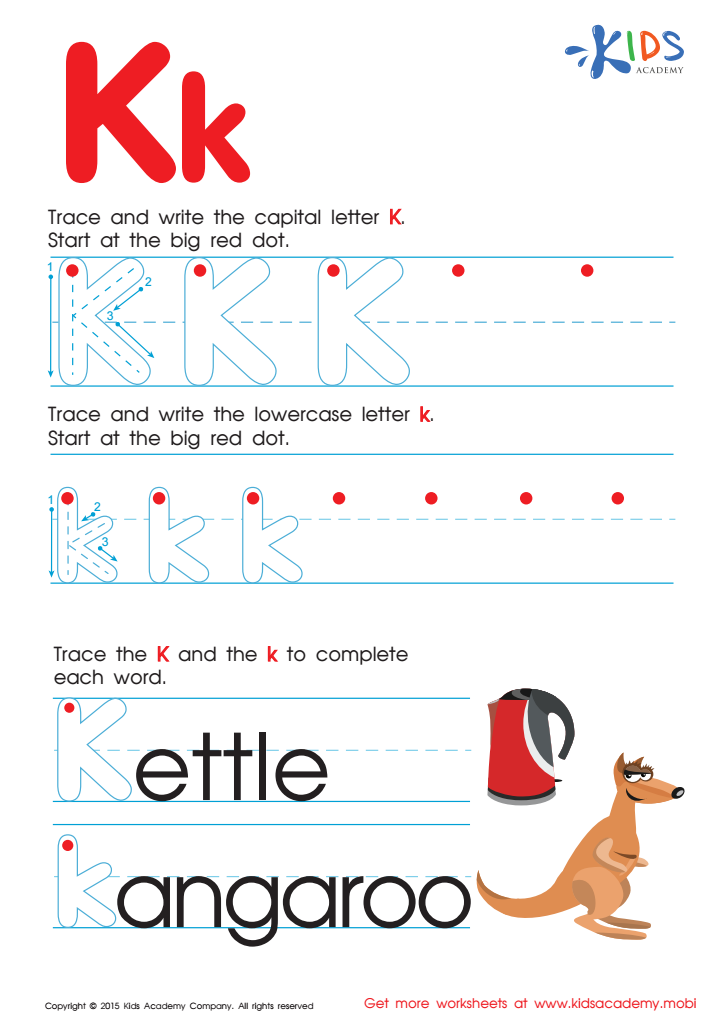
Letter K Tracing Page
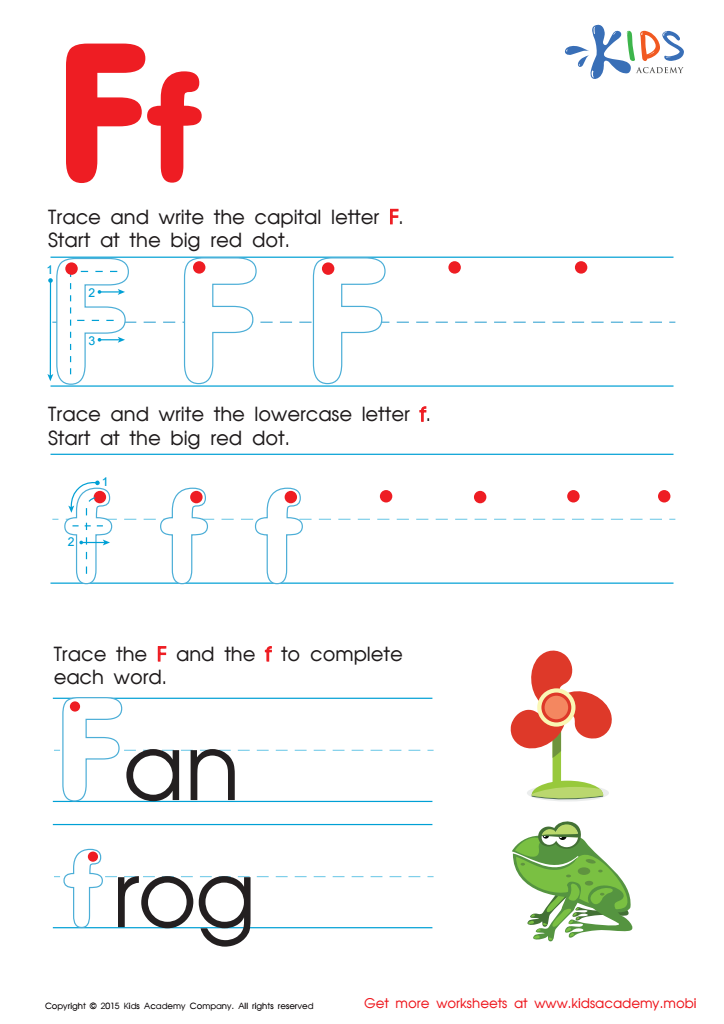
Letter F Tracing Page
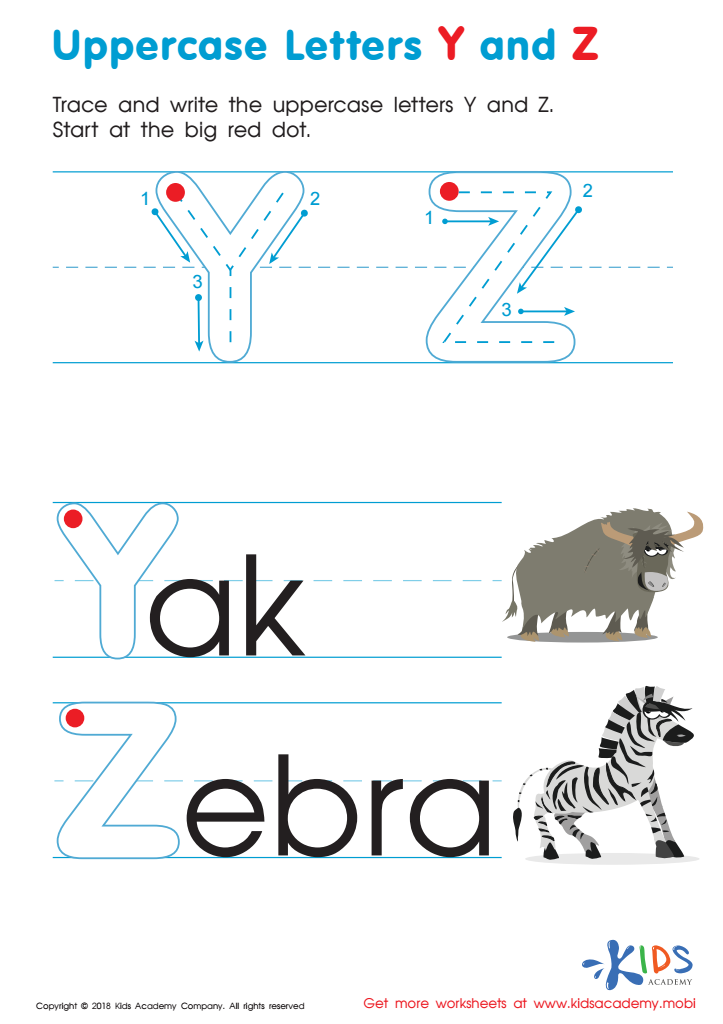
Uppercase Letters Y Z Worksheet
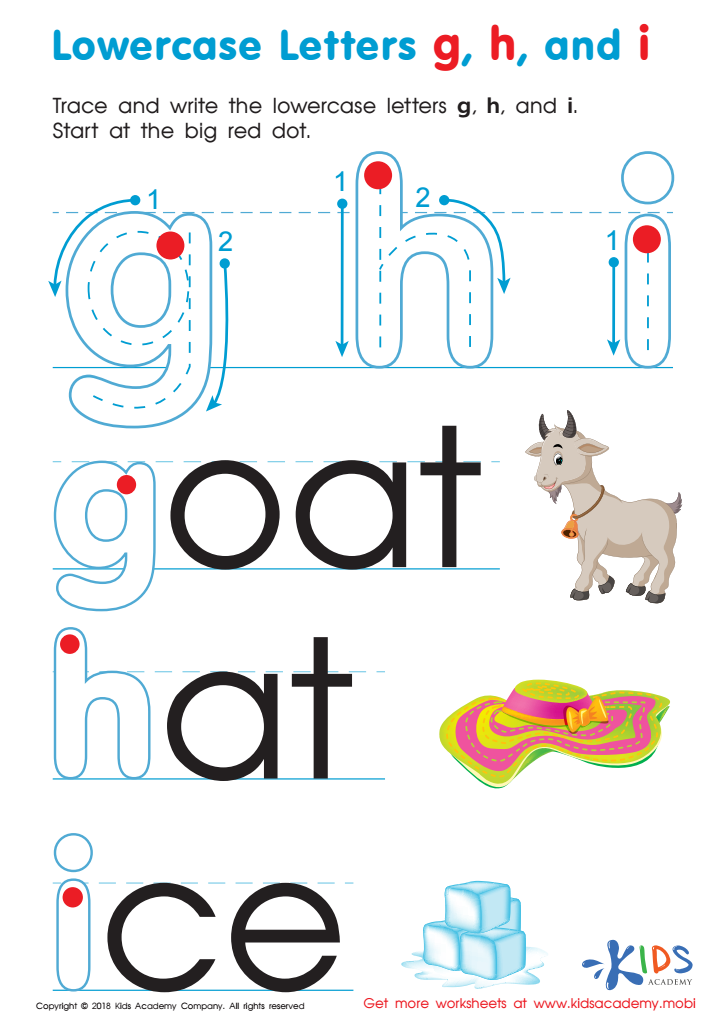
Lowercase Letters g h i Worksheet
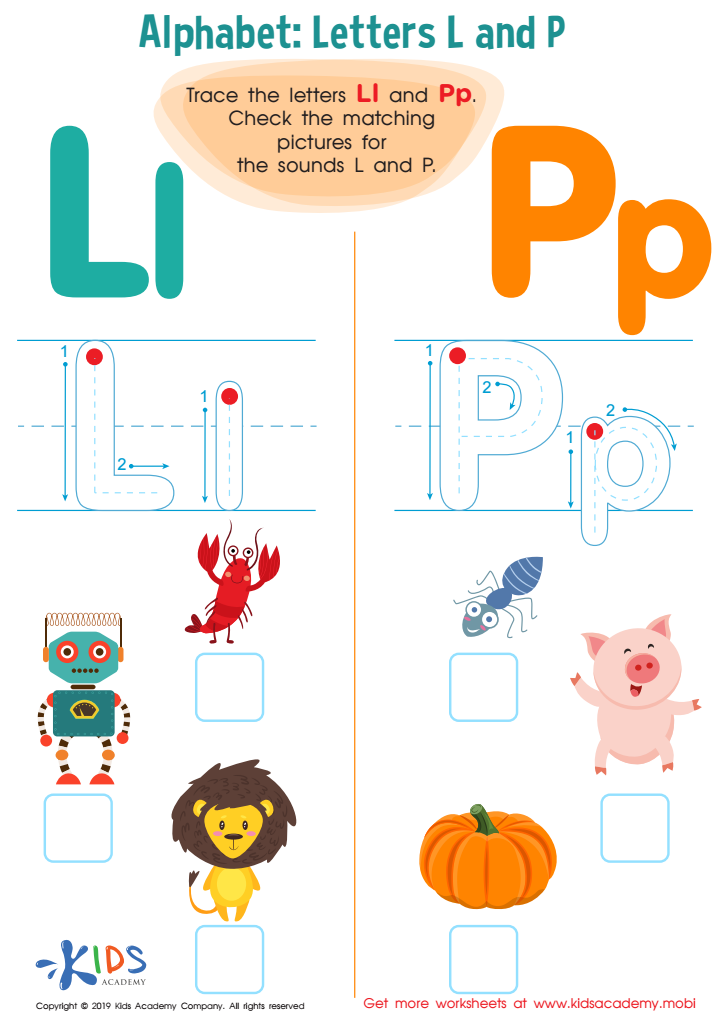
Letter L and P Tracing Worksheet
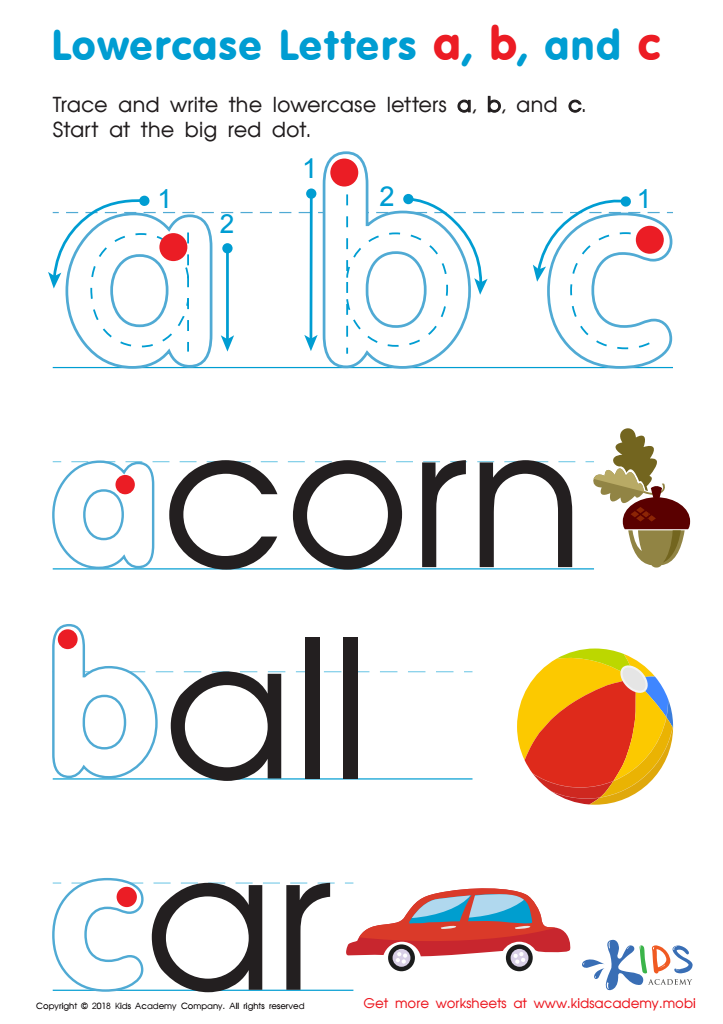
Lowercase Letters a b c Worksheet
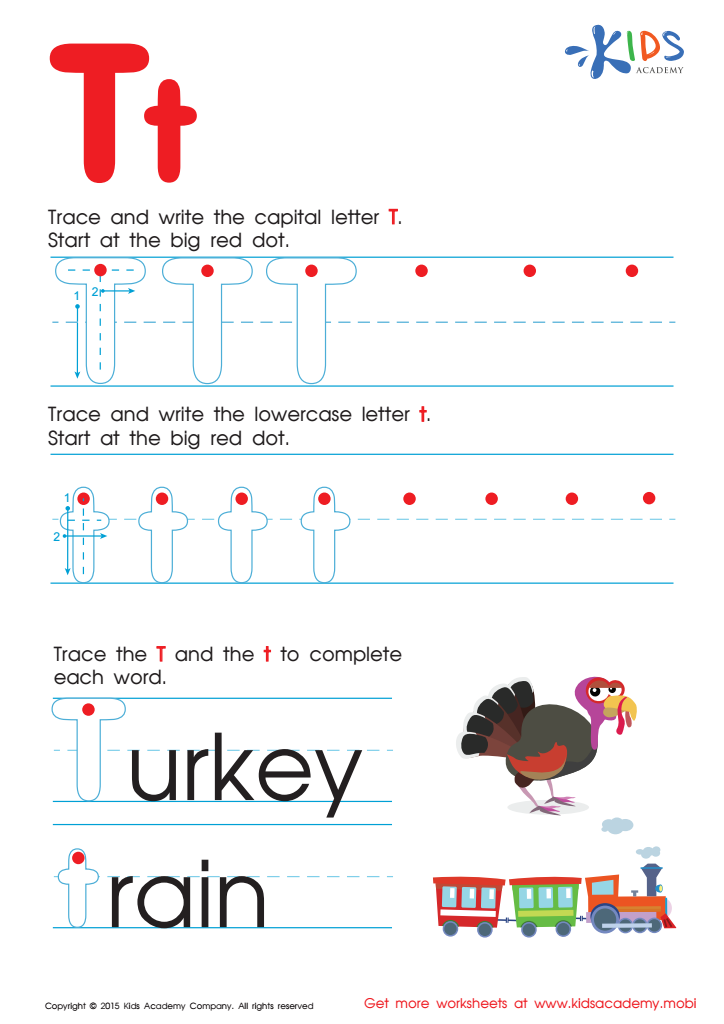
Letter T Tracing Page

Letter D Tracing Page








Tracing letters is an essential early literacy activity that offers numerous benefits for children aged 4-9. First and foremost, it helps to develop fine motor skills and hand-eye coordination, which are crucial for writing proficiency. As children trace letters, they strengthen the muscles in their fingers and improve their overall dexterity, setting a solid foundation for future writing tasks.
Additionally, tracing letters aids in letter recognition and phonemic awareness, key components of early reading skills. When children physically engage with the shapes and forms of letters, they reinforce their understanding of the alphabet and begin to make connections between written symbols and their associated sounds.
This activity also supports cognitive development. As children trace, they engage in focused and repetitive practice, fostering memory retention and comprehension. Moreover, tracing can be a fun and interactive learning method that enhances creativity. Parents and teachers can utilize colorful worksheets and themed materials to engage children, making learning enjoyable.
Lastly, through tracing, children often develop a sense of achievement as they see their progress on paper. This builds confidence in their abilities, encouraging them to further explore reading and writing. Overall, tracing letters is an impactful and enjoyable tool in promoting literacy among young learners.








