Plants Worksheets for Ages 4-9
7 filtered results
-
From - To
Introduce your young botanist to the wonders of nature with our Plants Worksheets, perfect for ages 4-9! Our creatively designed worksheets help children learn about plants through engaging activities that include coloring, matching, and simple science exercises. Each printable is carefully crafted to cater to early grade students, fostering both learning and fun. Kids can explore various plant parts, growth stages, and types, while enhancing their fine motor skills and cognitive development. With our vibrant and educational worksheets, your child will grow a strong curiosity and foundational knowledge about the plant world. Explore now and watch their love for nature blossom!
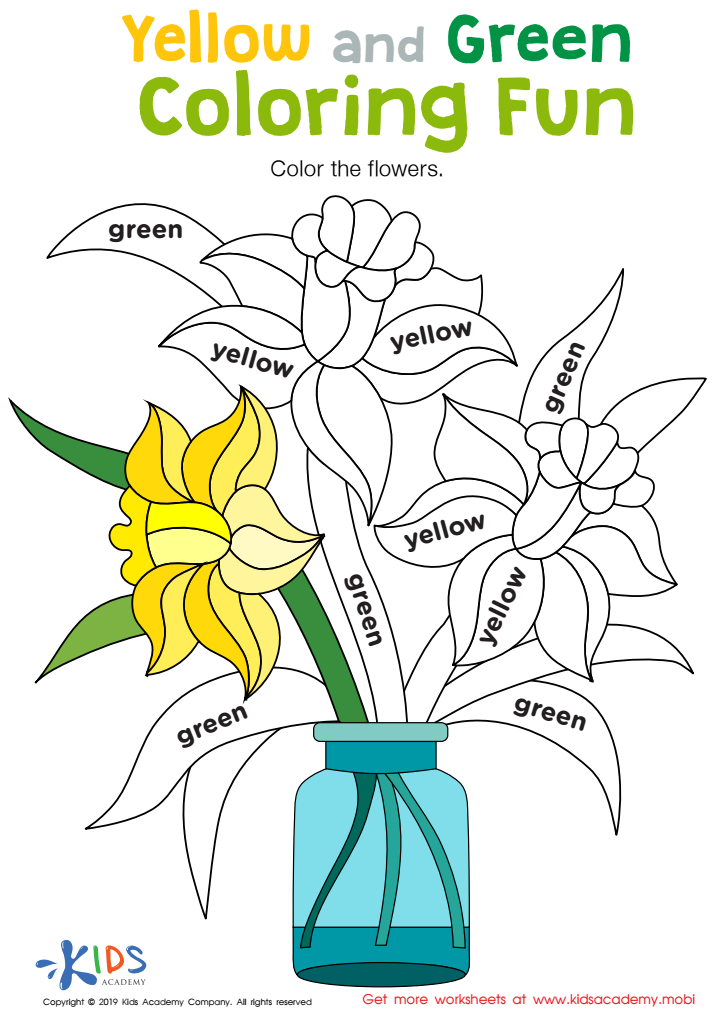
Yellow and Green Coloring Fun Worksheet
 Assign to My Students


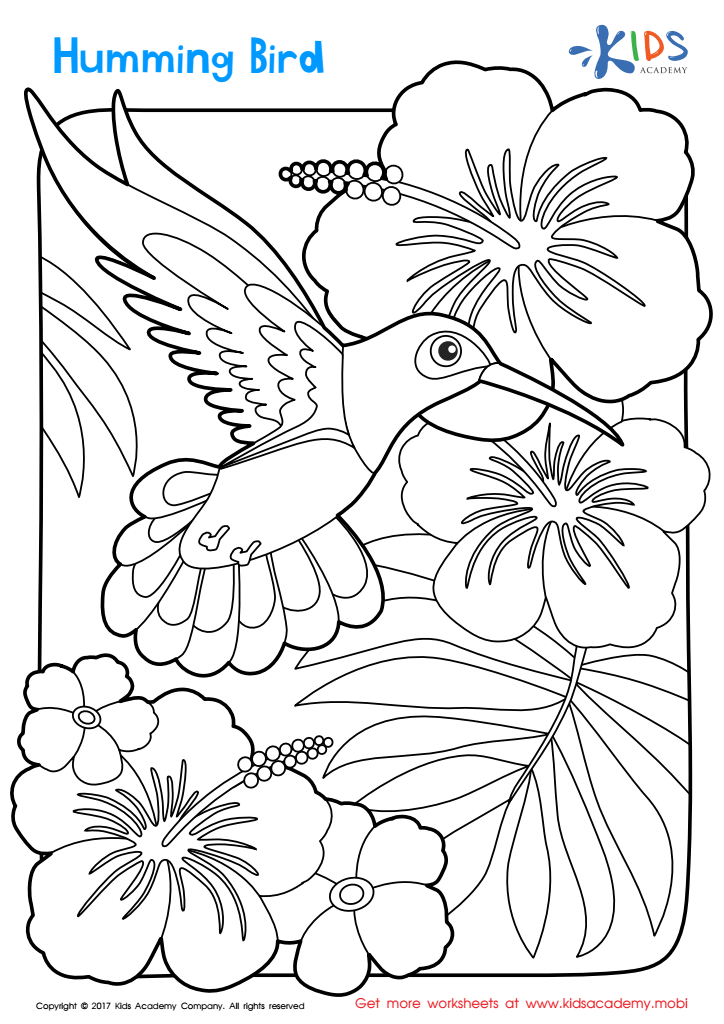
Humming Bird Worksheet
Assign to My Students
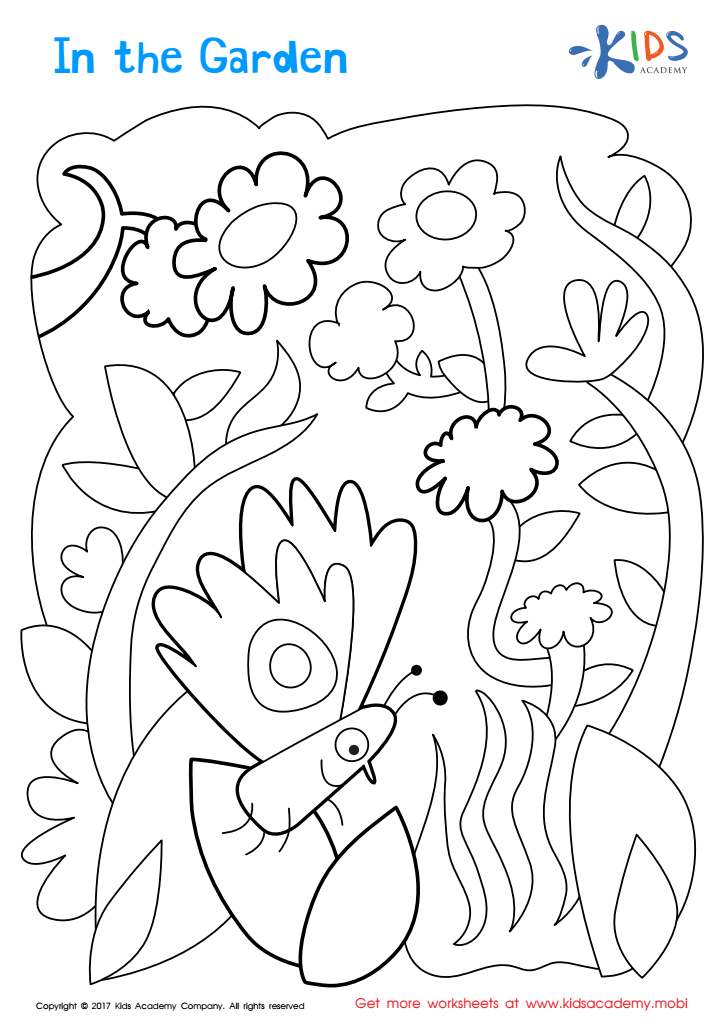
In The Garden Coloring Page
Assign to My Students
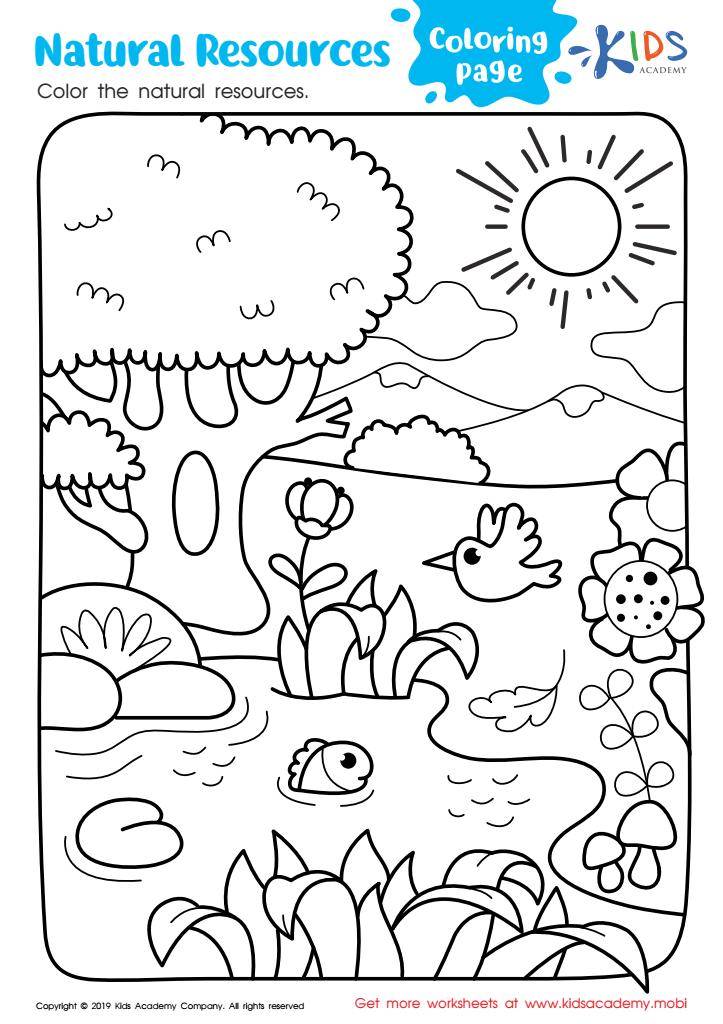
Natural Resources Coloring Page Worksheet
Assign to My Students
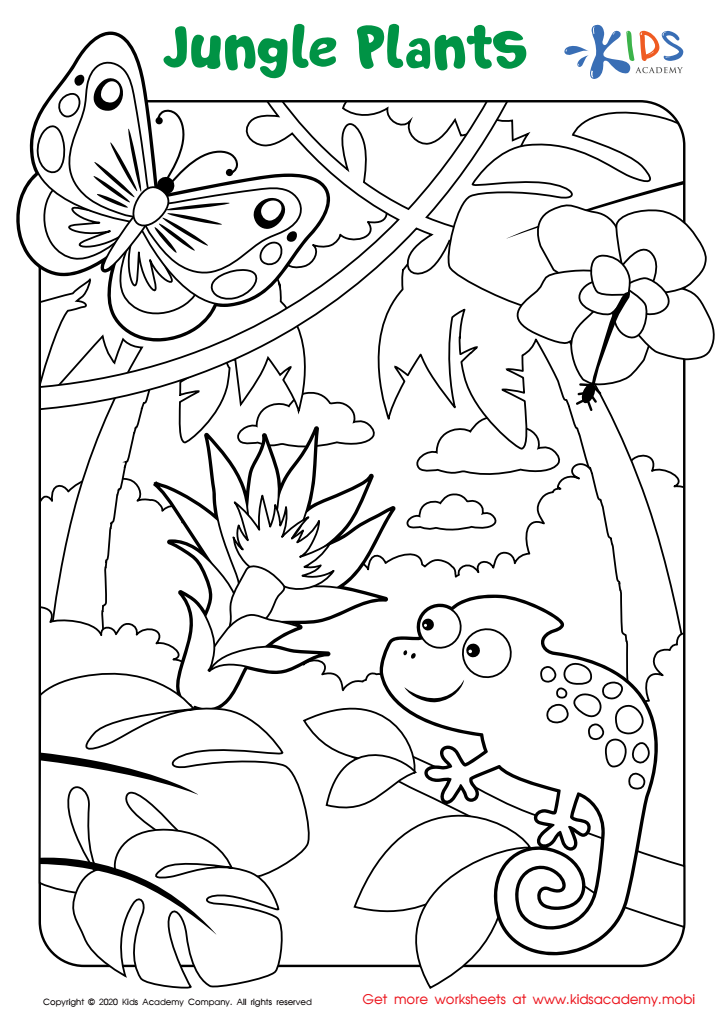
Jungle Plants Worksheet
Assign to My Students
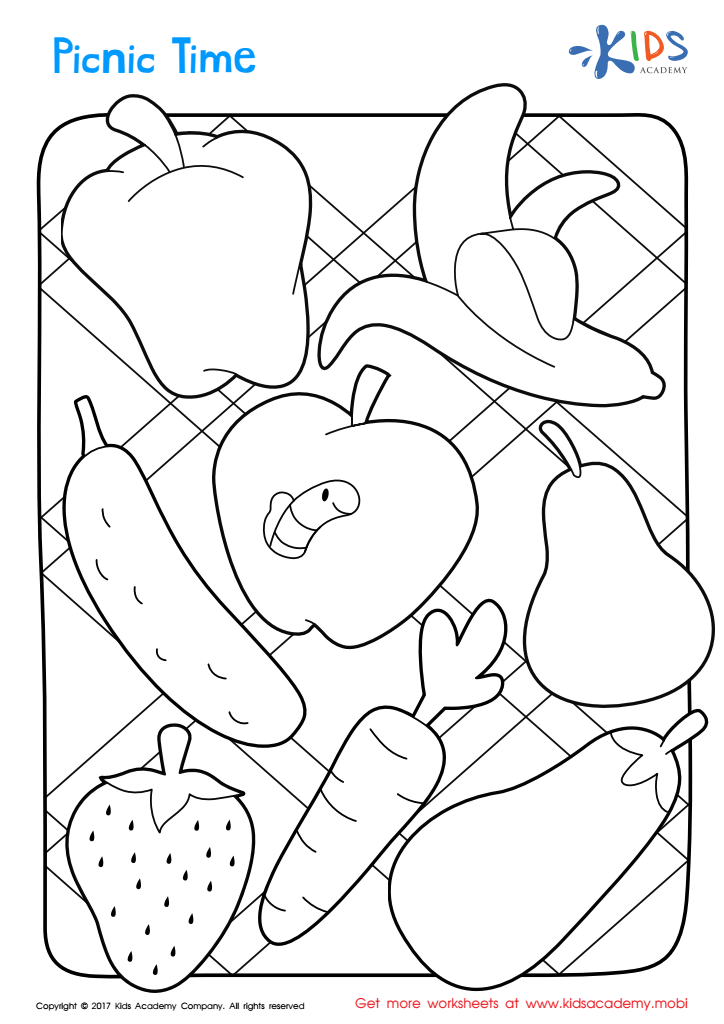
Picnic Time Coloring Page
Assign to My Students
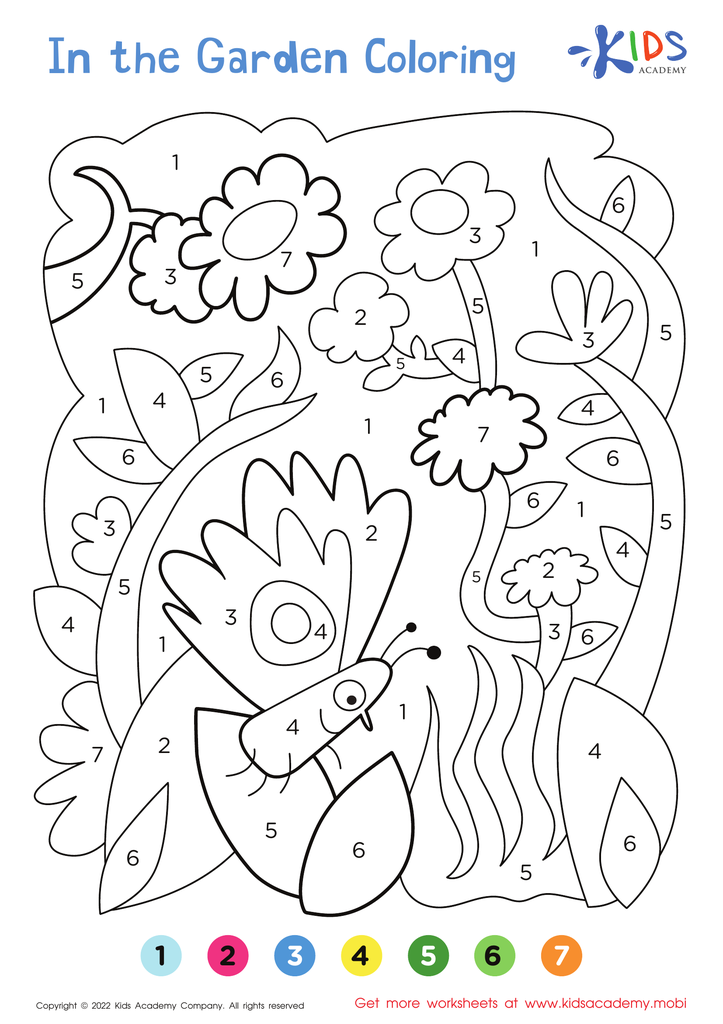
In the Garden – Coloring by Numbers







Parents and teachers should care about plants for children aged 4-9 because engaging with plants offers vital educational and developmental benefits. First, plants provide a hands-on way for children to learn about science and nature. Observing plant growth teaches basic biology concepts, such as photosynthesis, life cycles, and environmental interdependence, laying a foundation for scientific curiosity.
Gardening also enhances fine motor skills through activities like planting seeds, watering, and weeding. It serves as a practical exercise that boosts coordination and dexterity. Moreover, taking care of plants encourages responsibility and patience, as children must nurture their plants over time to witness growth.
Furthermore, plants cultivate a sense of environmental stewardship. Kids get to understand the importance of nature, sustainability, and how they can contribute to a healthier planet. This early appreciation of ecology can lead to lifelong environmentally conscious behavior.
Engaging with plants also has emotional benefits. The calming effects of gardening can foster mindfulness and reduce stress. Additionally, setting and achieving goals, such as growing a flower or harvesting a vegetable, can boost self-esteem.
In the digital age, plants offer a refreshing return to hands-on and observational learning, making them invaluable for children’s intellectual, physical, and emotional development.